Polyurethane coating reduces implant complications after mastectomy, cancer study finds

Women with breast cancer who have reconstructive surgery after a mastectomy are much less likely to have complications if they have a polyurethane-coated implant, according to research.About 55,000 women are diagnosed with breast cancer in the UK every year, of whom about 30% have a mastectomy.Many of these will subsequently have radiotherapy.Many women opt to have reconstructive surgery.But hard, painful scar tissue can form around the implant, especially if they have had radiotherapy.
Research shows that radiotherapy after mastectomy and breast reconstruction is associated with a higher risk of complications and additional surgery.But until now there has been limited real-world evidence about whether the type of implant can influence the risk of scarring.A new study has shown that polyurethane-coated implants reduce scarring and the need for further surgery.The implants are made of silicone, but have a spongy outer layer made of polyurethane.European scientists studied about 1,500 women in 15 countries who were treated for breast cancer between 2016 and 2024 and had a mastectomy, followed by reconstruction with a breast implant and subsequently radiotherapy.
A third of the women received a polyurethane-coated implant, while just under 1,000 did not.The study then tracked the women’s health for two-and-a-half to three years.Preliminary findings, presented at the European Breast Cancer Conference in Barcelona, showed that those who had a polyurethane-coated implant were significantly less likely to develop hardened scar tissue, called capsular contracture.One-third of women (32.8%) who had a polyurethane-coated implant developed capsular contracture, compared with nearly half (47.
5%) of patients who received standard implants.They were also less likely to need secondary surgery to remove the scar tissue or to have a major infection in the breast.Dr Kerstin Wimmer, a surgeon at the Medical University of Vienna, said: “Our study suggests that women who received polyurethane-coated implants had far fewer problems after radiotherapy than those who received standard implants.”The results suggest that the type of implant used “may have a major impact on the risk of complications after radiotherapy”, and provide important evidence to guide reconstructive planning for patients who are likely to need radiotherapy, she added.Prof Isabel Rubio, Head of Breast Surgical Oncology at the Clínica Universidad de Navarra in Madrid, said the findings could help improve patient comfort, aesthetic outcomes and overall quality of life.
“As we continue to move towards more personalised breast cancer care, evidence like this is valuable in guiding implant selection and treatment planning,” she said.“The ultimate goal is not only to treat the cancer effectively, but also to minimise long-term side effects and enhance recovery for patients.”Catherine Priestley, senior clinical nurse specialist at Breast Cancer Now, said comparing how compatible different implants are with radiotherapy in terms of the risk of complications is “extremely important”.“It can help women make more informed and personalised choices, helping them to live better following breast cancer treatment,” she said.“We know how emotionally and physically difficult it is for women to go through further procedures when they are already adjusting to breast cancer treatment or to changes to their body after surgery.
”Sarah Downey, president of the Association of Breast Surgery, said: “Breast implants continue to be an important option for many patients undergoing reconstruction, which can help to restore confidence and offer the potential for an improved quality of life.We look forward to further research in this area.”

More frequent ejaculations may boost men’s fertility, research suggests
Encouraging men to have more frequent ejaculations may boost their fertility, according to researchers who found that sperm deteriorates over time as it remains in the body.The longer men went without sex, the more their sperm showed signs of DNA damage and oxidative stress, and the more tests rated the sperm as less viable and poorer swimmers.The work has implications for fertility clinics and suggests that if doctors want to collect the best quality sperm, men should probably not abstain from ejaculating for several days as guidelines suggest.“In men, the negative effects we found on sperm DNA damage and oxidative damage were large-ish, so we are confident that this is a biologically meaningful and important effect,” said Dr Krish Sanghvi, a biologist at the University of Oxford and lead author on the study.The findings emerged from a meta-analysis that combined 115 human studies involving nearly 55,000 men, and 56 studies that looked at the impact of sperm storage in 30 non-human species
Polyurethane coating reduces implant complications after mastectomy, cancer study finds
Women with breast cancer who have reconstructive surgery after a mastectomy are much less likely to have complications if they have a polyurethane-coated implant, according to research.About 55,000 women are diagnosed with breast cancer in the UK every year, of whom about 30% have a mastectomy. Many of these will subsequently have radiotherapy.Many women opt to have reconstructive surgery. But hard, painful scar tissue can form around the implant, especially if they have had radiotherapy
Public satisfaction with the NHS rises for first time since 2019
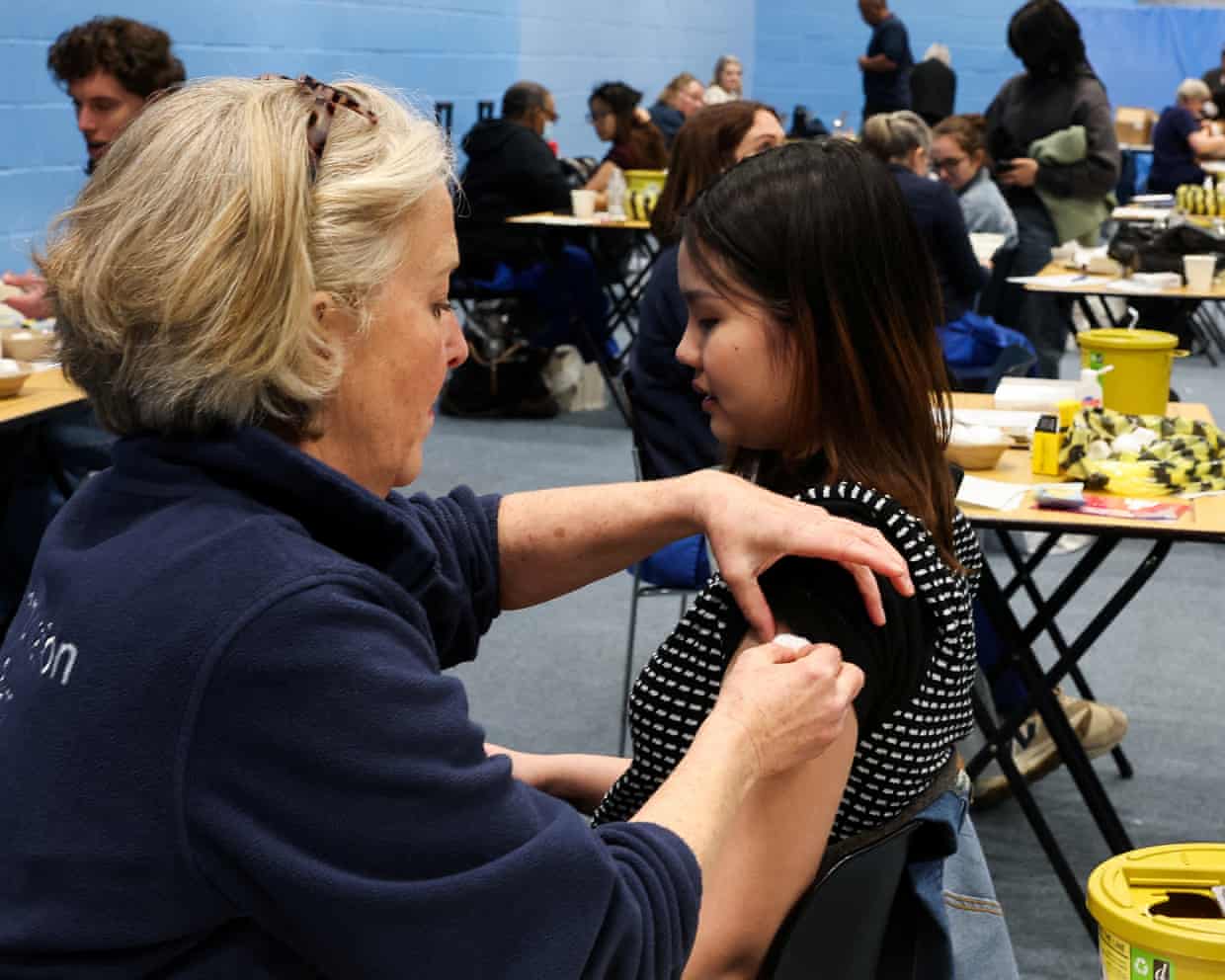
Public satisfaction with the NHS has risen for the first time since 2019, but people remain deeply frustrated with stubbornly long waits to receive GP, A&E or hospital care.The proportion of voters in Great Britain satisfied with the way the NHS runs has increased from the record low of 21% seen last year to 26%. At the same time dissatisfaction with the health service fell 8% – the biggest drop since 1998 – although it remains high at 51%.Wes Streeting hailed the findings as proof that the NHS, which he said was “broken” when Labour won power in July 2024, was now “on the road to recovery”.The health secretary will cite them as evidence of progress in a speech on Wednesday in which he will set out plans to improve care at five badly performing health trusts
My child should have been offered meningitis vaccine by the NHS | Letter
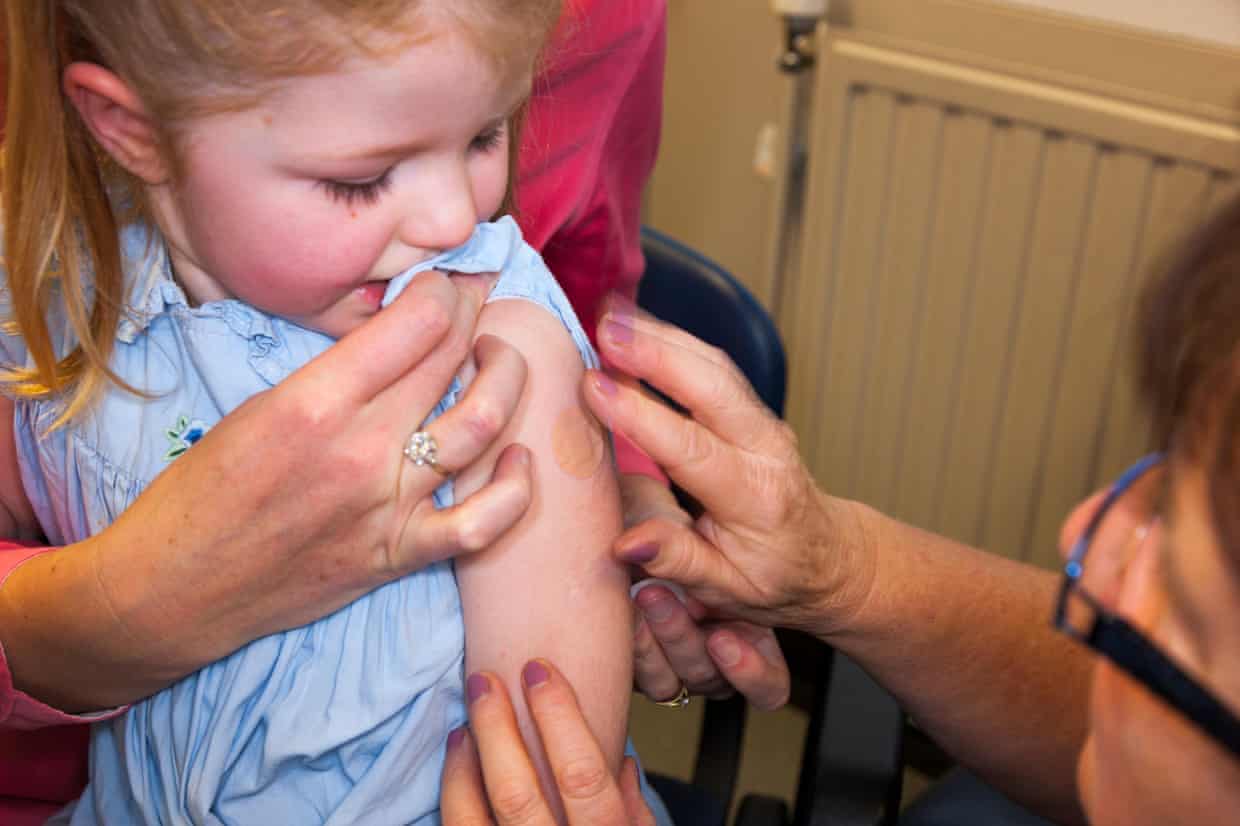
I completely agree with the points made in Devi Sridhar’s article on meningitis (Meningitis is back – and here is why, 17 March). She says that the NHS routine vaccination schedule covers children born after 2015. In fact, it was extended to babies born from May 2015 in a catchup programme. I remember this clearly as my eldest son was born in December 2014. I recall the frustration that I felt on my maternity leave in 2015 when he was not eligible for a MenB vaccine on the NHS like his younger peers

Girlguiding gives trans girls and women until September to leave UK organisation
Transgender girls and women who are part of Girlguiding groups in the UK have been given until September to leave the organisation, under new rules introduced after the supreme court ruling on gender last year.In an announcement on Tuesday, Girlguiding said current members who were trans girls or trans young women could stay until 6 September 2026, at which point they would have to leave.The rule applies to young members and to volunteer roles that are open to women only. Trans boys and trans men, and non-binary people assigned female at birth, are not affected.Girlguiding said the date had been chosen “to give as much notice as possible” and so that all current members could take part in summer holiday activities
Meningitis B vaccine scheme widened to include some year 11 pupils in Kent
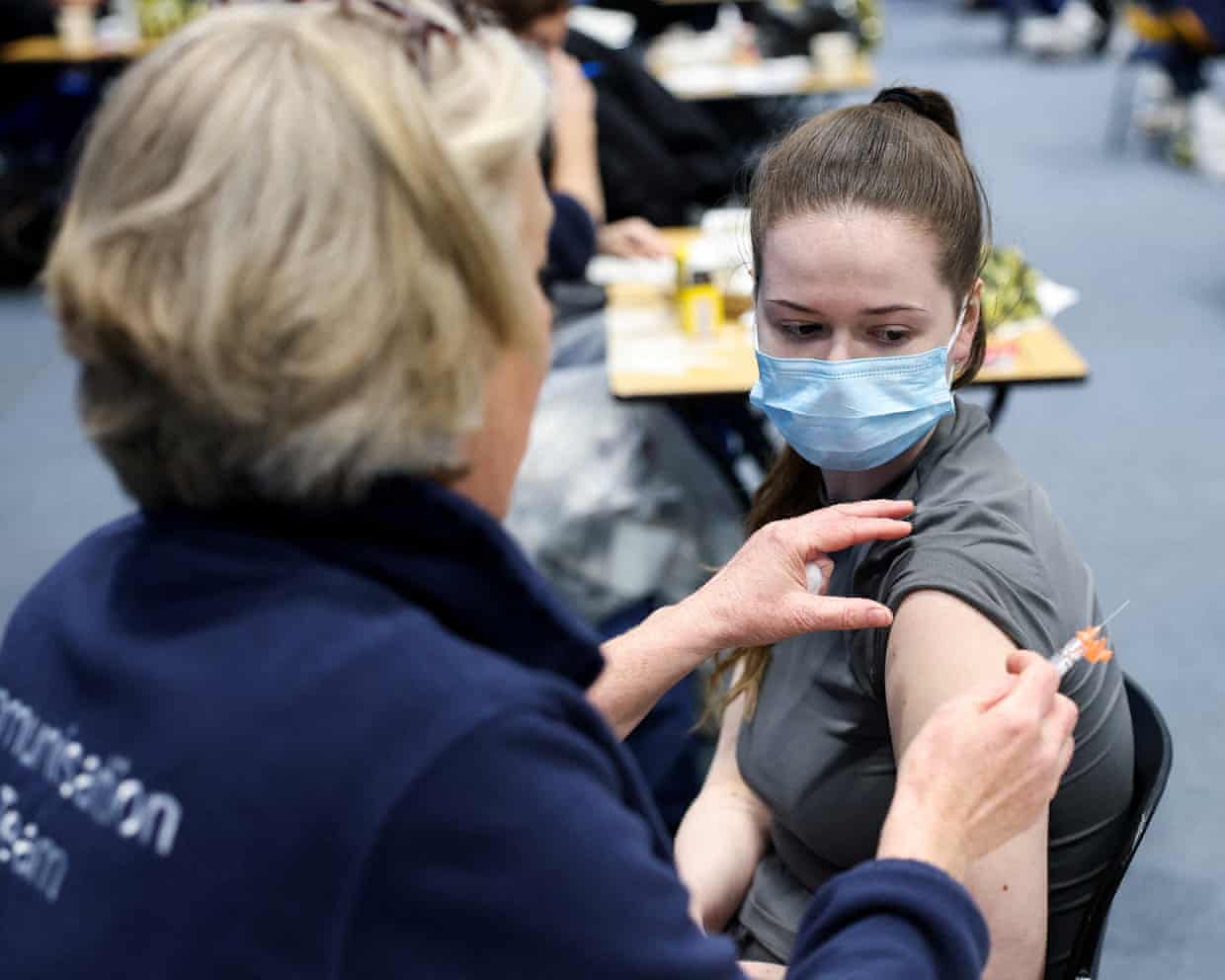
The meningitis B vaccination programme will be expanded to include year 11 pupils at schools affected by the outbreak in Kent, health officials have said.Figures from the UK Health Security Agency (UKHSA) show the number of cases of meningitis have fallen from 29 on Sunday, when 20 cases were confirmed and a further nine were under investigation, to 20 confirmed cases with a further three under investigation, as of 12.30pm on Monday.Officials started vaccinating University of Kent students on Wednesday 18 March. The following day, on a visit to the campus, the health secretary, Wes Streeting, said the programme would be expanded to more people, including sixth form pupils at four schools with known or suspected cases of MenB

No escape from the energy shock for UK business. A long-term strategy is still essential | Nils Pratley

Stocks rise and oil dips on hopes of 15-point Iran peace plan

UK iPhone users face over-18 age check to use services after update

What are the rules on cryptocurrency donations to UK political parties?

US runners led off course in chaotic half-marathon given entry to world championships

Lily James, Andy Murray and a million Britons: padel’s rise nears milestone