North Korea: world’s most secretive nation lands in spotlight at Women’s Asian Cup | Samantha Lewis
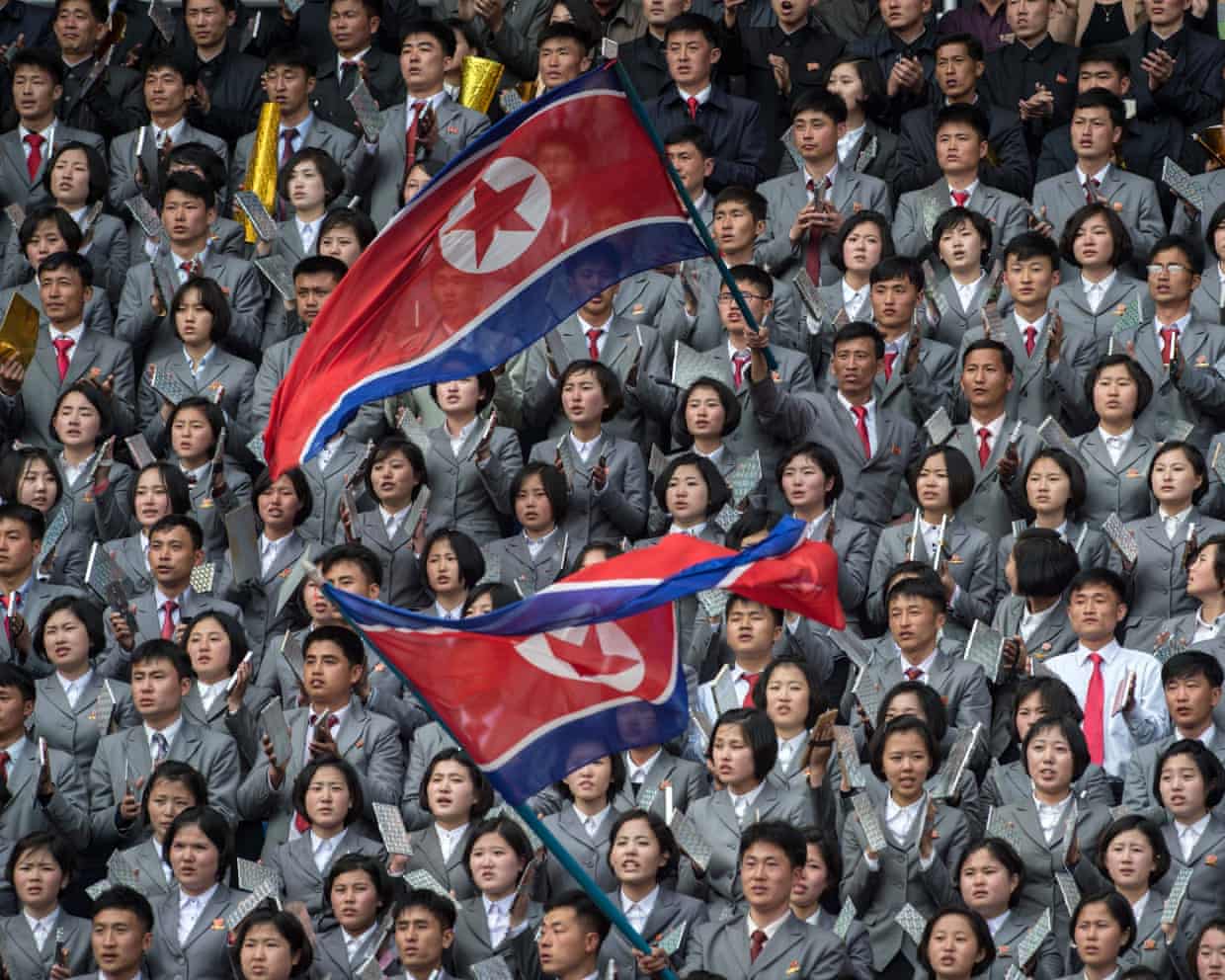
In 1986, when Norwegian delegate Ellen Wille stood on stage at Fifa’s annual congress in Mexico and demanded the creation of a World Cup for women, it sparked support from one of the room’s unlikeliest allies.Delegates from North Korea, so the story goes, were inspired by Wille’s speech and returned to Pyongyang with a plan: to use women’s football as a tool to reassert their collapsing power on the world stage.The plan was simple: starting in the late 1980s, the government would invest heavily in the women’s game, inserting football programs into school curriculums, establishing women’s teams in the military where players trained full-time, creating youth talent identification pathways, and constructing brand-new facilities across the country.As the nation became politically isolated, sport emerged as one of the only avenues through which North Korea could compete – and even succeed – internationally.So under Kim Jong-il, reportedly a football fan, the women’s game became a proxy platform for spreading North Korea’s political agenda.
That is what makes the nation’s progress at the upcoming Women’s Asian Cup, starting with their opening game against Uzbekistan on 3 March in Sydney’s west, all the more intriguing.The three-time champions have not participated in the tournament since losing the final to Australia in 2010, after which they all but disappeared from global competition.But North Korea is now back, invigorated by a new generation of youth World Cup winners, and hoping to return to the summit of Asian football.North Korea’s women’s national team debuted in 1989, two years before their nearest and biggest ally China – who they will meet in the final Group B match on 9 March – was due to host the first ever Women’s World Cup in 1991.Following in the footsteps of their communist cousins, who had similarly invested in women’s football as a geopolitical tool and became one of the sport’s powerhouse nations as a result, North Korea’s autocratic government saw an opportunity to stretch and strengthen their international profile as more traditional avenues of political influence collapsed.
“Due to North Korea’s political isolation, women’s football is one of the very few areas in which the country can display excellence to international audiences,” wrote Jung Woo Lee, a senior lecturer in sport and leisure policy at the University of Edinburgh.“Understandably, the footballing triumph offers the North Korean regime an effective means of political propaganda to convey its exclusive nationalism and fortify its authoritarian domination.”The government’s early investment into women’s football paid off almost immediately.From the mid-1990s to the 2010s, North Korea became one of Asia’s most dominant women’s national teams, winning three Asian Cup titles between 2001 and 2008, and even more minor trophies across the continent.Tens of thousands of people would attend their home games – at venues such as the 150,000-seater Rungrado 1st of May Stadium – at a time when crowds were minuscule elsewhere in the world, with state departments developing stamps, posters, and even a multi-part television drama series about women footballers to inspire the nation.
In exchange for success, players were gifted apartments, controlled travel opportunities, public celebrations, and residence certificates for themselves and their families in Pyongyang, where the living standards remain far superior than in the countryside.The experiences of some of these players were captured in a groundbreaking 2008 documentary, Hana, dul, sed, which follows four women “during their active careers and after retirement, unobtrusively observing their everyday lives against the backdrop of bombastic monuments and solemn gestures in this communist hermit state”.But in 2011, the team’s global momentum screeched to a halt.Five players tested positive for a banned steroid at the Women’s World Cup in Germany.North Korea denied wrongdoing, claiming the players had been given a natural substance derived from musk deer glands after the players had been struck by lightning.
Fifa rejected their bizarre explanation and issued a four-year ban, meaning they missed the 2015 edition.North Korea subsequently failed to qualify for the 2018 Asian Cup and 2019 World Cup, while pandemic lockdowns saw them withdraw from both tournaments in 2022 and 2023.As a result, the senior women’s team have been largely absent from international competitions for over a decade (though have mysteriously kept their global top 10 ranking), with economic sanctions making it nearly impossible for individual players to sign contracts overseas.But even with their senior team in stasis, North Korea’s long-term plan has continued to pay off.Thanks to their decades-long investment in women’s football, particularly the opening of the Pyongyang International Football School in 2013, the nation’s youth teams are experiencing a second wave of success.
The first generation of graduates from that school are the reigning Under-17 and Under-20 Women’s World Cup and Asian Cup champions, making North Korea the most successful national team across all youth tournaments (14 titles, including four trophies in the past two years).The Asian Cup, which kicks off on Sunday in Perth, may be too soon to see young stars like Yu Jong-hyang, Choe Il-son, Jon Il-chong and Chae Un-gyong shine.But it will be the best glimpse yet of whether this old, unlikely superpower of women’s football is rumbling back to life.

Lamborghini pulls plug on plans to launch all-electric supercar
The Italian supercar manufacturer Lamborghini has abandoned plans to make all-electric vehicles, and will instead focus on making plug-in hybrid cars, after a drop-off in demand for EVs among its wealthy clientele.Lamborghini unveiled its first all-electric concept car, the Lanzador, in 2023, but it is no longer planning to put it into production.The carmaker’s chief executive, Stephan Winkelmann, told the Sunday Times that developing EVs risked becoming an “an expensive hobby” for the brand, given that the “acceptance curve” for battery-powered cars among its customer base was getting “close to zero”.Winkelmann said the Lanzador would be replaced by a plug-in hybrid, meaning its range would consist only of plug-in hybrids by 2030. In the meantime, the company would continue to build combustion engine vehicles for “as long as possible”, he added

Trump’s trade war risks undermining his hopes of hefty US interest rate cuts | Graeme Wearden
Donald Trump and Denis Healey don’t have much in common. One of the greatest prime ministers Britain never had shares little of his famous hinterland with what some historians see as one of the worst occupants of the White House.But Trump would be well advised to remember Healey’s first law of holes – when you’re in one, stop diggingInstead, having seen the supreme court reject his sweeping global tariffs on Friday, Trump dug his shovel out, announcing a new global tariff of first 10%, then upping it to 15%. That may have lifted the president’s mood, after a stinging rebuke from the top judges in the US, but it risks backfiring on his hopes for hefty interest rate cuts this year.The trade war, with its exhortation to businesses to make their products in the US if they know what’s good for them, is one of Trump’s signature policies
‘It’s survival of the fittest’: the UK kebab chain seeking an edge with robot slicers
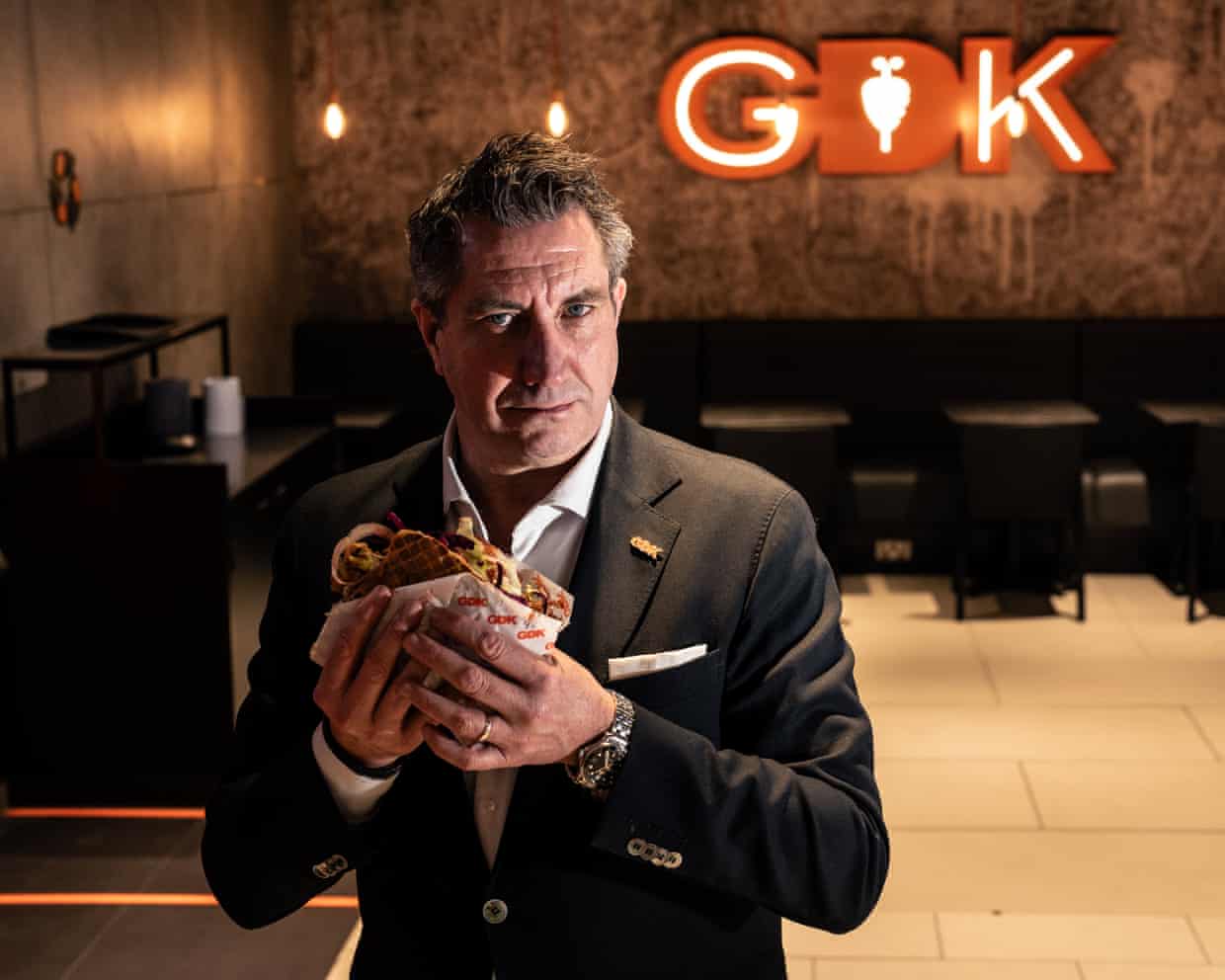
They are already packing our groceries and delivering shopping. Now robots are coming to the kebab shop, alongside self-service screens and loyalty apps, as takeaways look for ways to tackle rising costs.German Doner Kebab (GDK), a perhaps surprisingly British-owned chain that has been springing up across the country, has turned to technology to keep its fast food business buzzing in the face of rising costs and tough times on the high street.With households cooking at home more often to save money, and restaurants facing increases in energy bills, business rates, national insurance and hourly pay, profits are under pressure despite rising prices at the till.“It is survival of the fittest,” says Simon Wallis, the CEO of the brand, which operates via dozens of franchise partners running 155 outlets in the UK and nearly 40 more overseas including in the US, Dubai, Ireland and Sweden
Nascent tech, real fear: how AI anxiety is upending career ambitions
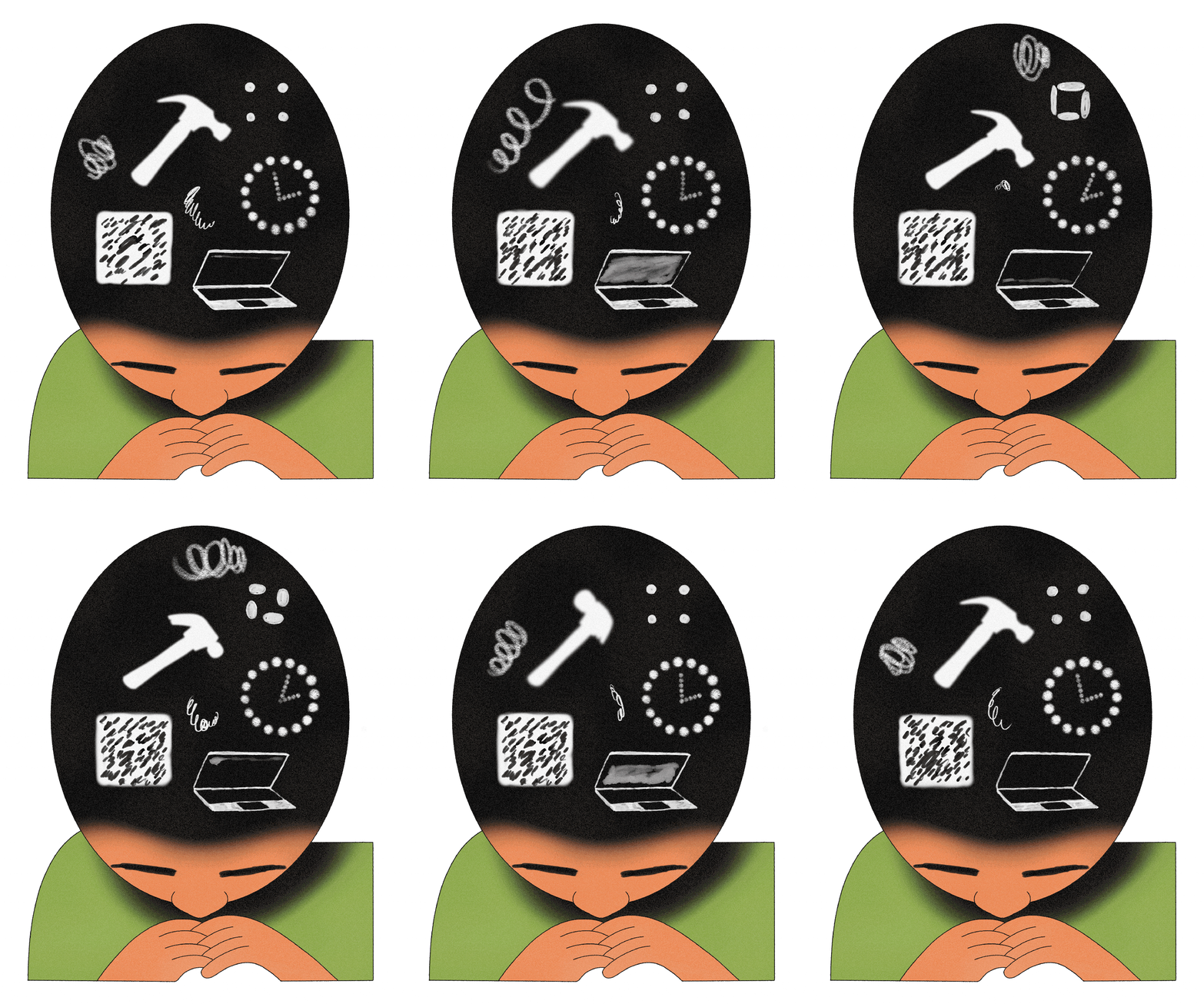
Matthew Ramirez started at Western Governors University as a computer science major in 2025, drawn by the promise of a high-paying, flexible career as a programmer. But as headlines mounted about tech layoffs and AI’s potential to replace entry-level coders, he began to question whether that path would actually lead to a job.When the 20-year-old interviewed for a datacenter technician role that June and never heard back, his doubts deepened. In December, Ramirez decided on what he thought was a safer bet: turning away from computer science entirely. He dropped his planned major to instead apply to nursing school
Winter Olympics briefing: the tooth fairy brings gold as USA end 46-year wait
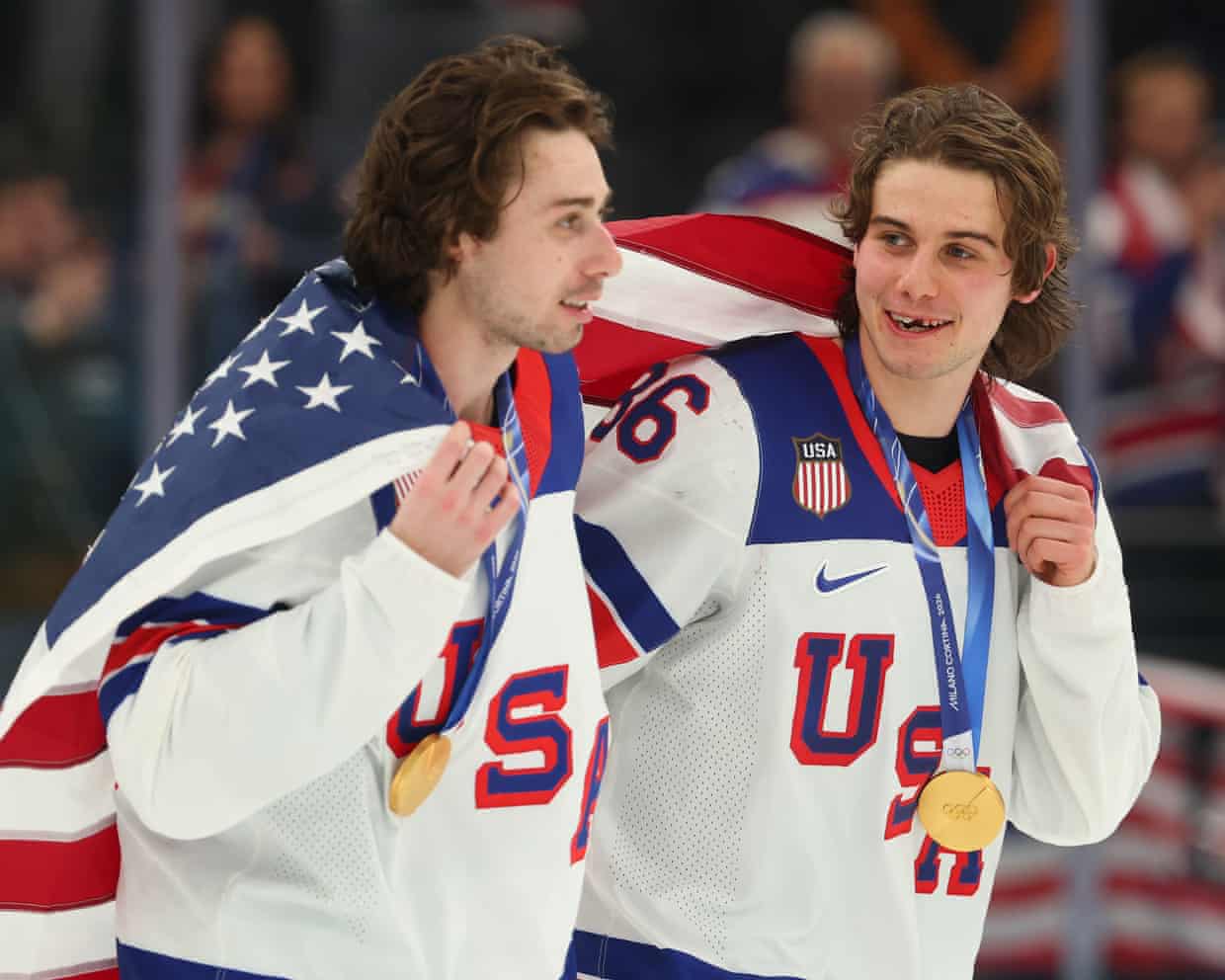
If the Milano Cortina Winter Olympics opening ceremony was a love letter to Italian heritage, the final day was a thunderous operatic finale, a crescendo of clashing sticks, soaring amplitude and the bittersweet tears of legends taking their final bows. As the sun dipped behind the peaks of the Dolomites for the last time this fortnight, the Olympic flame did not just flicker out – it was passed from the high-fashion streets of Milan to the ancient stones of Verona.The final day’s headline act was the men’s ice hockey final which the weight of a 46-year ghost. Pitting the United States against Canada, the contest fell exactly on the anniversary of the 1980 Miracle on Ice. There was no need for a miracle this time, just the surgical precision of Jack Hughes

England’s zombies have rapidly descended into collective brain fog in Six Nations | Robert Kitson
The band on the stadium concourse were playing a familiar tune in the immediate aftermath of England’s latest debacle on Saturday. “Zombie! Zombie!” the vocalist sang, ostensibly in tribute to Ireland’s record 42-21 victory at Twickenham. Alternatively he might just have been riffing on the horribly listless, blank-eyed performance that ended England’s Six Nations title hopes for another year.“In your he-ad, in your he-ad…” The old Cranberries anthem, synonymous with Ireland’s 2023 World Cup campaign in France, will be heard a few more times over the next month if Andy Farrell’s team maintain their revitalised excellence and no-nonsense physical intent. For England’s players, though, the past two weekends have been truly grim, a return to the bad old days they had dared to hope were over

‘Very dangerous’: a Mind mental health expert on Google’s AI Overviews

Martyn Webster obituary
Ketamine addiction making teenagers wet the bed, says UK’s first specialist clinic
Death tax? Property tax? Four ideas that could offset inheritance inequality in Australia

The disturbing rise of Clavicular: how a looksmaxxer turned his ‘horror story’ into fame

Ministers may slow youth minimum wage rise amid UK unemployment fears