England’s zombies have rapidly descended into collective brain fog in Six Nations | Robert Kitson

The band on the stadium concourse were playing a familiar tune in the immediate aftermath of England’s latest debacle on Saturday.“Zombie! Zombie!” the vocalist sang, ostensibly in tribute to Ireland’s record 42-21 victory at Twickenham.Alternatively he might just have been riffing on the horribly listless, blank-eyed performance that ended England’s Six Nations title hopes for another year.“In your he-ad, in your he-ad…” The old Cranberries anthem, synonymous with Ireland’s 2023 World Cup campaign in France, will be heard a few more times over the next month if Andy Farrell’s team maintain their revitalised excellence and no-nonsense physical intent.For England’s players, though, the past two weekends have been truly grim, a return to the bad old days they had dared to hope were over.
Alas, dear reader, we may also have given the impression in these pages before the tournament that England were on the rise.Twelve wins on the spin had certainly encouraged the notion that Steve Borthwick’s side were gaining momentum, even if France were still well ahead of them.Sobering defeats for Ireland, Scotland and Wales on the opening weekend further stoked that breathless narrative.All of which – ahem – now feels a long, long time ago.At least it has been a timely reminder of how dramatically things can turn if a team are slightly off it or start assuming they have cracked this rugby lark.
Or when their opponents opt not to dance to England’s preferred tune.As Scotland and now Ireland have underlined, yesterday’s crowing rooster can rapidly become tomorrow’s feather duster.All of which clearly paves the way for England to burst spectacularly into life, thrash both Italy and France away from home and remind their critics they were never too far away.In that event we can formally declare this the most perverse championship of the modern era and throw the trusty old crystal ball into the River Seine on the way home.But what if that doesn’t happen? What if the evidence of everyone else’s eyes is not remotely deceiving? Because Italy are arguably slight favourites to beat England in Rome in a fortnight given the visitors have just produced their poorest pair of Six Nations performances in years.
And, for that reason alone, the foundations of Borthwick’s England project are inevitably back under scrutiny.It is fair to say that two weeks ago the management didn’t see this vertical descent coming.Nobody did.But it is now reasonable to ask how and why a team capable of whacking the All Blacks for six in November are now struggling to get the ball off the square.For whatever reason, the key areas England thought they had addressed – leadership, bench impact, aerial dominance, forward turbo thrust and backline rhythm – have all simultaneously gone awol again.
If it were merely a case of a couple of fumbles close to the line, it would be an easy fix.Keep the faith, hopefully they’ll stick next time.But in successive games now England have seemed worryingly unable to see the tactical wood for the trees.Their rigid gameplan is based squarely around control; when that is not forthcoming they look horribly brittle.Their narrow defence is positively encouraging teams to attack them in the wider channels and their minds appear cluttered.
What other overarching reason can there be – Irish pressure aside – for their disintegrating lineout, their vastly experienced fly‑half being unable to punt a penalty a few metres into the corner, the regression of their kicking game and, for good measure, another brace of yellow cards? The fireworks that greeted Maro Itoje’s 100th Test appearance for England made the skies over Twickenham pretty murky, but nothing compared with the collective brain fog that followed,When good players start displaying the consistency of headless chickens it is generally because they feel confused,And their defence is visibly suffering as a result: England have conceded 73 points and nine tries in only two games,The other giveaway is the conversion rate in the opposition 22,Ireland made nine entries with an average return of 4.
3 points each; England made 12 visits that delivered only 1.7 points apiece on average.The bigger picture is similarly uncomfortable.In the past 23 years since the 2003 World Cup triumph, guess how many grand slams England have won? One is the answer – which, for an organisation with the Rugby Football Union’s mega resources, is a disgrace.The Prem elite have also been stubbornly prioritised at the expense of building a stable, virtuous club pyramid and, seemingly, the fostering of more young players capable of thinking for themselves.
And, ultimately, there also remains a shortage of clear‑eyed vision and razor-sharp decision‑making within English rugby.Look at Farrell or Shaun Edwards and then ask what really matters in international rugby: is it social media vibes, technocrat waffle and more DJs at half-time? Or is it inspiring man-management and an innate understanding of how best to win the biggest games? England are great at analysing footage in retrospect, rather less so at reacting smartly in real time à la Ireland’s scrum-half Jamison Gibson-Park.The excellent Stuart McCloskey, Rob Baloucoune and Caelan Doris would also presently walk into the England team, and significant changes appear inevitable for Italy.But if their main men are either knackered, out of form or past it, an instantaneous revival becomes even trickier.And what’s that coming over the hill? Why, the Springboks in Johannesburg in July.
Between now and then England’s “zombies” need to wake up fast.
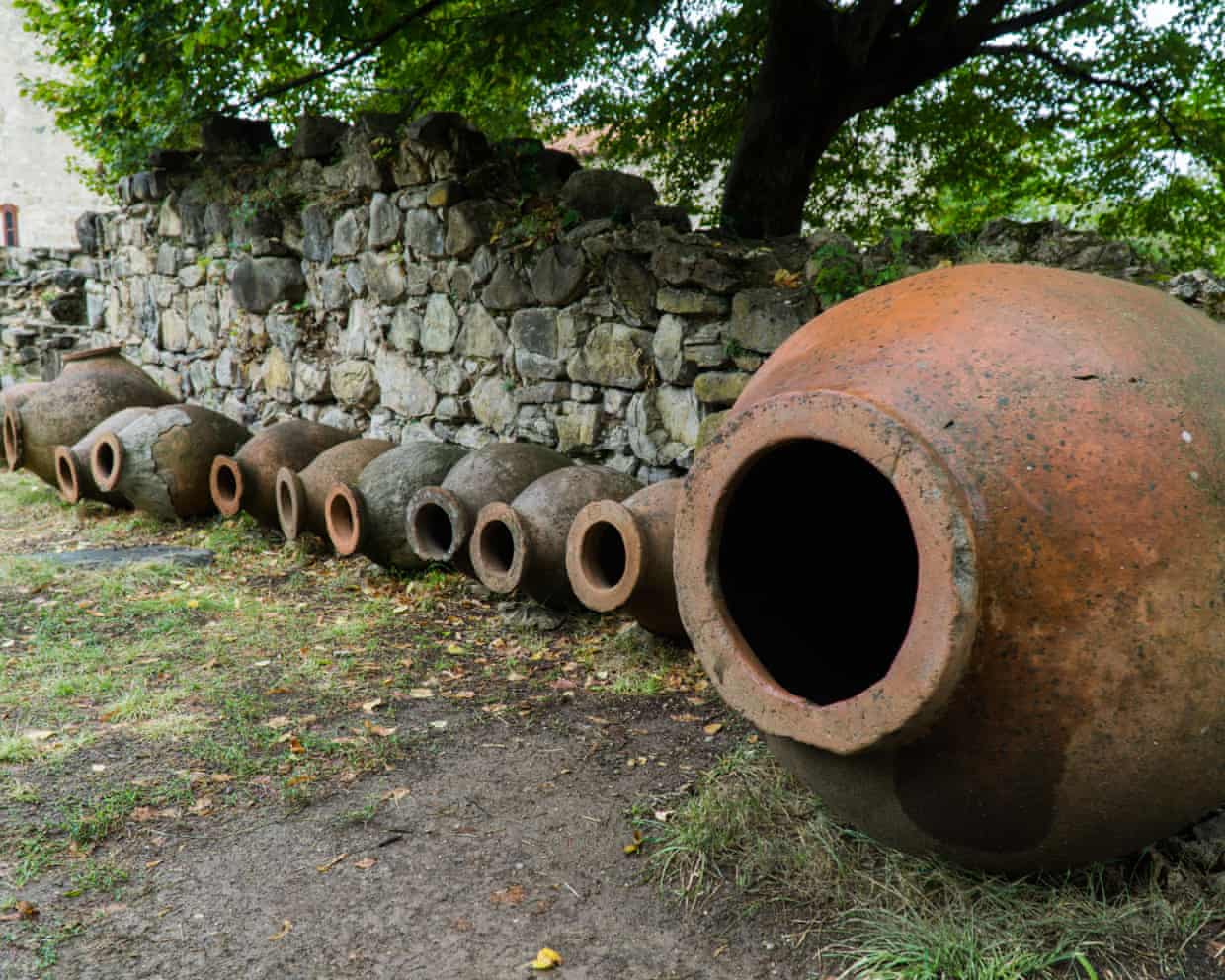
The story of Georgian wine has been 8,000 years in the making | Wine
France, Italy and Spain purport to be the best-loved classical wine regions, but if you’re in the market for the real old-world deal, look no further than Georgia, which has more than 8,000 years of winemaking prowess. There’s something about this place on the lush intersection of the silk roads between Europe and Asia that gets under the skin. Perhaps it’s the combination of unpolished authenticity paired with profound generosity (guests are considered a gift from God and fed accordingly), all while being gently rocked in a cradle of civilisation, that make Georgian wine so beguiling. (My first visit in August 2023 – a khachapuri-fuelled reconnaissance for my book, Drinking the World: A Wine Odyssey – lingered in my mind long after my flight touched back down on British tarmac.The Guardian’s journalism is independent

The feast before the fast … my pre-Lent indulgent recipes
In terms of religious food festivals, this week is kind of a double whammy. First up was pancake day, which is always a whole-day affair in our kitchen, with both sweet and savoury stations, crepe pans and all the toppings (you can always rely on Felicity Cloake for a foolproof recipe). And, because of the way the calendars fall this year, we are also celebrating Orthodox Maslenitsa, or cheesefare, week at the same time.OK, so the sentiment is pretty much the same (it’s the week before the start of Lent, when people ease into their strict fasting period), but these two celebrations can often be weeks apart (blame the battle of the Gregorian and Julian calendars). For those of Orthodox faith, last week was all about eating meat, and this week is all about dairy
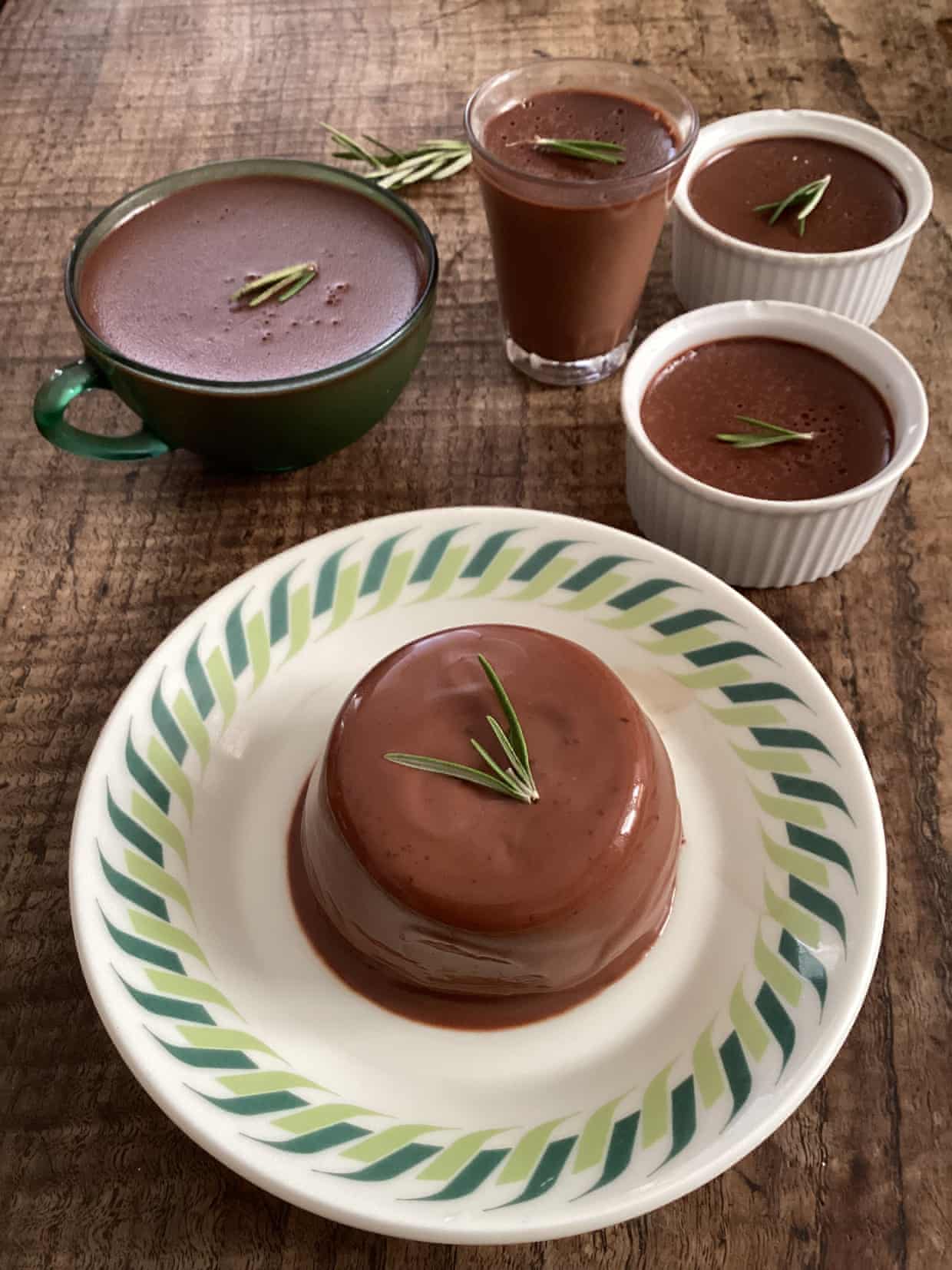
Rachel Roddy’s recipe for chocolate and rosemary panna cotta | A kitchen in Rome
The pungent and lingering aromas of familiar kitchen herbs – oregano, rosemary, sage, thyme, bay, lavender, mint – seem purposely made to donate their landmark volatiles to our everyday lives and food. In fact, their design is not for domestic calm and onion basket or fridge drawer neglect, but for uncultivated wilds. In particular the limestone terrain of the Mediterranean, where their defining smells are hardcore chemical defences, with every small, tough leaf or needle loaded with enough volatiles to deter both predators and competitors.Rosemary is particularly kick-arse in this respect, with those volatiles (mostly organic compounds called terpenoids) synthesised and stored in minuscule glands that project from the surface of each dark green needle, which breaks when brushed against or bitten, releasing an intense, hot, bitter shot. It’s the evergreen equivalent of carrying personal defence spray
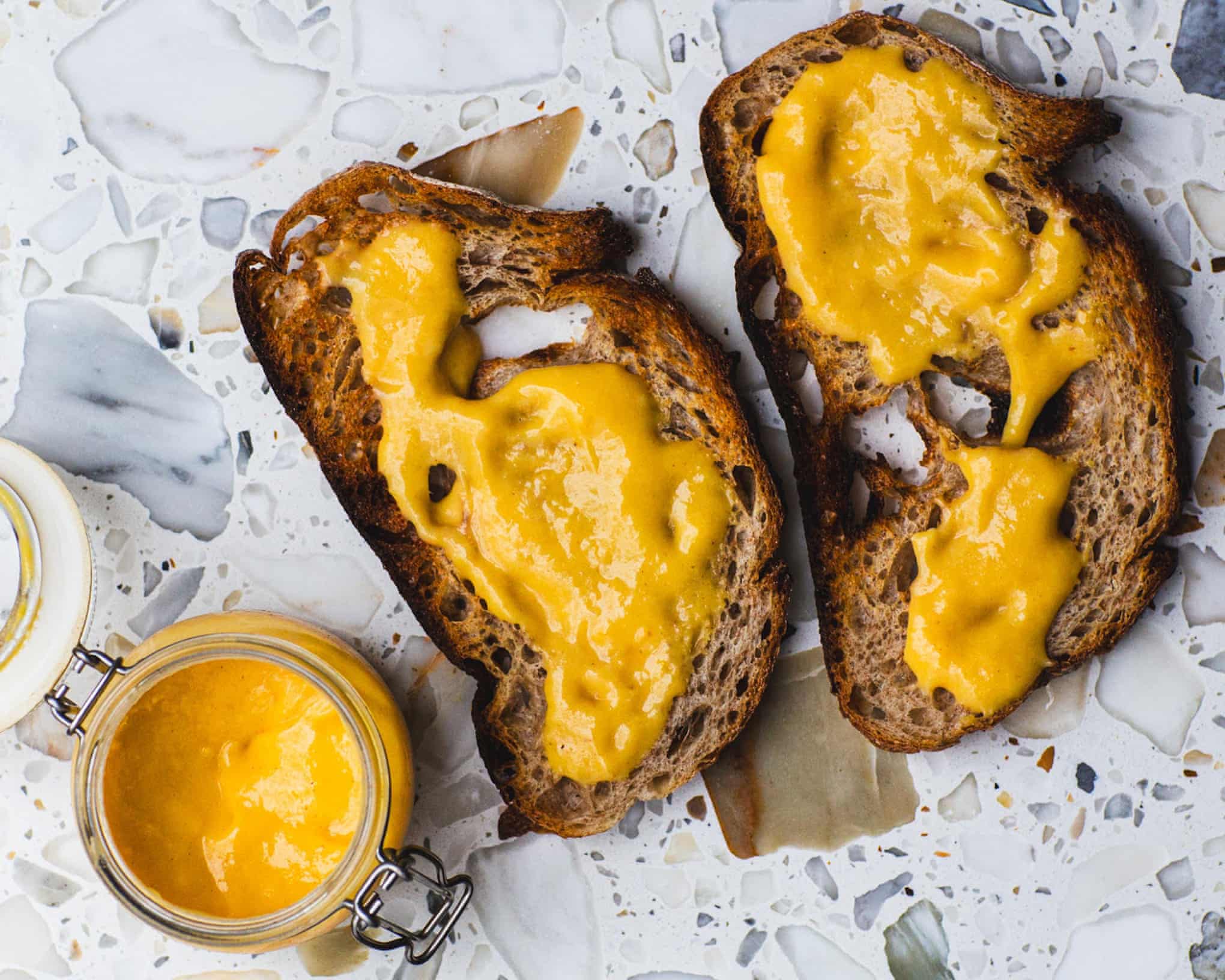
How to turn any leftover fruit into curd – recipe
You can make curd with almost any leftover fruit, as long as you add a little lemon juice for acidity and blend it to that familiarly special smooth textureI love ingenious recipes like curd that have the superpower to turn a tired piece of fruit or a forgotten offcut into something utterly decadent. Lemon curd is the original and a classic, but you can make curd with almost any fruit, as long as you add a little lemon juice for acidity. Each version is intense, indulgent and dreamy. So, please approach with caution: this spread is deeply moreish, in the best possible way.When testing this recipe, I had some leftover frozen mango that had been accidentally defrosted on the counter, a sad golden kiwi and some wrinkled grapes, so I split the recipe and made three small batches of different curds

‘Food porn’: are sexy meal pics ruining the restaurant industry?
Name: Food porn.Age: Entered common parlance around the 1980s – Rosalind Coward used the term in her 1984 book Female Desire (one of its earliest documented uses).Appearance: A total restaurant killer.Your thesis is that nice-looking food is destroying the restaurant industry? Yes, and I’m sticking with it.Why? Because if you make your food look nice, it attracts the wrong sort of customers, that’s why
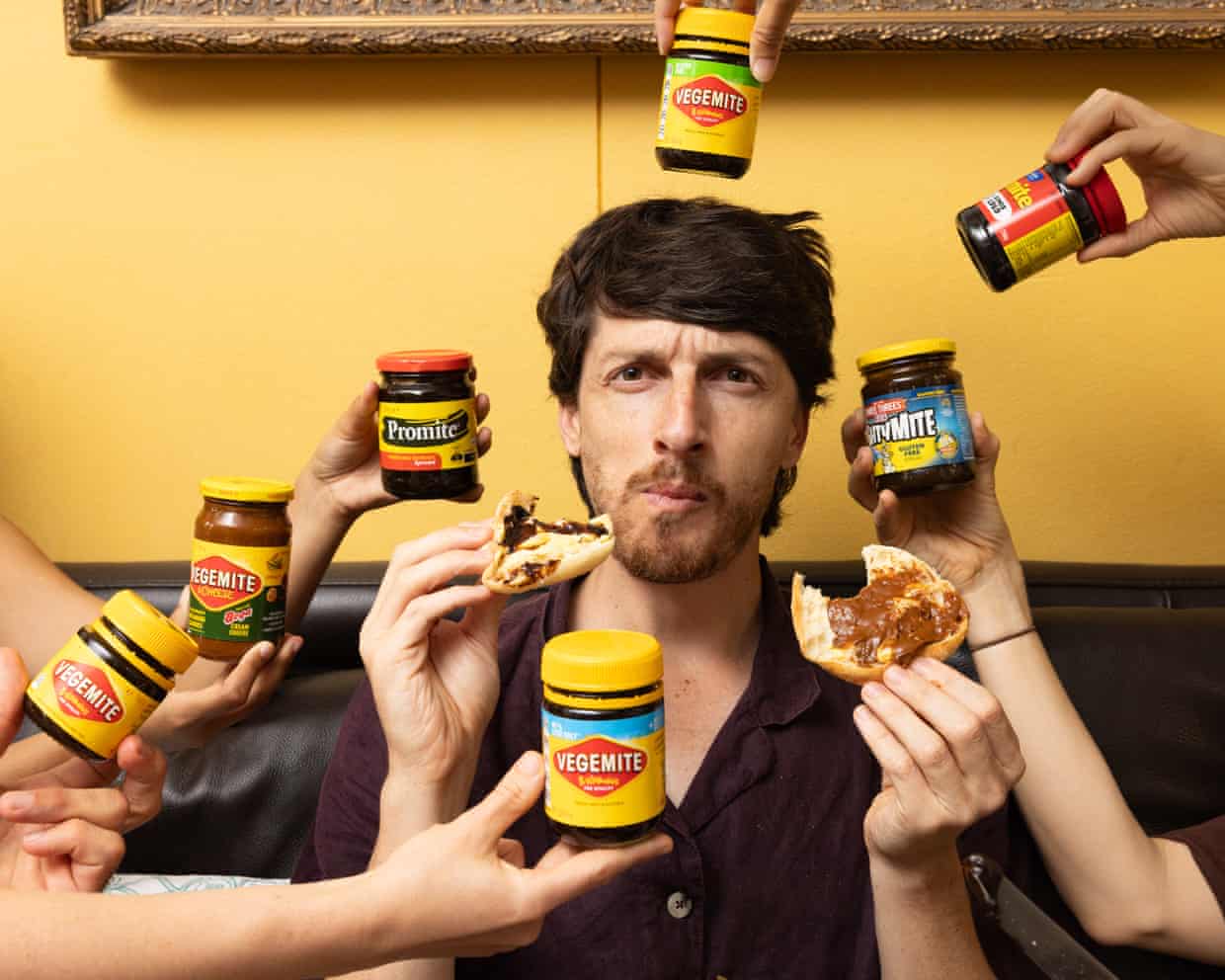
In a taste-test battle of supermarket mite-y bites, which will win? (Spoiler: it isn’t Vegemite)
At the end of most taste tests, I have a clear idea of winners and losers, and I’m usually confident enough in the findings that I’d bet if I repeated it 100 times, with a different set of testers, the results would be similar. This is not a normal taste test.After blind tasting eight yeast spreads, readily available at Australian supermarkets, I don’t even know what my favourite is, let alone which are the best and worst.In Australia it is impossible to taste yeast spreads without comparing them with Vegemite, for better or worse. So this isn’t really a yeast spread taste test, it’s a taste test of Vegemite and things that taste like it

‘Very dangerous’: a Mind mental health expert on Google’s AI Overviews

Martyn Webster obituary

Ketamine addiction making teenagers wet the bed, says UK’s first specialist clinic

Death tax? Property tax? Four ideas that could offset inheritance inequality in Australia

The disturbing rise of Clavicular: how a looksmaxxer turned his ‘horror story’ into fame

Ministers may slow youth minimum wage rise amid UK unemployment fears