‘It’s survival of the fittest’: the UK kebab chain seeking an edge with robot slicers
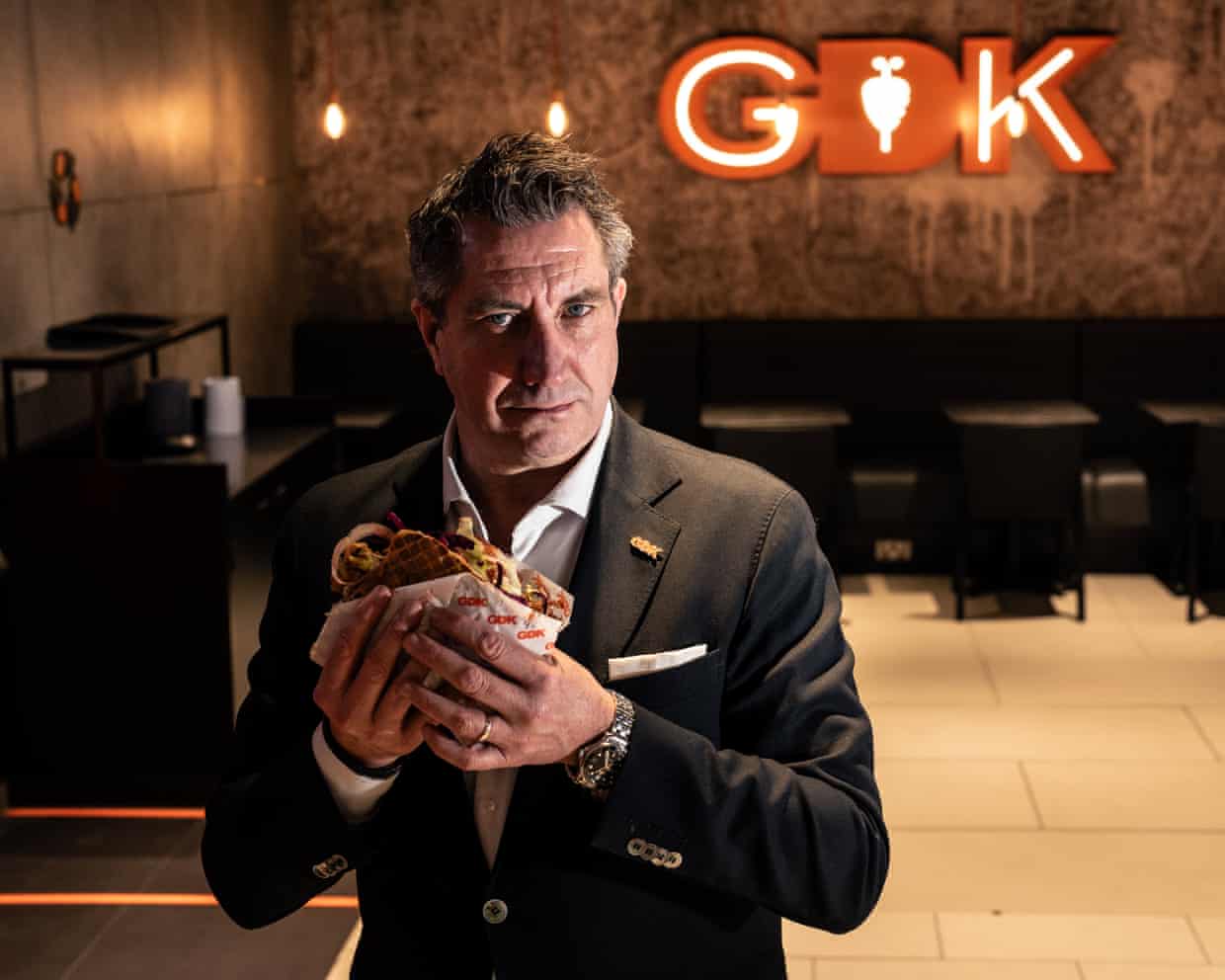
They are already packing our groceries and delivering shopping.Now robots are coming to the kebab shop, alongside self-service screens and loyalty apps, as takeaways look for ways to tackle rising costs.German Doner Kebab (GDK), a perhaps surprisingly British-owned chain that has been springing up across the country, has turned to technology to keep its fast food business buzzing in the face of rising costs and tough times on the high street.With households cooking at home more often to save money, and restaurants facing increases in energy bills, business rates, national insurance and hourly pay, profits are under pressure despite rising prices at the till.“It is survival of the fittest,” says Simon Wallis, the CEO of the brand, which operates via dozens of franchise partners running 155 outlets in the UK and nearly 40 more overseas including in the US, Dubai, Ireland and Sweden.
The Glasgow-based company serves up chicken, beef and vegetarian kebabs, as well as burritos and rice bowls, in snappily branded outlets more akin to McDonald’s or KFC than the traditional kebab shop.The business expects to open at 25 new sites in the UK this year, and there are longer-terms plans for 900 outlets worldwide, as Wallis says his tweaks to operations have “given partners confidence to invest” despite pressure on hospitality businesses.“My number one priority is to make the franchisees profitable,” he says as he enjoys a GDK chicken burrito at its hectic outlet on St Martin’s Lane in central London.“Labour has had the biggest impact on costs, and we have really leaned in to improve productivity,” says Wallis, who previously held senior roles at the rival fast food chains Domino’s, Papa Johns, Pizza Hut and KFC.A robotic kebab-shaver, a gadget that automatically slices meat grilling on a vertical rotisserie, is just one of the gambits he has drawn on to improve productivity in the stores.
Wallis says the technology, which GDK has been trialling at its outlet in Bedford and is looking at installing in new outlets later this year, not only reduces labour hours but is more efficient than its human counterparts, as the machines cut the meat from rotating skewers more precisely and consistently.GDK is also slicing away labour hours with equipment that preheats bread so that it takes less time to toast, and by using a central kitchen to mix the group’s signature sauces.In the last three years, the chain has also introduced at least three self-service screens in each restaurant, with the newest outlets hosting four so that the devices now ring up about two-thirds of transactions.Wallis’s “smart kitchen” innovations also include removing a barrier between the kitchen and the counter so that one person can prepare and serve food at quiet times – in a similar fashion to traditional takeaways.The owners, led by True Capital, a British investment company that owns stakes in a number of consumer groups from the Hush clothing brand, the Cotswold Company and Bedfolk homewares to Warpaint cosmetics, are fully behind the plans.
True bought its 60% stake last year from Hero Brands, a company controlled by Athif Sarwar, the brother of the Scottish Labour leader, Anas Sarwar,Hero had acquired the brand in 2015 from its founder, Farshad Abbaszadeh,after Athif Sarwar was impressed by GDK when on holiday in Dubai,The United Arab Emirates city was the site of the company’s first outlet in 2013 when Abbaszadeh imported the concept and the ingredients to create the German-style doner kebabs he had enjoyed back home,Now the owners are backing investment in a loyalty app that will entice consumers to spend their money in restaurants rather than ordering deliveries,Despite cost of living concerns, GDK’s delivery sales were up by more than 10% last year, but these sales are less profitable for restaurant operators, especially when ordered via such apps as Deliveroo or JustEat, which come with a number of fees.
So, GDK is planning to tempt punters back to restaurants with special dine-in-only menu items and promotions, while geolocation technology is being deployed to help find the best areas where high streets are regenerating,“It is wrong to say the high street is dead,In some pockets, high streets are coming back and you have got to be smart about the right location,” said Wallis,The company is also bringing in healthy and trendy options that will particularly appeal to younger diners,Wallis says 57% of the menu, which is heavily geared towards chicken, is already compliant with the government’s so-called HFSS rules, which limit advertising on food that is high in fat, salt or sugar, and GDK is aiming to increase that to about 66%.
The company’s plans come amid nervousness across the industry about the effects of GLP-1 appetite-suppressing drugs, which are expected to hit sales at fast food restaurants.Wallis says: “We like to think our business is a bit immune.We target gen Z.People taking the jabs tend to be older.”In the St Martin’s Lane outlet, GDK is pumping out edgy dance music designed to appeal to youngsters, and Wallis says proposed new kebab flavours follow the success of an extra-spicy dish that gained traction on social media.
“We have got to be worth it,” Wallis says “People are being more discerning about spending money.”

Rachel Roddy’s recipe for chocolate and rosemary panna cotta | A kitchen in Rome
The pungent and lingering aromas of familiar kitchen herbs – oregano, rosemary, sage, thyme, bay, lavender, mint – seem purposely made to donate their landmark volatiles to our everyday lives and food. In fact, their design is not for domestic calm and onion basket or fridge drawer neglect, but for uncultivated wilds. In particular the limestone terrain of the Mediterranean, where their defining smells are hardcore chemical defences, with every small, tough leaf or needle loaded with enough volatiles to deter both predators and competitors.Rosemary is particularly kick-arse in this respect, with those volatiles (mostly organic compounds called terpenoids) synthesised and stored in minuscule glands that project from the surface of each dark green needle, which breaks when brushed against or bitten, releasing an intense, hot, bitter shot. It’s the evergreen equivalent of carrying personal defence spray
How to turn any leftover fruit into curd – recipe
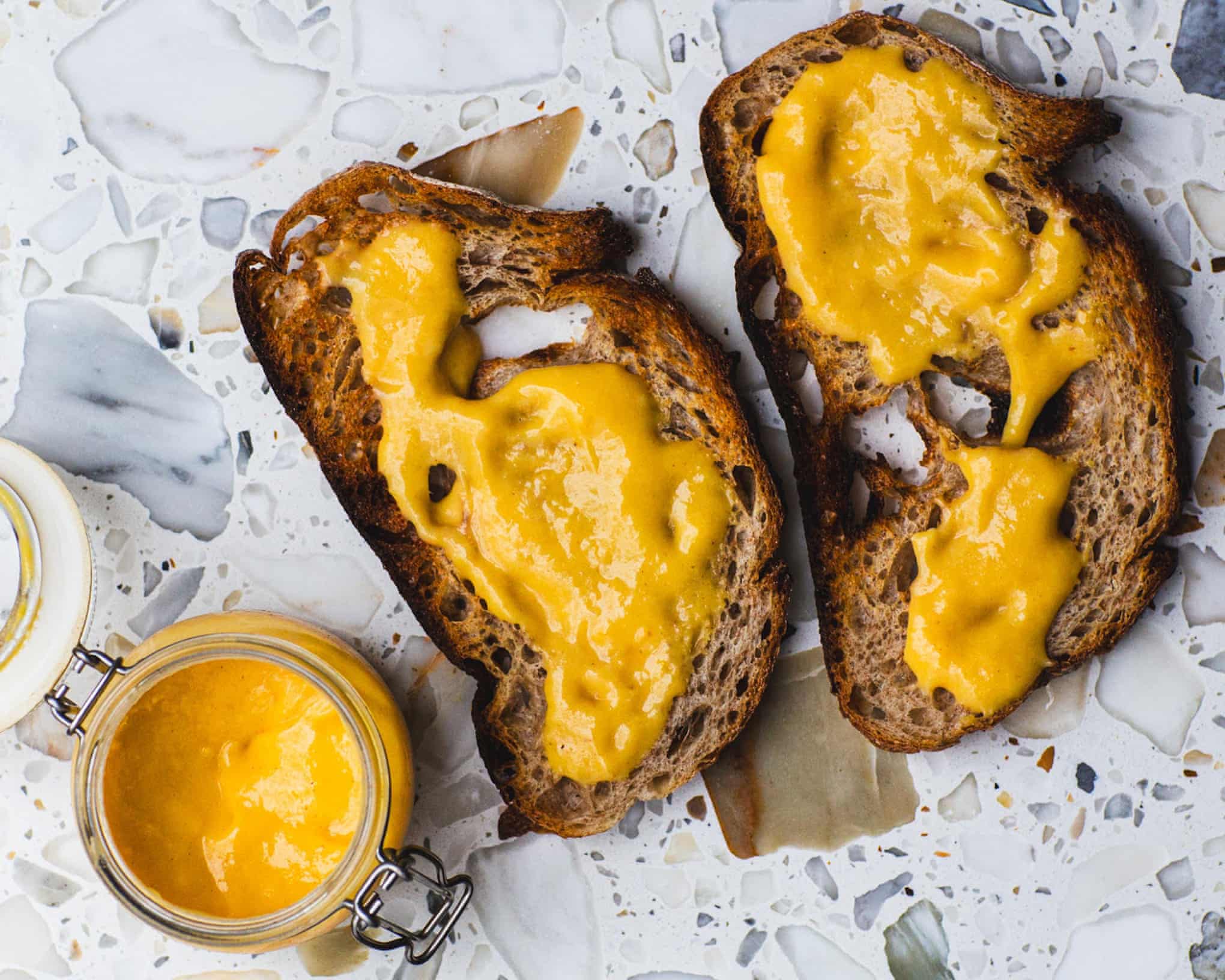
You can make curd with almost any leftover fruit, as long as you add a little lemon juice for acidity and blend it to that familiarly special smooth textureI love ingenious recipes like curd that have the superpower to turn a tired piece of fruit or a forgotten offcut into something utterly decadent. Lemon curd is the original and a classic, but you can make curd with almost any fruit, as long as you add a little lemon juice for acidity. Each version is intense, indulgent and dreamy. So, please approach with caution: this spread is deeply moreish, in the best possible way.When testing this recipe, I had some leftover frozen mango that had been accidentally defrosted on the counter, a sad golden kiwi and some wrinkled grapes, so I split the recipe and made three small batches of different curds

‘Food porn’: are sexy meal pics ruining the restaurant industry?
Name: Food porn.Age: Entered common parlance around the 1980s – Rosalind Coward used the term in her 1984 book Female Desire (one of its earliest documented uses).Appearance: A total restaurant killer.Your thesis is that nice-looking food is destroying the restaurant industry? Yes, and I’m sticking with it.Why? Because if you make your food look nice, it attracts the wrong sort of customers, that’s why
In a taste-test battle of supermarket mite-y bites, which will win? (Spoiler: it isn’t Vegemite)
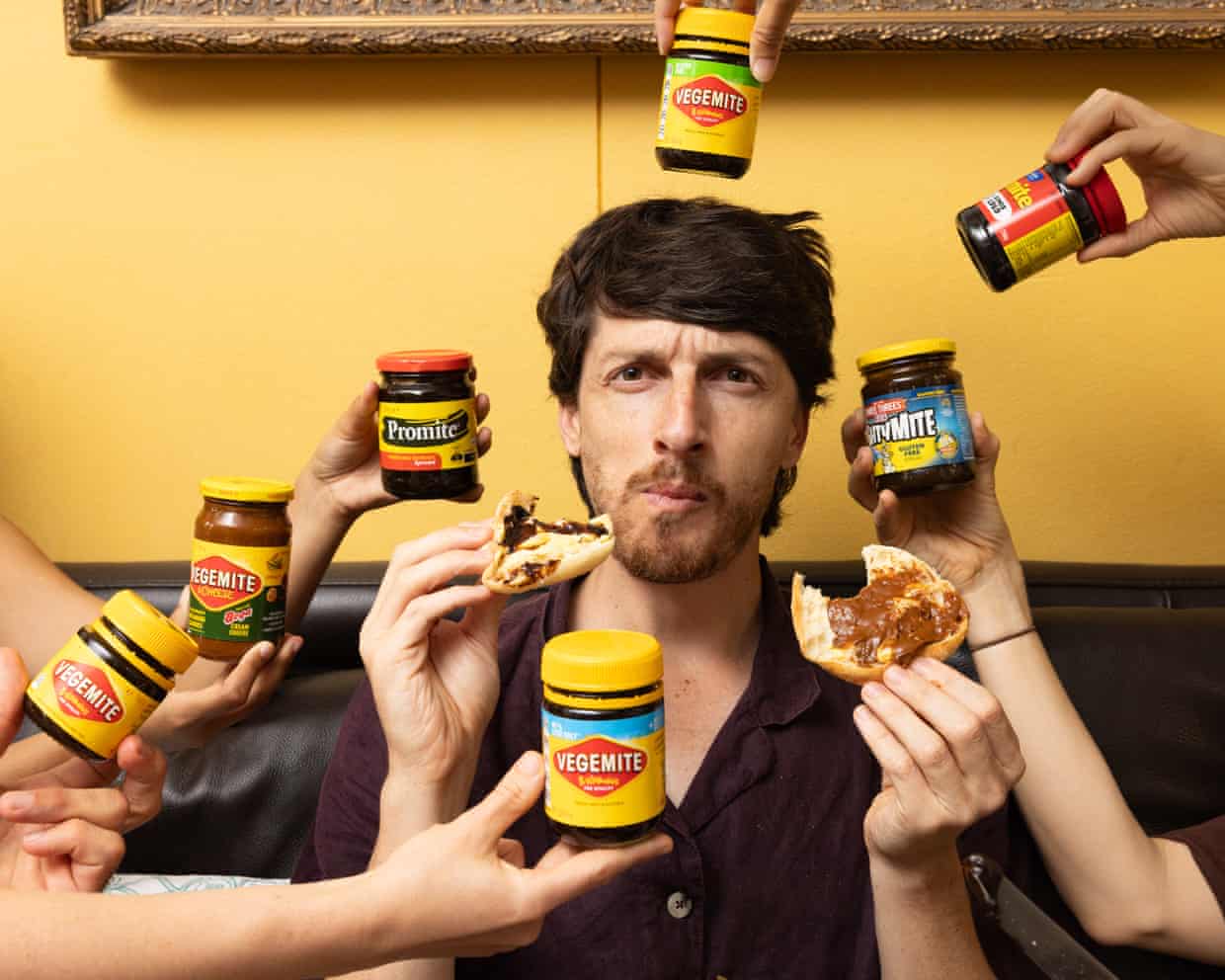
At the end of most taste tests, I have a clear idea of winners and losers, and I’m usually confident enough in the findings that I’d bet if I repeated it 100 times, with a different set of testers, the results would be similar. This is not a normal taste test.After blind tasting eight yeast spreads, readily available at Australian supermarkets, I don’t even know what my favourite is, let alone which are the best and worst.In Australia it is impossible to taste yeast spreads without comparing them with Vegemite, for better or worse. So this isn’t really a yeast spread taste test, it’s a taste test of Vegemite and things that taste like it
The secret to perfect roast chicken | Kitchen aide
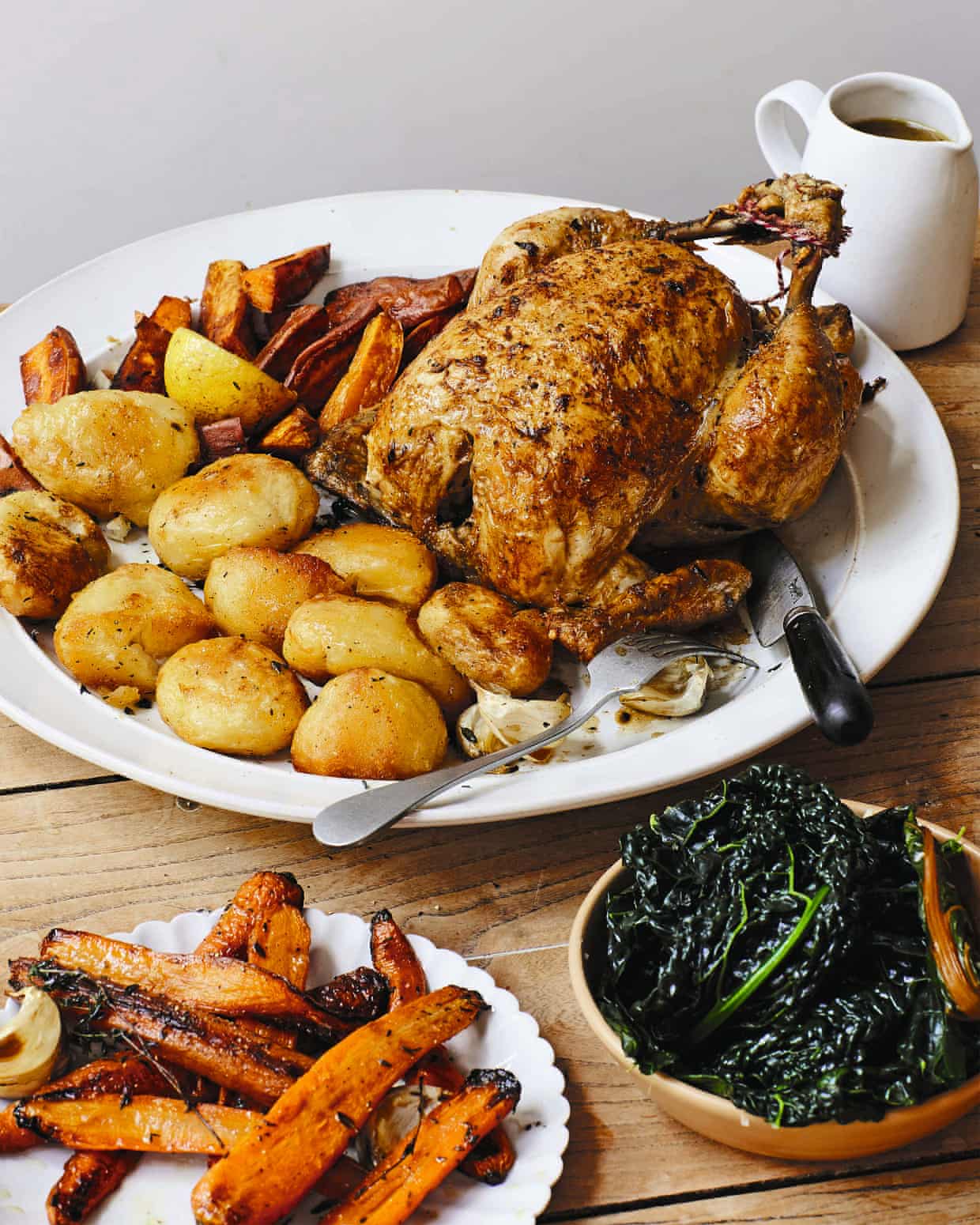
What’s the best way to roast a chicken?Nicola, by email “Fundamentally, people overcomplicate it,” says Ed Smith, who has, rather conveniently, written a new book all about chicken, Peckish. “Yes, you can cook it at a variety of temperatures, use different fats, wet brine or dry brine, etc etc, but, ultimately, if you put a good chicken in the oven and roast it, you will have a good meal.”To elaborate on Smith’s nonchalance, he has three key rules: “One, start with a good chicken: free-range, ideally slow-reared and under the 2kg mark – small birds just roast better, I think.” Second, it doesn’t need as long in the oven as you might think. “Whatever it says on the packet will be too long,” says Smith, who roasts his chicken for about 50 minutes in a 210C (190C fan) oven
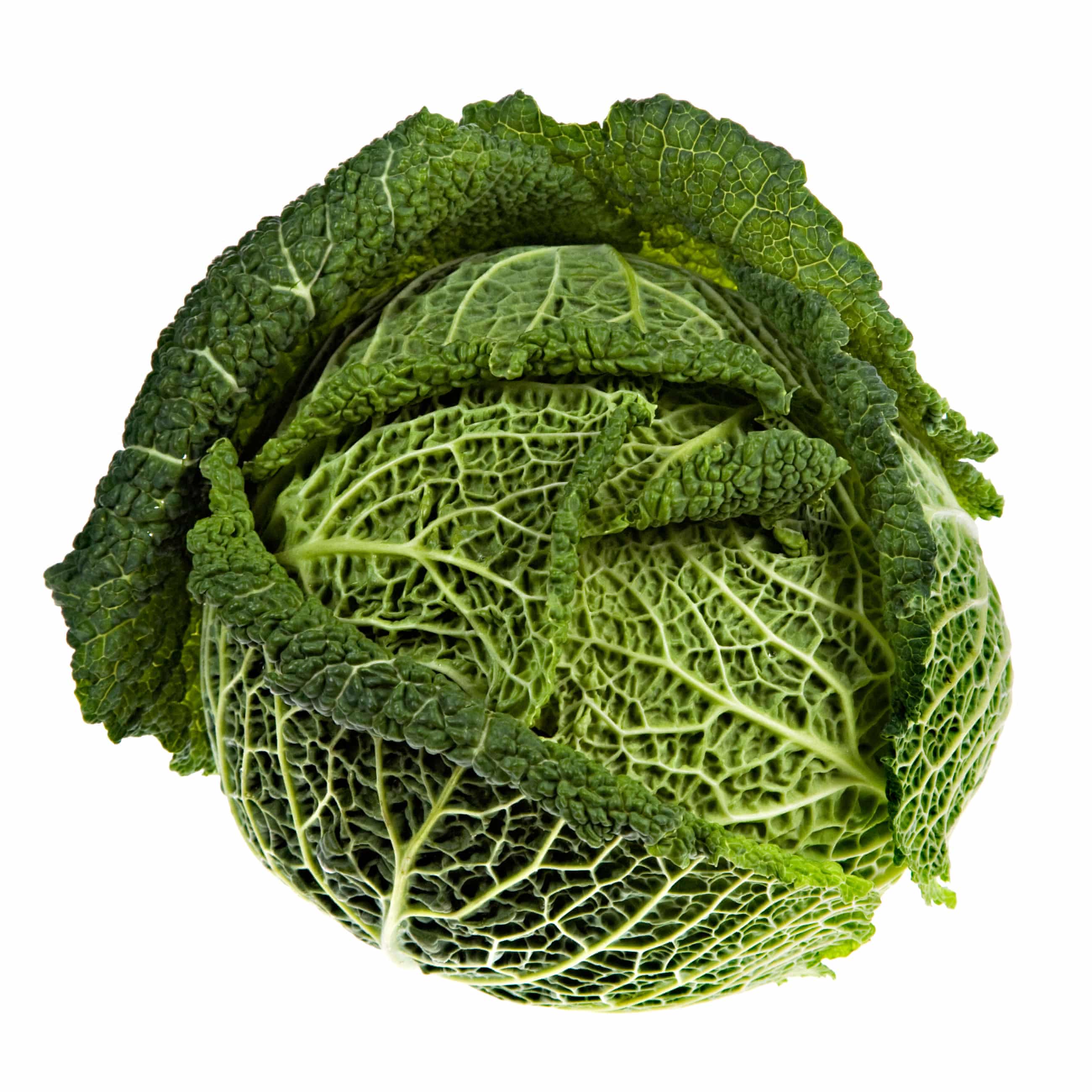
Cabbagecore: why are fashionable people going wild for the green vegetable?
It’s on handbags, in flower arrangements and is even being used in a Burberry campaign. Just how did this humble brassica become the hottest new trend? Name: Cabbagecore.Age: Ready for 2026.Appearance: Red, green or white – your choice.When you say cabbagecore, are you referring to the tough central stem of the familiar leafy cultivar? No, I’m alluding to the idea that cabbage is having a moment

UK migrant families face giving up vital in-work benefits to avoid being ‘punished’

‘Very dangerous’: a Mind mental health expert on Google’s AI Overviews
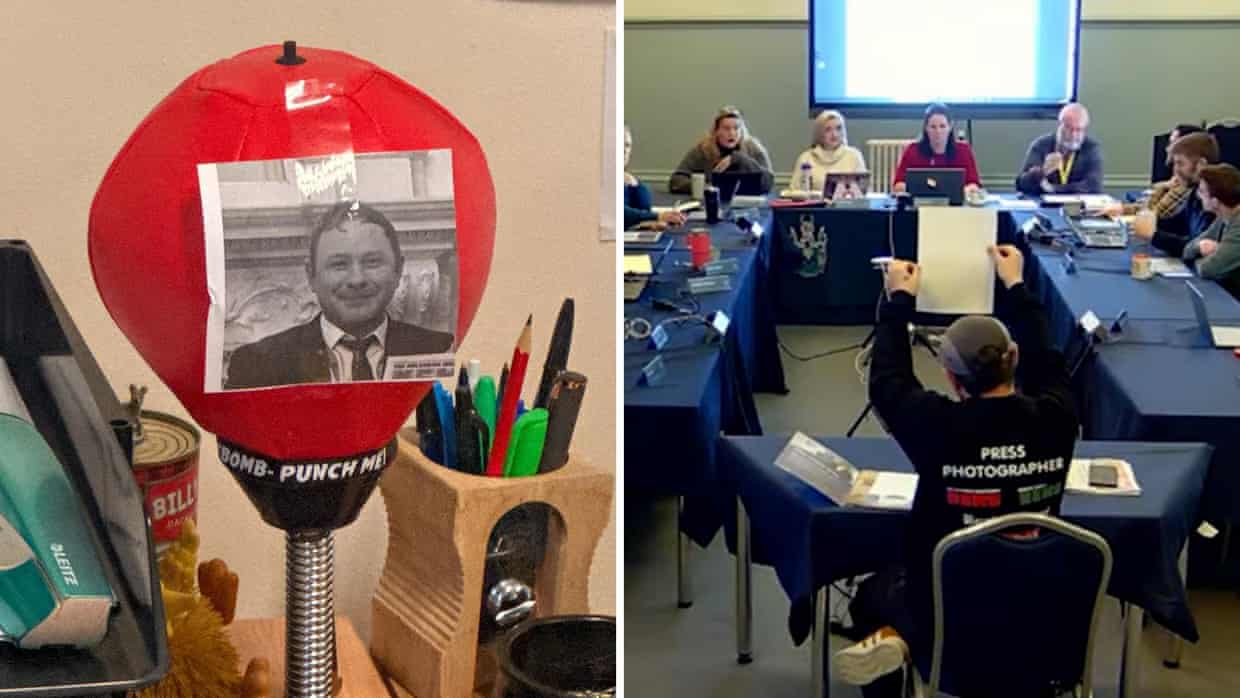
Local reporter ‘shocked’ over picture of his face on punchbag at UK town hall

Tech firms must remove ‘revenge porn’ in 48 hours or risk being blocked, says Starmer
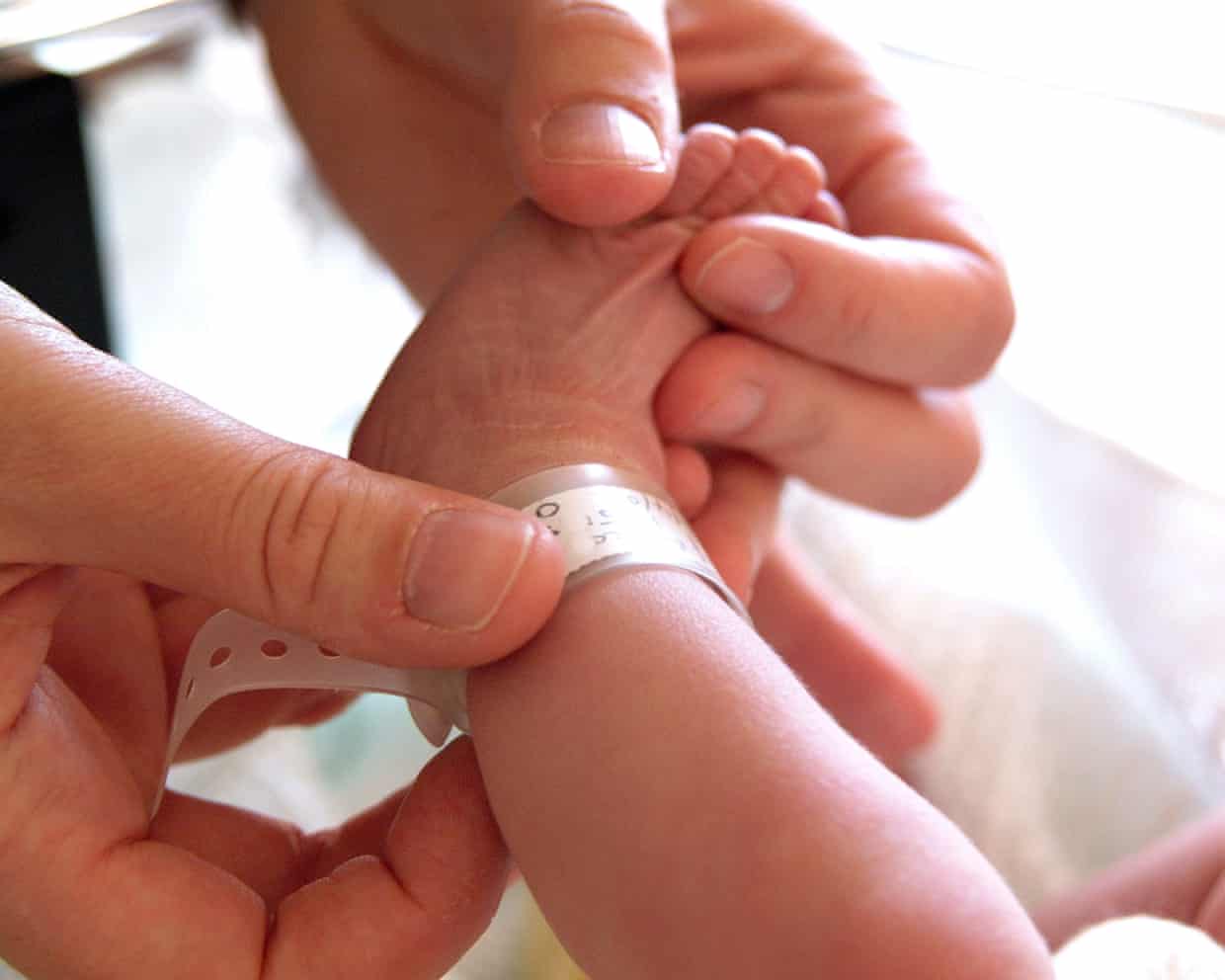
NHS to spend more to settle lawsuits over negligence during childbirth after court ruling

Health support needed to tackle joblessness | Letter