England survive Italy scare after Manenti’s blitz threatens T20 World Cup shock

If England keep up the winning habit, perhaps in time they will get good at it.Under the lights here in Kolkata they did enough to beat Italy and secure a spot in this T20 World Cup’s Super 8s, though again without establishing themselves among the form teams of the tournament.Harry Brook had declared he would “rather not start amazing and finish amazing than start amazing and finish bad”, and in that sense alone it is proceeding entirely according to plan.The next stage is unlikely to be so forgiving.“They were better than us for quite a lot of the game,” said Will Jacks, whose 22-ball 53 was decisive.
“Winning ugly is important, but hopefully we’ve had enough practice at that and we don’t have to do it again, because it is nerve-racking.“Coming in to today, my own expectation was: ‘We want to win easily.We don’t want it to be that close and feel those nerves.’ We’ve done it the hard way, we’ve not made it easy, but the most important thing is we’re on to the Super 8s.”Once again the full member nation beat the associate, but they endured plenty of awkward moments along the way.
Set a target of 203 and reduced to one for two at the end of their first over, Italy simply refused to accept they were beaten.Even when they needed 64 from the last four overs, with three wickets remaining, they kept going: Grant Stewart, on his way to 45 off 23, hit two sixes off Jofra Archer’s final over and two more off Adil Rashid’s and suddenly English nerves were jangling again.Sam Curran then did his death‑overs thing, Jamie Overton finished the job and Italy were all out for 178, England winning by 24.Ben Manenti’s innings of 60 off 25 will grab the attention, but this was an excellent all-round performance from Italy.There were a couple of mistakes in the field, but their catching was impeccable, most notably Anthony Mosca, stooping while sprinting forwards from deep backward square leg to dismiss Phil Salt.
Their batting, as the world’s 23rd-ranked team facing No 3, was ambitious, brutal and, at times, brilliant.“Every player went for their shots straight away,” said Jacks, whose two overs went for 34.“The opener tried to hit Archer for six second ball, that signalled their intent.Every time we got a wicket, they kept coming.“I felt I had to be completely on the mark or else I was going to go out the ground.
That’s not a great place to be as a bowler.”Manenti and Justin Mosca produced the best partnership of the match and for every moment they were at the crease England’s grip on victory appeared less secure.Coming together with their team 22 for three they added 92 off 48, hauling Italy from apparently inevitable disaster and back into contention.England were able to breathe – though even then only briefly – when Manenti’s vicious assault on a Jacks over, which had already brought him two sixes and two fours, ended with him picking out Tom Banton at long-on.It had been Jacks’s explosive half-century that powered England towards a match‑winning total, the 27-year-old inspiring a late acceleration during which their score bloomed from a concerning 124 with five overs and five wickets remaining to a much more mighty 202.
It became in certain respects the innings this team is built for, plumbing the full extent of their batting depth with something that resembled efficiency: Archer, the only player not classified as a batter or an all-rounder who had to strap on his pads, came in with three balls remaining and faced one of them.If the view at the end of their journey was handsome enough, the route there was often ugly.Much about England’s innings was wearyingly familiar, starting with the fate of their openers.As he had against Scotland in their previous match, Jos Buttler sent a leading edge looping high to mid-on after scoring three off four.Salt, who in England’s second game scored 30 off 14 against West Indies before being caught in the deep, scored 28 off 15, but met an identical fate.
This partnership has been one of the team’s great strengths, but when they falter their teammates seem, at best, uncertain, flirting occasionally with panic,But if no batter until Jacks stayed around for long enough to chisel their name into the headlines, most made useful contributions,Like the team in this group stage they did not did excel, but they did just enough,“We’ve still got time to peak,” Jacks said,“The overriding theme is success, because we did what we wanted to do.
I’m very happy with that, but we know we can be a lot better.”

Potstickers and sea bass with ginger and spring onions: Amy Poon’s recipes for lunar new year
Christmas is lovely, but my kids think Chinese new year is by far the best holiday. I might be biased, but, unusually, I am inclined to agree with them. As my eldest puts it, “New clothes, cash, booze and food – what’s not to love?” There’s the added bonus that cash is absolutely more than acceptable – in fact, it’s de rigueur, so there’s no shopping for mundane socks and smelly candles. Chinese new year is full of rituals and, just as at Christmas, every family has its own, but they are all variations on a theme. Symbolism looms large in Chinese culture, and at new year it centres around messages of prosperity, luck and family
How to plan Ramadan meals: minimal work, maximum readiness
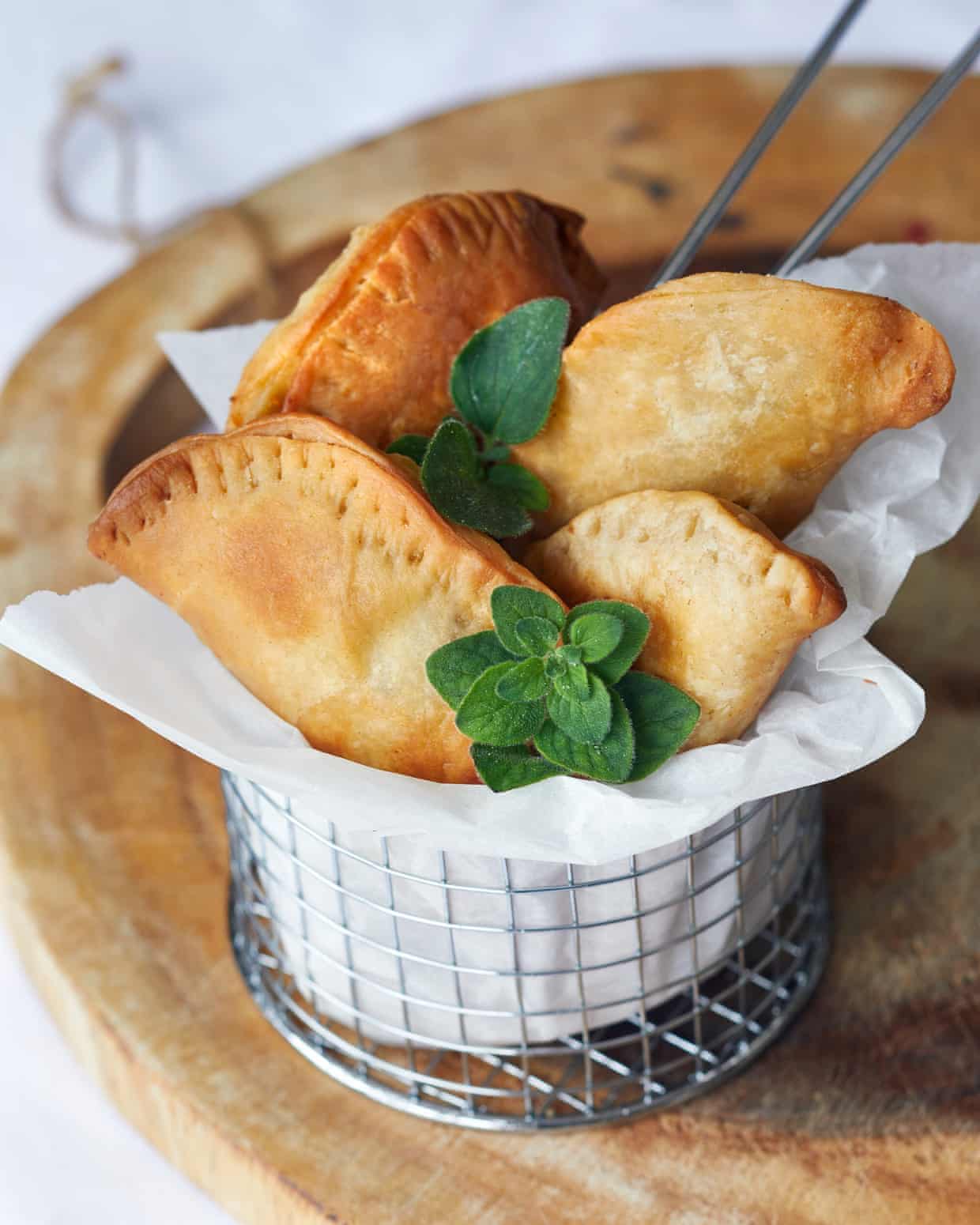
Ramadan arrives this year in February, in the heart of winter. Short days, cold evenings and the pressure of everyday work mean that preparation is no longer about producing abundance, but about reducing effort while maintaining care. For many households balancing jobs, children and long commutes, the question is not what to cook, but how to make the month manageable.The most effective approach to Ramadan cooking is not variety but repetition. A small set of meals that are easy to digest, quick to prepare and gentle on the body can carry a household through 30 days of fasting with far less stress than daily reinvention
Benjamina Ebuehi’s recipe for almond frangipane crepes | The sweet spot
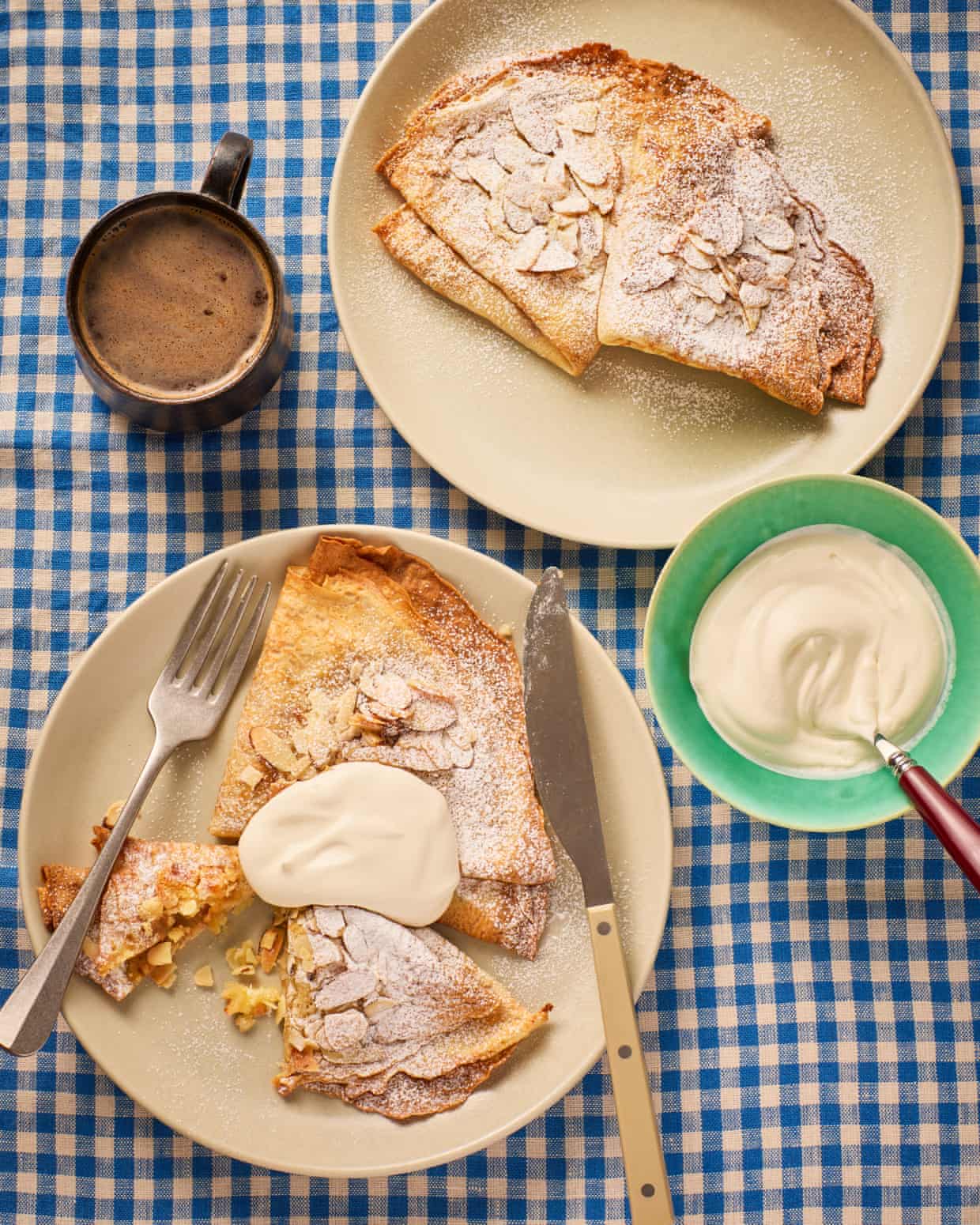
When it comes to pancake day, I don’t discriminate and fill the day with as many types of pancakes as possible – from a fluffy American-style stack in the morning to a savoury buckwheat pancake at lunch, and finishing off with classic crepes in the evening. This version was heavily inspired by an almond croissant, so although it does lean more towards dessert, I won’t judge if this is what you choose to start your day with. Bake them until the edges go crisp but the middle stays a little gooey.Prep 5 min Rest 20+ min Cook 50 min Makes 7-8 crepes120g plain flour ½ tbsp caster sugar A pinch of salt 2 large eggs 240ml whole milk 25g melted butter, plus extra for greasing Icing sugar, for dusting Lightly whipped cream, to serve (optional)For the frangipane90g salted butter, softened90g caster sugar ¼-½ tsp almond extract1 large egg 110g ground almonds 50g flaked almondsPut the flour, sugar and salt in a bowl and whisk briefly to combine. Add the eggs, whisk to a thick paste, then pour in the milk in three batches, whisking each time to avoid any lumps
Heard it on the grapevine: Polish wine’s quiet renaissance
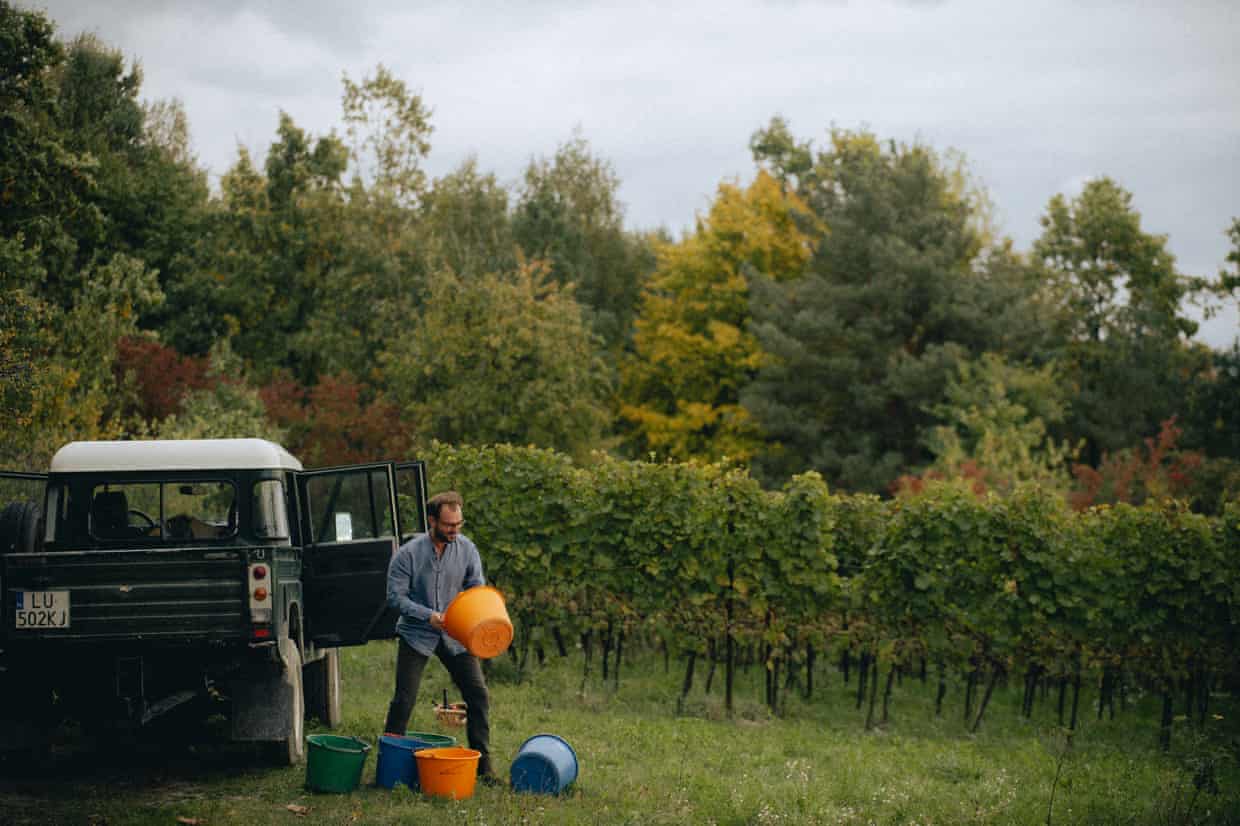
Swap the staid stereotypes of Żubrówka vodka and Żywiec lager for vineyards and vintages, because Poland is in the throes of a viticultural renaissance, the likes of which hasn’t been seen for centuries. On a road trip tracing Poland’s best terroirs back in the summer of 2023, I met winemakers going against the grain, unshackled by tradition and producing unpretentious, expressive pours that more than merit a place on your dining table.Lately, Polish wines have been cropping up all over bar and restaurant lists: Niemczańska’s chardonnay at London’s most emblematic Polish restaurant, the borscht-fronted Daquise in South Kensington, say, while chic bar Spry in Edinburgh has started stocking my favourite producers, Dom Bliskowice, Kamil Barczentewicz and Nizio. But you won’t find bottles nestling between the neat rows of kabanos sausages of your local Polski sklep, nor lining the supermarket shelves. Or not just yet, anyway

My love letter to Brittany’s best exports
Every February – or occasionally March – I get together with two friends to gorge on pancakes; I provide the pan, Caro does the cocktails and poor old Harry is invariably the chef because she never fails, even three ciders in. With two half-Frenchies in the room, we always start with buckwheat galettes, usually served complète with gruyère, ham and a fried egg (though the more we eat, the more adventurous the combinations become). Then we move on to softer, thicker British sweet pancakes with lemon juice and crunchy demerara sugar to finish. We rarely manage to meet on Shrove Tuesday itself, but apart from the year I went vegan for Lent, that’s no problem. After all, any cold, dark evening is improved by a pancake party
Rachel Roddy’s recipe for cacio e pepe, the old-fashioned way | A kitchen in Rome
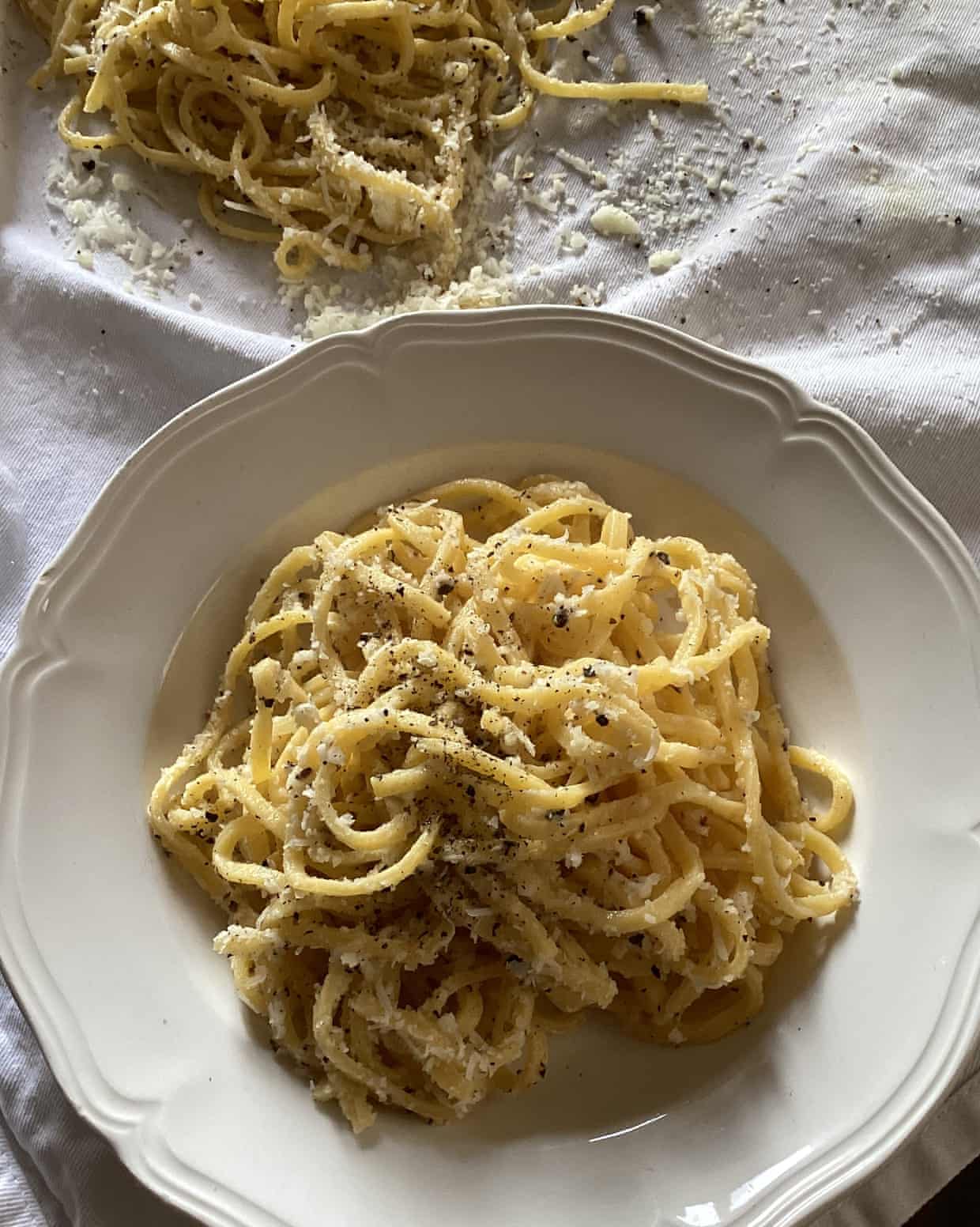
Nightclubs, mechanics, restaurants, a theatre, a wholesale butcher and an Apostolic church occupy some of the network of caves and tunnels that, over the centuries, were burrowed into Monte Testaccio, an ancient rubbish dump hill in the middle of Rome that’s made entirely of broken amphorae. Some places make a feature of their situation, revealing sections of pots not dissimilar to the cross section of snapped wafer biscuits, while others have smoothed the curves with plaster.A few use the caves as originally intended – that is, as natural warehouses offering steady low temperatures and good humidity. In short: the ideal temperature for storing certain foods and wine. Most recently, Vincenzo Mancini, whose project DOL distributes artisanal products from small agricultural realities in Lazio, has taken over a deep cave behind door 93, reclaiming it as an urban ageing space for cheese and cured meat

A new diagnosis of ‘profound autism’ is under consideration. Here’s what parents need to know

Katie’s story: her abusive ex-partner said ‘kill yourself’. When she did, police dropped domestic violence inquiry

Revealed: The true toll of female suicides with domestic abuse at their core

Fast-spreading measles outbreak takes hold among under-10s in north London

Jess Phillips calls for Epstein files to be catalyst for long-term legislative change

‘We almost lost you in the night’ - the life-threatening rise of measles in the UK