How to make the perfect Spanish broad bean stew – recipe | Felicity Cloake's How to make the perfect …
I always feel sorry for broad beans, the lumpy cousin perpetually overshadowed by the charms of slender, elegant asparagus and sweet, bouncy, little peas.They’re in season at roughly the same time, but asparagus in particular gets all the glory, perhaps because so many of us are scarred by childhood experiences of large, grey wrinkly beans served in a floury white sauce (my own parents are so averse to the things that I vividly remember the first time I came across them on a Sunday roast as a teenager and had to ask a friend what they were).The Guardian’s journalism is independent.We will earn a commission if you buy something through an affiliate link.Learn more.
Unsurprising though it is, given our general scepticism with regard to pulses, the British lack of enthusiasm for the broad bean is a particular shame, because it’s been an important part of the European diet since ancient times.As the Oxford Companion to Food explains, however, they are also linked to a “superstitious dread” possibly associated with “a general belief that the souls of the dead might migrate into beans”.Having eaten a lot of the things in the process of writing this piece, I can reassure nervous readers that no haunting has yet taken place, and that this Spanish way with them is all but guaranteed to convince even the staunchest of fava phobics.Go on: give them a try.Like me, Sam and Eddie Hart “always look forward to the broad bean season.
The first to arrive at the restaurant are from north Africa in March.Our source gradually works northwards until June and July, when we get English broad beans – the best of all.” Perhaps the season has moved on again in the two decades since the publication of the brothers’ Modern Spanish Cooking – though at the time of writing (early April) I have to make do with Italian beans, local ones should be imminent, by the time this piece comes out.That said, for the recipes that call for shelled beans, I used the frozen sort, which are perfectly satisfactory out of season.Unless you’re dealing with very old beans, which will have a thick, almost leathery carapace, I wouldn’t bother to peel them as the Harts and Frank Camorra recommend.
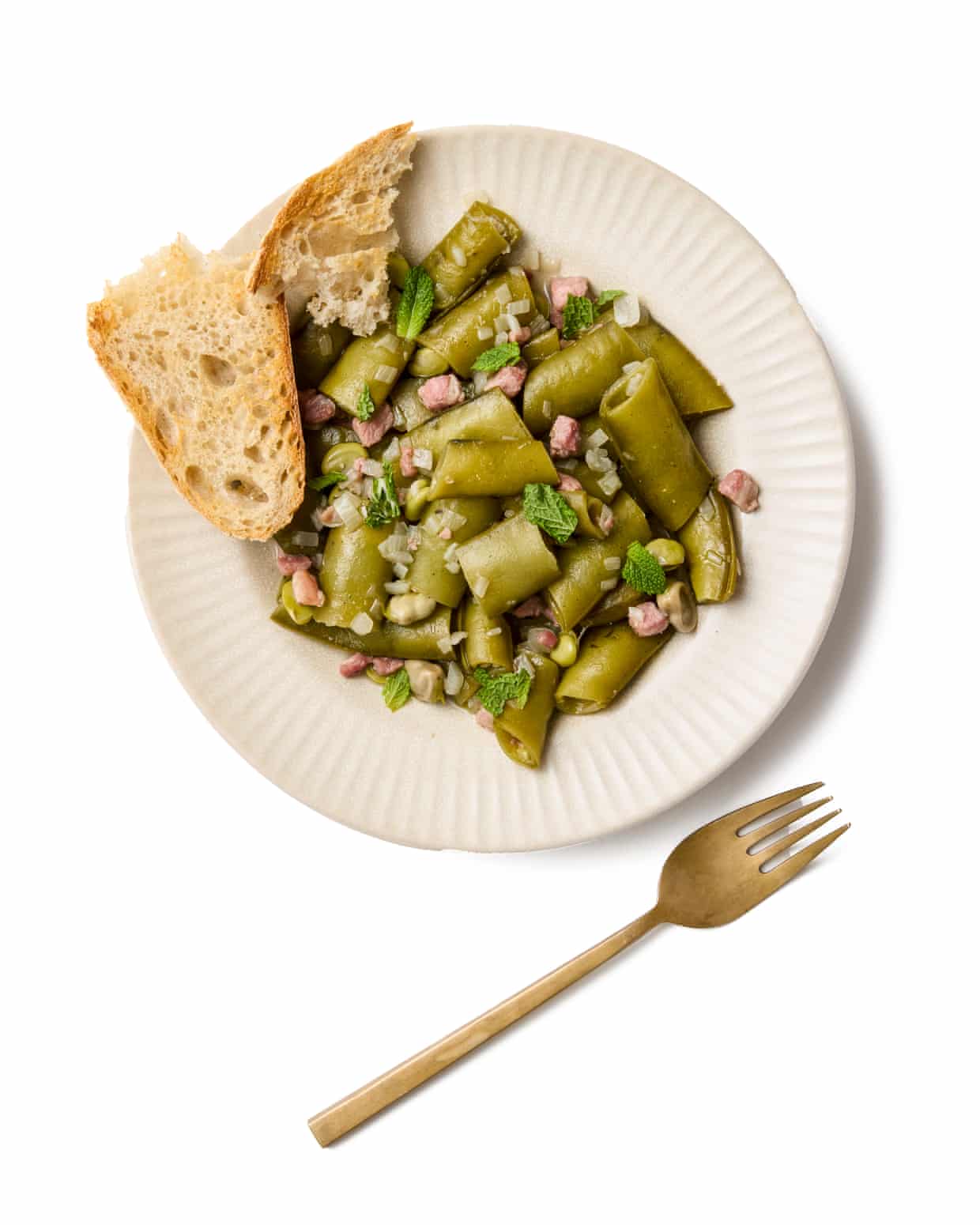
I can see the cheffy logic, because the vivid green, delicately slippery results look far more elegant on the plate, but I happen to rather like the slightly chewy skins of younger beans,Even better is Elisabeth Luard’s way of cooking them in their snugly cushioned pods – the recipe in The Flavours of Andalusia was a genuine revelation to someone as late to the broad bean party as me,It comes from Ronda, and is best made “when the broad beans are small and tender, and the pods, not yet stringy and tough, can be included,I love their sticky, velvety texture – it’s rather like okra”,After an hour in the pan, the pods remind me more of runner beans, and make for a lovely contrast with the soft, yielding beans concealed within.
The Catalans, according to Colman Andrews’ book on their cuisine, “overcook their broad beans … mightily by contemporary French and British standards”.Perhaps, given Ronda’s distance from Catalonia, the same is true of all older preparations of this dish, because both Andrews and Luard stew their beans until they’re really soft.More modern recipes barely do more than blanch them: the Harts suggest cooking for no more than three minutes, Camorra five minutes in the book he co-authored with Richard Cornish, Movida, and Pepita Aris five to 10 minutes in her Recipes from my Spanish Grandmother (Aris’ abuela was clearly a trailblazer in this regard).If you really are averse to the idea of a soft bean, however, by all means boil them until just tender, drain, shock in cold water then toss with the shallot and ham; add the wine and a splash of water, then simmer vigorously for five minutes before serving.That said, I’d urge you to give the longer cooking time a try at least once – allowing the ingredients to break down and mingle makes for a richer, more complex flavour.
If you don’t eat pork, you can simply leave it out – or substitute sun-dried tomatoes, as Aris suggests.But this dish is yet another example of the longstanding Spanish passion for the pig in all its savoury, fatty glory, a taste often linked to the infamous Spanish Inquisition, when it was easy proof of one’s Christian identity.Most recipes dice it and fry it until it begins to release its fat, so Spanish cured ham is the ideal meat here, because its slightly sweet, nutty flavour will perfume the entire dish.I’d strongly recommend seeking out a delicatessen or Spanish specialist who will sell you it in one thick piece, or cut into chunks, rather than wafer-thin slices, which will crisp to nothing in the pan.If you draw a blank, however, bacon makes a passable substitute: Aris goes for chunks of smoked streaky, Andrews includes a thick slice of bacon, too, cooked whole with the beans, then divided between plates on serving.
He also includes botifarra negra, a Catalan blood sausage that pairs beautifully with the beans if you’d like a little more heft (other black puddings could be substituted, I think).Well-larded thick-cut bacon isn’t much easier to get hold of these days than thick-cut cured ham, so you might have to make do with ready-chopped lardons or even Italian pancetta; just make sure whatever you use is not too lean.Though it’s less about the flavour and more about making this into a complete meal in its own right, non-pork fans should consider the breadcrumbs that Luard stirs in before serving, and the hard-boiled eggs she pops on top (though she adds that she often lightly scrambles eggs in the pan, too: “They go bluey-grey, but taste delicious”).Many recipes start with a fried onion: Andrews prefers the spring variety, which feels apt here – except my testers and I are all very taken by the sweetness of the Harts’ shallot, which seems to bring out the same flavour in the jamón.They don’t use garlic, but most recipes do, and there are few things garlic doesn’t improve.
I haven’t included Luard’s diced tomato or Aris’ paprika in the interests of keeping the flavours simple, though you could add them at the same time as the ham.Similarly, though Luard and Andrews stew their beans with a bay leaf, and Luard also includes thyme and parsley, I like the freshness of torn mint leaves with the slight funkiness of the ham.The Harts’ streamlined dish adds a little water to the pan, while Camorra relies on the lubricating qualities of copious amounts of olive oil, but most people opt for something more alcoholic: a dash of white wine or dry sherry (Luard), sweet sherry (Aris) or even Pernod (Andrews), a surprising inclusion confirmed by Keith Floyd’s comment, in Floyd on Spain, that “the Spanish would add a dash of anis here, but I don’t care for it”.Me, neither, as it happens: I prefer the nutty, slightly fruity qualities of a medium sherry here, which also negates the need for the pinch of sugar that features in Floyd’s, Andrews’ and Luard’s recipes (Andrews: “overcooked and sugary as faves a la Catalana usually turns out to be, its mesh of sweet, salt and earthy broad-bean flavour can be most appealing”).Whether or not you follow my suggestion of a longer cooking time, I’d be strongly minded to leave this to cool to warm, before serving with a drizzle of olive oil and some bread to mop up those juices.
Luard advises that “this casserole is particularly good with toasted bread rubbed with garlic”, making it a delicious spring lunch or dinner in itself, rather than a mere side dish.Prep 10 min Cook 1 hrServes 4 as a side, 2 as a meal with bread500g young broad beans in the pod, or 400g fresh or frozen shelled broad beans (defrosted, if necessary)1 long shallot, or small onion100g thick-cut piece cured ham (with some fat, ideally), or bacon or pancetta lardons2 tbsp olive oil, plus extra to serve3 garlic cloves75ml medium-dry sherry, or dry sherry or white wineSalt and black pepper 1 small bunch fresh mintIf using beans in the pod, wash them well, then top, tail and cut into short lengths, avoiding cutting into the beans inside.Peel and dice the shallot or onion, and cut the ham or bacon into chunks, making sure you include some fat.Put the oil in a wide pan for which you have a lid and set it over a medium-low flame.Peel and flatten the garlic cloves with the flat of a knife, add to the pan, then turn down the heat slightly.
Add the shallot and ham, fry gently until the shallot has softened and the ham has begun to release its fat, then add the bean pods and stir to coat.Add the sherry and 100ml water to the pan, bring to a simmer, then cover, turn the heat right down and leave to cook for 45 minutes to an hour, until the beans are really soft.Leave to cool to warm, then season to taste, tear in the mint leaves and serve with a drizzle of olive oil.Are you a broad bean fan? If so, which other recipes would you recommend to convert others? And if not, please explain what you have against Vicia faba, and which beans, if any, you prefer!Felicity Cloake’s debut novel, The Underdog, is published by Fourth Estate on 7 May at £16.99.
To order a copy for £15,29, go to guardianbookshop,com
How to make arancini – recipe | Felicity Cloake's Masterclass
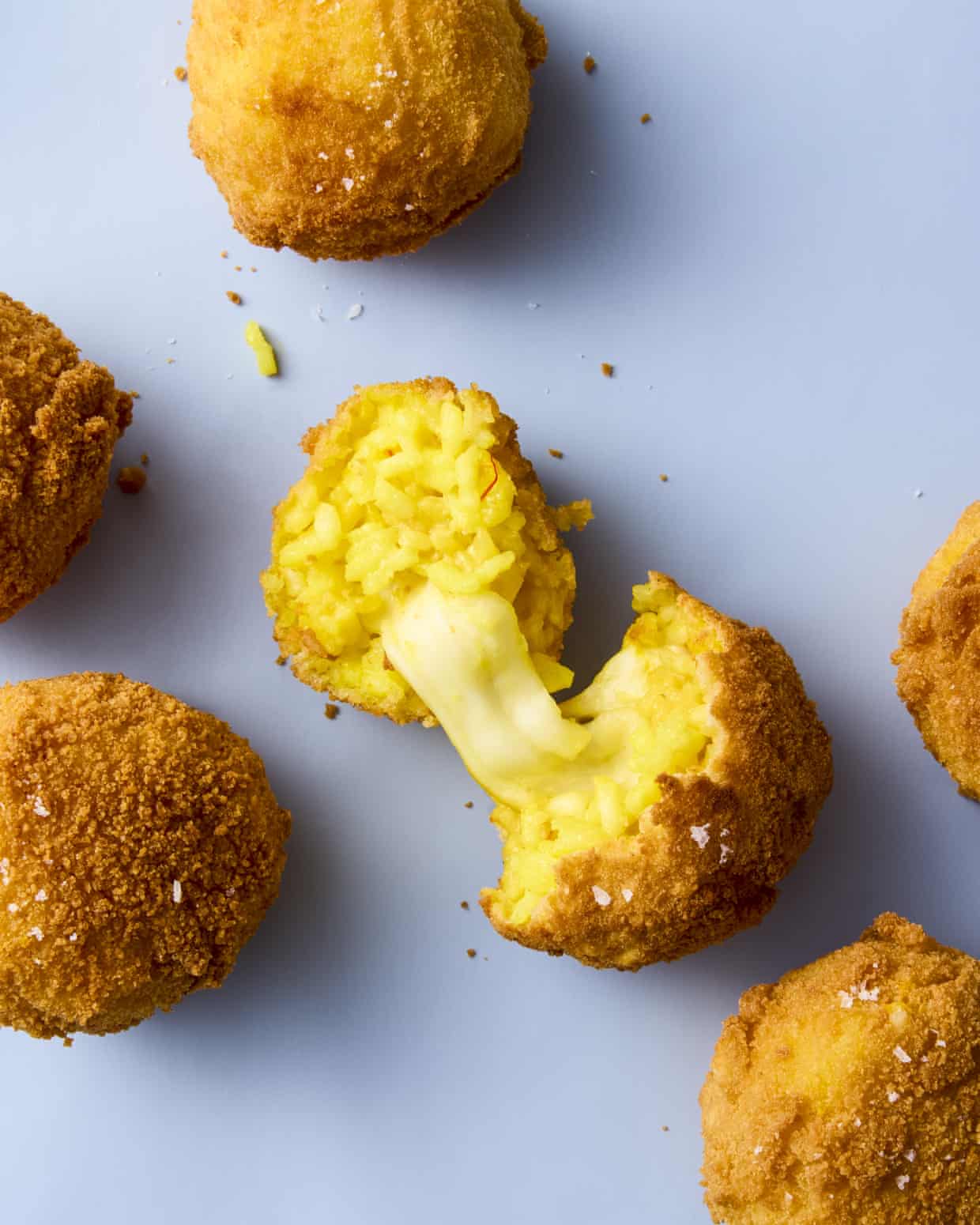
Before I wrote this recipe, it hadn’t occurred to me that the word “arancini” means “little oranges”, and, plump, round and golden as they are, it makes sense, too. Indeed, these robust rice balls, which are said to have come to Sicily with Arab invaders in the 10th century, are now, according to the late Antonio Carluccio, the local equivalent of a sandwich lunch.Prep 25 min Cook 45 min Makes 8 large ballsFor the risotto700ml chicken stock, or vegetable stock100ml white wine (optional)250g short-grain rice (eg, arborio)½ tsp salt, plus extra to season1 very generous pinch saffron (optional)50g parmesan, or grano padano or vegetarian alternative, gratedBlack pepperFor the arancini2 eggs plus 1 egg yolk100g mozzarella, drained and cut into chunksOptional other fillings of your choice – meat ragu, pesto, sauteed mushrooms, wilted or defrosted greens170g plain flour 250g fine dried breadcrumbs (preferably not panko)Neutral oil, for fryingFlaky sea salt, to finish (optional)Risotto is a northern Italian dish, so Sicilian arancini weren’t designed with it in mind, but they are great vehicles for risotto leftovers. My recipe is intended for 700g cooked rice, but adjust the fillings and coating according to what you have; these are also a great way to repurpose small amounts of ragu, cooked vegetables, fish or meat.If you’re cooking the rice from scratch, put the stock and wine (or substitute 100ml extra stock, if you prefer) in a medium pan and bring to a boil – I like chicken stock, because I find it the most neutrally savoury, but use whatever suits the fillings you’re using
Mitsu, London EC2: ‘Determinedly fun and delicious’ – restaurant review | Grace Dent on restaurants
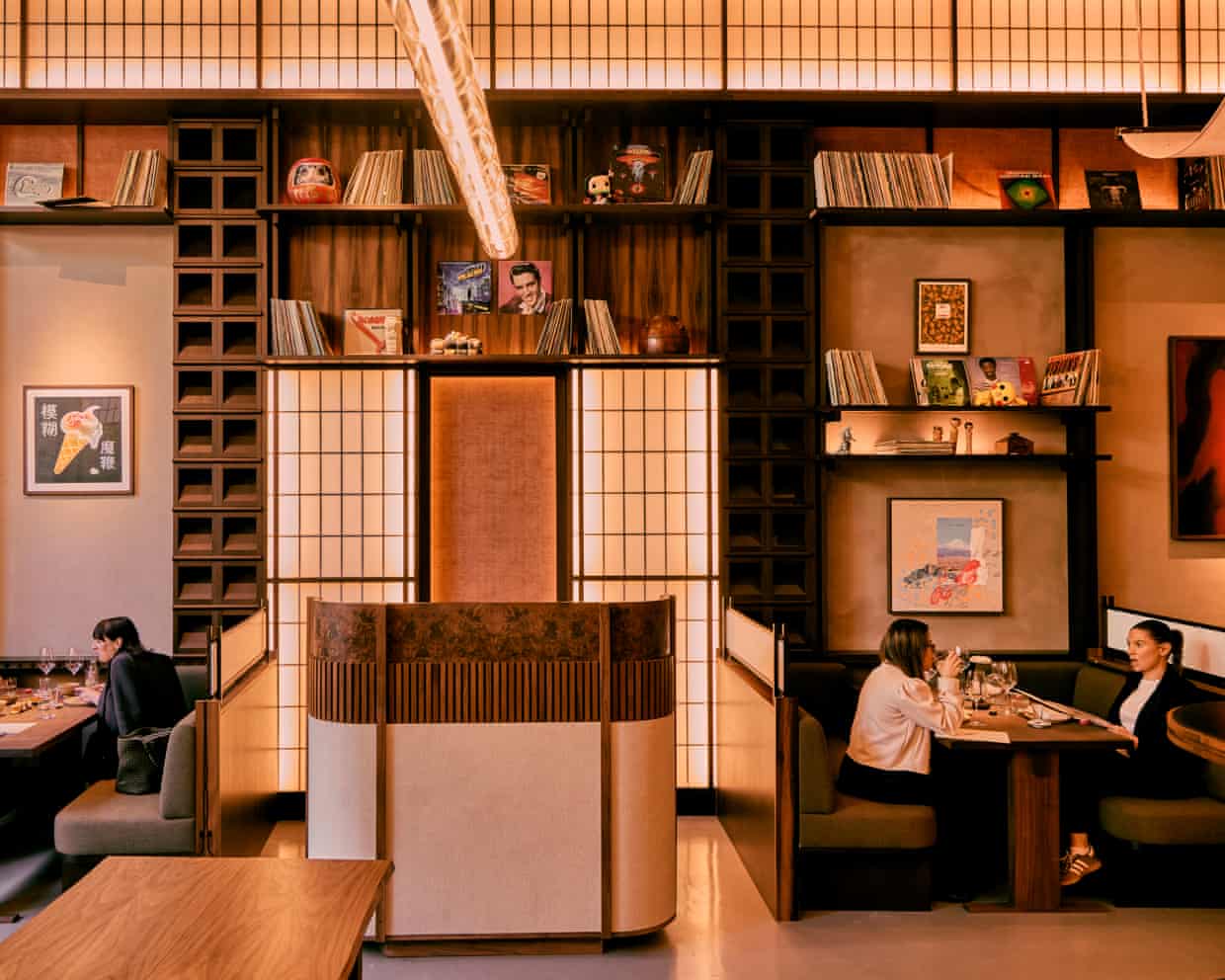
No spoilers, but I knew even before I’d reached for my chopsticks that Mitsu would be a vast improvement on its predecessor, because it has taken the place of Nobu Shoreditch in the under-gusset of the Aethos hotel, a Swiss-owned “lifestyle hospitality brand”, in east London. Nobu was gargantuan, moodily lit (that is, pitch black), woundingly expensive and terrifically hard to book, despite having something like 797 seats; it was also one of the most soulless London restaurants of the past 25 years. Nobu Shoreditch felt symbolic: it was where all the raffish hope of the 1990s YBA crowd and the early noughties electroclash heads went to die.But that was then, and now, in 2026, the Aethos crew has deftly brightened and lightened the mood of the room, making it actually cosy and adding a twinkly central bar; there’s an open robata kitchen and roomy booths, as well as a pretty Japanese garden. Mitsu calls itself an izakaya, which is what European restaurateurs always say when they mean the Japanese-influenced food isn’t too po-faced and you can get really tipsy on sake
Benjamina Ebuehi’s recipe for Mexican-style vanilla bean flan | The sweet spot
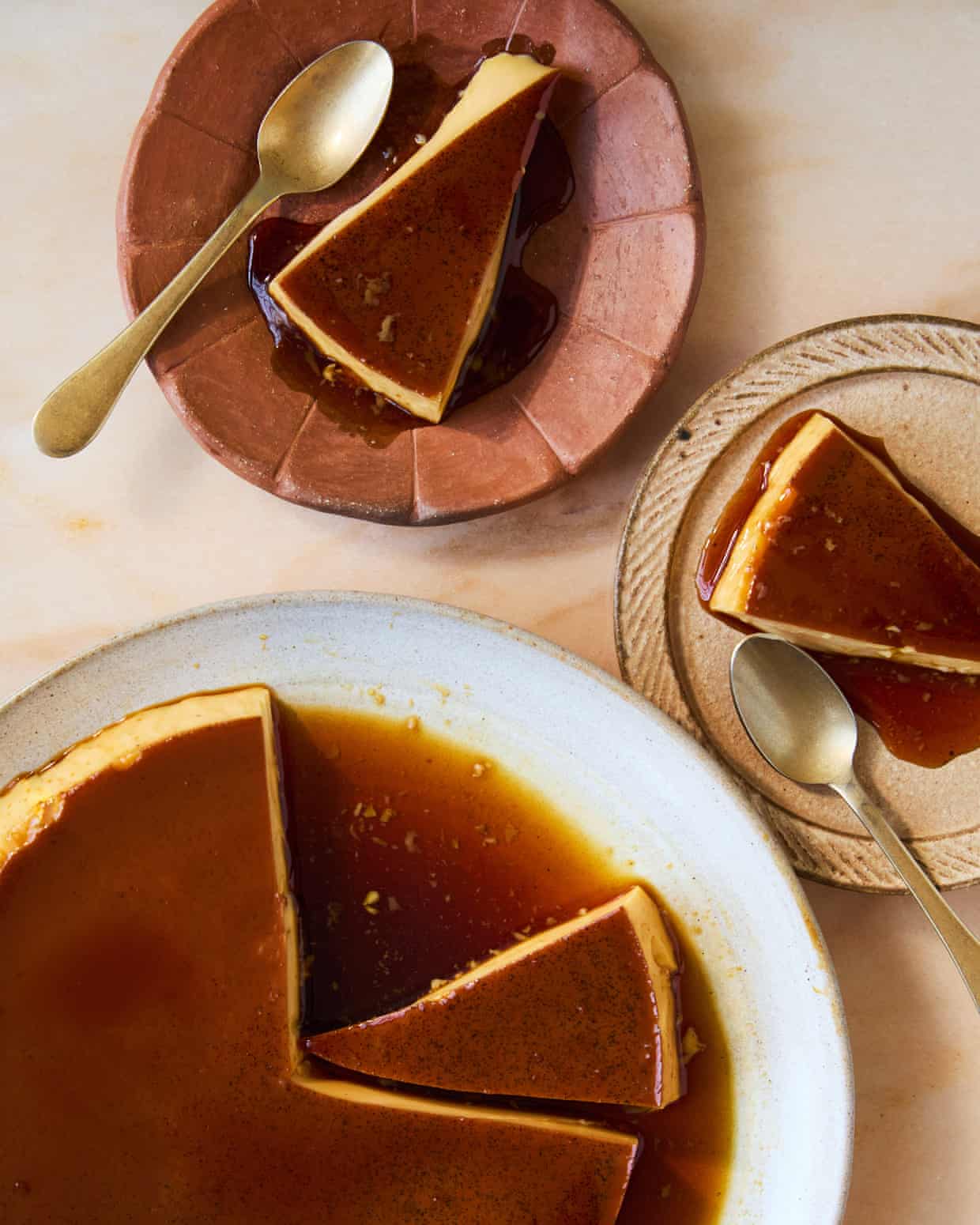
I started the year in one of my favourite places: Mexico City. I’ve since become one of those annoying people who finds a way to bring it up in nearly every conversation, so please indulge me just this once! Each time I’ve been to Mexico, I develop a new fixation, and this year I ate a considerable amount of flan. It’s seen as a bit of a retro dish here in the UK, and perhaps a little divisive, but I love it.Mexican-style flan is typically made with condensed milk, giving it a gorgeous, silky, creamy texture. I’ve also added plenty of vanilla – brought back from my trip, of course

How to match wine with vegetables
At a recent tasting, I got chatting to a winemaker from Australia’s Clare Valley as I bravely made my way through his wares: a ripe, leathery shiraz and a deep, dark cabernet sauvignon that put me in mind of blackcurrant bushes. These were serious wines – and good value, too. A generation ago, such gutsy New World reds were all the rage, but now, lamented the winemaker, gen Z was more interested in lighter, cooler-climate wines, lower on the alcohol and brighter on the palate.The Guardian’s journalism is independent. We will earn a commission if you buy something through an affiliate link
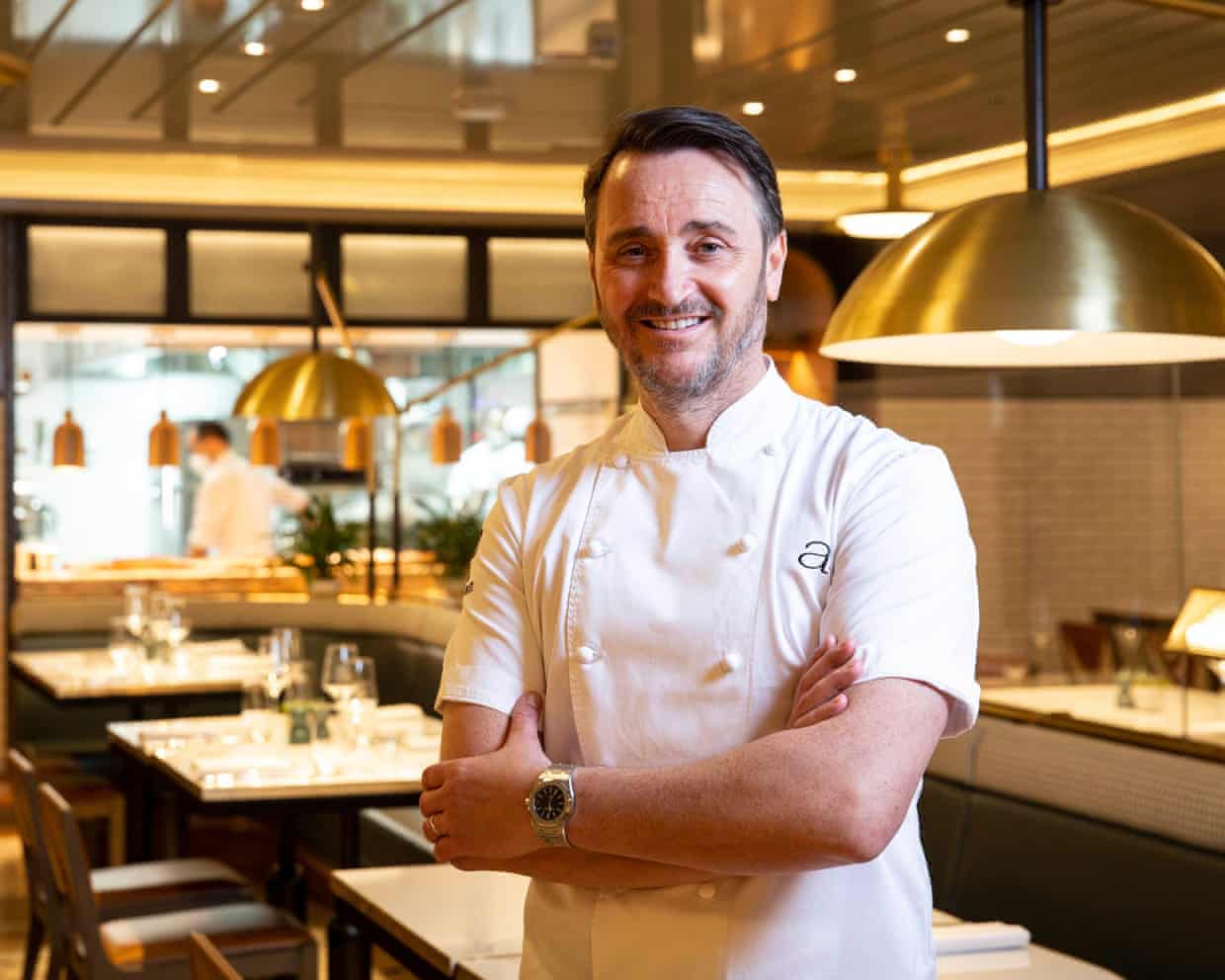
‘Restaurants won’t survive’: Michelin chef opens venues abroad to withstand UK taxes
A British Michelin-starred chef says he is opening restaurants abroad to subsidise his UK venues against a backdrop of high taxes and a struggling hospitality sector.Jason Atherton is now in Forte dei Marmi, on the Tuscan coast in Italy, where he is preparing his newest opening, Maria’s, which will be in the Principessa hotel. The Sheffield-born chef now has restaurants all over the world, including in Dubai and St Moritz.He said he was finding it easier to make a profit in countries with more forgiving policies towards restaurants, pubs and bars. “I am trying to sustain our business by opening abroad
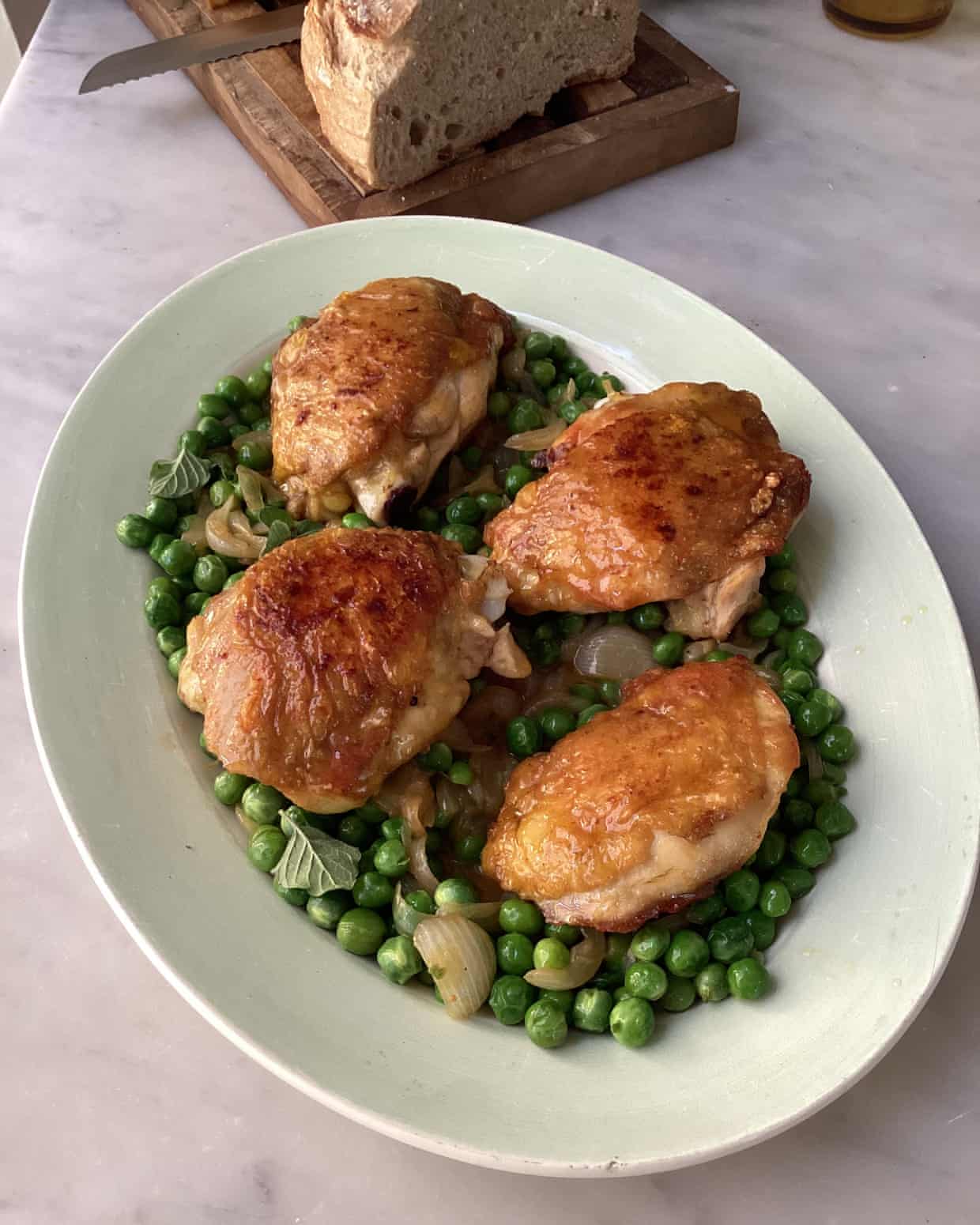
Rachel Roddy’s recipe for spring chicken thighs with spring onions, mint and peas | A kitchen in Rome
The weather lately has been as temperamental as peas in pods. But peas are even harder to read than the sky: some pods contain sweet things no bigger than peppercorns, which explode when you bite them; the contents of others, however, are closer to small ball bearings, their size very likely a sign that all the natural sucrose has been metabolised and transformed to pea starch. The best thing for the tiny ones is to snack on them alongside a bit of cheese, whereas the path for big ones is the same as for dried peas, so pea and ham soup or a long-simmered puree.The Guardian’s journalism is independent. We will earn a commission if you buy something through an affiliate link

Google announces raft of free upgrades for Android phones

Head of Microsoft’s Israel branch to step down after inquiry into dealings with Israeli military

GameStop’s $55.5bn bid for eBay rejected as ‘neither credible nor attractive’

Trump heads to China to spread the gospel of American tech

Trump heads to China to spread the gospel of American tech while emulating Xi Jinping on AI

Molière Ex Machina: AI used to create ‘new work’ by beloved French playwright