Why we care so much about preserving family recipes
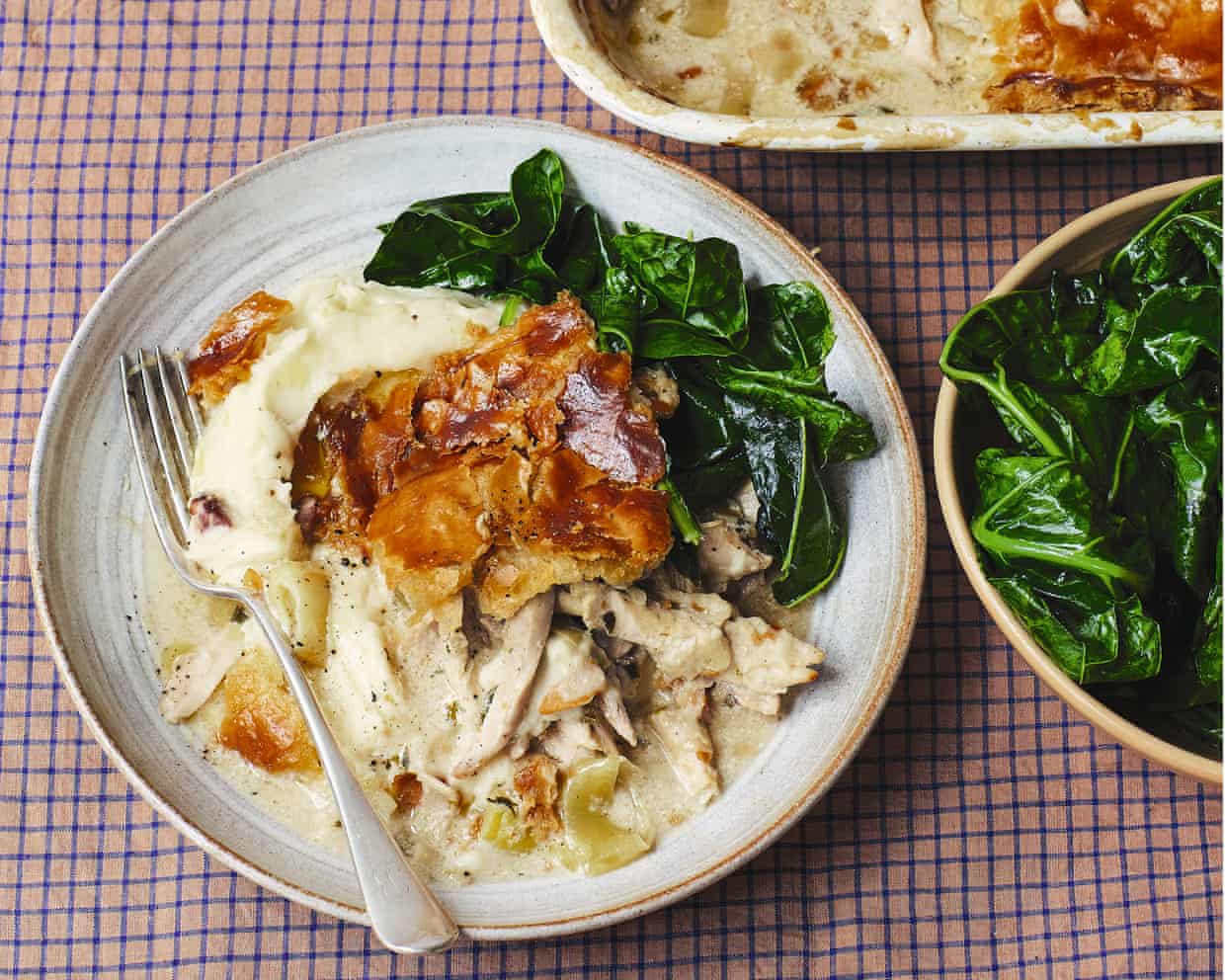
“Chicken, leek, flour, a few more ingredients.” That was it: my grandma’s WhatsApp response to me earnestly asking if she’d mind sharing her time-honoured chicken pie recipe.She wasn’t being obtuse – well, not deliberately.She had simply never before committed a dish that was second nature to paper, let alone an iPhone screen.It wasn’t how she’d learned it and it wasn’t how I’d go on to learn it, either.
I knew I’d have to make her chicken pie many times to get it even close to her standard, that I’d have to learn by watching as well as by asking, and that even then there’d be elements I’d miss.Such is the nature of a family dish – indeed, of any dish that has taken time, repetition and love to master, and for which, even then, perfection remains ephemeral.There is more to their method, meaning and flavour than can ever be confined to and conveyed by a recipe.“Mum calls them the jollof gods,” food writer Jimi Famurewa says of those occasions when his mum’s jollof rice, which is always excellent, is truly exceptional.“You’ll say, Mum, that was great – and she’ll talk about it as if the jollof gods were smiling down.
She’s very accepting of the fact jollof rice won’t be perfect every time; that that’s part of the specialness of the dish.” Indeed, his own attempts to master his mum’s rice have proved somewhat frustrating.“Hers is like ‘hard difficulty mode’ jollof.Her ‘recipe’ is well intentioned but slightly useless.I can follow the method, but I never get the depth of flavour,” he continues.
That’s the thing with family recipes, says Felicity Cloake, who is no stranger to cooking the same dish repeatedly for her ‘How to cook the perfect …’ series.“It’s not until you come to make it yourself that you see what’s not written down; that there are a few things not disclosed by grandma or whoever.”She’s found this even when researching her column, for which she cooks multiple recipes for the same dish in a quest to create the ‘perfect’ version.Each recipe comes from a bona fide food writer, so there’s rarely fault in the writing itself.Yet she still needs to cook it to see “what might be missing, what can be changed and what is fundamental to the dish”.
“It’s like a jigsaw,” she says – a sentiment echoed by Jimi, who describes his own jollof rice as a “Frankenstein’s monster” of his mum’s recipe plus “rice cooking principles that I have to plug in when something doesn’t quite work”.Perhaps surprisingly, for an experienced food writer and cook who has written extensively about culinary heritage, Jimi has come to terms with the idea that his jollof rice might never taste to him quite like his mum’s.The fact his children do, once in a blue moon, mistake his jollof rice for hers, is proof that sometimes our “failure to make it taste like we think it should is perhaps in our own heads”.“We put these dishes on such a pedestal that the act of chasing down a particular sensation or taste becomes a culinary white whale, that you can end up becoming obsessed with,” he continues.“I have found the joy is in the journey of trying to get there, and maybe ultimately making your peace with it not being exactly the same.
”This is not an easy conclusion.When I think I might never re-create the exact taste of my grandma’s chicken pie, I do feel like Captain Ahab, liable to be driven mad by the pursuit.Yet is there liberation, even joy, to be found in a dish that, while not quite the holy grail, can work for your life, your fridge and the people you regularly cook for?Sophie Wyburd, author of cookbook Tucking In and a regular Feast contributor, says there is; and her familial, comfort-food style recipes, are testament to this.“It can feel like a betrayal, tweaking something mum has always cooked,” she says, but the nature of these sorts of recipes is such that they “naturally update over time, according to what’s there or needs using”.A ragu is a good example, she says.
“It’s only in the last year that I’ve dared to deviate from my mum’s spag bol.I asked her for an incredibly detailed breakdown when I first cooked it.” Yet with time and repetition, her confidence has grown.“Maybe there is pork leftover as well as beef.Maybe I don’t have pancetta so put some chorizo in there.
” Like Felicity, she’s found the key is to identify those core traits that make the recipe what it is – incorporating a finely chopped red pepper into the ragu, in the case of the bolognese – and what can withstand or even welcome some adapting.“We talk about old recipes remaining unchanged – but that’s not true,” says Feast contributor Rachel Roddy.“They are changed every time you make them.” Rachel has devoted most of her career to the sorts of dishes that are handed down by Italian nonnas, and says one of the things she likes about the Italian approach to recipe writing is that “they outline the key principles and offer some troubleshooting”.“This is often more useful than perfect, detailed guidelines,” she continues, and it’s worth bearing in mind if you’re asking a friend or relative for a treasured recipe of theirs.
In those dishes that involve meat, dairy or a finickety carb – as time honoured family dishes often do – “The ingredients are in charge,” she laughs.“I feel like I’m always trying to tame them.”The meat and dairy varies in fat content and quality, the dough varies with the temperature and humidity, and you might – as Felicity found when making the Georgian bread khachapuri recently – not be able to find the right ingredients.With these dishes, every cook is in the hands of the gods, not just Jimi’s mum; and in our age of instant gratification and micro-management, this in itself is a lesson.“There are rice gods, bread gods, pastry gods – there are roast chicken gods for sure,” laughs Sophie.
“I must have roasted hundreds of chickens in my life, and only 25% have been perfect,”Rachel, who still feels as if she’s making lasagne for the first time every time, despite having made them thousands of times, is more philosophical still: “When you cook, you are not just following a recipe,You are following a past, present and future,Dishes change according to modern times and ingredients, and to where you are in your life – even while you are trying your best to make them as you remember,”When I visit my grandma to watch how to make her chicken pie, I learn the basis of her sauce is leftover stock and dripping (staples of her fridge) and that her inimitable pastry is half lard, half margarine.
These are the “few other ingredients” she was referring to in her text – and they don’t exist in our fridge at home, because my husband and I are of a different generation.Watching my grandma scrape this and that into the pot and roll the pastry with practised hands, I realise her pie is so inextricable with her life, I have no choice but to create my own version.There’s a sadness to this, but there is also a thrill.I can use real butter in my pastry instead of marge.I can reflect our tastes and values by incorporating heritage grain flour and adding butter beans to the filling.
I can keep the tradition alive with a dish that works for my family – and that’s what matters in the end, Jimi says.His wife’s Christmas cake, for example, is inspired by one made by an old family friend, whose recipe was lost when she died.It’s a hybrid of memory and Nigella methodology, and “will sadly never be the same as it was; but my wife makes it every year, and it holds the same symbolism”.Jimi suggests it’s worth “asking that friend or relative how they made that incredible curry or tomato sauce, writing it down, and making a note when you take it in other directions.” He adds: “There’s something to be said for building your own repertoire to pass on” – even if it ends up being as arcane to the next generation as his mum’s and my grandma’s.
The ingredients of these dishes will change, the methods may slightly evolve, but the meaning and memories are not lost.They build with repetition and love.I’m excited to make chicken pie for my daughter (when she’s old enough to chew), but I’m even more excited to tell her about the woman I first learned chicken pie from: to teach her how to bring together the flour and fat, handling it gently, and to say: “I learned this from your great-grandma.”Pulse monitor | “Life’s too short to stuff a pepper,” my mum will say when I send her recipes that (to her) require too much faffing.Yet the one food she will concede to faff with is pulses: she really believes that the texture, flavour and money saved by soaking and cooking dried pulses is worth the effort.
So I was delighted recently to discover Monika’s Rare Pulse Club.Courtesy of Brindisa, subscribers receive a bi-monthly box of heirloom pulses from small Spanish growers.As well as three varieties of lentils or beans, the box contains aromatics, recipes from esteemed chefs like Jeremy Lee and Anna Tobias, and “pulse profile cards” with tips and information.I can’t wait to send her one, and visit for dinner.Pizza my heart | I’m a big fan of ritual, in all things, and particularly food, and as a means of coping with potential stresses.
It was inevitable, therefore, when pregnancy brought with it all of its ups, downs, blood tests and scans, that my husband and I would weave culinary ritual into the process.It came about organically, as the best traditions do; an early scan coincided with an invite to the Soho opening of Ria’s, and we decided, whatever the results, Detroit pizza would help.Since then, we’ve followed appointments with pizza as often as finances allow: Napoli on the Road, Bird in Hand, the Hawk’s Nest – they have nourished our tummies and hearts regardless of the state of our minds, and proved some foods can be both comfort and celebration.Curtain call | Whoever decided theatre curtains should rise at half seven clearly didn’t care much for dinner time.Theatregoers must either gobble a pre- or post-theatre menu at speed, or be reduced to an overpriced interval ice-cream.
At least, so I thought – until a trip to Hercules: The Musical prompted a revelation the size of Mount Olympus itself.Instead of eating before or after, why not split courses: have starters before, then return for part two of the meal after part two of the performance? Parsons, the acclaimed seafood restaurant, were delighted with the idea, not least because it showed we were as excited about our meal as we were the musical.Clams and potted shrimp croquettes before curtain rise; Devon crab tagliolini after the final curtain call.We’re branding it the “theatre sandwich” – and its run is unlimited.If you want to read the complete version of this newsletter please subscribe to receive Feast in your inbox every Thursday.
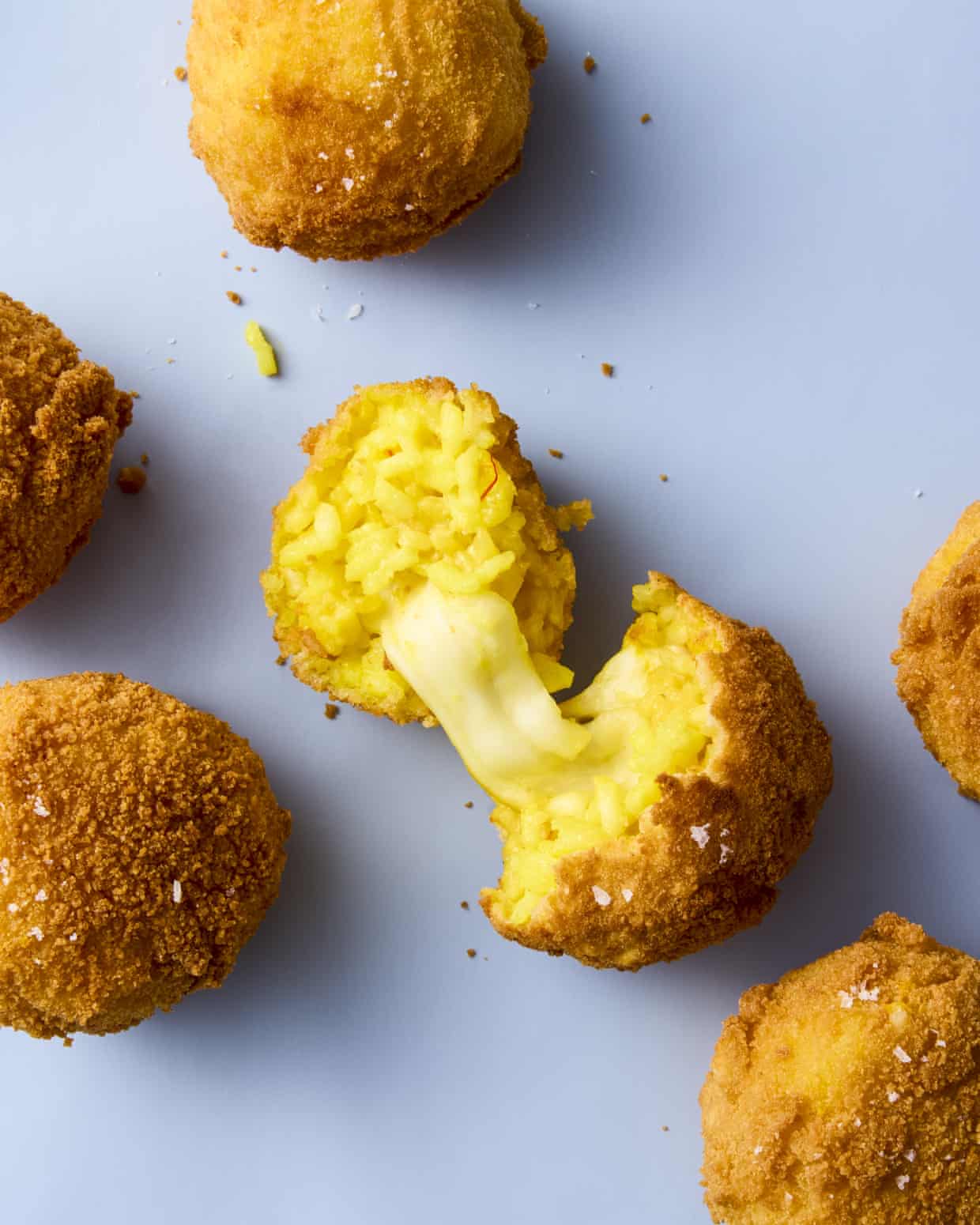
How to make arancini – recipe | Felicity Cloake's Masterclass
Before I wrote this recipe, it hadn’t occurred to me that the word “arancini” means “little oranges”, and, plump, round and golden as they are, it makes sense, too. Indeed, these robust rice balls, which are said to have come to Sicily with Arab invaders in the 10th century, are now, according to the late Antonio Carluccio, the local equivalent of a sandwich lunch.Prep 25 min Cook 45 min Makes 8 large ballsFor the risotto700ml chicken stock, or vegetable stock100ml white wine (optional)250g short-grain rice (eg, arborio)½ tsp salt, plus extra to season1 very generous pinch saffron (optional)50g parmesan, or grano padano or vegetarian alternative, gratedBlack pepperFor the arancini2 eggs plus 1 egg yolk100g mozzarella, drained and cut into chunksOptional other fillings of your choice – meat ragu, pesto, sauteed mushrooms, wilted or defrosted greens170g plain flour 250g fine dried breadcrumbs (preferably not panko)Neutral oil, for fryingFlaky sea salt, to finish (optional)Risotto is a northern Italian dish, so Sicilian arancini weren’t designed with it in mind, but they are great vehicles for risotto leftovers. My recipe is intended for 700g cooked rice, but adjust the fillings and coating according to what you have; these are also a great way to repurpose small amounts of ragu, cooked vegetables, fish or meat.If you’re cooking the rice from scratch, put the stock and wine (or substitute 100ml extra stock, if you prefer) in a medium pan and bring to a boil – I like chicken stock, because I find it the most neutrally savoury, but use whatever suits the fillings you’re using
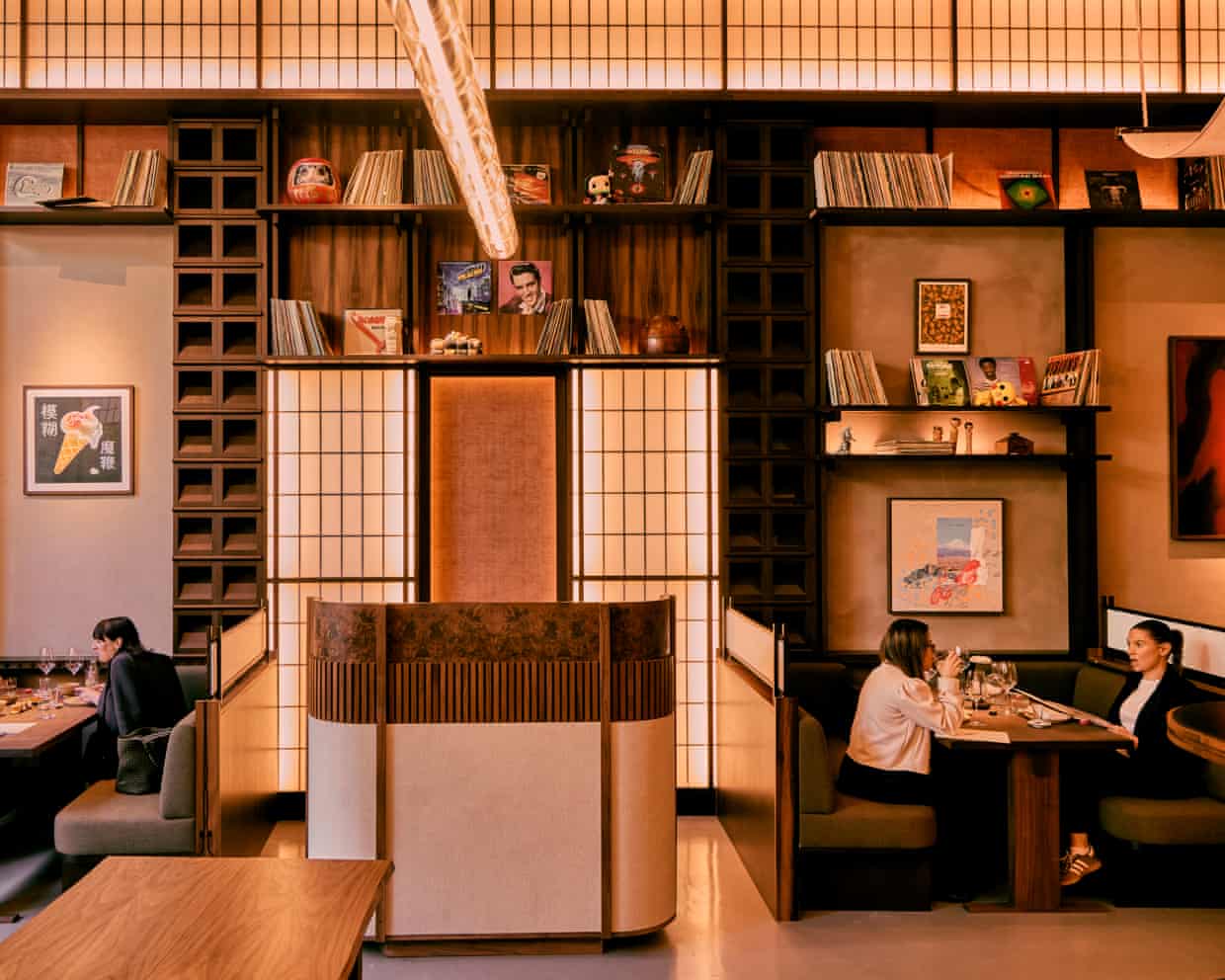
Mitsu, London EC2: ‘Determinedly fun and delicious’ – restaurant review | Grace Dent on restaurants
No spoilers, but I knew even before I’d reached for my chopsticks that Mitsu would be a vast improvement on its predecessor, because it has taken the place of Nobu Shoreditch in the under-gusset of the Aethos hotel, a Swiss-owned “lifestyle hospitality brand”, in east London. Nobu was gargantuan, moodily lit (that is, pitch black), woundingly expensive and terrifically hard to book, despite having something like 797 seats; it was also one of the most soulless London restaurants of the past 25 years. Nobu Shoreditch felt symbolic: it was where all the raffish hope of the 1990s YBA crowd and the early noughties electroclash heads went to die.But that was then, and now, in 2026, the Aethos crew has deftly brightened and lightened the mood of the room, making it actually cosy and adding a twinkly central bar; there’s an open robata kitchen and roomy booths, as well as a pretty Japanese garden. Mitsu calls itself an izakaya, which is what European restaurateurs always say when they mean the Japanese-influenced food isn’t too po-faced and you can get really tipsy on sake
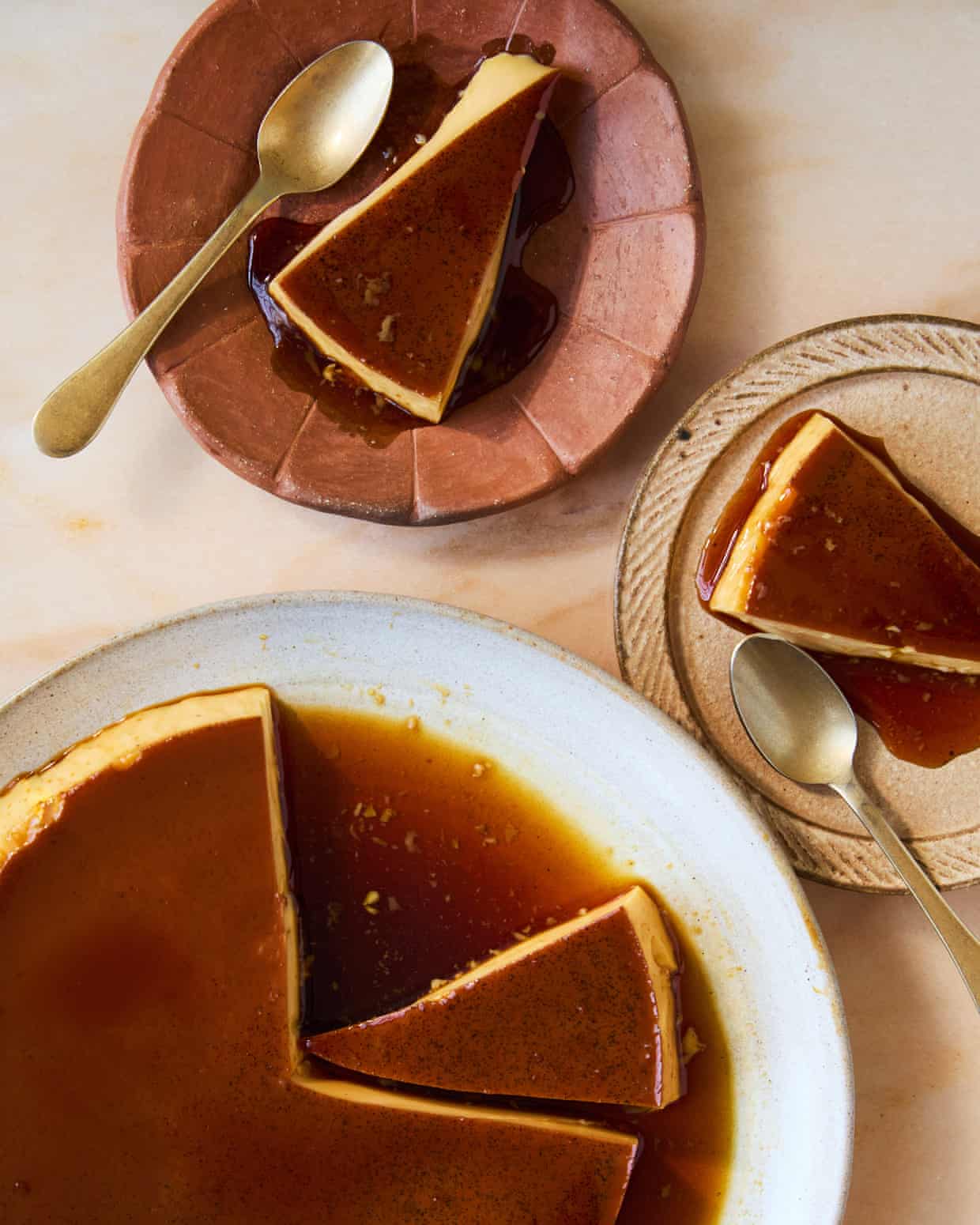
Benjamina Ebuehi’s recipe for Mexican-style vanilla bean flan | The sweet spot
I started the year in one of my favourite places: Mexico City. I’ve since become one of those annoying people who finds a way to bring it up in nearly every conversation, so please indulge me just this once! Each time I’ve been to Mexico, I develop a new fixation, and this year I ate a considerable amount of flan. It’s seen as a bit of a retro dish here in the UK, and perhaps a little divisive, but I love it.Mexican-style flan is typically made with condensed milk, giving it a gorgeous, silky, creamy texture. I’ve also added plenty of vanilla – brought back from my trip, of course

How to match wine with vegetables
At a recent tasting, I got chatting to a winemaker from Australia’s Clare Valley as I bravely made my way through his wares: a ripe, leathery shiraz and a deep, dark cabernet sauvignon that put me in mind of blackcurrant bushes. These were serious wines – and good value, too. A generation ago, such gutsy New World reds were all the rage, but now, lamented the winemaker, gen Z was more interested in lighter, cooler-climate wines, lower on the alcohol and brighter on the palate.The Guardian’s journalism is independent. We will earn a commission if you buy something through an affiliate link
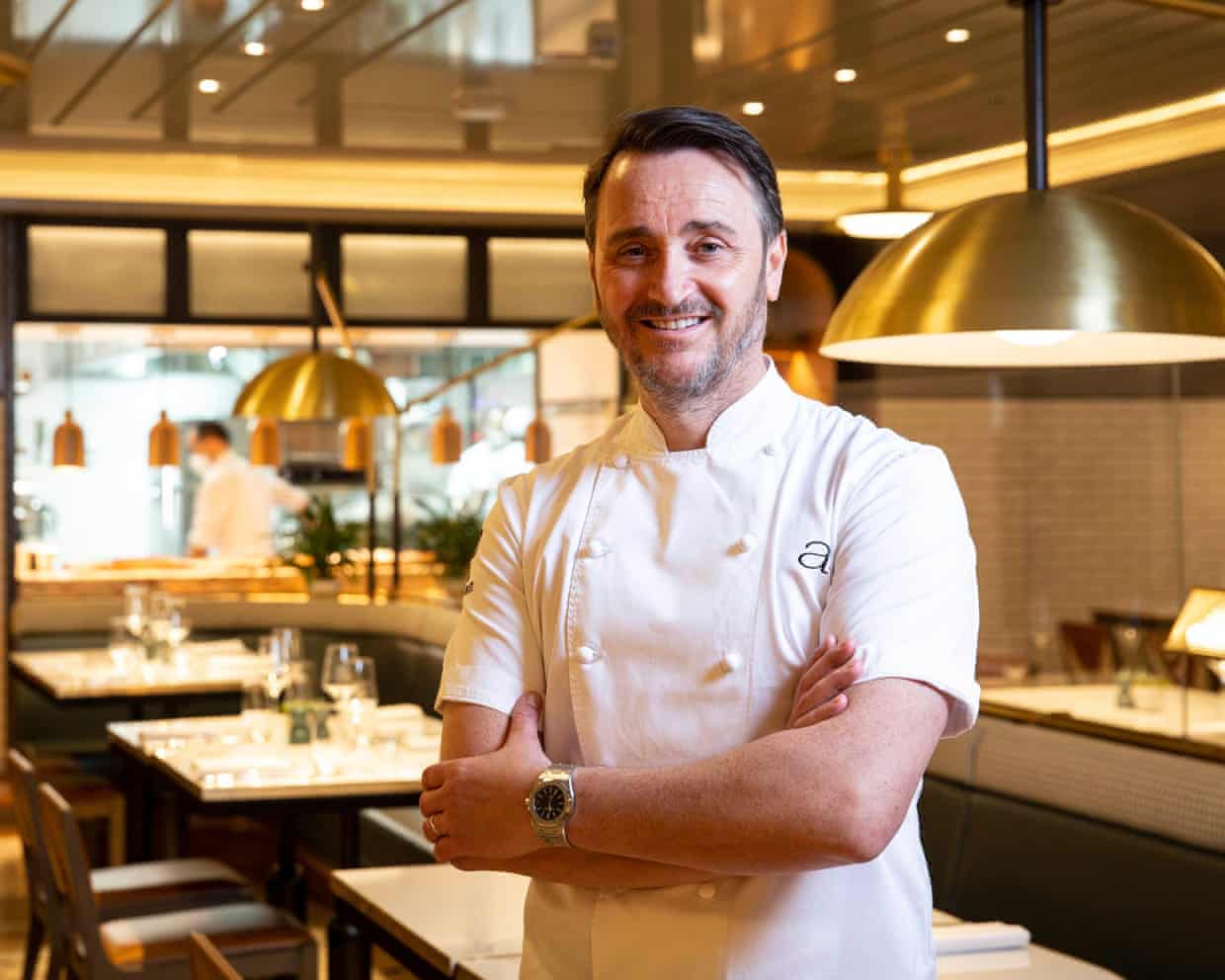
‘Restaurants won’t survive’: Michelin chef opens venues abroad to withstand UK taxes
A British Michelin-starred chef says he is opening restaurants abroad to subsidise his UK venues against a backdrop of high taxes and a struggling hospitality sector.Jason Atherton is now in Forte dei Marmi, on the Tuscan coast in Italy, where he is preparing his newest opening, Maria’s, which will be in the Principessa hotel. The Sheffield-born chef now has restaurants all over the world, including in Dubai and St Moritz.He said he was finding it easier to make a profit in countries with more forgiving policies towards restaurants, pubs and bars. “I am trying to sustain our business by opening abroad
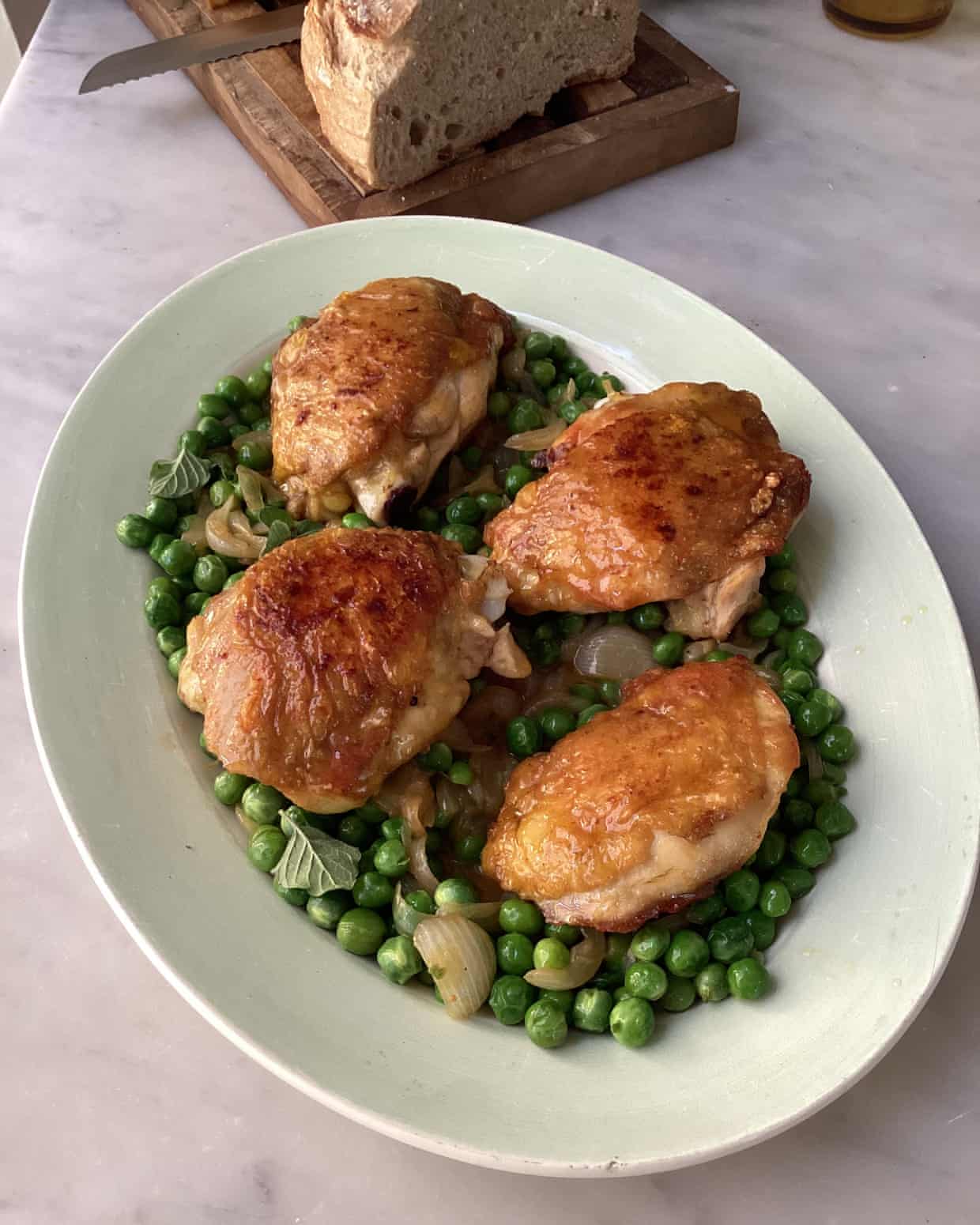
Rachel Roddy’s recipe for spring chicken thighs with spring onions, mint and peas | A kitchen in Rome
The weather lately has been as temperamental as peas in pods. But peas are even harder to read than the sky: some pods contain sweet things no bigger than peppercorns, which explode when you bite them; the contents of others, however, are closer to small ball bearings, their size very likely a sign that all the natural sucrose has been metabolised and transformed to pea starch. The best thing for the tiny ones is to snack on them alongside a bit of cheese, whereas the path for big ones is the same as for dried peas, so pea and ham soup or a long-simmered puree.The Guardian’s journalism is independent. We will earn a commission if you buy something through an affiliate link

Royal Opera House calls for release of Georgian bass singer jailed over democracy protests

‘Using his Terminator voice, Arnie said: “Your song. Give it to me. Now”’: Bad to the Bone’s creation – and aftermath

What is a ‘Scientology speedrun’ and why is social media suddenly obsessed with it?
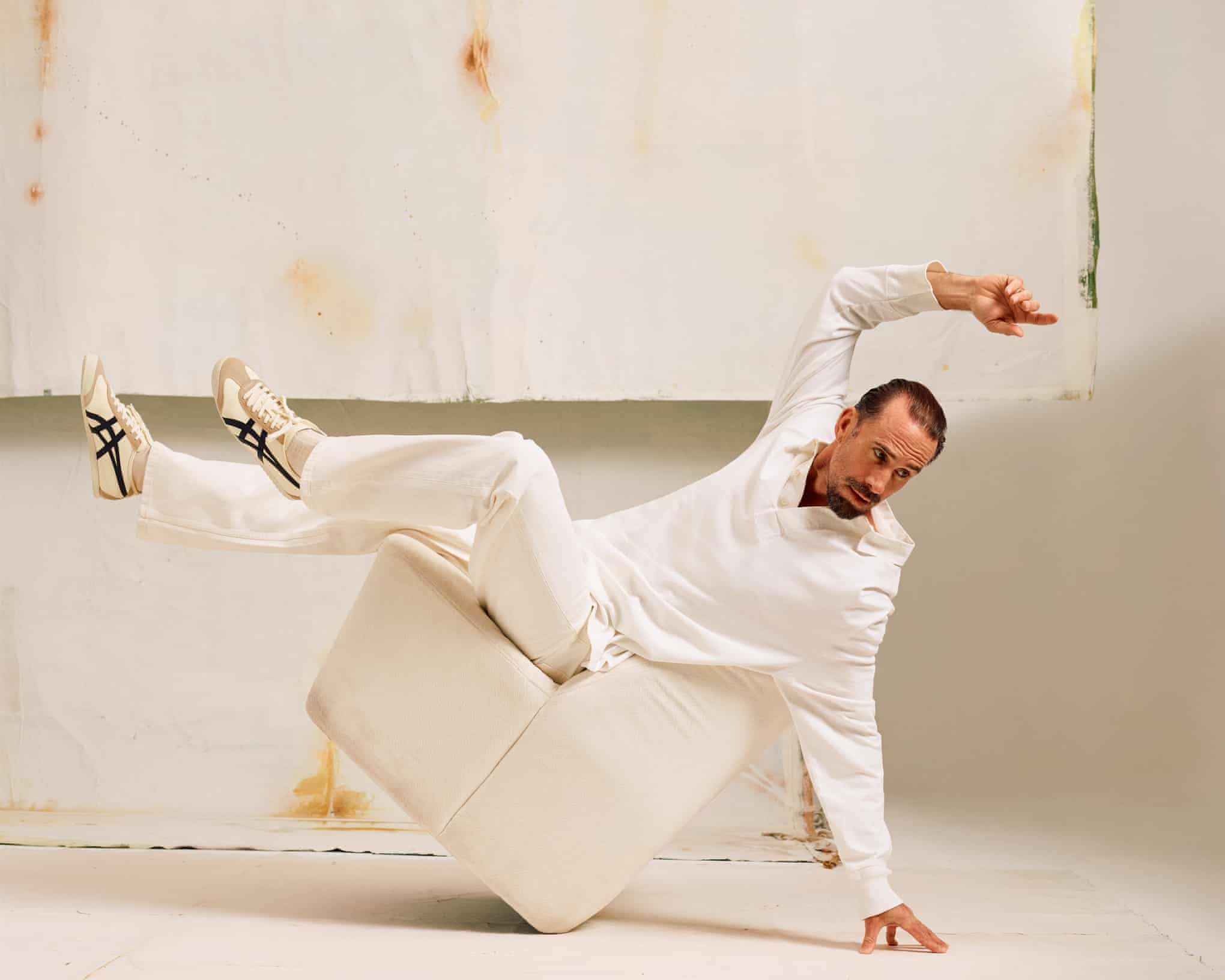
Joseph Fiennes on parenting, politics and banning children from social media: ‘Stand up, Keir, this is your kids’ generation’

The Guide #242: Everyday Hollywood film comedies have faded but can they make a comeback?

Ah, ah, ah, ah - I saved my dad’s life with a little help from The Office and the Bee Gees