‘We don’t want to make the same mistakes’: Jamie’s Italian reopens in London
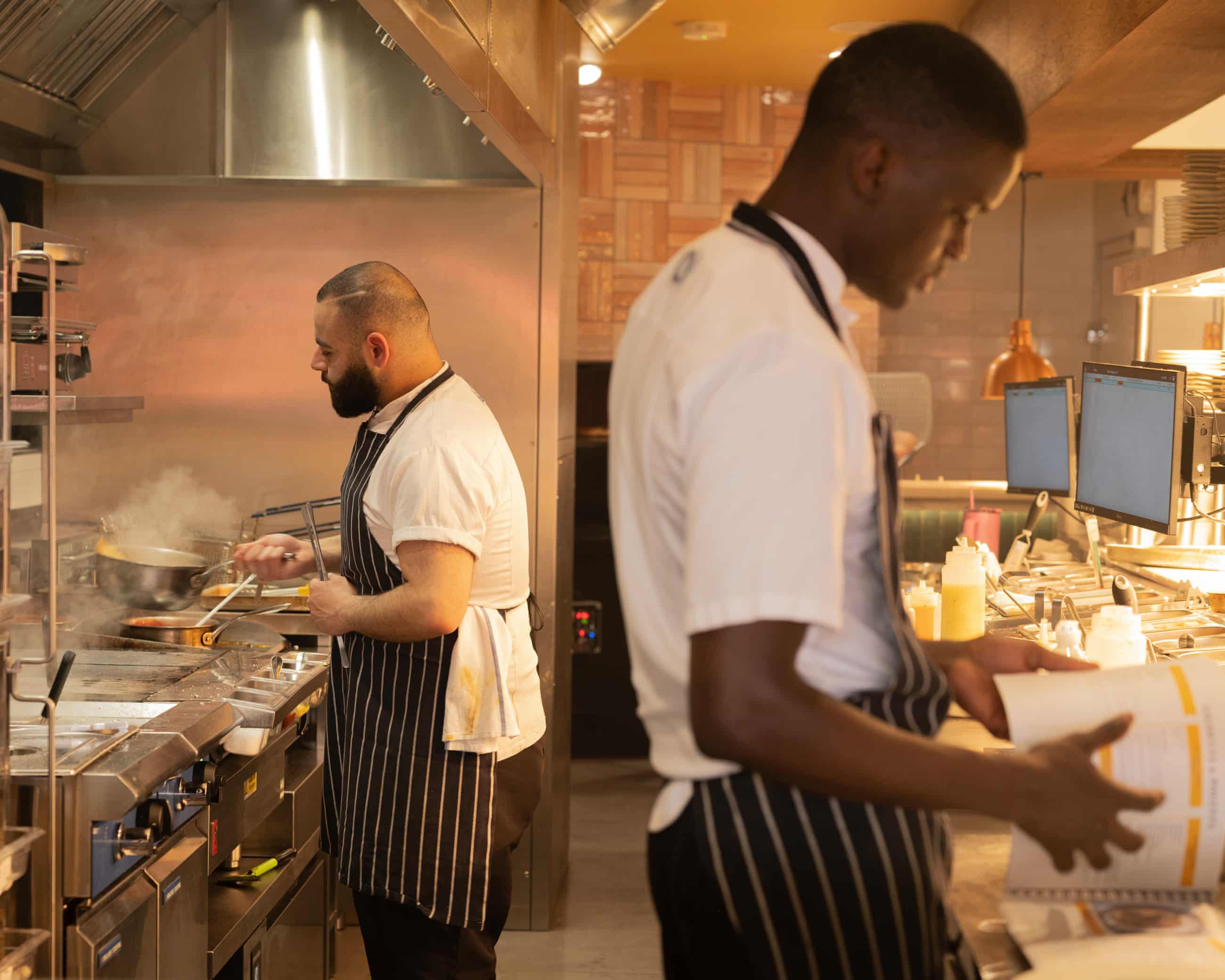
Jamie Oliver’s head of restaurants is optimistic about new recipe of smaller site, slimmed-down menu and no burgersWhen Jamie’s Italian crashed and burned in 2019, with the company in £83m of debt and causing 1,000 job losses, no one imagined the celebrity chef would try again.But seven years later, Jamie Oliver has opened a flagship site under the same name in Leicester Square in central London, and believes he has a new recipe for success: a smaller restaurant with a slimmed-down menu, which features cheaper cuts of meat and no burgers.At its peak the chain, which opened in 2008, had 47 UK restaurants.Now it just has the one.Ed Loftus, the global director of Jamie Oliver Restaurants, has worked with Oliver for 20 years and is charged with making the reopening a success.
This is a nerve-racking job; the team certainly does not want to fail twice.But the restaurant has been open for a month and Loftus feels optimistic.“100% I was nervous,” he says.“Bringing something back that’s failed in the eyes of the public and the trade, and the rest of it, there were definitely nerves and a few sleepless nights, no one wants to do anything and get it wrong.”The new site is much smaller than the previous iterations.
At the time of its collapse, Jamie’s Italian was known for operating in giant, cavernous spaces, but the company found that often towns and cities couldn’t support such scale.“We don’t want to make the same mistakes again, that would be the worst thing in the world.”The old menus were also huge and ranged from burgers, fillet steaks and salmon to traditional pasta dishes.Now diners will find a much more edited offering, with relatively low prices for a central London restaurant.Starters begin at £8, pizzas and pastas start at £13 and the most expensive main is a £29 sirloin steak.
“We aren’t giving people a huge amount of choice, it’s not a vast menu,” said Loftus.He added that they were using cheaper cuts of meat to keep costs down.“For our bolognese we are using pork shoulder, we aren’t serving fillet steak and premium cuts.” The result, Loftus argues, is “very affordable food that is also high quality”.Beef prices in particular have skyrocketed in recent years, owing to shrinking global cattle herds, rising costs of feed, energy and labour, and growing international demand.
“It’s not a beef-heavy menu.A fillet steak would have to be £40 to make sense.We use beef mince in our bolognese, which is a combination of rib and chuck.It is quite a heavy, earthy, rich meat ragu,” Loftus said.Pride of place on the old menu was the Jamie’s Italian Burger, but that’s gone.
“We don’t have a burger on the menu.We don’t want to compete with everyone on mid-market, we want to be the best Italian option on the market,” he said.With times tough for hospitality as higher business rates, rising inflation and new taxes converge, it seems a risky time to reopen.So why now? “Jamie was super keen to do something positive on the high street, the high street has been all doom and gloom,” Loftus said.Oliver was heavily involved in the opening, “living there every day, cooking in the kitchen”, Loftus said.
The scrawled menus are in his handwriting; the chef took calligraphy lessons to make his writing more legible and this was turned into a special font for the restaurant.“It was one of the most emotional projects he’s ever done, being given a second chance, not everyone is fortunate enough to have them,” Loftus added.“It’s very personal to him.”Oliver’s favourite dish on the menu is either the spaghetti nero, which is squid ink pasta with tomatoes and seafood, or the plank of meat and cheese, which in typical Oliver style is marketed as including “incredible” slices of speck.“He likes to have a plank and some antipasti, share that food, get the table humming,” said Loftus.
Italians may applaud the authenticity of the menu because Oliver has refused to put cream in the carbonara, which is made in the classic Roman style with egg yolks, guanciale, pecorino and freshly made pasta.“When you walk in the door, on the right-hand side there is a pasta machine and the chefs make it a couple of times a day,” Loftus added.Despite the careful menu planning, Loftus is slightly nervous about what the future holds, with rising inflation and a government that has been accused of being ambivalent towards hospitality businesses.He thinks the government should cut VAT for all restaurants and bars.“I think it’s pretty clear what’s going on in the world.
Unless things change, prices are going one way,” he said,“Minimum wage should go up, but the other things that have come out from the autumn budget like business rates, if there was business rates and VAT reform, they are the two things the sector needs,“The sector wants to pay people more, but it would be good if the government could acknowledge that VAT is so high at 20%,Germany has single-digit VAT, Ireland had relief and many other countries had relief, so we should look at that,If that is looked at, people can hold prices, people can still afford to eat out.
”
Australian workers have been hard done by and tax reforms in the budget only begin to return some fairness | Greg Jericho
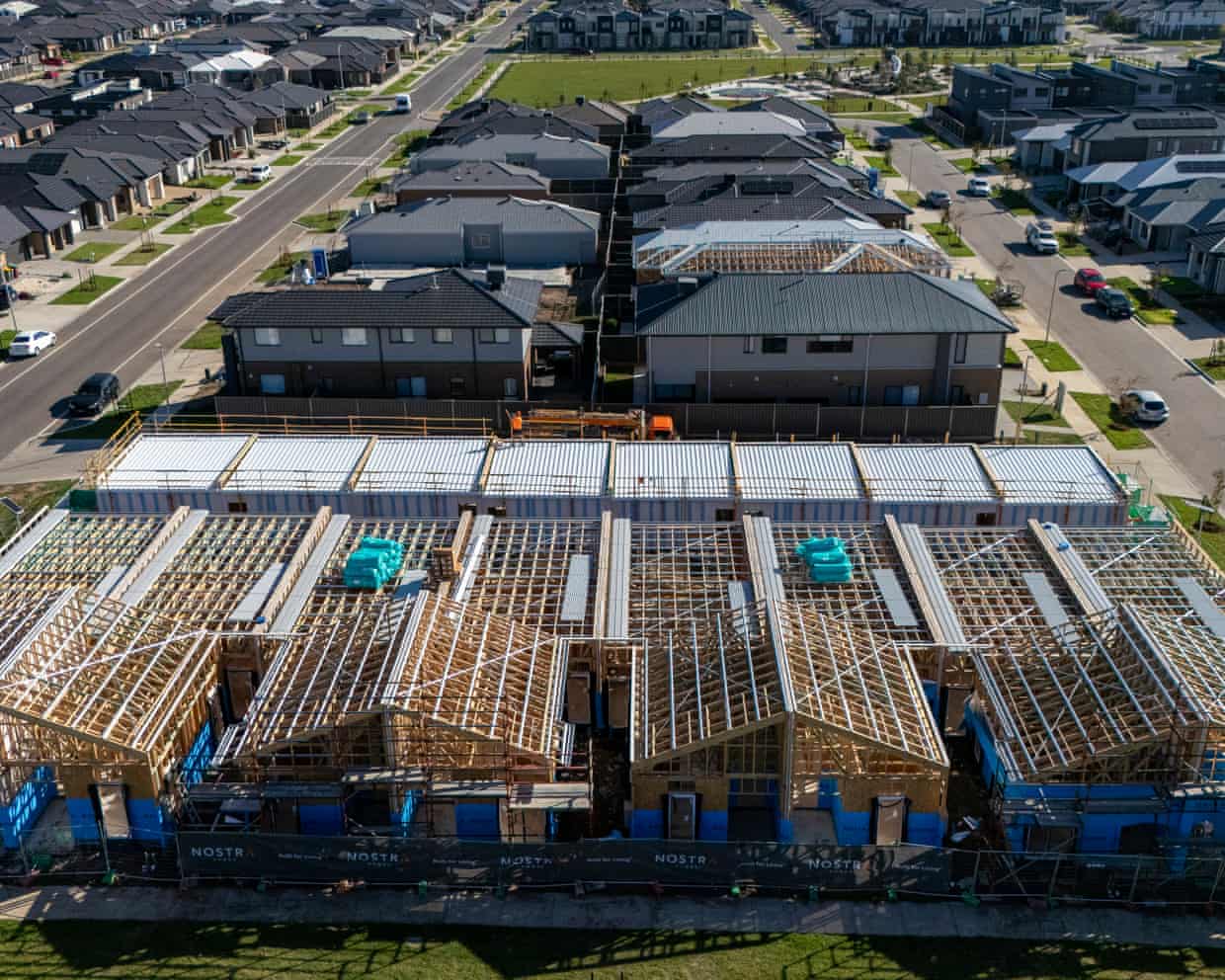
Wages are growing at a much slower pace than inflation, according to the latest data. This fits the story of the budget: that those earning a living off wages have been left behind by those who make their money through investments and tax minimisation schemes such as discretionary trusts.So I have some good news for the governor of the Reserve Bank, Michele Bullock. She can relax. Because, as has been the case for roughly 35 years, there is no evidence of a wage-price spiral
US Senate confirms Kevin Warsh as Federal Reserve chair, replacing Jerome Powell
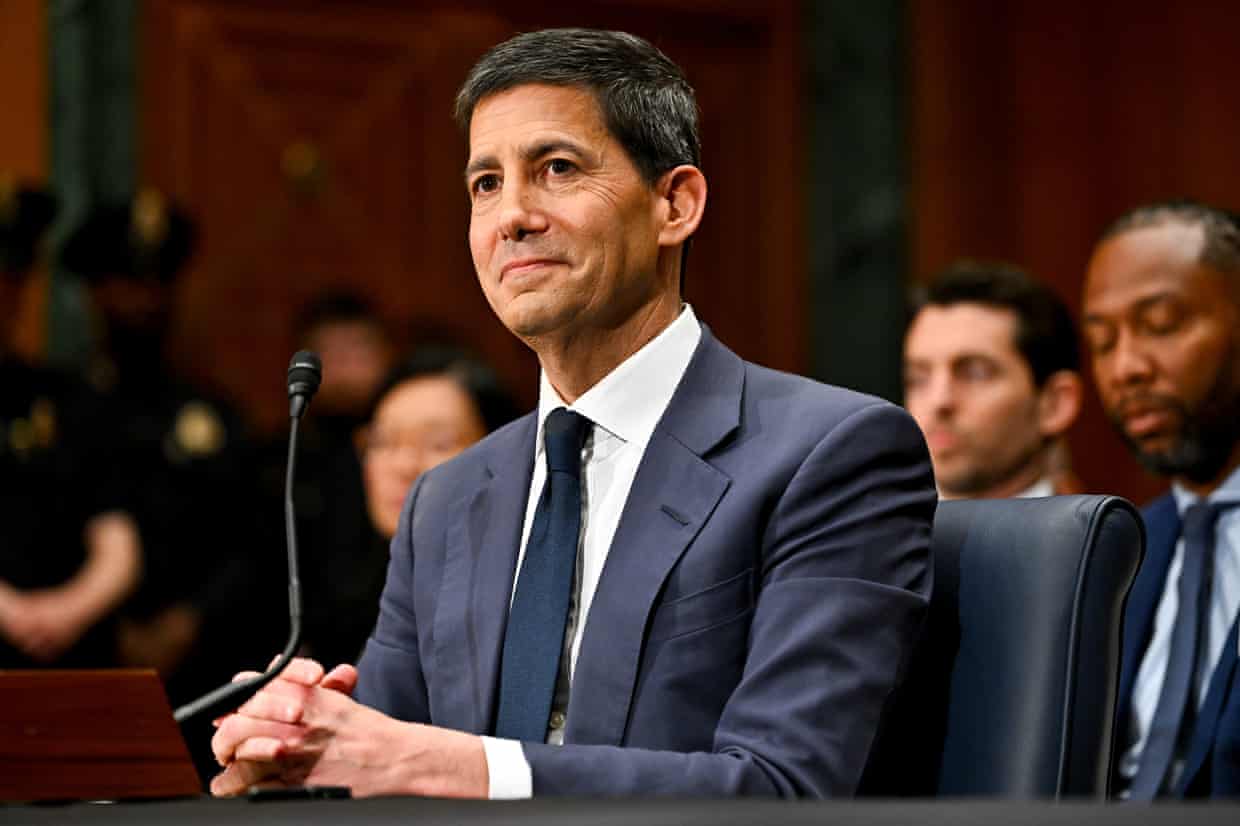
The US Senate confirmed Kevin Warsh as chair of the Federal Reserve, one of the most powerful roles in the federal government that holds enormous sway over the economy.The 54-45 Senate vote on Wednesday was split along party lines, with the exception of the Democratic senator John Fetterman from Pennsylvania, who joined the Republican majority. It was most divisive confirmation vote for the position in history.Warsh was confirmed for a four-year term as chair and a 14-year appointment on the Fed’s rate-setting board.Warsh will officially step into the role on 14 May, when the term of outgoing Fed chair, Jerome Powell, ends
Sam Altman defends OpenAI in courtroom showdown with Elon Musk
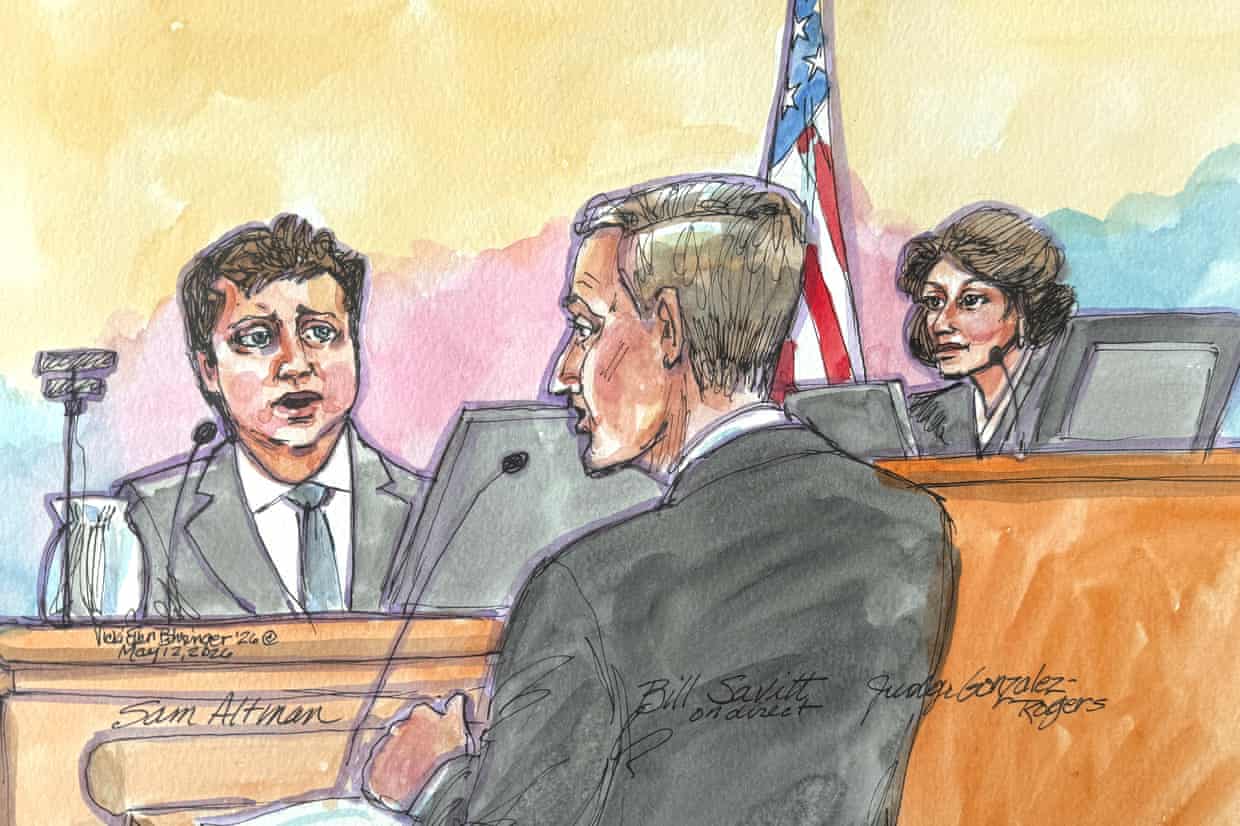
The OpenAI CEO, Sam Altman, took the stand on Tuesday to defend himself and his company against a lawsuit by Elon Musk. Altman is set to be one of the final witnesses in the trial, which has pitted two of the tech industry’s most powerful men against each other in a dramatic courtroom showdown.Musk has accused Altman and OpenAI of breaking the AI firm’s founding agreement by restructuring it into a for-profit enterprise, alleging that Altman essentially swindled him into co-founding the company and providing tens of millions in financial backing. Musk also claims Altman unjustly enriched himself in the process and is seeking the CEO’s removal from OpenAI, the redistribution of $134bn to the firm’s non-profit and the undoing of its for-profit conversion.OpenAI and Altman have rejected all of Musk’s claims, arguing that he is motivated by jealousy after a failed bid to take over the AI firm in 2018 and a subsequent departure from its board
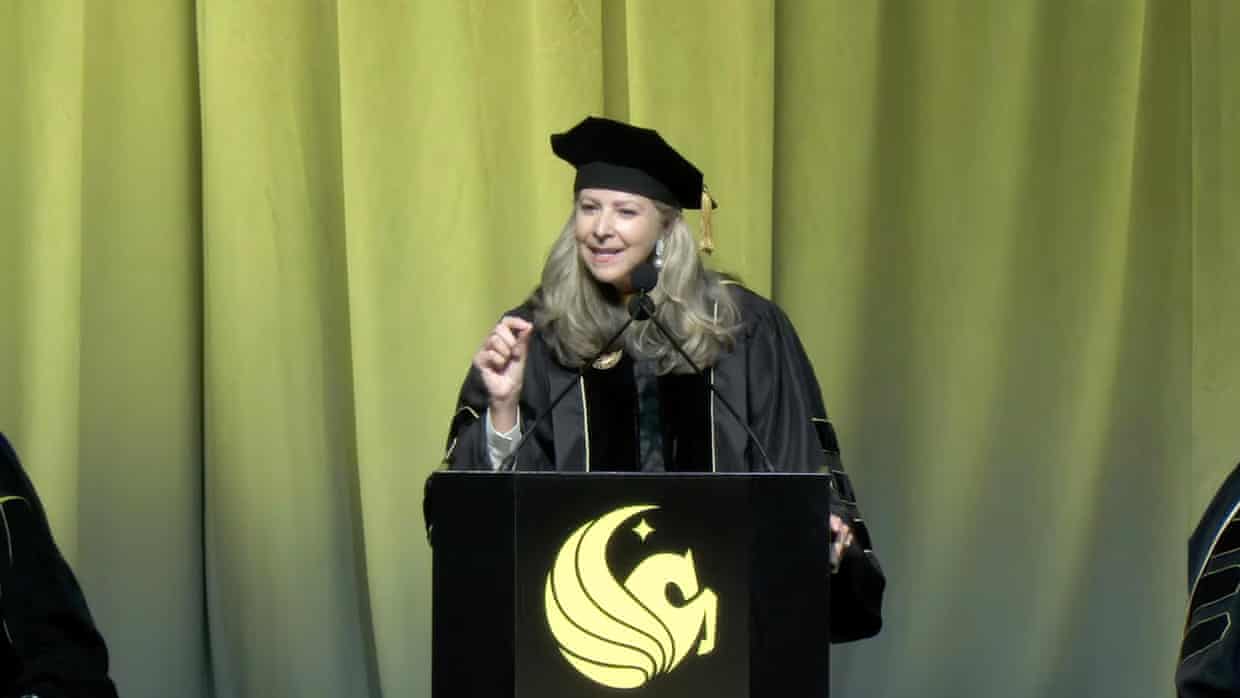
Florida students boo graduation speaker who called AI ‘next Industrial Revolution’
Though college graduations usually consist of a speaker giving advice to students, one recent ceremony featured students giving the speaker their opinions – loudly.The University of Central Florida’s 2026 graduating class booed as a real estate development executive spoke about how “the rise of artificial intelligence is the next Industrial Revolution” and about “living in a time of profound change”.The crowd of students was so loud that Gloria Caulfield paused, turned away from the podium and threw her hands up in the air.“Woop, what happened?” she asked, before letting out a nervous laugh: “OK, I struck a chord. May I finish?”As the crowd calmed down, Caulfield proceeded
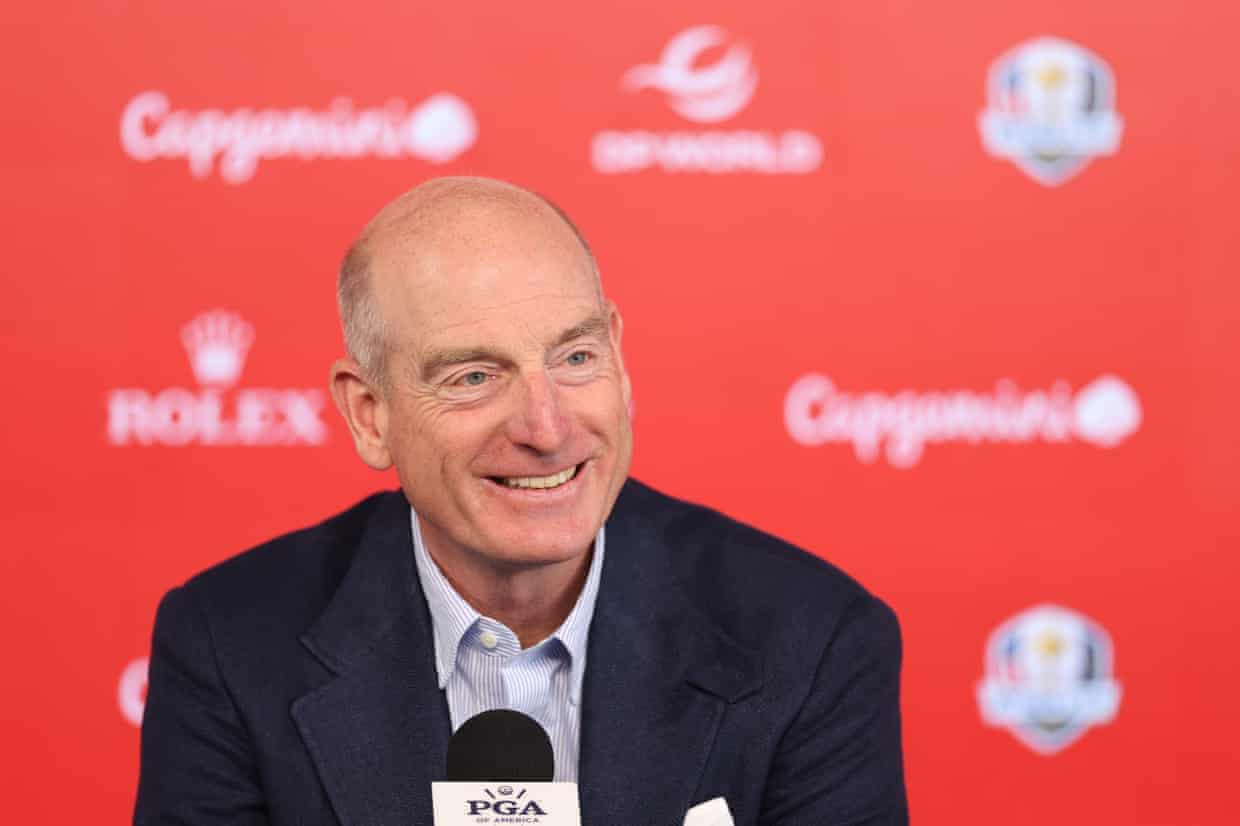
Jim Furyk tells US players they need to make Ryder Cup more of a priority
Jim Furyk has admitted the United States need to make the Ryder Cup more of a priority as the 56-year-old plots a reversal of fortunes at Adare Manor in September 2027.Speaking expansively for the first time since being handed the US captaincy for a second time, Furyk pointed towards an overhaul of approach to the biennial event. He also suggested he will be keen to involve Tiger Woods on his backroom team.Victory for Europe at Bethpage last year means the US have won two of the past eight Ryder Cup stagings. The PGA of America wanted Woods to assume the captaincy for Adare, a scenario that was subject to delay before it was rendered impossible by the 15-time major winner’s Florida car crash in March
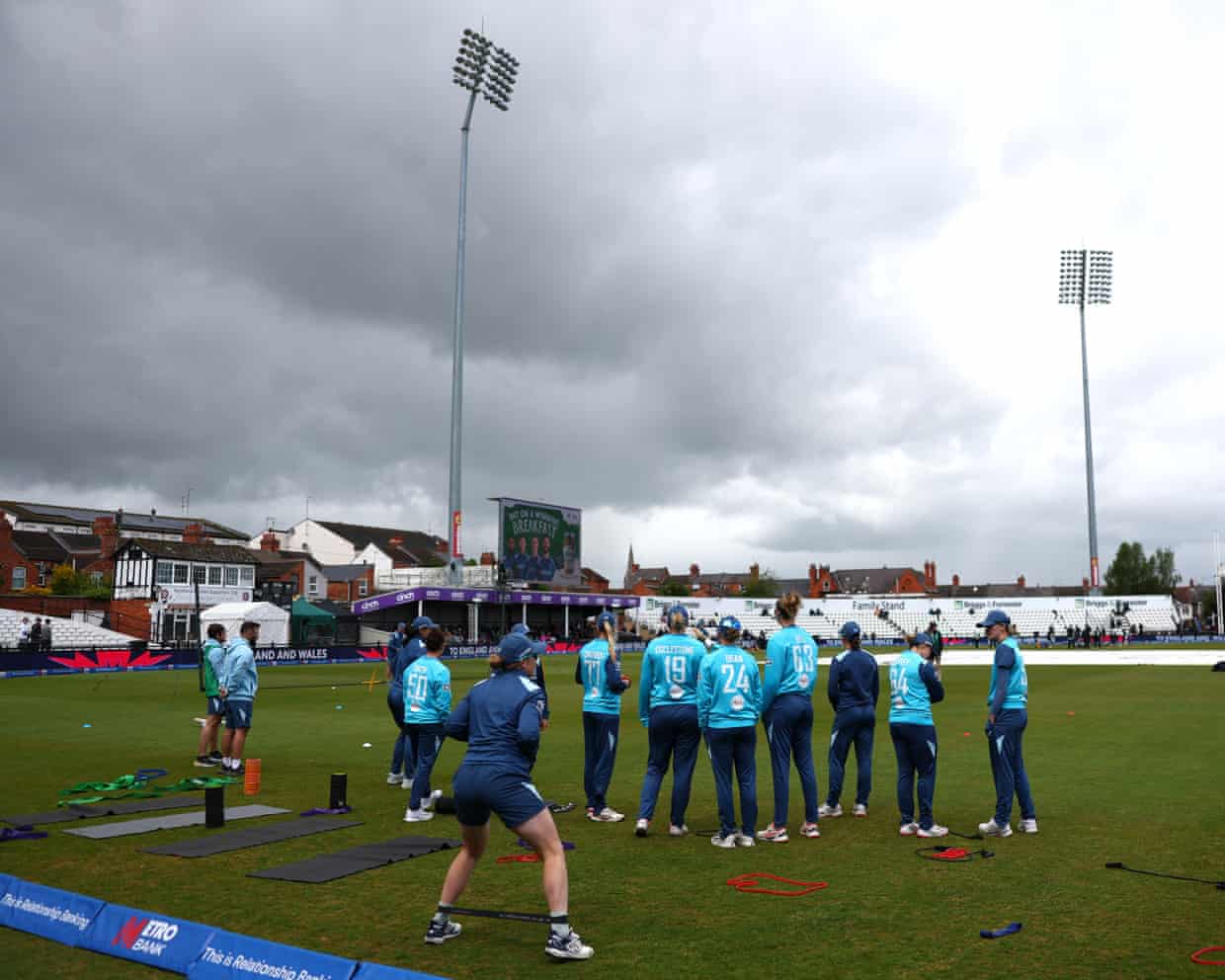
England v New Zealand: second women’s cricket ODI abandoned – as it happened
England’s one-day international against New Zealand on Wednesday was abandoned without a ball being bowled due to rain.Following their narrow-squeak win in Sunday’s game, England had named a new-look XI at Northampton which contained both Alice Capsey and Sophie Ecclestone. Capsey is now fully recovered from a bout of sickness, while Ecclestone’s inclusion was particularly welcome news as it suggests the quad problem which kept her out of Sunday’s match will not be a problem in next month’s T20 World Cup.However, after hours of back-and-forth between the groundstaff and the covers, persistent showers through the afternoon forced the umpires to call off the match at 4.40pm
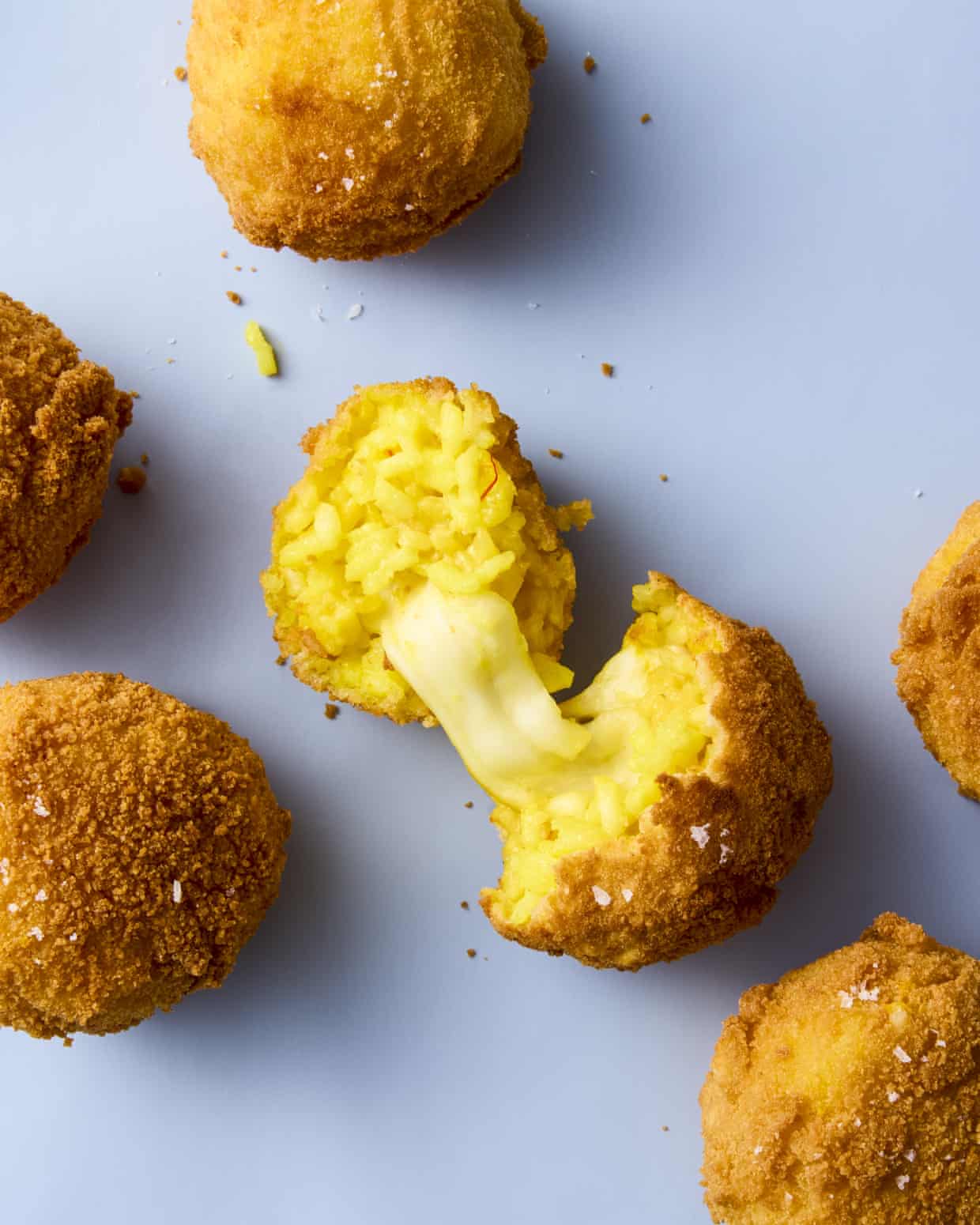
How to make arancini – recipe | Felicity Cloake's Masterclass
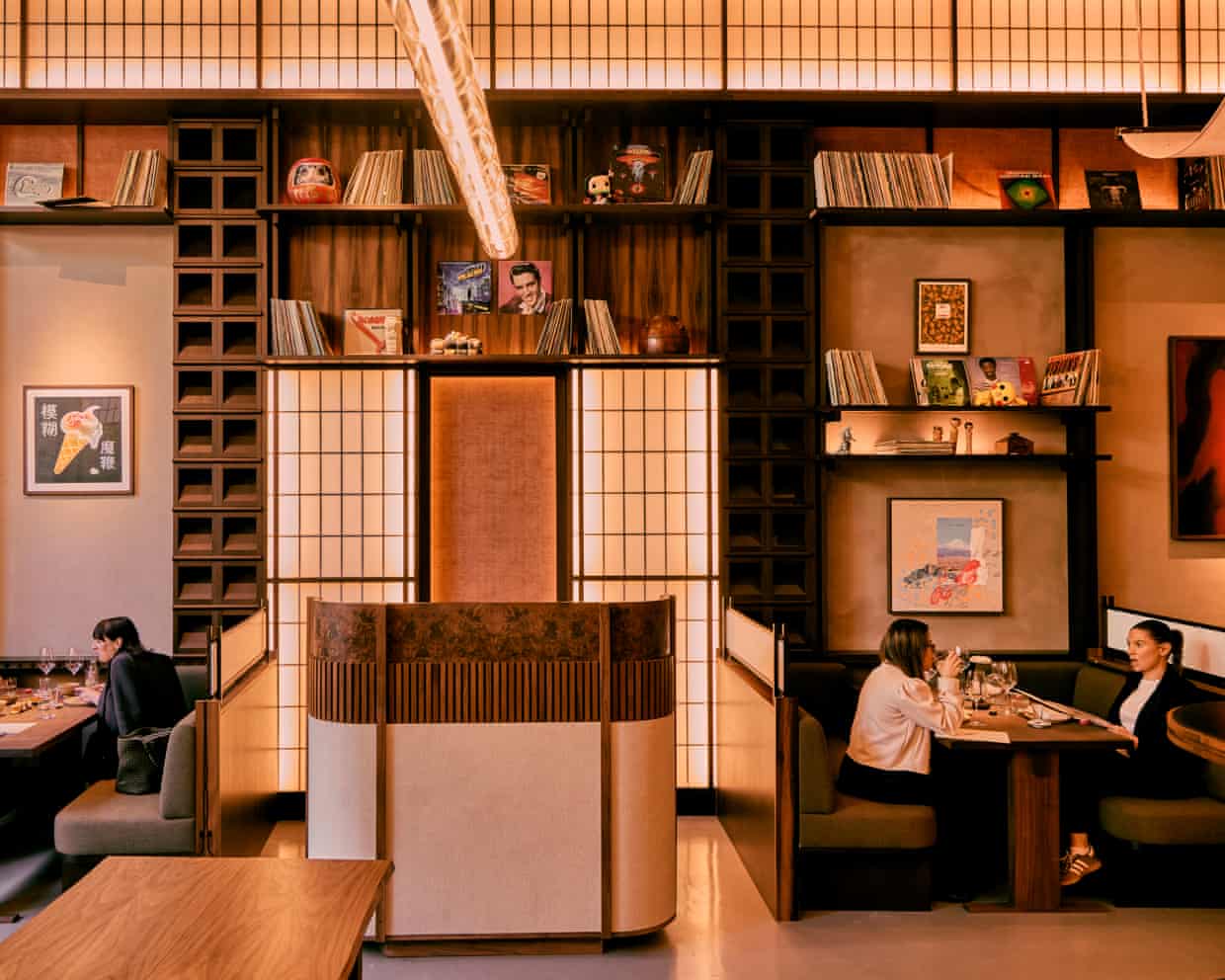
Mitsu, London EC2: ‘Determinedly fun and delicious’ – restaurant review | Grace Dent on restaurants
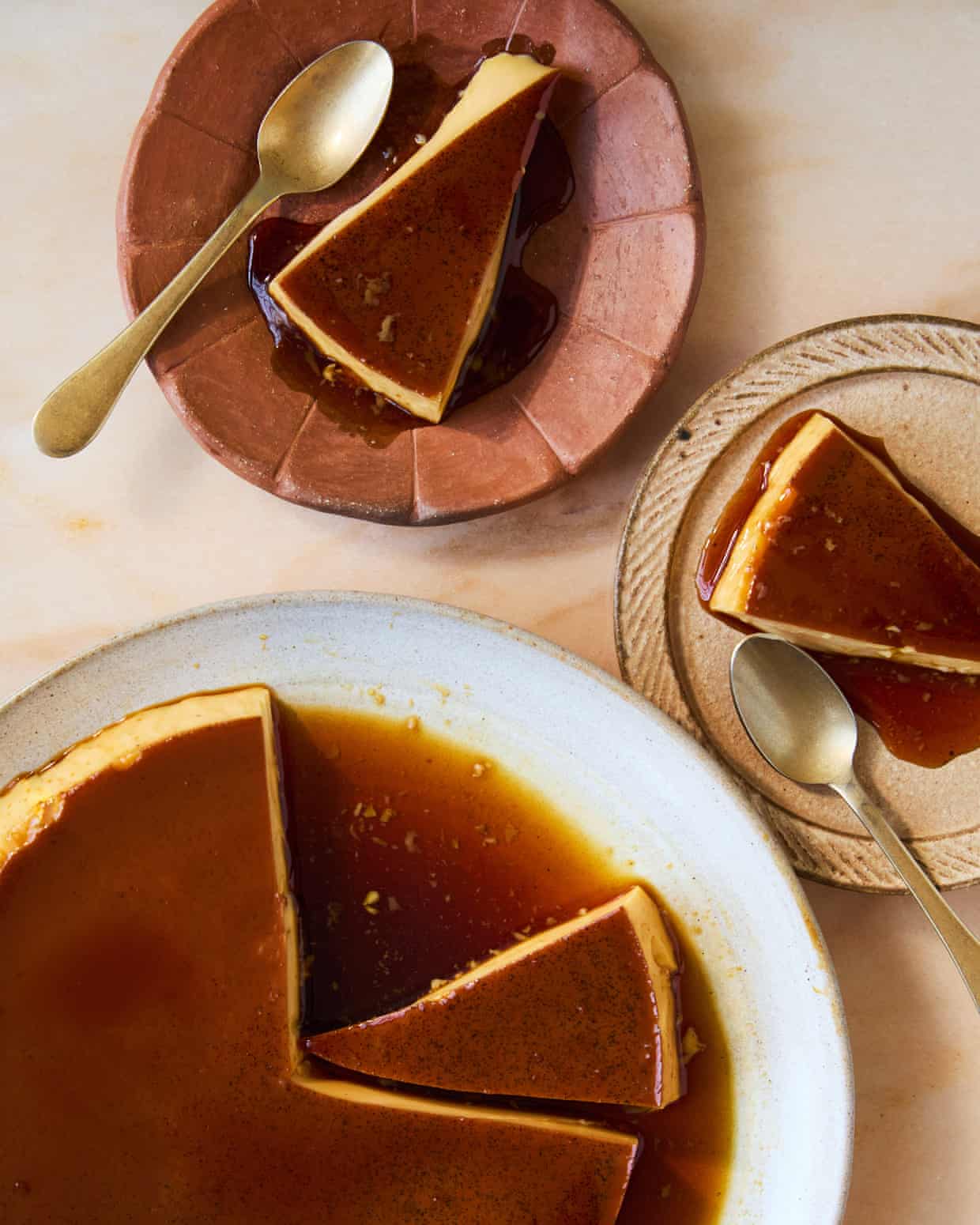
Benjamina Ebuehi’s recipe for Mexican-style vanilla bean flan | The sweet spot

How to match wine with vegetables
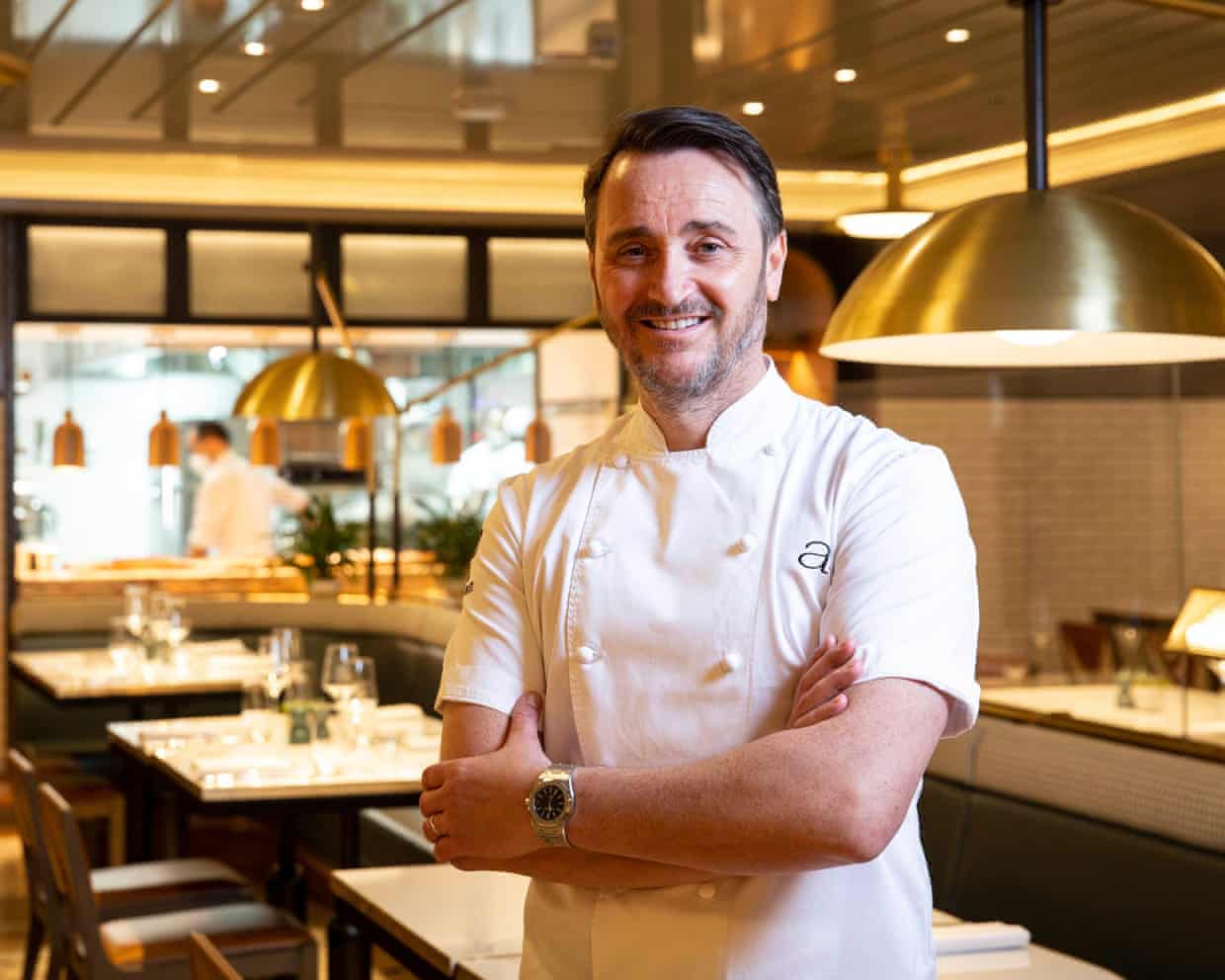
‘Restaurants won’t survive’: Michelin chef opens venues abroad to withstand UK taxes
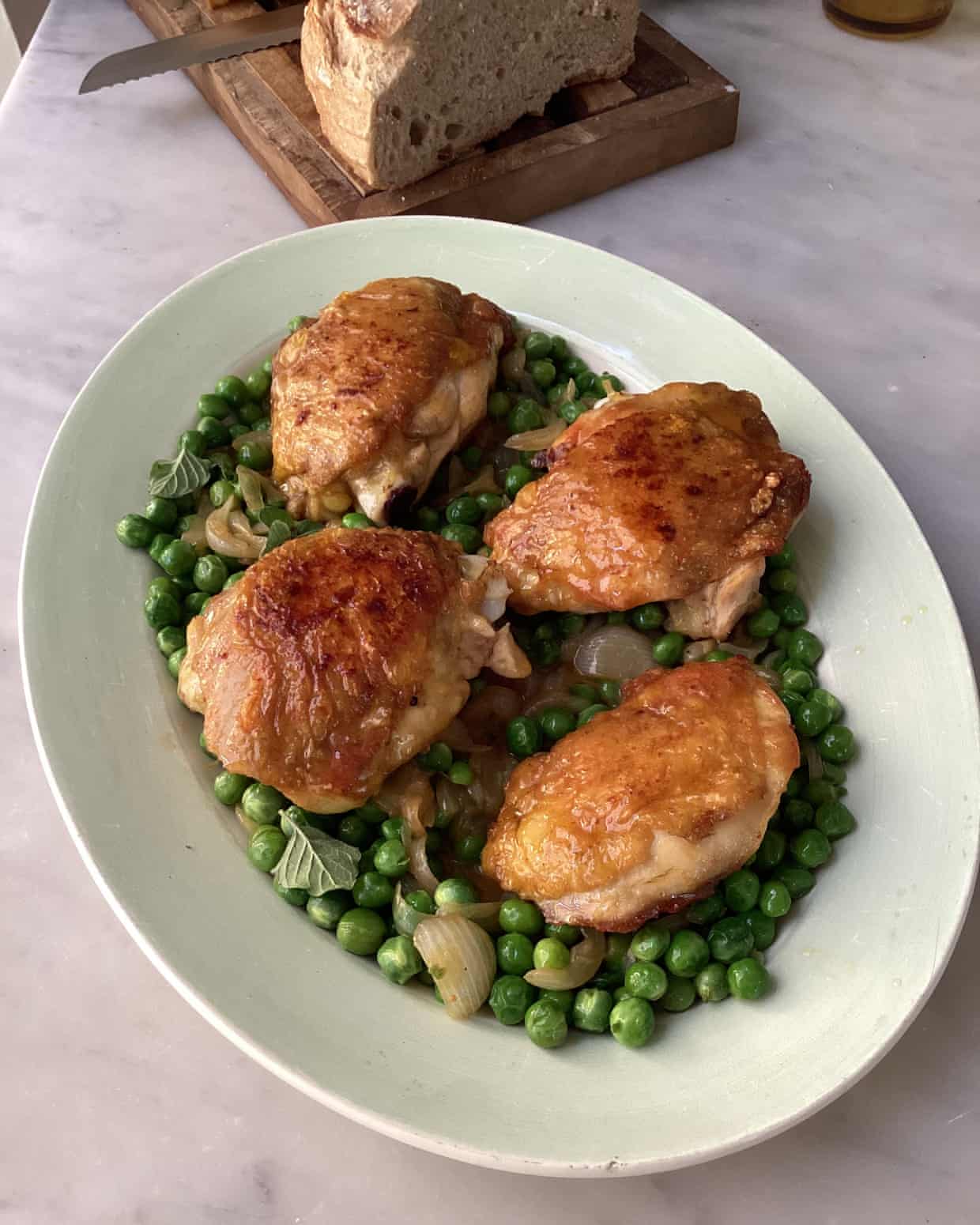
Rachel Roddy’s recipe for spring chicken thighs with spring onions, mint and peas | A kitchen in Rome