Use of ADHD medication in UK more than tripled in 13 years, study finds
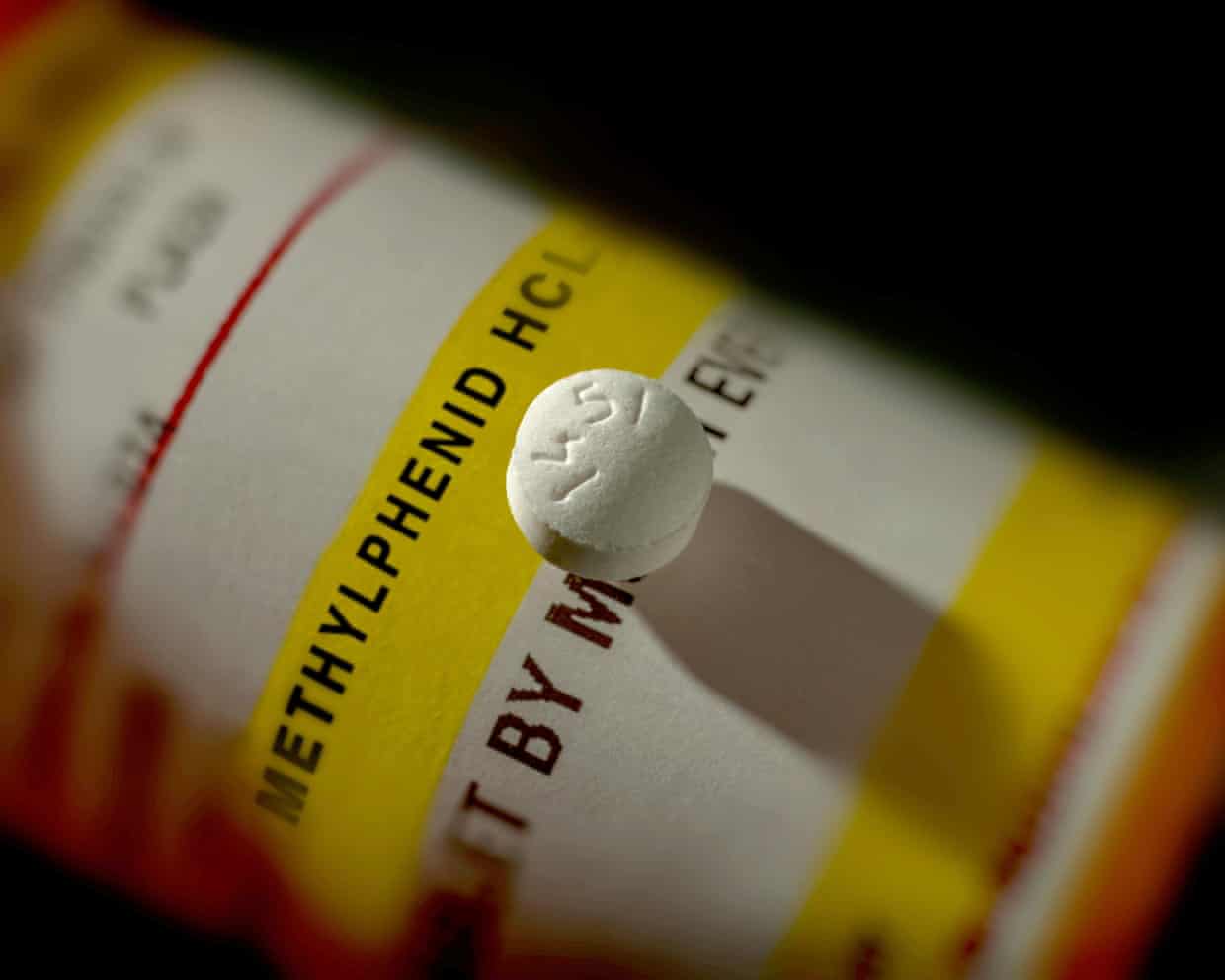
The proportion of people in the UK on attention deficit hyperactivity disorder (ADHD) medication has tripled in the past decade, with a 20-fold increase among women aged 25 and over, a study shows.Researchers led by the University of Oxford examined electronic health records from Belgium, Germany, the Netherlands, Spain and the UK to estimate the use of ADHD medication among adults and children aged three and above.Prevalence increased across all five countries between 2010 and 2023, according to the research.The UK had the highest relative increase for all ages, rising more than threefold from 0.12% to 0.
39%,In the Netherlands, prevalence more than doubled, from 0,67% to 1,56%,The results of the study, which tracked methylphenidate, dexamphetamine, lisdexamfetamine, atomoxetine and guanfacine, was published in the Lancet Regional Health – Europe journal.
Adult use increased substantially in all countries, particularly among women.In the UK, prevalence among people aged 25 and over increased from 0.01% in 2010 to 0.20% in 2023, with a more than 20-fold increase in women and 15-fold in men.Although ADHD medication use remained higher among males, the sex gap in treatment narrowed over time and with increasing age, the researchers said.
“We observed a consistent increase in ADHD medication use across Europe, but the most striking changes were among adults, especially women,” said Xintong Li, the lead study author at Oxford.“These findings likely reflect growing awareness and diagnosis of adult ADHD, but they also raise important questions about long-term treatment patterns and care needs.”The results also suggested a much lower rate of ADHD medication use compared with the estimated rate of ADHD itself, which is thought to affect about 8% of children and adolescents and 3% of adults globally, the researchers said.They said while it was true that not everyone with ADHD required medication, the findings suggested a substantial proportion may not be doing so.Methylphenidate was the most commonly used medication across all countries.
Newer treatments such as lisdexamfetamine and guanfacine showed steady uptake after market approval.However, continuation of treatment after initiation was relatively low, varying substantially between countries.The findings reflected growing recognition of ADHD as a lifelong condition and highlighted the need for healthcare systems to plan for rising demand, particularly amid ongoing ADHD medication shortages in parts of Europe, the researchers said.In England, the NHS is overspending by £164m a year on ADHD services, with an increasing amount going to unregulated private assessments, the Guardian reported earlier this month.Analysis showed that total spending on NHS ADHD services was expected to be more than double existing budgets.
Further data showed the amount spent on private ADHD services had more than tripled over three years.Prof Daniel Prieto-Alhambra, a senior author of the study, said: “Understanding how ADHD medications are being used in real-world clinical practice is essential for healthcare planning.These data can help health systems anticipate demand and reduce the risk of future medication shortages, while also highlighting populations that may need closer monitoring.” This article was amended on 22 January 2026.It is the NHS in England that is overspending by £164m a year on ADHD services, not the UK as an earlier version said.
Experts warn of threat to democracy from ‘AI bot swarms’ infesting social media
Political leaders could soon launch swarms of human-imitating AI agents to reshape public opinion in a way that threatens to undermine democracy, a high profile group of experts in AI and online misinformation has warned.The Nobel peace prize-winning free-speech activist Maria Ressa, and leading AI and social science researchers from Berkeley, Harvard, Oxford, Cambridge and Yale are among a global consortium flagging the new “disruptive threat” posed by hard-to-detect, malicious “AI swarms” infesting social media and messaging channels.A would-be autocrat could use such swarms to persuade populations to accept cancelled elections or overturn results, they said, amid predictions the technology could be deployed at scale by the time of the US presidential election in 2028.The warnings, published today in Science, come alongside calls for coordinated global action to counter the risk, including “swarm scanners” and watermarked content to counter AI-run misinformation campaigns. Early versions of AI-powered influence operations have been used in the 2024 elections in Taiwan, India and Indonesia
Grok AI generated about 3m sexualised images in 11 days, study finds
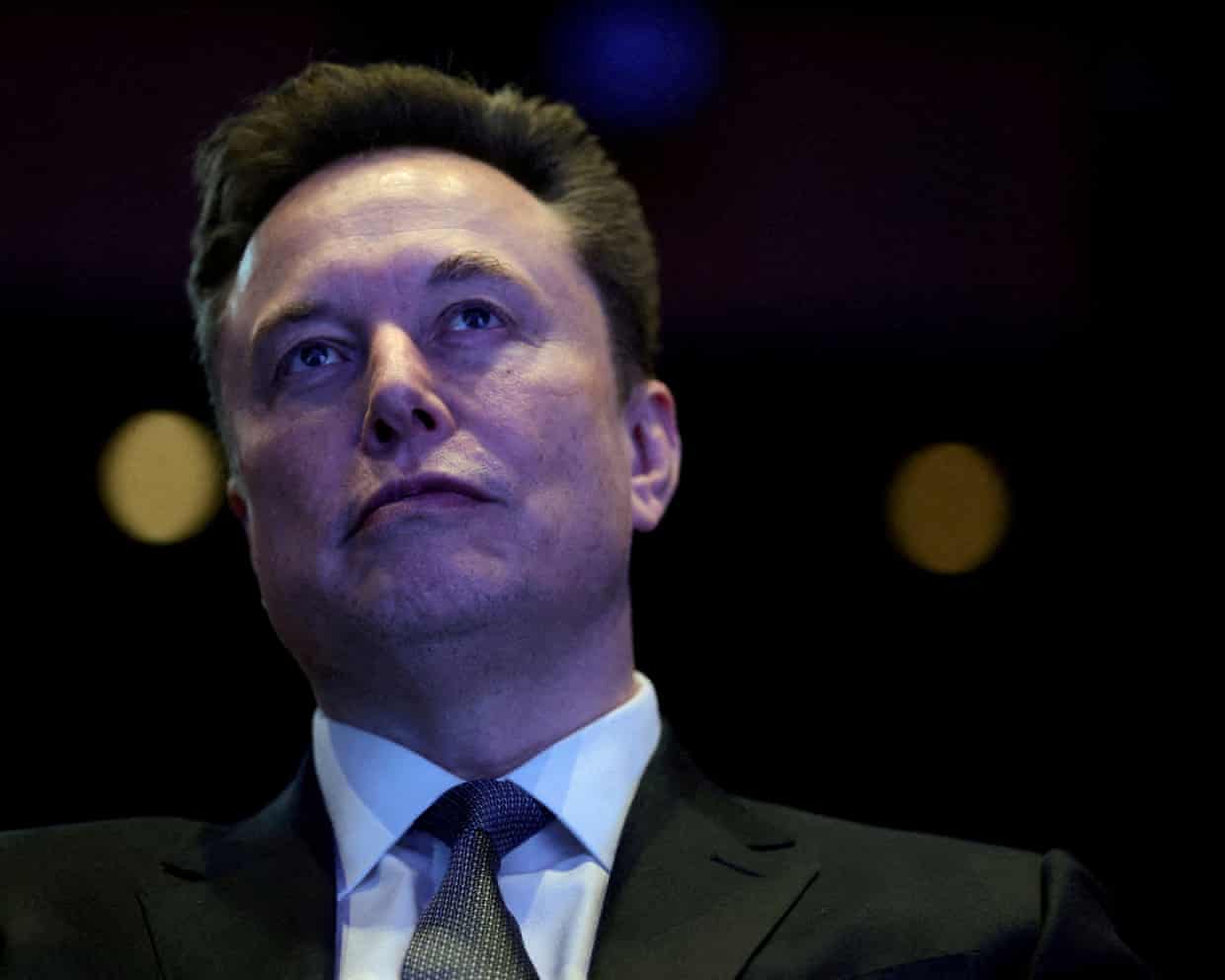
Grok AI generated about 3m sexualised images in less than two weeks, including 23,000 that appear to depict children, according to researchers who said it “became an industrial-scale machine for the production of sexual abuse material”.The estimate has been made by the Center for Countering Digital Hate (CCDH) after Elon Musk’s AI image generation tool sparked international outrage when it allowed users to upload photographs of strangers and celebrities, digitally strip them to their underwear or into bikinis, put them in provocative poses and post the images on X.The trend went viral over the new year, peaking on 2 January with 199,612 individual requests, according to analysis conducted by Peryton Intelligence, a digital intelligence company specialising in online hate.A fuller assessment of the output from the feature, from its launch on 29 December 2025 until 8 January 2026, has now been made by the CCDH. It suggests the impact of the technology may have been broader than previously thought

Scarlett Johansson and Cate Blanchett back campaign accusing AI firms of theft
Scarlett Johansson, Cate Blanchett, REM and Jodi Picoult are among hundreds of Hollywood stars, musicians and authors backing a new campaign accusing AI companies of “theft” of their work.The “Stealing Isn’t Innovation” drive launched on Thursday with the support of approximately 800 creative professionals and bands. The campaign includes a statement accusing tech firms of using American creators’ work to “build AI platforms without authorisation or regard for copyright law”.It adds: “Artists, writers, and creators of all kinds are banding together with a simple message: Stealing our work is not innovation. It’s not progress
Why Trump is worried datacenters might cost his party an election
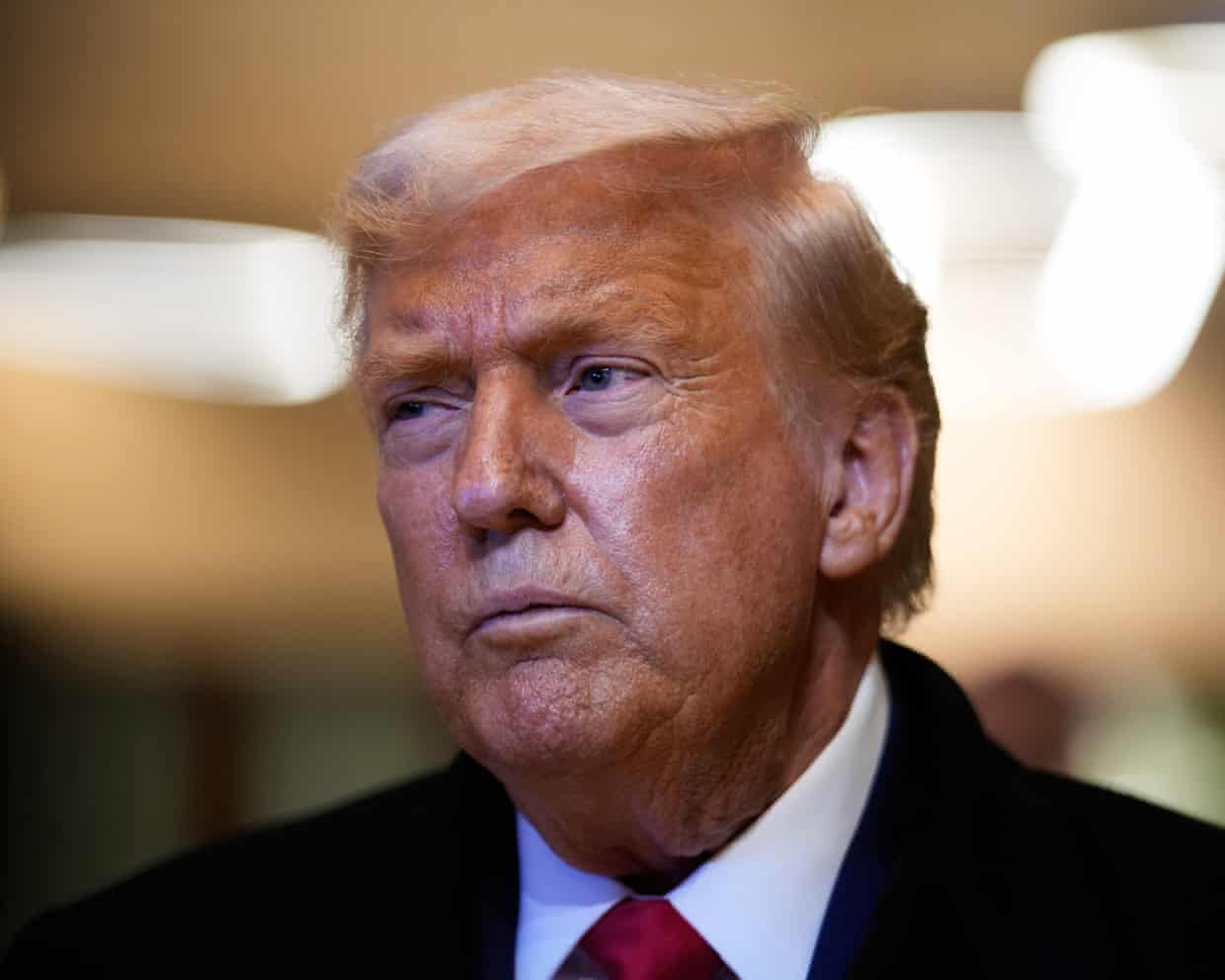
Donald Trump is worried about datacenters. Specifically, he is concerned about their effects on an already expensive electricity market in the United States. Will Americans’ resentment of sharply rising energy costs scuttle his party’s November election ambitions?The US president’s anxiety is evident in two actions in recent weeks. On 13 January, Trump and Microsoft’s president jointly announced that the tech giant would pay more for its datacenters, paying full property taxes and accepting neither tax reductions nor electricity rate discounts in towns where it operates datacenters.“We are the ‘HOTTEST’ Country in the World, and Number One in AI
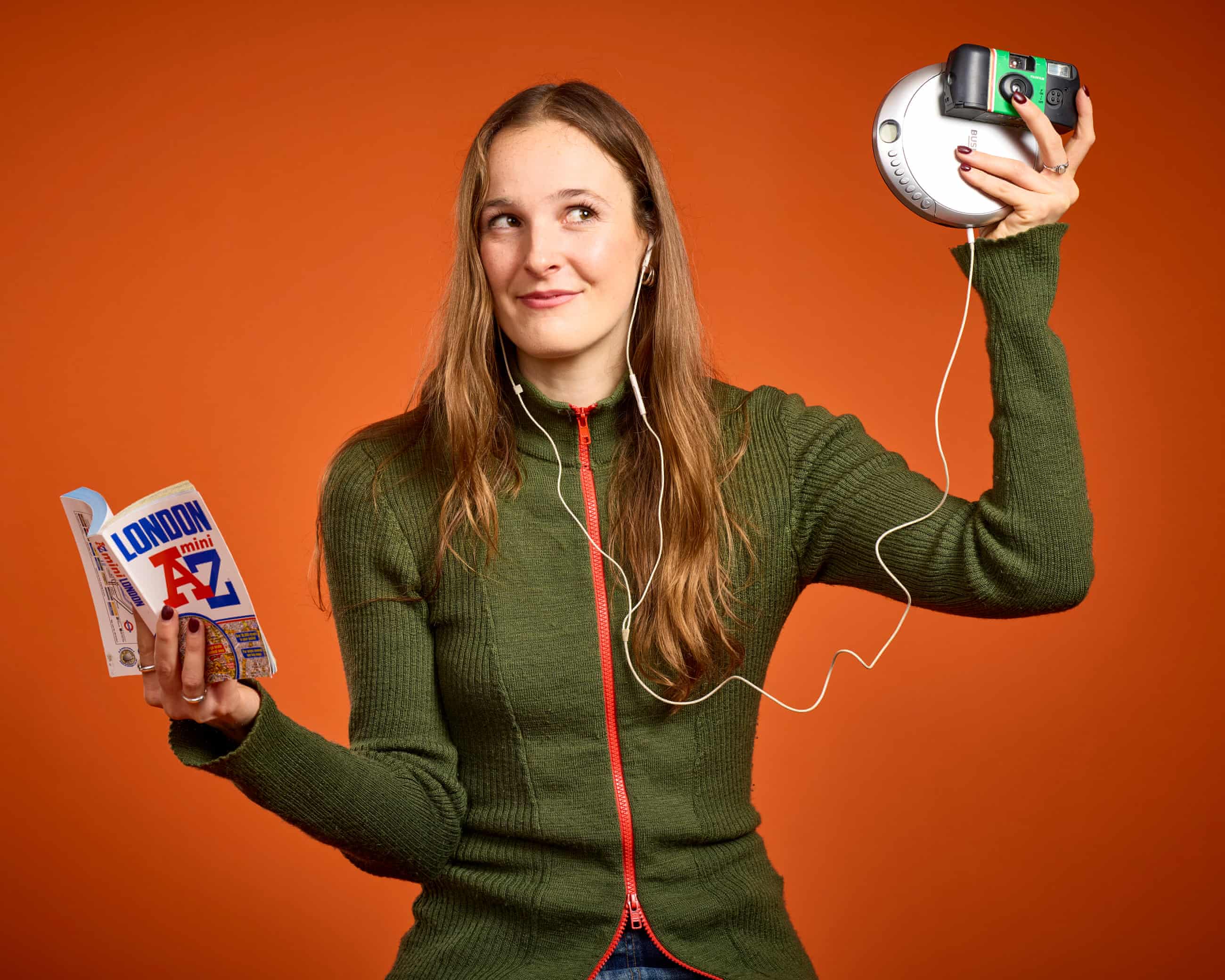
My analogue month: would ditching my smartphone make me healthier, happier – or more stressed?
When I swapped my iPhone for a Nokia, Walkman, film camera and physical map, I wasn’t sure what to expect. But my life soon started to changeWhen two balaclava-clad men on a motorbike mounted the pavement to rob me, recently, I remained oblivious. My eyes were pinned to a text message on my phone, and my hands were so clawed around it that they didn’t even bother to grab it. It wasn’t until an elderly woman shrieked and I felt the whoosh of air as the bike launched back on to the road that I looked up at all. They might have been unsuccessful but it did make me think: what else am I missing from the real world around me?Before I’ve poured my first morning coffee I’ve already watched the lives of strangers unfold on Instagram, checked the headlines, responded to texts, swiped through some matches on a dating app, and refreshed my emails, twice
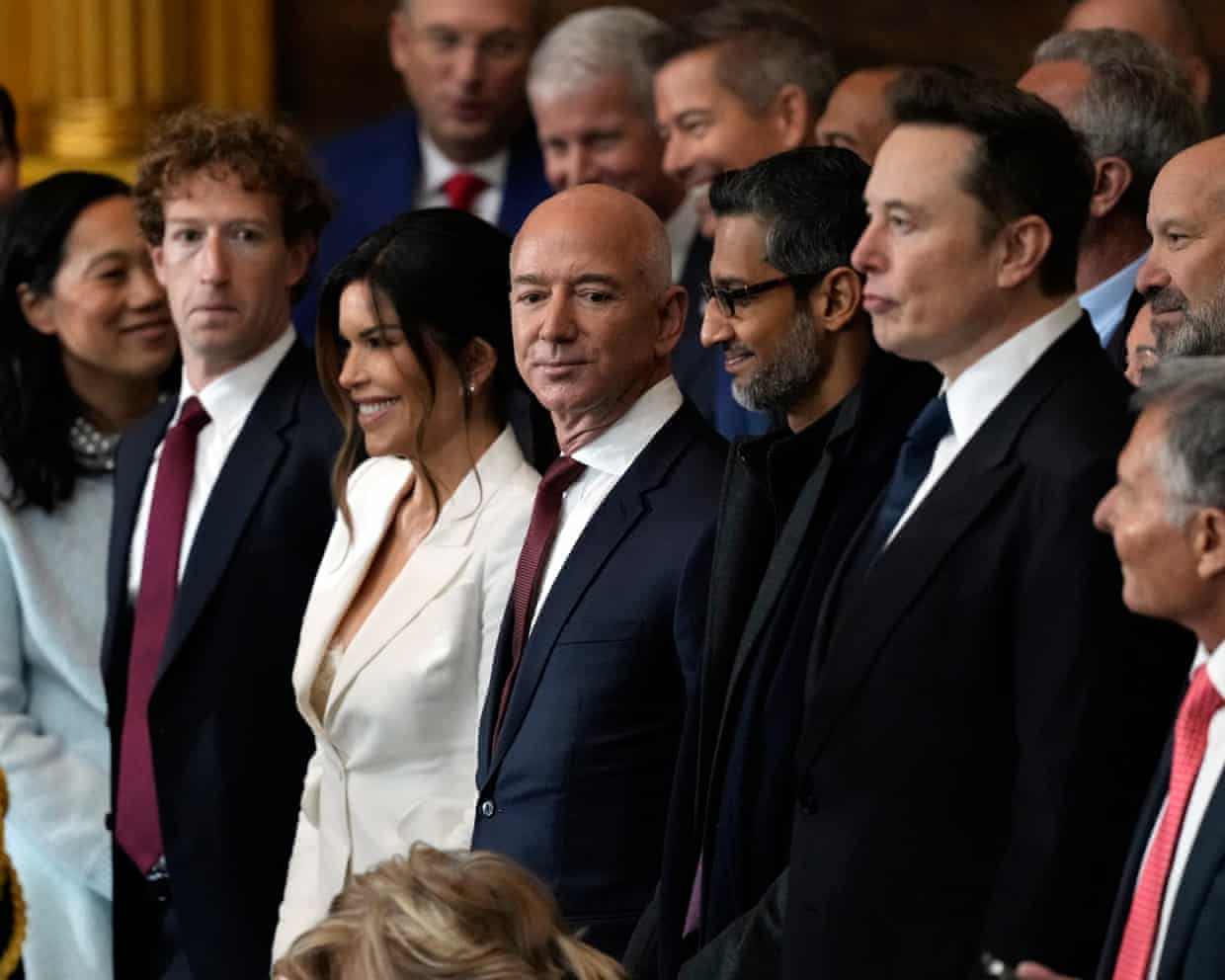
Big tech continues to bend the knee to Trump a year after his inauguration
Hello, and welcome to TechScape. I’m your host, Blake Montgomery, the Guardian’s US tech editor.One year ago today, Donald Trump was inaugurated as president of the United States. Standing alongside him that day were the leaders of the tech industry’s most powerful companies, who had donated to him in an unprecedented bending of the knee. In the ensuing year, the companies have reaped enormous rewards from their alliance with Trump, which my colleague Nick Robins-Early and I wrote about last month after Trump signed an executive order prohibiting states from passing laws regulating AI

‘Manosphere’ influencers pushing testosterone tests are convincing healthy young men there is something wrong with them, study finds

John Knight obituary
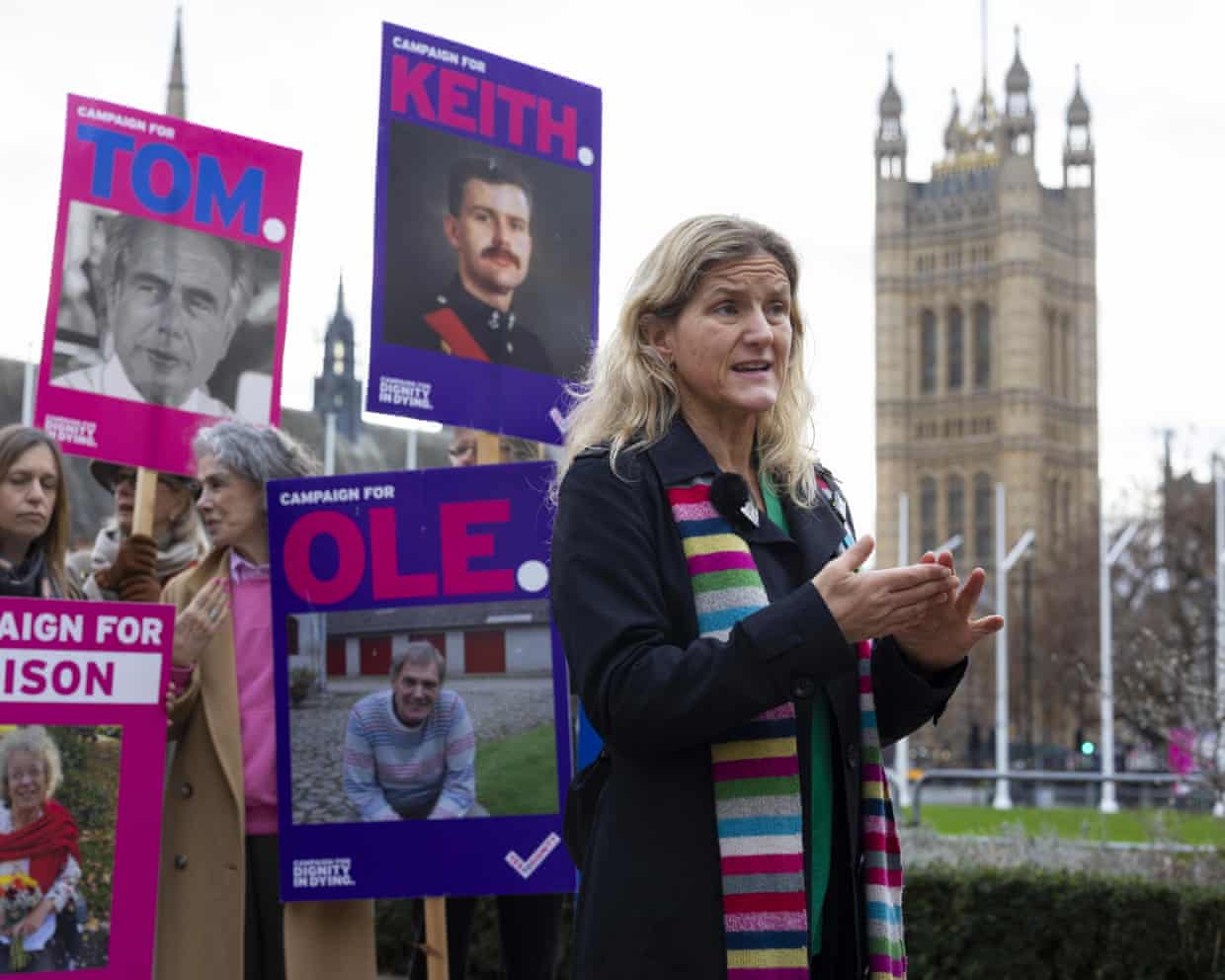
Assisted dying bill backers say it is ‘near impossible’ it will pass House of Lords

Residents in legal fight to halt demolition of Clockwork Orange estate
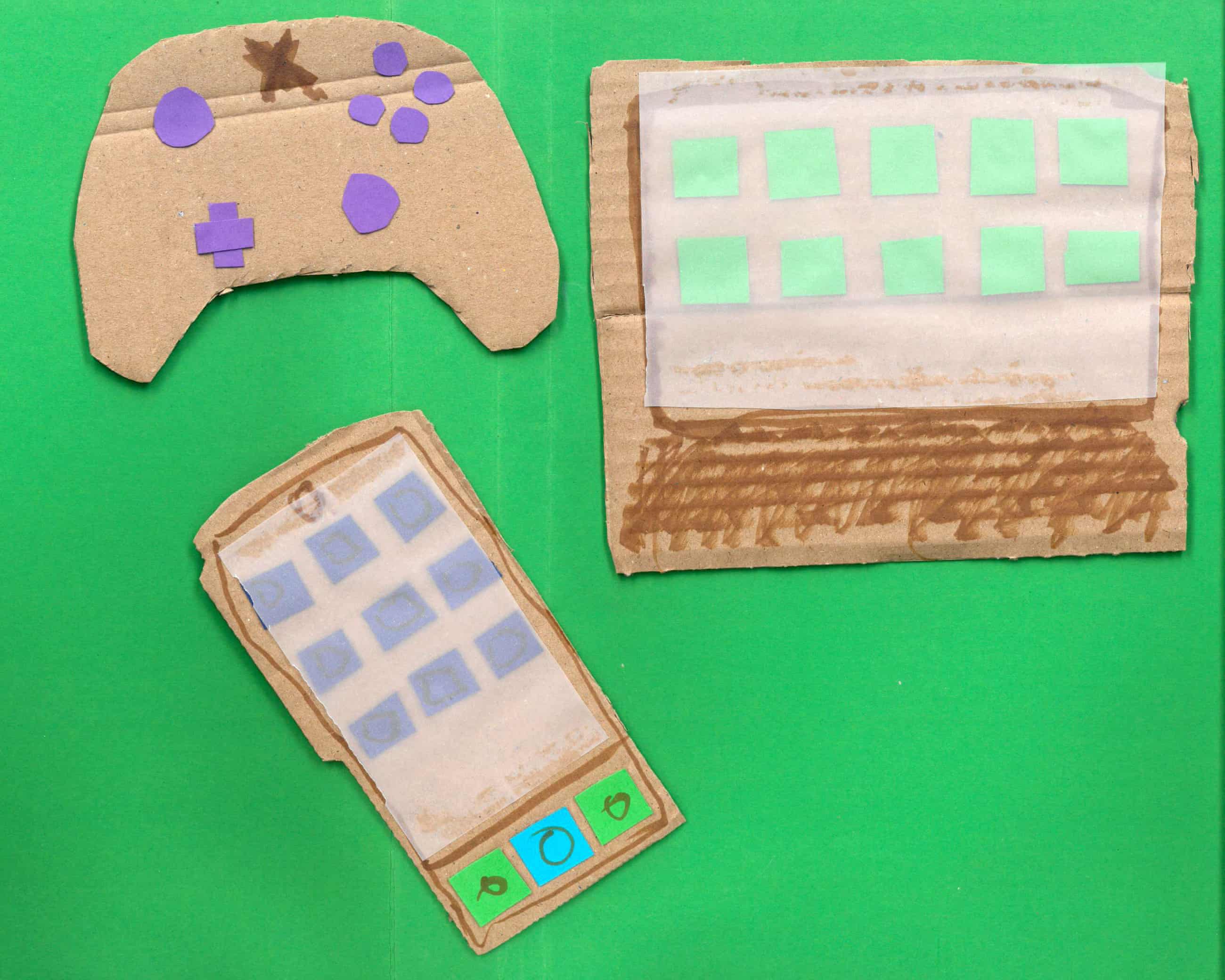
How screen time affects toddlers: ‘We’re losing a big part of being human’
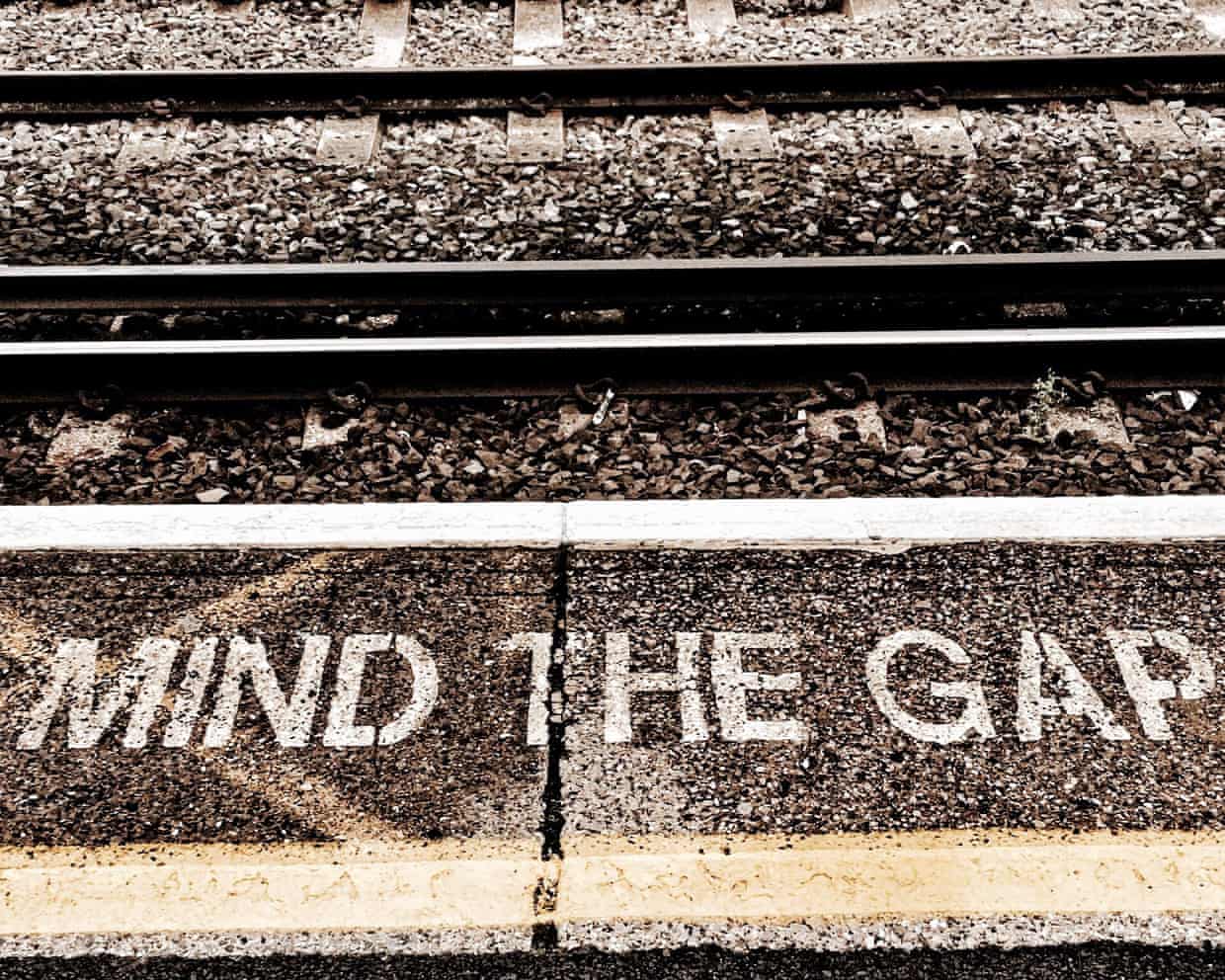
Four in five blind people struggle with gap at UK train stations, survey finds