When it comes to mental health labels, we need to tread lightly | Letters

Thank you, Gavin Francis, for your long read (‘What I see in clinic is never a set of labels’: are we in danger of overdiagnosing mental illness?, 10 February).It powerfully captures some of the traps modern psychiatry finds itself in and beautifully describes the all-important – and indeed, threatened – relationship at the heart of any good doctor’s practice.I have been a psychiatrist and psychotherapist for over 40 years and would like to make two points about the “epidemic” of mental illness now upon us.First, there is a mass of evidence that shows mental ill-being, suffering and disturbance, at all degrees of severity, are affected by the level of inequality in society and by social hardship such as poverty, violence and discrimination.Between them, this explains some of the increase we are seeing.
Second, and more anecdotal, many patients who now come to see me want to discuss the possibility that they have ADHD or autism spectrum disorder, diagnoses that have contributed disproportionately to the statistics and often attract a sceptical press.Like Francis, I prefer to tread very lightly around labels, but I am finding some of the perspectives that are emerging through the study of neurodiversity can become a valuable part of the therapeutic conversation.They can offer a useful way into thinking about one’s mind – the capacity psychotherapists refer to as mentalisation.I am also tentatively optimistic that sensitively applying our developing understanding of neurodiverse minds, will, in some cases, prevent the emergence of severe mood disturbance and psychotic symptoms in later life.Dr Penelope CamplingLeicester Gavin Francis’s excellent article raises some interesting points on the application of diagnostic classification to explain what might be normal psychological responses to situations, events and experiences.
As a mental health nurse working in primary care, I, along with my colleagues, independently see and treat thousands of primary care mental health patients per year in clinics across Forth Valley.We’re not medically trained diagnosticians.Instead, through a combination of nurse training, clinical experience and personal preference, we bring a flexible psycho-social model to this work and, in doing so, patients recover or move towards “better” without a formal diagnosis, label or a reliance on medical terms to get them there.The debate is interesting, but I wonder if it’s becoming more academic and less relevant to what is happening on the ground.Michael GriffithsBraco, Perth and Kinross Gavin Francis’s insightful article should be required reading for all health professionals, not only doctors.
He is evolving a hybrid of medicine and psychotherapy, as shown in his citations of both a psychoanalyst and a Jungian analyst.But it should not be a case of therapy good/medicine bad.The therapy world is going through its own vicissitudes nowadays, as AI-based advice and what Elizabeth Cotton calls UberTherapy take hold.Still, I was very impressed with Gavin’s encouragement to GPs to make use of their subjective reactions to the individual patent (the countertransference), rather than seeing these as damaging phenomena.And his passages on the ruination of emotions via leaden language is something we therapists are definitely also guilty of.
There were two things I feel moved to add.The first concerns who might work in the way Gavin describes.Here, I am thinking of the collective image of the wounded healer.This is a person who heals because they are damaged, not despite it.The second point concerns the social and cultural roots of emotional distress.
These are not only to be found in the patient’s personal history in their family.Contemporary psychotherapists pay a lot of attention to what the psyche takes in from economic inequality, planetary despoliation, sexual and racial prejudice, misogyny, and corrupt leaders.Today’s soul is deeply mired in such political problems.Prof Andrew Samuels Former chair, UK Council for Psychotherapy, and Jungian psychoanalyst As someone diagnosed with inattentive ADHD in my late 40s, I found this article deeply frustrating.Until my diagnosis, I considered myself “functional”.
What I didn’t recognise was how much of my life had been spent masking, compensating and blaming myself for difficulties I couldn’t explain.The diagnosis didn’t reduce me to a label – it gave me a framework to finally understand my own brain.Inattentive ADHD is hard to spot and often missed until later in life, which makes scepticism from friends, family – and sometimes clinicians – common.Articles like this can reinforce that disbelief by framing rising diagnoses as largely cultural or lifestyle-driven, rather than acknowledging well‑established neurodevelopmental differences in brain structure and function.I agree that mental health care should be holistic, and that not all distress requires a medical label.
But collapsing neurodevelopmental conditions such as ADHD into a broader narrative about overdiagnosis risks erasing people who have spent decades being under-recognised and unsupported.We need a balanced conversation that recognises both the risks of misdiagnosis and the very real harm caused by disbelief and delay.Joe RyanBristol Have an opinion on anything you’ve read in the Guardian today? Please email us your letter and it will be considered for publication in our letters section.
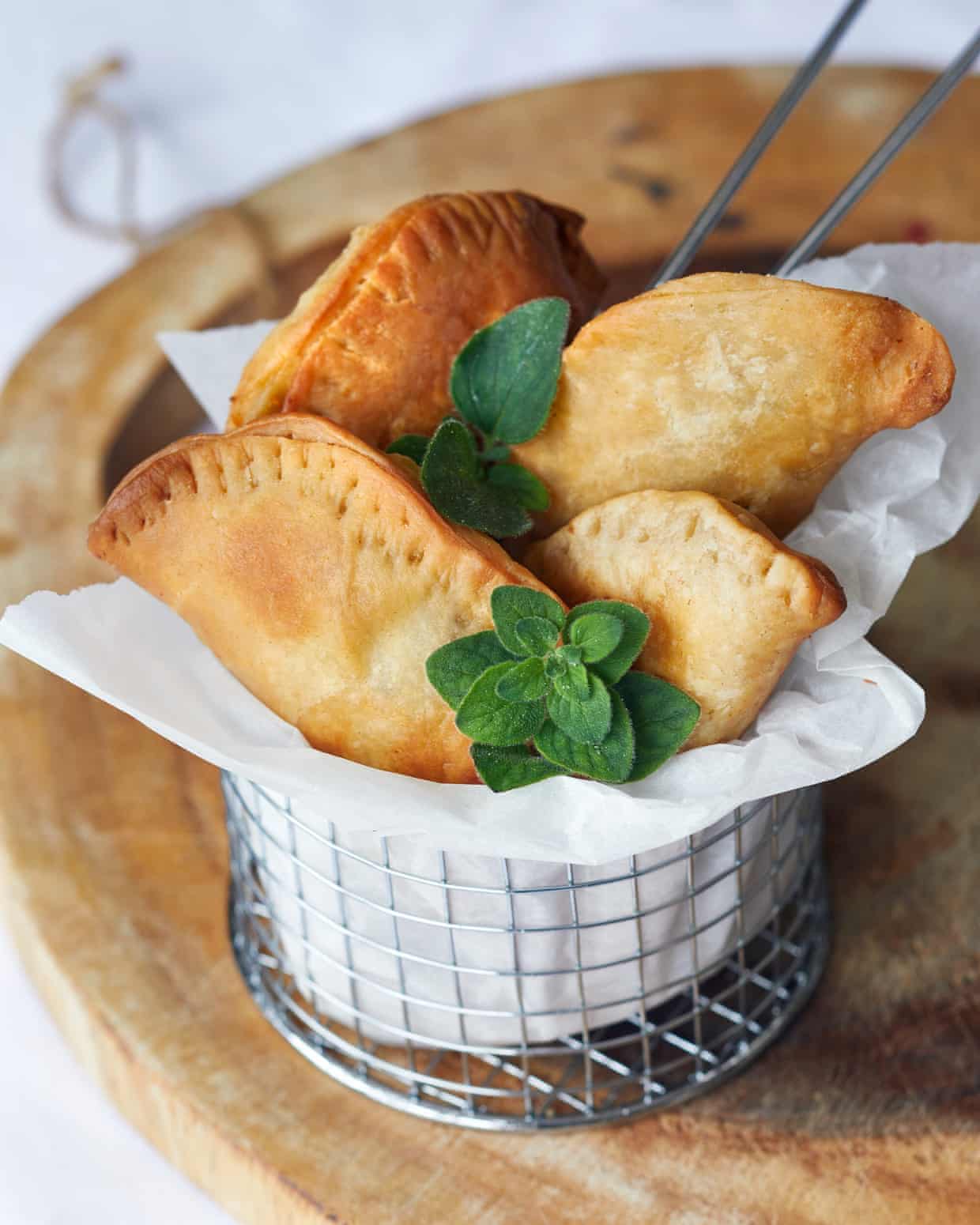
How to plan Ramadan meals: minimal work, maximum readiness
Ramadan arrives this year in February, in the heart of winter. Short days, cold evenings and the pressure of everyday work mean that preparation is no longer about producing abundance, but about reducing effort while maintaining care. For many households balancing jobs, children and long commutes, the question is not what to cook, but how to make the month manageable.The most effective approach to Ramadan cooking is not variety but repetition. A small set of meals that are easy to digest, quick to prepare and gentle on the body can carry a household through 30 days of fasting with far less stress than daily reinvention
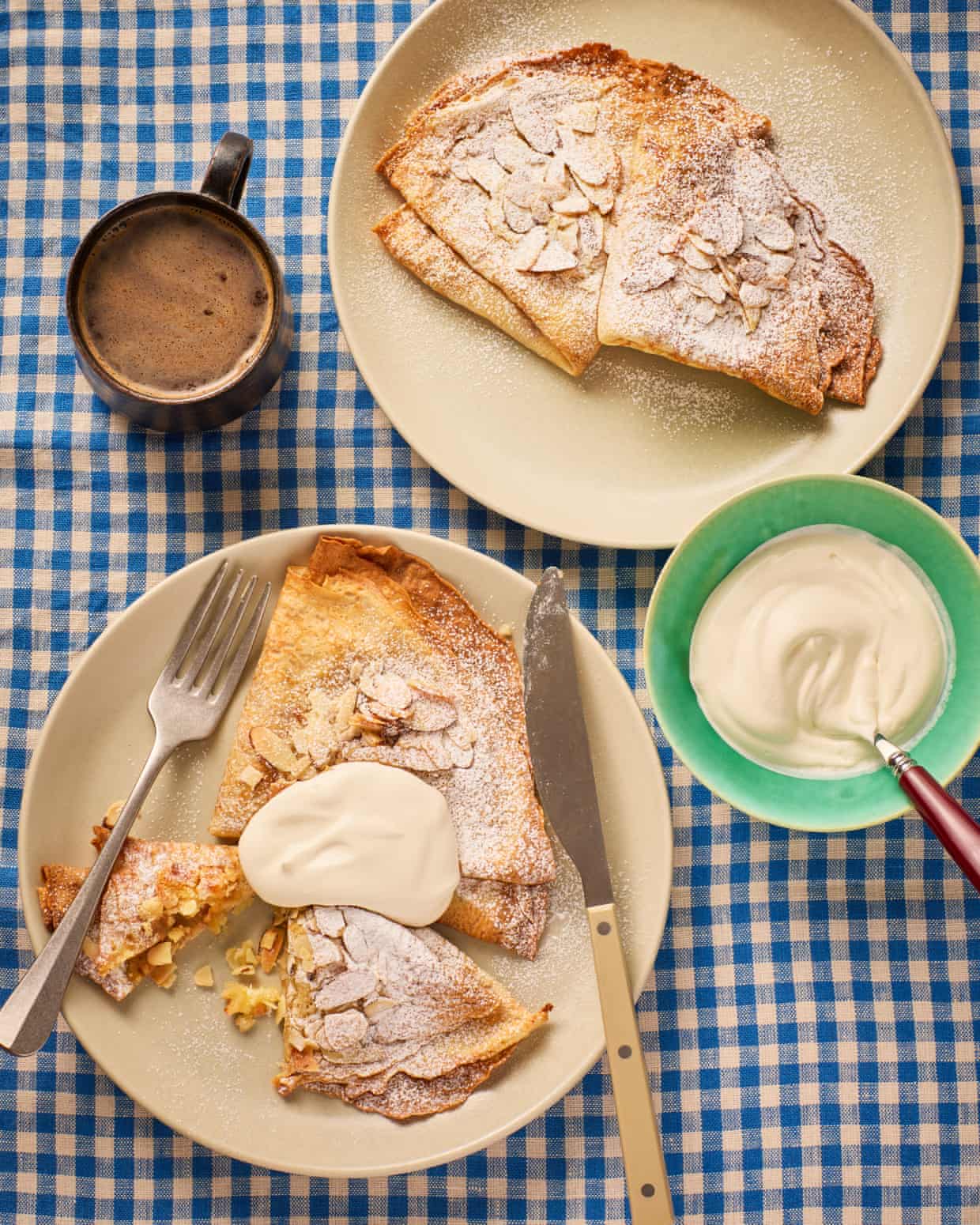
Benjamina Ebuehi’s recipe for almond frangipane crepes | The sweet spot
When it comes to pancake day, I don’t discriminate and fill the day with as many types of pancakes as possible – from a fluffy American-style stack in the morning to a savoury buckwheat pancake at lunch, and finishing off with classic crepes in the evening. This version was heavily inspired by an almond croissant, so although it does lean more towards dessert, I won’t judge if this is what you choose to start your day with. Bake them until the edges go crisp but the middle stays a little gooey.Prep 5 min Rest 20+ min Cook 50 min Makes 7-8 crepes120g plain flour ½ tbsp caster sugar A pinch of salt 2 large eggs 240ml whole milk 25g melted butter, plus extra for greasing Icing sugar, for dusting Lightly whipped cream, to serve (optional)For the frangipane90g salted butter, softened90g caster sugar ¼-½ tsp almond extract1 large egg 110g ground almonds 50g flaked almondsPut the flour, sugar and salt in a bowl and whisk briefly to combine. Add the eggs, whisk to a thick paste, then pour in the milk in three batches, whisking each time to avoid any lumps
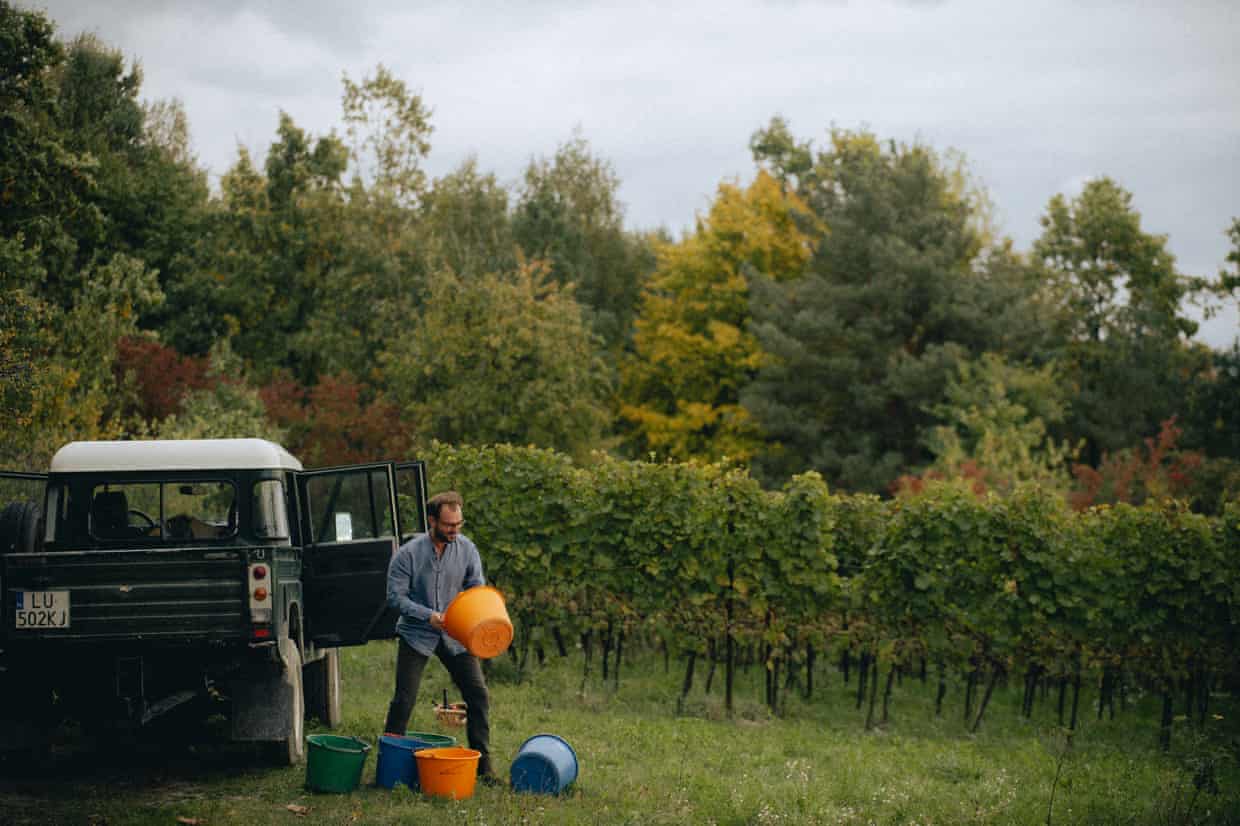
Heard it on the grapevine: Polish wine’s quiet renaissance
Swap the staid stereotypes of Żubrówka vodka and Żywiec lager for vineyards and vintages, because Poland is in the throes of a viticultural renaissance, the likes of which hasn’t been seen for centuries. On a road trip tracing Poland’s best terroirs back in the summer of 2023, I met winemakers going against the grain, unshackled by tradition and producing unpretentious, expressive pours that more than merit a place on your dining table.Lately, Polish wines have been cropping up all over bar and restaurant lists: Niemczańska’s chardonnay at London’s most emblematic Polish restaurant, the borscht-fronted Daquise in South Kensington, say, while chic bar Spry in Edinburgh has started stocking my favourite producers, Dom Bliskowice, Kamil Barczentewicz and Nizio. But you won’t find bottles nestling between the neat rows of kabanos sausages of your local Polski sklep, nor lining the supermarket shelves. Or not just yet, anyway
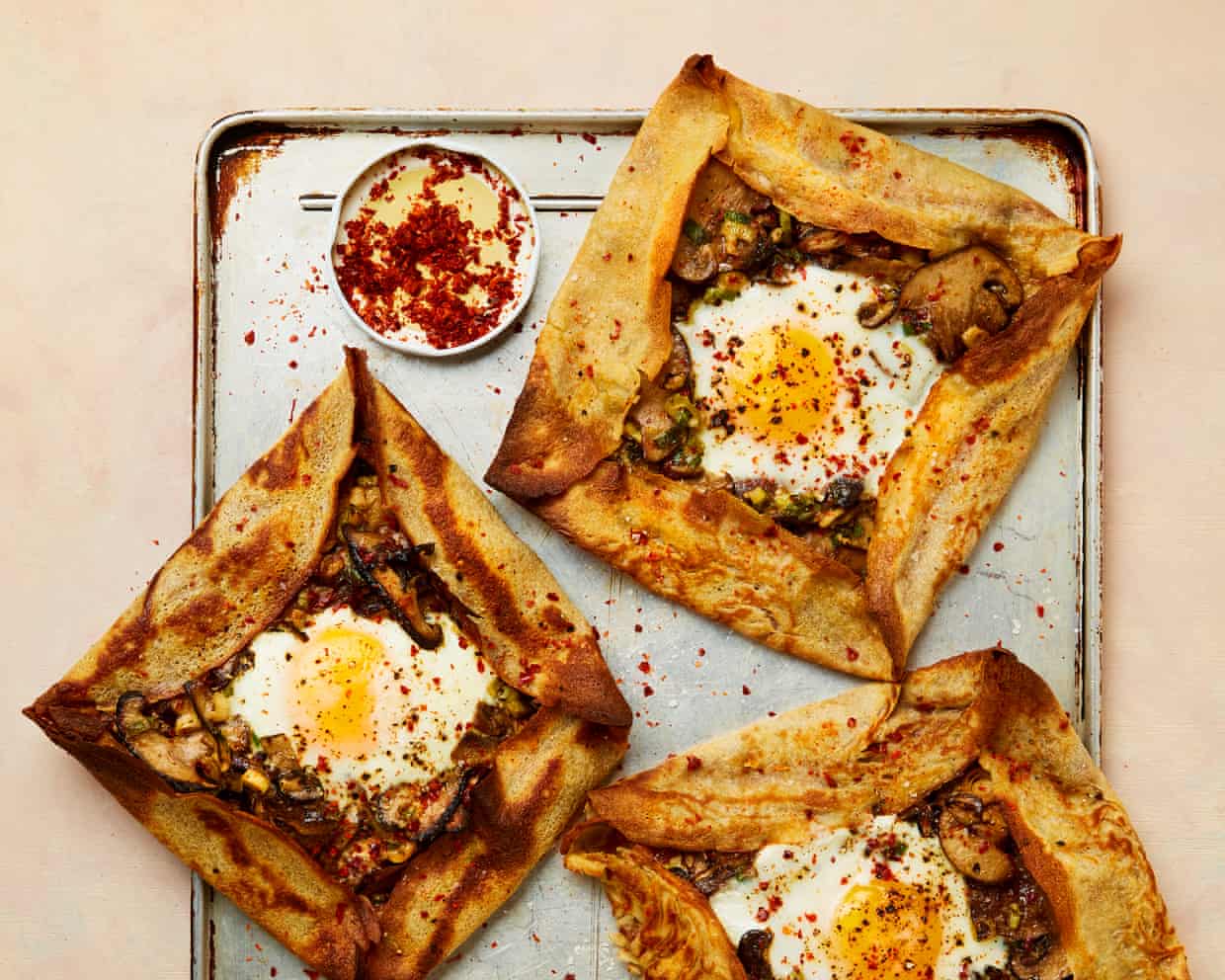
My love letter to Brittany’s best exports
Every February – or occasionally March – I get together with two friends to gorge on pancakes; I provide the pan, Caro does the cocktails and poor old Harry is invariably the chef because she never fails, even three ciders in. With two half-Frenchies in the room, we always start with buckwheat galettes, usually served complète with gruyère, ham and a fried egg (though the more we eat, the more adventurous the combinations become). Then we move on to softer, thicker British sweet pancakes with lemon juice and crunchy demerara sugar to finish. We rarely manage to meet on Shrove Tuesday itself, but apart from the year I went vegan for Lent, that’s no problem. After all, any cold, dark evening is improved by a pancake party
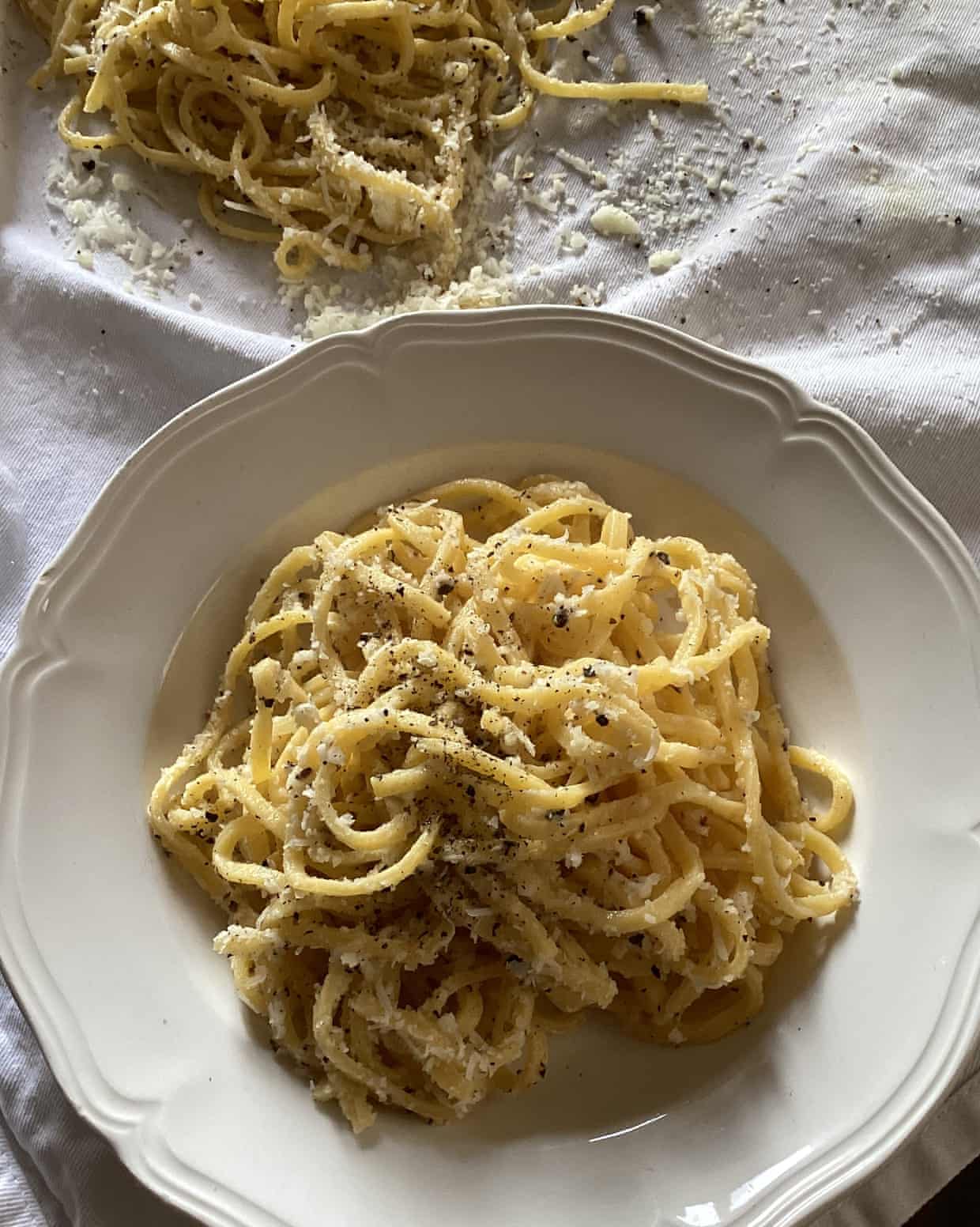
Rachel Roddy’s recipe for cacio e pepe, the old-fashioned way | A kitchen in Rome
Nightclubs, mechanics, restaurants, a theatre, a wholesale butcher and an Apostolic church occupy some of the network of caves and tunnels that, over the centuries, were burrowed into Monte Testaccio, an ancient rubbish dump hill in the middle of Rome that’s made entirely of broken amphorae. Some places make a feature of their situation, revealing sections of pots not dissimilar to the cross section of snapped wafer biscuits, while others have smoothed the curves with plaster.A few use the caves as originally intended – that is, as natural warehouses offering steady low temperatures and good humidity. In short: the ideal temperature for storing certain foods and wine. Most recently, Vincenzo Mancini, whose project DOL distributes artisanal products from small agricultural realities in Lazio, has taken over a deep cave behind door 93, reclaiming it as an urban ageing space for cheese and cured meat
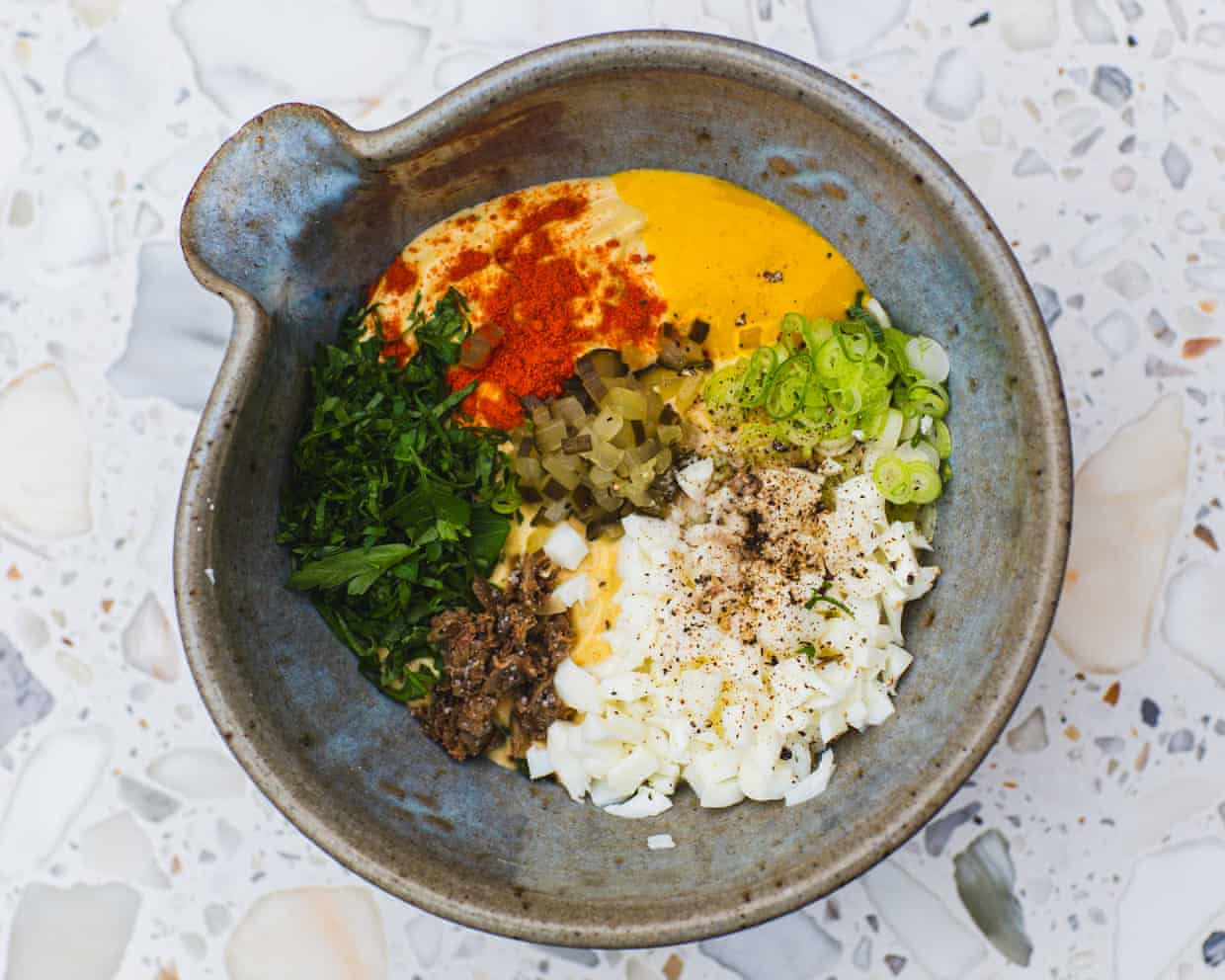
How to use up leftover pickle brine in a tartare sauce – recipe | Waste not
Depending on country, region, household or restaurant, every cook makes tartare sauce in their own way. Inspired by Auguste Escoffier’s exceptionally simple tartare, I’ve given his recipe a zero-waste twist by using whole boiled eggs and swapping in pickle brine from a jar of gherkins or capers to replace the vinegar. Everything else is optional: tarragon, mustard, cayenne … add what you like or have in store.Traditionally, tartare sauce is delicious with fish and chips, calamari or in a chicken sandwich, but I also like it tossed through potato salad with tinned sardines and radicchio. It’s also great as a dip with crudites and on top of a steaming jacket potato

Even amid rising economic uncertainty, now is not the time to hug your job
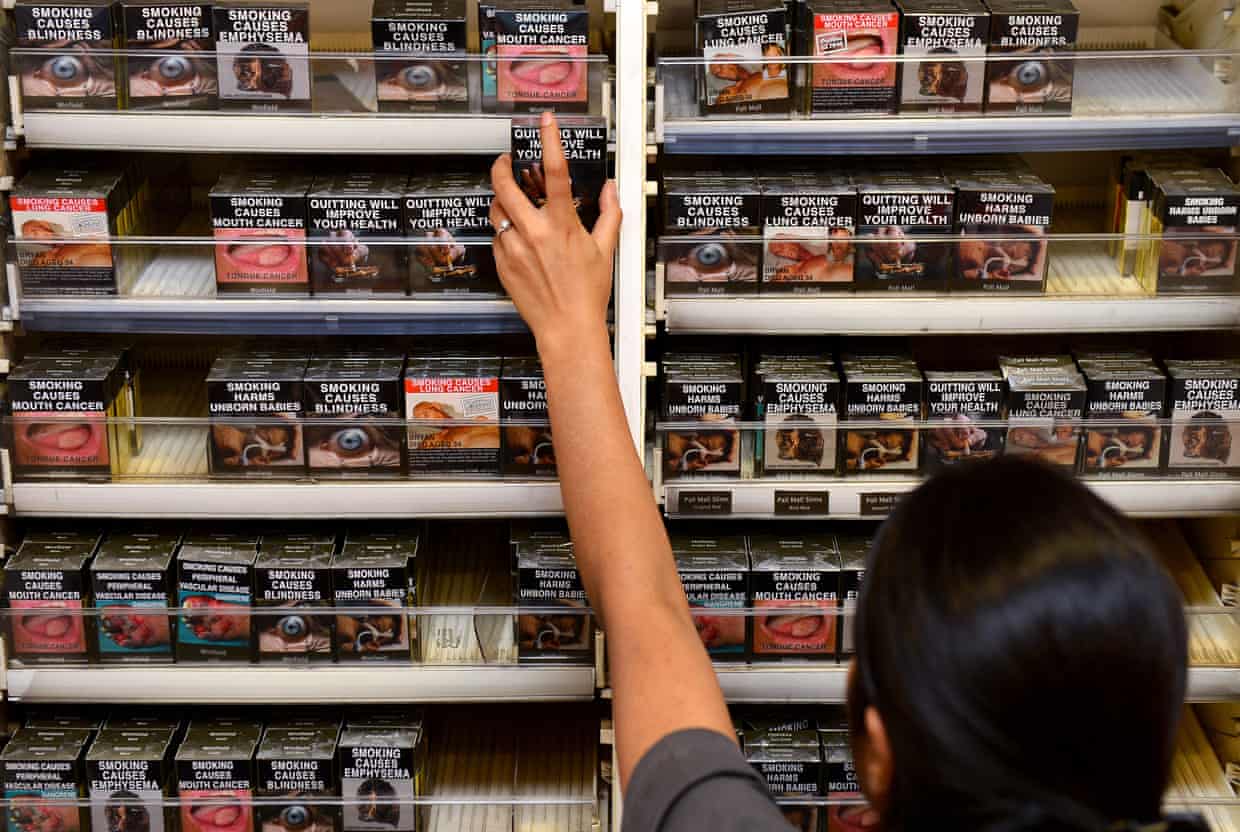
Treasury considering changes to Australia’s contentious tobacco excise, as calls grow for a freeze

California’s billionaires pour cash into elections as big tech seeks new allies

No swiping involved: the AI dating apps promising to find your soulmate

India v Pakistan: T20 Cricket World Cup – live

Winter Olympics 2026: GB glory in mixed team snowboard cross final, Brignone wins women’s giant slalom – live