No swiping involved: the AI dating apps promising to find your soulmate

Dating apps exploit you, dating profiles lie to you, and sex is basically something old people used to do.You might as well consider it: can AI help you find love?For a handful of tech entrepreneurs and a few brave Londoners, the answer is “maybe”.No, this is not a story about humans falling in love with sexy computer voices – and strictly speaking, AI dating of some variety has been around for a while.Most big platforms have integrated machine learning and some AI features into their offerings over the past few years.But dreams of a robot-powered future – or perhaps just general dating malaise and a mounting loneliness crisis – have fuelled a new crop of startups that aim to use the possibilities of the technology differently.
Jasmine, 28, was single for three years when she downloaded the AI-powered dating app Fate,With popular dating apps such as Hinge and Tinder, things were “repetitive”, she said: the same conversations over and over,“I thought, why not sign up, try something different? It sounded quite cool using, you know, agentic AI, which is where the world is going now, isn’t it?”Fate, a London startup that went live last May, bills itself as the first “agentic AI dating app”,Its core offering is an AI personality named Fate that “onboards” users during an interview, asking them about their hopes and struggles before putting forward five potential matches – no swiping involved,Fate will also coach users through their interactions, if they desire, a functionality Jasmine described as helpful and another user said was “scary” and “a bit like Black Mirror’.
Rakesh Naidu, Fate’s founder, demonstrated its coaching ability in an interview with the Guardian,“I just feel a bit hopeless at the moment in regards to my chats,I feel like I’m not being engaging enough or meaningful enough,” he said into his phone,“I just need some kind of meaningful questions I can ask to really uncover the essence of people,”“I hear you, Rakesh,” said a synthetic female voice.
“Here are a few ideas.One, what’s something you’re passionate about that not many people know?”Naidu, 28, said he started Fate in order to address shortcomings in the world’s biggest dating platforms – apps such as Tinder, Bumble and Hinge, which monetise the time users spend on them and “are literally profiting off keeping people lonely”.Other startups, from Sitch to Keeper, have launched across the US, hoping AI features can provide the novelty to win them a share of a crowded market.Sitch leverages the power of AI to manage vasts amounts of information, inviting users to “give us detailed feedback down to the hair colour, where they want to raise a family, and their fav music”; Keeper says it can find “a match with rare and real soulmate potential”.Part of the issue, Naidu says, are algorithmic approaches to matchmaking: Tinder at one point ranked users’ desirability through an Elo score, an algorithm originally used to rate chess players.
On dating platforms, it’s a Hobbesian proposition – high-scoring users are shown to other high-scoring users, low-scoring users to other low-scoring users.“It’s very superficial,” said Naidu.AI, in theory, can offer a different way.Awkward as it may be to discuss your dating life with a chatbot, Fate does not rank you based on your responses, but instead uses an LLM to try to find other users who, based on their interview, might be similar to you.That approach, along with the AI dating coach, helps users to focus on authentic connection, said Naidu – “similarity and reciprocity of personality”.
Amelia Miller, a consultant for Match Group (which owns Tinder and Hinge), worries about this approach.A recent study from the group surveyed 5,000 Europeans about their online dating preferences – and found that while many were interested in AI tools to weed out fake profiles and flag toxic users, most, 62%, were skeptical about using AI to guide their conversations.One obvious anxiety might be the dystopian idea of two agentic AIs steering a conversation, with the humans nominally in charge turning into little more than meatspace mouthpieces.Miller, however, who coaches people on their relationships with AI, says she sees many clients turn to an LLM for advice in the smaller, uncomfortable moments of building their relationships – asking AI how to craft a text, for example, or respond to an intimate question.“Often I’m trying to make sure that people aren’t turning to machines because turning to humans demands a level of vulnerability that has become uncomfortable now that there is an alternative,” she said.
The appeal of an AI coach such as Fate is that revealing yourself to it – your judgments, hopes and idiosyncrasies – involves no risk; it does not remember or evaluate.Friends do, and, says Miller, asking advice from them helps hone the skills for successful relationships.“Advice is really one of the key ways that people practice vulnerability in a more low-stakes environment – they build up to more vulnerable moments in a romantic context.”Jeremias has been using Fate for several months.He said he doesn’t use the AI coach: “I could see it being helpful, but I mean there are obviously some concerns.
Like the new generation are basically not going to have the real world experience of actually trying and failing.”The app recently helped him to meet someone after a long period of being single in London.He’s not sure if this is because of the AI matching, or because Fate simply serves up only five matches at a time – no infinite swiping – and, excruciatingly, forces its users to write an explanation when they reject a potential match.“It makes the swiping more thoughtful.If I’m actually saying no to this person, what are the reasons I’m saying no to them?”He and Jasmine both have second dates upcoming, both after being single for several years, they say.
“It is exciting because you get like, you know, the butterflies in your stomach again, going on a date with someone, doing yourself up really nicely, wearing dresses, heels.It’s fun,” said Jasmine.

BrewDog could be broken up as craft beer business put up for sale
The beer-maker BrewDog could be broken up after consultants were called in to help find new investors.The Scotland-based brewer, which makes craft beer such as Punk IPA and Elvis Juice, has appointed consultants AlixPartners to oversee the sale process.BrewDog last month announced it was closing its distilling brands, prompting concerns for jobs at its facility in Ellon, Aberdeenshire.The company, which was founded in 2007 by friends James Watt and Martin Dickie, said it made the decision to focus on its beer products.No decision has been made in respect of the sale process

Did you buy a coffee machine with a tax refund? It may have affected Australia’s interest rate
One of the first things many Australians did last year after receiving a tax refund or a lower mortgage rate was to buy an armchair, an air fryer or a coffee machine.The purchases, evident in company earnings published this week, came after households had endured years of high living costs – and consumption had been weak up until that point.And policymakers didn’t think homeowners or renters had the spare capacity.This pickup in demand – along with rising prices – for such goods turned out to be an important factor in the Reserve Bank’s decision to raise interest rates, because it was concerned inflation was broadening.“The things that are driving the uptick in inflation really are housing, durable goods and market services,” Michele Bullock, the RBA’s governor, said last week

Reeves appoints higher pay advocate to fight skills shortages as chief economic adviser
Rachel Reeves has appointed a labour market expert who has repeatedly called for better pay and conditions in key sectors, such as social care, to reduce the UK’s reliance on migrant workers as her new chief economic adviser.Prof Brian Bell, who chairs the independent Migration Advisory Committee (MAC), which advises the government, has been announced as the new chief economic adviser in the Treasury – a senior civil service role.He will take up the post just as the UK economy is adjusting to a plunge in net migration, which fell by more than two-thirds, to 204,000, in the year to June 2025.Some economists have predicted a further decline, towards zero net migration – but Bell rejects that forecast, expecting it to bounce back towards 300,000 a year by the end of the decade.A professor of economics at King’s College London, Bell has used his role on the MAC to make the point that the “skills shortages” bemoaned by UK employers may often reflect the failure to offer good enough terms and conditions to domestic workers

Trump ‘plans to roll back’ some metal tariffs; US inflation weaker than expected in January - business live
Time to wrap up…US inflation moderated in January to 2.4%, an easing after Donald Trump’s tariffs triggered price fluctuations last year.Prices rose 0.2% from December to January, according to data released by the US Bureau of Labor Statistics on Friday measuring the consumer price index (CPI), which measures the price of a basket of goods and services. Core CPI, which strips out the volatile food and energy industries, went up 0

Penalty notice: Euro Car Parks fined £473,000 for ignoring regulator
Euro Car Parks is infamous for dishing out fines but the private parking company has been hit with an almost £475,000 penalty of its own after it failed to hand over information to a regulator.The Competition and Markets Authority (CMA) said it had imposed a £473,000 fine after the company did not respond for three months to seven requests for information, including by registered post, email and hand-delivered letter.It is the first time the CMA has issued a penalty under the new fining powers it was given in 2024.The regulator sends out “information notices” to companies when deciding whether to open an investigation, and businesses have a legal obligation to comply.The CMA said Euro Car Parks, which provides payment systems in car parks, only responded after it raised the spectre of a fine

US inflation falls to 2.4% in January after Trump’s tariffs led to price fluctuations
US inflation moderated in January to 2.4%, an easing after Donald Trump’s tariffs triggered price fluctuations last year.Prices rose 0.2% from December to January, according to data released by the US Bureau of Labor Statistics on Friday measuring the consumer price index (CPI), which measures the price of a basket of goods and services. Core CPI, which strips out the volatile food and energy industries, went up 0
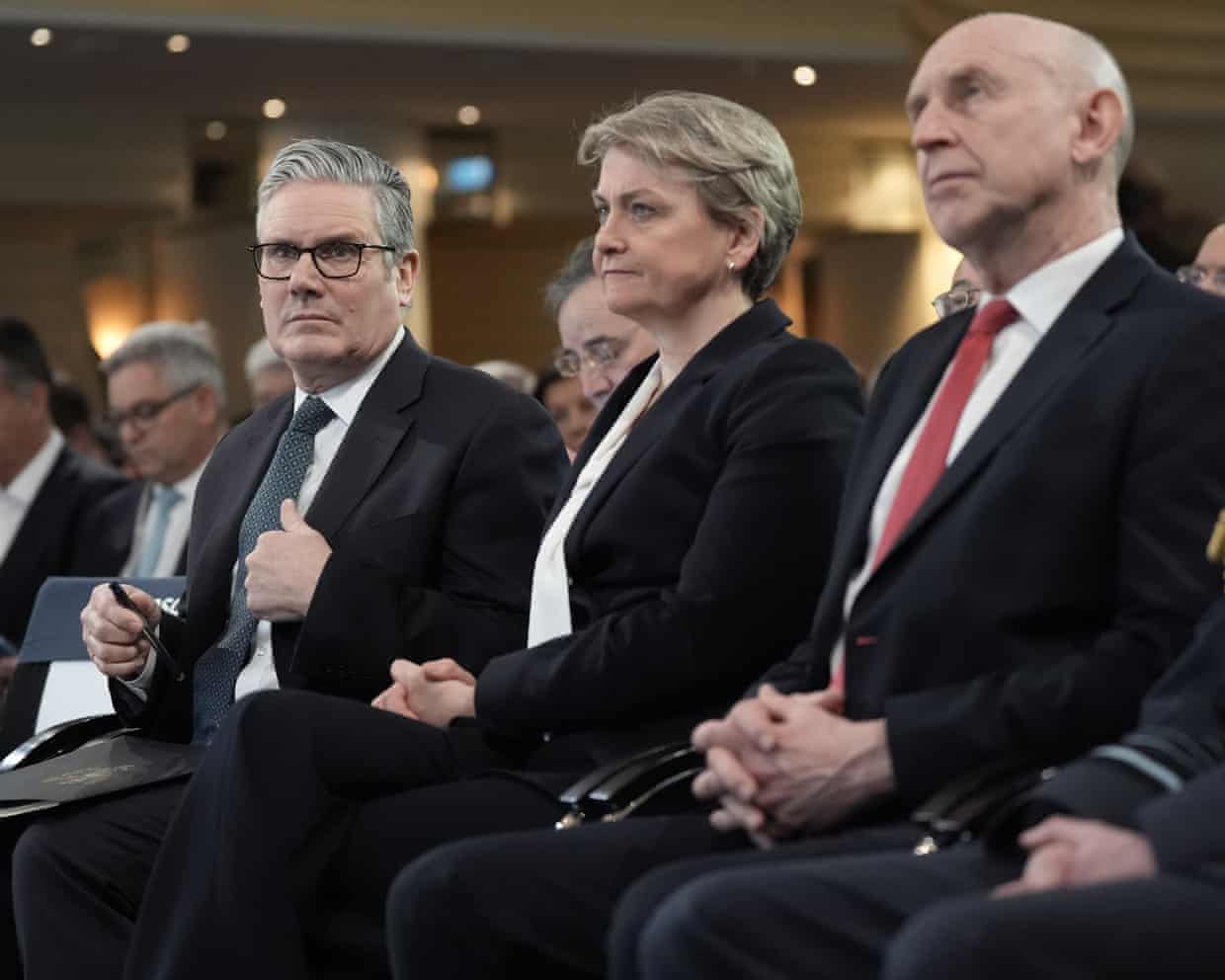
Reform and Greens undermining UK commitment to Nato, Cooper says
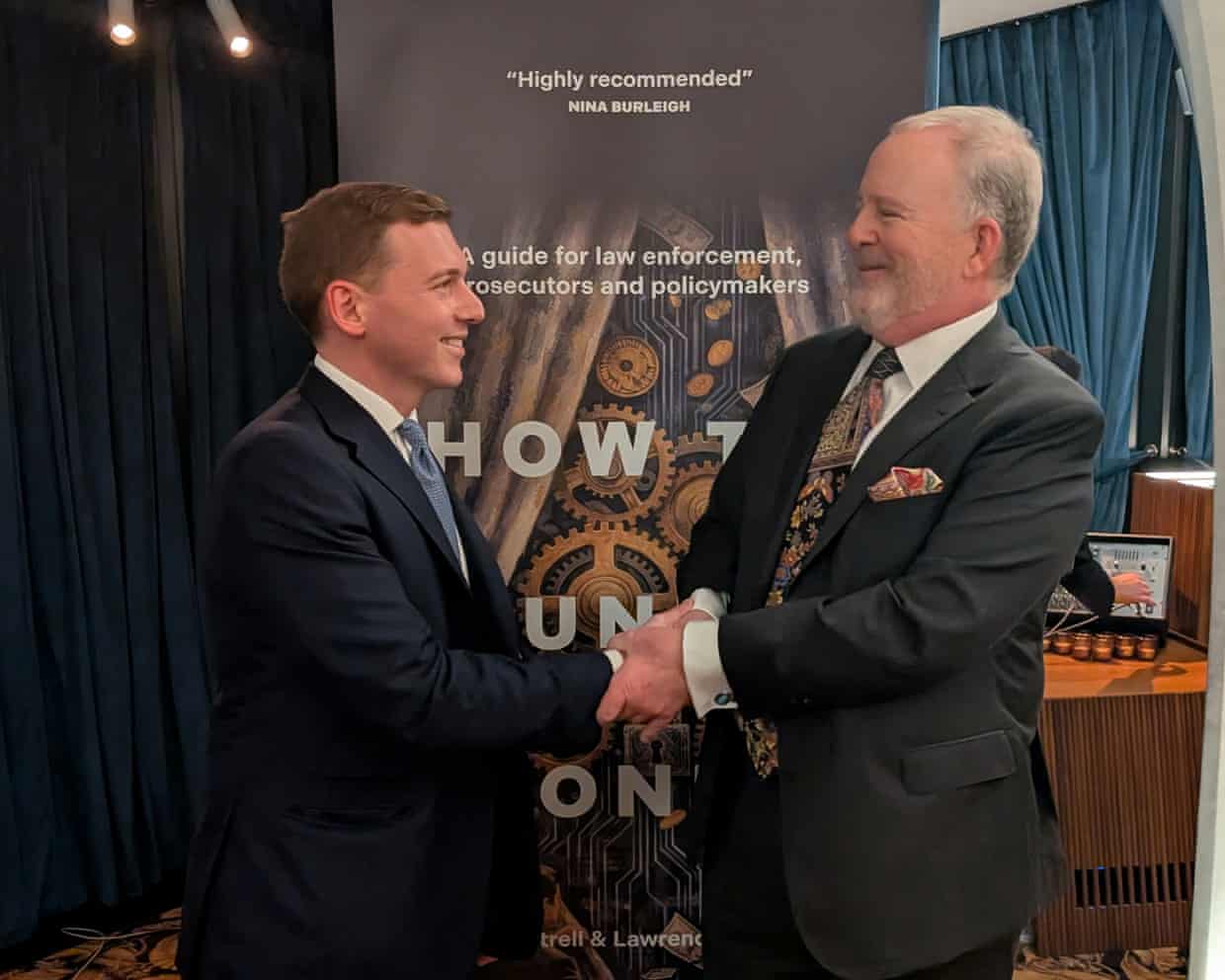
Senior Reform UK figures attend launch of How to Launder Money book
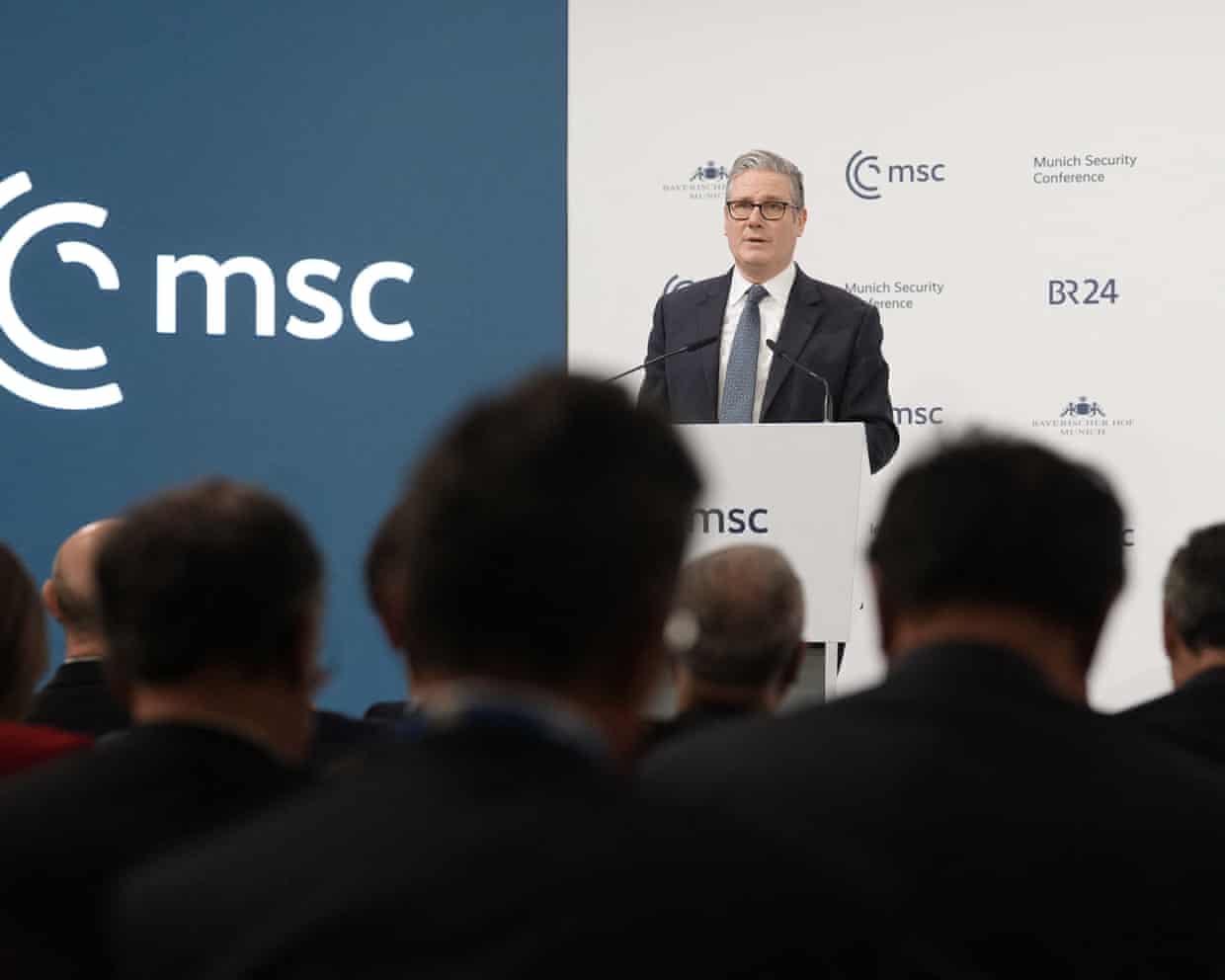
Starmer stresses ‘urgency’ of closer defence ties with Europe at Munich conference

US lawmakers ask Mandelson to testify to Congress over Epstein relationship

‘Handmaid’s Tale future’: Reform’s Matt Goodwin sparks outcry with fertility comments
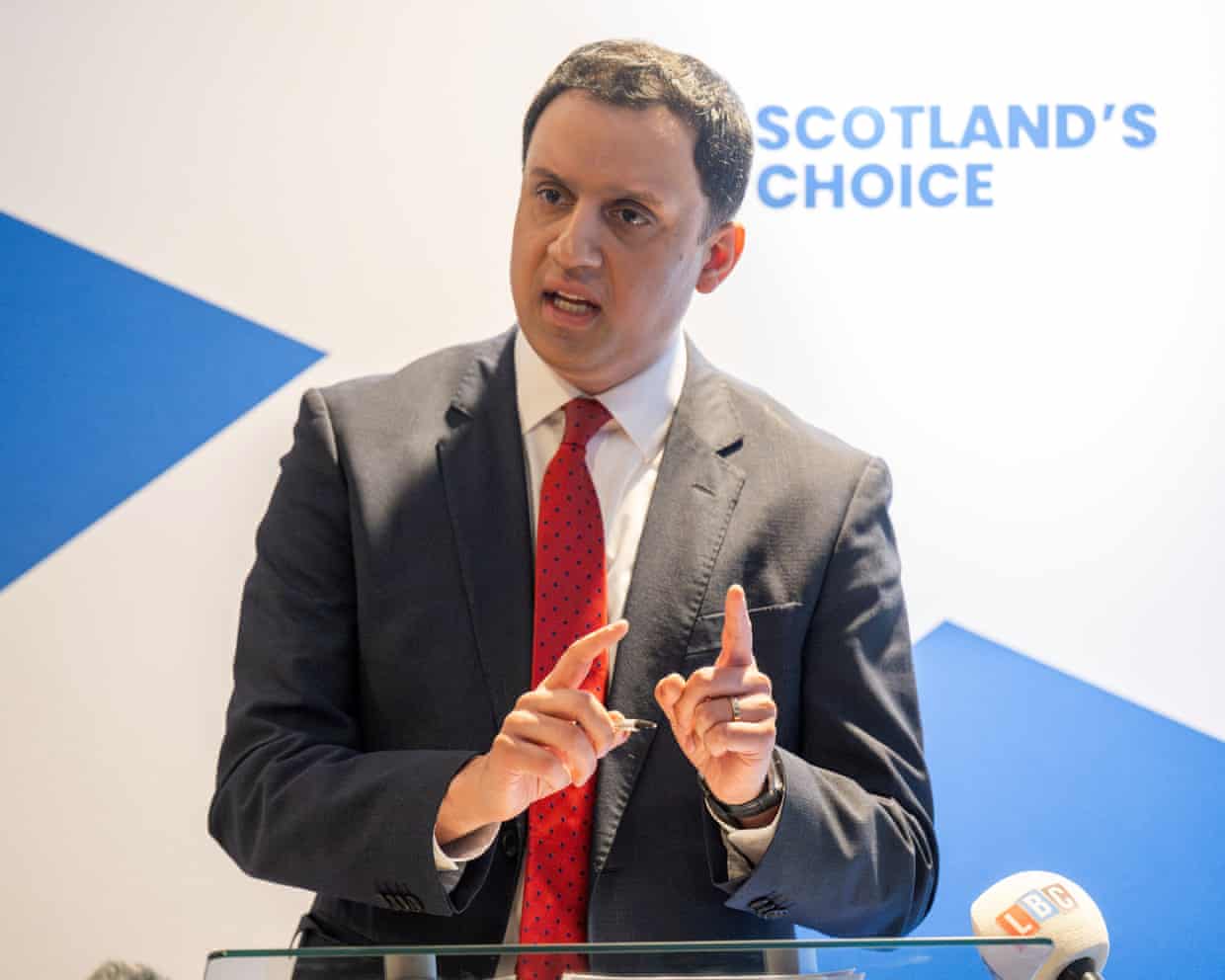
Scottish Labour leader says he doesn’t regret calling for Starmer to quit – UK politics live