Raise tax on alcohol and junk food to cut deaths from liver disease, experts say
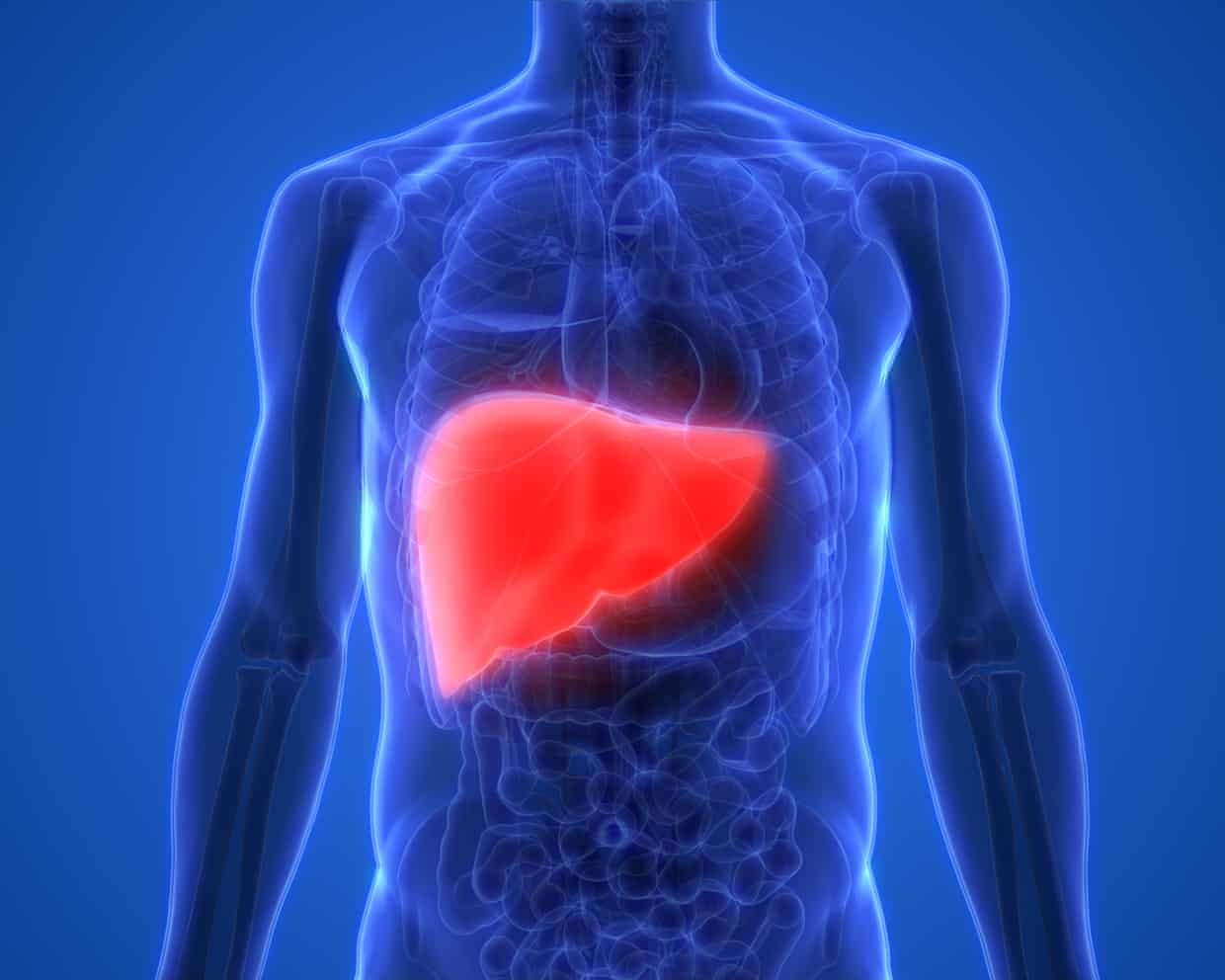
Governments in Europe should impose much higher taxes on alcohol and unhealthy food to tackle the continent’s 284,000 deaths a year from liver disease, experts say.Taxes on those products should rise sharply enough for the money raised to cover the huge costs they place on health services, the criminal justice system and social services.The call for tough action on common causes of serious liver disease comes from a commission of experts from the European Association for the Study of the Liver and the Lancet medical journal.They are urging governments in Europe to ensure all alcoholic products carry health warnings and stop under-18s being targeted with online advertisements for alcoholic drinks and junk food.Bold steps are needed to combat “an escalating and unsustainable burden of liver disease”, the commission says in a report published on Wednesday in the Lancet.
The experts call on the EU and World Health Organization to encourage national governments in Europe to implement their recommendations.They say governments should learn lessons from the successful fight against smoking over recent decades and urgently address what the WHO calls the “commercial determinants of health” – producers of tobacco, alcohol, ultra-processed food and fossil fuels promoting products that the UN’s health arm believes kill 2.7 million people a year in Europe.Governments should “align taxation of alcohol and unhealthy foods to the economic burden they impose, including costs incurred by healthcare systems, law enforcement, the justice system and social services”, the commission says.Urgent action on common causes of liver disease is overdue, its members say, given that 215,000 people a year across Europe die from liver cirrhosis – which is closely linked to alcohol – and another 69,400 from liver cancer.
Together those two conditions cause 780 deaths a day, about 3% of all deaths in Europe, they calculate.The experts identify four main causes of liver-related death: alcohol, unhealthy diets, obesity and viral hepatitis.Eliminating “behavioural risk factors”, such as drinking too much and eating a poor diet, could halve the prevalence of liver disease and would also reduce the number of people who develop heart disease, diabetes and cancer, they add.If implemented, the commission’s call for swingeing rises in alcohol taxation to reduce consumption would result in beer, wine and spirits costing far more.In recent years the Institute of Alcohol Studies thinktank has urged the chancellor of the exchequer to use their budget to impose much higher taxes on alcohol products and ensure that “alcohol duty rates should be based on the economic cost of alcohol harm to society”.
Jem Roberts, the institute’s head of external affairs, argued after Rachel Reeves’s last budget in December that duty on beer should rise by 68%, duty on cider by 227%, duty on spirits by 68% and duty on wine by 34% to achieve that aim – increases he conceded “may seem ridiculously high”,He calculated that if the impact of such rises were fully passed through to the retail cost, the price of a 15-pack of 4,6% ABV beer cans would increase from £14,59 to £19,51, the cost of an 18-pack of 4.
5% ABV cider cans would jump from £13.99 to £22.54 and a bottle of 12.5% ABV wine would go from £8.75 to £9.
82.Roberts said the new prices would bring England into line with prices in Scotland, which brought in minimum unit pricing of alcohol in 2018.Pamela Healy, the chief executive of the British Liver Trust, backed the experts’ plea for higher taxation.“We urgently need policies that reflect the true harm caused by our unhealthy food and alcohol environment,” she said.“This is not about creating a nanny state; it is about creating a level playing field.
”Matt Lambert, the chief executive of the alcohol industry body the Portman Group, said the best way to tackle alcohol-related harm was by promoting moderate and responsible use and targeted interventions for those who drank too much, “rather than penalise the moderate majority whilst doing little to help those drinking at the heaviest rates”.He added: “We would caution against a kneejerk demonisation of an entire industry, which works with us to ensure alcohol marketing is responsible and promotes labelling which carries the NHS low-risk drinking guidelines, which has been voluntarily adopted by a large majority of the industry.”
Raise tax on alcohol and junk food to cut deaths from liver disease, experts say
Governments in Europe should impose much higher taxes on alcohol and unhealthy food to tackle the continent’s 284,000 deaths a year from liver disease, experts say.Taxes on those products should rise sharply enough for the money raised to cover the huge costs they place on health services, the criminal justice system and social services.The call for tough action on common causes of serious liver disease comes from a commission of experts from the European Association for the Study of the Liver and the Lancet medical journal.They are urging governments in Europe to ensure all alcoholic products carry health warnings and stop under-18s being targeted with online advertisements for alcoholic drinks and junk food.Bold steps are needed to combat “an escalating and unsustainable burden of liver disease”, the commission says in a report published on Wednesday in the Lancet

Trial of non-invasive endometriosis scan boosts hopes for quicker diagnosis
A non-invasive scan for endometriosis has shown promising results in a trial, boosting hopes for far quicker diagnosis.The trial, which included 19 women with the condition, suggests that an experimental radiotracer, called maraciclatide, can “light up” endometriosis on a scan. The current need for a surgical investigation is seen as a major obstacle to timely diagnosis, with women in England typically waiting nearly a decade.Prof Krina Zondervan, head of department at the Nuffield Department of Women’s and Reproductive Health (NDWRH) at the University of Oxford, and co-lead on the study, said: “The most prevalent subtype of endometriosis currently evades reliable detection, leaving women no choice for diagnosis other than invasive surgery. If these results are confirmed in larger phase 3 studies, imaging with maraciclatide could transform clinical research and practice and potentially empower the development of treatments for women across the globe

Leasehold ban in England and Wales unlikely before next general election, minister says
A ban on new leasehold properties in England and Wales is unlikely to come into force until after the next election, the housing minister has said, as he defended the government’s piecemeal attempts to dismantle the system.The long-promised end would take years to “switch on”, Matthew Pennycook said, even though the ban of leaseholds on new houses was passed in 2024 and the government intends to pass one on new flats soon.Pennycook was giving a speech defending the government’s approach to bringing a de facto end to the feudal-era system after years of complaints from leaseholders about crippling service charges and crumbling buildings. He said the process needed to be rolled out slowly to avoid undermining housing supply and falling into legal pitfalls.“I think it’s highly likely that we don’t switch on the ban in this parliament,” he told reporters afterwards

The use of advanced practitioners in the NHS is no reason to fear for patient safety | Letters
I am an advanced clinical practitioner in acute respiratory medicine, and the British Medical Association’s (BMA) characterisation of practitioners like me as unsafe “substitute doctors” demands a response (Safety fears as UK hospitals use nurses to cover for doctors due to shortage of medics, 25 April).Every shift, I assess and manage patients with severe chronic obstructive pulmonary disease exacerbations, pulmonary embolisms, pneumonia and acute respiratory failure, taking clinical responsibility in a consultant-led multidisciplinary team, underpinned by a master’s-level qualification and over a decade of specialist experience. This is not doctor substitution. This is advanced practice: a distinct, evidence-based clinical role that enhances patient care rather than compromising it.The cases cited in your article (at Rotherham general hospital and a GP practice) represent failures of organisational governance, not evidence that advanced practitioners are inherently unsafe
The landlords’ view of the rental market | Letters
Your article on landlords (I thought landlords were unchallengeable – until I met one of mine at a party, 22 April) paints them as shadowy figures wielding quiet power, but the reality is often more ordinary – and more complicated. I’m an “accidental landlord”. In my 40s, after working long hours to buy a modest home, I became seriously ill with chronic fatigue and had to move back in with my parents. Letting my house wasn’t about exploitation; it was about survival – covering a mortgage I could no longer sustain through work.Over time, I reinvested carefully, and I now own a small number of properties

Swearing banned by one in five councils in England and Wales, report on ‘busybody’ fines shows
One in five local councils have banned swearing under new “busybody” orders, up from one in 20 councils in 2022.A new report by the Campaign for Freedom in Everyday Life has found that public spaces protection orders (PSPOs) – originally intended to tackle serious antisocial behaviour – are being used by councils in England and Wales to criminalise a wide range of everyday activities, including standing in groups, shouting and picking up stones.“Councils have introduced a swathe of bizarre bans that will turn ordinary people into unwitting criminals,” said Josie Appleton, the director of the group. “Councils have used PSPOs – which allow them to ban any activity they judge to have a ‘detrimental effect on the quality of life’ – to introduce over 1,000 new laws, each of which can contain dozens of separate restrictions.“These orders are not subject to democratic or legal scrutiny: they can be brought through by a single unelected council officer, and do not require public consultation or full council assent
If you’re not Thames, the water looks lovely for investors | Nils Pratley
Bank of England warns ‘higher inflation unavoidable’ after holding interest rates

Musk faces third day of questioning in contentious trial over OpenAI’s founding

AI outperforms doctors in Harvard trial of emergency triage diagnoses

Is this the end for LIV? Where does Saudi withdrawal leave golf and the players?
LIV Golf races against time for investment with confirmation Saudi funding will end in 2026