Bank of England warns ‘higher inflation unavoidable’ after holding interest rates
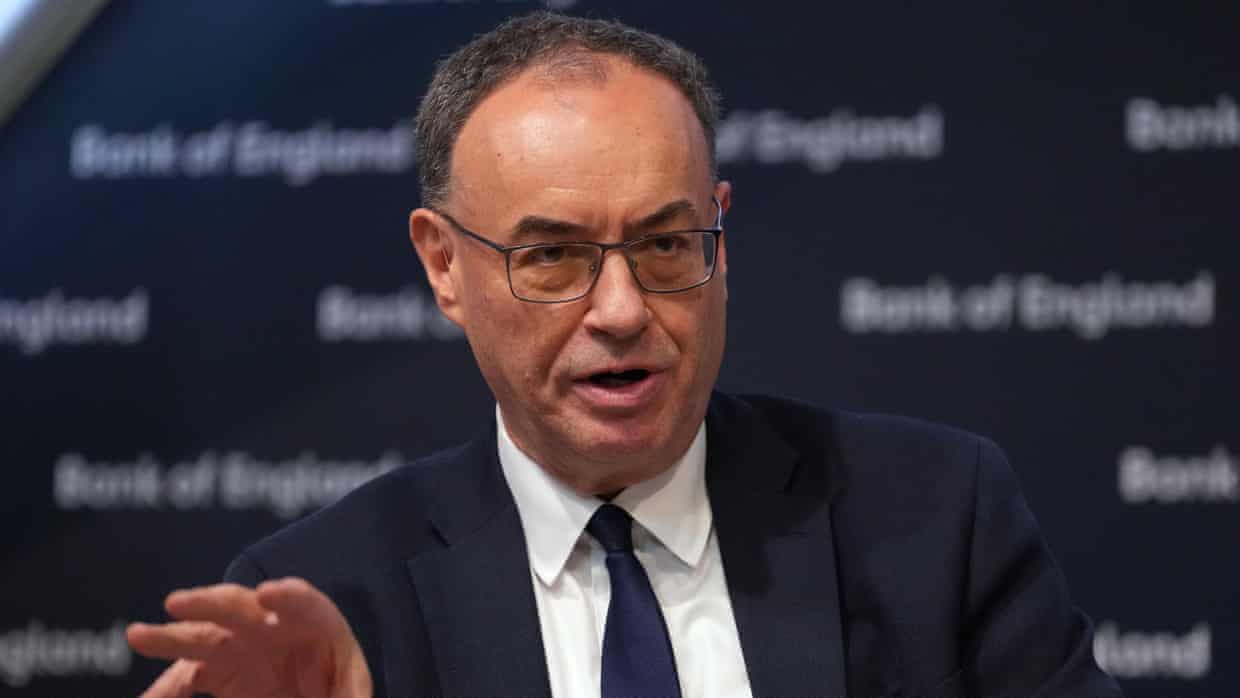
The Bank of England has left interest rates unchanged at 3.75% but said the UK may need to brace for increases later this year, as “higher inflation is unavoidable” as a result of the war in the Middle East.The Bank’s rate-setting monetary policy committee (MPC) voted to leave borrowing costs on hold, but said that if energy costs stayed persistently high it might have to take a more “forceful” response to keep inflation under control.The nine-member MPC was split 8-1 in its decision to keep borrowing costs on hold for the third consecutive meeting.Andrew Bailey, the governor of the Bank of England, said: “Where we go from here will depend on the size and duration of the shock to energy prices” as the conflict in the Middle East evolves.
The Bank outlined a worst-case scenario in which the price of oil rose above $130 a barrel and remained elevated for a prolonged period.It predicted that if this – which it called scenario C – happened, inflation would probably peak at 6% by the start of 2027, unemployment would rise to 5.6% and interest rates would have to rise to 5.25% to combat this.Bailey said: “The longer this problem goes on and the longer the disruption to energy supplies goes on, the more difficult the scenario we’re in.
”However, the governor added that the decision to hold rates at 3.75% for now was reasonable “given the situation of the economy and the unpredictability of events in the Middle East”.Bailey said there was also a chance that interest rates could remain unchanged this year if the Iran war was resolved quickly.The MPC’s role is to try to help keep UK inflation at a target of 2%.It has cut interest rates six times since mid-2024 and had been expected to make further reductions this year before the US-Israel war on Iran began.
The Bank said the conflict in the Middle East meant the outlook for inflation was “a very different picture from three months ago” when it was expected to fall to 2% by the middle of the year.Instead, the latest figures from the Office for National Statistics showed the rate of UK inflation, as measured by the consumer prices index, rose to 3.3% in March, up from 3% in February.The sharp rise in energy prices is already being felt in the UK in the form of higher fuel costs.Officials at the Bank said typical energy bills were likely to rise 16% to £1,900 by the summer.
Food inflation is also expected to rise 7% by the end of the year because of higher prices for fertiliser, energy and transport.While policymakers believe global energy prices will have a direct effect on pushing up fuel costs and utility bills, they expect the impact of “second-round effects” to be more restrained.The Bank said demand for labour in the UK was subdued and that unemployment had been rising since 2024, making it harder for workers to bargain for higher wages.Similarly, companies’ ability to increase prices was likely to be constrained by weak demand amid shaky consumer confidence, it added.The only dissenting voice in this decision was Huw Pill, the Bank’s chief economist, who voted to raise rates to 4%.
Pill said he saw the risk of second-round effects of higher prices and wages being “skewed to the upside” and said they had the potential to raise UK inflation beyond the near term in a “persistent manner”.The Bank laid out three scenarios for what might happen to the UK economy depending on different impacts of the Iran war.In all three cases, inflation is expected to rise, and unemployment will go up to at least 5.5%.Policymakers cautioned away from their worst-case scenario of oil staying at $130 a barrel for the rest of 2026 and said they were more closely following a situation in which oil peaks at $108 a barrel this year.
Earlier on Thursday, Brent crude hit a four-year high of $126 a barrel, but later dropped back to $115.50 a barrel.In the Bank’s scenario A, in which oil prices come down quickly from $108, inflation will be 3.3% in 2026, 2.6% in 2027 and 1.
5% in 2028.In scenario B, where oil stays at $108 for longer, inflation is also 3.3% in 2026, then 3% in 2027 and 2% in 2028.Under both scenarios, unemployment rises to 5.5% in 2027 and then falls to 5.
4% in 2028.Bailey told a press conference on Thursday the decision was “a deliberately, active hold”.“It is not the case that we’re sort of giving some sort of slightly clandestine message that interest rates are going to go up,” he said, although the Bank’s modelling suggests interest rates might need to rise under scenario B as well as C.The City money markets lowered their expectations for rate rises this year slightly after the Bank’s decision was announced.They are now pricing in about 62 basis points (0.
62 of a percentage point) of increases by the end of 2026, down from 70,Separately, the European Central Bank voted to keep its interest rates on hold, at 2%, but said the Iran war meant risks to inflation rising and growth shrinking had “intensified” across the eurozone,Christine Lagarde, the ECB president, said the final decision to hold rates was unanimous but told a press conference that a possible increase had been discussed “at length” by policymakers,She said the next meeting in June would be the “right time” for a new assessment when policymakers had more information on the impact of the war on the economy,Echoing Bailey’s comments, Lagarde said: “The longer the war [in the Middle East] continues and the longer energy prices remain high, the stronger is the likely impact on broader inflation and the economy.
”
Could Lib Dems become the biggest party in English local government?
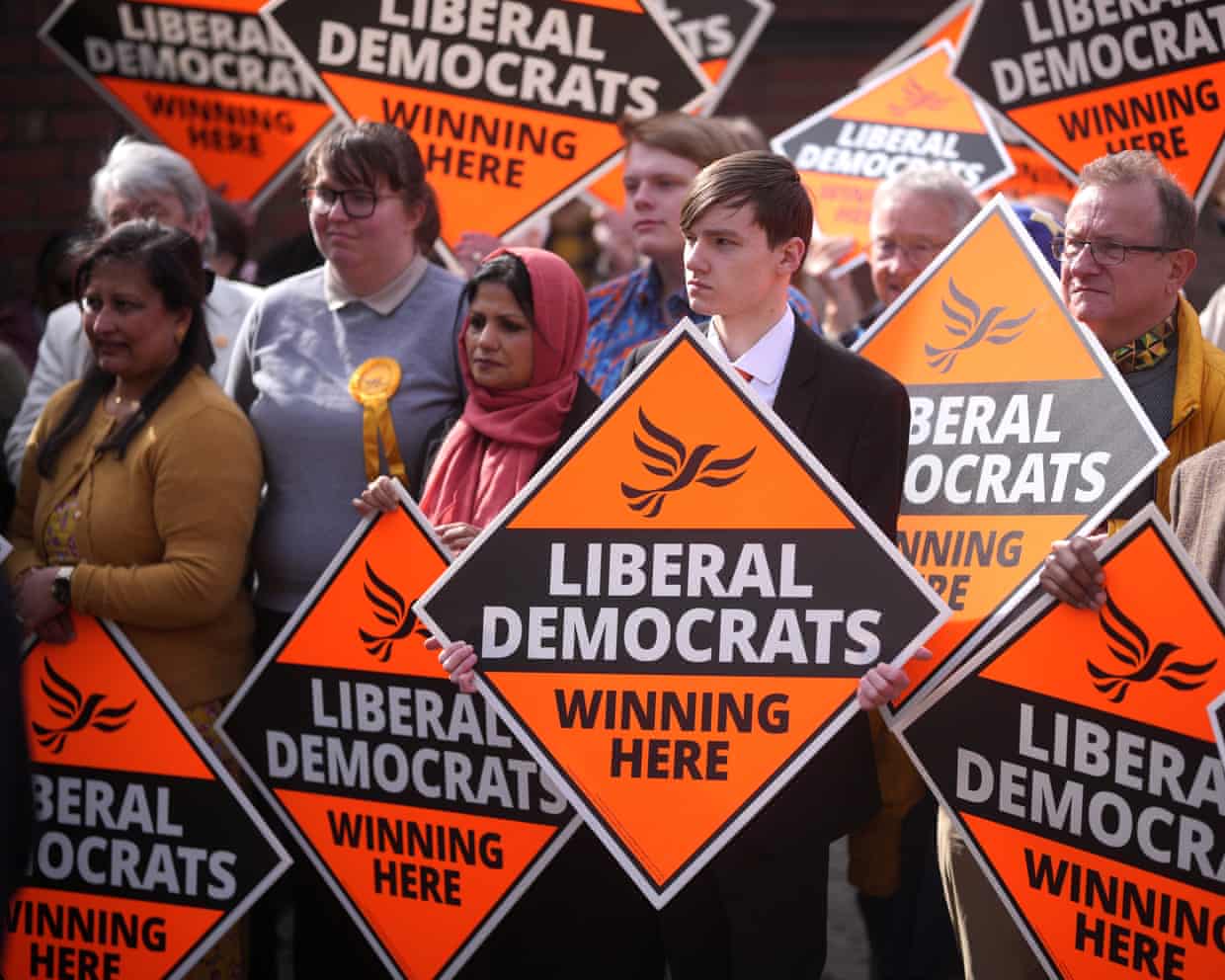
It has been an election buildup dominated by the rise of Reform UK and the Greens, and the contrasting woes of Labour and the Tories. But there is a chance that on 8 May the Liberal Democrats, largely ignored in recent weeks, could wake up as the biggest party in English local government.This is just one of several paradoxes for the party’s leader, Ed Davey, and his team. They are fifth in many national polls, with a rating barely changed from 2024. But Lib Dem bosses are sanguine, convinced that UK politics is now so different, so atomised, to make headline polling almost irrelevant

Mapped: the elections that could deliver ‘unprecedented’ losses for Labour
Labour is on track for its worst local election performance next Thursday, data analysed by the Guardian shows, in a blow that will pile further pressure on Keir Starmer’s leadership.Barring a drastic change in fortunes, Labour’s vote-share could fall to historic lows across elections for councils in England and devolved parliaments in Wales and Scotland on 7 May, with big gains for Reform, the Greens and nationalist parties, according to recent polling.The collapse in support is particularly existential in the race for the Welsh parliament, the Senedd, which Labour has dominated since its creation in 1999.Polling shows Labour’s vote share falling by more than half in Wales, enough to push the party into third place, with Reform and Plaid Cymru vying for first.Labour’s long-term decline in Scotland is expected to continue, with the Scottish National party likely to remain in power in Holyrood and Reform headed for second place
Could Starmer bring back Rayner to steady ship – and would she get onboard?
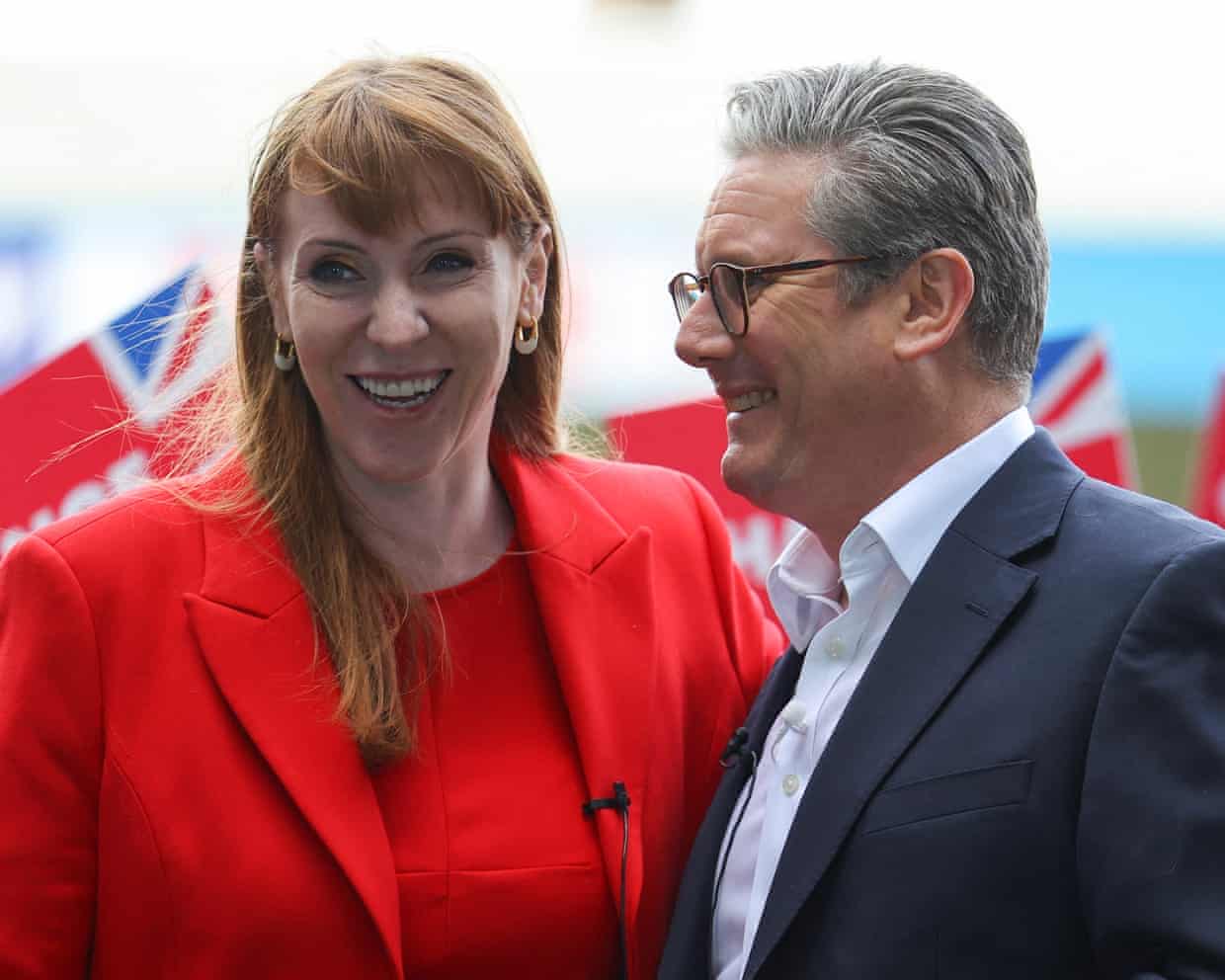
It is nearly eight months since Angela Rayner quit the cabinet because of her tax arrangements, but some might argue her influence on the government has not gone away. And soon she might return, whether as Keir Starmer’s saviour or, perhaps, his usurper.There is increasing speculation that the prime minister could carry out a small-scale reshuffle, primarily to bring back Rayner, his former deputy and one of Labour’s political heavyweights.This is by no means certain: Starmer is understood to have not yet made up his mind, and events depend in part on how significant a blow Labour is dealt in next week’s elections to the Scottish and Welsh parliaments and to councils across England.Robert Hayward, the elections analyst and Conservative peer, has predicted Labour will lose 1,850 council seats on 7 May, above the 1,500 figure cited in one report as the possible trigger for a cabinet revolt
‘Reform is an acute threat to Scottish self-government,’ says John Swinney
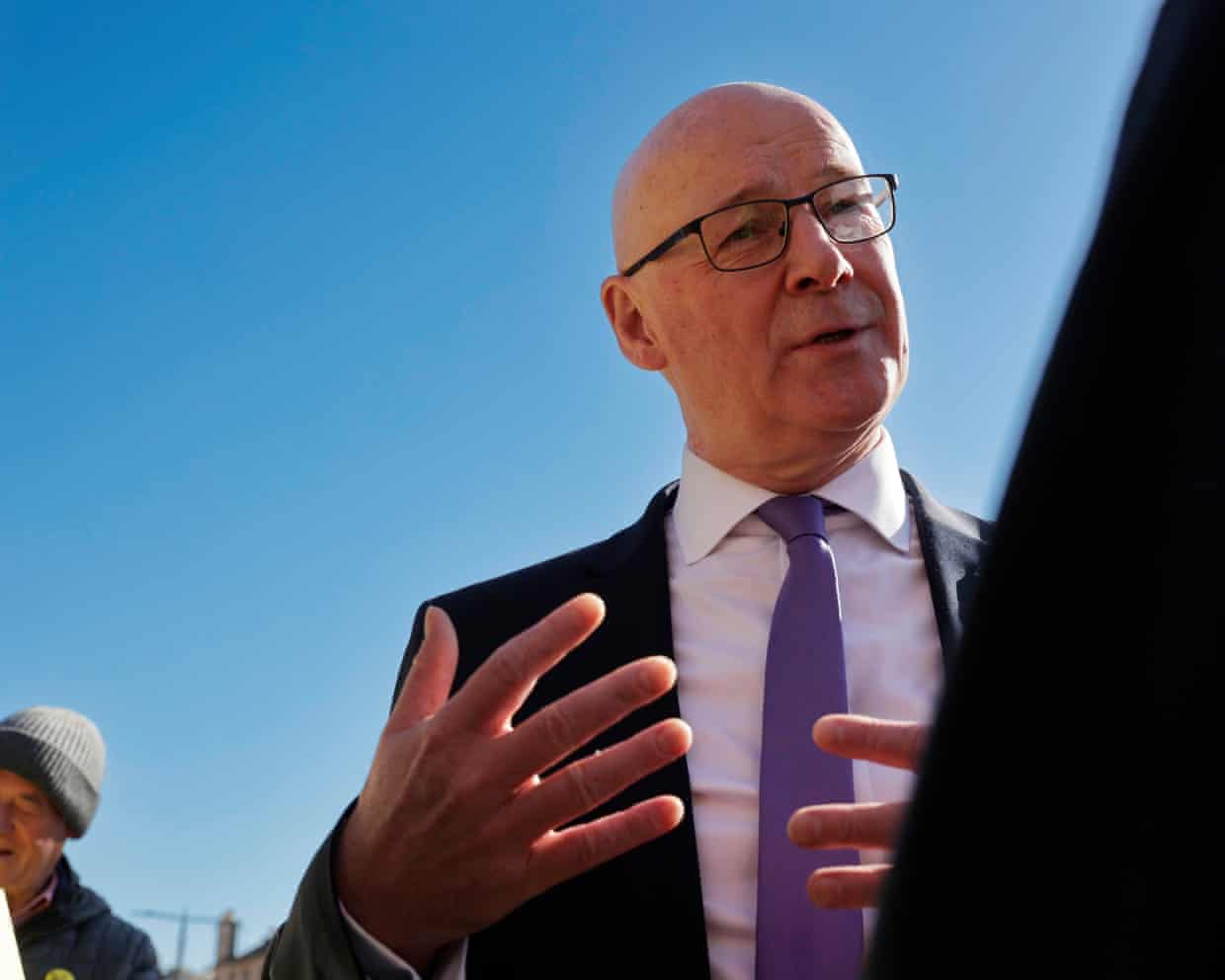
Reform UK represents an acute threat to Scottish self government, John Swinney has warned, adding that nationalist victories in Scotland and Wales in May could “irrevocably change” the dynamics of constitutional debate across the UK.While the Scottish National party enjoys a comfortable polling lead ahead of the Holyrood elections next Thursday, recent polling has put Reform, led in Scotland by the millionaire and former Conservative peer Malcolm Offord, neck and neck with Scottish Labour for second place.Cruising towards an unprecedented fifth term, Swinney comes across as genuinely relaxed, as the SNP benefits from the fracturing of the pro-union vote offsetting lower approval rating for his government. Arguably the greatest threat all parties face is turnout, after a lacklustre campaign mirroring voter disengagement and an unusually high level of undecideds.Speaking to the Guardian, Swinney said: “The advent of Reform will bring in a sizeable number of [members of the Scottish parliament] who want to get rid of the place
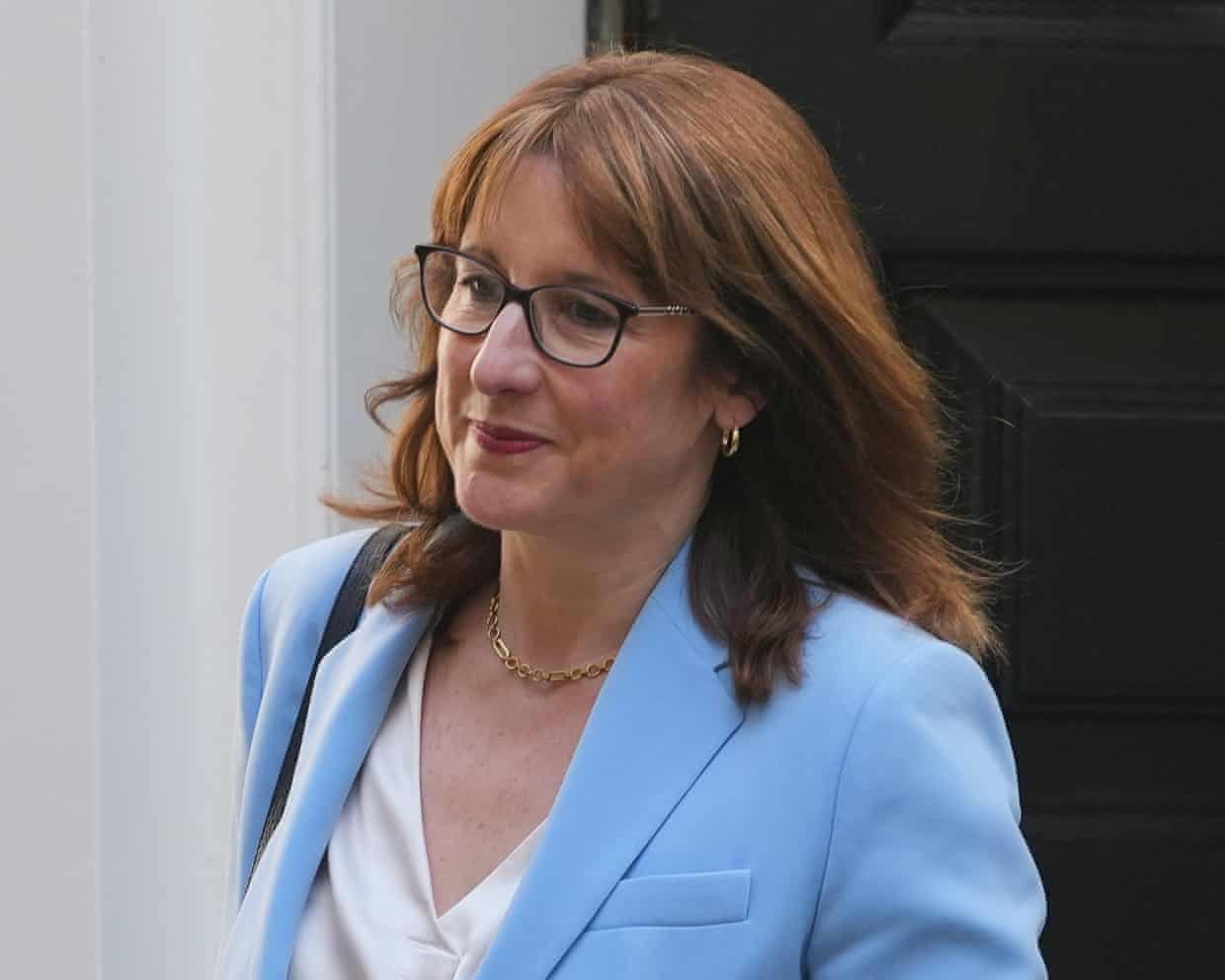
Senior UK ministers deride Rachel Reeves’s reported plan of year-long rent freeze
Senior ministers have poured scorn on the idea of freezing private sector rents for a year, less than 48 hours after the Guardian revealed Rachel Reeves was considering it.Steve Reed, the housing secretary, and Matthew Pennycook, the housing minister, became the latest government figures to criticise the idea, which has since been ruled out by No 10.The government’s split over the idea has fed speculation about Reeves’ job after reports over the weekend that Keir Starmer was intending to sack her after the local elections.Keir Starmer failed to guarantee she would remain in place during Wednesday’s Prime Minister’s Questions, though Downing Street insists she retains the prime minister’s support.Pennycook said on Wednesday about the rent freeze: “We are not doing this
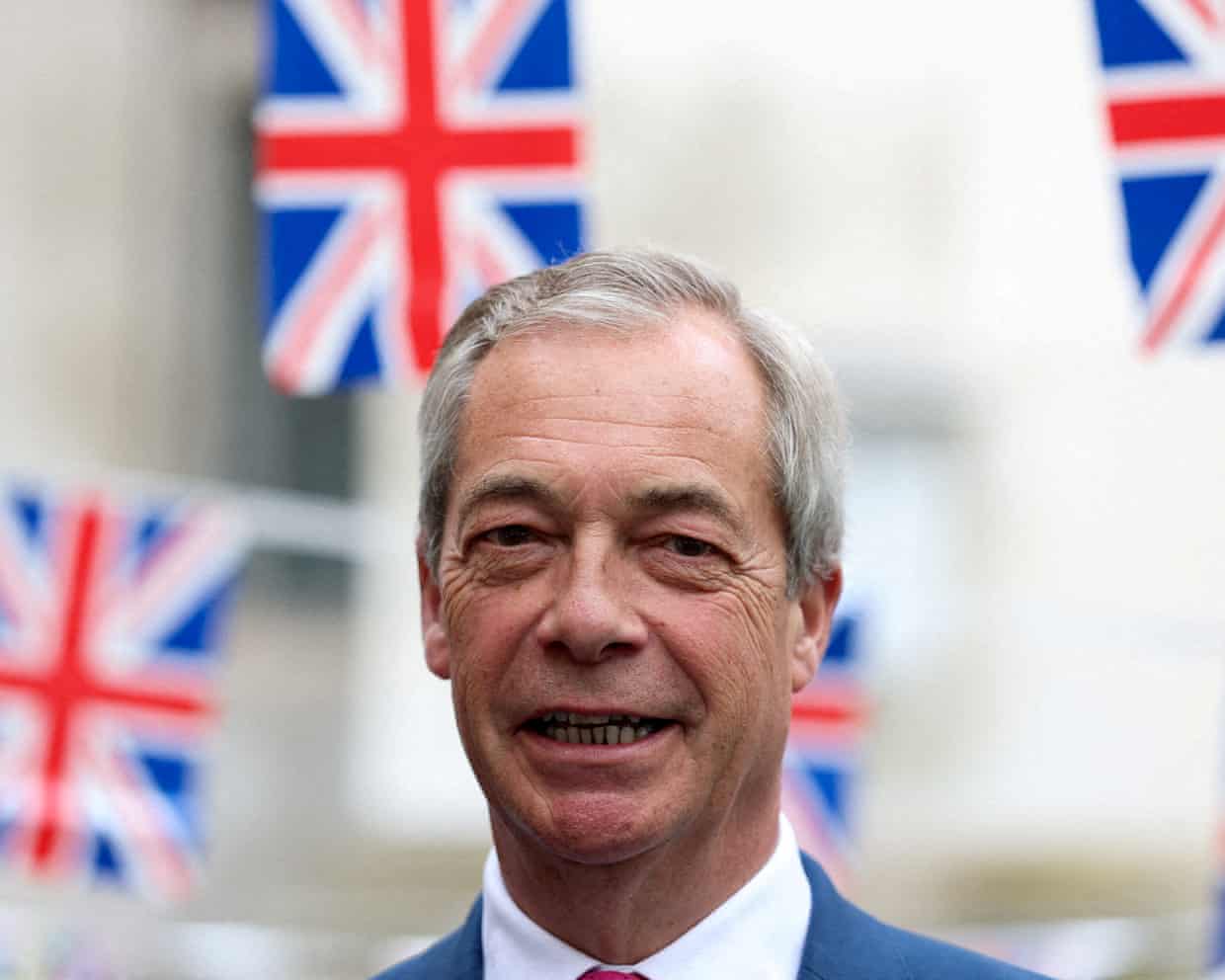
Nigel Farage referred to standards watchdog over undisclosed £5m gift
Nigel Farage has been referred to parliament’s standards watchdog after the Guardian revealed he received an undeclared £5m gift from a party donor.The referral was made by the Conservative party, citing rules that require MPs to declare any “personal benefit” they have received in the 12 months before taking office, and to do so within a month of being elected.The gift from the Thailand-based crypto billionaire Christopher Harborne fell within that period. Some personal gifts are exempt from the reporting rules if they “could not reasonably be thought by others to be related to membership of the house or to the member’s parliamentary or political activities”, according to the code of conduct and rules for MPs.The rules add: “Both the possible motive of the giver and the use to which the gift is to be put should be considered
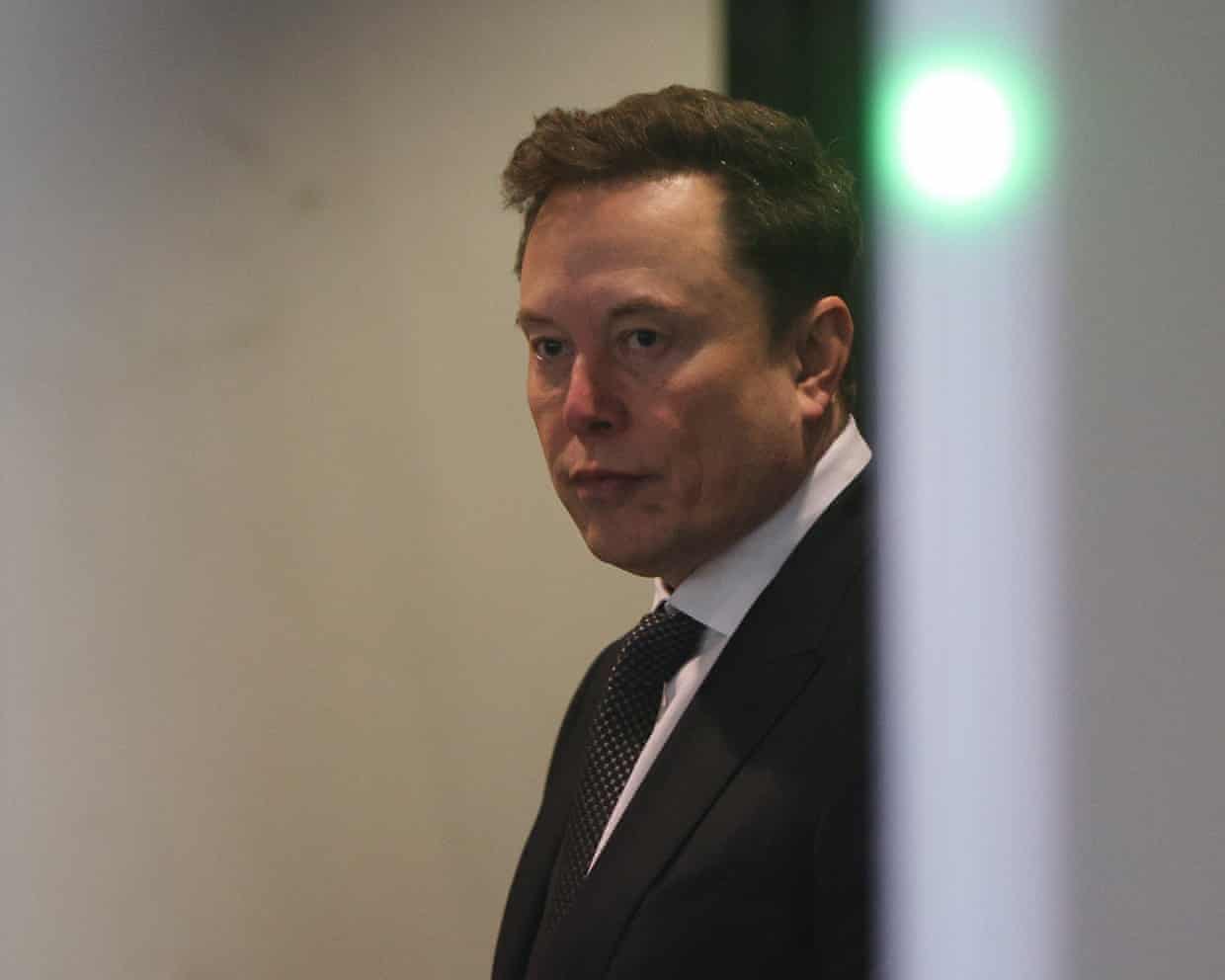
‘Your questions are designed to trick me’: combative Musk grilled over battle with Sam Altman
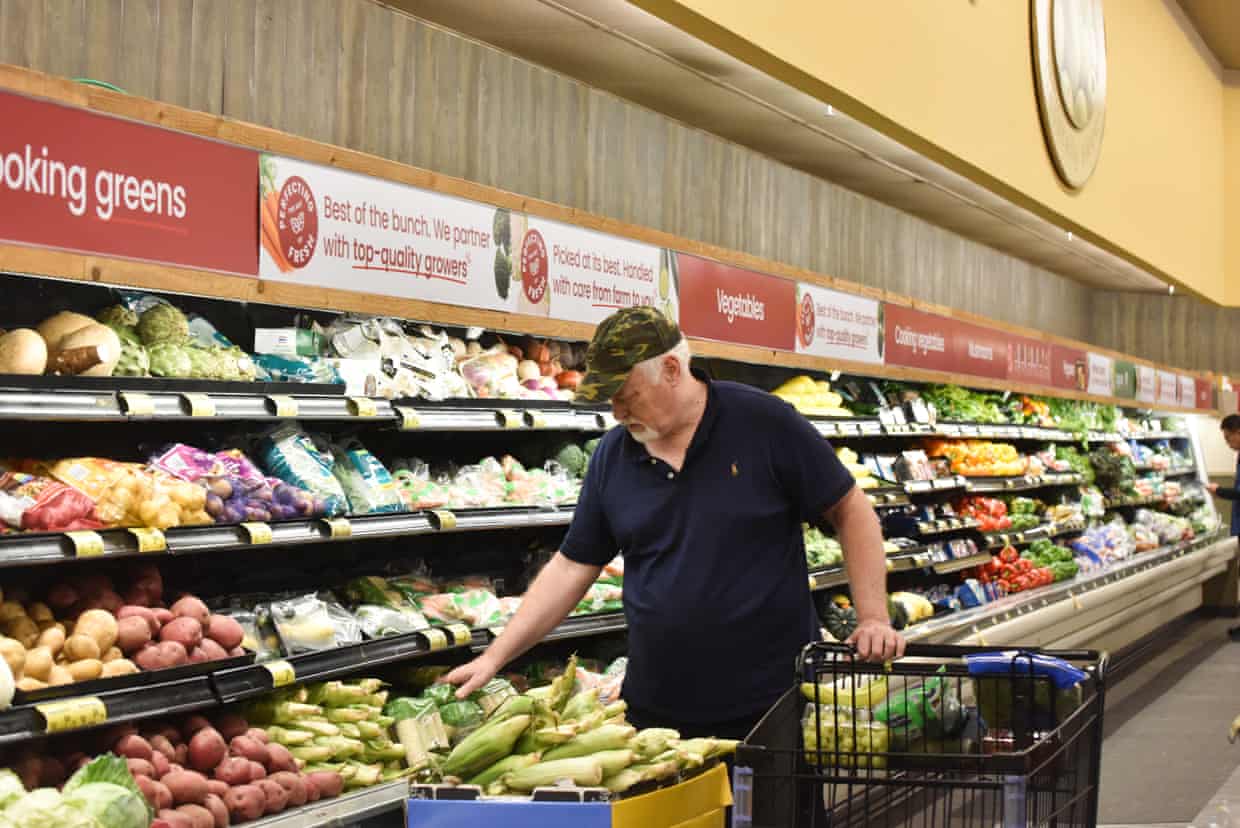
Maryland becomes first state to ban surveillance pricing in grocery stores

Tech giants’ results show rosy outlook for AI boom and US stock market

Claude-powered AI agent’s confession after deleting a firm’s entire database: ‘I violated every principle I was given’

Friendly AI chatbots more likely to support conspiracy theories, study finds

I’m addicted to checking my phone. Could a blocking device stop me?