If you’re not Thames, the water looks lovely for investors | Nils Pratley
Thames Water, with occasional cameos by ugly little siblings Southern Water and South East Water, grabs most of the attention in the sector for obvious reasons.So it’s easy to overlook what’s happening further north.Short answer: the new era of higher bills and higher spending on water infrastructure will feel splendid if you’re United Utilities, licence-holder in north-west England, or Severn Trent, operating in the Midlands.The former’s share price surged 11% on Thursday, the sort of thing that shouldn’t happen at a utility where success is meant to be defined in terms of dull predictability.And it’s definitely unusual to see a one-day valuation jump of that size when the company is issuing £800m-worth of new shares.
Indeed, there was a mini-stampede for UU’s equity after Australia’s sovereign wealth fund, Future Fund, and the global infrastructure investor Atlas grabbed half the allocation in the placing as “cornerstone” investors.Why the rush? Well, it is because Ofwat’s regulatory settlement a year ago on prices – the one that shoved up water bills across England and Wales – looks more generous than imagined back then.Or, at least, it looks more attractive for a certain subset of firms: those that aren’t clocking up huge fines for pollution year after year, notwithstanding UU’s woes at Windermere.There were two critical numbers in UU’s strategic update that accompanied the placing and full-year results.First, the company is targeting a return of equity of 10-11% in the current five-year period, a full percentage point above previous guidance.
The difference may sound modest, but double-digit returns ain’t bad at all, especially when they are underpinned by bills that rise with inflation.Some City analysts had been forecasting a return rate of 8.5%.Second – and this was the more surprising bit – UU thinks it can go back to Ofwat and be allowed to spend another £2.5bn, on top of an agreed £9bn until 2030, because the regulator’s last assumptions did not take account of all the houses and datacentres the government wants to build around Manchester.
The first £1,4bn slug of spending would mean bills going up by another £10 per household if Ofwat says yes,And, for UU, the overall £2,5bn would mean its asset base growing at 10% a year to 2030, instead of at 7%,Those recast growth numbers also explain the share price rise: for utilities, the pure size of the assets is the first entry in the valuation box.
UU’s shares have now improved 30% in a year, outpacing the FTSE 100 index.Severn Trent was pulled 7% higher in sympathy on Thursday, probably on the thought that it, too, will be able to pitch some “reopeners” to Ofwat.Amid the crisis in the water sector, both companies’ shares stand at all-time highs.Outrageous in the context of the wider crisis in the sector? Well, before damning Ofwat too severely for over-generosity to companies, one should probably concede that the regulator produced roughly what the Labour government, opposed to nationalisation, wanted: a more investor-friendly set-up to ensure infrastructure gets built.That was the implicit bargain, even if ministers sometimes struggle to admit it as they launch ineffectual “clampdowns” on bonuses.
Note, too, that five other water companies still reckoned Ofwat had been too mean to them on bills and appealed to the Competitionand Markets Authority,Most secured small upwards adjustments to bills, which was close to an endorsement of Ofwat’s original arithmetic,But one can still say that the crisis at Thames seems to have worked to the advantage of the likes of UU and Severn Trent, the two standout financial outperformers of recent years (and two of the only three that are still on the stock market),In the regulatory and political panic over Thames, the regulatory dial was turned further than it appeared a year ago,Not everyone benefits, but, for the relative winners, the financial rewards look relatively bigger.
There is also a lesson for the government, still (like Ofwat) navel-gazing over what to do about Thames,If the corporate calamity is tipped into special administration, shareholders won’t flee en masse from the water sector,Rather, international investors seem keen to throw capital at the right firms,
Raise tax on alcohol and junk food to cut deaths from liver disease, experts say
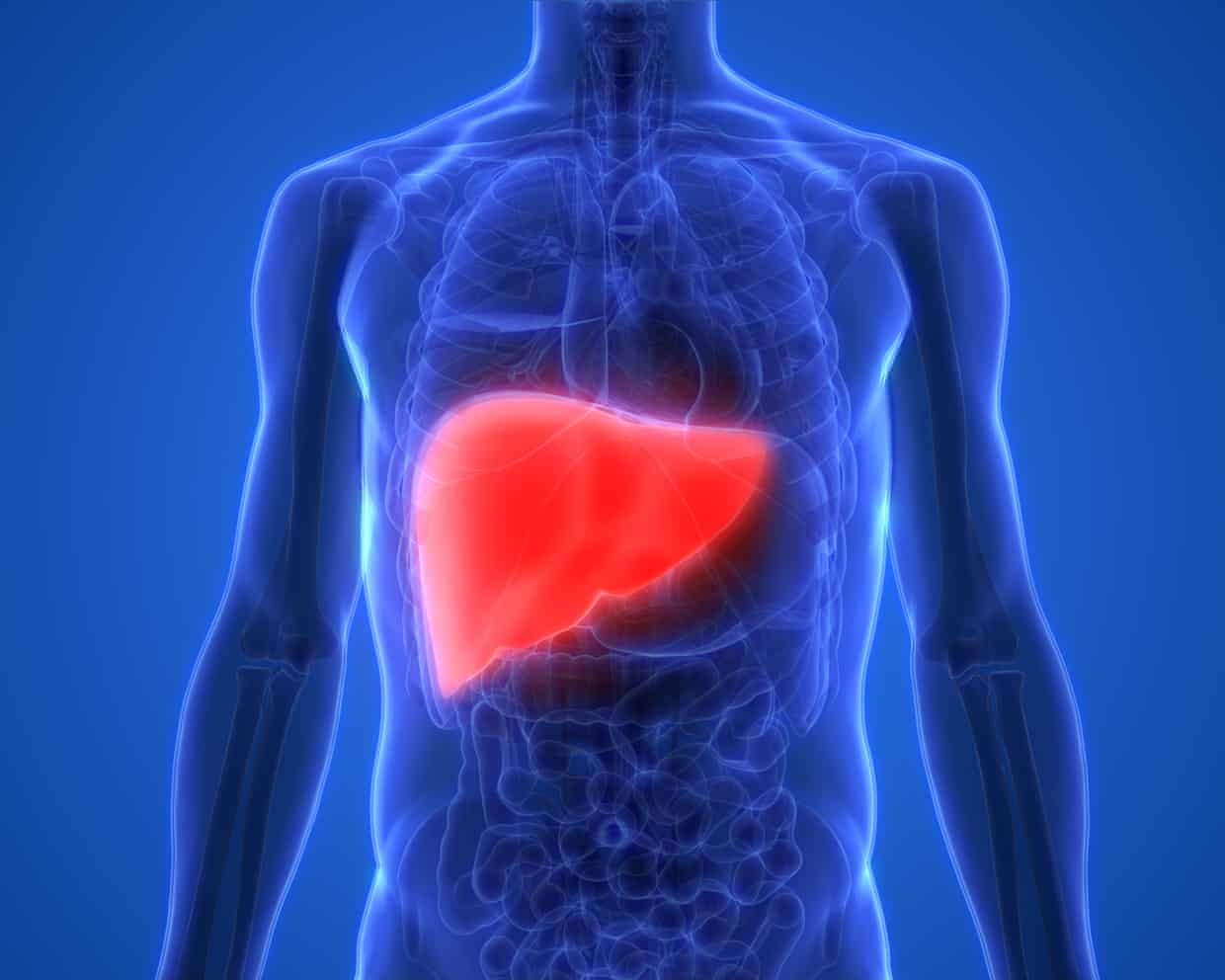
Governments in Europe should impose much higher taxes on alcohol and unhealthy food to tackle the continent’s 284,000 deaths a year from liver disease, experts say.Taxes on those products should rise sharply enough for the money raised to cover the huge costs they place on health services, the criminal justice system and social services.The call for tough action on common causes of serious liver disease comes from a commission of experts from the European Association for the Study of the Liver and the Lancet medical journal.They are urging governments in Europe to ensure all alcoholic products carry health warnings and stop under-18s being targeted with online advertisements for alcoholic drinks and junk food.Bold steps are needed to combat “an escalating and unsustainable burden of liver disease”, the commission says in a report published on Wednesday in the Lancet

Trial of non-invasive endometriosis scan boosts hopes for quicker diagnosis
A non-invasive scan for endometriosis has shown promising results in a trial, boosting hopes for far quicker diagnosis.The trial, which included 19 women with the condition, suggests that an experimental radiotracer, called maraciclatide, can “light up” endometriosis on a scan. The current need for a surgical investigation is seen as a major obstacle to timely diagnosis, with women in England typically waiting nearly a decade.Prof Krina Zondervan, head of department at the Nuffield Department of Women’s and Reproductive Health (NDWRH) at the University of Oxford, and co-lead on the study, said: “The most prevalent subtype of endometriosis currently evades reliable detection, leaving women no choice for diagnosis other than invasive surgery. If these results are confirmed in larger phase 3 studies, imaging with maraciclatide could transform clinical research and practice and potentially empower the development of treatments for women across the globe

Leasehold ban in England and Wales unlikely before next general election, minister says
A ban on new leasehold properties in England and Wales is unlikely to come into force until after the next election, the housing minister has said, as he defended the government’s piecemeal attempts to dismantle the system.The long-promised end would take years to “switch on”, Matthew Pennycook said, even though the ban of leaseholds on new houses was passed in 2024 and the government intends to pass one on new flats soon.Pennycook was giving a speech defending the government’s approach to bringing a de facto end to the feudal-era system after years of complaints from leaseholders about crippling service charges and crumbling buildings. He said the process needed to be rolled out slowly to avoid undermining housing supply and falling into legal pitfalls.“I think it’s highly likely that we don’t switch on the ban in this parliament,” he told reporters afterwards
The use of advanced practitioners in the NHS is no reason to fear for patient safety | Letters
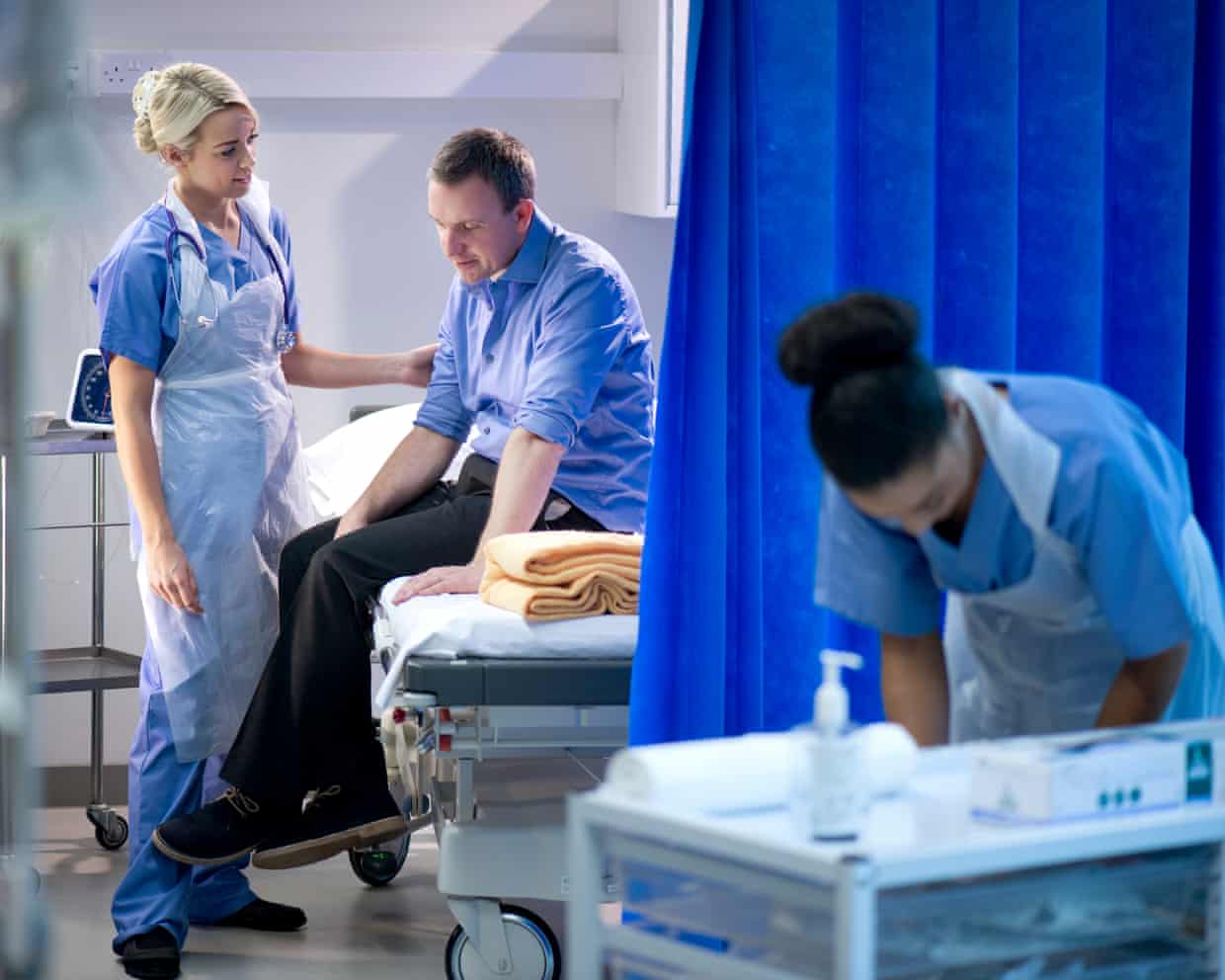
I am an advanced clinical practitioner in acute respiratory medicine, and the British Medical Association’s (BMA) characterisation of practitioners like me as unsafe “substitute doctors” demands a response (Safety fears as UK hospitals use nurses to cover for doctors due to shortage of medics, 25 April).Every shift, I assess and manage patients with severe chronic obstructive pulmonary disease exacerbations, pulmonary embolisms, pneumonia and acute respiratory failure, taking clinical responsibility in a consultant-led multidisciplinary team, underpinned by a master’s-level qualification and over a decade of specialist experience. This is not doctor substitution. This is advanced practice: a distinct, evidence-based clinical role that enhances patient care rather than compromising it.The cases cited in your article (at Rotherham general hospital and a GP practice) represent failures of organisational governance, not evidence that advanced practitioners are inherently unsafe

The landlords’ view of the rental market | Letters
Your article on landlords (I thought landlords were unchallengeable – until I met one of mine at a party, 22 April) paints them as shadowy figures wielding quiet power, but the reality is often more ordinary – and more complicated. I’m an “accidental landlord”. In my 40s, after working long hours to buy a modest home, I became seriously ill with chronic fatigue and had to move back in with my parents. Letting my house wasn’t about exploitation; it was about survival – covering a mortgage I could no longer sustain through work.Over time, I reinvested carefully, and I now own a small number of properties

Swearing banned by one in five councils in England and Wales, report on ‘busybody’ fines shows
One in five local councils have banned swearing under new “busybody” orders, up from one in 20 councils in 2022.A new report by the Campaign for Freedom in Everyday Life has found that public spaces protection orders (PSPOs) – originally intended to tackle serious antisocial behaviour – are being used by councils in England and Wales to criminalise a wide range of everyday activities, including standing in groups, shouting and picking up stones.“Councils have introduced a swathe of bizarre bans that will turn ordinary people into unwitting criminals,” said Josie Appleton, the director of the group. “Councils have used PSPOs – which allow them to ban any activity they judge to have a ‘detrimental effect on the quality of life’ – to introduce over 1,000 new laws, each of which can contain dozens of separate restrictions.“These orders are not subject to democratic or legal scrutiny: they can be brought through by a single unelected council officer, and do not require public consultation or full council assent

Could Lib Dems become the biggest party in English local government?

Mapped: the elections that could deliver ‘unprecedented’ losses for Labour

Could Starmer bring back Rayner to steady ship – and would she get onboard?

‘Reform is an acute threat to Scottish self-government,’ says John Swinney
Senior UK ministers deride Rachel Reeves’s reported plan of year-long rent freeze

Nigel Farage referred to standards watchdog over undisclosed £5m gift