Fifty years of sexing up tech: Apple’s epic hits – and misses
Remember the iPod? How about the Pippin? In the half-century since it launched its first PC, Apple has given us some amazing innovations,We round up its biggest triumphs and flopsThe Guardian’s journalism is independent,We will earn a commission if you buy something through an affiliate link,Learn more,Fifty years after Steve Jobs, Steve Wozniak and Ronald Wayne founded the company in Jobs’ parents’ garage in Los Altos, California, Apple has become a behemoth, and billions of us use its products every day.
From the first successful home computers with colour screens, to the iPod, to the smartphone that set the template for the modern mobile era, the company has repeatedly reset consumer expectations.The Guardian’s journalism is independent.We will earn a commission if you buy something through an affiliate link.Learn more.As a result, the firm occupies a central position in the tech world, initiating trends and popularising products.
Here are five of its most influential products from the past half-century – alongside some unusually big misses.Apple II (1977)The Apple II put the small, scrappy upstart company on the map.It was Apple’s first mass-market personal computer, designed by Wozniak as a complete, ready-to-use machine rather than a bare circuit board for hobbyists – which had been the home-computing norm up to that point.The Apple II combined the electronics, keyboard and power supply in a single case, and could plug straight into a monitor screen, making computing feel far less intimidating.The ethos behind it was simplicity, says Apple analyst Horace Dediu.
“When Steve Jobs looked at this in the 70s, it was like: ‘Well, how do we bring tech to the masses?’ The answer was: ‘Make it easy to use.’”The Apple II offered colour graphics, Basic (Beginner’s All-purpose Symbolic Instruction Code) in read-only memory and expansion slots, which encouraged a flourishing ecosystem of third-party hardware and software, from games to the VisiCalc spreadsheet that made it a serious business tool.Aggressive education discounts helped to put it into US classrooms, making it the first computer many students used.Its success transformed Apple from a small startup into one of the defining companies of the early PC revolution.Macintosh (1984)The next big paradigm shift that Apple was involved in was the release of the Macintosh personal computer.
Unlike the boring black-and-white command-line machines most people were used to, the Mac – named by Apple employee Jef Raskin in honour of his favourite apple variety – popularised the graphical user interface, with windows, icons, menus and a mouse, bringing ideas pioneered across the IT sector into an affordable, self-contained consumer product.Ridley Scott’s famous “1984” Super Bowl advert positioned it as a cool, rebellious alternative to the grey world of IBM PCs, and the friendly on-screen interactions made computers feel less like tools for specialists and more like devices anyone could learn to use.“The key to where Apple really established itself, even from the beginning, and still does today, is that it decided to conquer, master and control the human-computer interface,” says Dediu.iMac G3 (1998)More than a decade on from the Macintosh, Apple sexed up PCs again.It ditched the beige boxes in favour of translucent all-in-one machines, available in a range of bright colours, that became instant design icons and starred in a wave of playful TV ads.
“The important thing to remember about those iMacs was that the internet was the big new thing,” says Apple analyst Avi Greengart, who runs Techsponential, a technology analysis firm.While we might remember the vibrant candy colours that grabbed attention for the devices, the guts of the hardware were equally important to their success.“The ads showed how many cables and connections it took to connect to the internet, and it was two,” says Greengart.“The simplicity of that design, where everything was all in one, felt approachable, fun and the design was elevated.”That all combined to make the iMac G3 a roaring success, says Greengart.
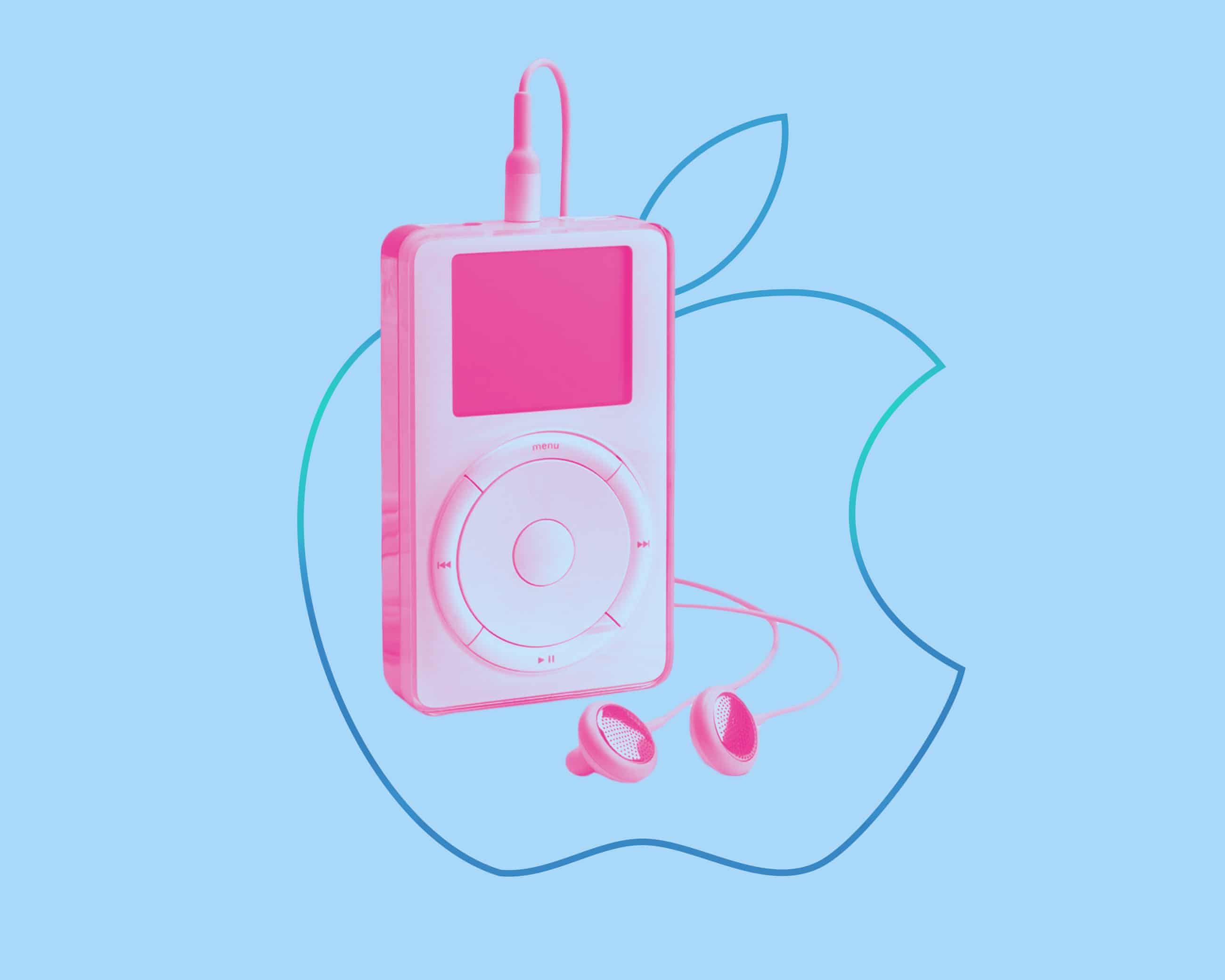
“If it had just come out with ridiculously cool designs, it would not have been enough.And we know that because there was a company who did just that in that era.Their name was Sony.” Sony’s Vaio computers were considered state of the art in terms of 90s computer design, but Apple’s added user-friendliness helped it eclipse them.iPod (2001)These days, our all-powerful smartphones mean we don’t need separate devices for listening to music, but at the turn of the millennium, in the age of Walkmans and disc players, the iPod was a revolutionary product.
Apple’s white, pocketable music player offered an unheard-of “1,000 songs in your pocket” thanks to its tiny hard drive, tight integration with iTunes and a simple scroll-wheel interface that made navigating big libraries painless.It wasn’t the first MP3 player, but it was the first to feel mainstream, combining slick hardware, easy music syncing and memorable marketing built around a series of iconic ads with dancing figures and white earbuds.Over successive generations it shrank, gained more storage, added colour screens and video, and became a cultural phenomenon that re-energised Apple’s business in the 2000s.But arguably as important, it trained millions of people to buy digital media through Apple’s ecosystem, paving the way for the iPhone and App Store that followed.iPhone (2007)Apple didn’t release the first smartphone – that footnote in history goes to IBM’s Simon Personal Communicator, a chunky touchscreen device launched in 1994 that combined a mobile phone with personal digital assistant features such as email, faxing and a calendar – but it did popularise the product when it unveiled the iPhone in 2007.
When Jobs gave his hands-on live demonstration of the iPhone’s capabilities, some didn’t believe it was genuine.“It was one of those things where you weren’t sure that what they showed on stage was real until you got hands-on and you saw the snap-back,” says Greengart.It helped introduce the norms we now take for granted when we interact with devices, including scrolling, swiping, tapping and pinching to zoom with our fingers.Alongside its intuitive ease of use, the reason the iPhone was so successful was because it established a principle that Apple has continued to hold central to its work and helps differentiate it from competitors: near-absolute control over its ecosystem.The iPhone gave birth to the App Store, which standardised the ways in which services could be controlled on the device, both in terms of how the apps actually work, but also how they look and feel.
“Their best products are the products they fully control,” says Carolina Milanesi, founder and principal analyst at The Heart of Tech, a market research and consultancy firm.Greengart agrees: “It’s all based on entering Apple’s ecosystem and finding the garden – whether its walls are to the height of your liking or not, it’s a pretty damn nice place to spend time.”Apple III (1980)Just as with movie sequels, the third version of Apple’s namesake product was a bit of a blunder.For as much as the Apple II was a shot in the arm for the company, the Apple III, which was rushed to market three years later, was a sizable miss.Designed as a business-focused upgrade with better graphics, a built-in keyboard and more memory, it suffered catastrophic hardware flaws, including severe overheating thanks to Jobs’ insistence on a fanless chassis.
Chips would pop out of their sockets because of thermal expansion and faulty assembly, forcing Apple to recommend that users lift the machine several inches and drop it to put them back in place – a humiliating fix that damaged the brand’s reputation,Priced at $4,340, way above the Apple II, it also had some unusually un-Apple-like design choices, such as upper-case-only displays that frustrated users, leading to poor sales,Apple stopped making it within two years of release,Macintosh Portable (1989)The first battery-powered Macintosh was a harbinger of the laptops that many people now use in place of bulky desktop computers,But while we now covet Apple’s sleek, precisely machined Macbooks, its first foray into the area was a massive flop.
The company spent a million dollars at a glitzy launch in a California amphitheatre, bringing more than 5,000 tastemakers to see the product – unusual for the time,Apple aimed to sell 50,000 Mac Portables, which, when fully specced-up, would cost $8,000,People balked at the product, though,“It’s too big, too heavy and too expensive,” was the Los Angeles Times’ damning verdict,By 1990, the price had been slashed to $1,000.
It still didn’t sell; Apple had stopped producing it by 1991.Newton MessagePad (1993)Apple experts are split on the role that the later iPad has played in Apple’s history, with some suggesting that it has largely occupied an uncomfortable position, neither as good as a laptop nor as useful as a smartphone.Nevertheless, Apple shifts bucketloads of them, with hundreds of millions in sales since the iPad’s launch in 2010.But few people realise that it was Apple’s second attempt at a tablet-like device.The Newton MessagePad aimed to lead the world of personal digital assistants.
It had a touchscreen, stylus handwriting recognition, email, fax and calendar features, all in a handheld device.But its notoriously inaccurate handwriting recognition – famously mocked on The Simpsons for mangling simple words such as “Beat up Martin” into “Eat up Martha” – turned it into a joke, while the high price ($700) and battery-life issues killed sales.Later models improved, but Jobs axed the line on his 1997 return to the company, though the principle of the Newton MessagePad foreshadowed what was to come.Apple Pippin (1996)You might not have realised that Apple released a games console back in the 90s (named, like the Macintosh, after an apple variety).In part that’s because of the madness of the console wars of the time, where Sony’s PlayStation, the Nintendo 64 and the Sega Dreamcast competed for market share.
But it’s also because the Apple Pippin, co-developed with Bandai in Japan, just wasn’t very good.Branded as “@world” in the US, the $599 console device touted its multimedia versatility as a game machine, CD player and internet appliance via modem and custom controller (the boomerang-shaped design was, as so often with Apple, ahead of its time).But a pitiful launch library of only 18 titles, many Japan-only, left it barren compared with rivals’ hits such as Final Fantasy VII, while clunky performance and high cost doomed it from day one.The Pippin bombed in the US with only 12,000 sold, fire-sale prices failing to revive it.(It wasn’t just an American problem – it sold only 30,000 units in gaming-mad Japan.
) Jobs killed it upon his 1997 return, refocusing on core strengths; reviews slammed it as “too slow, too expensive and lacking games,” cementing its place as Apple’s most embarrassing hardware dead end.The lesson for Apple? “When they are dealing with something where they don’t have full control, then it’s harder,” says Milanesi.Apple Vision Pro (2024)Apple’s most recent high-profile stumble is the Vision Pro, its $3,499 “spatial computing” headset launched with huge fanfare and chief executive Tim Cook’s bold claims that it would redefine how we work and interact with technology.But two years on, it has become a cautionary tale of a product too far ahead of consumer appetite: production was halted by partner Luxshare early in 2025 after dismal sales.Analysts estimate 390,000 units were shipped in 2024, followed by 45,000 in the fourth quarter of 2025 – peanuts compared with the number of iPhones sold, which was nearly 250m in 2025.
Part of the reason is that the Vision Pro isn’t a nice device to wear.It’s heavy, has a short battery life, and may produce “symptoms of visual discomfort” after a lot of use.Critics said the demos showing off the device’s capabilities were impressive, but it was impractical for real life, similar to the issues the Newton faced in being ahead of its time.It’s for that reason that Dediu thinks we shouldn’t count out the Vision Pro quite yet.“I know this still seems like a dead end.
It was a dead end for Meta.It was a dead end for a lot of companies – but maybe it’s still too early,” he says.Give it another half-century, maybe? Do you have an opinion on the issues raised in this article? If you would like to submit a response of up to 300 words by email to be considered for publication in our letters section, please click here.
UK inflation likely to rise because of Middle East war, says Rachel Reeves
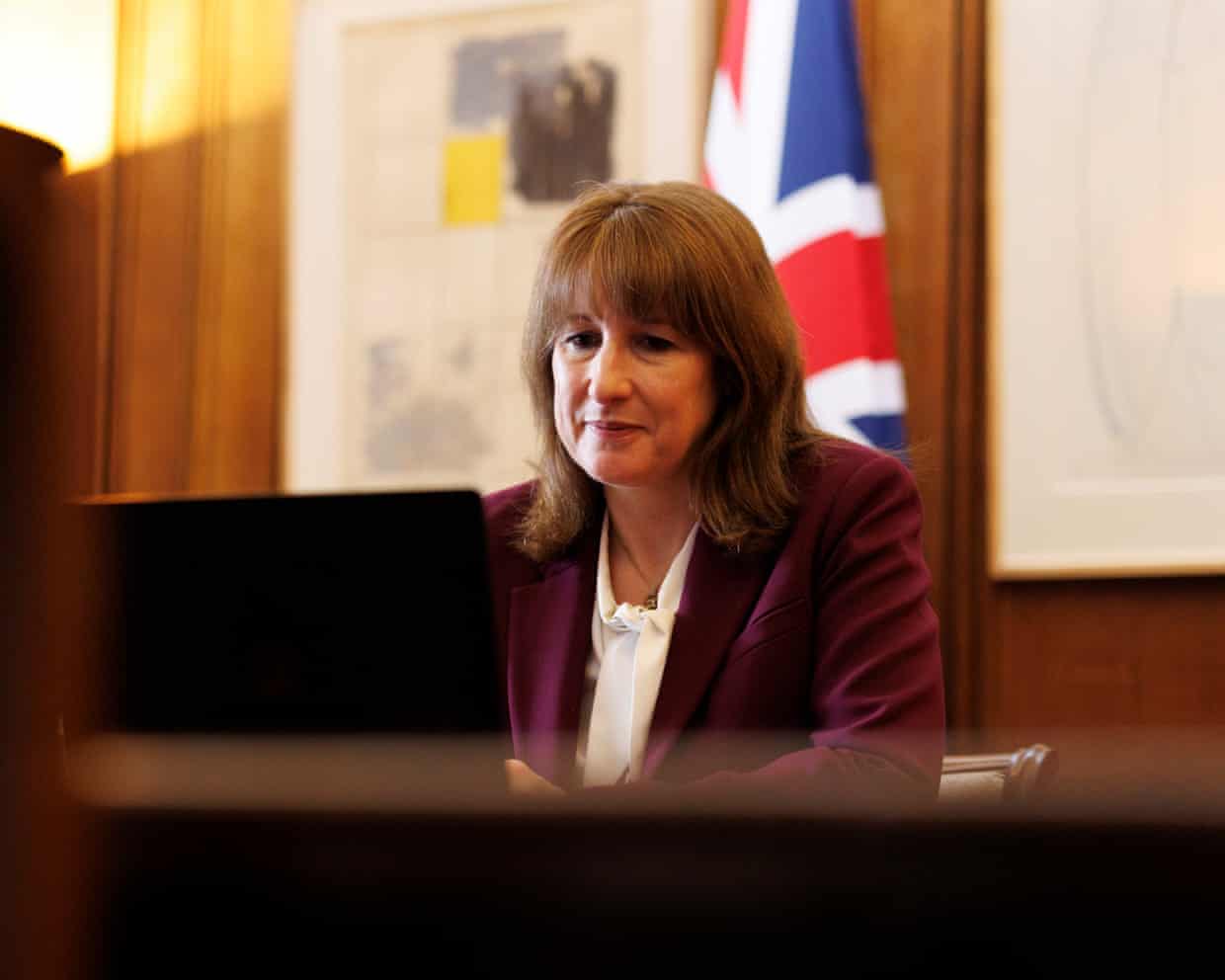
Britain is likely to be hit by rising inflation because of the US war with Iran, the chancellor has said, as she suggested a “rapid de-escalation” would be the best protection against a jump in energy prices.Rachel Reeves stopped short of setting out any new relief for people who could be hit by rising prices, rebuffing calls to ditch a planned 5p rise in fuel duty in September.The Conservatives plan to force a Commons vote on Tuesday over the rise, but Reeves said the competition watchdog had been ordered to keep a close eye on fuel pump prices and domestic heating oil costs to prevent wartime profiteering.Both the chancellor and the prime minister, Keir Starmer, suggested the government could be prepared to intervene to protect UK households against major cost-of-living shocks to come at the next energy price cap, as oil prices surged past $100 (£75) a barrel for the first time since 2022.Late on Monday night, however, the price for Brent crude, the international benchmark, fell back to below $90 (£70) from a high earlier in the day of $119
Gerry Adams ‘as culpable as those who planted IRA bombs’, high court hears
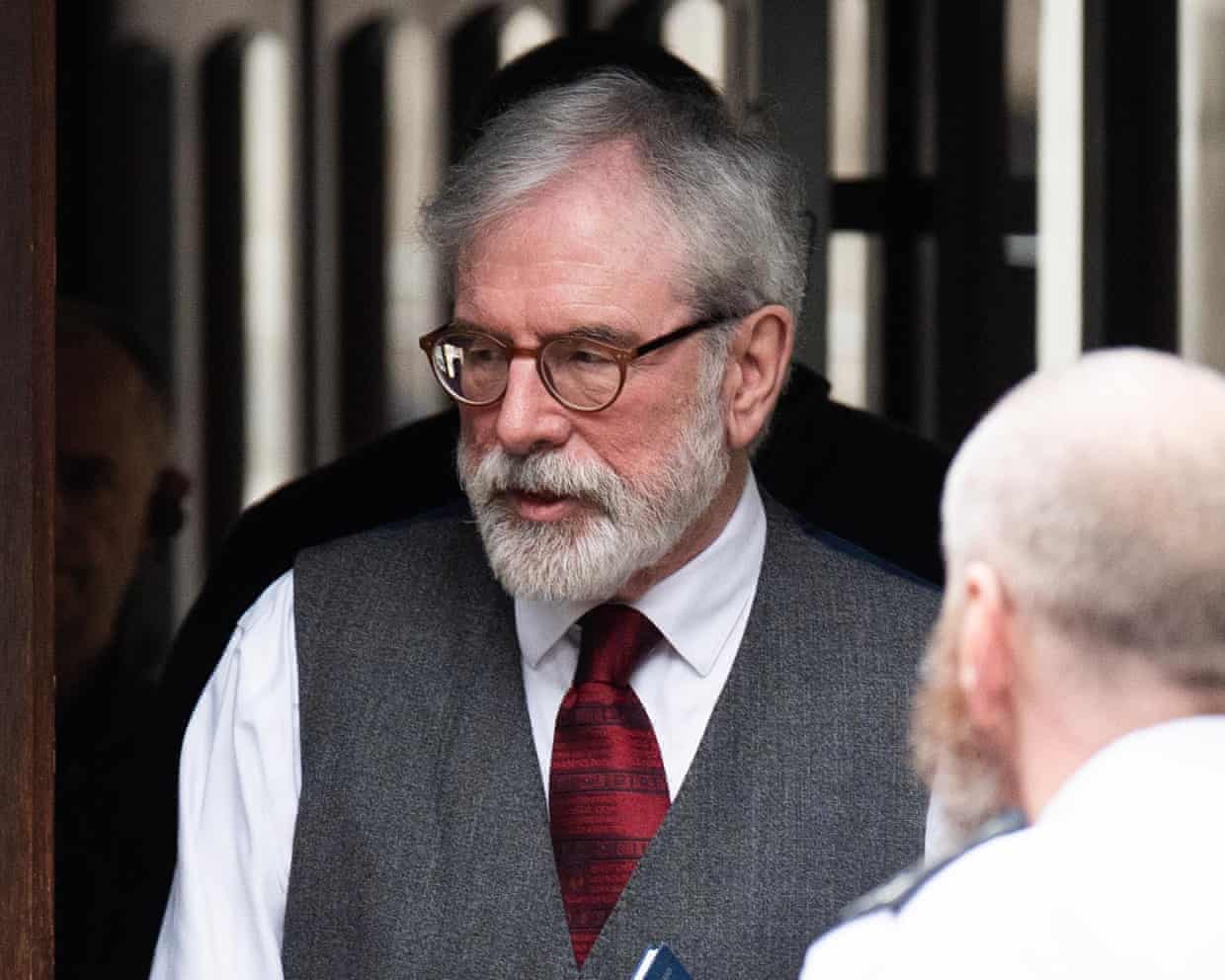
Gerry Adams is as culpable for IRA bombings on the UK mainland as the individuals who planted and detonated the devices, the high court has heard at the beginning of a civil trial.The former Sinn Féin leader is being sued for symbolic “vindicatory” damages of £1 each by John Clark, Jonathan Ganesh and Barry Laycock, who were injured respectively in the 1973 Old Bailey bombing, and the London Docklands and Manchester bombings in 1996.They allege that Adams, who is credited with helping to bring about the Northern Ireland peace process, “was an instrumental force in the organisation of the PIRA [provisional IRA] and building of the two-strand attack – ArmaLite and the ballot box. A foot in each camp.”Opening the claimants’ case in London on Monday, Anne Studd KC, said in written submissions: “Their focus is to shine a light upon the involvement of the defendant in the PIRA in the course of that conflict and to prove on balance of probabilities that he [Adams] was so intrinsically involved in the PIRA organisation that he is as culpable for the assaults giving rise to these claims as the individuals who planted and detonated the bombs
Missing money, shipped chips and a 350,000% profit: key takeaways on AI ‘phantom investments’
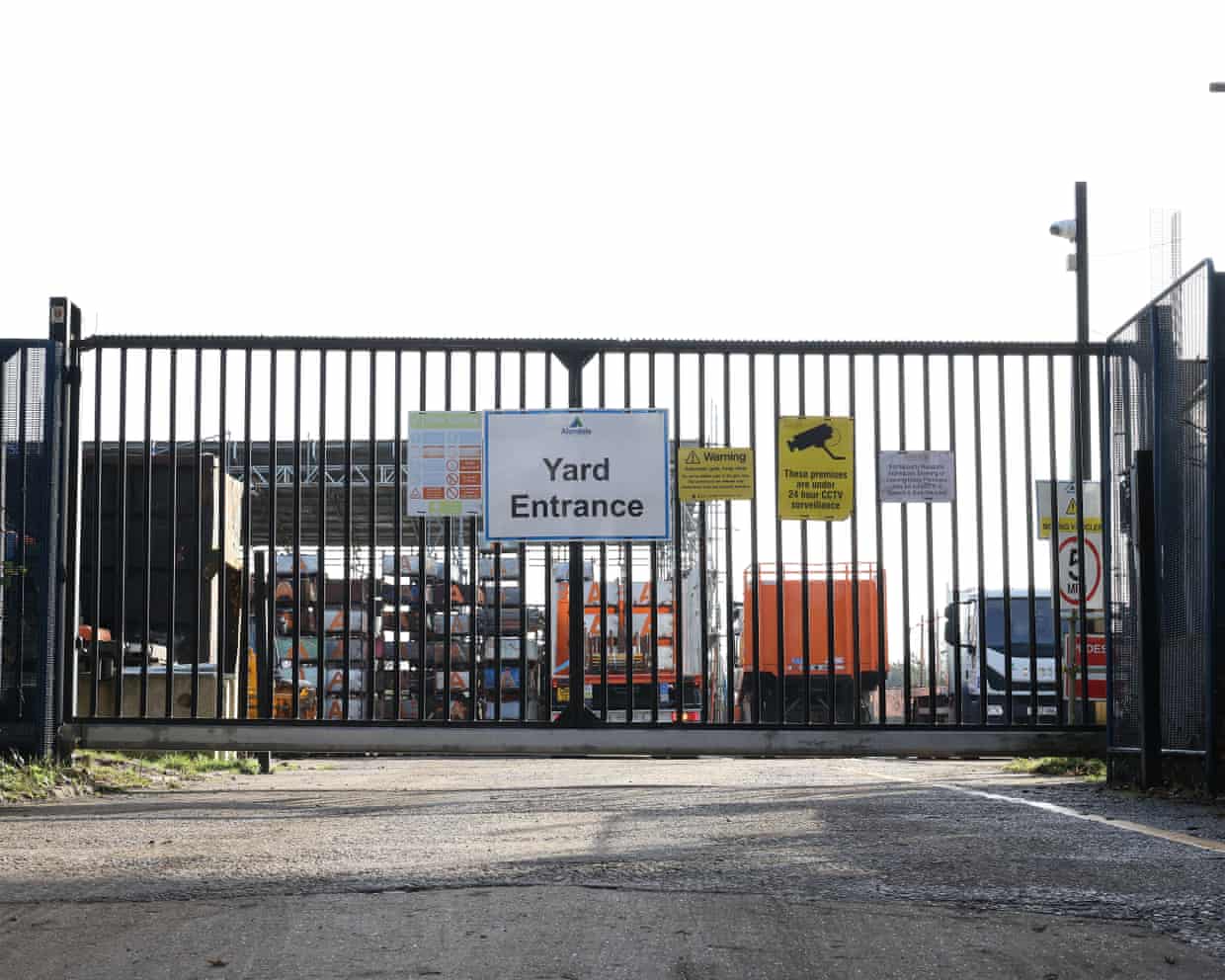
A Guardian investigation has examined a series of massive AI investments announced by the government over the past two years, comparing what was promised with what has so far been delivered.The investigation centres on two companies backed by the chipmaker Nvidia and central to the UK’s AI plans, Nscale and CoreWeave.It has found that large, promised sums do not represent real investments into the UK’s economy, that new datacentres are not in fact new, and that a giant supercomputer set to be online later this year is still being used by a construction company in Essex.Here are some of the key details at a glance.The Guardian visited a site in Essex that is supposed to host “one of the most powerful AI computing centres ever built”, built by Nscale

Starmer warns of bigger impact on economy the longer Iran war continues - as it happened
Addressing the war in Iran, Keir Starmer acknowledged that the longer the conflict went on the greater the likely impact on the UK’s economy. The prime minister said:double quotation markThe job of government is obviously to get ahead, to look around the corner, to work with others, and the chancellor speaks to the governor of the Bank of England on a daily basis, with looking cross-departmental within government, assessing the risks, monitoring and talking to our international partners as well about what more we can do together to reduce the likely impact on people here and businesses here, of course.But it is important to acknowledge that that work is needed, because people will sense, you will sense I think, that the longer this goes on, the more likely the potential for an impact on our economy, impact into the lives and households of everybody and every business.And our job is to get ahead of that, to look around the corner, assess the risk, monitor the risks, and work with others in relation to that.The longer the US-Israel war with Iran continues, the more likely it is there will be economic damage in the UK, Keir Starmer warned as governments around the world braced for major disruption to energy supplies as a result of the escalating US-Israeli war with Iran

Lengthy US-Iran war would affect ‘lives and households of everybody’, says Starmer
Keir Starmer has said that a long-term US-Iran war would affect the “lives and households of everybody”, as the head of the AA advised motorists against making “non-essential” journeys.On Monday, oil prices surged past $100 (£75) a barrel for the first time since 2022, which will feed through to higher costs at petrol stations, and consumers will also be hit if energy costs push up inflation.Ministers are understood to be looking at ways to potentially mitigate the rising costs on energy bills – and are likely to come under pressure to cancel a planned 5p rise in fuel duty this autumn.Speaking as he launched the government’s community cohesion plan, Starmer said: “The job of government is obviously to get ahead, to look around the corner, to work with others, and the chancellor speaks to the governor of the Bank of England on a daily basis … assessing the risks, monitoring and talking to our international partners as well about what more we can do together to reduce the likely impact on people here and businesses here, of course.“But it is important to acknowledge that work is needed, because people will sense … that the longer this goes on, the more likely the potential for an impact on our economy, impact into the lives and households of everybody and every business
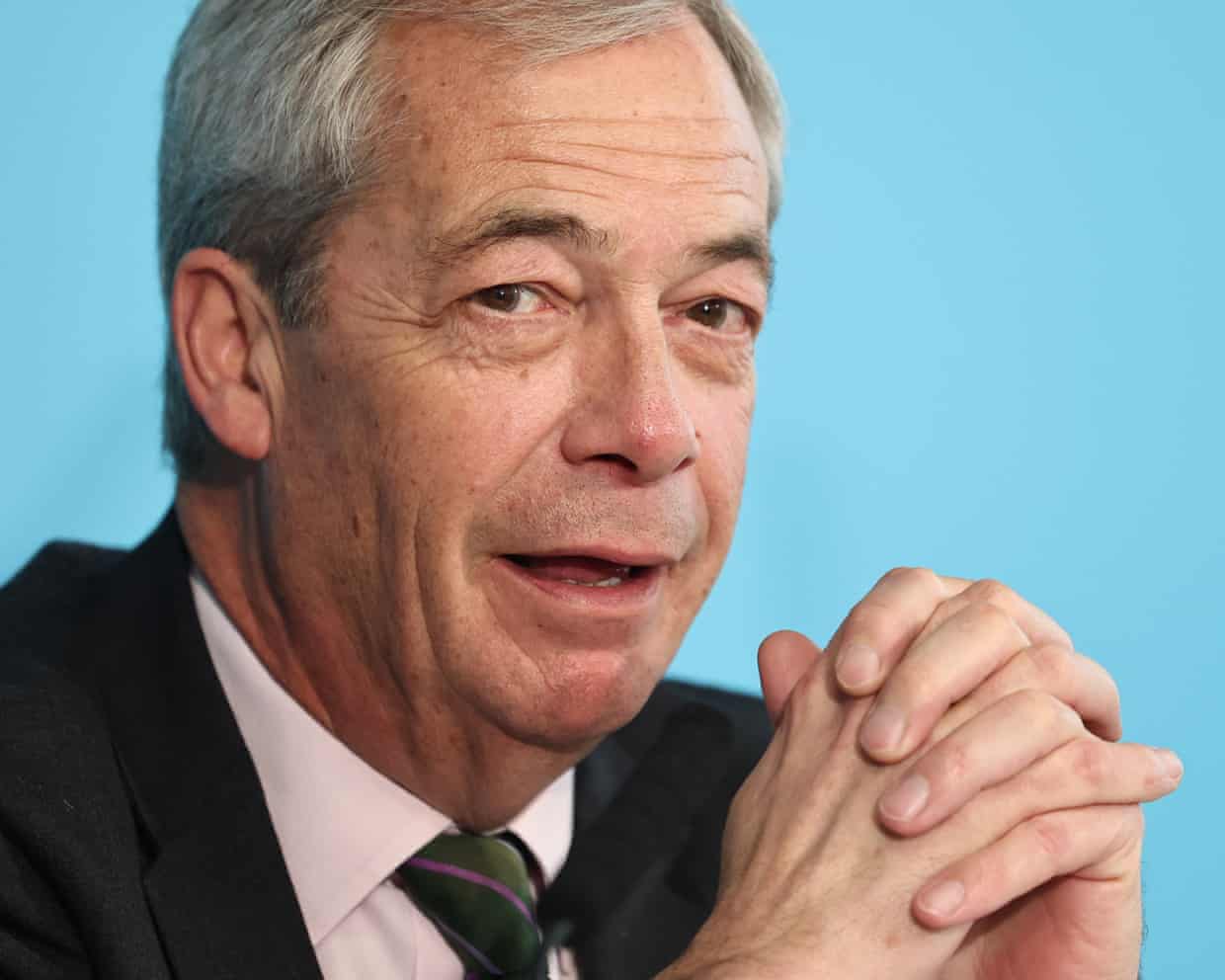
Nigel Farage invests £215,000 in Kwasi Kwarteng’s bitcoin firm
Nigel Farage has invested in Kwasi Kwarteng’s bitcoin reserves company, as the leader of Reform UK aligns himself closer with the cryptocurrency industry.The MP has invested £215,000 in Stack BTC, the crypto business that is chaired by the former Conservative chancellor.Farage, who has long courted the UK’s crypto sector, said he was delighted to have “become an investor in Stack” and “lend my support to the team”.“I have long been one of the UK’s few political advocates for bitcoin, recognising the role digital currencies will play in the future of business and finance,” he said in a statement. “I believe that we can and should be a major global hub for the crypto industry

Gambling crackdown in Romania as councils can ban ‘toxic’ betting shops

NHS England pauses new referrals for masculinising or feminising hormone treatment in under-18s

Labour to set up new extremism whistleblowing service for university staff
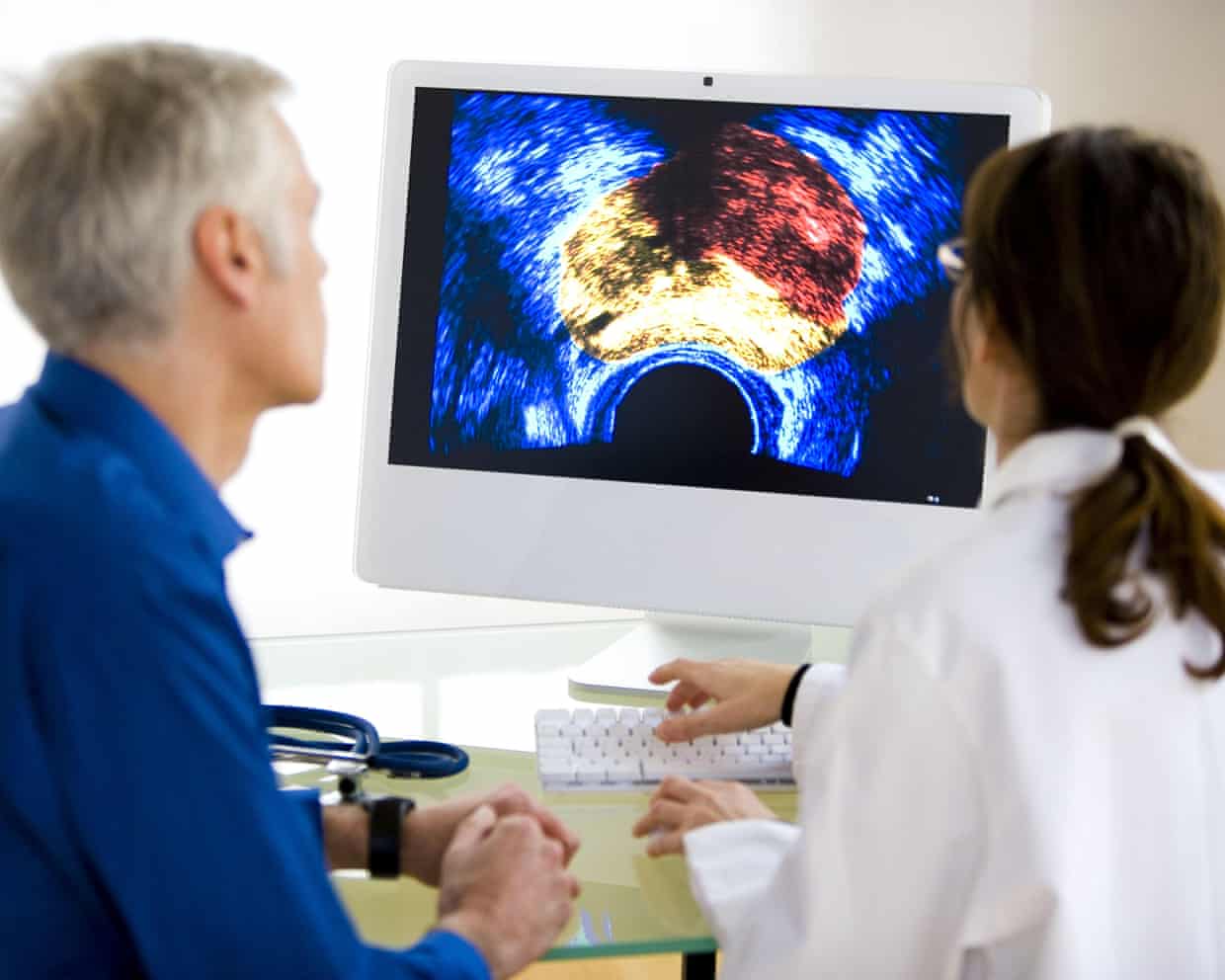
Cancer death rate in Britain down by almost a third since 1980s
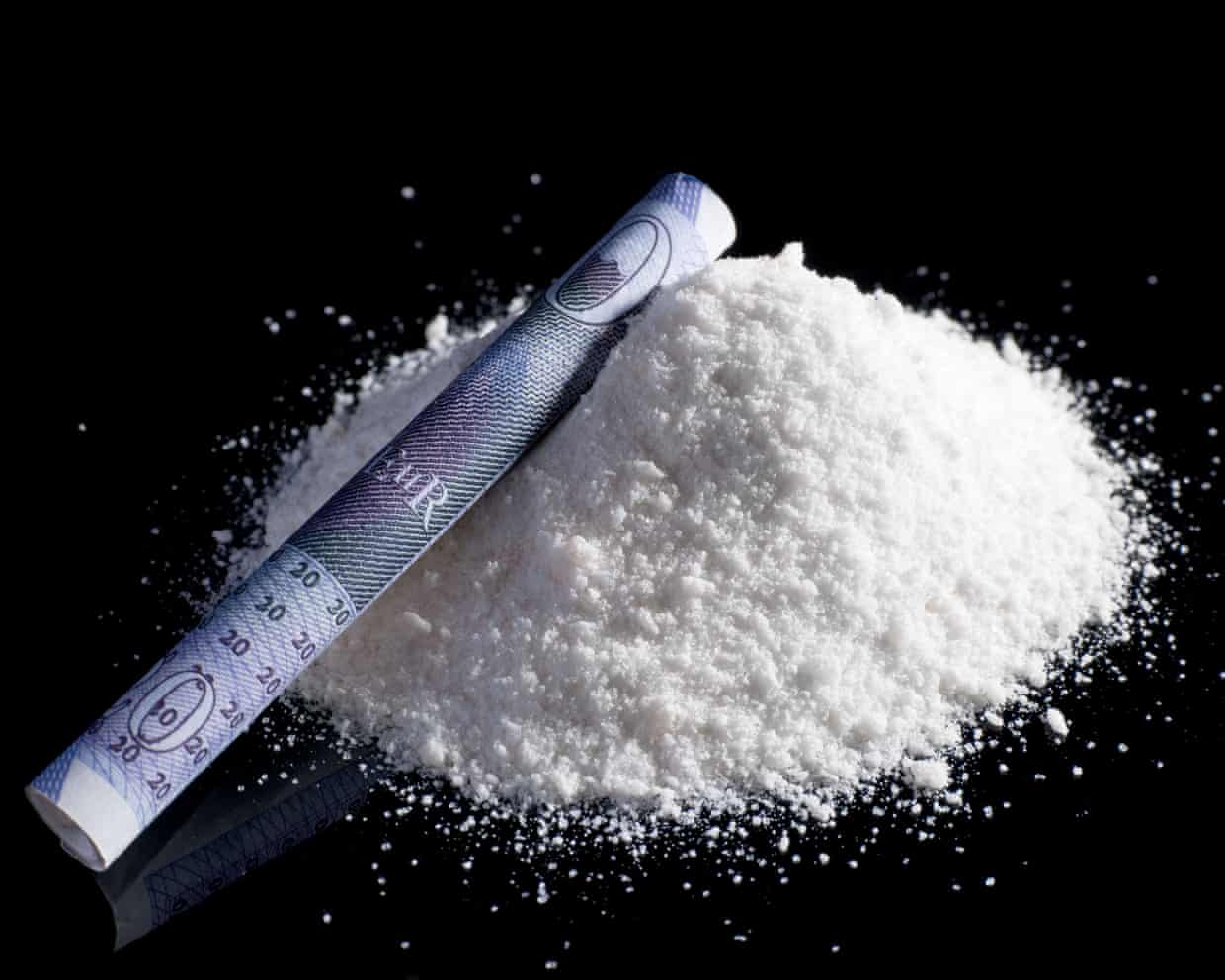
Recreational drugs can more than double risk of stroke, study suggests

Martha’s rule may have saved 400 lives so far in England, figures show