Inspirational success stories are great but is ADHD really a superpower for elite athletes? | Emma John
Kirsty Brown is a keen golfer.“If I could just transport myself straight to the first tee, that would be amazing,” she says.“But getting there on time, remembering all my kit, making sure I’ve eaten before I play – all those aspects are more challenging than competing itself.” Brown, who has attention deficit hyperactivity disorder (ADHD), admits that can be hard to explain to coaches or teammates.“It doesn’t necessarily make sense to them – it doesn’t really make sense to me either.
”A researcher at the University of Birmingham, Brown is studying neurodivergent athletes in sport.And while plenty of well-known sportspeople now talk openly about their ADHD diagnoses, no one truly knows the condition’s impact on participation or performance.“There’s not a huge amount of research yet,” Brown says.“We have some case studies but in terms of data, we’re not there.”What we do have plenty of are inspirational stories.
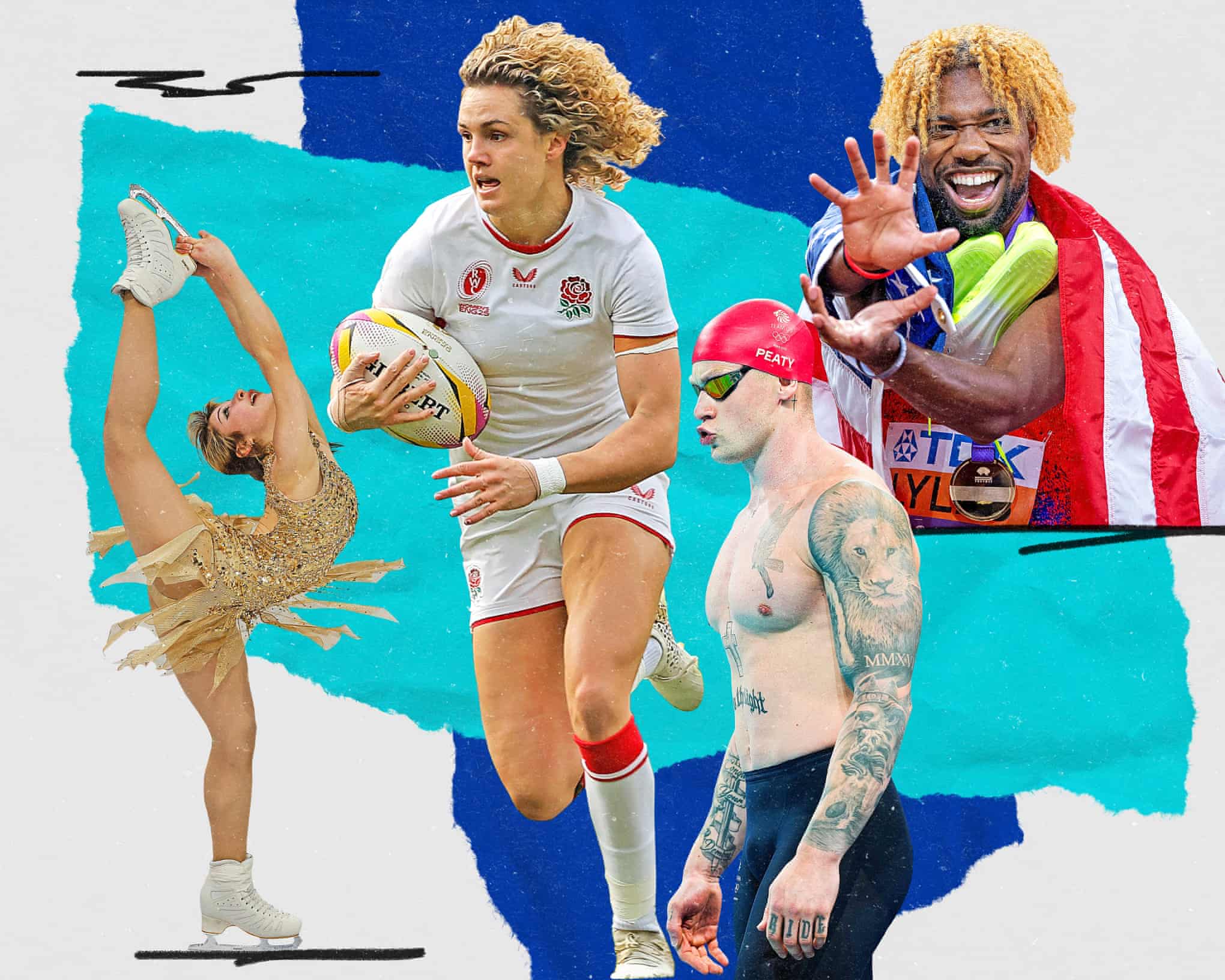
Take Adam Ramsay-Peaty, who has said ADHD contributes both to his “relentless drive” and more self-destructive impulses.This week the three-time Olympic champion made a sensational return to the pool in the British Swimming Championships, winning the 100m breaststroke with the second-best time in the world this year, and following it up with the 50m title the next day, in his first steps towards the LA Olympics.Extraordinary comebacks are nothing new for the man who stepped away from the sport entirely in 2023 to take a mental health break.Meanwhile, the Red Roses full-back Ellie Kildunne has been speaking about her own ADHD in the wake of England’s Six Nations win over Ireland.In her recently published book, Game Changer, she celebrates the understanding last year’s diagnosis has given her (“I like chaos; that’s just the way I’m wired”).
But she also spoke, this week, of the eating disorder she developed during Covid, and how it was probably linked to her condition.It’s important to recognise both sides of the coin, because the more we hear elite athletes speak about their ADHD, the greater our inclination to regard it as some sort of shared characteristic for success.Some athletes, Kildunne included, have dubbed it a superpower, because of the “hyperfocus” their condition can give them – the ability to lose themselves entirely, whether in training or competition, to the exclusion of all else.Those who have notably harnessed that power include the most decorated Olympian of all time, Michael Phelps, and the current fastest man in the world, Noah Lyles.Meanwhile, a 2019 study in the British Medical Journal suggested that ADHD may be over-indexed in elite sport after data from Major League Baseball players and college athletes suggest that about 8% had ADHD compared with 5% across all US adults.
“The symptoms and characteristics of ADHD play a role in athletes’ choice of a sport career and further achieving elite status,” concluded the authors.Which is an exciting perspective, but also a narrow one.For many the condition (combined with the more general lack of understanding of it) will remain an obstacle.The developmental psychologist Dr Kasia Kostyrka-Allchorne, whose research includes sports participation and ADHD, points to a paradox between the possible overrepresentation with ADHD in elite sport alongside underrepresentation recreationally.“It can give people that drive and hyperfocus,” says Kostyrka-Allchorne.
“But it’s also about having the right environment, which is something Adam Peaty talked about, how his coach would take him to sessions.”Neurodivergence of all kinds can make it hard to fit into more traditional coaching structures.Benny Howell, a cricketer who has built a career in the Twenty20 franchise leagues, has spoken about how his ADHD took him down creative paths that meant he didn’t fit into the usual playing roles.His differences elicited “constant pushback” and ridicule in cricketing environments.And it doesn’t help that one of the more crippling elements of ADHD can be a sensitivity to perceived rejection, making dressing rooms – naturally hierarchical, cliquey, laden with the possibility of failure – especially off-putting.
Brown – who grew up playing cricket for her county, and now plays county golf – is well aware of how the condition affects not just herself but how she’s seen.Her brain processes information quickly, meaning she moves fast around the course and doesn’t approach it with the familiar, methodical routines of checking distances and lining up shots.“It does look like I’m not concentrating,” she says.Masking behaviours – such as copying social cues to fit in – are especially common in women with ADHD.Now Brown finds herself on the greens too, crouching down before she takes a putt and resting her chin on her golf club “because it makes me look like I’m trying harder”.
She and her fellow experts are heartened to see big-name sportspeople providing aspirational role models for those with ADHD.But they also note that it’s often only when athletes have already made it to the top that they feel comfortable talking about that part of their life.A mainstream framing of the condition as a superpower can be invalidating for those who are struggling with their own difference.“It’s like, ‘You don’t know how much effort it took me to get out the door,’” says Brown.“We know there’s a massive link between neurodiversity and mental illness, so we want to be making sports safer rather than exacerbating that risk.
”At this year’s Winter Olympics, two of the gold-winning US women’s skating team spoke about how their ADHD had affected them at the Games.Alysa Liu (who also took the singles title) said it helped her to think on her feet; Amber Glenn said it plagued her with impulsive thoughts before she competed.It’s that breadth of experience which makes it so important for the condition to be better understood, whether by researchers, coaches or teammates.“People want to know how prevalent ADHD is in athletes, but that’s not really the point,” says Brown.“The main question for me is, how do we support them?”
How to turn old bread into a brilliant Italian cake – recipe | Waste not
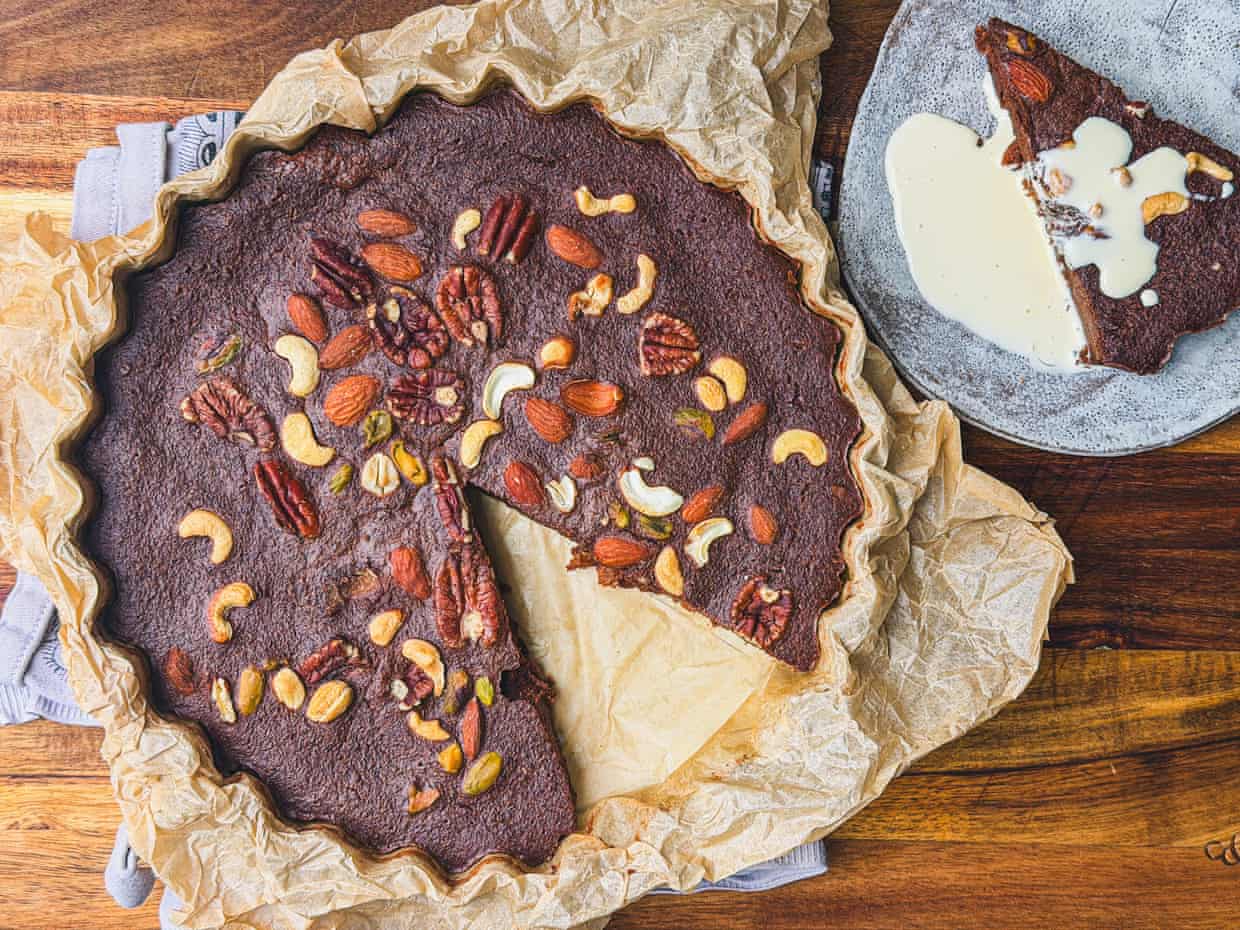
Old sourdough is my secret ingredient. To stop it going mouldy, I take it out of any plastic packaging and keep it in the bread bin with plenty of airflow around it – that way, it will dry out slowly, rather than turning mouldy. Any odds and ends, meanwhile, I store in a cloth bag to use in various dishes, from pangrattato (or poor man’s parmesan) to strata, a savoury bread-and-butter pudding.My new favourite recipe discovery for using up stale bread is today’s torta paesana, or village cake, from Lombardy. The best way I can come up with to describe it is that it’s a bit like a firm baked custard
Roast chicken, cheesy scones and a genius cocktail: Ravinder Bhogal’s recipes for cooking with lime pickle
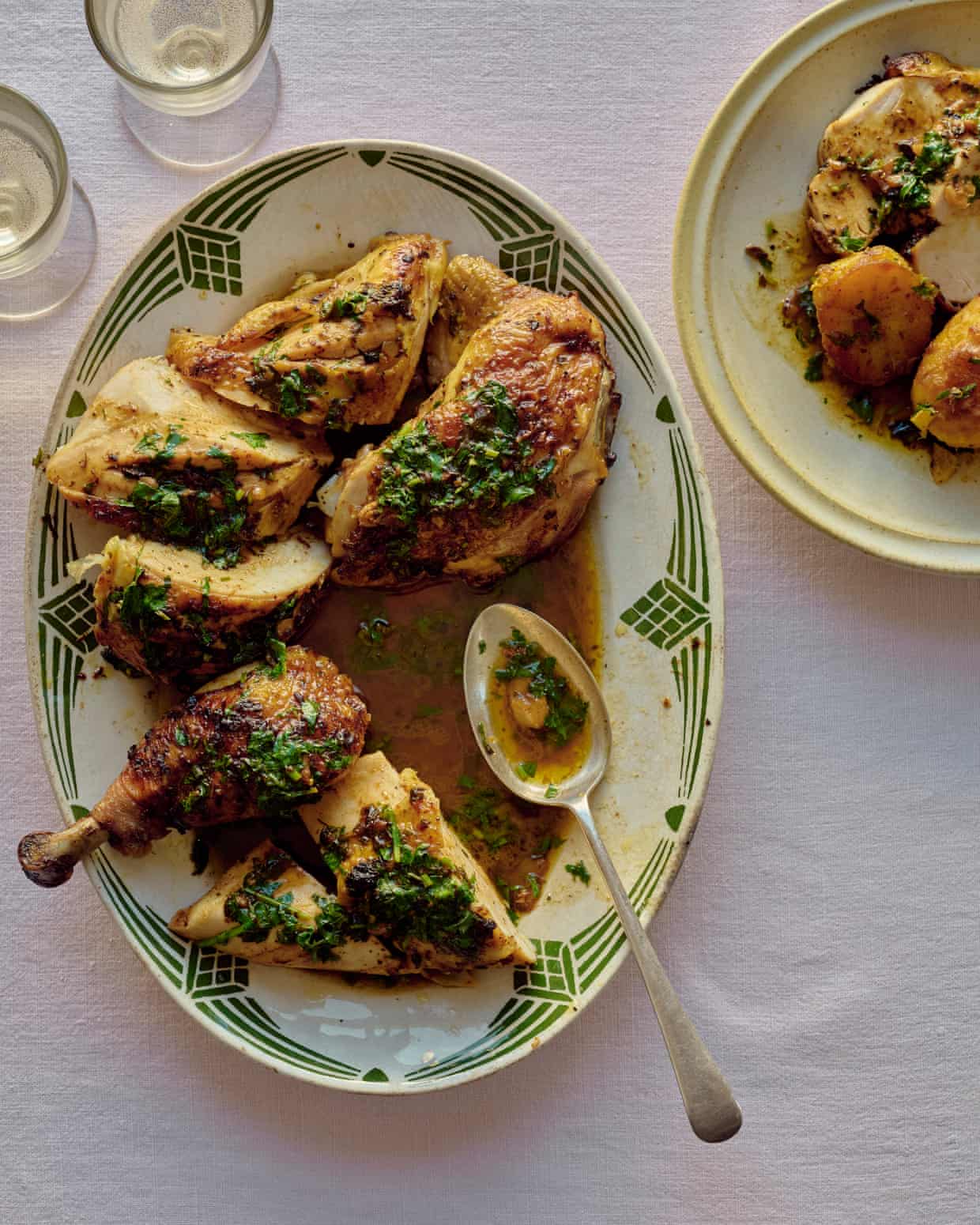
I’m obsessed with lime pickle. It’s savoury, sour, funky, spicy and full of bold personality that enlivens anything it’s smeared on. It’s made by salting and fermenting limes with chillies and spices for a fierce, flavour-packed condiment that’s traditionally eaten as a side to poppadoms or with simple dal and rice. Over the years, I have also folded it into grilled cheese toasties, marinades for fat prawns to barbecue in the summer or made compound butters with it to smother over sweet potatoes before roasting. It’s an instant flavour bomb and my pantry is never without a jar

Vegemite is recognised globally – but how many people know Milo was invented in Australia?
The chocolate malt powder is sold in more than 40 countries, and Australian cafe owners say there’s ‘jingoistic pride’ in serving it on their menusGet our weekend culture and lifestyle emailWhen I order the jumbo-sized Milo Godzilla at Ho Jiak in Sydney’s Haymarket, it arrives as advertised – it’s comically large. The Malaysian restaurant prepares the drink by swirling Milo powder with hot water, adding sweet drizzles of condensed milk then chilling the mix with ice. Scoops of ice-cream are added and extra choc-malt powder is showered on top. Served in a one-litre jug, it’s so big I can’t finish it solo: staff hand me three takeaway cups to transport the leftovers.Like many beloved Milo drinks, the Godzilla is native to south-east Asia
What can I do with leftover rice? | Kitchen aide
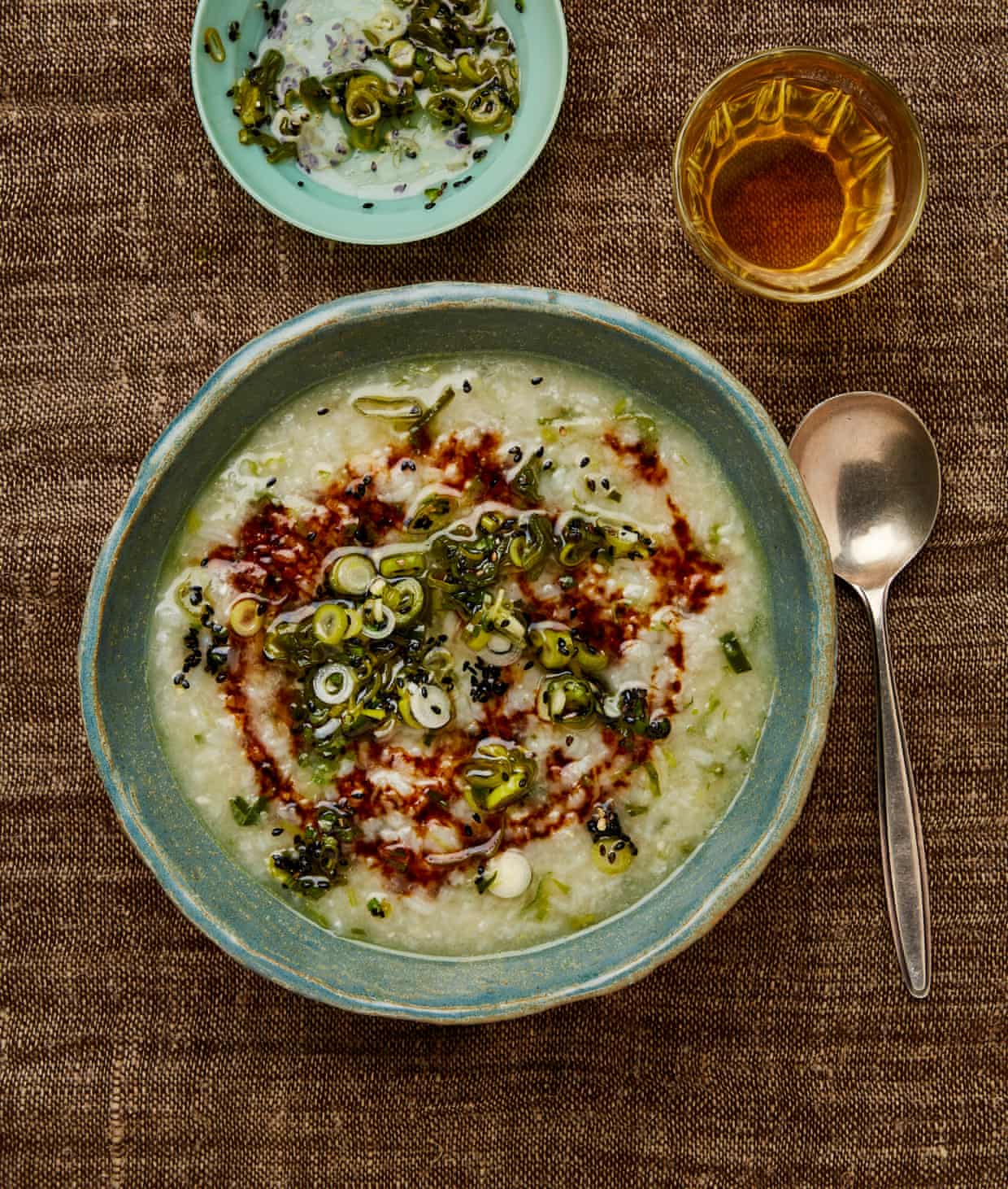
How do I store cooked rice safely, and what can I make with it the next day?Michael, by email“It’s a bit of a running joke with rice, because I think of all the people in China who aren’t spreading their leftover rice immediately on to a tray to cool and are still alive,” says Amy Poon, of Poon’s at Somerset House in London. “But I have to be responsible and say: cool the rice as quickly as possible, within the hour, and put it in an airtight container and pop it in the fridge [or freezer] straight away.” The reason being, as food science guru Harold McGee notes in his bible On Food & Cooking, “Raw rice almost always carries dormant spores of the bacterium Bacillus cereus, which produces powerful gastrointestinal toxins. The spores can tolerate high temperatures, and some survive cooking.” In short: good storage practices will prevent bacterial growth, not to mention open a whole world of dinner opportunities
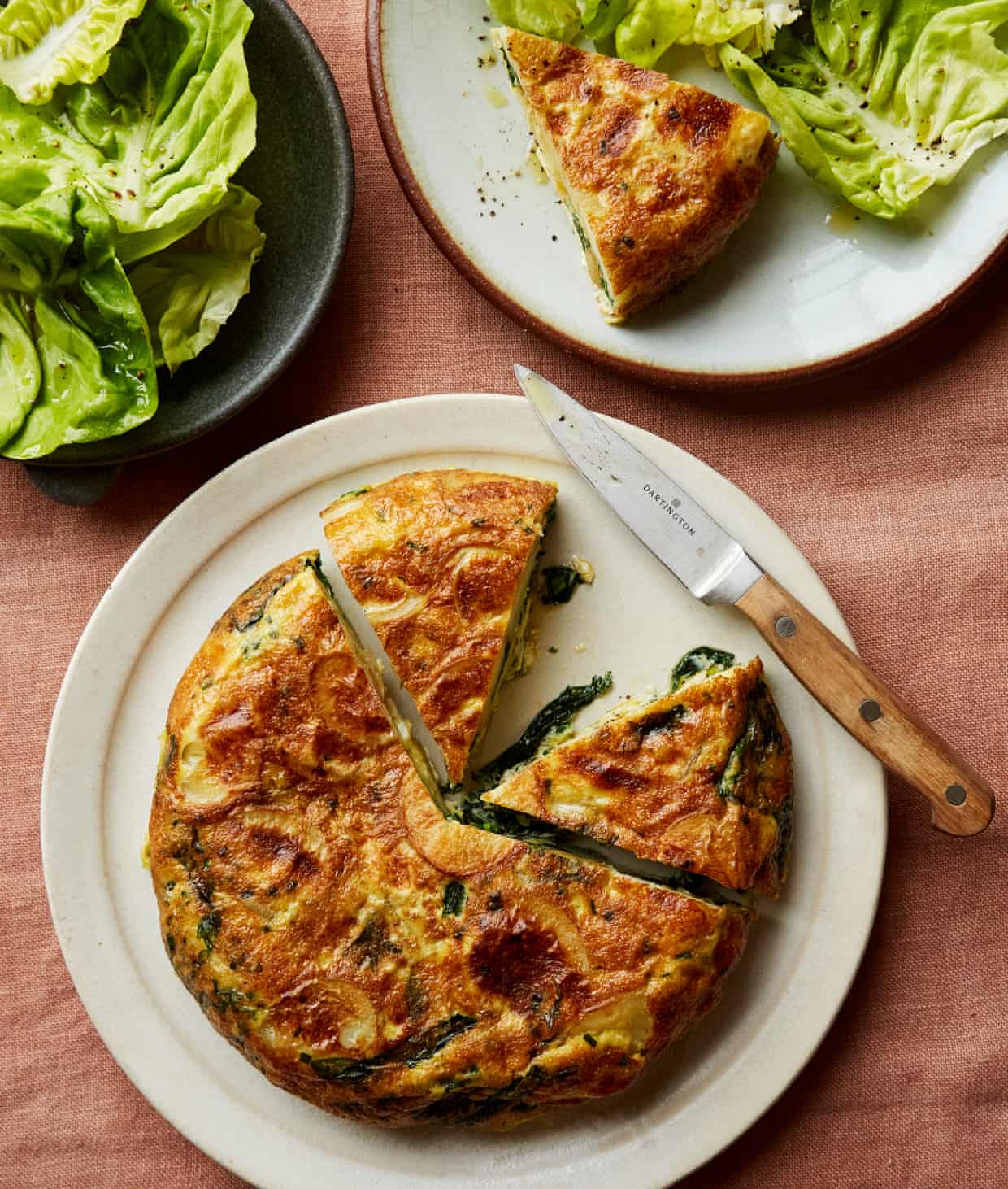
José Pizarro’s recipe for nettle (or wild garlic) and goat’s cheese tortilla
When I was growing up in the small village of Talaván in Extremadura, Spain, we never ate nettles. They were wild plants that grew along the edges of the fields, and the sort you tried to avoid: like many children, I learned about them the hard way, brushing against them while playing and getting stung. It was only when I came to the UK that I first saw nettles used in cooking, which surprised me: suddenly, this wild plant had a place in the kitchen. Now, whenever I visit my mum, Isabel, I see them everywhere. It makes me smile to think that at this year’s Spring Garden at the Chelsea flower show, I will be cooking among a world of magnificent plants and gardens
Gone from shop shelves, but not forgotten | Letters
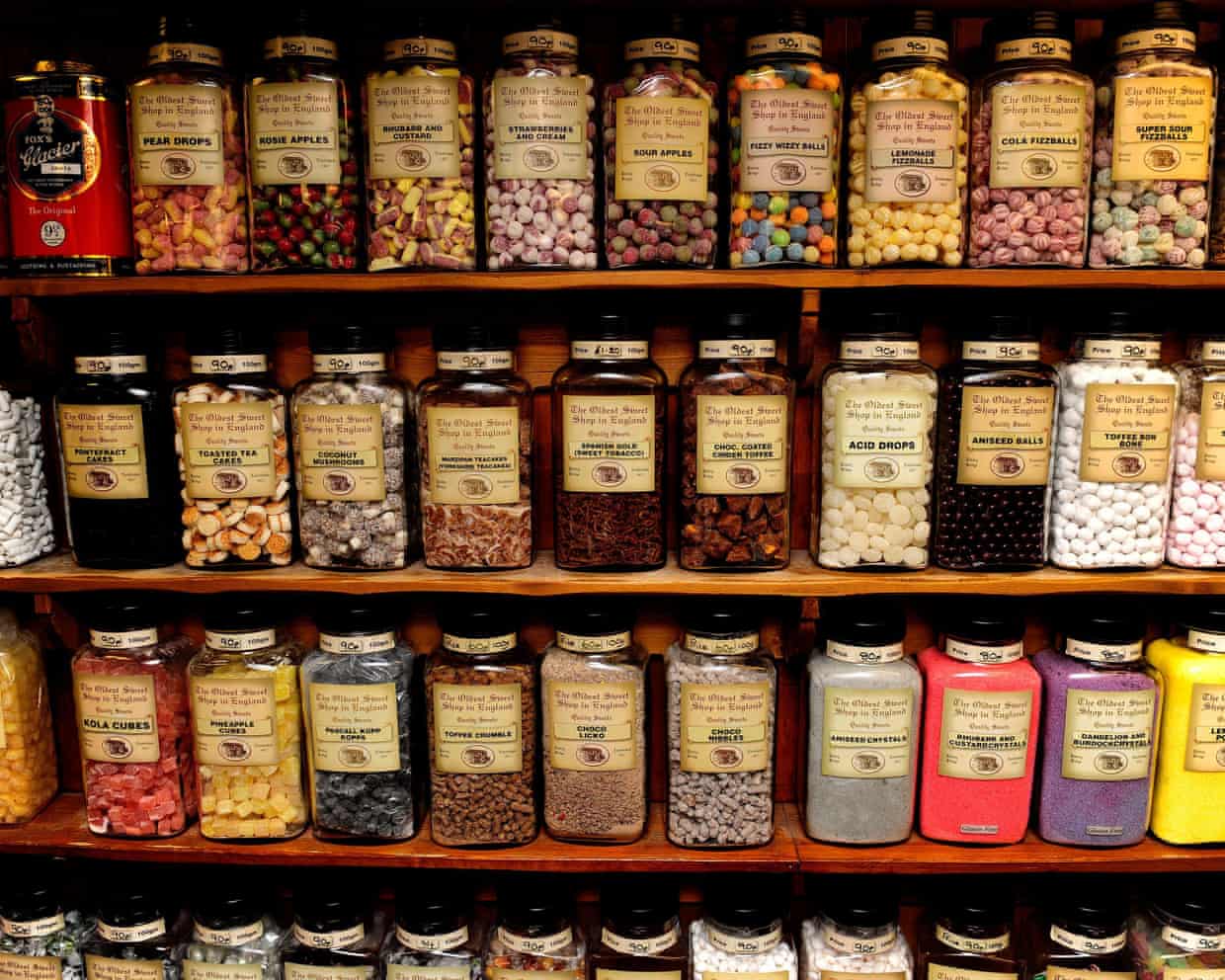
How lucky for Adrian Chiles that he didn’t live in the German Democratic Republic (Rose’s Lime Marmalade? Gone. Dark chocolate Bounty? No more. But what about their heartbroken fans?, 8 April). After reunification, there were street markets selling the last of products from the old days, and there was an exhibition in a national museum – memorably called “They’ve even taken our tomato ketchup” – lamenting the loss of many food products and other features of former times, such as children’s TV programmes.Derek JanesDuns, Scottish Borders Can Adrian Chiles tell me where to find Halls’ chocolate sour lemons? Maybe they stopped being made because they turned your tongue black, but they tasted great
People in north of England twice as likely to be killed in accidents as Londoners, report finds
Sexual harassment is rife on comedy circuit and women lack protections, MPs told

Strike is harming the NHS and dividing doctors | Letters

Why we washed our hands of Izal | Brief letters

Government’s 1.5m housebuilding target in England is suffering from subsidence | Nils Pratley

One year on: how landmark ruling on single-sex spaces has changed lives