Vegemite is recognised globally – but how many people know Milo was invented in Australia?
The chocolate malt powder is sold in more than 40 countries, and Australian cafe owners say there’s ‘jingoistic pride’ in serving it on their menusGet our weekend culture and lifestyle emailWhen I order the jumbo-sized Milo Godzilla at Ho Jiak in Sydney’s Haymarket, it arrives as advertised – it’s comically large.The Malaysian restaurant prepares the drink by swirling Milo powder with hot water, adding sweet drizzles of condensed milk then chilling the mix with ice.Scoops of ice-cream are added and extra choc-malt powder is showered on top.Served in a one-litre jug, it’s so big I can’t finish it solo: staff hand me three takeaway cups to transport the leftovers.Like many beloved Milo drinks, the Godzilla is native to south-east Asia.
Without ice-cream, it’s essentially a Milo Dinosaur: an iced Milo heavily sprinkled with more of the choc-malt grains and served everywhere from Malaysian market stalls to Indian-Muslim restaurants in Singapore,For Ho Jiak co-owner Junda Khoo, the Godzilla recalls the Milo Ais (iced Milo) of his Kuala Lumpur childhood,Following his move to Sydney at 16, he constantly argued with schoolmates that Milo originated in Malaysia,“Until I finally found out the truth and admitted defeat,” he says,Sydney’s Aileen Aguirre and Francis Dela Cruz had similar revelations.
They launched Adhika, their Filipino-inspired cafe, in September with Milo lattes on the menu,They were surprised the choc-malt powder was Australian, as crunching on Milo was a foundational Filipino childhood ritual,Milo is currently sold in more than 40 countries,Colombians enjoy it in a dessert called postre de Milo, Nigerians pronounce it “Me-lo” and think it’s weird you’d say otherwise, and Milo Dinosaurs originated in Malaysia (or Singapore, depending on who you ask),Lewis McDonald, who serves the choc-malt beverage at his Adelaide cafe Idle Hands, is struck by “the quiet colonialism of Milo, just insidiously inserting itself into local cultures”.
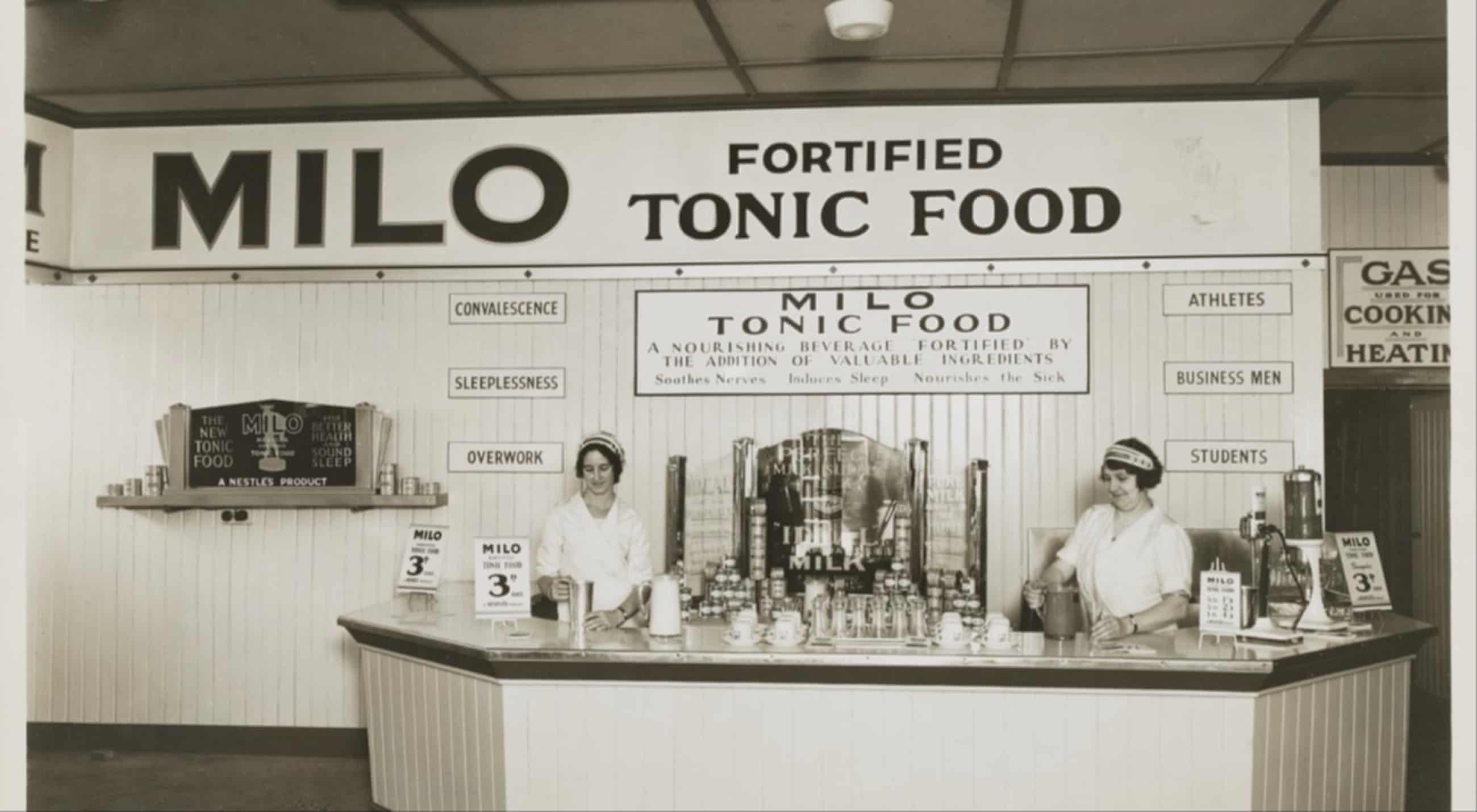
Now owned by Swiss-based multinational Nestlé, the powdered drink was invented in Smithtown on New South Wales’s mid-north coast, where it’s still produced for the local market, along with other Nestlé products,While Vegemite has a global reputation for being Australian, Milo doesn’t share this status,Even Nestlé had to be reminded of its origins,“The Swiss could not imagine an Australian invented it,” the drink’s inventor Thomas Mayne said on Milo’s 60th anniversary,The chemical engineer created the choc-malt powder in 1934 as a Depression-era health drink for kids; it debuted at Sydney’s Royal Easter Show as “Milo tonic food” that year.
It’s a stunning origin story, given Milo can be turned into cake with just milk and microwave beeps, according to a viral TikTok hack.Its basic formula contains powdered milk, malt barley, cocoa and sugar, and varies regionally – in Malaysia, it features palm oil, which according to Khoo, creates a sweeter, choc-heavy flavour.But the beverage began as an economical way for children to consume essential minerals and vitamins.“These days, we’re so worried about childhood obesity,” says Jan O’Connell, who runs the Australian Food Timeline website.“Whereas back in that era … they were trying to put weight on children.
”Sign up for the fun stuff with our rundown of must-reads, pop culture and tips for the weekend, every Saturday morningMilo’s powers extended to other age groups, apparently.A 1957 ad in Women’s Weekly claims the drink overcomes “frayed nerves, irritability and that ‘saggy’ feeling” that emerges in hot weather.“I mean, that’s a big ask for a handful of chocolate and malt, you know?” says O’Connell, laughing.Our understanding of health has also evolved from Milo’s launch during food-scarce times.“We’re in a completely different era,” says Dr Evangeline Mantzioris, program director of human nutrition at Adelaide University.
Milo can be helpful in certain contexts.“If it’s the only way you can get your child to drink milk, then that’s important, right?” says Mantzioris.But “consuming Milo is not going to make your diet more healthy”.Nestlé claims one glass offers 34% of your daily iron intake as well as beneficial amounts of protein, calcium and vitamin D – but that’s based on a drink made with three teaspoons of powder.Mantzioris has seen teenagers throw “half a cup of Milo” into their serve.
In 2016, consumer advocacy group Choice handed Nestlé a Shonky, an award reserved for questionable products.Choice noted Milo’s 4.5 star health rating was based on a serving with 200ml of skim milk, yet “only 13% of Australians actually drink Milo with skim milk” and the drink powder was “46% sugar”.Milo has since released a 30% less added sugar product, but disregarding health advice might be the beverage’s appeal.“My brother and I would sneak tablespoons … when Mum wasn’t watching,” says Melbourne pastry chef Kay-Lene Tan, who whipped up a reinvented Milo Dinosaur on the 2023 season of MasterChef’s Dessert Masters.
Khoo’s children also eat Milo straight from the tin.“I join them,” he says, laughing.When McDonald was younger, Milo was so “heavily policed” by his parents that crunching grainy scoops resembled “acts of minor rebellion”.At his cafe, he serves Milo with three heaped tablespoons with milk in a chilled 285ml beer glass – in contrast to the two-teaspoon maximum he endured as a kid.There’s “jingoistic pride” in offering it, he says.
Though the powder has appeared on a commemorative $1 coin in Australia, it strangely doesn’t share Vegemite’s spotlight.Australian celebrities, such as Hugh Jackman, Margot Robbie and Jacob Elordi, often act as voluntary ambassadors for the salty spread on global press tours.“Vegemite needs advocates … to say, ‘Actually, it’s good – you’re just doing it wrong,’” says McDonald.Newcomers don’t require conversion to appreciate Milo.
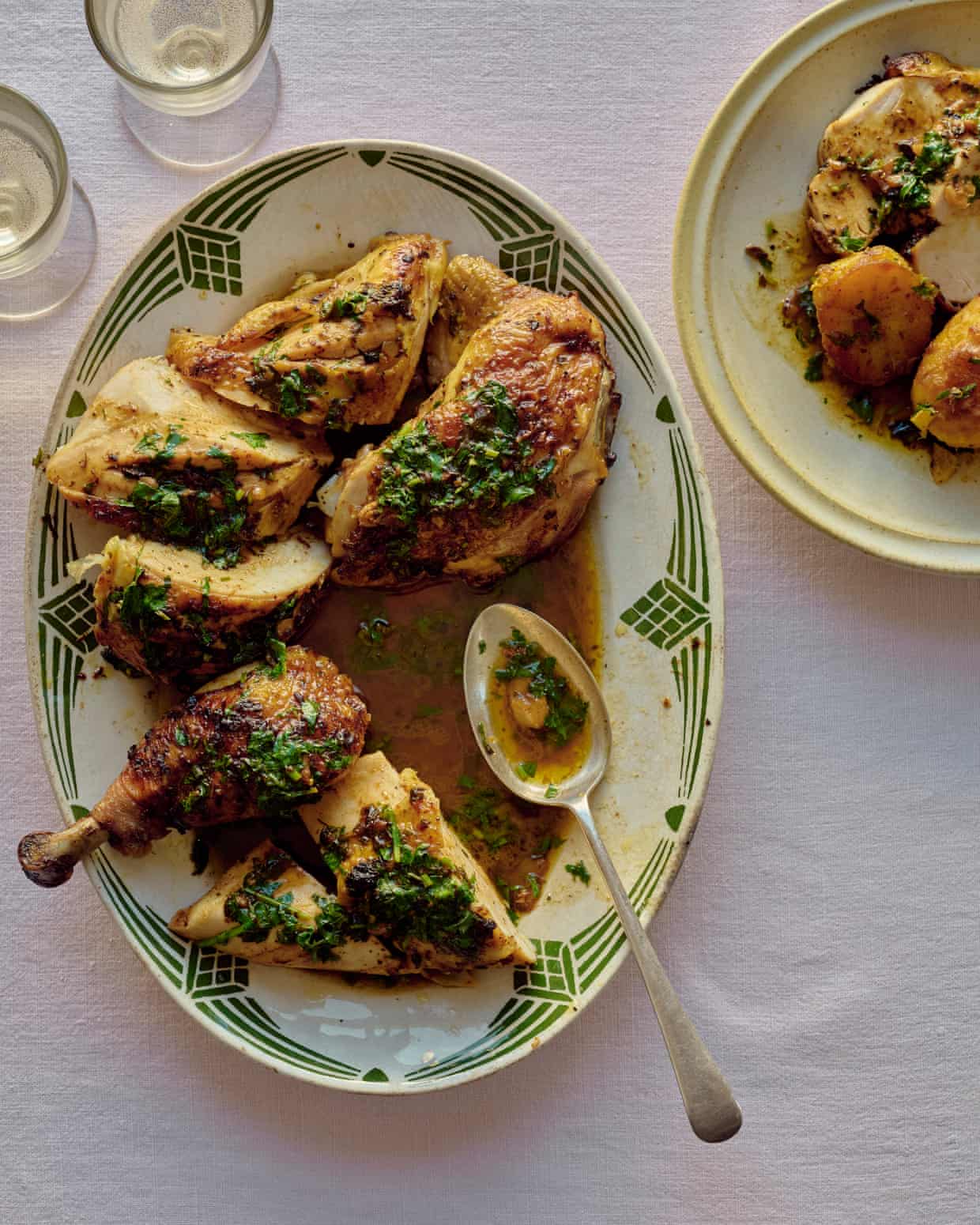
Roast chicken, cheesy scones and a genius cocktail: Ravinder Bhogal’s recipes for cooking with lime pickle
I’m obsessed with lime pickle. It’s savoury, sour, funky, spicy and full of bold personality that enlivens anything it’s smeared on. It’s made by salting and fermenting limes with chillies and spices for a fierce, flavour-packed condiment that’s traditionally eaten as a side to poppadoms or with simple dal and rice. Over the years, I have also folded it into grilled cheese toasties, marinades for fat prawns to barbecue in the summer or made compound butters with it to smother over sweet potatoes before roasting. It’s an instant flavour bomb and my pantry is never without a jar
Vegemite is recognised globally – but how many people know Milo was invented in Australia?
The chocolate malt powder is sold in more than 40 countries, and Australian cafe owners say there’s ‘jingoistic pride’ in serving it on their menusGet our weekend culture and lifestyle emailWhen I order the jumbo-sized Milo Godzilla at Ho Jiak in Sydney’s Haymarket, it arrives as advertised – it’s comically large. The Malaysian restaurant prepares the drink by swirling Milo powder with hot water, adding sweet drizzles of condensed milk then chilling the mix with ice. Scoops of ice-cream are added and extra choc-malt powder is showered on top. Served in a one-litre jug, it’s so big I can’t finish it solo: staff hand me three takeaway cups to transport the leftovers.Like many beloved Milo drinks, the Godzilla is native to south-east Asia
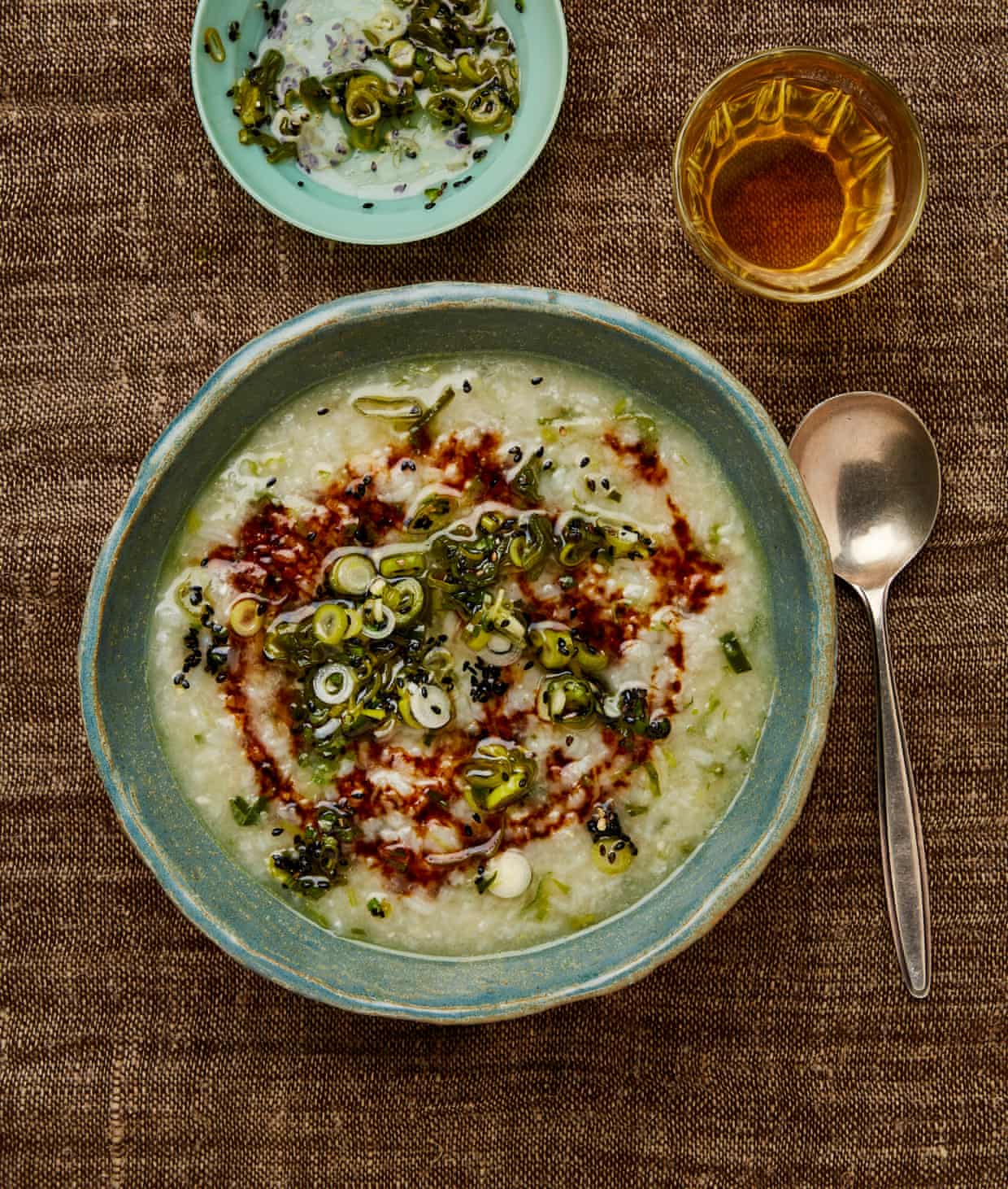
What can I do with leftover rice? | Kitchen aide
How do I store cooked rice safely, and what can I make with it the next day?Michael, by email“It’s a bit of a running joke with rice, because I think of all the people in China who aren’t spreading their leftover rice immediately on to a tray to cool and are still alive,” says Amy Poon, of Poon’s at Somerset House in London. “But I have to be responsible and say: cool the rice as quickly as possible, within the hour, and put it in an airtight container and pop it in the fridge [or freezer] straight away.” The reason being, as food science guru Harold McGee notes in his bible On Food & Cooking, “Raw rice almost always carries dormant spores of the bacterium Bacillus cereus, which produces powerful gastrointestinal toxins. The spores can tolerate high temperatures, and some survive cooking.” In short: good storage practices will prevent bacterial growth, not to mention open a whole world of dinner opportunities
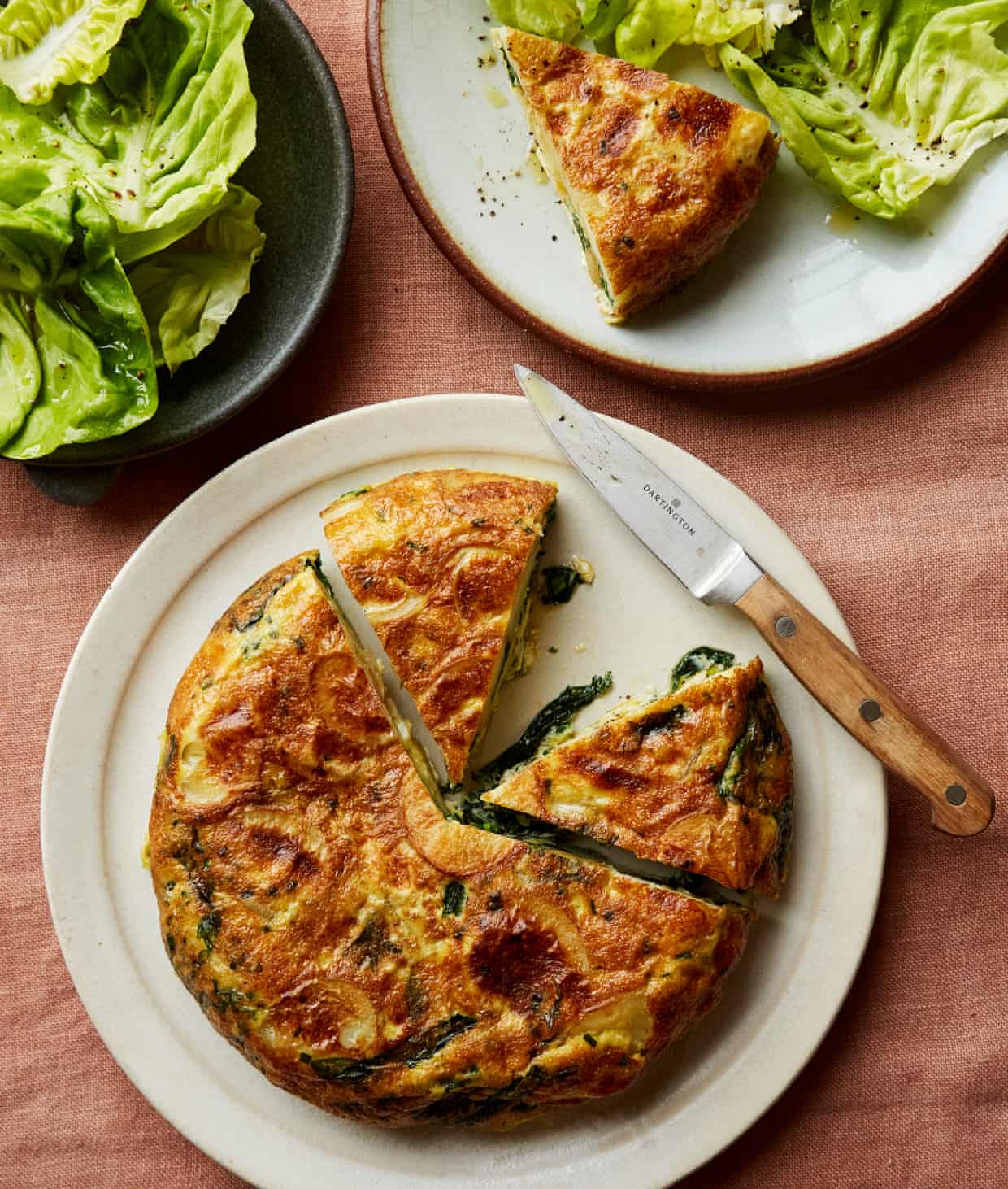
José Pizarro’s recipe for nettle (or wild garlic) and goat’s cheese tortilla
When I was growing up in the small village of Talaván in Extremadura, Spain, we never ate nettles. They were wild plants that grew along the edges of the fields, and the sort you tried to avoid: like many children, I learned about them the hard way, brushing against them while playing and getting stung. It was only when I came to the UK that I first saw nettles used in cooking, which surprised me: suddenly, this wild plant had a place in the kitchen. Now, whenever I visit my mum, Isabel, I see them everywhere. It makes me smile to think that at this year’s Spring Garden at the Chelsea flower show, I will be cooking among a world of magnificent plants and gardens
Gone from shop shelves, but not forgotten | Letters
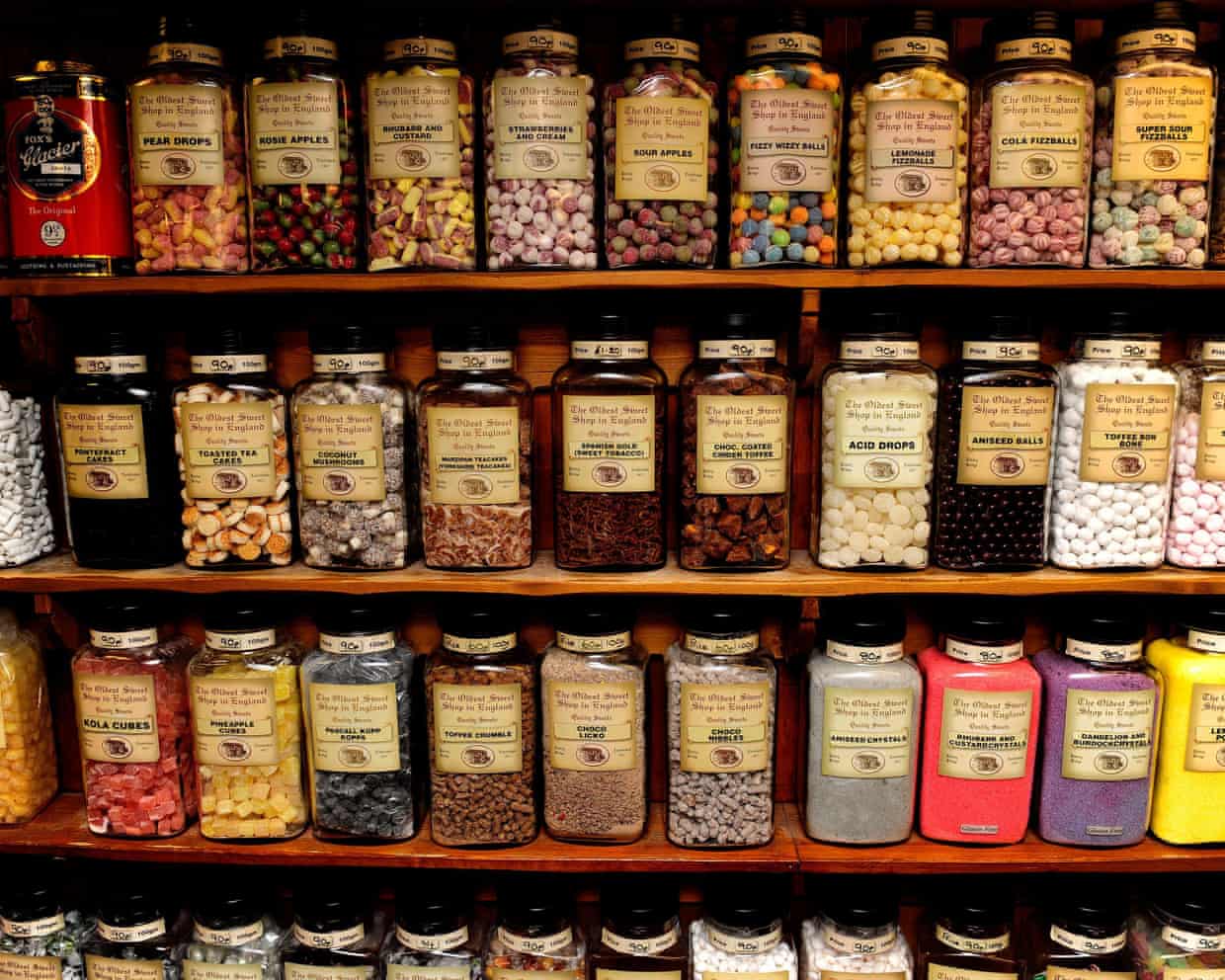
How lucky for Adrian Chiles that he didn’t live in the German Democratic Republic (Rose’s Lime Marmalade? Gone. Dark chocolate Bounty? No more. But what about their heartbroken fans?, 8 April). After reunification, there were street markets selling the last of products from the old days, and there was an exhibition in a national museum – memorably called “They’ve even taken our tomato ketchup” – lamenting the loss of many food products and other features of former times, such as children’s TV programmes.Derek JanesDuns, Scottish Borders Can Adrian Chiles tell me where to find Halls’ chocolate sour lemons? Maybe they stopped being made because they turned your tongue black, but they tasted great
Cornichon shortage leaves British sandwich shops in a pickle
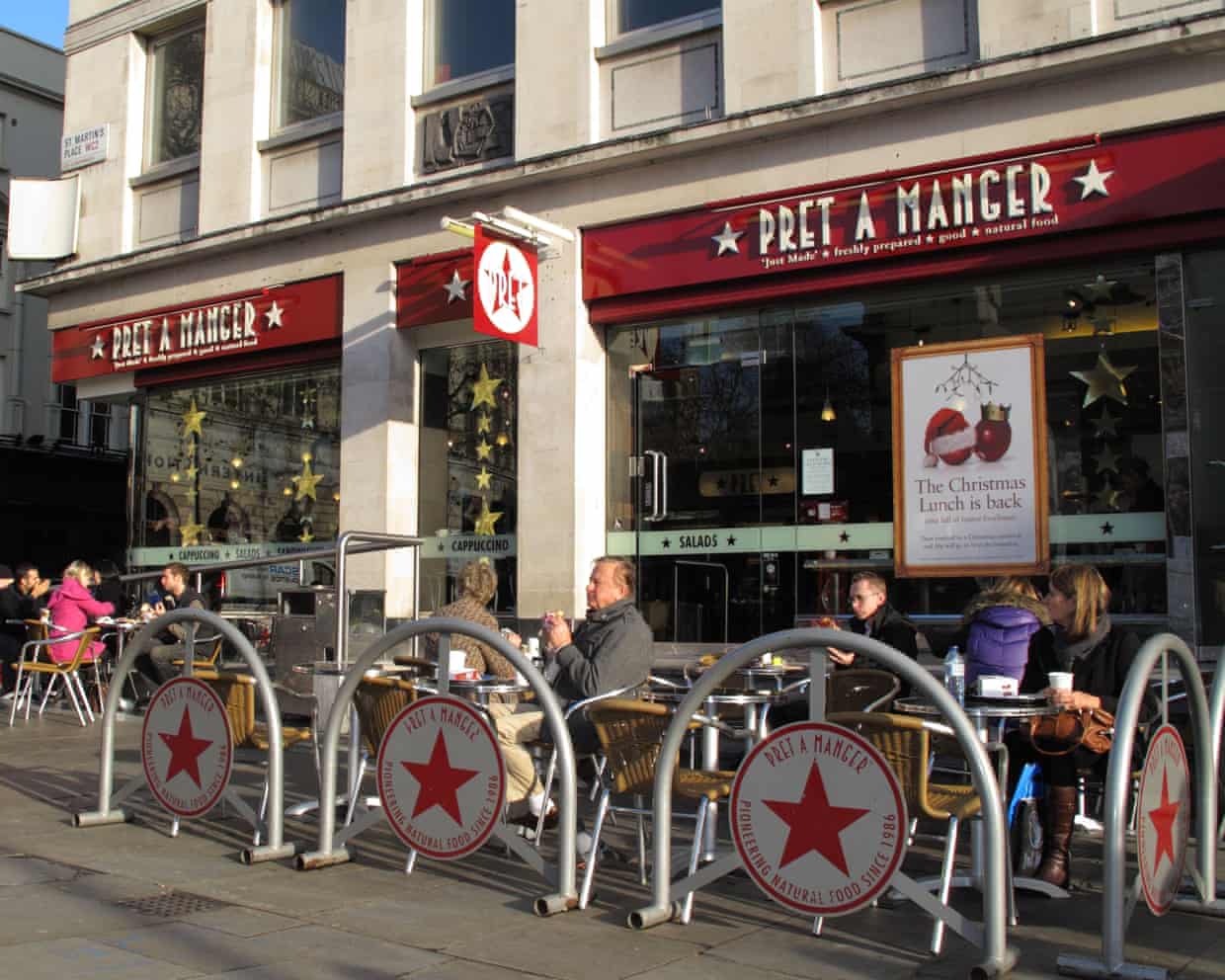
With their sharp flavour and crunch, pickled cucumbers are an essential component of any sandwich worth its salt.But an unexpected shortage of cornichons has caused consternation in sandwich shops across the country as cafes scramble to get their hands on jars of the small green pickles.A favourite sandwich of hungry office workers is the simple jambon beurre. A staple across the Channel, the French sandwich contains ham, a generous amount of butter, and, crucially, a sharp, crunchy cornichon to cut through the fat.Sandwich chain Pret a Manger brought it to popularity in the UK, and a jambon beurre retails for about £4 in its shops

Europe has only six weeks’ supply of jet fuel left owing to Iran war, says energy chief

Tesco warns profits could fall amid Iran war uncertainty

Snap Inc blames AI as it lays off 1,000 workers

Amazon enters agreements for nine Australian renewable projects to power datacentres

‘It was stressful’: inside Scotland women’s Rugby World Cup contract wrangle

Gossip around Azzi Fudd and Paige Bueckers’s relationship misreads the WNBA