One year on: how landmark ruling on single-sex spaces has changed lives
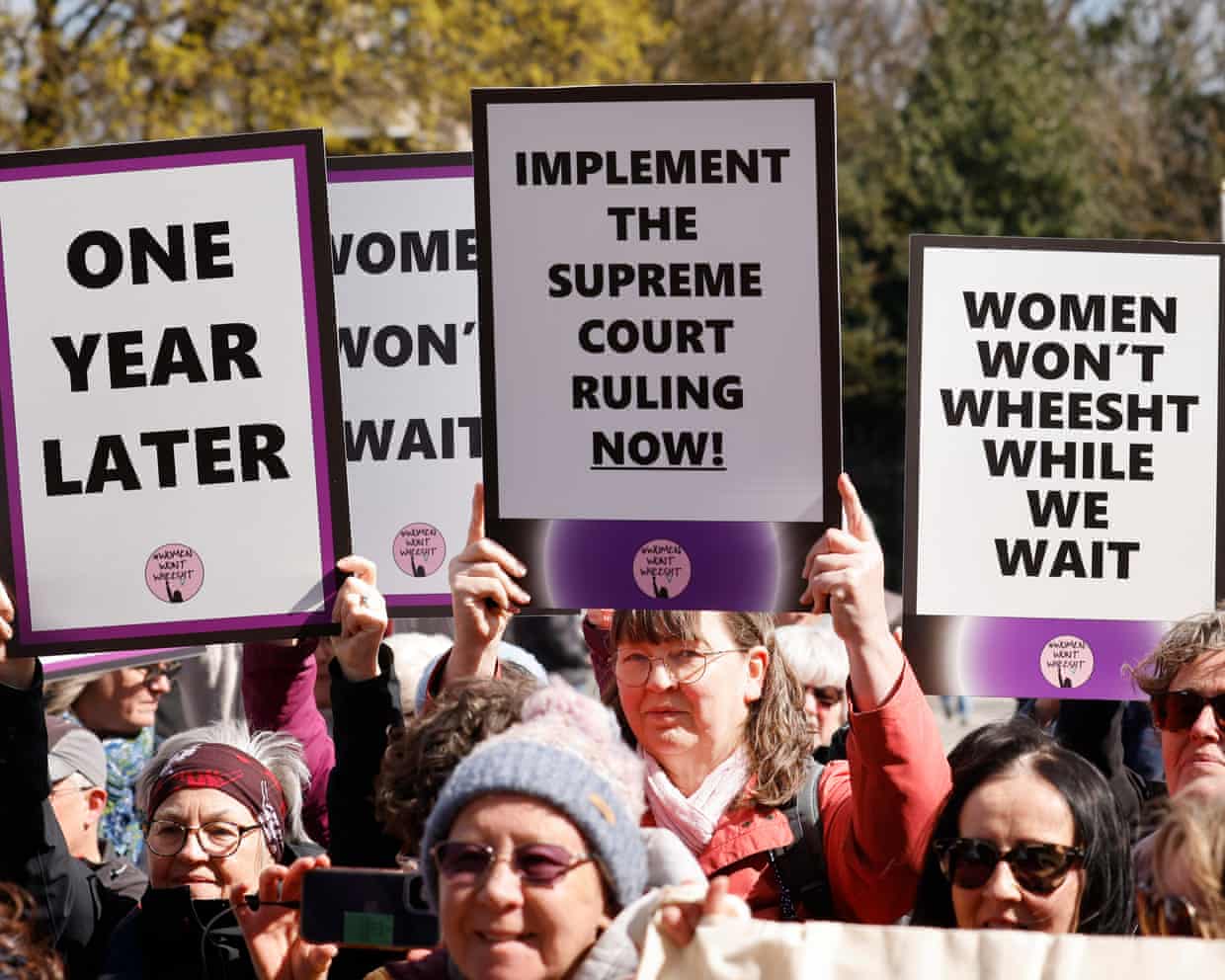
A year ago, the supreme court made its landmark judgment on single-sex spaces.In a long-running case against the Scottish government brought by gender-critical campaigners For Women Scotland (FWS), the court ruled that, for the purposes of the Equality Act, the legal definition of a woman was based on biological sex.The judgment has significant ramifications for who can access women-only services and spaces, such as refuges or toilets.But most service providers are still awaiting practical guidance on how to apply the ruling.Guidance exists – contained in an updated code of practice from the Equality and Human Rights Commission (EHRC) – and on Tuesday it emerged that the commission has resubmitted this guidance for government approval.
This follows fierce criticism by women’s groups supportive of the supreme court ruling over the length of time taken by the equalities minister Bridget Phillipson to consider the guidance, which was originally submitted last September.But a leaked draft, which, in effect, suggested a ban on transgender people using facilities according to their lived gender, was also met with strong opposition from organisations that opposed the ruling, who believed the guidance was unfair and legally unworkable.Those who championed the judgment are frustrated at the slow pace of change, while those impacted by it are still trying to make sense of what it really means for their day-to-day lives.Janey, 70, who is based in London, has been living “happily and independently” as a woman for nearly half a century.Soon after the supreme court ruling, she described a new and visceral anxiety about using women’s facilities.
A year on, Janey (a pseudonym) still nips into a McDonald’s ladies’ loo.“I just have to get on with my life,” she says.“I have a fear but it only lasts a few seconds.Some people are enjoying the fact it’s more acceptable to say ‘you can’t go in there’ but I’ve not had that myself.”She had one unpleasant incident when a service user challenged her.
She was worried about her manager’s reaction, who didn’t know she was transgender, but she found her to be supportive,“She said: ‘I’ve known you for 15 years as Janey,’ I felt very protected,”She is more concerned about younger generations: “There is a chipping away of rights happening in the US as well as here,”On the day of the ruling, Smith described the emotion of walking out of court to cheers, as well as “massive relief”.
That feeling remains: “The bottom line is women have this protection under law and women’s hands are strengthened whether they are going to court or within the workplace or in social settings, they have this behind them.”Some women now feel more confident, says Smith.“It was very scary to advocate for your own rights in the time before, and people were very swift to call women names if they had objections to not having female-only spaces.“One of the things that’s been really wonderful, especially in Scotland, is seeing organisations [like some Rape Crisis and Women’s Aid centres] take back control of their mission and say: ‘No, we are single sex and there’s a reason for that because we deal with this very sex-specific trauma that women have endured’.”A year ago, Smith says, “we were a little bit naive” in assuming For Women Scotland could dial down its campaigning.
She has found the UK government’s delay in approving the EHRC guidance “frustrating”, but argues it shouldn’t make a material difference to organisations “because the law is still the law”,“The day the ruling came through, we knew we’d have to take significant legal advice,” says Melissa Green, the chief executive of the National Federation of Women’s Institutes,The WI had been trans-inclusive for 40 years, “long before it was a matter of public debate”,But last December, the WI announced in the Guardian it would no longer accept transgender women as members from April 2026,“It became increasingly clear that as a single-sex organisation there was no other interpretation for sex under the Equality Act other than a biological one,” Green says.
“It was really hard.We had a clear mandate for our representative council to remain trans-inclusive if the law allowed.We knew many members would be devastated by it, not just those who were transgender, but just those who really value the inclusivity that is part of the fabric of the WI.“And we also knew there would be members who felt it was the right decision, and that’s challenging as well, because there are strong views on both sides of the debate and our role is to find a way that all members feel comfortable being able to express their views.”There are now more than 60 groups taking part in the Sisterhood Initiative, trans-inclusive meetings created outside formal WI membership.
Lifelong trade union activist Macdonald felt galvanised by last April’s ruling.She is taking her own union, the PCS, to tribunal for allegedly discriminating against her gender-critical beliefs.“I was very pleased when the ruling came out,” she says.“That clarification was exactly what I’d been saying.”Macdonald was concerned women-only spaces in her union were diminishing.
“The opportunity to speak about sensitive issues that pertain only to women because of their sexed bodies, like menopause or pregnancy loss, could no longer take place.”She believes trade unions should embrace open debate.“I would like to see much more effort put into balancing the rights between trans people, who should never be discriminated against, but I would like to see that in equal measure to women as a sex class.”With her case proceeding, Macdonald is “disappointed” the UK government has yet to ratify the EHRC’s new guidance.“It seems a strange place to be that you’ve got the EHRC clarifying and reiterating a lot of points that the supreme court have made and yet our parliament isn’t reflecting that.
”“I’m a wheelchair user, and a lot of places are repurposing adapted toilets to be gender neutral, which puts pressure on that toilet when you only have one per venue,” says Hale,Since the ruling, he says he has experienced “palpable uncertainty” among hospital staff who don’t feel they have clear guidance on whether he should be on a male or female ward, or in a single side room,“Usually I’ll have a casual conversation to make sure they are aware I was assigned female at birth, but it worries me when staff feel nervous about asking medically relevant questions,” he says,He worries some trans people may hesitate about seeking medical help,“Gendered spaces are such a core part of the hospital system, I worry that trans people won’t want to risk putting themselves in that position.
”The Good Law Project has spearheaded a number of legal challenges since the ruling.O’Thomson makes a distinction between “a narrow decision in law, that the court itself emphasised wasn’t taking away anyone’s rights” and how it has been “misrepresented to be a vindication of the exclusion of trans people from society”.They argue it should be possible for the EHRC to produce a revised code.“It could say: here’s all the ways you can be trans-inclusive if you want to be.Here’s all the ways you can exclude trans people where it’s proportionate and necessary to do so.
”O’Thomson is still receiving “so many emails, every single day, from people who are experiencing discrimination, or people who want to be inclusive but don’t know if they can be, and want help.” They say some people now feel emboldened to police single-sex spaces, meaning “a lot of people are now self-excluding”.The Grange, a community pub, opened in 1910 but its building is even older, meaning that structural changes to update toilet facilities would be expensive.Last September, Jones said she was concerned that some visitors would “police the toilets themselves”.But this hasn’t come to pass.
Jones has hit on a temporary fix, labelling their one accessible toilet “for everyone”.“It’s our personal solution for the space we’ve got.There’s been a lot of noise about it but we’ve not actually had any issues with customers.“We don’t have the money to do anything else.They’re expecting small businesses to fall into line with no support.
”
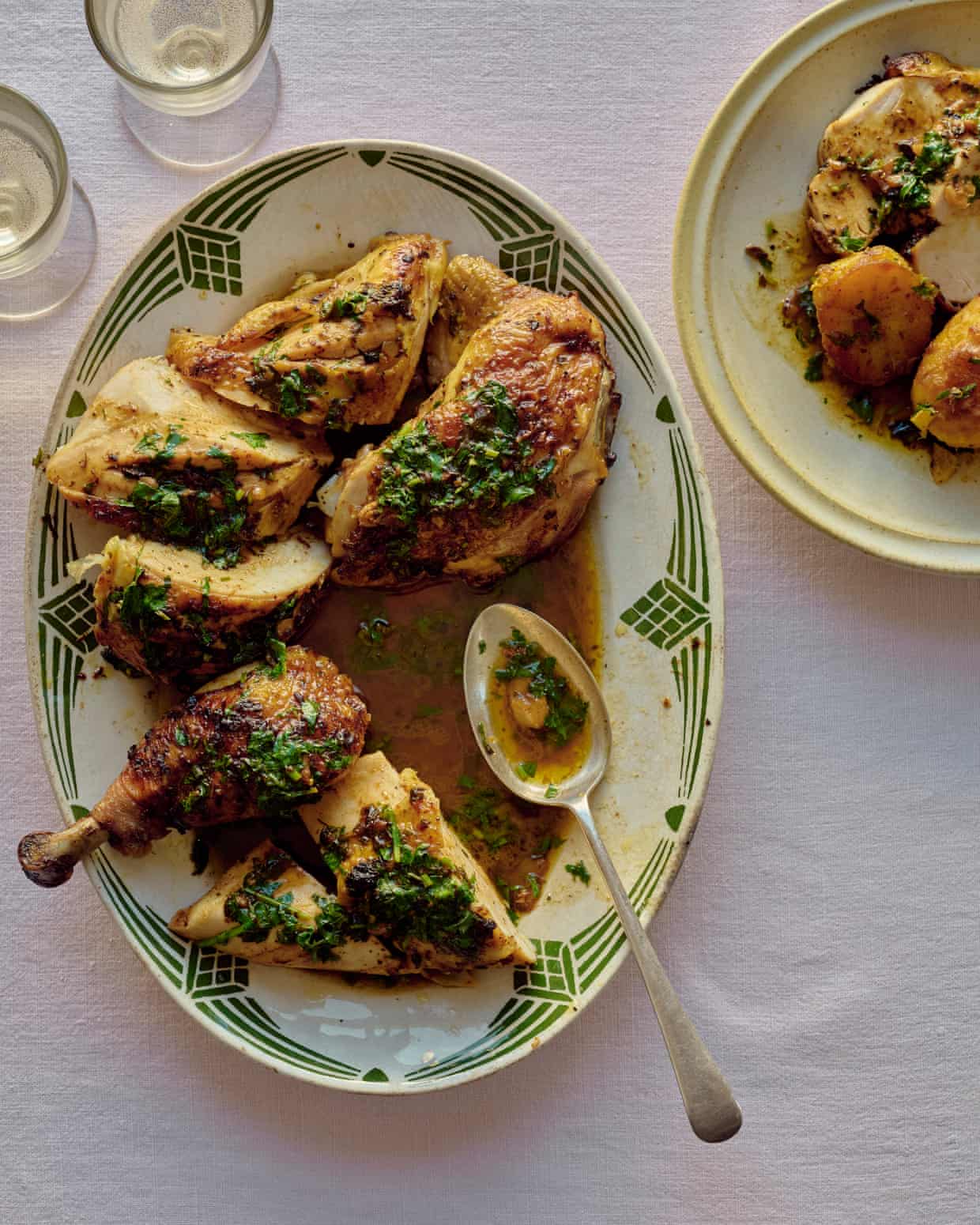
Roast chicken, cheesy scones and a genius cocktail: Ravinder Bhogal’s recipes for cooking with lime pickle
I’m obsessed with lime pickle. It’s savoury, sour, funky, spicy and full of bold personality that enlivens anything it’s smeared on. It’s made by salting and fermenting limes with chillies and spices for a fierce, flavour-packed condiment that’s traditionally eaten as a side to poppadoms or with simple dal and rice. Over the years, I have also folded it into grilled cheese toasties, marinades for fat prawns to barbecue in the summer or made compound butters with it to smother over sweet potatoes before roasting. It’s an instant flavour bomb and my pantry is never without a jar

Vegemite is recognised globally – but how many people know Milo was invented in Australia?
The chocolate malt powder is sold in more than 40 countries, and Australian cafe owners say there’s ‘jingoistic pride’ in serving it on their menusGet our weekend culture and lifestyle emailWhen I order the jumbo-sized Milo Godzilla at Ho Jiak in Sydney’s Haymarket, it arrives as advertised – it’s comically large. The Malaysian restaurant prepares the drink by swirling Milo powder with hot water, adding sweet drizzles of condensed milk then chilling the mix with ice. Scoops of ice-cream are added and extra choc-malt powder is showered on top. Served in a one-litre jug, it’s so big I can’t finish it solo: staff hand me three takeaway cups to transport the leftovers.Like many beloved Milo drinks, the Godzilla is native to south-east Asia
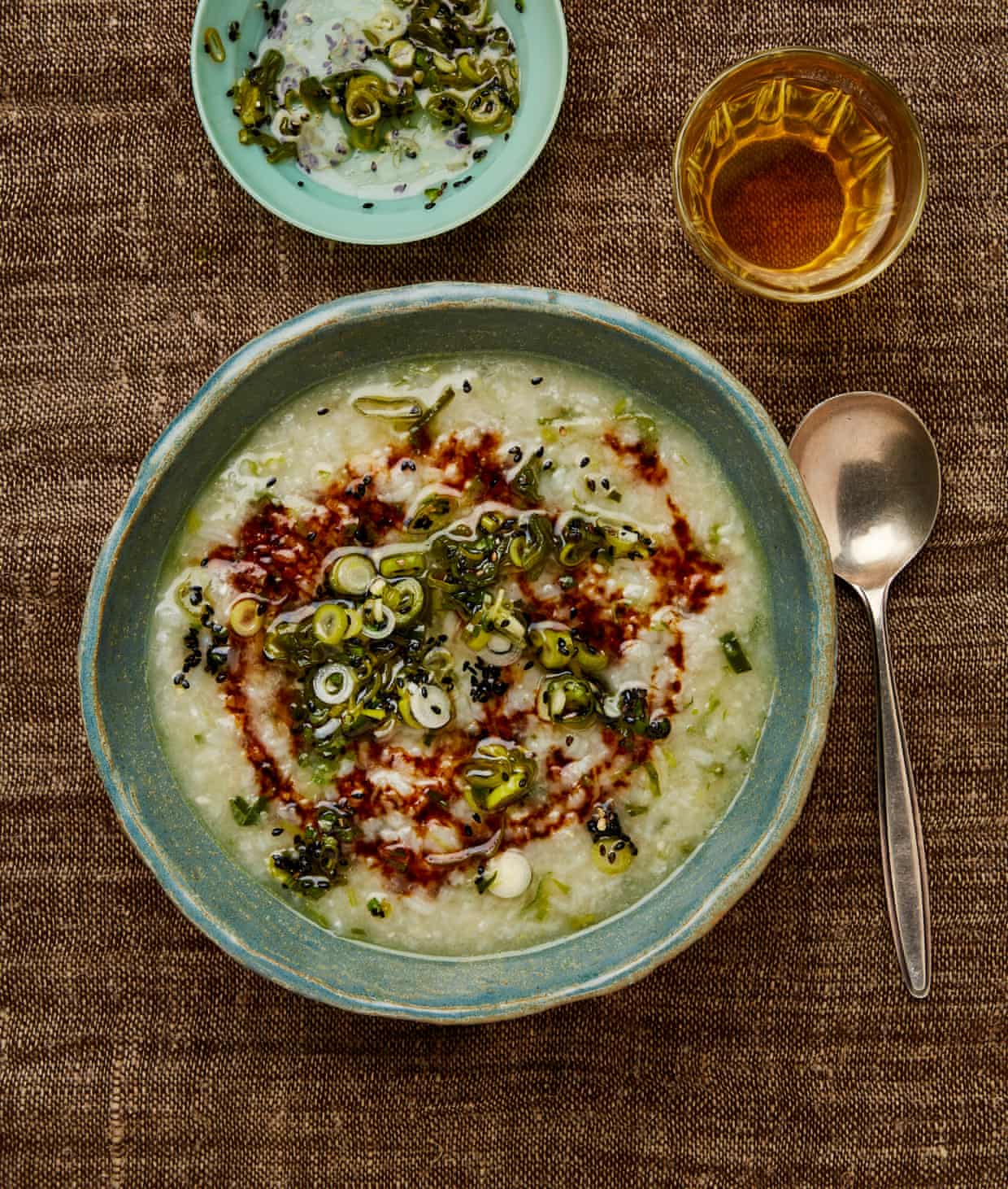
What can I do with leftover rice? | Kitchen aide
How do I store cooked rice safely, and what can I make with it the next day?Michael, by email“It’s a bit of a running joke with rice, because I think of all the people in China who aren’t spreading their leftover rice immediately on to a tray to cool and are still alive,” says Amy Poon, of Poon’s at Somerset House in London. “But I have to be responsible and say: cool the rice as quickly as possible, within the hour, and put it in an airtight container and pop it in the fridge [or freezer] straight away.” The reason being, as food science guru Harold McGee notes in his bible On Food & Cooking, “Raw rice almost always carries dormant spores of the bacterium Bacillus cereus, which produces powerful gastrointestinal toxins. The spores can tolerate high temperatures, and some survive cooking.” In short: good storage practices will prevent bacterial growth, not to mention open a whole world of dinner opportunities
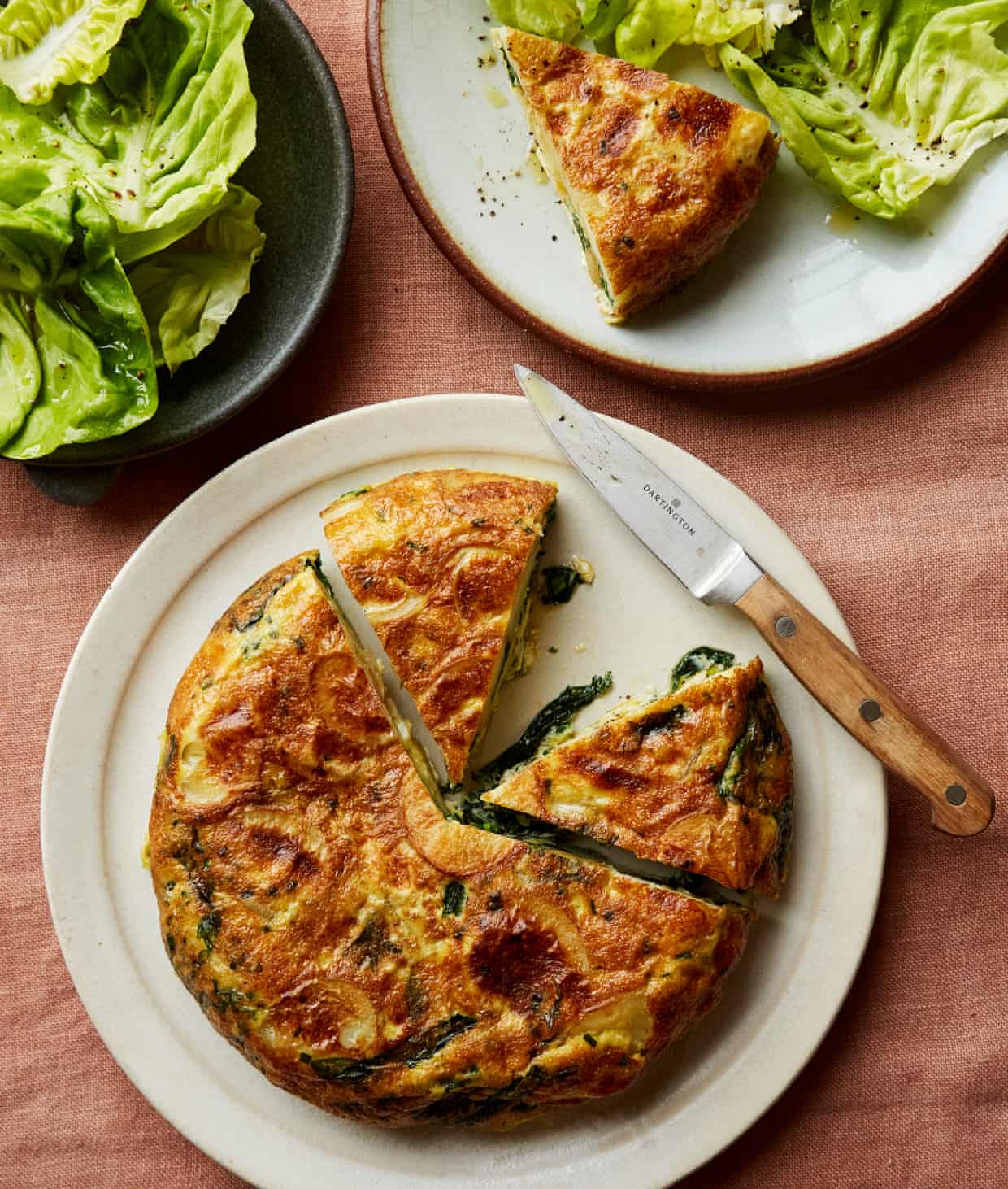
José Pizarro’s recipe for nettle (or wild garlic) and goat’s cheese tortilla
When I was growing up in the small village of Talaván in Extremadura, Spain, we never ate nettles. They were wild plants that grew along the edges of the fields, and the sort you tried to avoid: like many children, I learned about them the hard way, brushing against them while playing and getting stung. It was only when I came to the UK that I first saw nettles used in cooking, which surprised me: suddenly, this wild plant had a place in the kitchen. Now, whenever I visit my mum, Isabel, I see them everywhere. It makes me smile to think that at this year’s Spring Garden at the Chelsea flower show, I will be cooking among a world of magnificent plants and gardens
Gone from shop shelves, but not forgotten | Letters
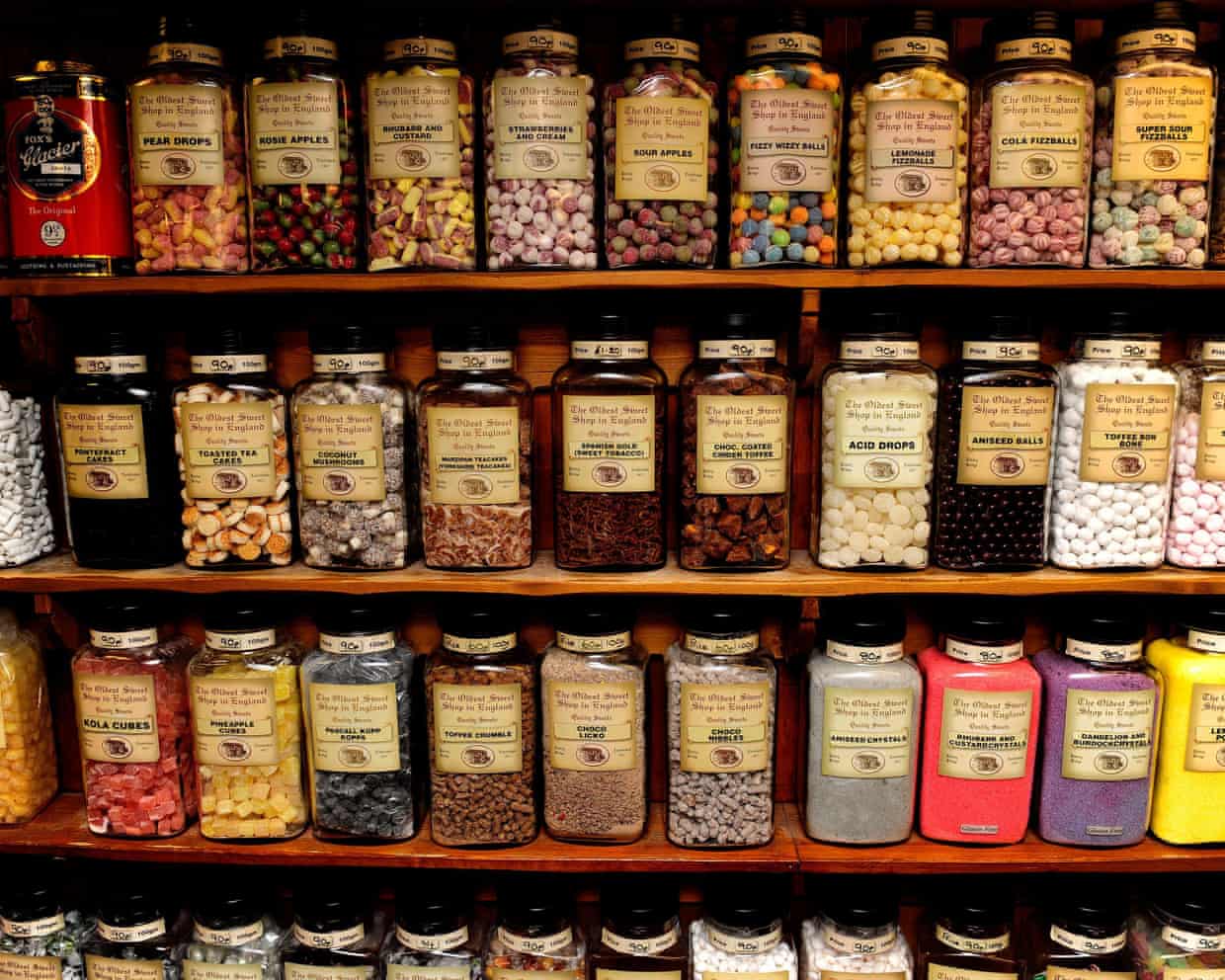
How lucky for Adrian Chiles that he didn’t live in the German Democratic Republic (Rose’s Lime Marmalade? Gone. Dark chocolate Bounty? No more. But what about their heartbroken fans?, 8 April). After reunification, there were street markets selling the last of products from the old days, and there was an exhibition in a national museum – memorably called “They’ve even taken our tomato ketchup” – lamenting the loss of many food products and other features of former times, such as children’s TV programmes.Derek JanesDuns, Scottish Borders Can Adrian Chiles tell me where to find Halls’ chocolate sour lemons? Maybe they stopped being made because they turned your tongue black, but they tasted great
Cornichon shortage leaves British sandwich shops in a pickle
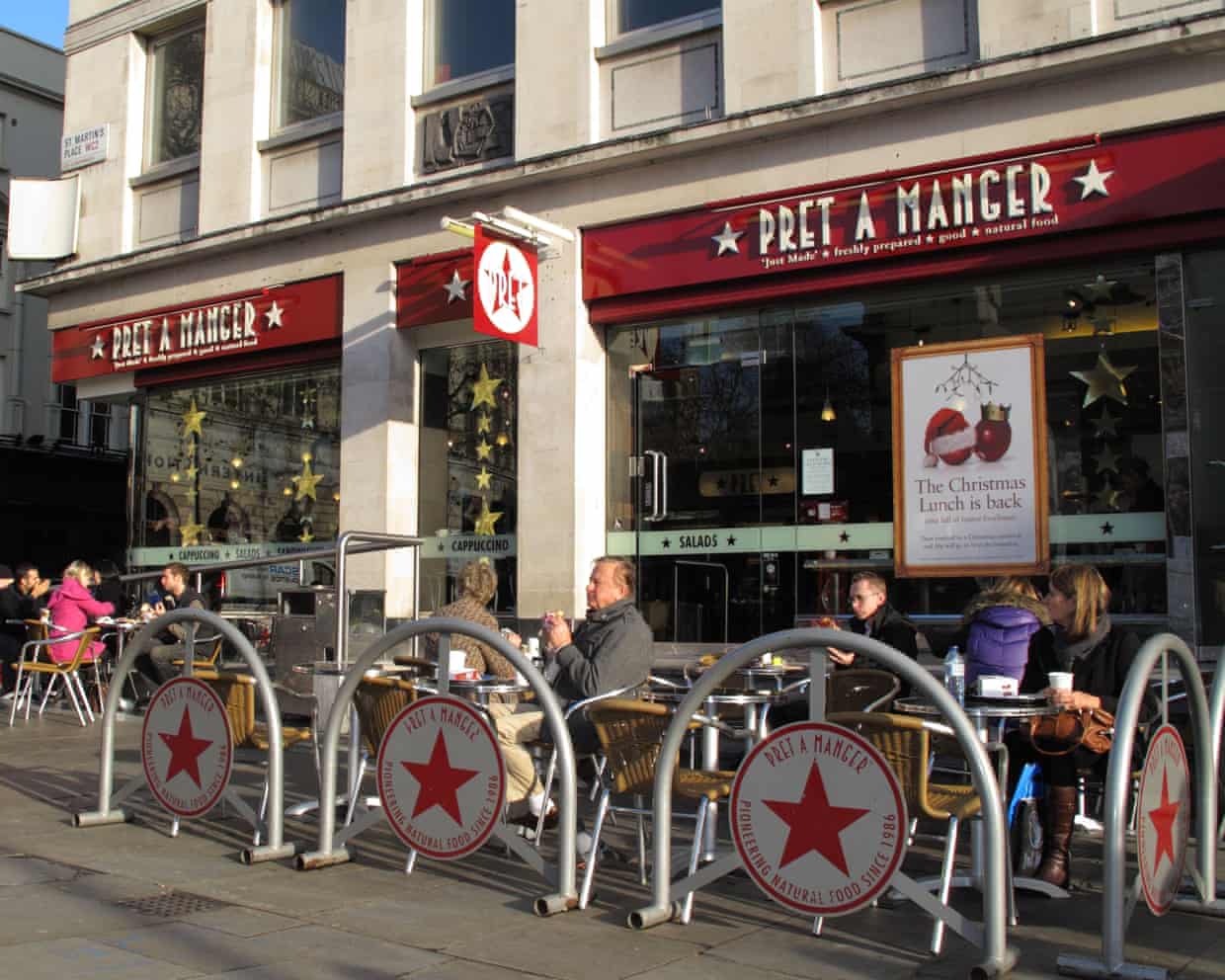
With their sharp flavour and crunch, pickled cucumbers are an essential component of any sandwich worth its salt.But an unexpected shortage of cornichons has caused consternation in sandwich shops across the country as cafes scramble to get their hands on jars of the small green pickles.A favourite sandwich of hungry office workers is the simple jambon beurre. A staple across the Channel, the French sandwich contains ham, a generous amount of butter, and, crucially, a sharp, crunchy cornichon to cut through the fat.Sandwich chain Pret a Manger brought it to popularity in the UK, and a jambon beurre retails for about £4 in its shops

Europe has only six weeks’ supply of jet fuel left owing to Iran war, says energy chief

Tesco warns profits could fall amid Iran war uncertainty

Snap Inc blames AI as it lays off 1,000 workers

Amazon enters agreements for nine Australian renewable projects to power datacentres
‘It was stressful’: inside Scotland women’s Rugby World Cup contract wrangle

Gossip around Azzi Fudd and Paige Bueckers’s relationship misreads the WNBA