People in north of England twice as likely to be killed in accidents as Londoners, report finds
People in the north of England are twice as likely to be killed in accidents than Londoners, with accidental deaths clearly linked to deprivation, a report has found.The research, from safety charity the Royal Society for the Prevention of Accidents (RoSPA), highlights vast regional differences in accidental deaths, which have also seen an overall increase.The north-east is the most dangerous region for accidents in England, with a death rate of 44 per 100,000 people, compared to an average of 32 across the country, with the north-west in second place with a death rate of 38 per 100,000 people.Scotland was the most dangerous of the devolved UK nations, with an even higher accidental death rate of 51 per 100,000, while Wales equalled the north-east of England, and Northern Ireland’s rate of 39 per 100,000 was also above the England average.Meanwhile, London was the safest place to live in the UK, with an average of 19.
5 deaths per 100,000 people.Redcar and Cleveland, Middlesbrough, and Blackpool were among the local authorities with the highest accidental death rates in England and Wales, with people in the most deprived areas of England nearly twice as likely to die in an accident as those in the least deprived.The data was released in RoSPA’s Annual Review of Accidents, and is based on 2023-24 hospital admissions data and 2023 mortality figures, which represent the most recent complete and quality-assured datasets currently available.The report’s author, Matilda Smith, said that more research needed to be done to better understand the links between accidents and deprivation, adding: “It’s a real priority area for us to better understand why this is happening.”“I think the findings of the report are really rather shocking,” she said.
“It is an unfortunate truth that where you live, and the deprivation of your area, has an impact on the risk that you have in terms of whether or not you’re going to die in an accident,”“It’s really concerning to see that the north of England in particular is experiencing so much of the burden of accidental deaths,” she added, “and what is also really clear is that deprivation is inherently linked to your risk, and that means that people living in poorer areas, more deprived areas, facing the realities of greater risk, and a greater risk of dying in really sudden, shocking and horrible accidents,”Overall, there was an 8% increase in the rate of all accidental deaths, with falls, poisoning including from alcohol and narcotics, and road traffic collisions among the most common causes,Over a quarter of all accidental deaths were caused by poisonings, an increase of 10% per capita in one year,Hospital admissions also rose by a rate of 3% in Great Britain, which included a 17% rate of increase in admissions caused by animals, and 6% by poisonings.
RoSPA found that an estimated 23,000 people – more than the capacity of the O2 Arena in London or the Co-op Arena in Manchester – lose their lives to accidents every year.Meanwhile, almost 900,000 people were admitted to hospital as a result of accidents; the equivalent of the entire population of Devon.“Accidents devastate lives in an instant,” said Becky Hickman, CEO of RoSPA.“They are often sudden, violent, and shocking, leaving families and communities to cope with consequences that can last a lifetime.What makes this devastation even harder to bear is the knowledge that so many of these incidents are entirely preventable.
”“Our Annual Review of Accidents shows we are still not doing enough to reduce avoidable harm, life-changing injuries and personal tragedies,” she added.“From our roads to our workplaces, the homes we live in to where we spend our leisure time, people in Britain are at increasing and unacceptable risk of suffering a serious accident.And it is those who are already vulnerable – young children, the elderly, and people in deprived communities – who are in the greatest danger.”The charity is urging the government to implement a National Accident Prevention Strategy to tackle accidents as a serious public health crisis, which it says would serve to ease the burden on both the economy, and the NHS.Dr Sally-Anne Wilson, vice-president, Royal College of Emergency Medicine (RCEM), said: “Emergency departments see first hand the rising impact of accidental injuries, particularly among older people.
The patients I worry about most are those who fall from standing height, often in their own homes, and arrive in the ED with serious injuries such as hip or rib fractures.These seemingly simple accidents can have devastating consequences.“We know that older people are disproportionately affected by crowding in emergency departments, and that delays transferring them to inpatient wards are linked with longer hospital stays and increased mortality.Prevention must be a priority.”
People in north of England twice as likely to be killed in accidents as Londoners, report finds
People in the north of England are twice as likely to be killed in accidents than Londoners, with accidental deaths clearly linked to deprivation, a report has found.The research, from safety charity the Royal Society for the Prevention of Accidents (RoSPA), highlights vast regional differences in accidental deaths, which have also seen an overall increase.The north-east is the most dangerous region for accidents in England, with a death rate of 44 per 100,000 people, compared to an average of 32 across the country, with the north-west in second place with a death rate of 38 per 100,000 people.Scotland was the most dangerous of the devolved UK nations, with an even higher accidental death rate of 51 per 100,000, while Wales equalled the north-east of England, and Northern Ireland’s rate of 39 per 100,000 was also above the England average.Meanwhile, London was the safest place to live in the UK, with an average of 19
Sexual harassment is rife on comedy circuit and women lack protections, MPs told
Sexual harassment and abuse on the comedy circuit is persistent and under-reported, with protections available to women often limited or absent, a comedian has told MPs.Performers and campaigners said many female comedians are left to rely on informal warning systems to try to keep themselves safe but added that these systems can expose women to further risks.“Female comedians rely on so-called ‘whisper networks’, a shadow safeguarding system where warnings and experiences are shared on private WhatsApp threads,” Nina Gilligan, a comedian and the co-founder of the industry body Get Off Live Comedy, which provides HR support to those working in the industry, told the cross-party women and equalities committee on Wednesday.Chaired by the Labour MP Sarah Owen, the committee explored the experiences of women in live comedy, the representation of women across the sector and the barriers they face in building a career.The committee has been examining how employment protections apply in freelance and gig-economy sectors, where traditional safeguards are harder to enforce
Strike is harming the NHS and dividing doctors | Letters
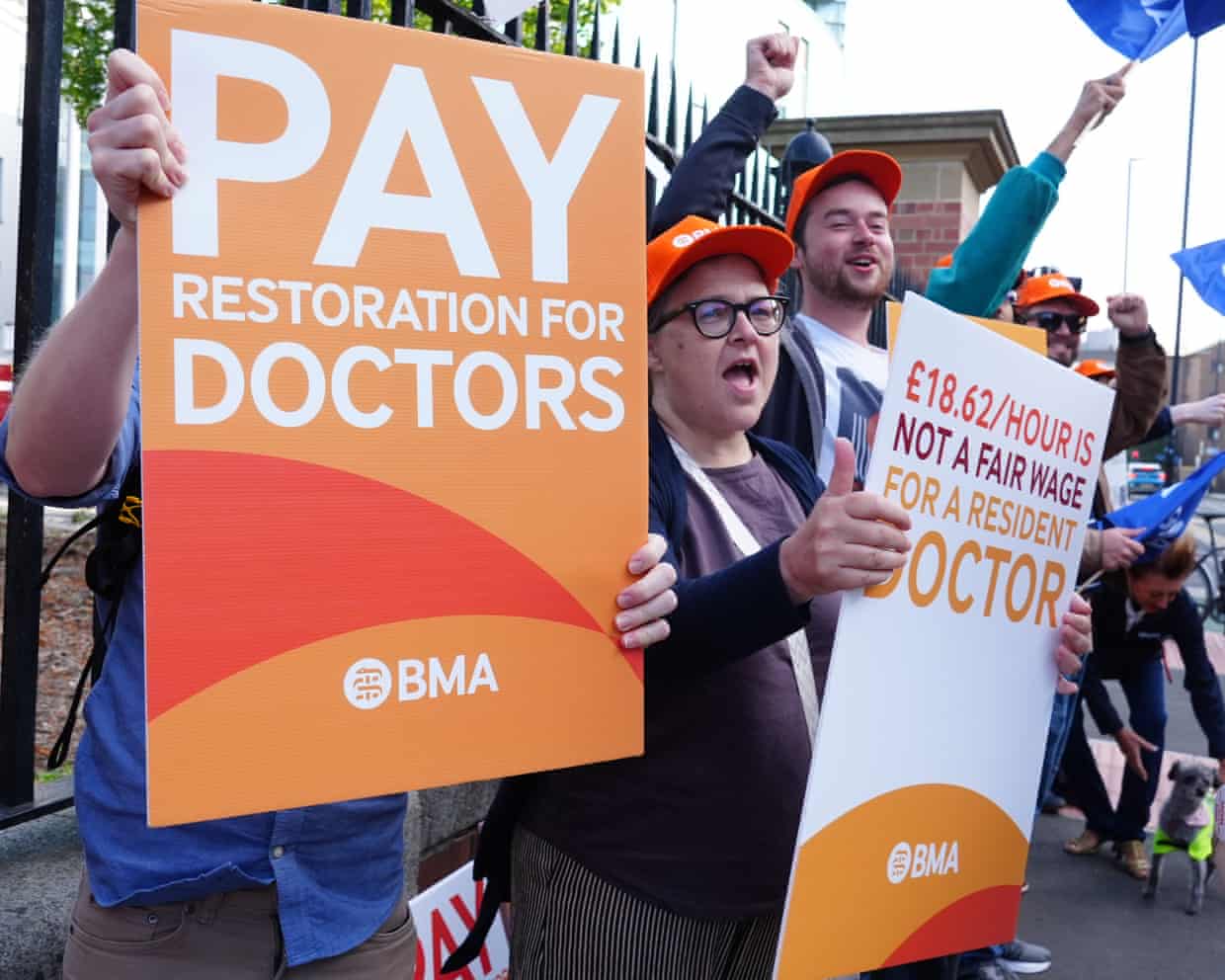
Polly Toynbee is right that it is time to stop the doctors’ strikes (Both doctors and the government are handling this strike badly – that’s why there is no end in sight, 10 April). She suggests that doctors are not feeling the pain of industrial action, but this is far from true. We are anxious about our patients and their cancelled appointments and procedures; we are exhausted covering work that we are not familiar with; and those being paid overtime for shifts they don’t want to do are uncomfortable about the financial impact on the NHS.Many of us reluctantly supported industrial action at the beginning, with a government that wasn’t listening – wanting to support junior colleagues whose pay had fallen far behind contemporaries. Now we see how divided and conflicted resident doctors are too, and we long for a resolution
Why we washed our hands of Izal | Brief letters
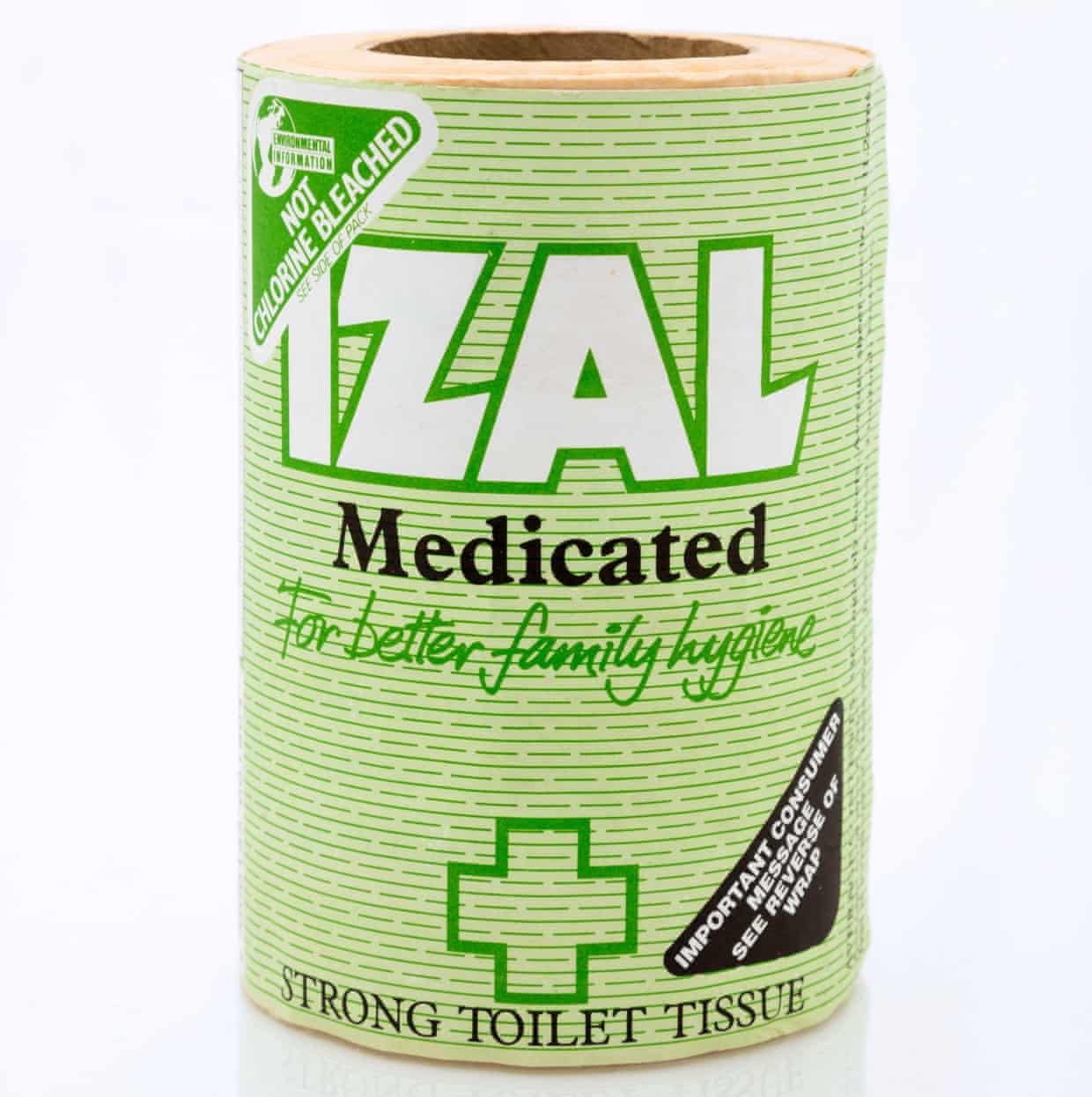
In the 1970s, to save money, a London psychiatric hospital replaced soft toilet tissue with Izal medicated toilet roll (Letters, 13 April). Therapists conducting successful sessions for outpatients with compulsive disorders were surprised by a sudden increase in relapse rates, until they realised that each sheet contained the exhortation “Now wash your hands”. Its use was discontinued. Prof David C SandersMortain, France Izal toilet paper made excellent tracing paper, but it also made a superb sound in a comb and paper. One member of a jokey interval band at the original Concorde Jazz Club in Southampton played an Izal bumphone to great effect!David WittMalmesbury, Wiltshire It’s not all doom and gloom when products are discontinued

Government’s 1.5m housebuilding target in England is suffering from subsidence | Nils Pratley
This is what the government didn’t want to hear when its target to build 1.5m homes in England during this parliament already looked out of reach. The country’s biggest housebuilder is trimming its purchases of new land because the Iran war has created “a less certain backdrop”.Barratt Redrow’s “disciplined approach” isn’t a downing of tools, it should be said. The company had previously expected to buy between 10,000 and 12,000 plots; now it will acquire between 7,000 and 9,000
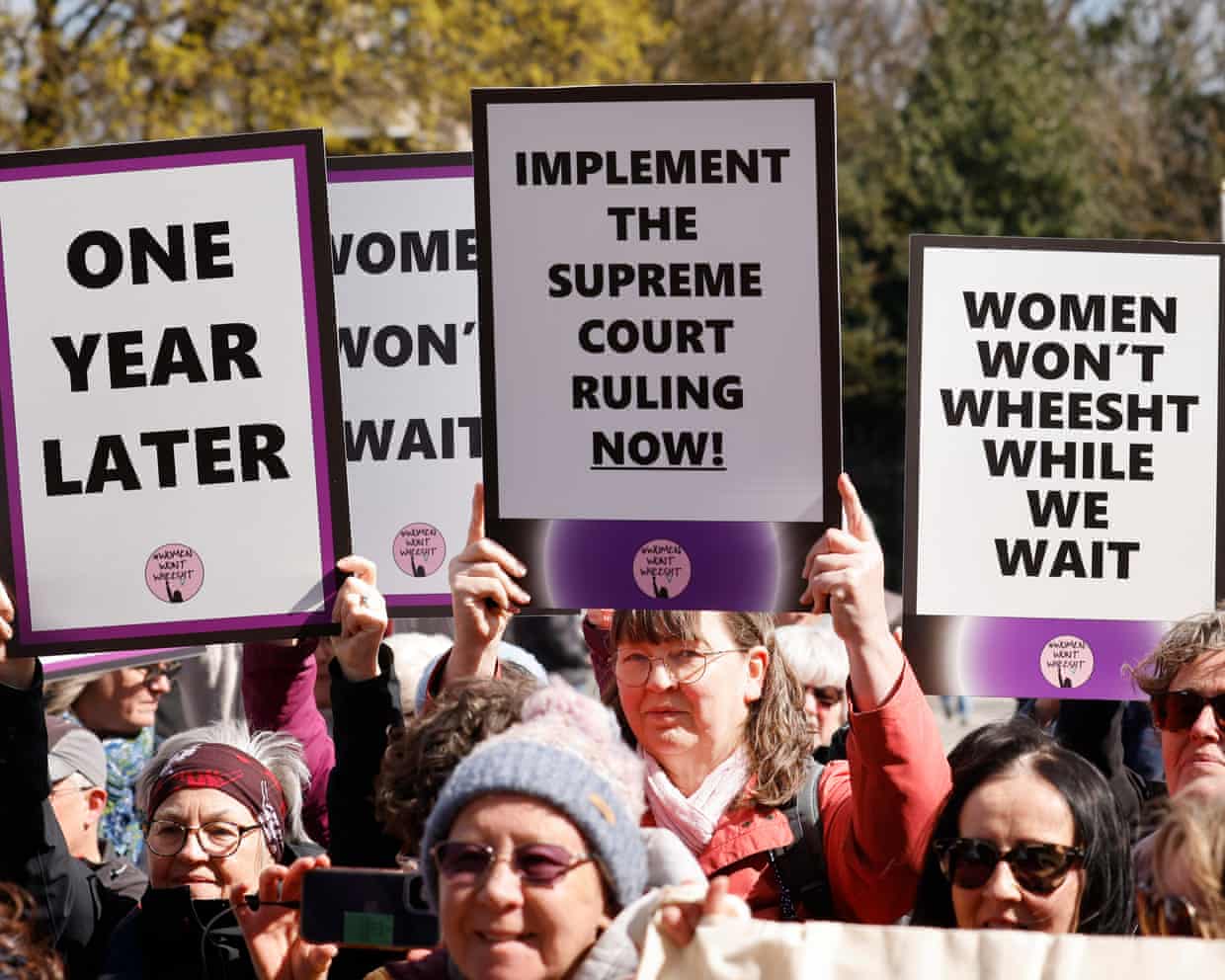
One year on: how landmark ruling on single-sex spaces has changed lives
A year ago, the supreme court made its landmark judgment on single-sex spaces. In a long-running case against the Scottish government brought by gender-critical campaigners For Women Scotland (FWS), the court ruled that, for the purposes of the Equality Act, the legal definition of a woman was based on biological sex.The judgment has significant ramifications for who can access women-only services and spaces, such as refuges or toilets. But most service providers are still awaiting practical guidance on how to apply the ruling.Guidance exists – contained in an updated code of practice from the Equality and Human Rights Commission (EHRC) – and on Tuesday it emerged that the commission has resubmitted this guidance for government approval

Tiger Woods mentioned drones over home and car, ‘president’ in remarks after crash, filing shows

LIV and let die: golf rebels count cost of Saudi cutbacks and other sports fear worst | Matt Hughes

Portcullis gets royal breeders dreaming at Newmarket’s ancient first rite of spring
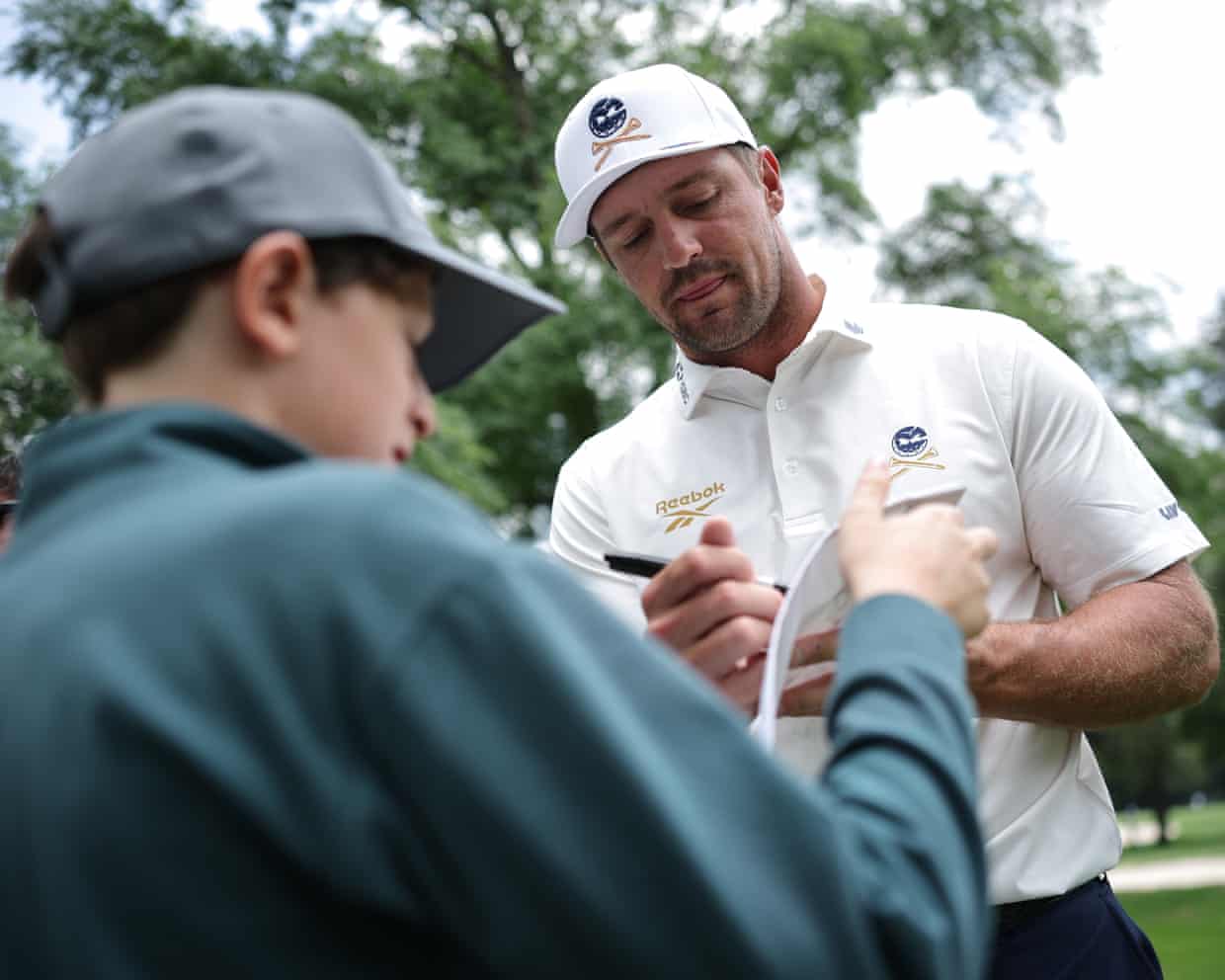
LIV golf stars face career limbo with Saudi investment expected to end in 2026
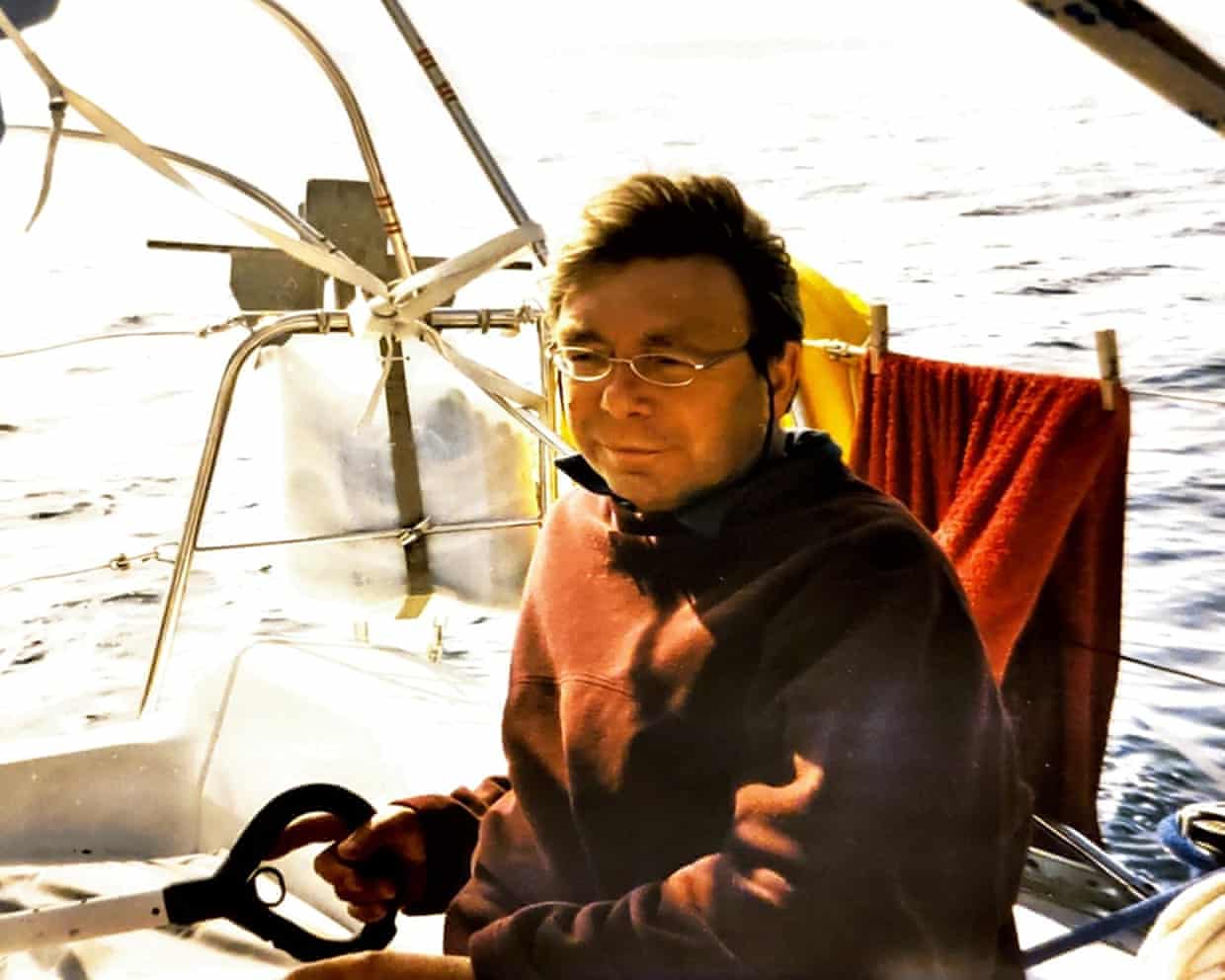
Chris Westwood obituary

Gout Gout may be bigger than Cathy Freeman, but he alone is not athletics’ elixir