Evgeny Lebedev and Ian Botham have lowest Lords attendance, records show
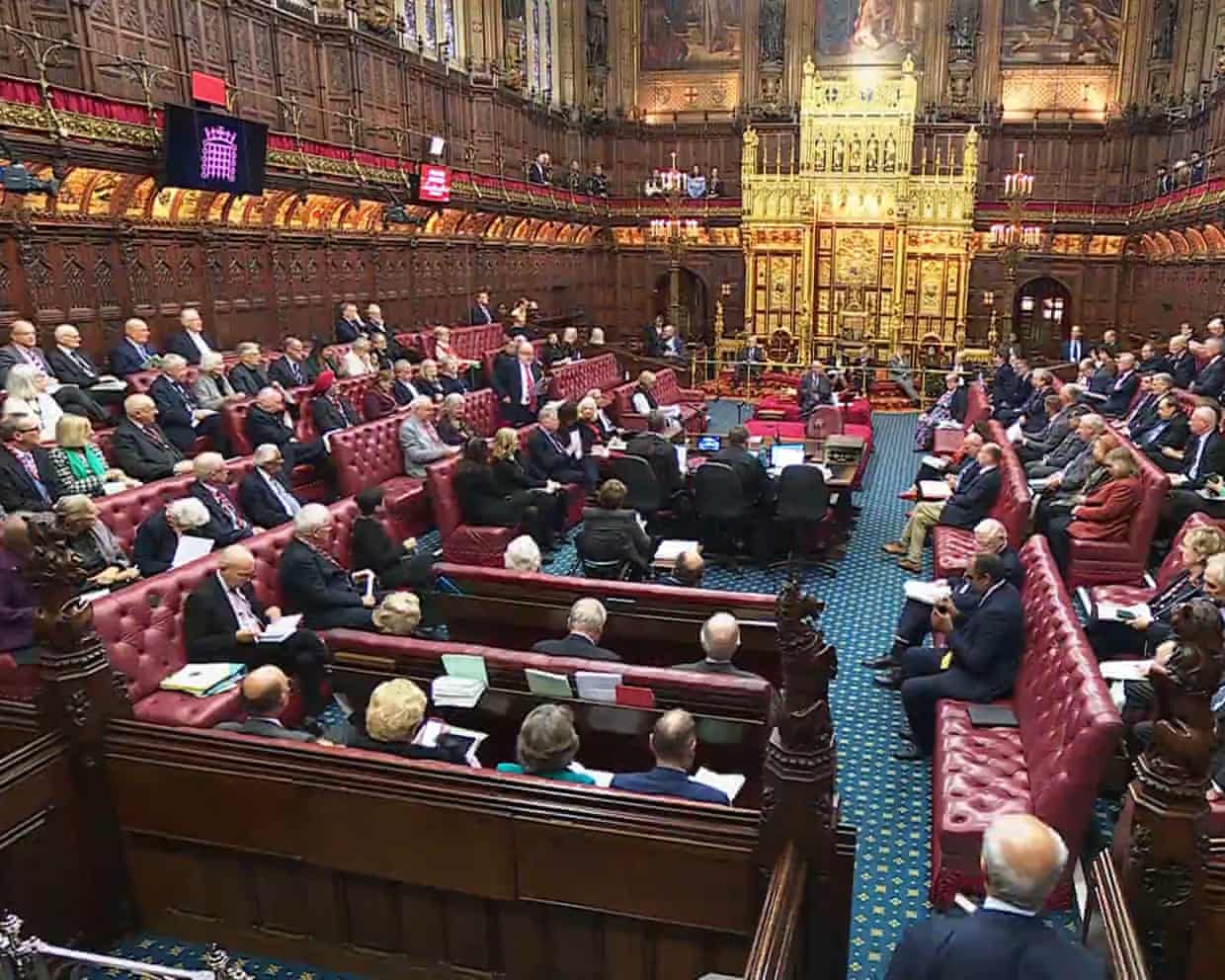
Evgeny Lebedev’s longstanding commitment to being the most relaxed member of the House of Lords has come under threat from another peer, Ian Botham, with both recording identical attendance rates of 1.12% over the past four years.According to Lords records seen by the Guardian, Lebedev and Botham – who were both appointed by Boris Johnson – each managed to make it to seven of the 625 sessions of the upper house that took place from the start of 2022 to the end of 2025.One consolation for Lebedev, the newspaper proprietor, son of a billionaire Russian oligarch and friend of Johnson, is that he has beaten his own mark.From November 2019 until the end of 2022, Lebedev attended Lords sessions at the slightly higher rate of 1.
25%, getting to four of a possible 318.Under Lords rules, to keep their seat in the upper house peers must attend at least one sitting in each year-long parliamentary session.Lebedev and Botham, the former cricketer who was made a peer in September 2020, have just about managed this in recent years.Lebedev attended once in 2022, rising to twice in each of 2023, 2024 and 2025.Botham attended twice in 2022, once in 2023, and twice again in 2024 and 2025.
Unlike Lebedev, however, Botham did show some initial enthusiasm, going to 26 sessions in 2021.Lebedev, a cross-bench peer whose formal title is Baron Lebedev of Hampton and Siberia, does, however, appear to be raising his game a bit.Having not voted at all in his first six years in the Lords, he has done so twice already this year.Similarly, one of his six speeches has taken place this month.Botham – Baron Botham of Ravensworth, North Yorkshire – has not spoken in the Lords since November 2020 and has not tabled any written questions since November 2024.
He has voted 21 times, but not since July 2021.The way the Lords operates is different from the Commons, with peers often having jobs outside the chamber or other specialisms, and who thus only tend to contribute occasionally.Similarly, the attendance record does not take into account work on Lords committees, which can take up significant time – though neither Lebedev nor Botham has ever served on one.Peers can take leave of absence from the Lords, or retire altogether, without losing their titles.Some older members of the Lords also attend very irregularly, although none appear to have done so as consistently as Lebedev and Botham.
The Lords currently has 868 members, of whom 842 are active, making it the largest legislative chamber in the world apart from China’s National People’s Congress.While a just-passed bill will remove the final 92 hereditary peers from the Lords, wider efforts to curb its size have found little success, with retirements being cancelled out by a high rate of new appointments by various prime ministers.Keir Starmer has thus far created 96 peers.Johnson created 87, and was criticised for nepotism with a series of appointments, including that of Lebedev.Among other peers created by Johnson was his own brother, Jo.
Ambulance delays during power cut possibly contributed to man’s death, coroner rules
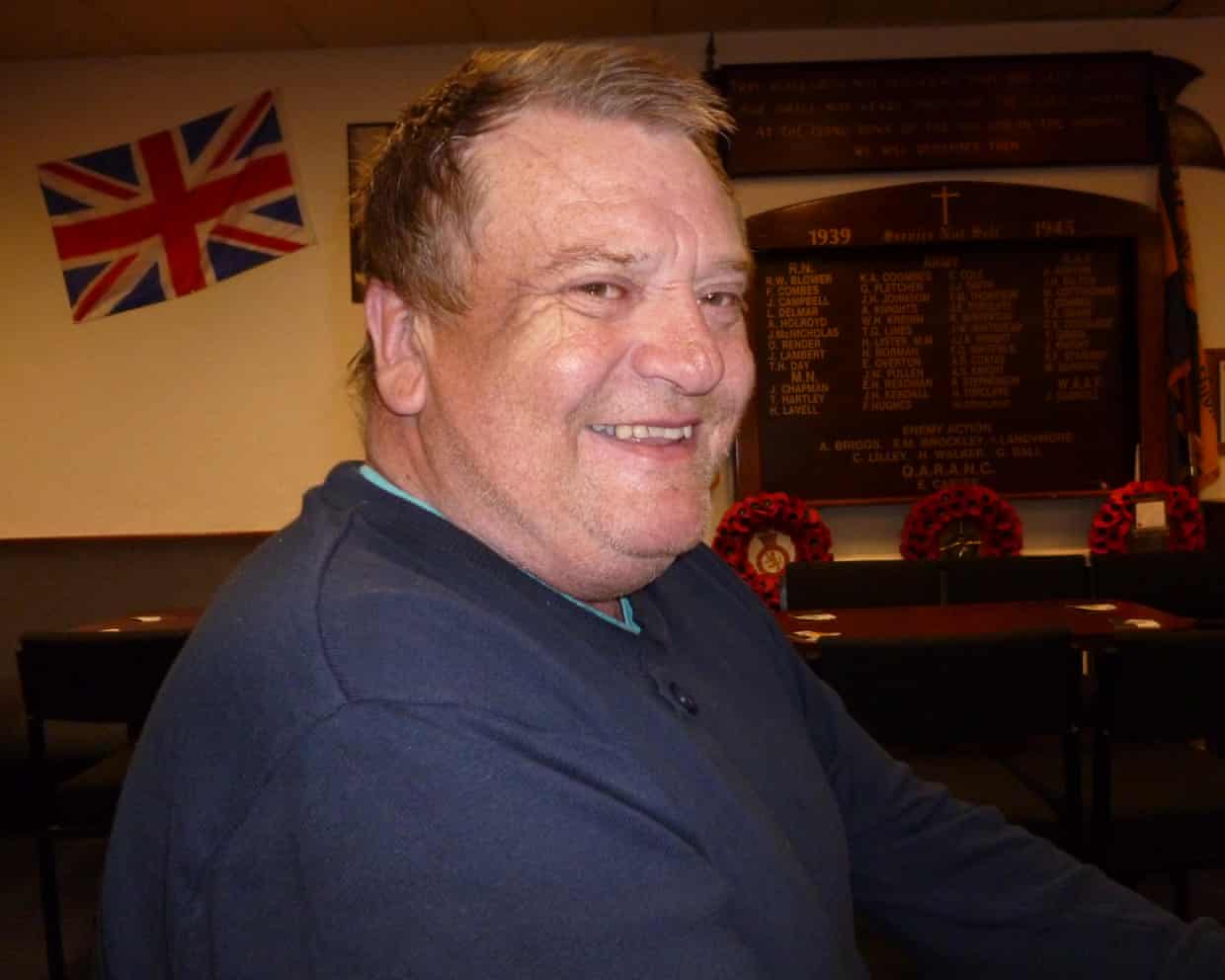
A family has welcomed a coroner’s conclusion that ambulance delays possibly contributed to a man’s death in 2019 after enduring “years of distress trying to pursue answers”.The family of Peter Coates said they had been met with “delays and resistance” from a regional ambulance service as they tried to discover the full circumstances of his final minutes.Kellie Coates, the daughter of Peter, said: “This process for us has not just been about managing grief it has been about challenging a system that seems to be more focused on protecting itself than it is on acknowledging and learning from mistakes in its processes.”Coates died aged 62 in the early hours of 14 March 2019 after a power cut stopped the mains-operated equipment he needed at home to breathe from working.An inquest in Middlesbrough heard Coates, of Redcar, rang 999 and an ambulance was dispatched by the North East ambulance service (NEAS)
Volunteers in the UK: what happened when your local charity shut down?
Across the UK, many small charities face increasing financial pressures, forcing some to shut their doors. When this happens, it can leave the people who relied on those services without support - and volunteers and communities trying to step in and keep things going.We’d like to hear from volunteers who have experienced a charity closing. Have you or others tried to continue the work informally and what were the challenges of doing that? Did you try to keep it going - and what difficulties did you face? What happened to the people who depended on the service?You can share your experience using this form.Please include as much detail as possible
‘It all feels very natural’: Britain’s sauna boom heats up as people seek warmth of human connection
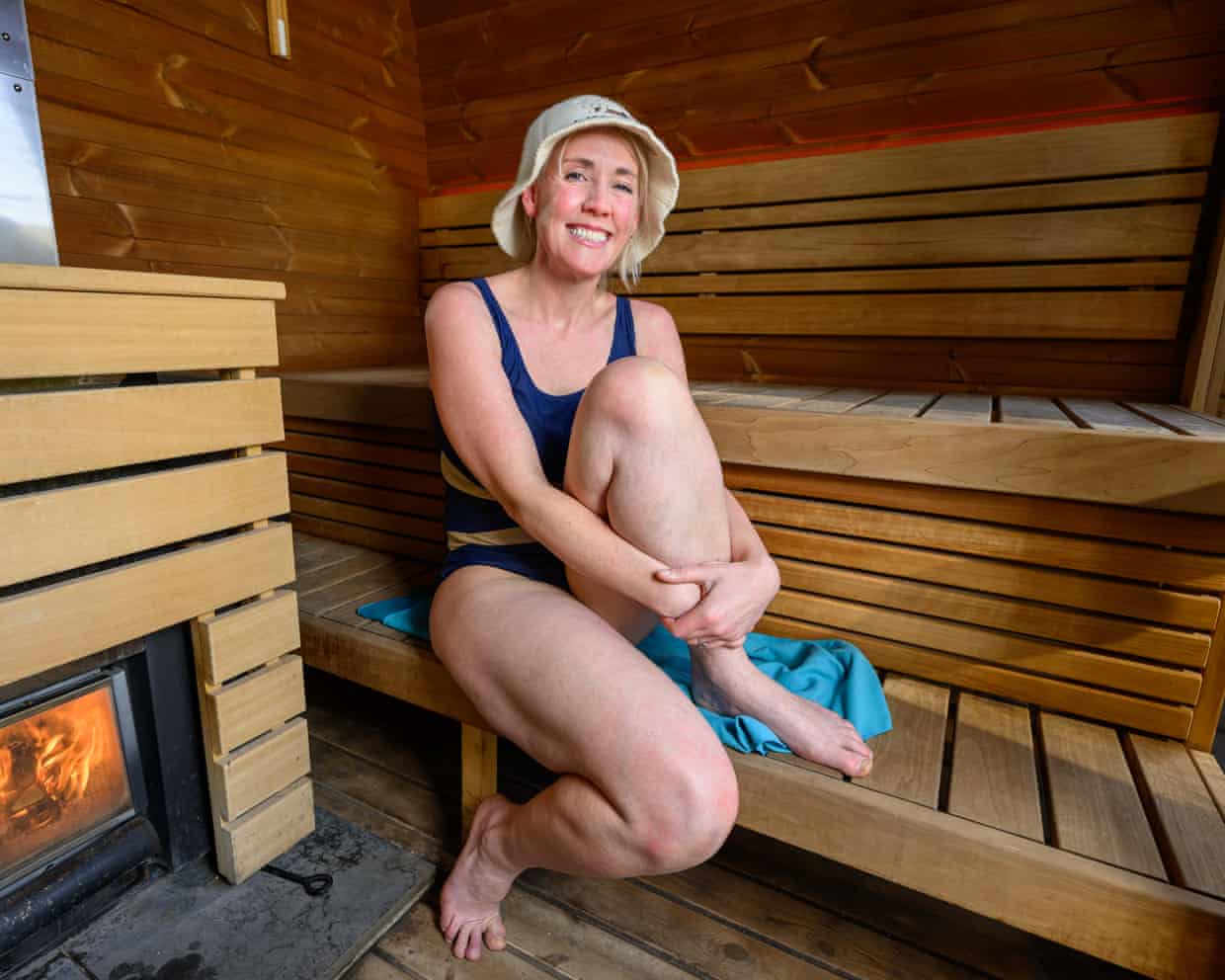
From fields to floating pontoons, in horseboxes, barrels and beach huts, saunas are springing up across Britain. The British Sauna Society now lists about 640 saunas – up from 540 at the start of the year – while a recent report predicted that the UK could become the world’s largest sauna market by 2033, outpacing even Finland and Germany.“The continuing growth suggests that the peak has still yet to come – if there is one,” said Gabrielle Reason, the society’s director. But are saunas a tonic for the nation’s health – or a wellness fad with hidden risks?When it comes to measurable health effects, the strongest evidence relates to the cardiovascular benefits of sauna use. These are “substantial”, said Prof Setor Kunutsor, the Evelyn Wyrzykowski research chair in cardiology at the University of Manitoba in Canada
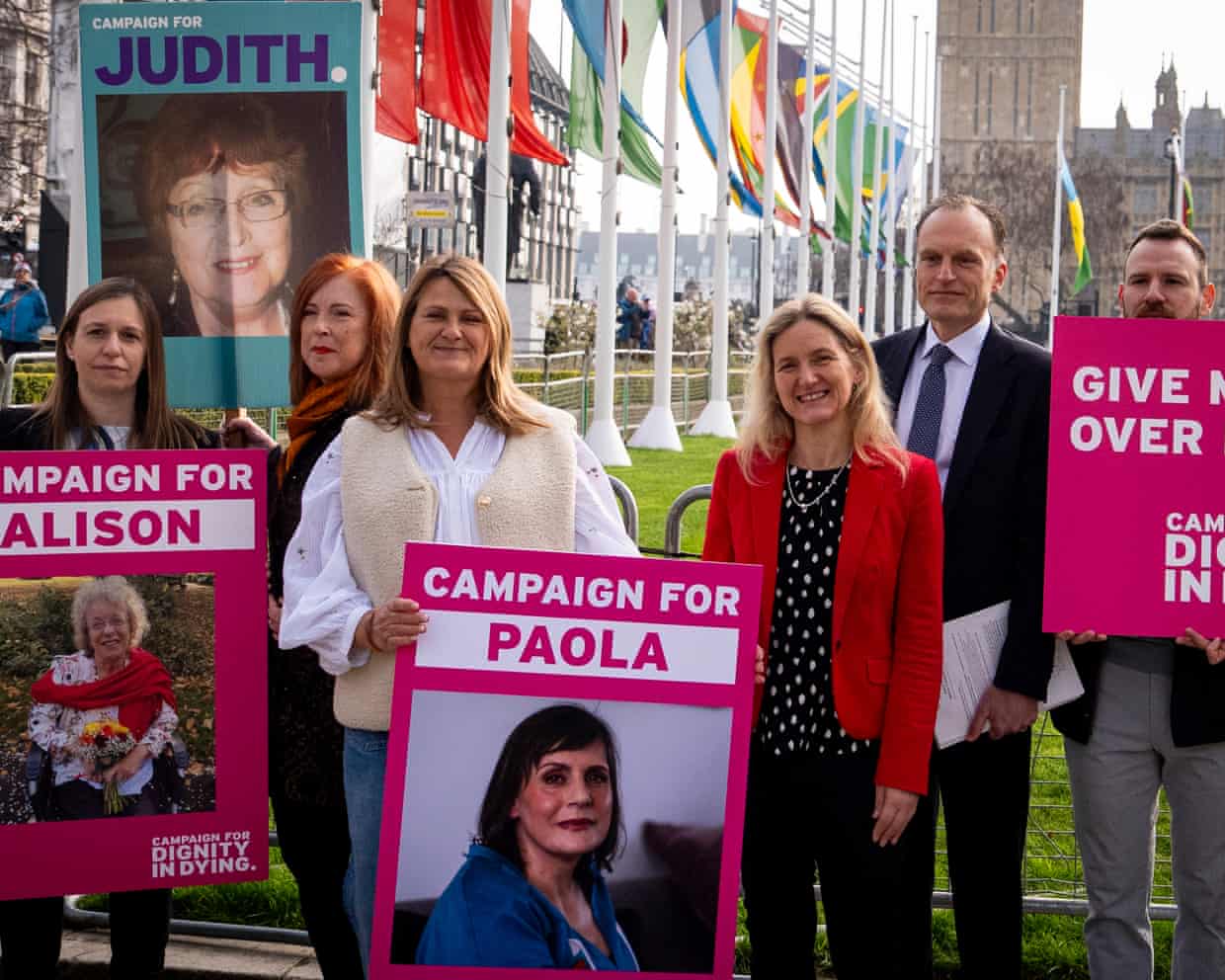
House of Lords has ‘signed its own death warrant’ by stalling assisted dying bill, says MP
The House of Lords “signed its own death warrant” over its stalling of the UK assisted dying bill, the MP Kim Leadbeater said as she joined more than a dozen terminally ill and bereaved people in protest outside parliament.Marking the second anniversary of the death at Dignitas of the prominent assisted dying campaigner Paola Marra, Leadbeater, whose private member’s bill for England and Wales looks set to run out of time, said many MPs, who had already voted by a majority to pass the bill, were “angry and upset” by the addition of about 1,200 amendments in the Lords, which will probably result in the bill falling without a vote.The protest, organised by the campaign group Dignity in Dying, came as the number of UK residents who had an assisted death at Dignitas rose to its second-highest level in two decades. Forty-three people travelled to Switzerland in 2025, up from 37 the previous year, and second only to 47 people in 2016, figures show.Leadbeater said of the teminally ill adults (end of life) bill: “MPs took this decision having entered into this debate in a really serious, considered manner
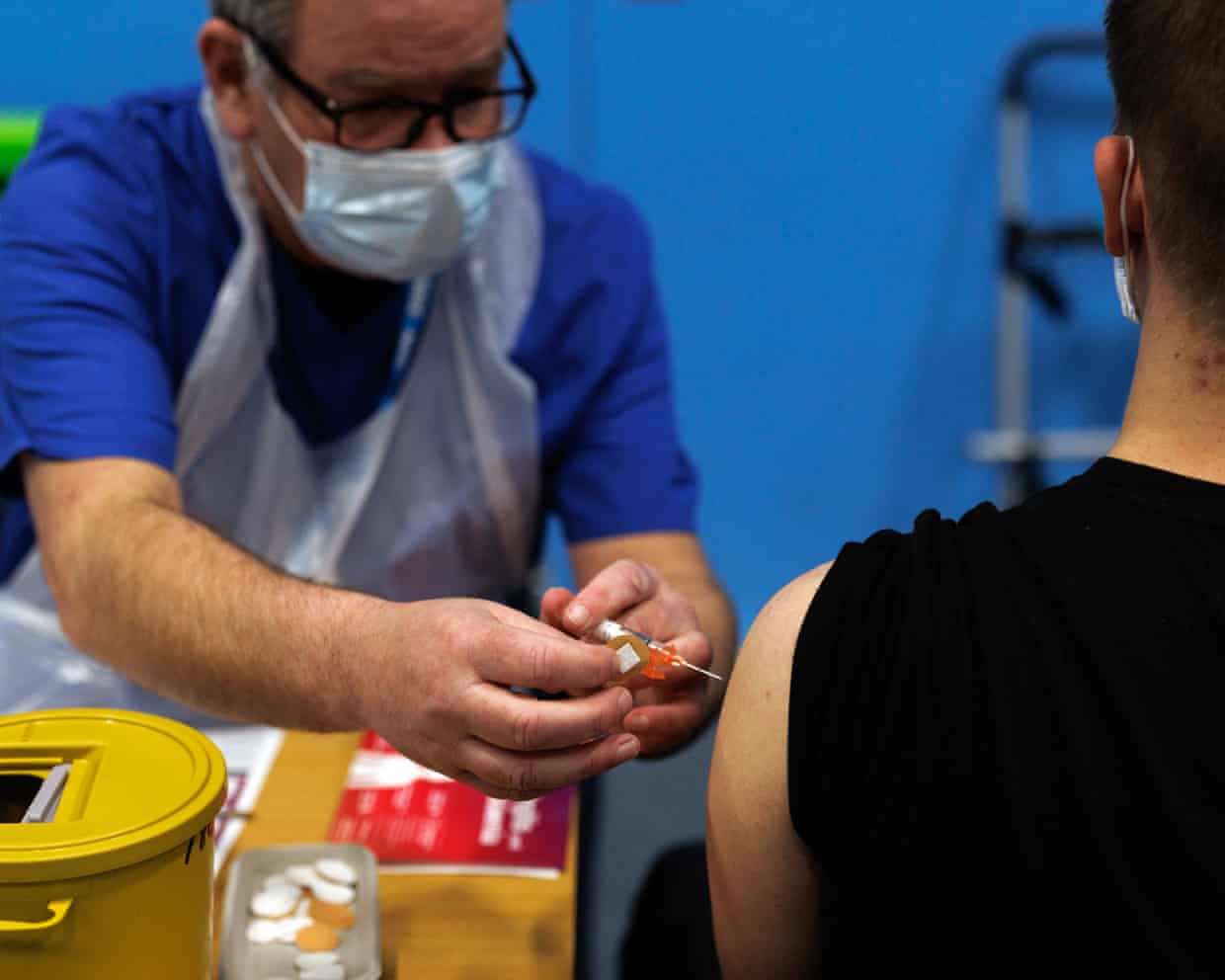
Kent meningitis outbreak may have peaked as UKHSA reports slowdown in cases
The Kent meningitis outbreak may have reached its peak after only two new cases were reported by officials on Friday.The UK Health and Security Agency said that as of 12.30pm on Thursday, there were 18 confirmed and 11 probable cases of meningitis linked to the Kent outbreak, taking the total number of people with the disease to 29. Of the confirmed cases, 13 were meningitis B.While the growth in cases may have slowed, the situation remains serious, with all cases requiring hospital admission
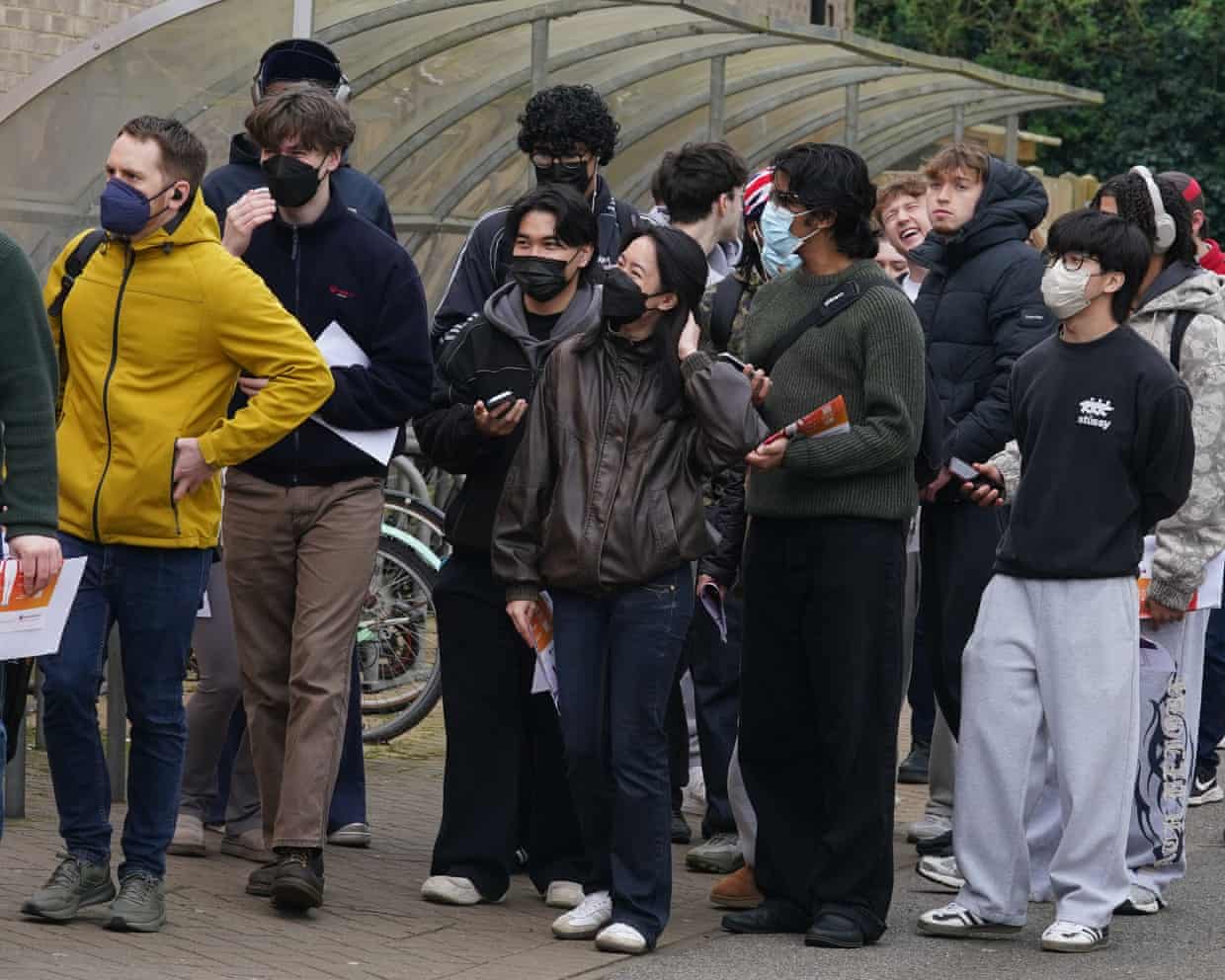
The Kent meningitis outbreak: what is happening and why?
The deadly outbreak of meningitis in Kent has fuelled concerns about how far the disease will spread and seen the return of people wearing masks and queueing for vaccines. The scenes are reminiscent of the Covid crisis, but meningitis is very different. Here we look at how the outbreak has unfolded.Meningitis is a potentially lethal but uncommon disease caused by viruses and bacteria that trigger inflammation of the meninges, the protective linings that cover the brain. The Kent outbreak is driven by meningococcal bacteria which are found in the nose and throat of about 10% of the population

UK government yet to trial OpenAI tech months after signing partnership
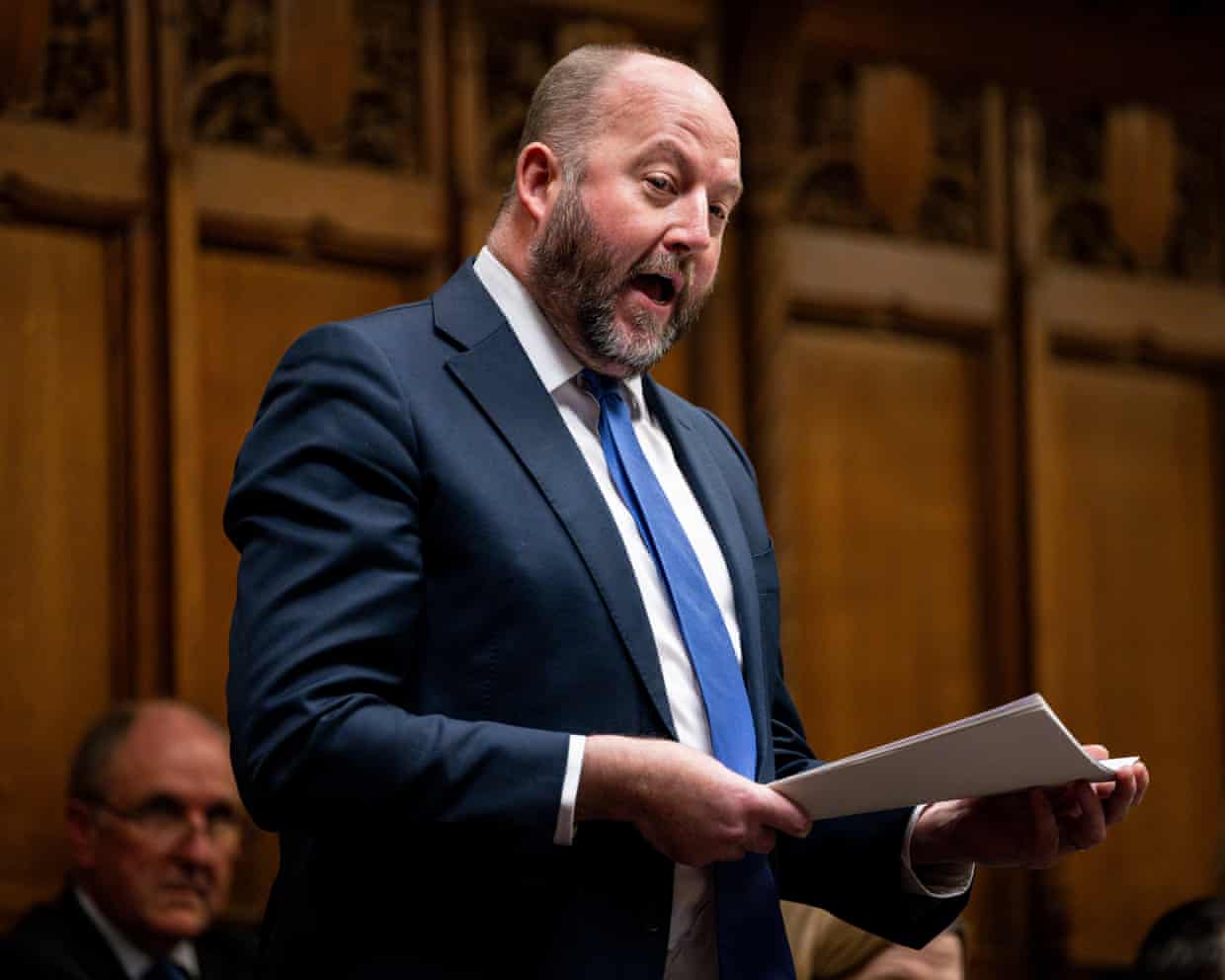
Tory peer accuses Nick Timothy of ‘instilling fear’ over Islamic prayers

Department of Health retracts claim sunbeds are as dangerous as smoking

More British teenagers stranded abroad as result of new rules on dual nationals

Is it time for the UK to acknowledge the ‘rhetoric to reality gap’ on its military power?
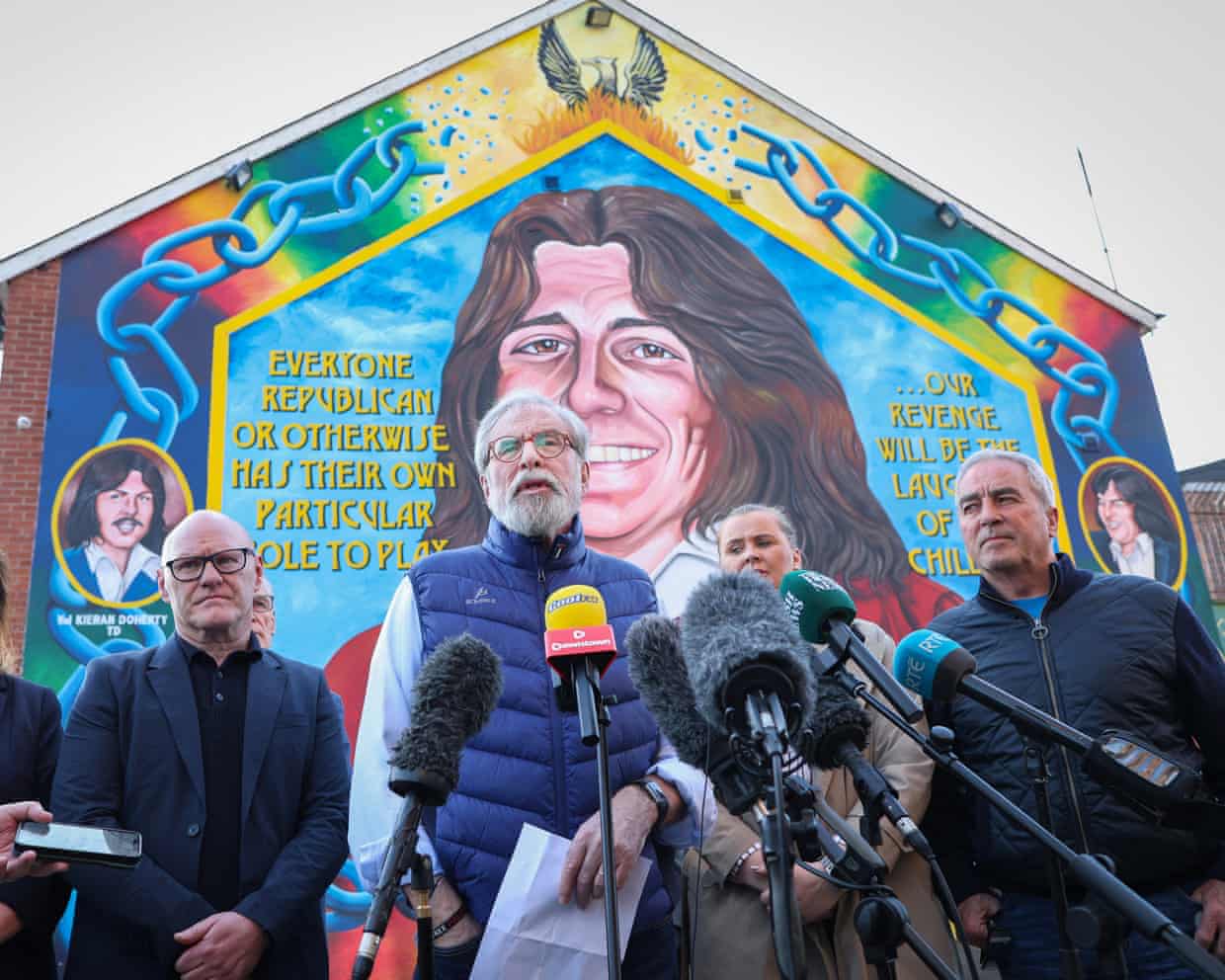
Claimants drop lawsuit against Gerry Adams over IRA bombings