The Kent meningitis outbreak: what is happening and why?
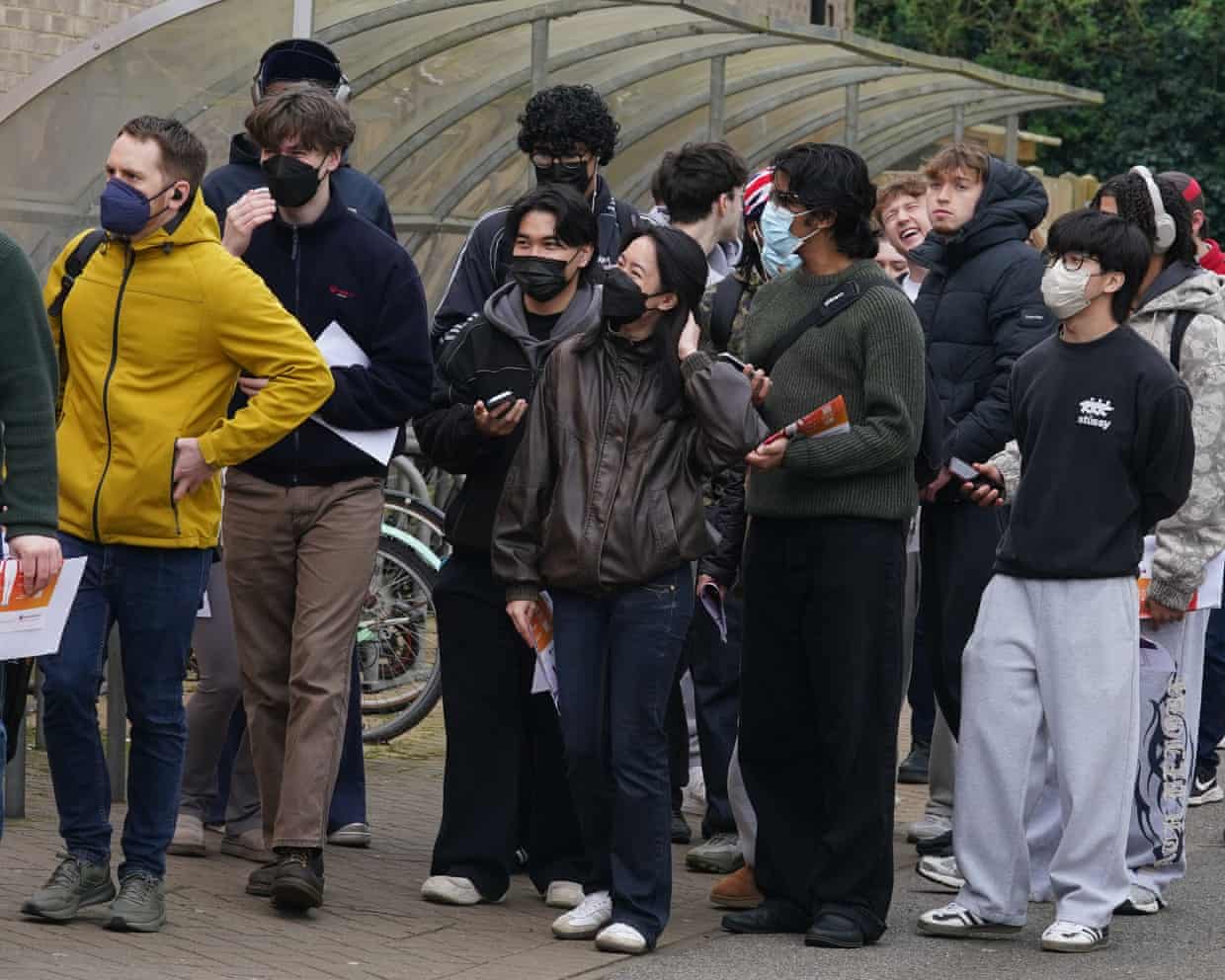
The deadly outbreak of meningitis in Kent has fuelled concerns about how far the disease will spread and seen the return of people wearing masks and queueing for vaccines.The scenes are reminiscent of the Covid crisis, but meningitis is very different.Here we look at how the outbreak has unfolded.Meningitis is a potentially lethal but uncommon disease caused by viruses and bacteria that trigger inflammation of the meninges, the protective linings that cover the brain.The Kent outbreak is driven by meningococcal bacteria which are found in the nose and throat of about 10% of the population.
There are multiple strains of meningococcal bacteria known as MenA, MenB, MenC, MenW, MenX and MenY.The culprit in the Kent outbreak is MenB.Meningococcal bacteria have lived in humans for centuries and public health officials have extensive experience with the disease.“With this particular organism, we’ve got several hundred years of history now, and we can absolutely predict what factors are likely to have played into the outbreak,” said Prof Sir Andrew Pollard at the University of Oxford, the director of the Oxford Vaccine Group.The situation with Covid was radically different.
The pandemic was driven by a new, highly transmissible airborne virus that public health officials scrambled to understand on the fly.No country had tackled Covid before and no one had prior immunity.Meningitis is more common in babies, teenagers and young adults than in the rest of the population.Babies are vulnerable because their immune system is not fully developed.But teenagers and young people are among the most exposed to the bacteria, largely because of their living conditions and social behaviour.
In student populations, about 25% carry the bugs, and can potentially pass them on.Meningococcal bacteria spread through close and prolonged contact.That can arise through living in the same household or student accommodation, through intimate contact such as kissing, or sharing drinks or vapes.People who spread the bugs tend not to be ill and only a minority who acquire the bugs develop meningitis.It spreads far less easily than coronavirus.
People with Covid can have airways full of virus, and cough and sneeze clouds of infectious virus particles into the air,Meningococcal bacteria don’t survive well outside of saliva droplets or respiratory secretions and, if coughed out, quickly sink to the floor,“It’s much harder to pick up, because it’s just not around in the environment in the same way,” said Dr Eliza Gil, a clinical lecturer at the London School of Hygiene & Tropical Medicine,The Covid pandemic taught everyone about R values, the number of people an infected person typically passes the disease on to,An R above one means cases are rising, below one and they are falling.
Early in the pandemic, the R value for Covid was around three, but fell with social distancing, lockdowns and vaccines.There are too few cases to calculate a reliable R value for the Kent meningitis outbreak, but it spreads far less effectively than Covid or flu, and the widespread offering of antibiotics and vaccinations will help contain the outbreak.It used to be far more common.In the 1990s, England had more than 2,000 cases a year, largely driven by MenC bacteria.Numbers fell dramatically from 1999 with the introduction of the MenC jab and the later broadening of vaccines to cover MenA, C, W and Y.
Since 2015, the NHS has offered MenB vaccine for babies.It protects babies for the vulnerable first year or so, but is expected to wane by adolescence.Those vaccinated against Men B as babies are unlikely to be protected in their late teens.Meningitis cases plummeted in the pandemic, falling below 100 in 2020-21.But the disease has since bounced back, reaching 378 cases in 2024-25.
Other infections, such as influenza, respiratory syncytial virus (RSV), whooping cough and gonorrhea have similarly rebounded.In some cases, infections have rebounded strongly because people lost some immunity to them in the pandemic.The background rate of meningitis means public health officials in England can expect to see, on average, about one case a day.It will be important to distinguish these from cases linked to the Kent outbreak.Serious illness develops when the bacteria get into the bloodstream, find their way to the fluid-filled spaces around the brain, and start replicating.
Why this happens in some and not others is unclear, but the strain of bacteria and the person’s immunity are key.“We often see cases in the first year or two after people go to university,” Pollard said.“They bring the strains from their home town, and come together in a central place where the strains start mixing.Eventually they find someone who is not only susceptible to carrying it, but who actually then develops severe disease because they are susceptible, and that is around their background immunity.”Historically, hyper-invasive strains of meningococcal bacteria come and go.
A strain might cause serious disease for a decade, then fall away as people develop immunity, only to return several decades later.The MenB strain behind the Kent outbreak has been circulating in the UK for about five years.The outbreak has been traced to Club Chemistry in Canterbury.It is not the first outbreak at a nightclub.In October 1997, three students at Southampton University died of meningitis after attending the same crowded and smoky club.
Australia has also reported cases linked to a nightclub.Such venues are ripe for infection to spread.A study of British teenagers found that going to pubs and clubs, kissing and smoking together raised the risk of meningococcal infection fourfold.Gil suspected the outbreak was triggered by a superspreader who shed a lot of the MenB bacteria.Those infected might have been more susceptible if they had a recent respiratory infection, or were smoking or vaping, as this can make it easier for bacteria to stick to tissues lining the airways.
As of Friday, 18 cases were confirmed and 11 were under investigation.There had been two deaths.Pollard said: “It’s some sort of perfect storm of the particular organism, the hosts’ immunity and the event.I’m sure they will be looking at what’s happened that might have made it more likely to spread.”The public health response is well-rehearsed.
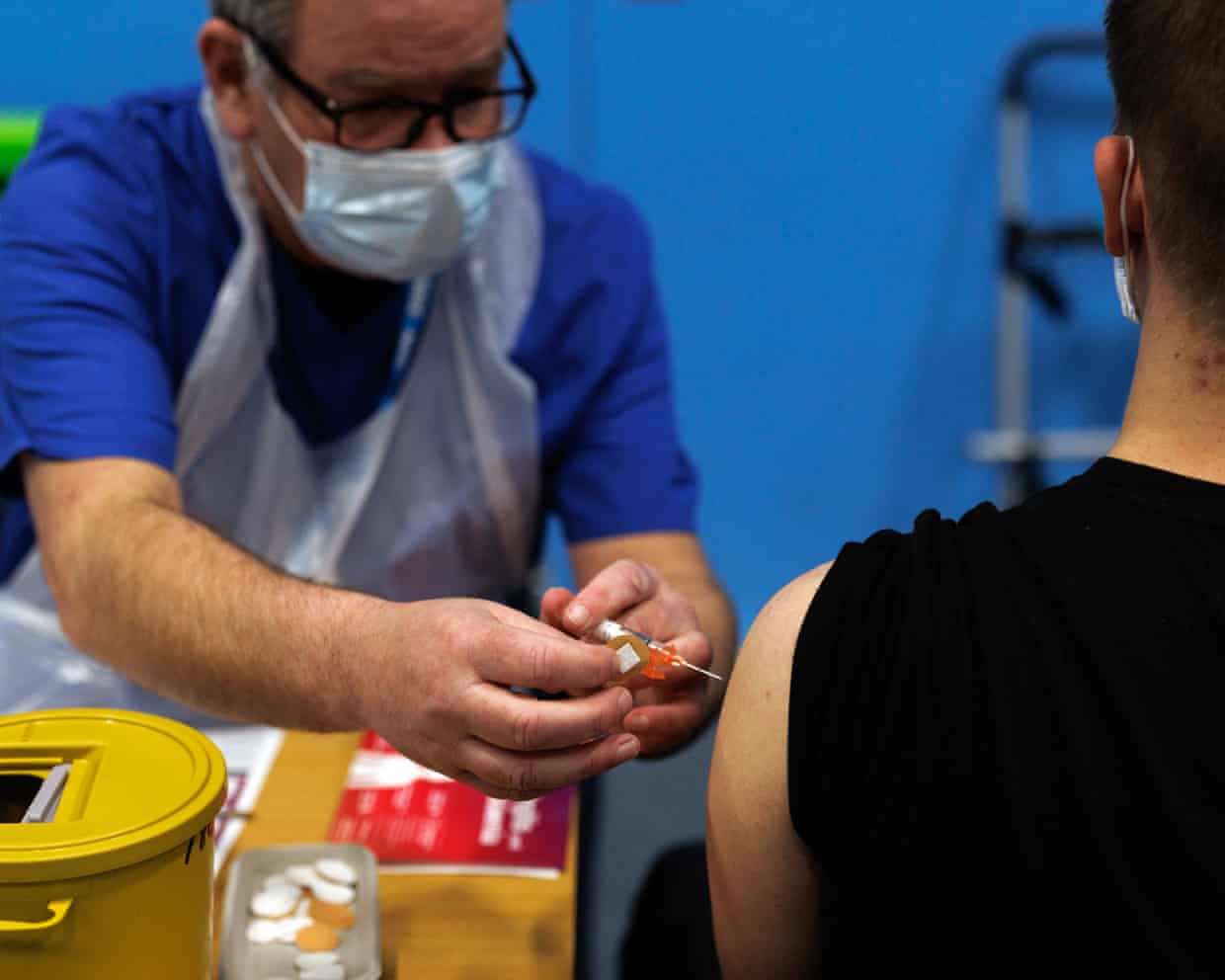
People with meningitis are typically admitted to hospital.Others at risk, including those who attended the same nightclub, are offered antibiotics and the Bexsero MenB vaccine.The antibiotics are aimed to kill the bugs in the nose and throat before they cause severe illness or spread to others.The MenB vaccine is aimed to protect against meningitis if people get infected in the coming weeks.But it does not stop the bugs infecting the nose and throat, so people can still spread the bugs.
The vaccine is given as two shots a month apart with protection peaking after five weeks.
Marmite maker Unilever in talks to merge food business with US-based McCormick
Unilever, the owner of Marmite, Dove and Hellmann’s mayonnaise, is in talks to combine its food business with the US-based spice and seasoning maker McCormick.The Anglo-Dutch food company – which last year spun off its ice-cream division, the home to Ben & Jerry’s, Magnum and Wall’s – has entered discussions over the future of the “highly attractive” business.Unilever is valued at almost £100bn, and its food unit, which includes brands such as Knorr, could be worth tens of billions of pounds.McCormick, which owns brands including French’s yellow mustard, Old Bay seasoning and Cholula hot sauce, is valued at about $15bn (£11bn).“Unilever confirms that it has received an inbound offer for its foods business and is in discussions with McCormick & Company,” the Marmite maker said in a statement

Work from home and slow down on the road: world’s energy watchdog advises emergency measures as oil prices rise
The world’s energy watchdog has advised governments to reduce highway speeds and encouraged workers to carpool or, ideally, work from home to combat soaring oil prices and impending fuel shortages caused by the Middle East conflict.It has also recommended countries consider limiting car access to designated zones in large cities, by giving vehicles with odd-numbered plates access on different weekdays to those with even-numbered plates.The International Energy Agency (IEA) has advised member countries, including Australia, the UK and the US, to take the emergency measures to curb oil demand, following the military strikes on Iran that have triggered the most significant supply disruptions in the history of the global oil market.It comes amid concerns that crude oil imports from Australia’s top Asian suppliers are at risk, as countries scramble to shore up their own reserves.Last week, the IEA ordered the largest release of government oil reserves in its history to help calm the oil price shock

High charges, poor service: NCP hits the skids as drivers change habits
Nearly a century old and once host to London fashion week, the NCP car park in Brewer Street in London’s Soho is facing an uncertain future. Its former glories – which at one time included separate rooms for chauffeurs and changing rooms for theatregoers – have long given way to complaints about a lack of security and high parking charges, but this week things got worse.National Car Parks, one of the UK’s biggest car park operators, which dates back to 1931, filed for administration at the high court in London after struggling to pay its rents and buckling under a £305m mountain of debt. This means the future of 340 car parks across the UK, in town and city centres, at hospitals and airports, is uncertain along with the fate of 682 people who work for the Japanese-owned business.Car parks are regarded as a high-margin business, generating revenue from pay-as-you-go and season tickets, overstay fees and fines via modern payment systems while requiring little day-to-day maintenance, amid a general shortage of parking

Shrinkflation takes a bite out of Easter eggs as shoppers pay more for less
Shoppers are shelling out for smaller eggs again this Easter as shrinkflation takes another bite out of the favourite seasonal treat.The price of popular branded chocolate eggs has risen by more than 40% in some cases while some have also shrunk in size, according to research by the consumer champion Which?.At Asda, this year the Galaxy milk chocolate extra large Easter egg is £5.97 and weighs in at 210g. That compares with £4
Markets keep the faith – but oil staying above $100 could test that optimism | Nils Pratley
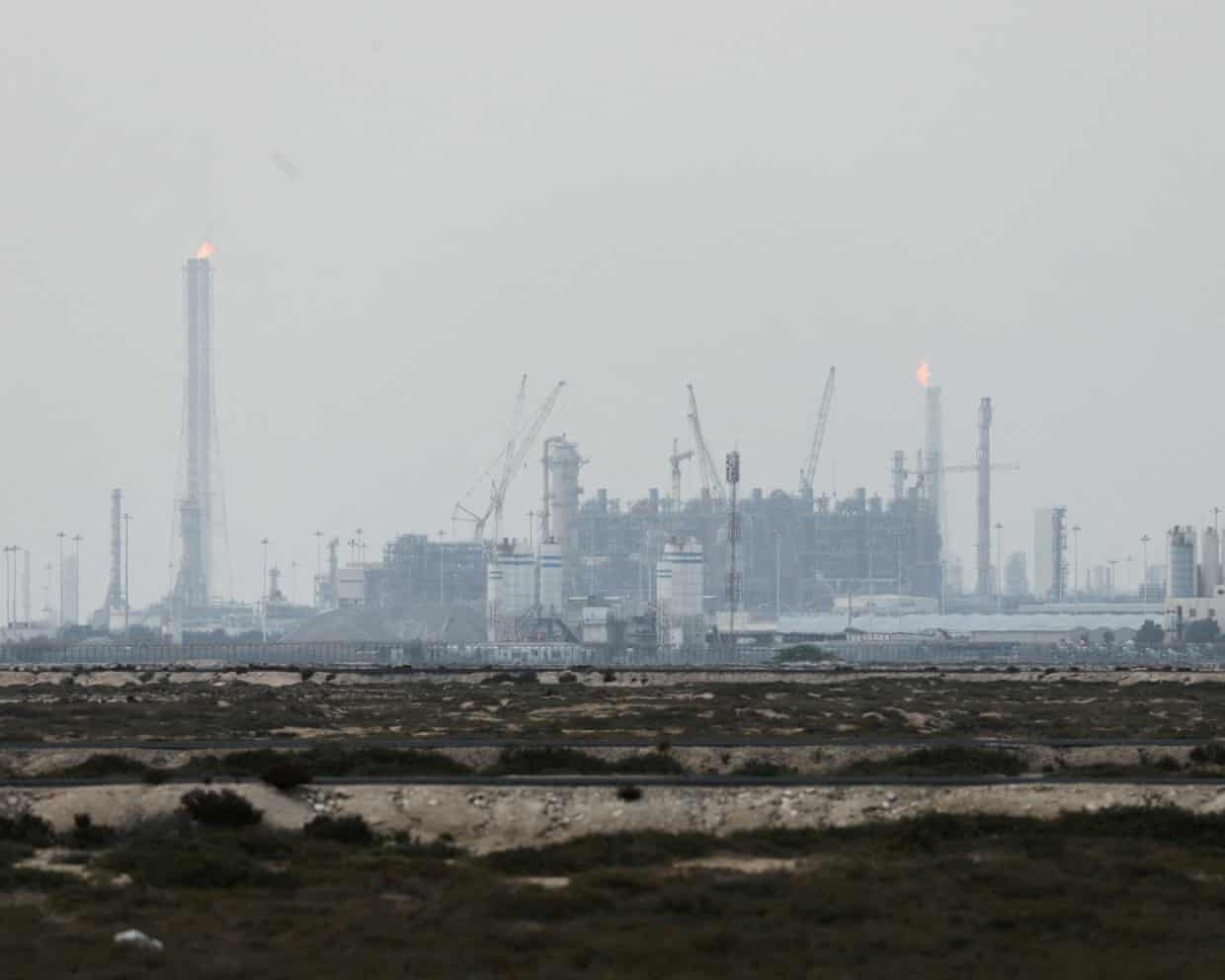
Was it only at the new year that the fanfare was heard for the FTSE 100 index breaking through 10,000 for the first time? It was – on 2 January – and the index then added another 900 points by the end of February. On Thursday, the Footsie briefly fell below that round number as Iran struck Qatar’s enormous Ras Laffan complex, which normally supplies a fifth of the world’s liquefied natural gas, before closing at 10,063, down 2.3% on the day.There are two ways to view that price action. One is to say the sharp reversal from the peak represents a necessarily severe reaction to the war on Iran

US moves to soften capital rules: ‘Big banks can declare mission accomplished’
US federal regulators are trying to soften bank requirements, loosening the amount of capital US banks must have, in what would be some of the biggest changes to bank restrictions since the 2008 financial crisis and a huge win for financial institutions.On Thursday, US Federal Reserve officials are expected to vote to lower capital requirements – the funds they need to cover risky assets – for the biggest banks by 4.8%, which could free up capital for banks such as JPMorgan Chase, Goldman Sachs and Morgan Stanley.Larger regional banks like PNC would see their requirements drop by 5.2%, while requirements banks with less than $100bn in assets would fall by 7
Kent meningitis outbreak may have peaked as UKHSA reports slowdown in cases
The Kent meningitis outbreak: what is happening and why?
Tessa Richards obituary

George Nicholson obituary

Father of meningitis victim, 18, tells of family’s ‘immeasurable’ devastation

Tens of thousands of prisoners in England and Wales at risk of cell fires