‘It all feels very natural’: Britain’s sauna boom heats up as people seek warmth of human connection
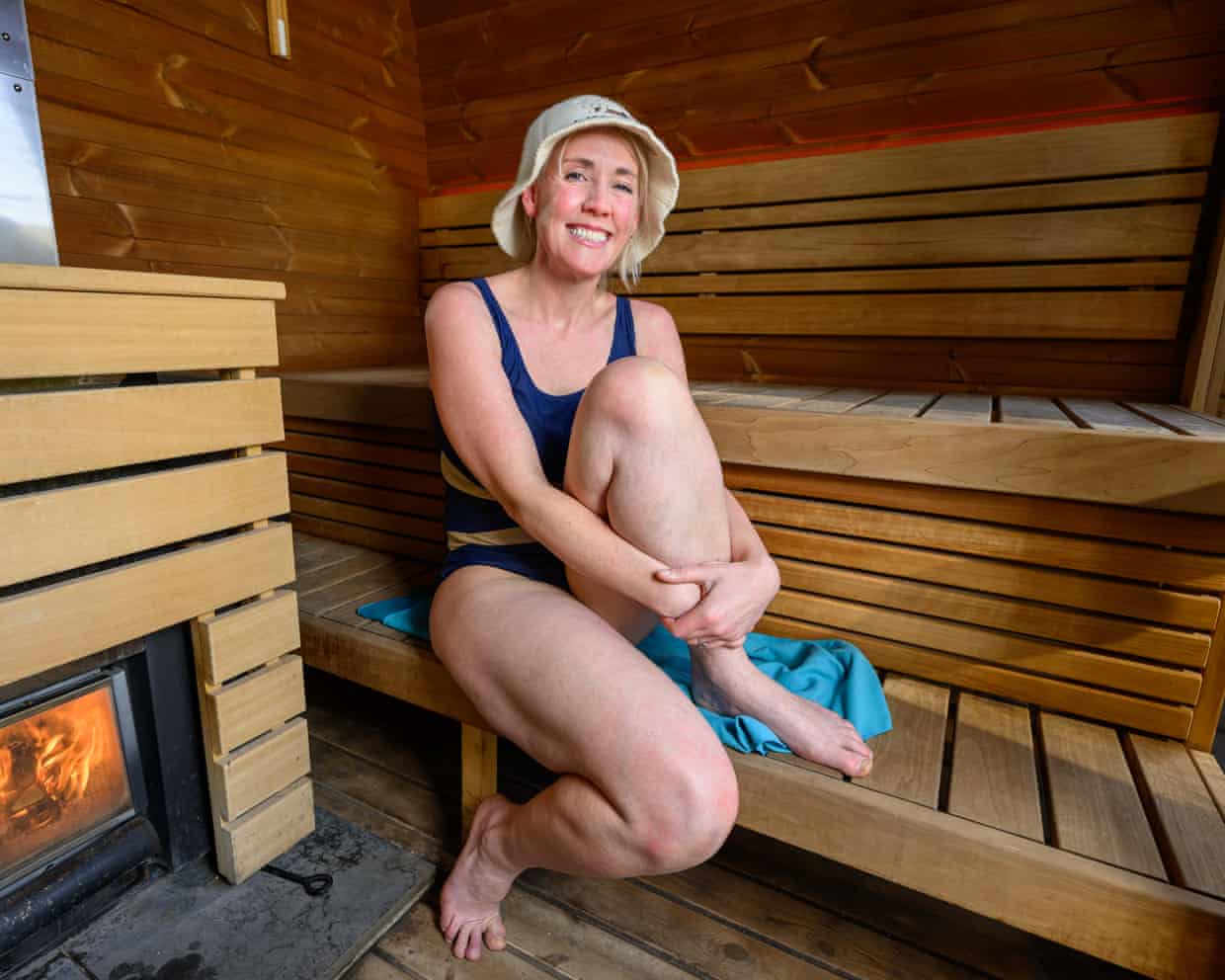
From fields to floating pontoons, in horseboxes, barrels and beach huts, saunas are springing up across Britain.The British Sauna Society now lists about 640 saunas – up from 540 at the start of the year – while a recent report predicted that the UK could become the world’s largest sauna market by 2033, outpacing even Finland and Germany.“The continuing growth suggests that the peak has still yet to come – if there is one,” said Gabrielle Reason, the society’s director.But are saunas a tonic for the nation’s health – or a wellness fad with hidden risks?When it comes to measurable health effects, the strongest evidence relates to the cardiovascular benefits of sauna use.These are “substantial”, said Prof Setor Kunutsor, the Evelyn Wyrzykowski research chair in cardiology at the University of Manitoba in Canada.
“Comparing people who engage in four to seven sauna sessions per week with those who engage once a week, the risk reductions in cardiovascular outcomes range from 40 to 60%,” he said.“In our randomised controlled trial, we showed a systolic blood pressure reduction of 8mmHg after eight weeks of engaging in three sauna sessions per week.This is a huge reduction.”Evidence for the flip side of a trip to the sauna – the cold-water plunge – is thinner, he added, though it is used by athletes after exercise and is believed to enhance recovery and reduce muscle soreness.Precisely how taking a sauna triggers its benefits is still being studied, but the general idea is that it places the body under controlled heat stress, producing responses similar to moderate exercise, such as walking.
As body temperature rises, the heart beats faster and blood flow increases,This sets off a range of physiological responses, including improvements in blood vessel, heart and lung function, and reductions in blood pressure, inflammation and blood fats (including cholesterol),Researchers believe there may be many mechanisms at work, including effects on the immune system, hormones and cellular stress responses,Feelings of relaxation and wellbeing after a sauna may be linked to the release of endorphins, although this is less well established,When it comes to using a sauna to “sweat out” toxins, however, Kunutsor has his doubts.
“There is no strong evidence that sauna use meaningfully detoxifies the body,” he says.Sauna sessions can produce substantial sweating, and sweat does contain tiny amounts of metals such as aluminium, cobalt and lead and other substances, but sweating is primarily a cooling mechanism, he added.A new study suggests the benefits of sauna use may run deeper.Analysing data from more than 1,900 UK sauna users, researchers found that regular sauna use was linked to improved physical and mental wellbeing, with the strongest effects reported by those who used saunas weekly and felt the greatest sense of belonging to a sauna community.It suggested that much of the benefit may stem from the sense of connection and shared ritual that develops among bathers.
“A ritual is anything where you step out of your normal way of doing things and follow a pattern or a series of actions that have a meaning beyond their functional use,” said Martha Newson at the University of Greenwich in London, who led the research.“At its most basic, a sauna is people getting stripped off and sitting in a hot room.”According to Newson, the combination of shared ritual, physical intensity and vulnerability created by saunas can help to forge unusually strong social bonds.At Fire and Ice Wellness in north Bristol on a Wednesday lunchtime, the atmosphere is bucolic.The sauna sits in the grounds of a former wildlife park, where an old seal pool has been repurposed as an ice bath.
Inside the sauna, two strangers discuss redundancy and relationship strain in soft whispers.Another woman shows me her Oura Ring, a sleep and fitness tracker, and says she reliably gets more deep sleep after sauna bathing.Jamie Winn, Fire and Ice’s co-founder, describes the experience as an emotional “safety net”.“There’s something about people being in their bathers with nothing to hide, sort of forced to sit opposite each other, they’ll have a conversation and it all feels very natural,” he said, recalling one visitor who opened up about divorce and personal struggles.“He said ‘I’m going through a really tough time, and this place has quite literally saved my life’.
”Reason believes the rapid growth of community saunas reflects a search for connection in an increasingly digital world.“With more of our attention on screens, we’re away from people and increasingly indoors.That has meant less physical contact, fewer face-to-face conversations, and less time out in nature.”But there are physiological risks – particularly when saunas and cold-water immersion are combined, said Prof Mike Tipton, an extreme environments physiologist at Portsmouth University.Sweating in the sauna can cause fluid loss, while cold water shifts blood to the core and triggers urine production, a process known as cold-induced diuresis.
Together, these effects reduce blood volume, so when the body warms and blood vessels reopen, blood pressure can drop, causing dizziness, fainting and sometimes injury.The more cycles people do, the greater the risk.“We’re seeing this problem where people have booked a sauna for an hour, so they’re going to stay for an hour,” said Tipton.“By about the third time they leave the sauna, they’re feeling particularly lightheaded, and they’ll have a faint.”Drinking water can offset dehydration from sweating, though it does little to counter cold-induced diuresis, so Tipton advises starting well hydrated.
Gentle leg movement can help prevent blood pooling, and people should stand up slowly and watch for warning signs such as dizziness, nausea or tunnel vision.People with pre-existing cardiovascular disease should seek medical advice before using saunas or ice baths.For most people, moderation is probably the key.“The overall evidence suggests that reaping the optimal benefits from sauna sessions requires a frequency of 3-7 sessions per week, with each session lasting approximately 15-20 minutes,” Kunutsor said.If Reason is right, the UK’s sauna boom may only be beginning.
As I leave Fire and Ice, the air feels cool against skin still radiating heat.I smell faintly of woodsmoke.In these turbulent, technology-saturated times, the warmth, human connection and that lingering sense of floating on a cloud may be just the tonic we need.
‘It all feels very natural’: Britain’s sauna boom heats up as people seek warmth of human connection
From fields to floating pontoons, in horseboxes, barrels and beach huts, saunas are springing up across Britain. The British Sauna Society now lists about 640 saunas – up from 540 at the start of the year – while a recent report predicted that the UK could become the world’s largest sauna market by 2033, outpacing even Finland and Germany.“The continuing growth suggests that the peak has still yet to come – if there is one,” said Gabrielle Reason, the society’s director. But are saunas a tonic for the nation’s health – or a wellness fad with hidden risks?When it comes to measurable health effects, the strongest evidence relates to the cardiovascular benefits of sauna use. These are “substantial”, said Prof Setor Kunutsor, the Evelyn Wyrzykowski research chair in cardiology at the University of Manitoba in Canada
House of Lords has ‘signed its own death warrant’ by stalling assisted dying bill, says MP
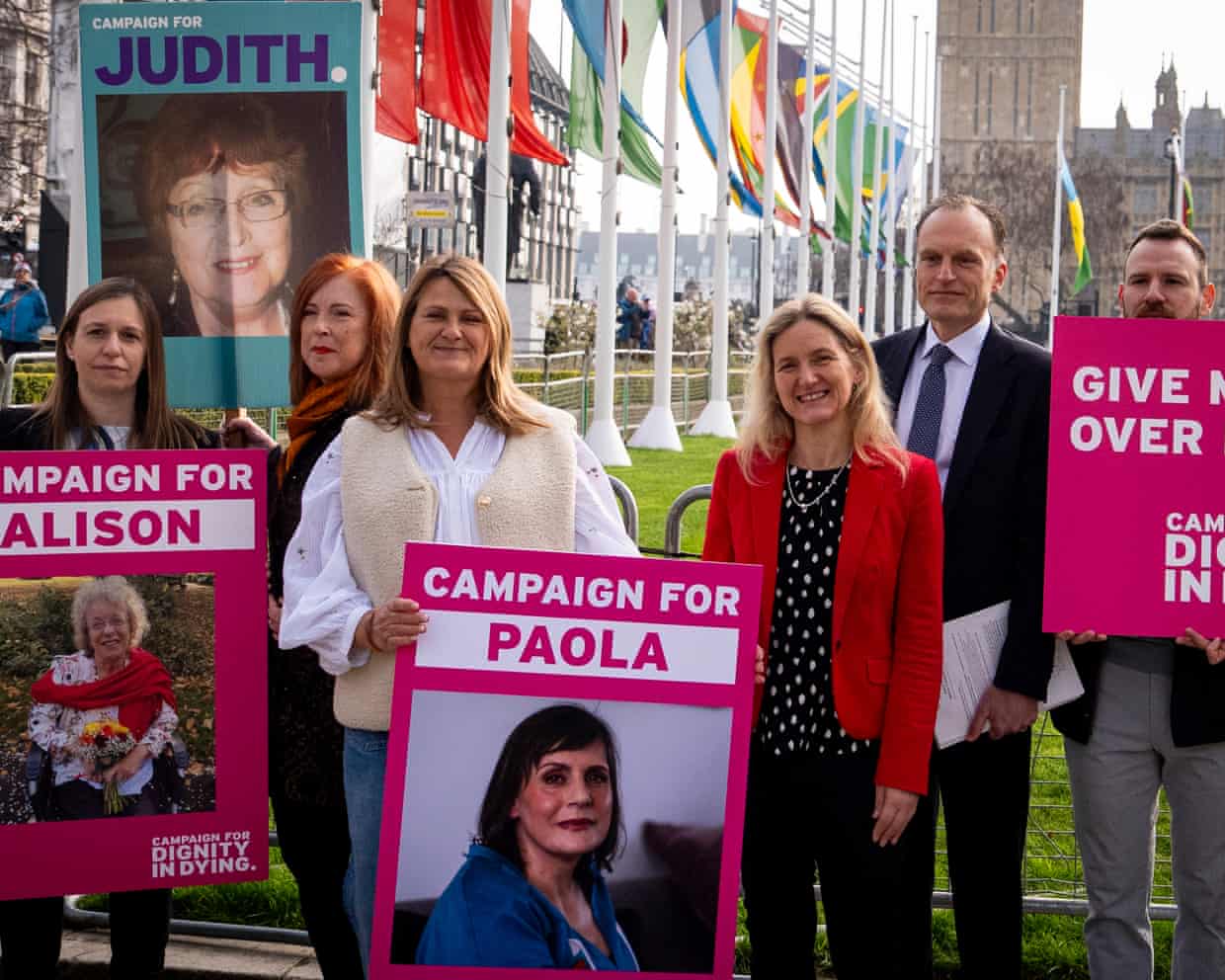
The House of Lords “signed its own death warrant” over its stalling of the UK assisted dying bill, the MP Kim Leadbeater said as she joined more than a dozen terminally ill and bereaved people in protest outside parliament.Marking the second anniversary of the death at Dignitas of the prominent assisted dying campaigner Paola Marra, Leadbeater, whose private member’s bill for England and Wales looks set to run out of time, said many MPs, who had already voted by a majority to pass the bill, were “angry and upset” by the addition of about 1,200 amendments in the Lords, which will probably result in the bill falling without a vote.The protest, organised by the campaign group Dignity in Dying, came as the number of UK residents who had an assisted death at Dignitas rose to its second-highest level in two decades. Forty-three people travelled to Switzerland in 2025, up from 37 the previous year, and second only to 47 people in 2016, figures show.Leadbeater said of the teminally ill adults (end of life) bill: “MPs took this decision having entered into this debate in a really serious, considered manner
Kent meningitis outbreak may have peaked as UKHSA reports slowdown in cases
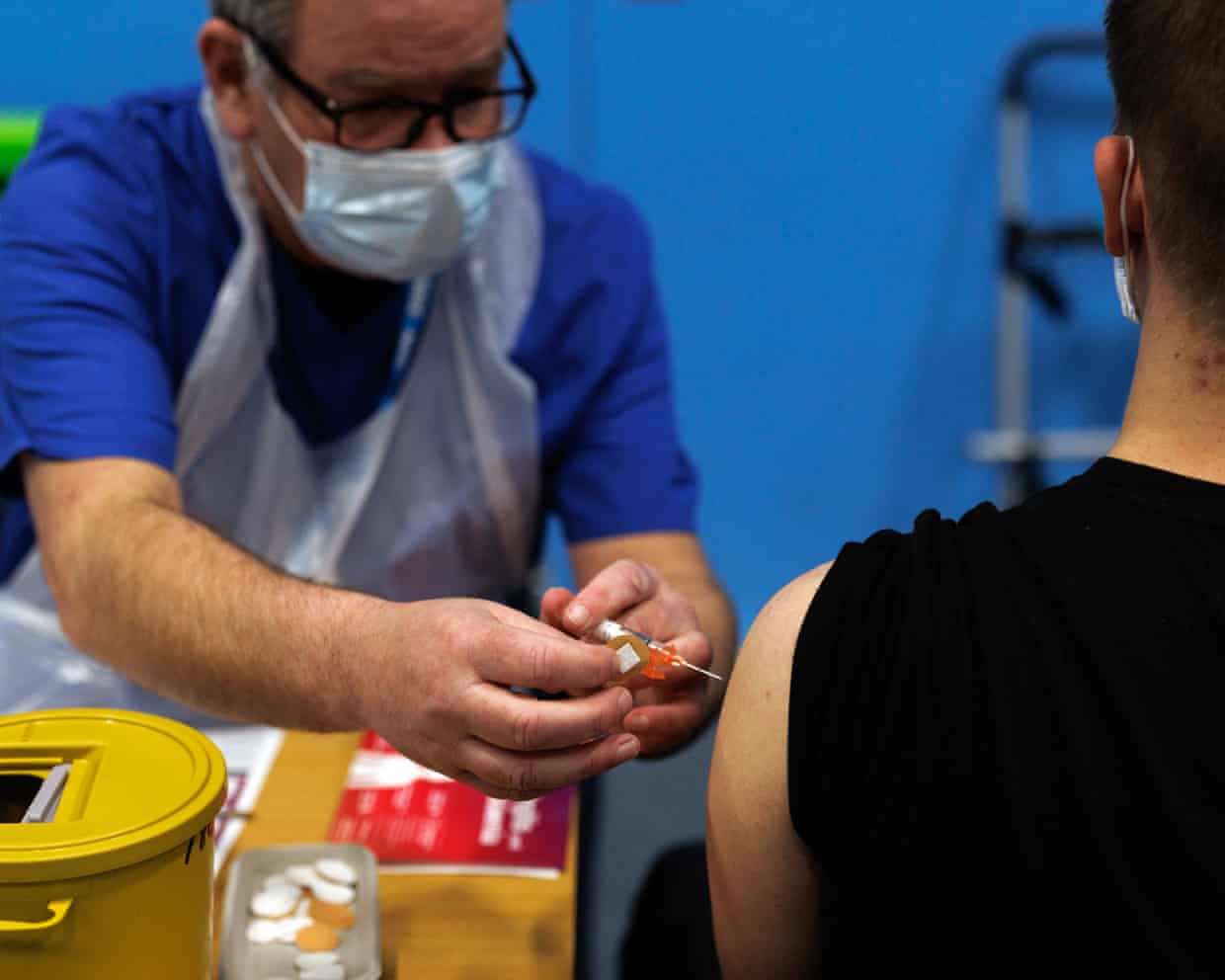
The Kent meningitis outbreak may have reached its peak after only two new cases were reported by officials on Friday.The UK Health and Security Agency said that as of 12.30pm on Thursday, there were 18 confirmed and 11 probable cases of meningitis linked to the Kent outbreak, taking the total number of people with the disease to 29. Of the confirmed cases, 13 were meningitis B.While the growth in cases may have slowed, the situation remains serious, with all cases requiring hospital admission
The Kent meningitis outbreak: what is happening and why?
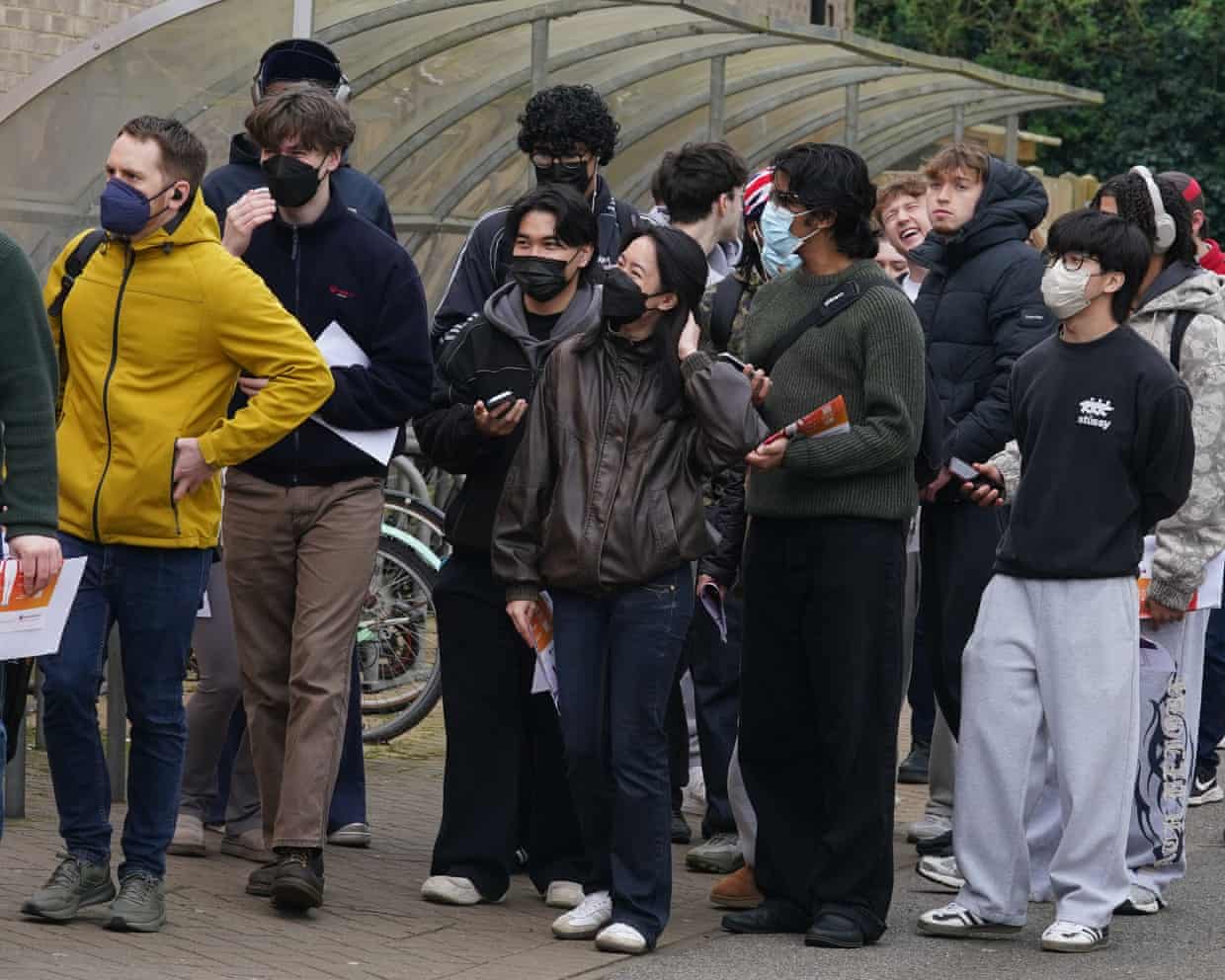
The deadly outbreak of meningitis in Kent has fuelled concerns about how far the disease will spread and seen the return of people wearing masks and queueing for vaccines. The scenes are reminiscent of the Covid crisis, but meningitis is very different. Here we look at how the outbreak has unfolded.Meningitis is a potentially lethal but uncommon disease caused by viruses and bacteria that trigger inflammation of the meninges, the protective linings that cover the brain. The Kent outbreak is driven by meningococcal bacteria which are found in the nose and throat of about 10% of the population
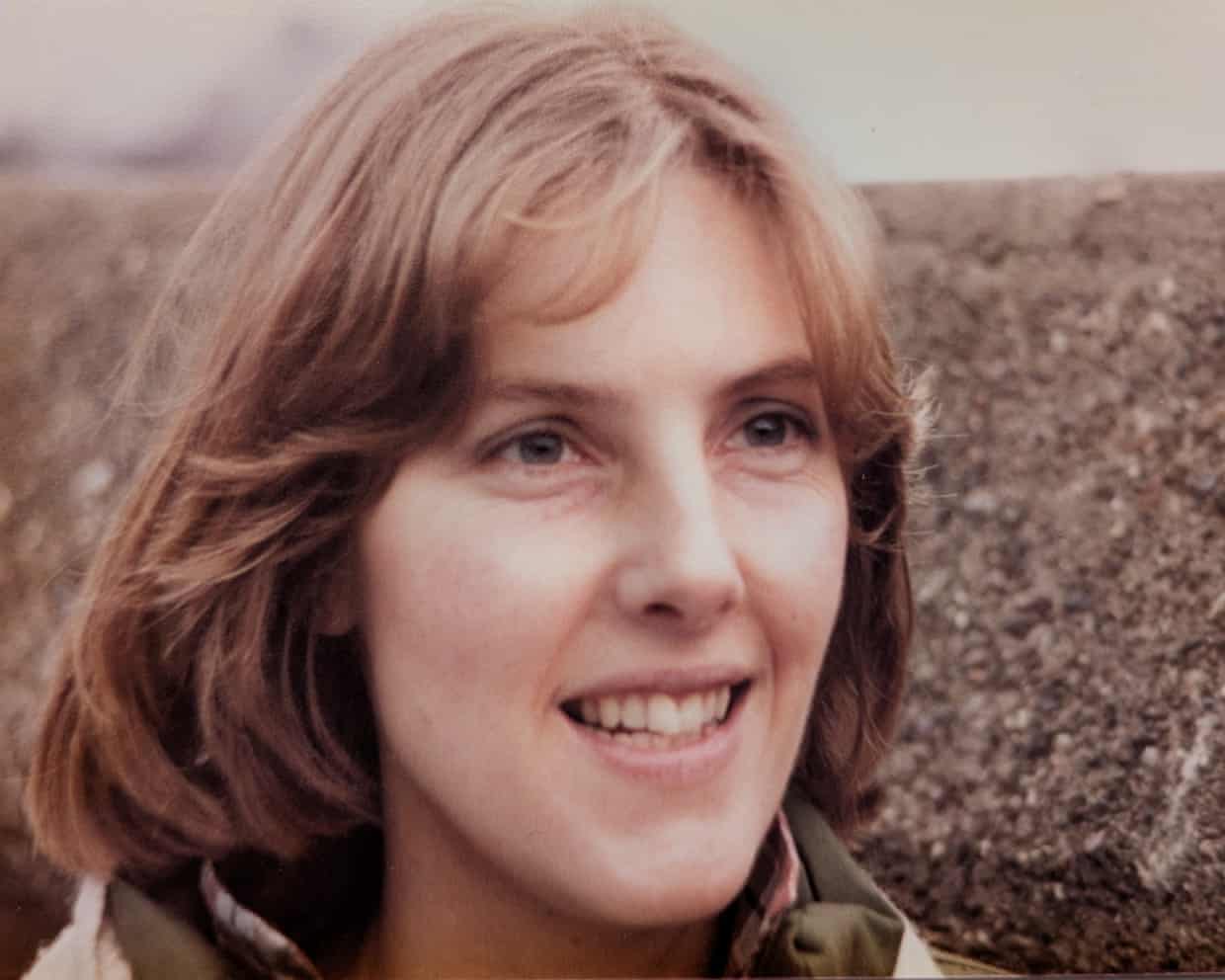
Tessa Richards obituary
My friend Tessa Richards, who has died of cancer aged 75, was a doctor and medical editor who campaigned indomitably for patients to be partners equal with doctors in healthcare. In addition, she transformed the relationship that the BMJ (formerly the British Medical Journal), where she worked for 40 years, had with patients.When Tessa graduated in medicine from Guy’s hospital medical school in London in 1973, doctors dominated patients, and did what they thought best for them. There was no culture of patients being equal partners, and doctors discussing options with them. As Tessa wrote in 1990: “Even the briefest spell on the other side of the desk or in a hospital bed gives blinding insight into patients’ vulnerability and of their need to be listened to, treated with respect, and given full, unhurried, jargon-free explanations
Father of meningitis victim, 18, tells of family’s ‘immeasurable’ devastation
The father of an 18-year-old school pupil who died after the meningitis outbreak in Kent said his family’s devastation is “immeasurable” as he called for better protection for young people.Juliette Kenny died last Saturday, one day after first showing symptoms of vomiting and discoloration in her cheeks, her father, Michael Kenny, said.He said his daughter had been “fit, healthy and strong” and had completed the practical assessment for her PE A-level two days prior to her death.Juliette Kenny, a sixth-form pupil at Queen Elizabeth’s grammar school in Faversham, is one of two students to have died after the outbreak of meningitis B in the county.Kenny said “no family should experience this pain and tragedy” and that “this can be avoided”, adding that he wanted his daughter’s legacy to be “lasting change”

US stock markets dip for fourth straight week over US-Israel war on Iran

Lowering speed limits among contingency plans to curb UK oil demand

First came the AI ‘teammates’, then the layoffs: the new reality for Atlassian staff now looking for work

Fire experts ‘kept awake’ over growing hazard of lithium-ion batteries

USA’s Jordan Anthony wins 60m world gold after his blood clot ‘the size of a soccer ball’

Coroner ‘cannot be satisfied’ that Ricky Hatton intended to take his own life