The Hours won awards for Nicole Kidman’s fake nose – and hearts as a queer classic
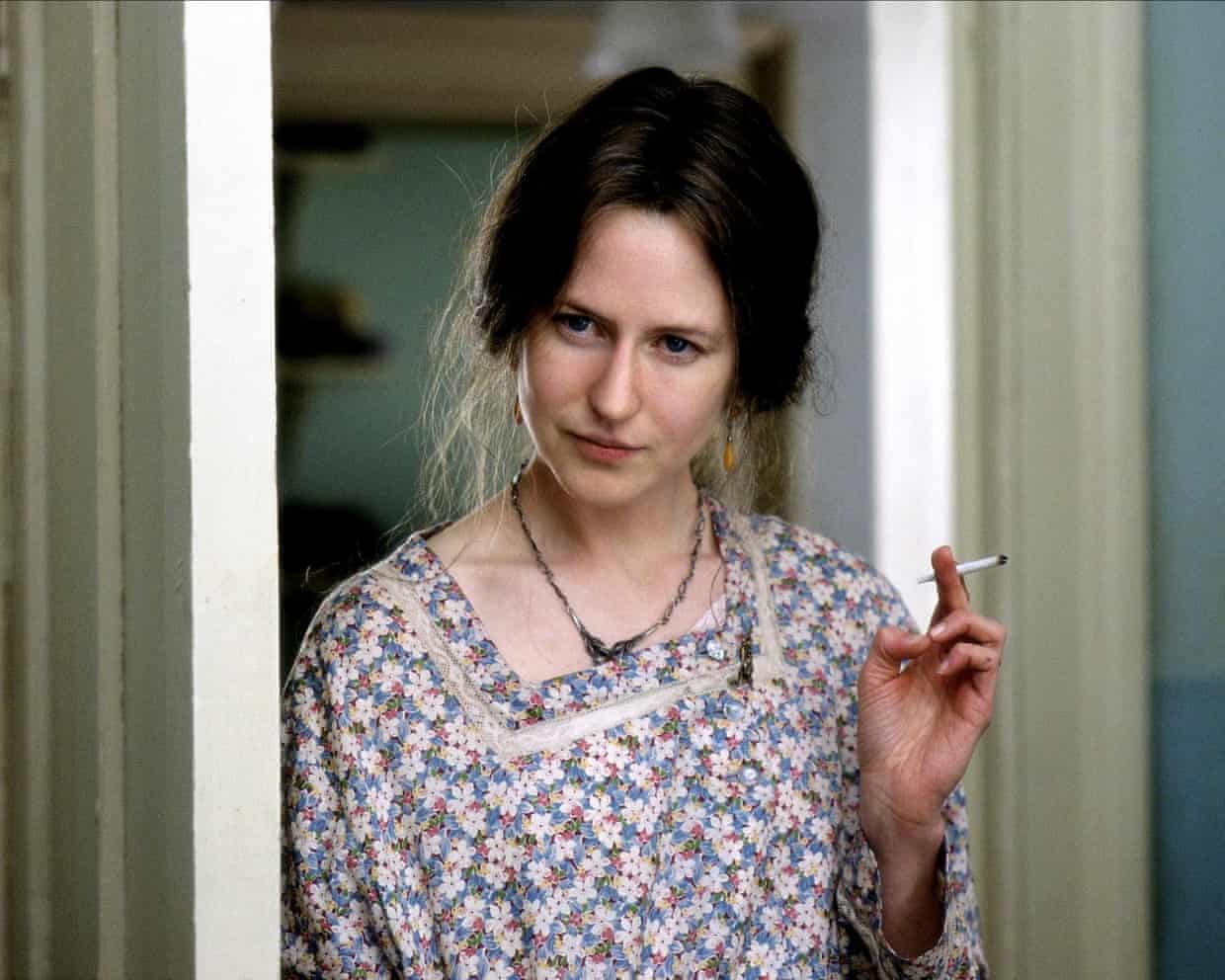
Michael Cunningham’s Pulitzer prize-winning book The Hours – inspired by Virginia Woolf’s seminal 1925 novel, Mrs Dalloway – imagines one day in the lives of three women separated across time periods.The triptych follows Woolf in the throes of writing Mrs Dalloway; Laura Brown, a depressed housewife who is reading Woolf’s novel in postwar America; and Clarissa Vaughan, a New Yorker who acts as a contemporary embodiment of Woolf’s titular character.Cunningham’s 1998 text, though widely acclaimed, was initially deemed unadaptable due to its nonlinear structure and stream-of-consciousness approach that paid homage to Woolf’s pioneering style.However, since its publication, The Hours (which takes its name from Mrs Dalloway’s working title), has been reinterpreted as an opera and, most notably, a 2002 film directed by Stephen Daldry.As the title suggests, the film explores the ways in which the routine of a single day can be at once beautiful in its ordinariness or seismic in its oppressive mundanity.
The three women at the film’s centre are just trying to make it through: Woolf (Nicole Kidman) is unable to cope with her personal responsibilities while plagued by a deep depression; Brown (Julianne Moore) is suffocating under domestic pressures while repressing her true desires; and Vaughan (Meryl Streep) neglects her own psychological needs while caring for her ex-lover who is dying of Aids.The women’s individual struggles become linked through their interweaving storylines, suggesting despite the progression of time and sociopolitical advancements, many women remain smothered by the restrictions and expectations of a heteronormative, patriarchal society and are burdened by the expectation to be a “wife” or “mother” before being a “person”.The film adaptation of The Hours is best remembered for securing an Academy Award for Nicole Kidman, who famously donned a prosthetic nose to transform into Woolf.Kidman’s win is often cited as an example of “de-glamming”, where an actor minimises their physical beauty in pursuit of awards glory.But accusations of The Hours as solipsistic “Oscar bait” is a disservice to both the film and Kidman’s brilliantly acidic performance.
Kidman, who made The Hours while going through her divorce from Tom Cruise, channels her personal pain into Woolf’s quiet despair and rage.As Woolf battles with suicidal ideation, Kidman balances the author’s anguish with fox-like intelligence.Moore and Streep, playing two women also on the verge of nervous breakdowns, deliver some of the best performances of their careers.Streep, who is actually mentioned by name in Cunningham’s novel, is mesmerising in the film’s climactic breakdown scene, remarkable in her physical and emotional vulnerability.The trio star alongside a murderers’ row of a supporting cast, including outstanding performances from Toni Collette, Ed Harris and Allison Janney.
Upon release, the film was critically acclaimed for its stellar cast and Philip Glass musical score.But it was the queer community who truly embraced The Hours – not only for its melodramatic tendencies (notably parodied in Kath & Kim), but for its sympathetic depiction of queer sexuality across the 20th century.The Hours acutely understands how the discovery of one’s queerness can be both terrifying and liberating.Each protagonist has their own unique relationship to queerness, and a sexual encounter for each threatens to unravel their understanding of themselves.For Woolf and Brown, their queerness unveils the promise of a different life, free from the inertia of a domestic prison.
For Vaughan – an openly partnered lesbian in love with her gay ex-lover – a shared kiss reopens old wounds and forces her to confront buried feelings.The way time and structure are played with is also explicitly queer.The film’s non-sequential structure, inspired by Woolf’s norm-breaking writing technique, bucks convention, highlighting the ways queerness is rooted not only in shared history but a history that disrupts and distorts traditional, linear, “straight” storytelling.The Hours is available to rent in Australia, the UK and the US.For more recommendations of what to stream in Australia, click here
UK politics: Matthew Doyle claims he never sought ambassador role – as it happened
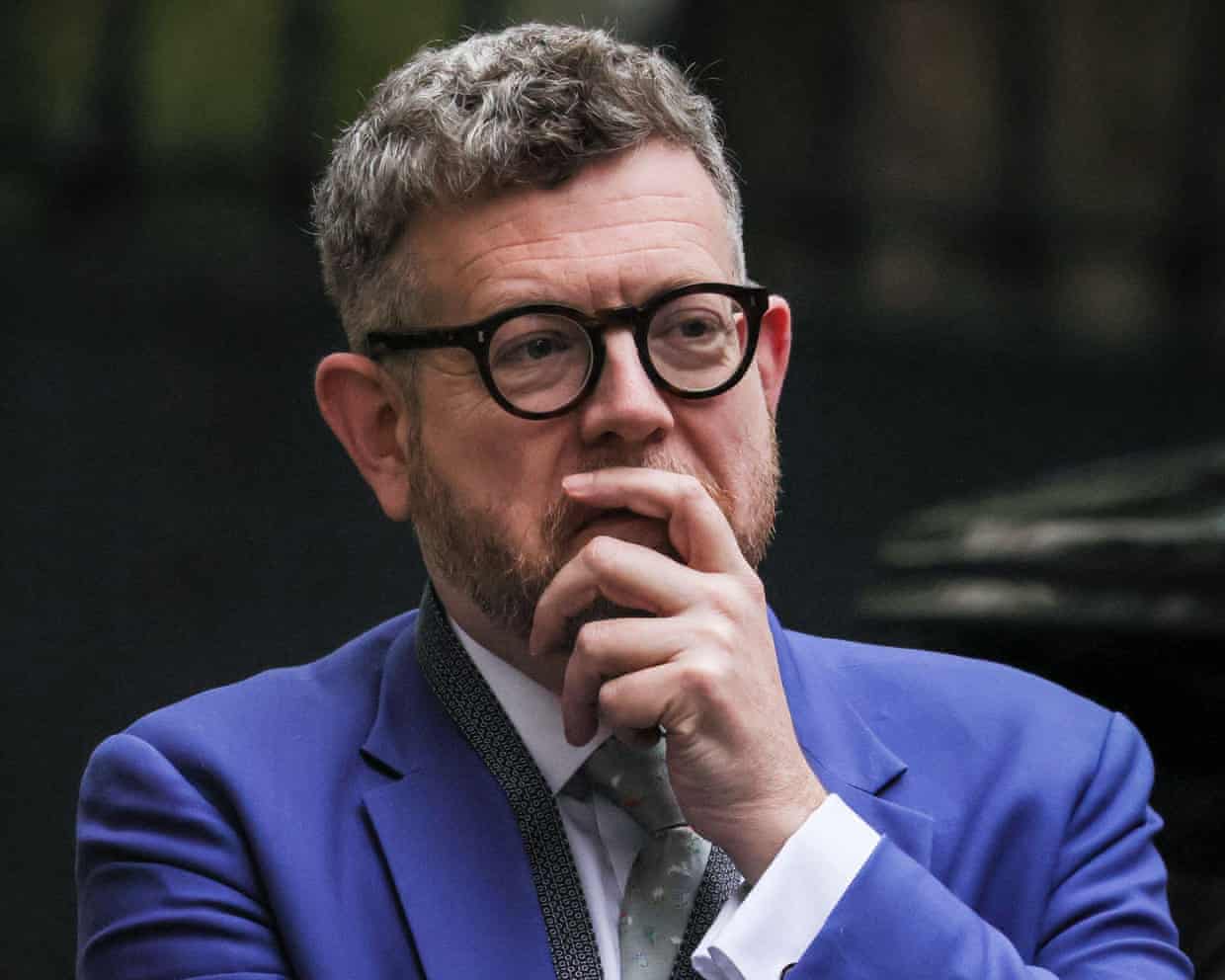
Matthew Doyle, the former No 10 communications chief who got a peerage after he left Downing Street, has said that he “never sought” a post as an ambassdor and that he was “never aware of anyone speaking to the FCDO about such a role for me”.He was responding to the revelations at today’s committee hearing with Olly Robbins.I will post the full quotes when I get them.UPDATE: See 3.53pm for the full quote
UK agriculture deal with EU will not remove all red tape, peers told
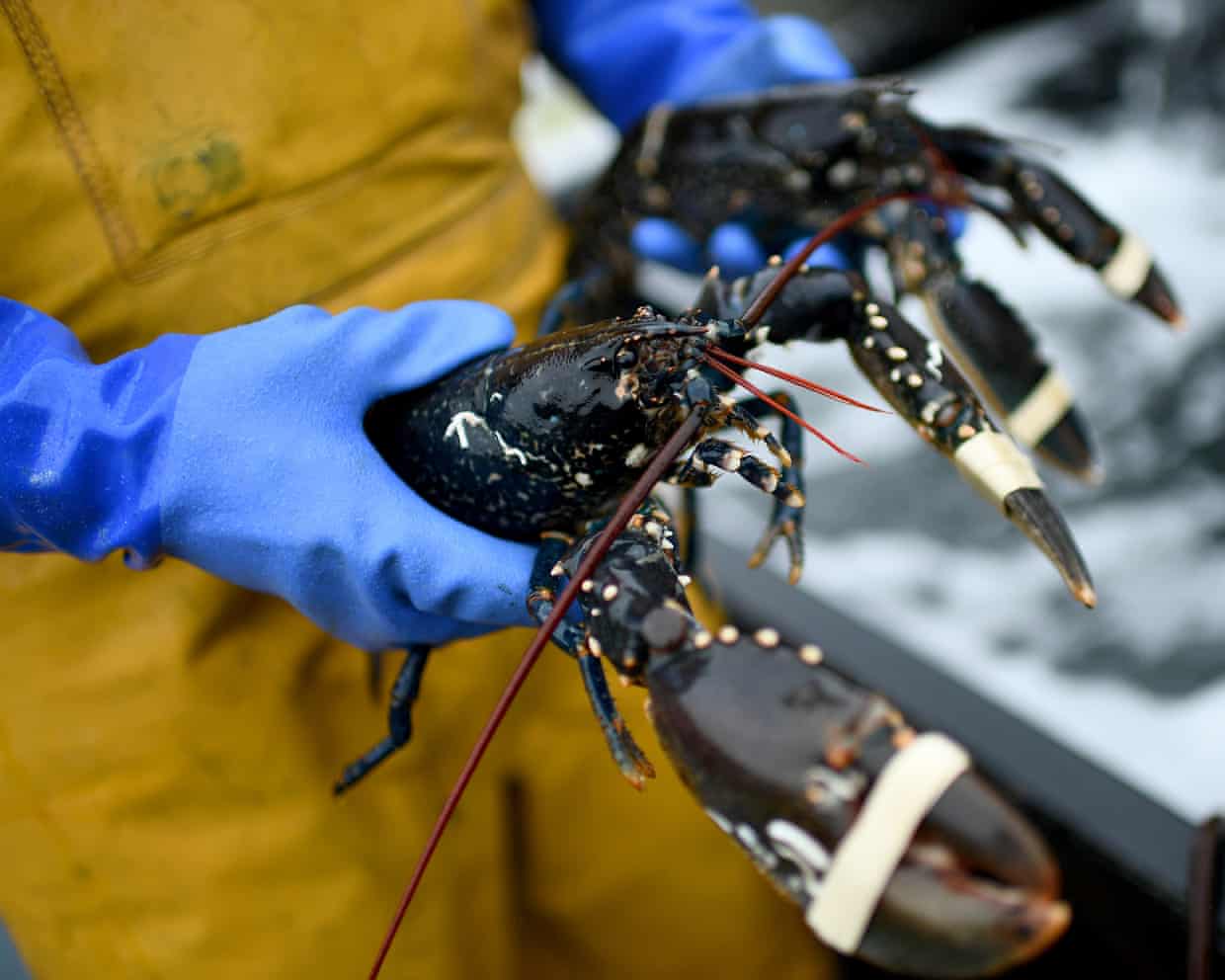
A new agriculture agreement with the EU will not wipe out all Brexit paperwork but might pave the way for sales of Scottish langoustines and oysters, the House of Lords has heard.The UK and EU are close to finalising a sanitary and phytosanitary (SPS) agreement to reduce Brexit trade barriers, and while it will have “modest” impact on the UK economy the agreement will be significant, peers on the European affairs committee were told on Tuesday.It would spell the end of physical checks on farm produce and the end of the need for veterinary certificates, which cost £200 each.It could also remove the need to label food as “Not for EU”, which has been “a significant problem” for wholesalers and distributors, said William Bain, head of trade policy at the British Chambers of Commerce.Bain, who is Scottish, said it could reopen the door for exports of Scottish langoustines and molluscs
Olly Robbins: I was asked to find job for Starmer aide and not tell David Lammy
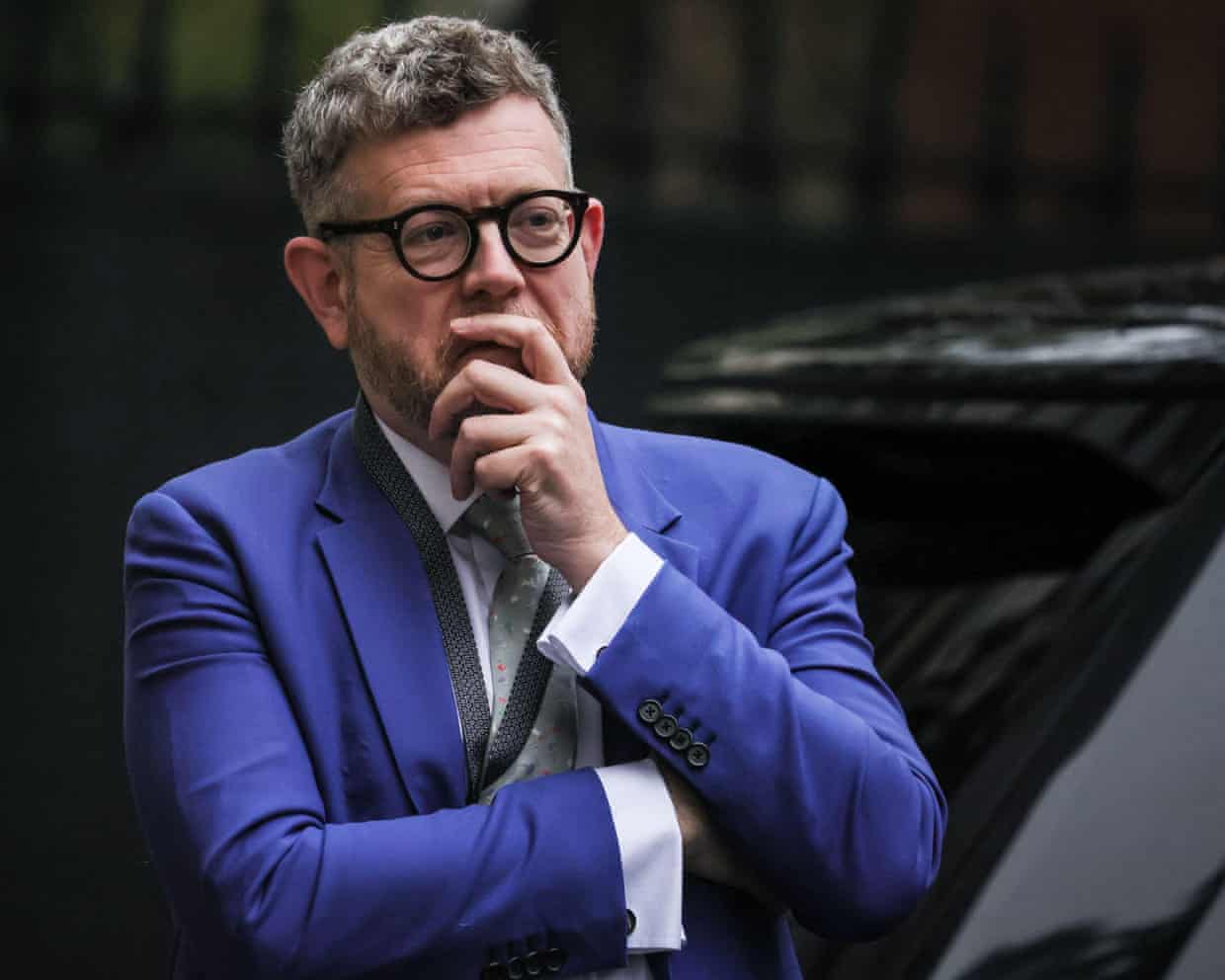
Downing Street pushed the Foreign Office to find a diplomatic role for Keir Starmer’s communications chief over the head of the then foreign secretary, the former head of the department has revealed.Testifying to MPs at parliament’s foreign affairs select committee on Tuesday, Olly Robbins said he had several conversations with No 10 about finding a role for Matthew Doyle, who was later suspended as a Labour peer after it emerged he had campaigned for a friend charged with possessing indecent images of children.Robbins said he had been asked not to mention the idea to David Lammy, who was foreign secretary at the time.Robbins described the conversations as part of more general pressure from people at the top of the government to place senior political figures in senior diplomatic posts. He made the revelation while testifying to the committee about the appointment of Peter Mandelson as Washington ambassador
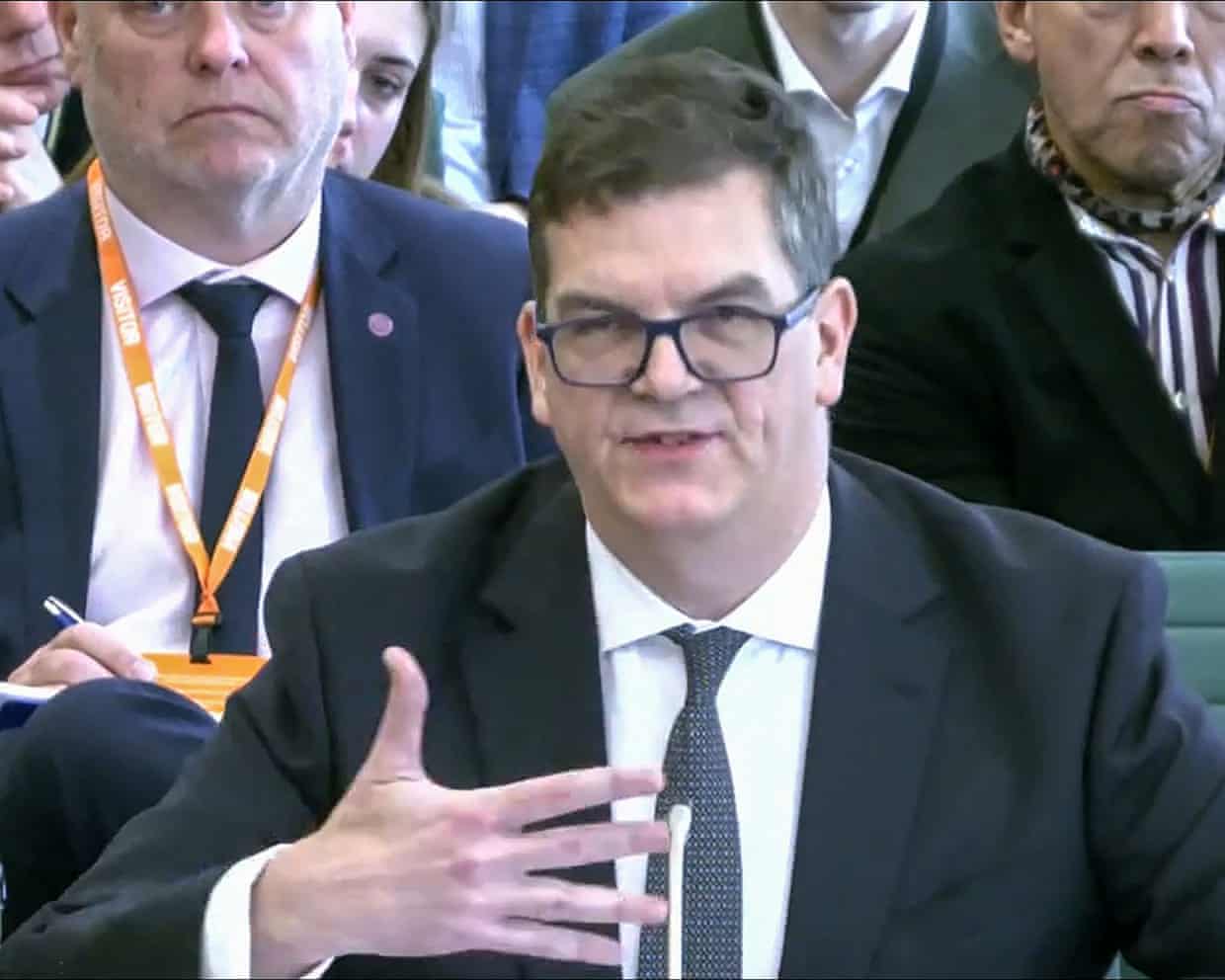
Starmer still faces more questions than answers after Olly Robbins’ quietly damning defence | John Crace
Well, what would you do? You’re a top civil servant with more than 25 years of government service. You’ve worked for Tony Blair, Gordon Brown, David Cameron and Theresa May. You went through Brexit hell as a lead negotiator. You were sacked by Boris Johnson and were then brought back by Keir Starmer.You land a plum job as permanent undersecretary in the Foreign Office and do your boss a favour by appointing his man as ambassador to the US
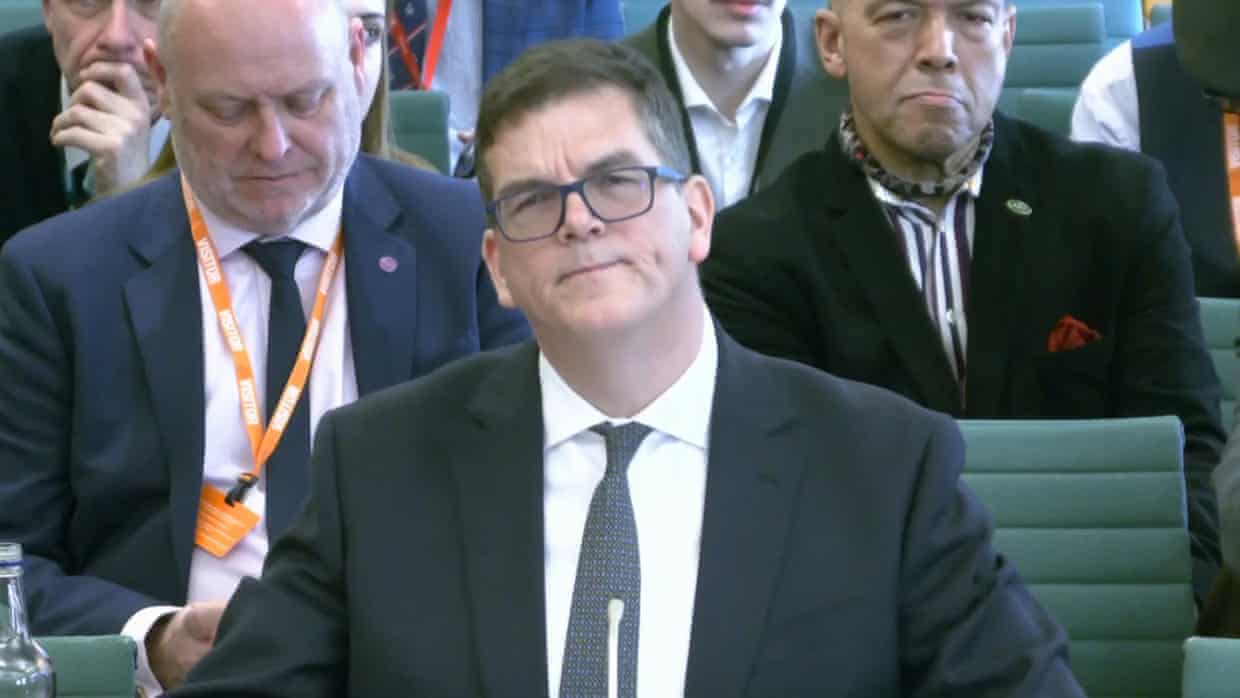
Olly Robbins says he faced ‘constant pressure’ to get Mandelson in post
The sacked senior civil servant Oliver Robbins has said he was subject to “constant pressure” when he started working at the Foreign Office to get Peter Mandelson in post as soon as possible.He said the Cabinet Office urged the Foreign Office to allow Mandelson’s appointment as the UK’s ambassador to the US without the usual vetting process but the Foreign Office pushed back and the vetting eventually went ahead.In an extraordinary development, Robbins, who was sacked by Keir Starmer last week after the Guardian disclosed he had overturned a recommendation from UK Security Vetting (UKSV) to deny clearance for Mandelson, suggested he had done so without knowing the full extent of national security concerns over the Labour peer.The former permanent secretary made his decision to give clearance without seeing the UKSV form – which said there was a “high” overall concern and concluded “clearance denied” – or even knowing the details.Robbins also confirmed the Guardian’s story that senior government officials had considered whether to withhold from parliament sensitive documents about the vetting process, a story which was denied last week by the prime minister’s chief secretary, Darren Jones
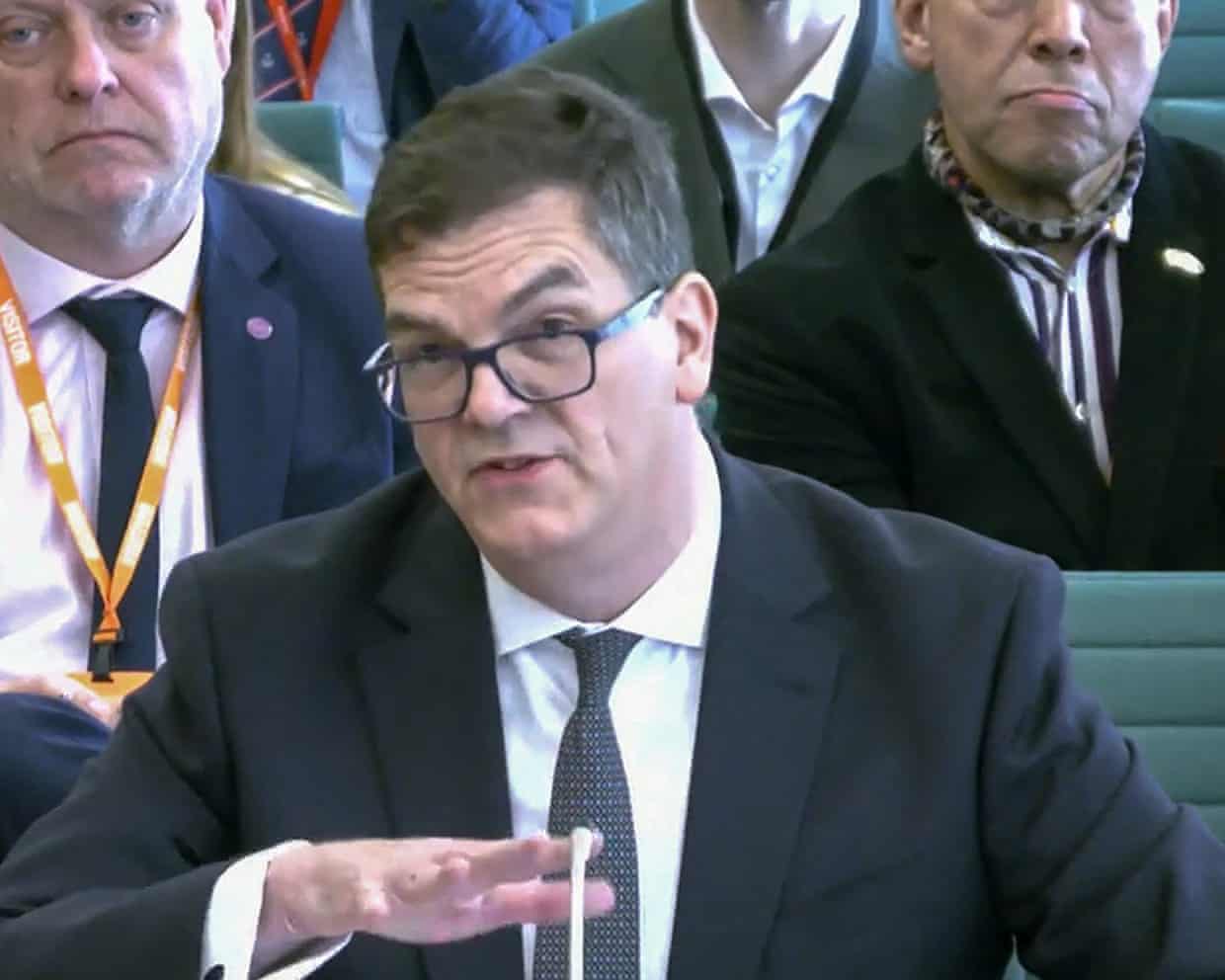
Robbins’ account raises questions over whether he was misled on Mandelson vetting
An account of Peter Mandelson’s vetting process given by the former top civil servant Sir Olly Robbins has raised new questions about whether Robbins was misled about the findings of the agency responsible for vetting.Robbins, who was sacked from his role of permanent secretary at the Foreign Office last week after revelations in the Guardian, gave testimony about the process to a select committee.Robbins told MPs that he did not see the vetting file produced by United Kingdom Security Vetting (UKSV), which he described as existing in a “hermetically sealed box”.However, he said he was briefed on the risks it highlighted at a meeting on 29 January 2025 with a top Foreign Office security official. That was the day after UKSV had submitted its recommendation
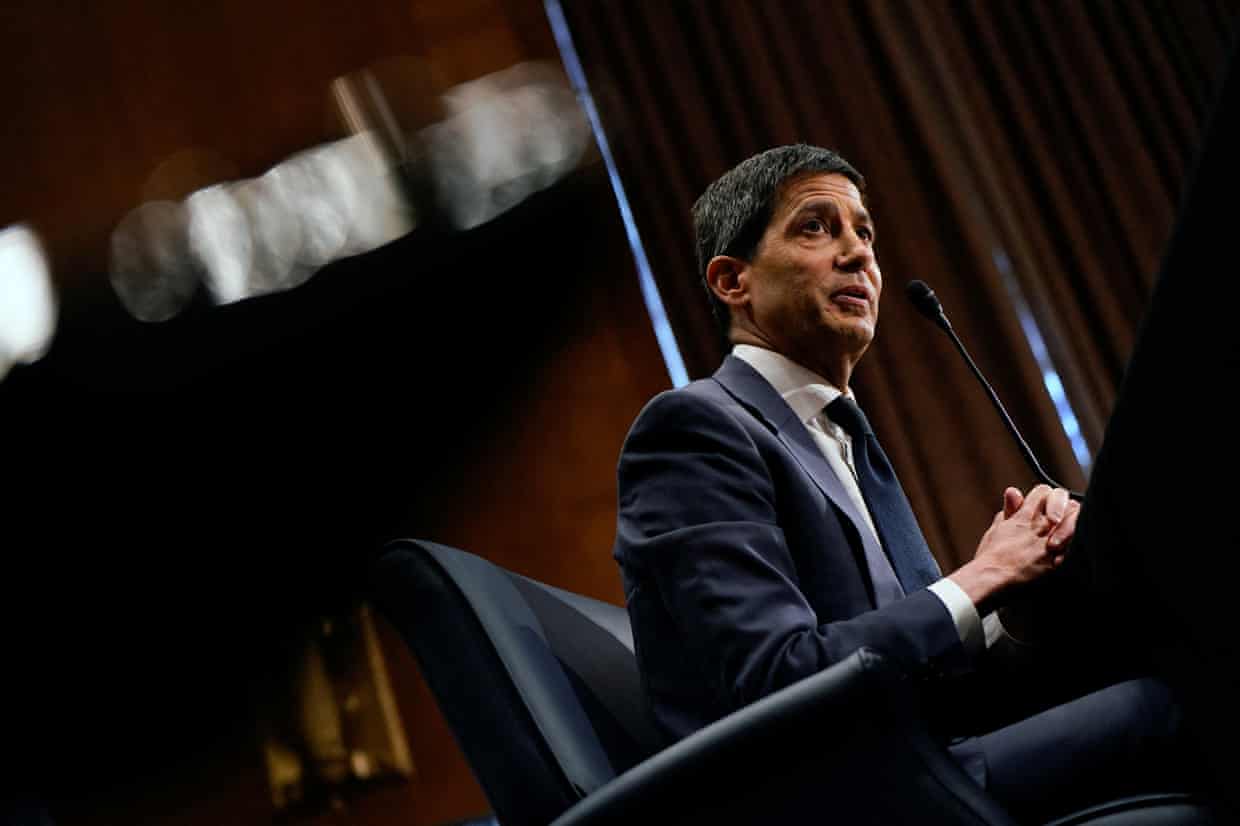
Trump’s Fed chair pick says he’ll maintain independence – but won’t say president lost 2020 election
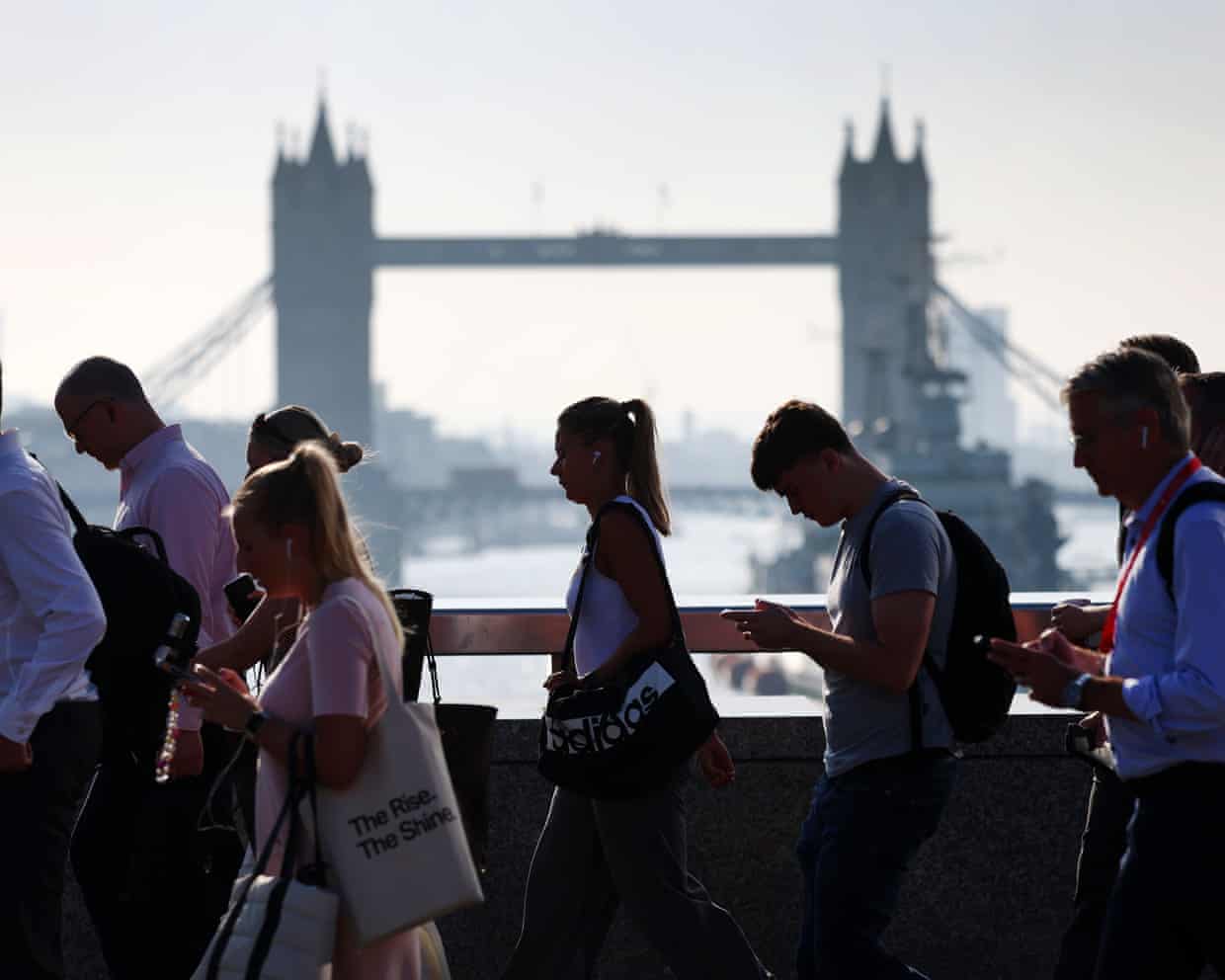
Wage growth hits lowest level since November 2020; Rachel Reeves will not take ‘knee jerk’ action on Iran war – as it happened

Diplomatic duties for Tim Cook after stepping down as Apple CEO
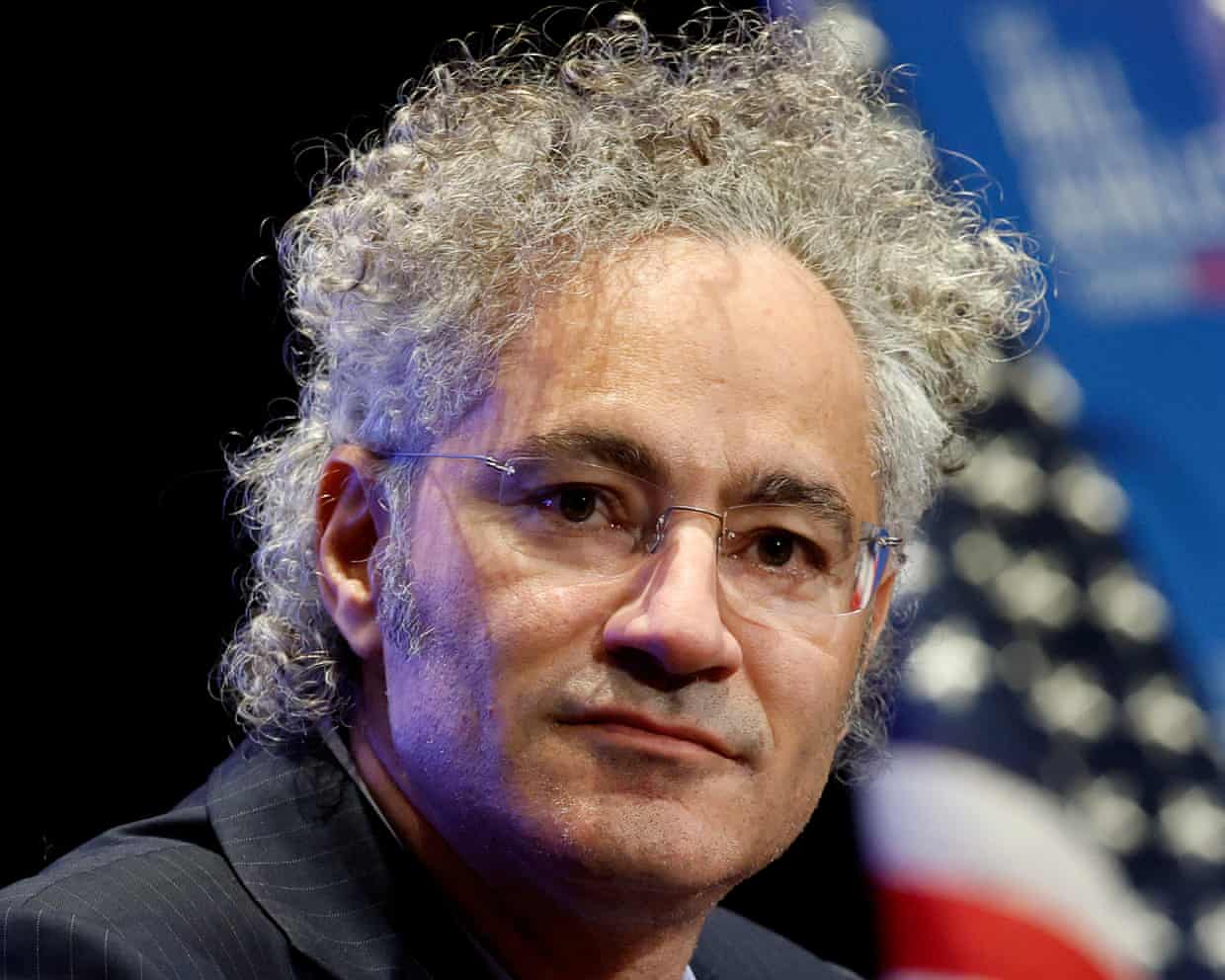
Palantir manifesto described as ‘ramblings of a supervillain’ amid UK contract fears
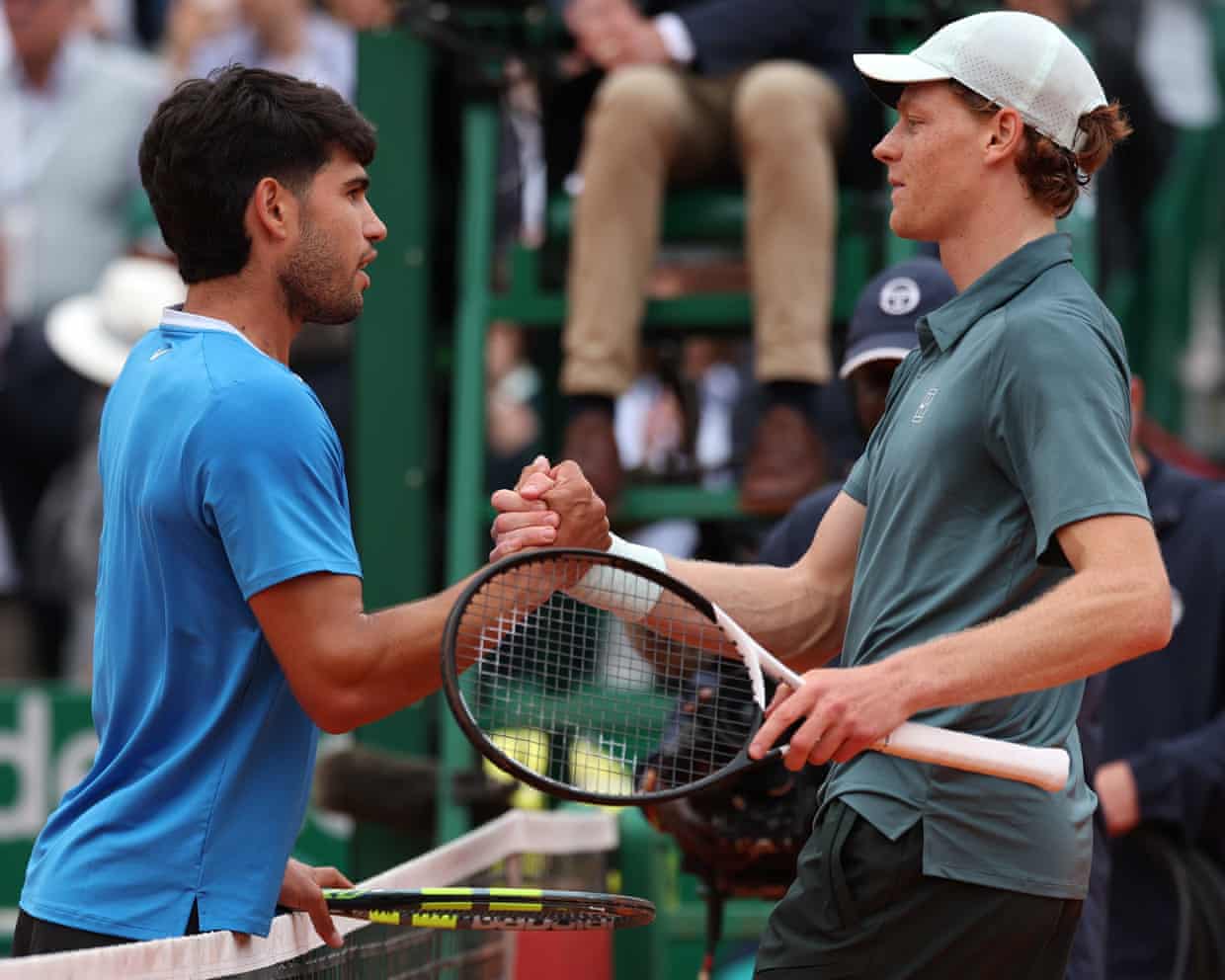
Jannik Sinner says Alcaraz’s absence from Madrid Open ‘tough to swallow’

NFL draft questions: what should the Jets do at No 2, is Love worth it and will the Cowboys trade up?