Diplomatic duties for Tim Cook after stepping down as Apple CEO

Hello, and welcome to TechScape.I’m your host, Blake Montgomery, US tech editor at the Guardian, writing to you after seeing The Jellicle Ball, a revival of Cats that I found fabulous and which the Guardian called “thrillingly new”.Apple announced late on Monday that Tim Cook will step down as CEO but will not leave the iPhone maker.Head of hardware engineering John Ternus will succeed him on 1 September.“I love Apple with all of my being,” Cook said in a press release announcing his succession.
Cook, 65, who succeeded Apple co-founder Steve Jobs, has been CEO since 2011.With a reputation for operational and supply chain management, he has overseen the global expansion of the company and its steady series of new, updated devices, though he never attained the same visionary status as Jobs.What’s in store for Cook’s next act?Apple hinted at what its soon-to-be-former executive will do in its announcement: he will remain at the company as “executive chair”, a role that will entail “engaging with policymakers around the world”.He’ll be politicking.Over the past 10 years, Cook has proved to be a successful corporate politician whose main goal is to maintain Apple’s complex global supply chain amid a fiery trade war between Donald Trump and Xi Jinping, both of whom Cook has successfully negotiated with.
The New York Times called him “the technology industry’s leading diplomat” – a moniker the paper also used as far back as 2018.He has navigated Trump’s tariffs, securing an exemption for the iPhone last year, and other political whims without eliciting the lasting ire of either Maga or Blue America, no small feat in a polarized era.Trump ignominiously rechristened him “Tim Apple” during a 2019 joint public appearance.He has also moved a major portion of Apple’s manufacturing out of China to Vietnam and India in recent years.The move seems not to have angered Beijing, which is no stranger to clamping down on foreign tech but has not done so to Apple.
The company has enticed tens of millions of new Chinese consumers to its phones and reported record quarterly revenue in China in January,Ternus, Cook’s 50-year-old successor, is a longtime Apple insider, starting at the company in 2001,He is “known for deft politicking inside the giant company”, according to the Wall Street Journal,Ternus may be well-versed in internal politics, but it seems from Apple’s language that he has yet to master the diplomacy necessary to manage the sprawling train that results in the production of the iPhone,As a hardware engineer, Ternus has had less outward-facing experience than Cook, so the elder statesman will stay on to manage Apple’s foreign policy.
Earlier this month, an assailant tried to set Sam Altman’s home on fire with a molotov cocktail.The attack was a high-water mark in the backlash against artificial intelligence’s rapid rollout across our digital and physical worlds, and the widespread negative reaction shows signs its violent manifestation will intensify.My colleague Nick Robins-Early assembled a detailed look at how the attack unfolded, including Altman’s response:In the early hours of 10 April, a man approached the gate of OpenAI CEO Sam Altman’s house in San Francisco and hurled a molotov cocktail at the building before fleeing.The suspect, 20-year-old Daniel Moreno-Gama, was arrested less than two hours later while allegedly attempting to break into the headquarters of OpenAI with a jug of kerosene, a lighter and an anti-AI manifesto.The targeting of Altman and OpenAI took place as widespread discontent against artificial intelligence grows, and is the most prominent attack so far against a person or business related to the technology.
Moreno-Gama had a history of posting anti-AI sentiment online, in one case suggesting “Luigi-ing some tech CEOs” in a reference to Luigi Mangione, who is on trial for the killing of UnitedHealthcare’s chief executive.Altman addressed the incident, as well as an unflattering recent New Yorker profile of him and criticism of AI, in a blogpost last weekend.He called for a de-escalation of the debate around artificial intelligence and shared a photo of his family, including his infant daughter.Is guarding your mansion and your headquarters against terrorists the cost of doing business when inventing a world-changing technology, as Altman has repeatedly claimed ChatGPT is? In November, an anti-AI activist allegedly chained himself to the company’s doors and made threats to destroy the building and harm employees.Another gunfire incident occurred near Altman’s house just a few days after the molotov cocktail flew through the air, though the details of that incident are not clear.
What might be the next target – OpenAI again, or another incarnation of the AI revolution? My money is on the latter.Rage against AI is building across the United States, not only in San Francisco, OpenAI’s home turf.The infrastructure that underpins the technology – datacenters – causes power bills to rise and strains water resources.Generative AI’s use of art as training data is tantamount to theft to many.The US economy is broadly in a strange state of contradiction: everyday consumers feel continually injured by inflation and unable to save, but the stock market is performing spectacularly, thanks in large part to AI companies.
Technology giants seem to be the only ones who are feeling good.The state of AI is likewise in a confusing dual state.The technology arrives in two forms simultaneously: as a looming alien armada whose destruction of half of all white-collar jobs is inevitable, if you ask its makers; or as a day-to-day productivity tool that is hailed by bosses as a breakthrough but that actually makes day-to-day work more difficult.It’s a crazy-making dichotomy.Small wonder, then, that Americans don’t feel good about AI.
There’s perhaps no greater symbol of the AI boom than the concrete colossuses powering it: datacenters.They are huge and hulking, inhuman and empty, and hungry for everything we can sacrifice to them: money, power, land and water.We have already seen some examples of IRL violence related to datacenters, though cyberattacks are far more common.In Indianapolis and Garland, Texas, gunmen fired bullets into the homes of officials who supported local datacenter projects, the former at the beginning of this month and the latter in 2024.In Indiana, a handwritten note reading “No Data Centers” was found tucked under a doormat at the home following the shooting.
The backlash is growing globally,Datacenters’ status as sites of huge international investment make them targets, too, though the attacks are not motivated by a commitment to AI safety like the anti-AI violence in the US,Iran bombed Amazon Web Services datacenters in Bahrain in recent months, seeking to damage an emblem of the partnership between the US and Gulf states to advance the region’s AI capabilities,The US has also reportedly hit datacenters in Iran,Shares in Allbirds surge after maker of wool sneakers announces pivot to AIThe US Congress has hotly debated a law that permits warrantless spying on foreigners’ communications by US intelligence agencies, which sometimes includes surveilling US citizens’ correspondence with foreigners, for the better part of two decades.
The law was set to expire on 20 April, but after a 3am vote and virulent arguments, it was put on life support for 10 more days.My colleague Sanya Mansoor reports:Both chambers of Congress voted in quick succession on Friday to pass a brief 10-day extension of a controversial warrantless surveillance law after Republican infighting tanked plans for a much longer renewal of the law with no changes.Donald Trump had repeatedly demanded that Republican holdouts “UNIFY” behind Mike Johnson, the US House speaker, in favor of an extension of section 702 of the Foreign Intelligence Surveillance Act (Fisa) without changes.But chaos ensued on Thursday evening and into the early hours of Friday as Republican leadership tried and failed twice in votes attempting to reauthorize the surveillance program, before resorting to a stopgap measure.The law was originally set to expire on 20 April because of a sunset provision that requires it be periodically reauthorized.
As lawmakers were called back to Congress to vote in the middle of the night, discussions grew heated.“Are you kidding me? Who the hell is running this place?” said Jim McGovern, a Democratic congressman from Massachusetts, during a tense floor debate.Twenty Republicans blocked their own leadership’s attempts for a procedural vote to push a clean 18-month extension through, while four Democrats crossed party lines to vote with the Republican majority.Lawmakers eventually agreed to a 10-day extension of the surveillance program shortly after 2am ET; the Senate passed the measure later that morning.Fisa’s provisions are a vestige of the US’s post-9/11 enthusiasm for surveillance, which reads differently today.
Though former president George W Bush framed the expansion of the state’s surveillance as a matter of the US versus the world, Trump’s accusations of spying on his campaign became a wake-up call for conservatives on how broad dragnets can ensnare even the most patriotic Americans.Bosses say AI boosts productivity – workers say they’re drowning in ‘workslop’Snap Inc blames AI as it lays off 1,000 workersUS tech firms successfully lobbied EU to keep datacentre emissions secretNewly unsealed records reveal Amazon’s price-fixing tactics, California attorney general claimsHow a fiery attack on Sam Altman’s home unfolded‘I don’t want to waste the gas’: Uber and Lyft drivers reeling as fuel prices soar
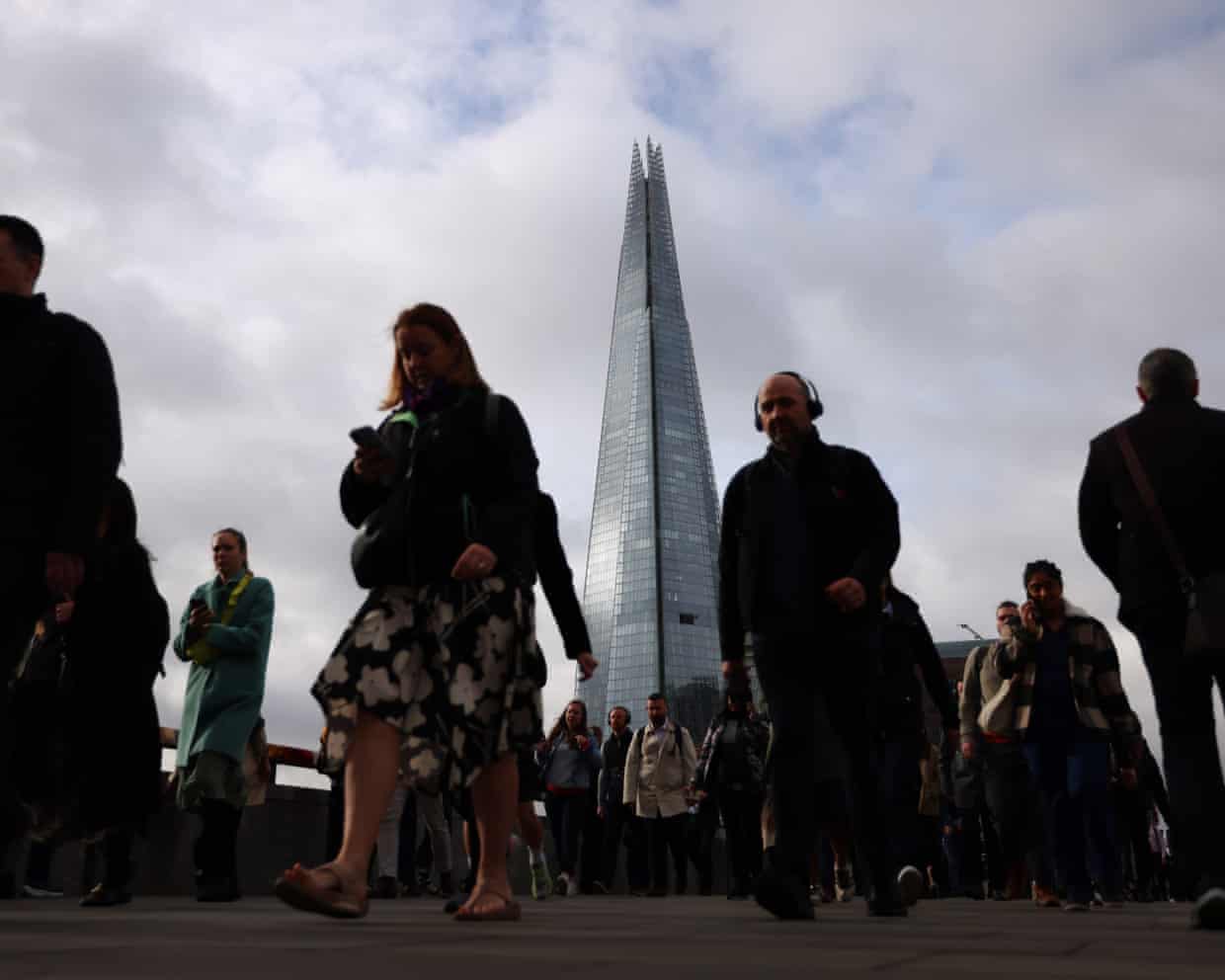
UK unemployment shows surprise fall to 4.9% as pay growth drops to lowest in five years
Unemployment in the UK unexpectedly fell in the three months to February, according to official figures – but the fallout from the conflict in the Middle East is expected to cause a rise in job cuts.The Office for National Statistics (ONS) said the rate of unemployment was 4.9% in February, the lowest level since last summer. This compares with 5.2% in the three months to January, a rate that economists had expected to also see in February
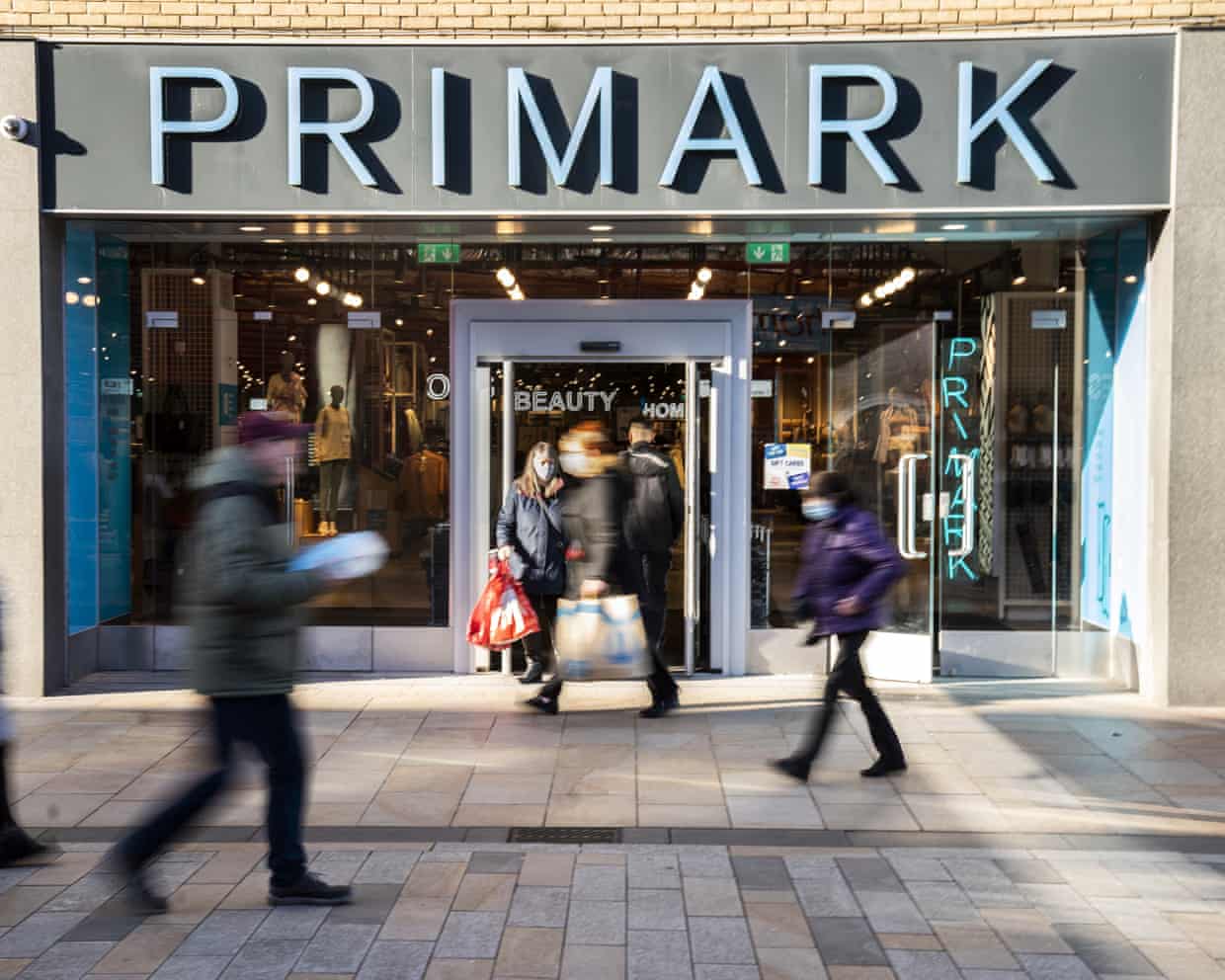
Primark to split from food business despite warning of Iran war impact
Primark is to break free from its sister food company, which owns Twinings, Kingsmill and Patak’s, next year despite warning that the conflict in the Middle East is likely to hit consumer spending and drive up inflation.The fashion chain’s owner, Associated British Foods (ABF), confirmed the plan to split off Primark from the rest of the food group, first mooted last year. The fashion group operates 486 stores across 19 countries.The demerger is expected to create two new FTSE 100 companies, with Primark worth as much as £9bn and the food business £4bn, although the valuations would be dependent on an improved profits outlook, according to Charles Allen, an analyst at Bloomberg Intelligence.City analysts have previously argued that Primark was undervalued as part of a conglomerate
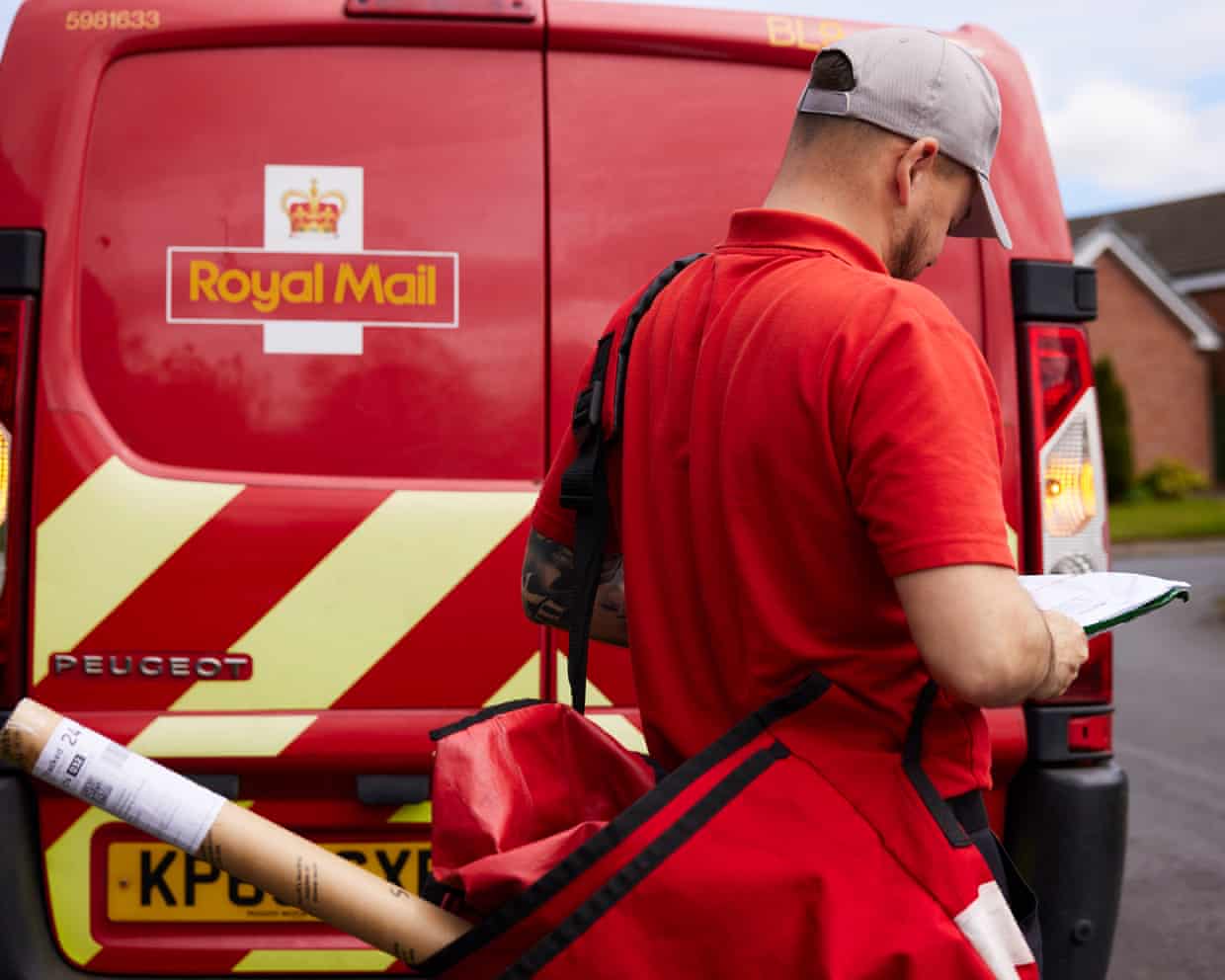
Royal Mail invests £500m to tackle late deliveries as second-class post cut back
Second-class post will be delivered every other weekday and scrapped on Saturdays from next month as part of a £500m plan to tackle late deliveries at struggling Royal Mail.The courier has been piloting a new letter delivery pattern since July, which will be rolled out nationwide in May.The change comes follows a deal with the Communication Workers Union (CWU) and Unite last week that ended a lengthy dispute over the second-class post overhaul. The CWU will now ballot its members on the changes.There will be no changes to first-class post, which will still be delivered daily from Monday to Saturday, or to parcels, which remain unchanged, continuing at up to seven days a week
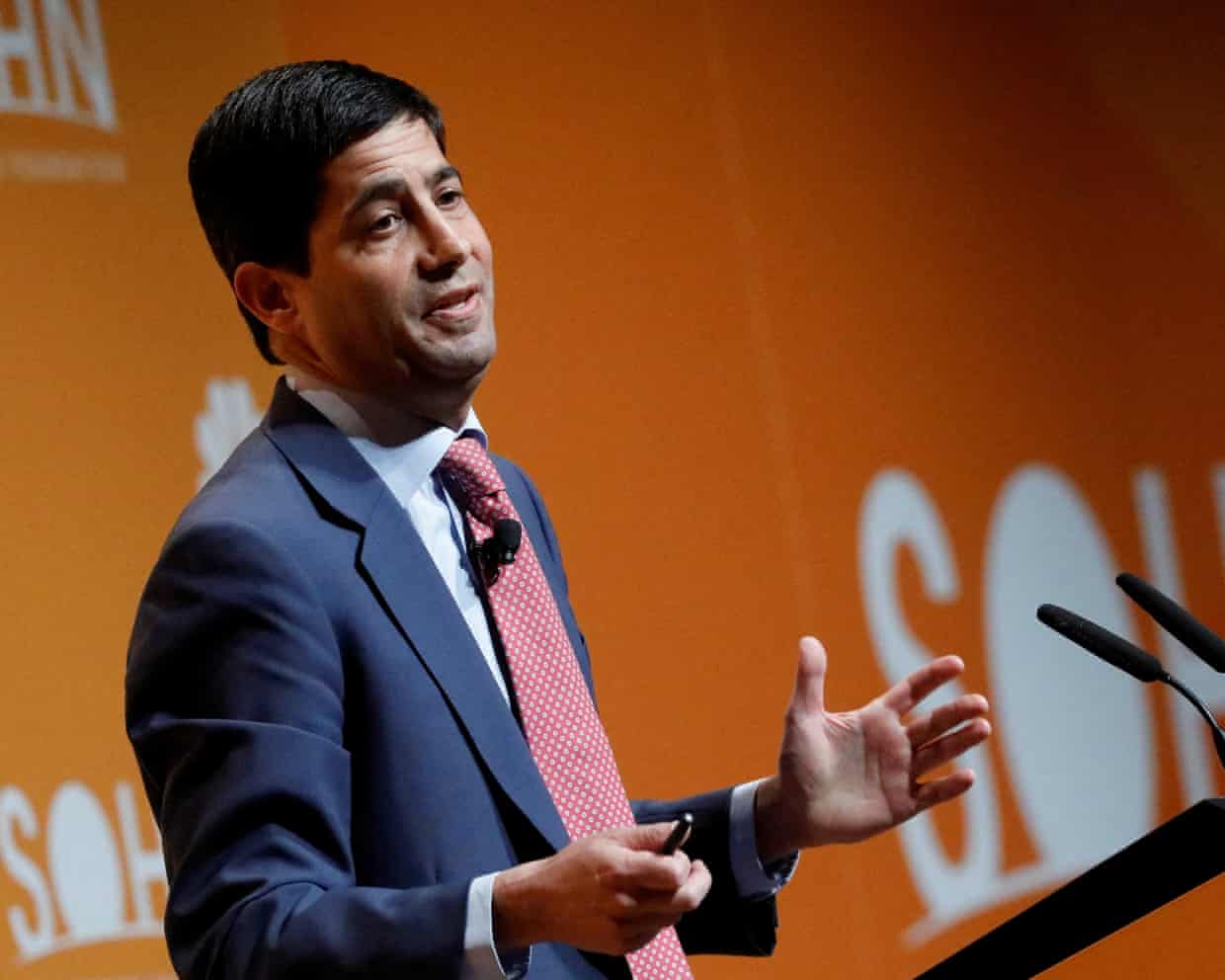
Kevin Warsh: Trump’s ideal choice to push Fed to cut interest rates
On the face of it, Kevin Warsh looks like an ideal candidate to chair the Federal Reserve, the world’s most important central bank. The 56-year-old Ivy League economist, former Wall Street banker and presidential adviser ticks all the boxes. Unfortunately for Warsh, as he faces what could be a fraught nomination hearing, his biggest backer is also his biggest liability.In his second term, Donald Trump has attacked the Fed in a manner both unprecedented and unseemly. He has called current chair Jerome Powell – whom he also appointed – a “jerk” and “a stubborn MORON”, and repeatedly threatened to fire him

UK jobs market was in a fragile state – even before Iran war threatened recovery
Despite a surprise fall in the unemployment rate, the latest jobs data show the labour market in a fragile state, even before the Iran war threatened to derail the UK’s nascent economic recovery.At 4.9% in the three months to February, the unemployment rate was down from 5.2% in the previous three months, according to the Office for National Statistics.That may suggest the labour market has improved, alongside the uptick in economic growth in February

Tequila overtakes gin as the UK’s favourite warm-weather spirit
A crisp gin and tonic has for many British people been just the ticket as the weather gets warmer, but new consumer data shows tequila is overtaking gin for the first time as a summer tipple of choice.Spicy margaritas, which are a piquant twist on the classic tequila, lime and triple sec cocktail, have taken the UK by a storm in recent years and now the country is firmly hooked on tequila, with many ordering a tequila and tonic instead of a G&T.The Marks & Spencer summer trends report found that tequila is the retailer’s hottest spirit. It reads: “Tequila is having a major glow-up, with sales soaring 50% year on year and margarita sales jumping a huge 75%, making it one of the hottest spirits of the summer.”It is the 40th anniversary of the high street canned cocktail; M&S launched its “gin in a tin” in 1986
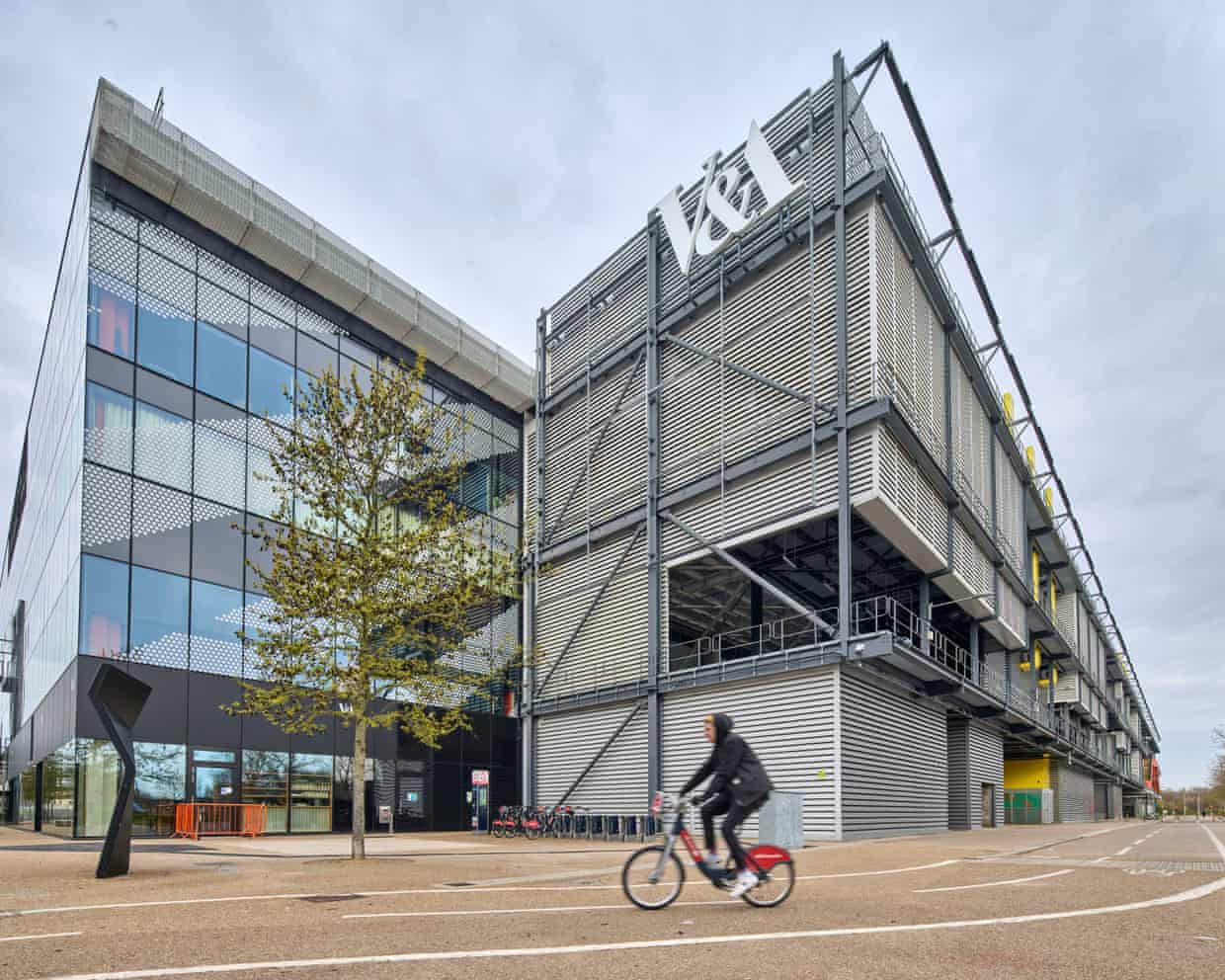
V&A East Storehouse and Norwich Castle among finalists for museum of the year
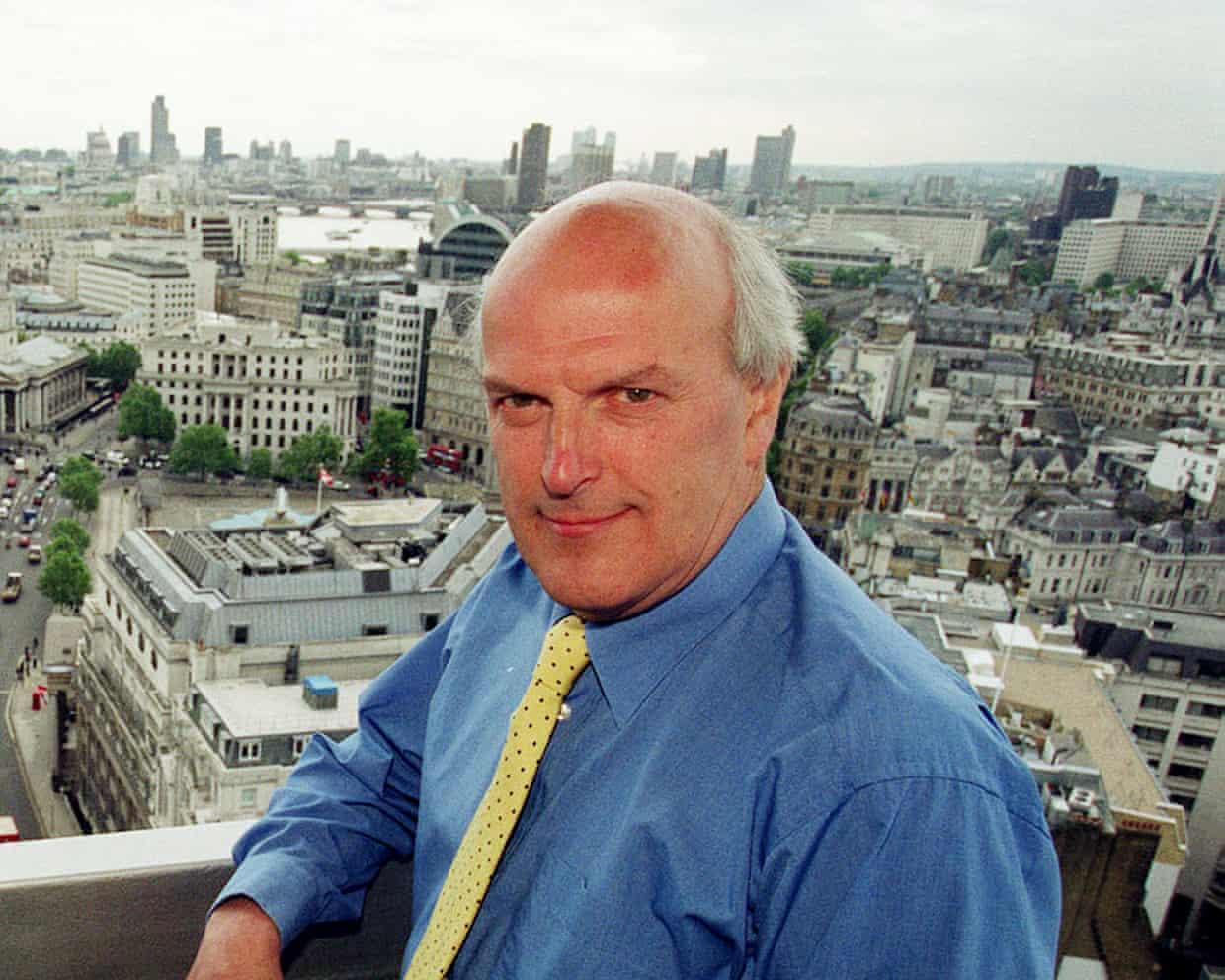
Letter: Sir Neil Cossons obituary

‘Women want to experience pleasure’: how the female gaze caught the attention of film, TV and fiction

Yann Martel: ‘I hate the rich people of this world – of which I’m one, because of Life of Pi’

The Guide #239: Two successful seasons in, The Pitt has resuscitated the medical drama
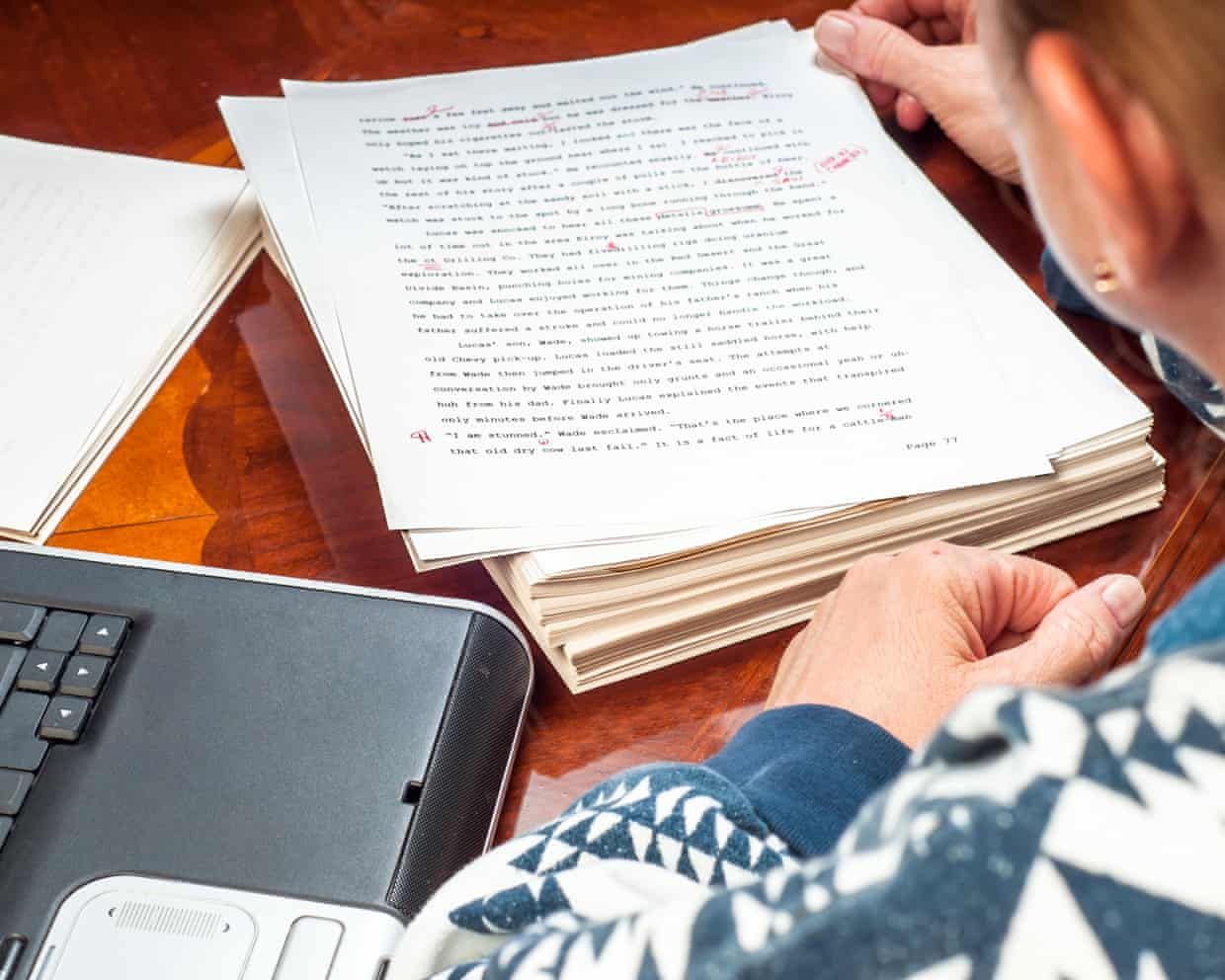
Winners and judges out of pocket as £20,000 writing awards appear to have closed