In this budget, all eyes are on CGT. But Labor’s rumoured family trust tweaks might also help fight tax inequality | Greg Jericho

When it comes to how wealth and high income is taxed in this country, it is not hard to agree with F Scott Fitzgerald’s line that “the rich are different from you and me”,The difference between the rich and the rest is abundantly clear when you look at how most people make money,Whereas most of us get money from salary and wages, those who earn $1m or more a year generate most of their income through capital gains, dividends and partnerships and trusts:If the graph does not display click hereUnsurprisingly, the way millionaires make money makes it much easier to avoid tax – whether through the current 50% capital gains tax (CGT) discount or the complex tax arrangements of trusts,But the government finally seems ready to address the gross inequality in the tax system,As I wrote two weeks ago, the strong rumour is that the CGT 50% discount will be abolished and replaced with the pre-1999 system of only taxing real gain.
But one other significant move that looks set to occur is curtailing the rampant use of family discretionary trusts to limit tax.Discretionary family trusts are tax vehicles that are used to split up income among everyone in the trust and thereby reduce the overall tax paid.They are different from non-discretionary trusts where the benefits are defined, such as ones set up, for example, in wills.Discretionary family trusts allow people to divide up income among those within the trust in any way they like.This reduces tax, because under progressive income taxation, less tax can be paid – for example, if you split $400,000 between four people, you get four goes at the tax-free threshold, four lots of the low-income tax offset and four lots of income to $45,000 being taxed at marginal rates of 16%.
In this example, you can reduce your tax bill by nearly $63,000 – a 43% cut.If the graph does not display click hereDiscretionary trusts are not something most people have any use for; they are not applicable for people who only earn wages – but they are a huge deal among the wealthy.Consider Hudson Financial Planning’s list of “The nine most effective tax minimisation strategies for wealthy Australians in 2025”.No 1 is “family trusts with corporate beneficiaries”.Or what about an article in the AFR that asks that vital question of “How to stop your kids and grandkids being taxed like CEOs”? An answer is “use a family trust”.
Their use has grown significantly over the past couple decade, from 328,725 in 1990-91 to 1.02m in 2023-23.The big growth occurred in the early 2000s, perhaps not coincidentally alongside the big increase in capital gains after the Howard government introduced the CGT 50% discount.In 2000-01, there were 3.3 discretionary trusts per 100 taxpayer.
Now it is up to 5,1:If the graph does not display click hereThe problem of people using trusts to reduce their tax is not new, nor is it small,My colleague at the Australia Institute, David Richardson, has calculated that the annual income generated through trusts is now around $600bn – or equivalent to a touch under a quarter of Australia’s GDP,Back in 2019, the ATO conservatively estimated that the manipulation of the trust and tax laws was costing the government between $672m and $1,2bn a year in lost tax revenue.
And the richest get the most benefit.While the average salary of a person earning more than $1m a year is around 10 times that of someone earning $60,000 to $100,000, the average income from trusts for millionaires is 50 times greater:If the graph does not display click hereNot surprisingly, the biggest beneficiaries of tax breaks from trusts are the richest Australians.Treasury estimates that around 63% of all the income generated through trusts goes to the richest 10%.If the graph does not display click hereThe government is rumoured to be bringing in a 30% minimum tax rate for income in discretionary trusts.This would greatly reduce the benefit of using them to avoid tax.
Farmers always get antsy about talk of trusts, because aside from minimising tax, families use them to prevent the breakup of farms across generation.But the ATO actually differentiates between trusts for primary production and those for non-primary production (ie investments), so this political issue would be pretty easy to solve.Unsurprisingly, conservatives are out circling the wagons.A former Howard government advisor argues in the AFR that it would be all too complex to do, and that absurdly it would only raise “$100m or $200m”.That is rather lower than the ATO’s 2019 estimate of $672m and $1.
2bn.It’s also lower than what Hudson Financial Planning advise can be saved.They suggest “high-net-worth individuals save an average of $145,000 annually using family trusts”.In 2023-23, 14,694 people who earned over $1m had a trust income.Were they to get that average, we are talking $2.
1bn alone from them – enough to nearly double the funding for Tafe,Next week’s budget will no doubt disappoint many for not doing enough,But if the government does introduce a minimum tax rate for trusts, it will have at least finally brought some equity to the system and ensuring the how the rich are taxed is not so different from you and me,Greg Jericho is a Guardian columnist and chief economist at the Australia Institute
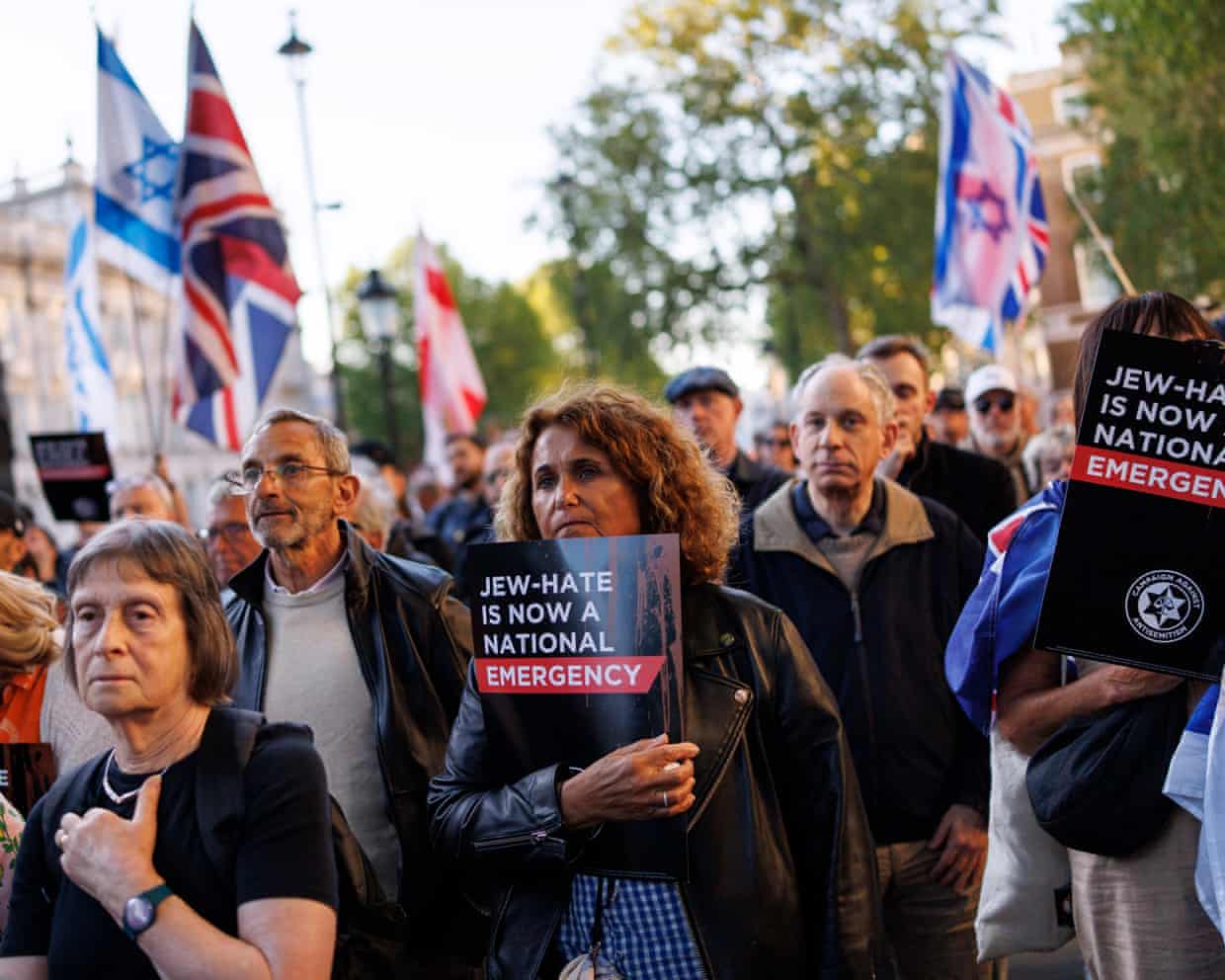
Prosecutors to ‘fast-track’ hate crime cases in England and Wales after spate of attacks
Prosecutors in England and Wales have been told to “fast-track” hate crime prosecutions after a spate of antisemitic attacks that the prime minister on Tuesday called a “crisis for all of us”.Stephen Parkinson, the director of public prosecutions, issued guidance to his staff on Tuesday telling them to bring forward prosecutions against any sort of hate crime as quickly as they could, rather than waiting until they had gathered all possible evidence.Keir Starmer urged groups including universities, arts groups and charities to do more to tackle antisemitism during a summit in Downing Street.As well as imposing new reporting requirements on universities and the Arts Council, the prime minister threatened “consequences” against Iran if it was found to have been behind last week’s stabbing in Golders Green, north London.Parkinson said in a statement on Tuesday: “The acts of extreme violence and criminal damage that we have seen against the Jewish community in recent months have been deplorable
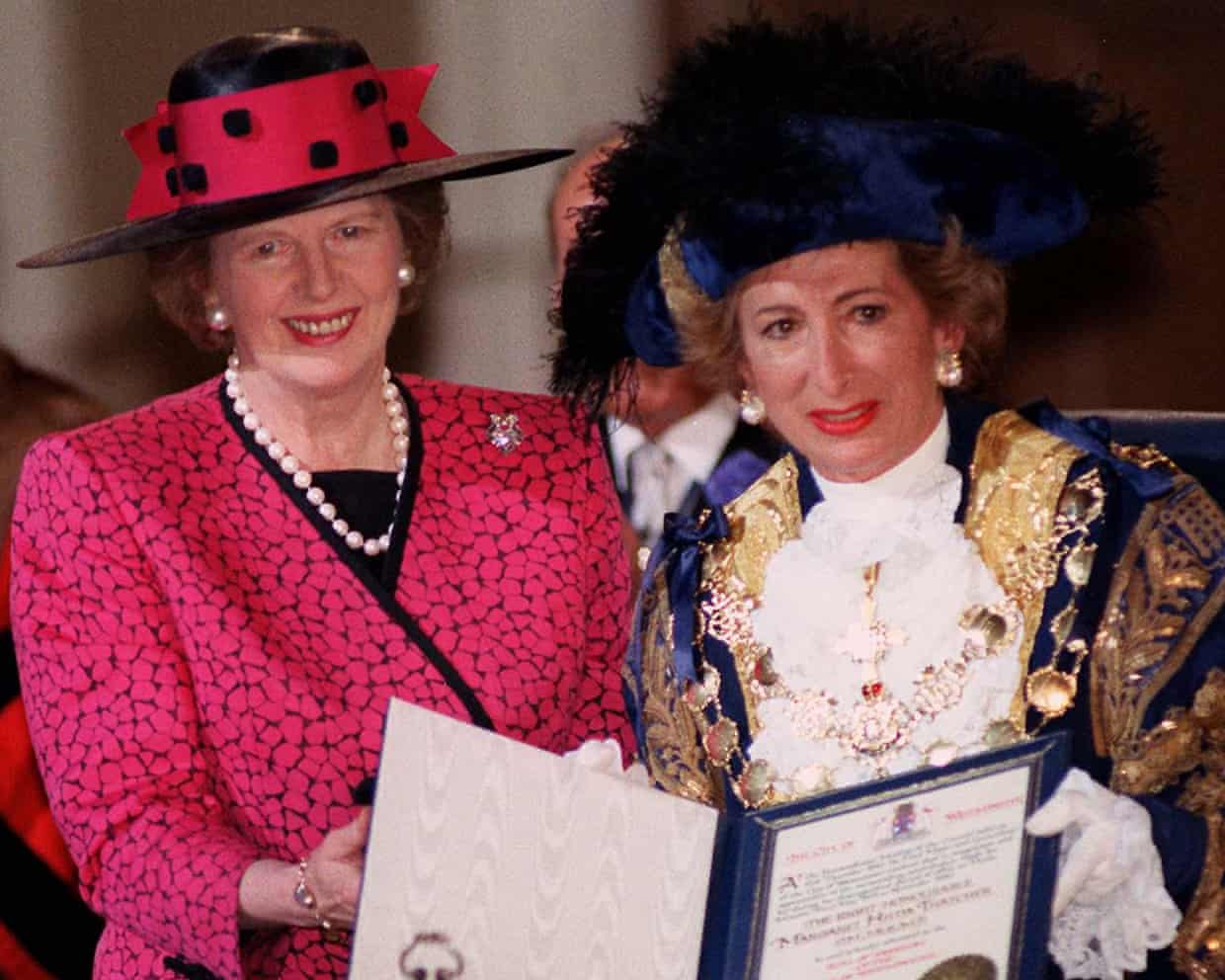
Dame Shirley Porter obituary
There was a time in the late 1980s when Shirley Porter was the second most famous and powerful female politician in Britain: “the Iron Lady of the town halls”. Like her heroine, Margaret Thatcher, she was a grocer’s daughter, though the family business, Tesco, was somewhat bigger than the prime minister’s corner shop. Porter’s eventual fall from grace was devastating both for her personal reputation and for Thatcherism’s perceived way of doing things. She was, simply, the most corrupt politician of her time.Porter, who has died aged 95, was pursued by the district auditor from her power base at Westminster city council, where she was leader for eight years, 1983-91, and eventually found to have acted illegally in selling council houses with the aim of increasing Conservative votes, in what became known as the “homes for votes” scandal
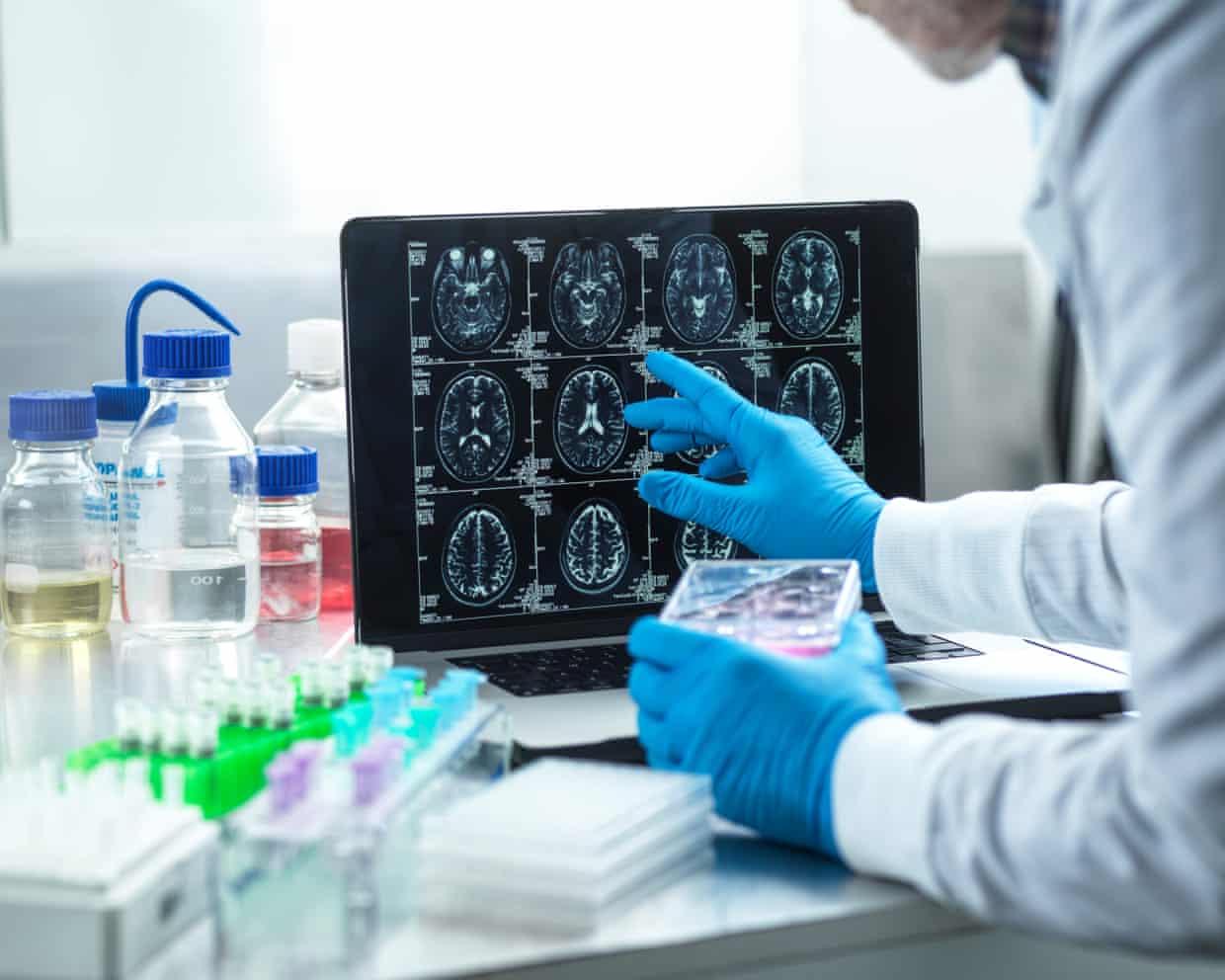
Slow Alzheimer’s diagnoses ‘mean UK patients missing out on experimental treatments’
People with Alzheimer’s disease are missing out on experimental treatments because they are not diagnosed early or accurately enough to be enrolled in clinical trials, a UK charity has said.Trials of Alzheimer’s drugs reached a record high this year, according to data published on Tuesday, but Alzheimer’s Research UK said too few UK patients were taking part because their diagnoses were delayed or were not specific enough.The warning suggests patients are being left behind as research gathers momentum and branches out to tackle the condition on multiple fronts, a strategy that scientists consider to be crucial for halting the disease.Dr Sheona Scales, the director of research at Alzheimer’s Research UK, said the recent surge in clinical trials was driving demand for participants, but without a large and diverse range of patients to match to trials the UK risked missing out. “People won’t have access to the next generation of Alzheimer’s treatments,” she said
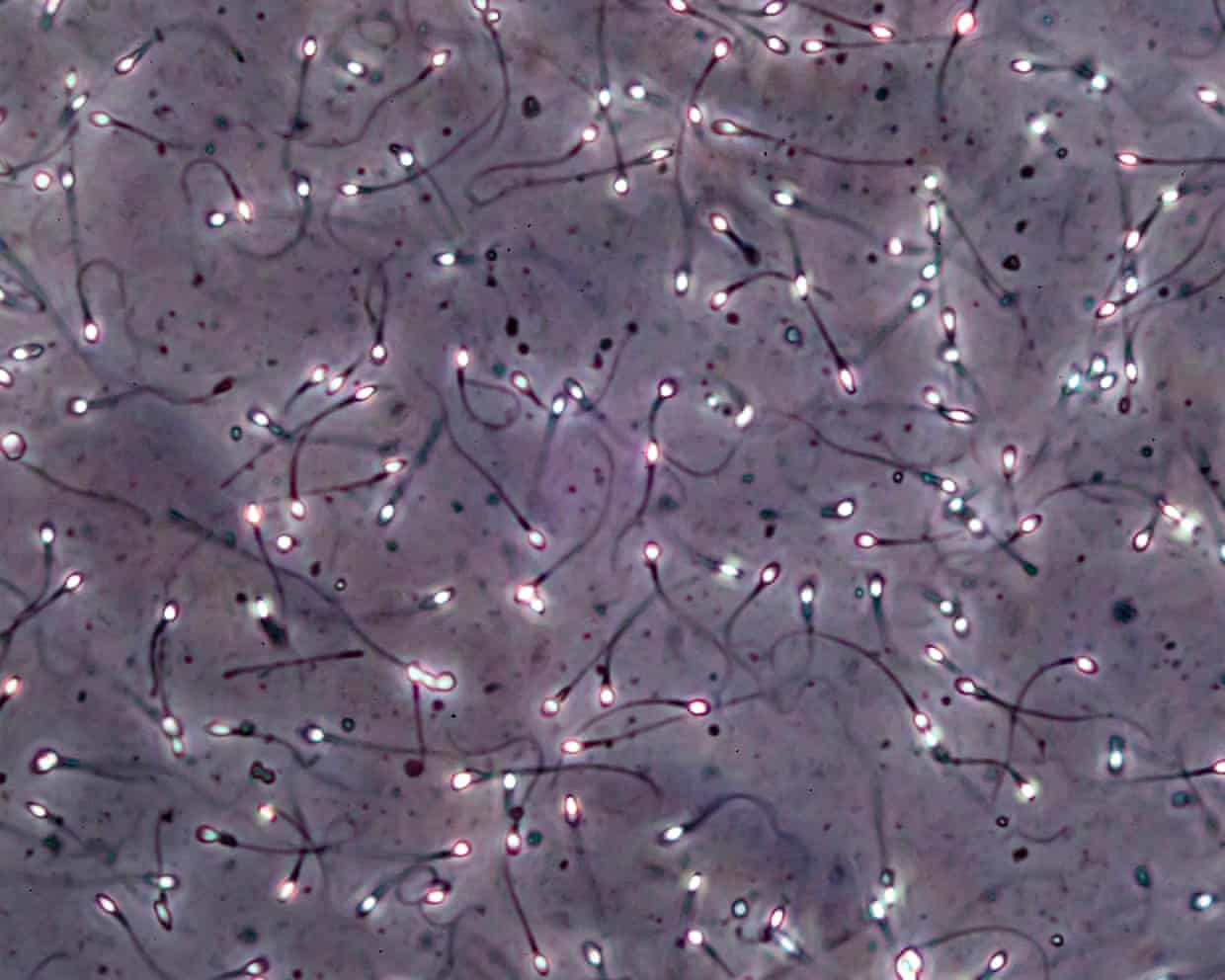
Man produces sperm from testicular tissue frozen as a child in breakthrough trial
In a groundbreaking fertility trial, a man whose testicular tissue was frozen before he underwent chemotherapy as a child to be re-transplanted 16 years later has been able to produce sperm.It is the first time a transplant of cryopreserved prepubertal testicular tissue has been demonstrated to restore sperm production in an adult patient. The 27-year-old man had the sample frozen when he was 10, before undergoing potent chemotherapy as part of treatment for sickle cell disease.“This is a huge finding,” said Prof Ellen Goossens, of the Vrije Universiteit Brussel, who led the trial, in close collaboration with Brussels IVF at University Hospital Brussel. “Many more people will have hope that they can have biological children
Coalition accused of secretly giving big tobacco lobbyists private platform in parliament
Anti-smoking campaigners have accused the Coalition of secretly giving tobacco giants access to a parliamentary inquiry, a move they say undermines more than 15 years of precedent to protect public health.On Monday, representatives from tobacco company Philip Morris appeared before a Senate committee considering the illegal tobacco trade in Australia.Chaired by South Australian Liberal senator Leah Blyth, the committee also heard from anti-smoking campaigners, health groups and Australian Border Force, but Labor, the Greens and the Australian Council on Smoking and Health raised concerns that executives from cigarette manufacturers were allowed to give evidence in a closed session in Canberra.The committee published a full program for Monday’s hearings, but did not list evidence from Philip Morris or any other “in camera” – or private – session.Labor senator Jana Stewart and Greens senator Jordon Steele-John objected to the in-camera evidence by representatives of Philip Morris on Monday afternoon

London schools trialling VR to relieve pupils’ stress
Schools have begun deploying virtual reality to help pupils cope with stress caused by impending exams, attention deficit hyperactivity disorder or difficult home lives.All 15 secondary schools in the London borough of Sutton are using VR headsets made by tech firm Phase Space in a pilot in conjunction with the local NHS mental health trust.Pupils access the seven-minute-long Phase Space VR programme either in a prearranged slot or when they need to leave a lesson because they have become beset by anxiety.Young people find that immersing themselves in VR, even for such a short period of time, helps them calm down, rebuild their confidence and feel ready to resume their studies. Phase Space has been designed to help “overwhelmed and anxious students”, said Zillah Watson, a co-creator of the programme, who is a former head of VR at the BBC

Norwegian government attacked over decision to reopen North Sea gasfields
In this budget, all eyes are on CGT. But Labor’s rumoured family trust tweaks might also help fight tax inequality | Greg Jericho
‘Your craft is obsolete’: WiseTech staff in limbo as AI touted as better than humans
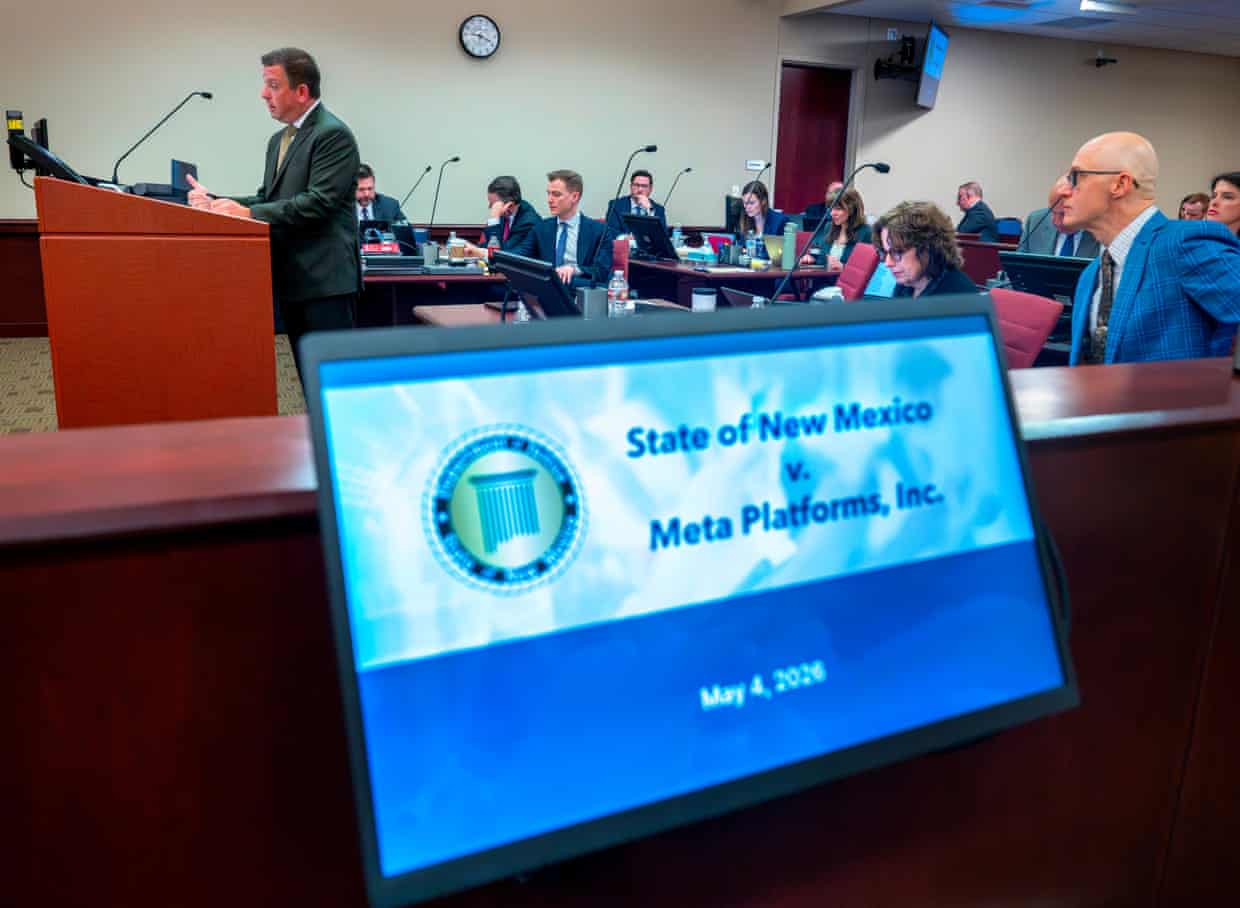
New Mexico proposes $3.7bn fine for Meta and sweeping changes to its social platforms

Rugby union’s Pacific heartlands threatened by NRL spree after Moana Pasifika’s collapse

‘I’m getting my mama a new house’: what happens when a huge pay boost changes WNBA players’ lives?