Coalition accused of secretly giving big tobacco lobbyists private platform in parliament
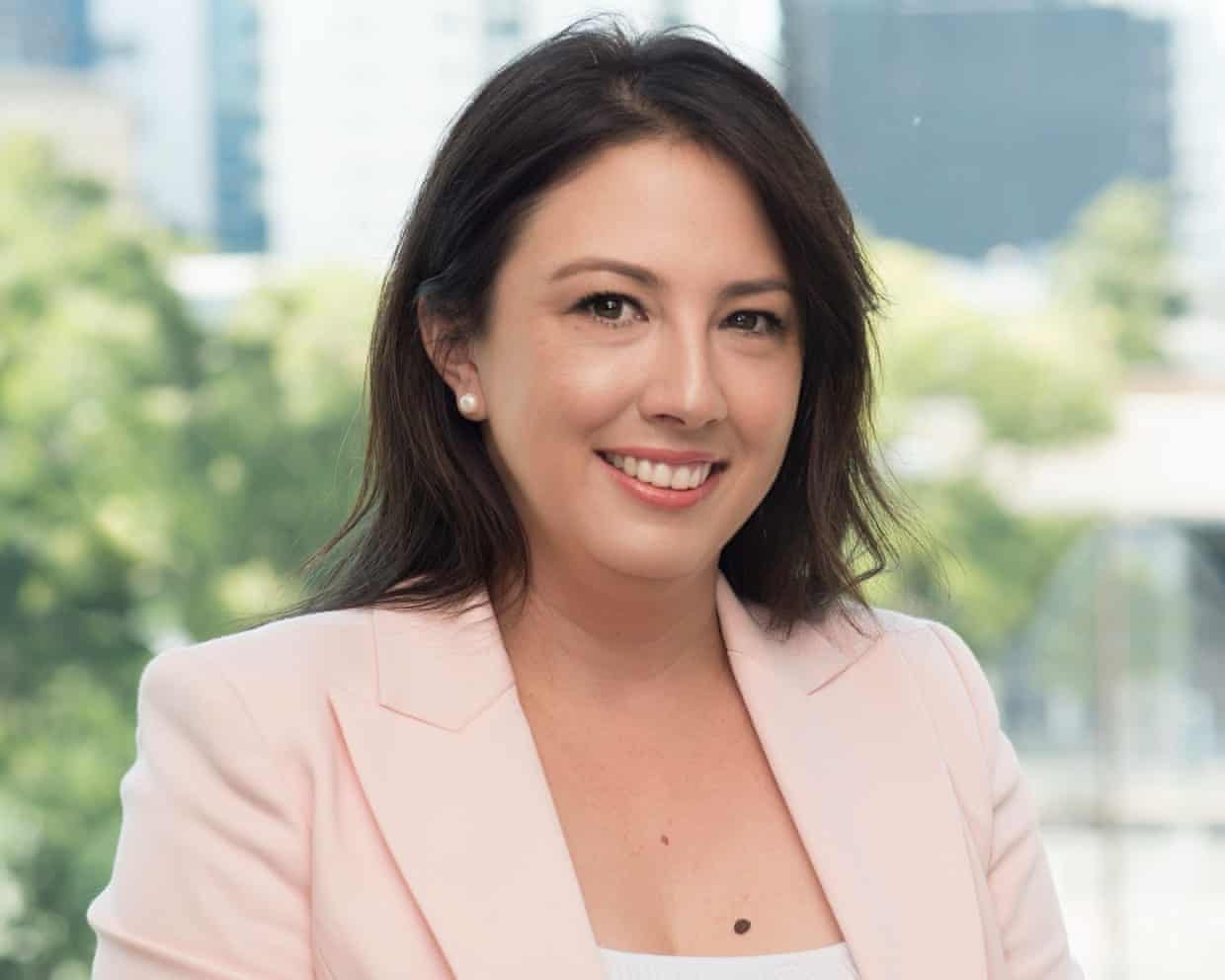
Anti-smoking campaigners have accused the Coalition of secretly giving tobacco giants access to a parliamentary inquiry, a move they say undermines more than 15 years of precedent to protect public health.On Monday, representatives from tobacco company Philip Morris appeared before a Senate committee considering the illegal tobacco trade in Australia.Chaired by South Australian Liberal senator Leah Blyth, the committee also heard from anti-smoking campaigners, health groups and Australian Border Force, but Labor, the Greens and the Australian Council on Smoking and Health raised concerns that executives from cigarette manufacturers were allowed to give evidence in a closed session in Canberra.The committee published a full program for Monday’s hearings, but did not list evidence from Philip Morris or any other “in camera” – or private – session.Labor senator Jana Stewart and Greens senator Jordon Steele-John objected to the in-camera evidence by representatives of Philip Morris on Monday afternoon.
The health minister, Mark Butler, wrote to Blyth on Friday last week, reminding the committee of Australia’s obligations under a World Health Organization agreement on tobacco control, which requires public officials to protect health policy from interference from the tobacco industry and associated interests.Health Department guidance suggests Australian public officials, including members of parliament, should only interact with executives and lobbyists from tobacco manufacturers “when and to the extent strictly necessary” to effectively regulate smoking.The department also stresses interactions should be conducted transparently.“I would strongly advise against the committee inviting representatives that undermine this obligation,” Butler wrote to Blyth and the Senate president, Sue Lines.Stewart told the hearing efforts by public officials to be “cautious about any kind of influence or advice” from big tobacco companies were wise.
Later, Steele-John confirmed the private hearing had taken place and promised to release a transcript of the evidence.He said in a public session: “We have just taken evidence in camera from Philip Morris.I shared with them during our exchanges my opposition to their presence in this inquiry as witnesses.”Australian Council on Smoking and Health chief executive, Laura Hunter, said she was “concerned that individuals or organisations with links to the tobacco industry have been invited to participate in this inquiry”.“We recognise the committee may wish to hear from a range of stakeholders,” she said.
“But the tobacco industry is not a neutral stakeholder.It is a commercial actor whose profits depend on the continued sale of a product that kills Australians every day – and whose interests are directly affected by the outcomes of this inquiry.”Hunter said the presence of individuals from big tobacco companies did not strengthen decision-making, “it compromises it”.Guardian Australia has contacted the company and Blyth for comment.Lung Foundation chief executive, Mark Brooke, told the hearing tobacco companies had used obfuscation and denial of health harm for at least 50 years.
“You only have to look at the tobacco companies giving evidence before the US Senate, denying lung cancer in the ‘60s and ‘70s to play it out,” he said.“It’s fair to say big tobacco says things like ‘we want to un-smoke the world’ but then challenges every meaningful attempt by governments, not just here in Australia but around the world, to cease production or sales of their products.”Cancer Council Australia chief executive, Jacinta Reddan, said it had been 16 years “since big tobacco had a platform” in federal parliament.She pointed to the World Health Organization’s framework convention on tobacco control, article 5.3, which is designed to stop interference in public health policy from cigarette and e-cigarette manufacturers.
“We’re very concerned that they were given that opportunity behind closed doors, away from the scrutiny of the Australian public,” Reddan said.Assistant minister for customs, Julian Hill, called on Coalition senators to explain the secret hearing.“Australians should be shocked and outraged that today the committee chose to get secret evidence from big tobacco,” he said.“They’re quick to give comment when it suits them, and yet they want to skulk in in secret to a parliamentary inquiry when not.”
UK 30-year borrowing costs hit highest since 1998 amid oil price surge and political uncertainty – as it happened
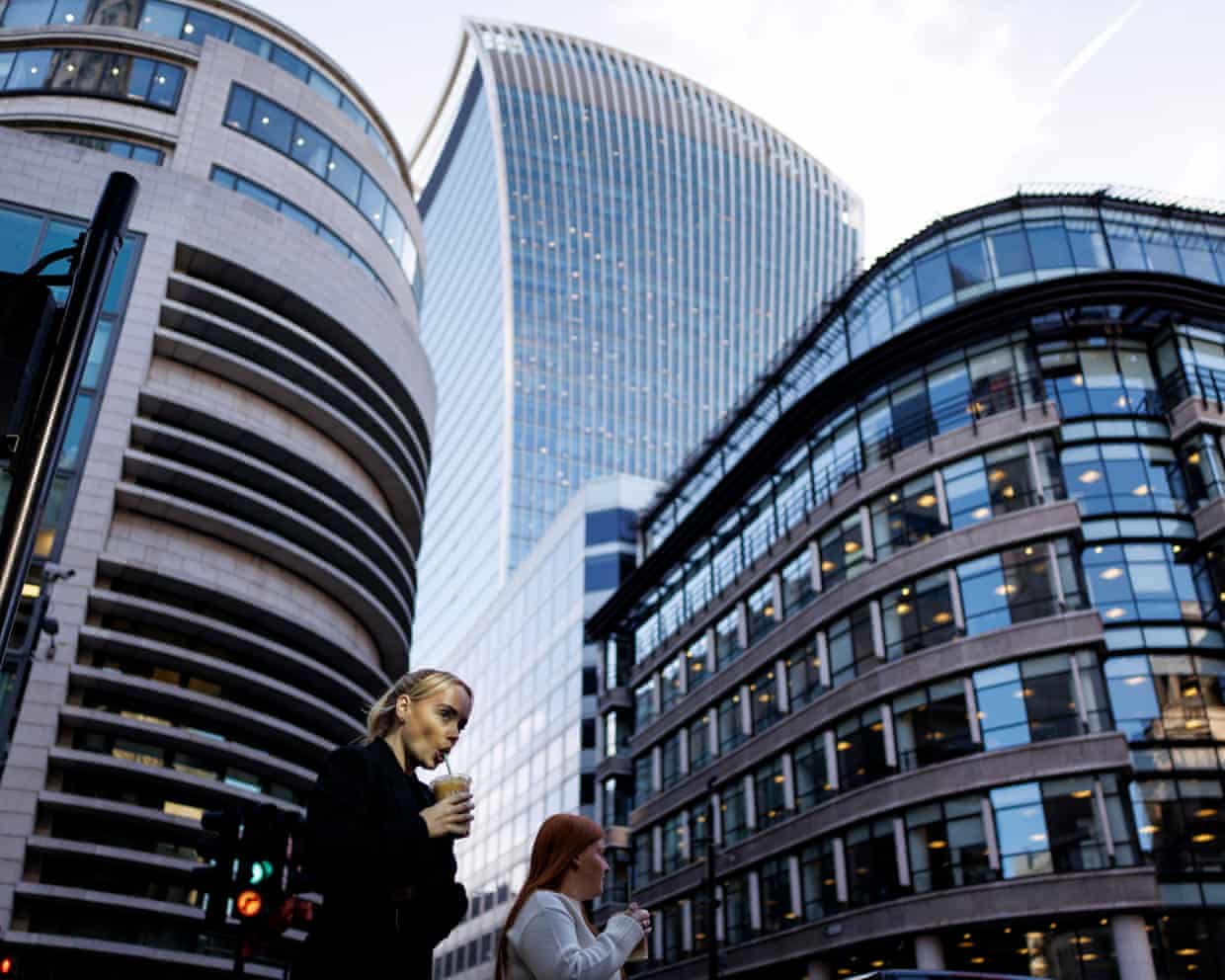
Time to wrap up…The UK government’s long-term borrowing costs have hit their highest level since 1998, amid rising fuel prices and concerns about political stability.The yield – effectively the interest rate – on 30-year UK government bonds (gilts) hit 5.77% at lunchtime on Tuesday, up 0.13 percentage points – exceeding the 27-year high reached last September.Yields have been rising across leading economies amid renewed fears over rising inflation, after US efforts to escort ships through the strait of Hormuz prompted Iranian reprisals
HSBC profits fall amid $400m fraud-related charge and Iran war
HSBC has taken a $1.3bn (£961m) hit to profits, amid the fallout from the US-Israel war on Iran and fraud in the troubled private credit sector.The London-headquartered bank said profits fell 4% in the first three months of the year, dropping $100m to $9.4bn, compared with the same period in 2025. Revenue increased 6% to $18
Ken Eason obituary
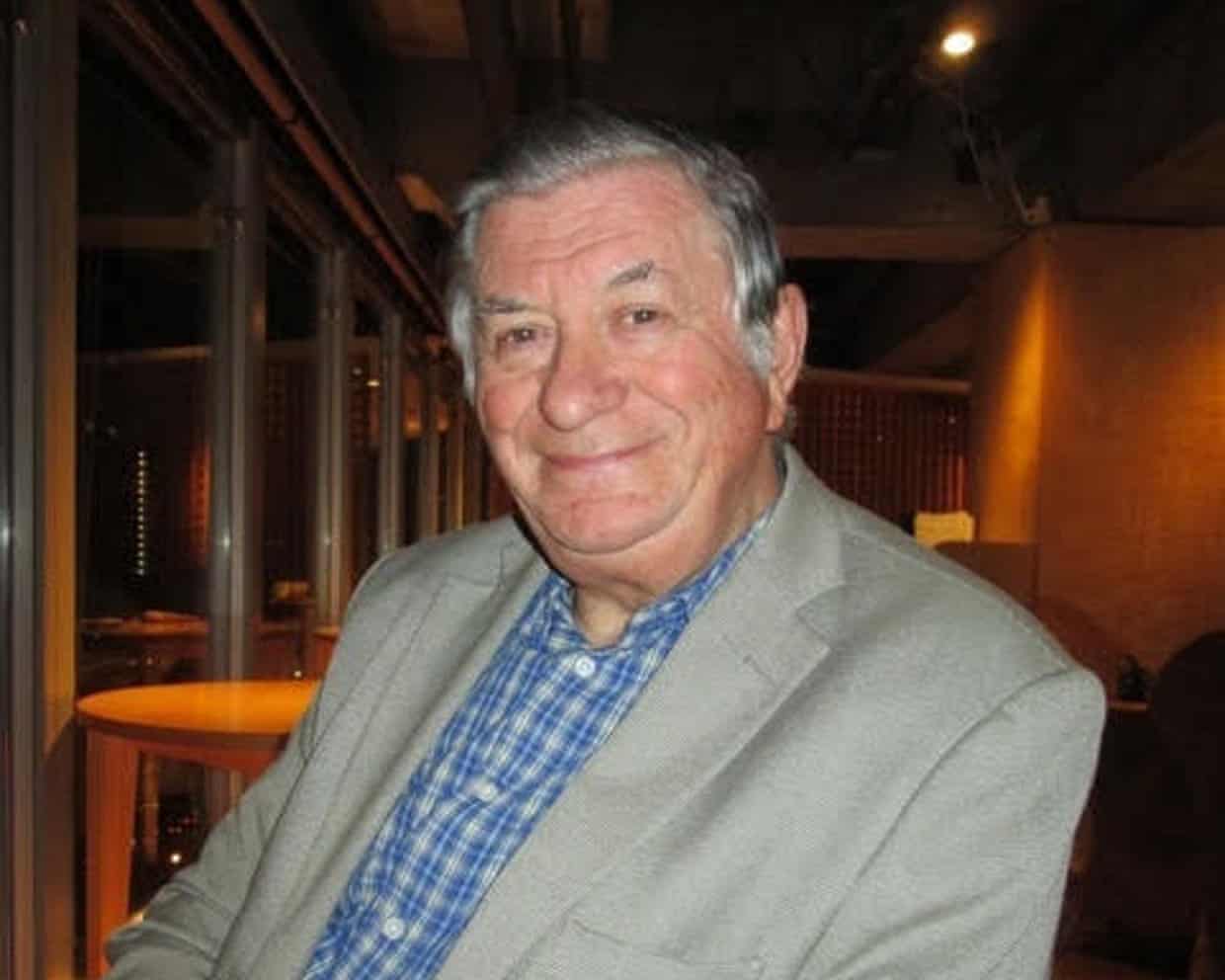
My friend and former colleague Ken Eason, who has died aged 83, was an eminent academic. He specialised in the study of how the introduction of computer technology affects managers and employees in organisations, often with unexpected consequences.Much of his work took place at Loughborough University, where he was involved in the formation in 1970 of the university’s Human Sciences and Advanced Technology (HUSAT) Institute, which carried out some of the earliest research on human-computer interaction.He was the institute’s deputy director until succeeding its founder, Brian Shackel, as its director in 1992, holding that position until Husat was disbanded in 1996. Thereafter he was professor of cognitive ergonomics at Loughborough until his retirement in 2002
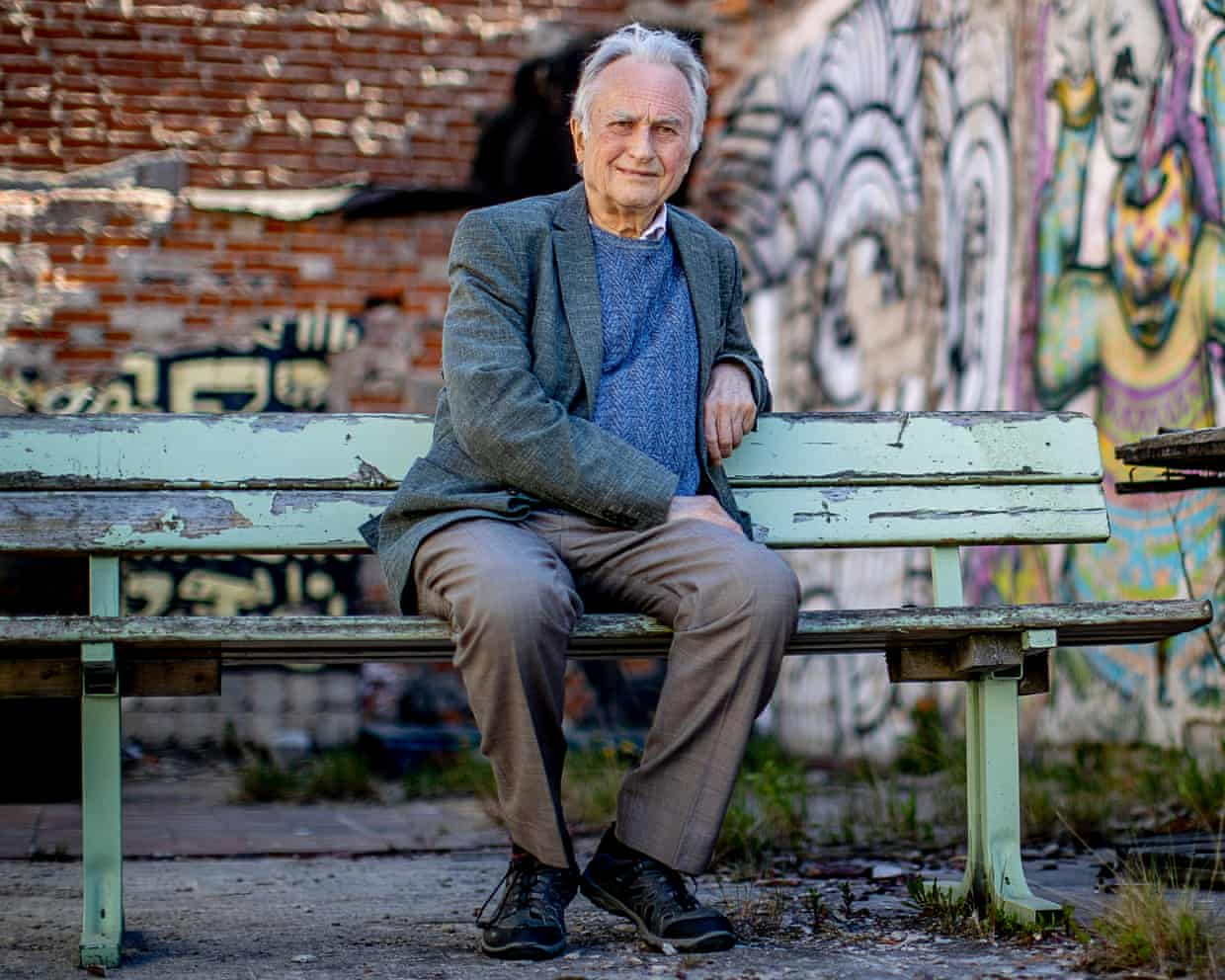
Richard Dawkins concludes AI is conscious, even if it doesn’t know it
When Richard Dawkins met Claudia it was like a whirlwind romance. Over three days last week, a conversation bounced between the evolutionary biologist and the AI bot he called Claudia. “She” wrote poems for him in the manner of Keats and Betjeman and laughed at his “delightful” jokes. Dawkins gently admonished Claudia to avoid showing off. Together, they reflected on the sadness of the AI’s possible “death”

Sabalenka believes players will boycott grand slams to ‘fight for our rights’
Aryna Sabalenka believes the top tennis players will boycott grand slam tournaments in an attempt to resolve their dispute with the four events, which they argue should provide players with a greater share of their growing revenues.“I think at some point we will boycott it, yeah,” said the world No 1 during her pre-tournament press conference at the Italian Open. “I feel like that’s going to be the only way to fight for our rights.”Her comments come after a group of the top 20 male and female players released a statement criticising the prize money levels offered at the French Open, which begins this month. Sabalenka argued the players should be better compensated for their influence on tournament finances
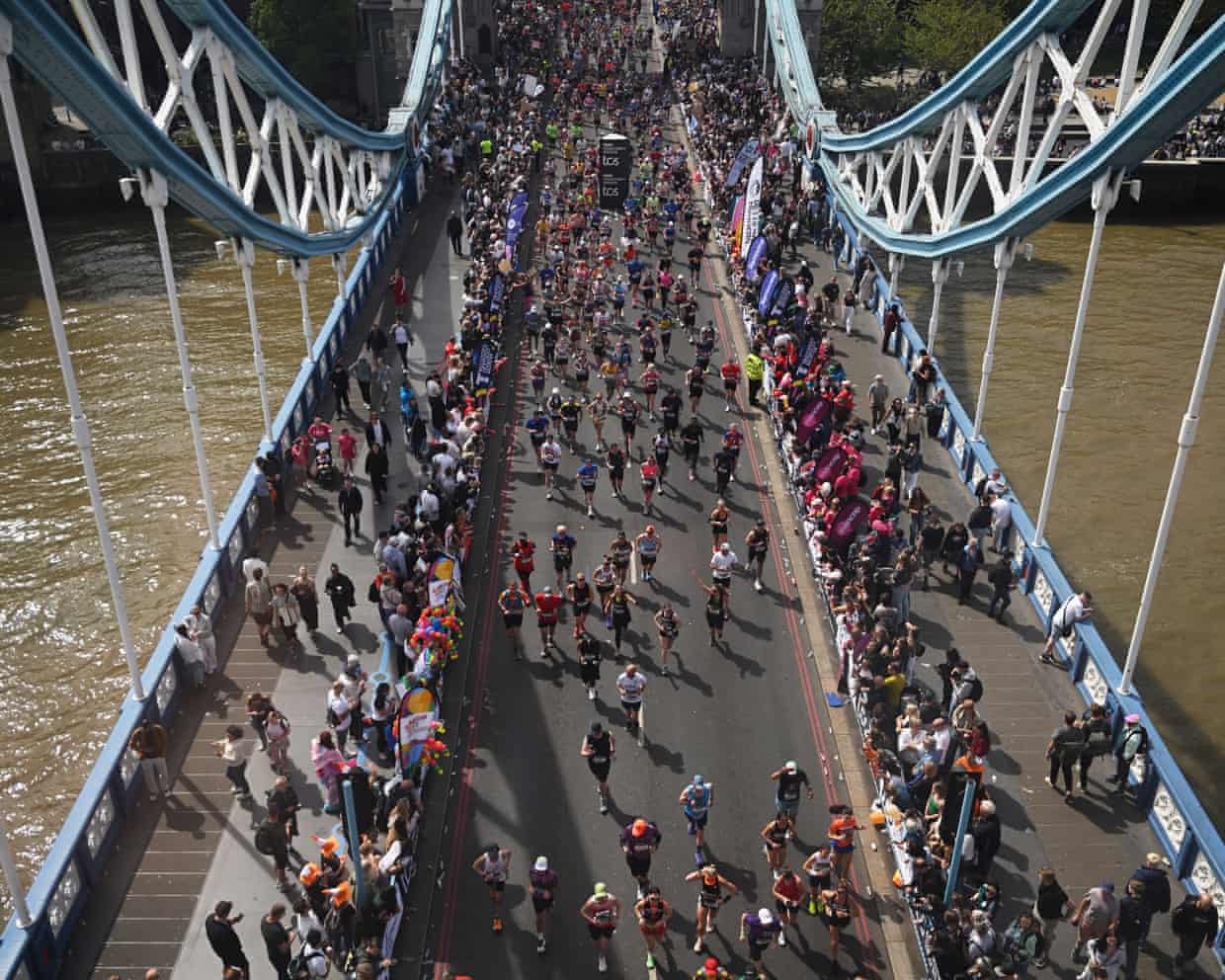
London Marathon sets record after 1.8% of UK adult population applies for 2027 race
The London Marathon has set yet more records with organisers announcing that 1.8% of the UK adult population – more than one million people – have applied to run in next year’s race.Running’s boom wasreflected in a world record 1,338,544 global application for the 2027 London Marathon – up from 1.13m for this year’s race and more than double the amount they received in 2024.The extraordinary figures were welcomed by the London Marathon CEO, Hugh Brasher, who said: “This astonishing total of more than 1
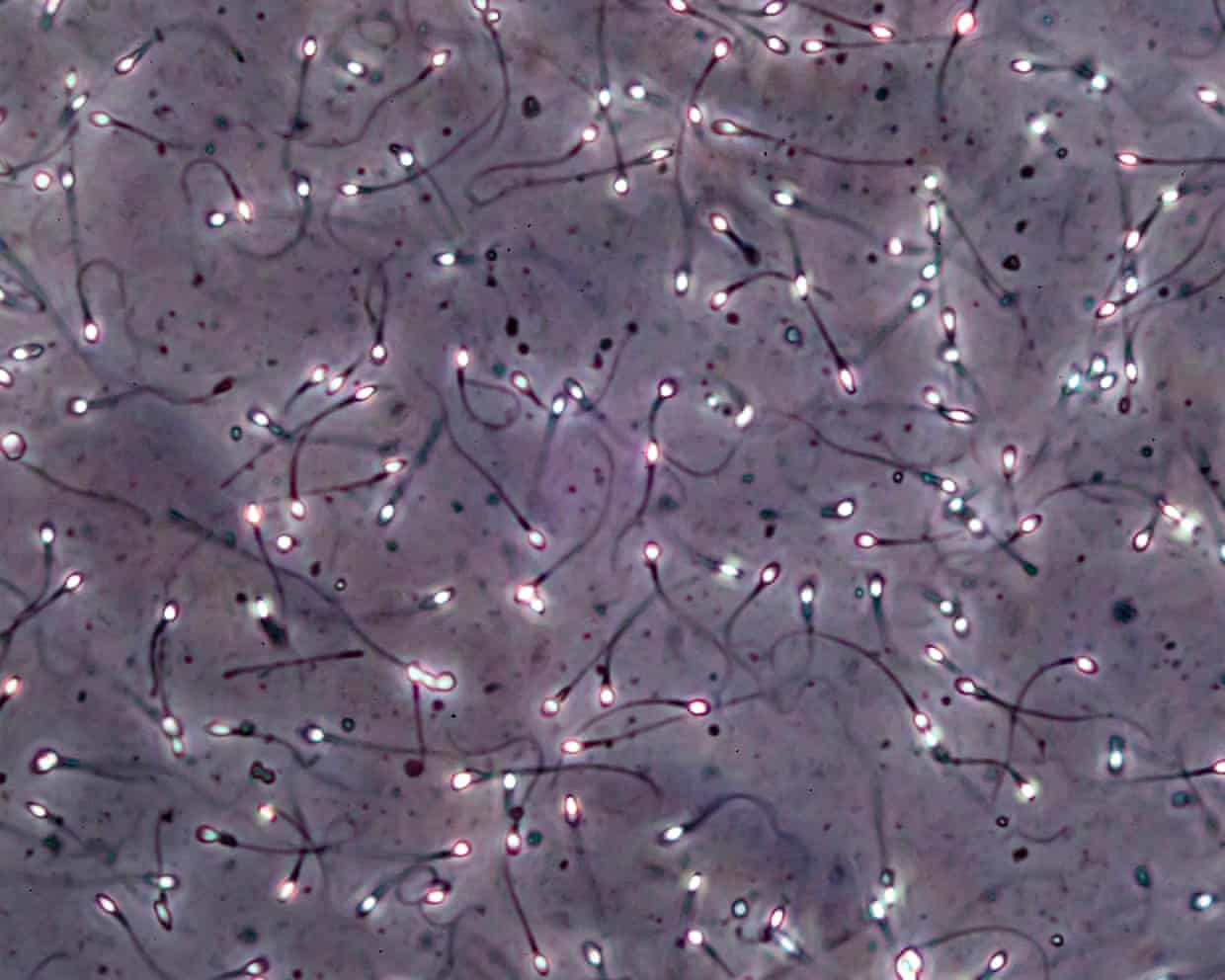
Man produces sperm from testicular tissue frozen as a child in breakthrough trial
Coalition accused of secretly giving big tobacco lobbyists private platform in parliament
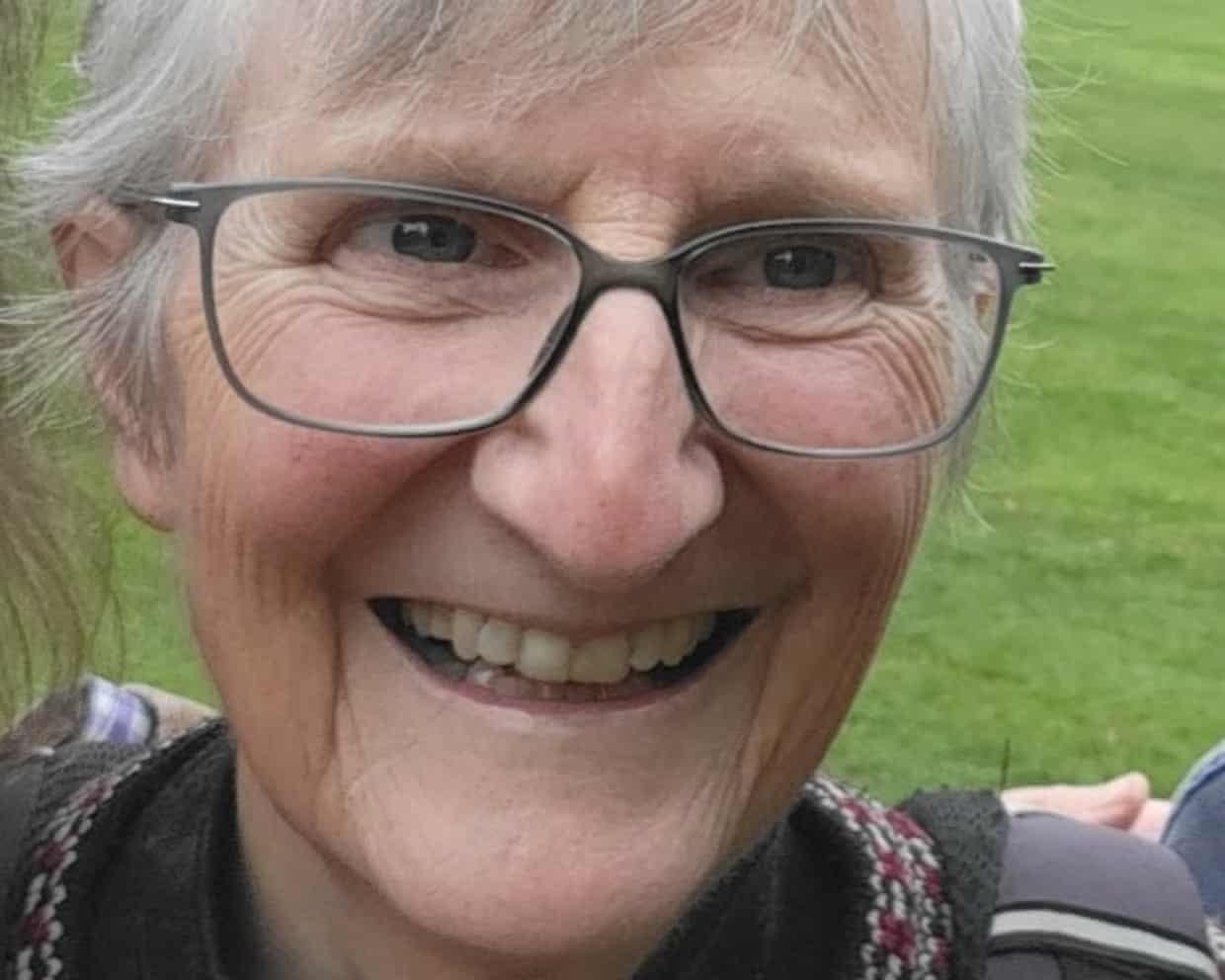
Lorraine Ribbons obituary

Martha’s rule may have saved more than 500 lives in England since 2024

Solicitors report late flood of no-fault evictions before ban in England

Trial of non-invasive endometriosis scan boosts hopes for quicker diagnosis