What did Keir Starmer say in ‘last chance’ speech to save his premiership?

Keir Starmer’s speech and press conference on Monday morning was almost universally billed as his final chance to save his premiership,Was it enough? And what – if anything – did he actually offer?This is a line that could have appeared in any Starmer speech of the last 12 months, but this time a lot of Labour MPs would have wanted something new and substantial in policy terms to back it,And there was not,Yes, there was a lot of passion, and a lot of talk about fighting on,But the only policy offerings were either not new – a youth experience scheme as part of a reset with the EU – or already effectively the case, as with the announcement that British Steel will be nationalised.
If Starmer sceptics in Labour are to be mollified, there is an argument that he needed to produce a Flemish giant-sized rabbit from his metaphorical hat – something to make them sit up and think: oh, maybe this time things are different.But he did not.Asked directly after his speech if he would fight any challenge to his leadership, Starmer said he would.He repeatedly set out the argument that any attempt to remove him would be deeply damaging to both Labour and the country more widely.“I take responsibility for not walking away, not plunging our country into chaos as the Tories did time and again,” he said.
This is an argument that many Labour MPs understand and have some sympathy with,But after such a terrible set of election results, many increasingly feel that even a roll of the dice is better than just hanging on for dear life,So to the decision about whether or not Andy Burnham would be allowed to give up his Greater Manchester mayoralty and fight for a Westminster seat – and then, very possibly, challenge Starmer,The prime minister is sticking to the line from earlier this year when Burnham sought permission to fight the Gorton and Denton byelection and was blocked by Starmer loyalists on the party’s national executive committee (NEC),Labour went on to lose the previously safe seat, coming third to the Greens and Reform.
Burnham allies, of whom there are quite a few among Labour MPs, will be both despairing and furious at this answer.This was, as it were, Starmer unleashed – a speech by a prime minister who cares.The problem for watching Labour MPs is that such emotional, story-telling politics is not the natural turf for a prime minister who, to the despair of his No 10 aides, is warm and even funny in private but becomes robotic every time he faces a camera or microphone.Starmer’s speech was better than many he has given, and he did show some passion, even if the lengthy Q&A did tail off into the sort of detail-heavy pudding of tedium the prime minister specialises in.It was notable that the introductory speech by the 2024-intake MP Jade Botterill packed more genuine-seeming emotion into three minutes than Starmer did in nearly 20.
One of the more notable elements of Starmer’s speech was his open acceptance that Brexit had left the UK poorer and less secure, the sort of thing even Labour politicians would have been wary about not long ago.But what does this actually mean, already-announced policies such as the youth experience scheme aside? Possibly not much.Starmer was asked if he might ever shift on his “red lines”, which would block future membership of the EU’s single market and customs union.The answer was vague, but seemed to indicate not.Another increasingly familiar refrain from Starmer, but phrased starkly: the warning that if Labour gets things wrong for much longer, it will not only result in the party being defeated at the next general election, but usher in a Nigel Farage-led Reform government.
This was used by Starmer to argue against changing the person at the top: “We are not just facing dangerous times, but dangerous opponents, very dangerous opponents.” Some of his MPs will take exactly the opposite lesson from it.
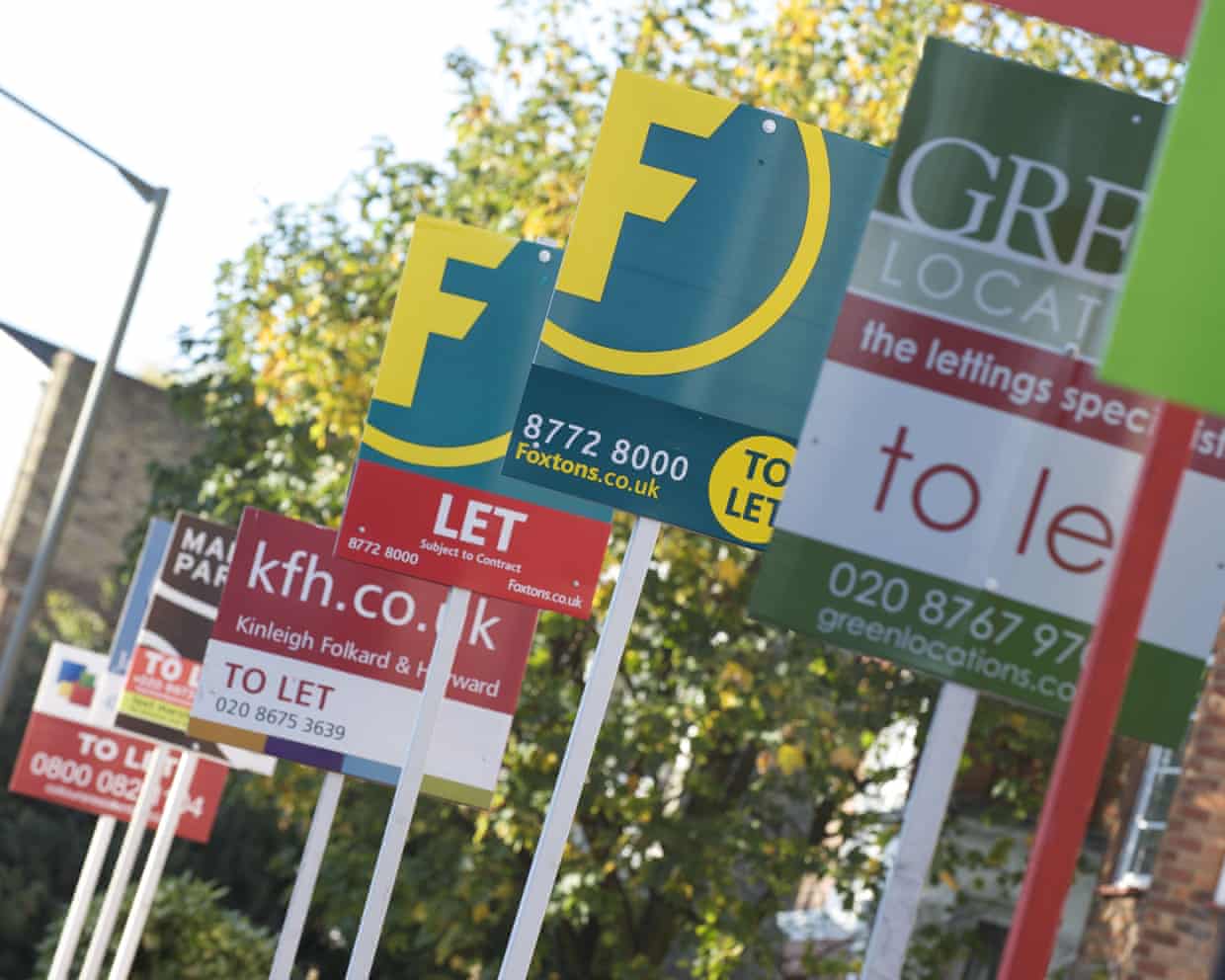
Renters’ Rights Act could worsen court delays without proper funding | Letters
The new Renters’ Rights Act is a step forward in ensuring that both tenants and landlords can access justice, but without proper investment it risks creating new court delays and injustices for both parties (The Guardian view on the Renters’ Rights Act: finally, protections fit for the modern housing market, 5 May).The end of “no fault” evictions in England is expected to lead to an increase in the number of contested repossession cases. If courts do not have the funding to handle the increase, delays will grow and leave many people in limbo, as we have recently seen with the closure of the Hillingdon Law Centre.This investment must include further funding for housing legal aid. While last year the UK government pledged to increase the fees paid to housing legal aid firms, those changes are yet to be fully implemented
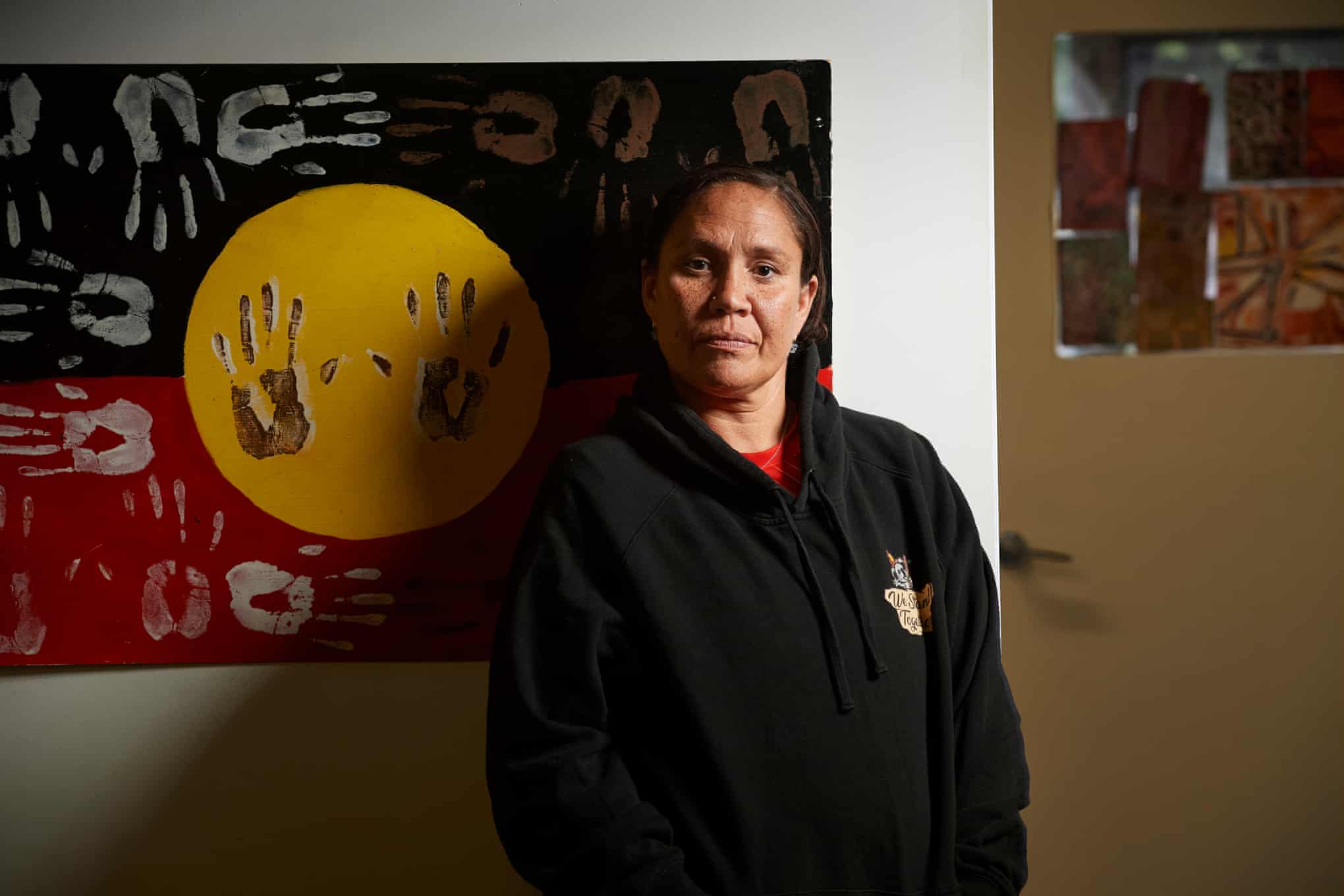
Doctors warned Andrea could die without safe housing, then discharged her to sleep on the streets
The First Nations woman has been on the priority public housing list in WA since 2023. Despite nearly dying from sleeping rough, she still has a two-year waitFollow our Australia news live blog for latest updatesGet our breaking news email, free app or daily news podcastThe family of a homeless First Nations woman who is sick with septicemia fear she will die without a safe home, but advocates warn it could be years before she reaches the top of the public housing waiting list.Andrea Woodley has been in and out of hospital for weeks with sepsis, triggered by infected blisters on her feet after sleeping rough in inner city Perth. The Noongar, Budimaya and Nyikina woman and her loved ones fear that without a home she is at risk of death.Her mother, Heather Taylor, who lives 2,000km away in Derby in the Western Australian Kimberley region, said she was told her daughter’s sepsis, which has spread to her heart and lungs, could be fatal without proper treatment
GPs and hospitals in England to be required to share data to create single patient records
GPs and hospitals will be required to share patient data under legislation to be announced in the king’s speech on Wednesday.Legislation to create a single patient record (SPR) for each person, which would be used across all healthcare providers, is part of a £10bn digitisation of the health service.The health secretary, Wes Streeting, said making the data accessible in one place would be a “gamechanger” that would save lives.The legislation aims to spare patients from constantly having to repeat their medical history when turning up at hospital or being discharged back to their GP.“As patients, there’s nothing more frustrating than having to repeat your medical history at every appointment,” Streeting said

My egg, my wife’s womb, our baby: how we found our way to lesbian motherhood
When Leah and I planned a family, we wanted to be as mutual as possible. Could reciprocal IVF – Leah carrying an embryo made from my egg – be the way forward?Late last year, it became my friend’s favourite party trick. “Rosa’s going to have a baby next week,” she’d say to a group of people who didn’t know me. I’d watch their faces as they tried to inconspicuously scan my body, detecting no sign of a bump. “Congratulations!” they’d say, smiles tight, clearly wondering what other delusions I might have up my sleeve

‘They’ve invented a spurious pseudo-disease’: why are so many men being told they have low testosterone?
A s a young man, Nick Dooley never thought about his hormones. He always considered himself “quite an outgoing, confident, chatty person”. Around the time he turned 30, however, Dooley began putting on weight and struggling with anxiety, “just slowly becoming a shell of my former self”, he says. By 38, he weighed 22st (140kg) and had a range of health issues. “I spent most of my life sat in front of a TV, doing nothing, with zero motivation, and from how I was in my 20s, that wasn’t me
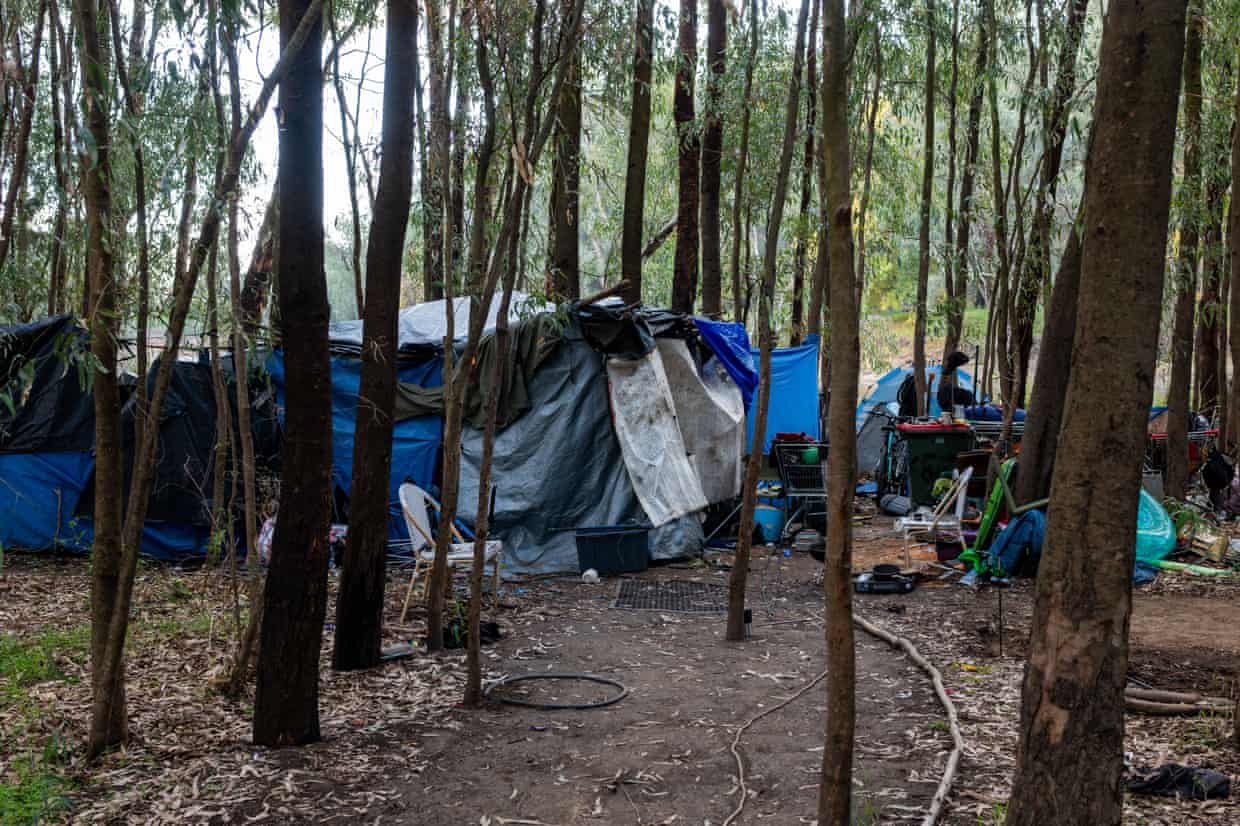
‘A sobering indictment’: 14 homeless people die a year in public parks or countryside in Australia, analysis finds
Fourteen rough sleepers are dying in public parks or countryside areas each year on average in Australia, an analysis of hidden death reports reveals.The deaths of a young international student sleeping rough in Hyde Park, a young homeless mother who died of sepsis in Western Australia, and a newborn baby at a makeshift homeless camp near Wagga beach have prompted an outpouring of grief and shock in recent weeks.The deaths have triggered renewed focus on Australia’s homelessness crisis and the lack of social and emergency housing options, which are pushing vulnerable rough sleepers into precarious situations.An analysis of coronial records, most of which are not public, reveals disturbing numbers of homelessness deaths in public parks and countryside areas, including riverbanks.Between 2010 and 2020, 54 rough sleepers died in public parks, the analysis shows

Democrats are playing with fire in trying to reclaim tax cuts from Republicans

Oil prices climb after Trump dismisses Iran’s response to peace plan
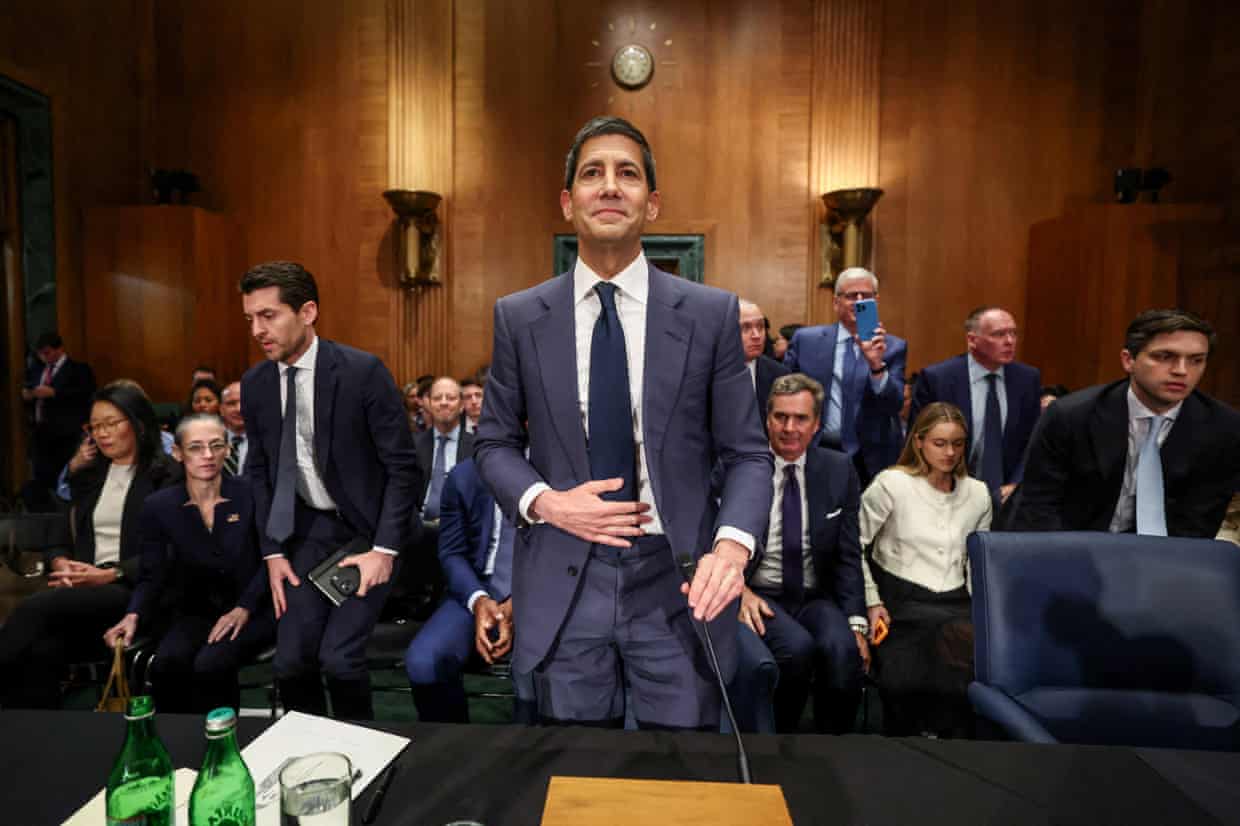
US Senate expected to confirm Kevin Warsh as next Federal Reserve chair
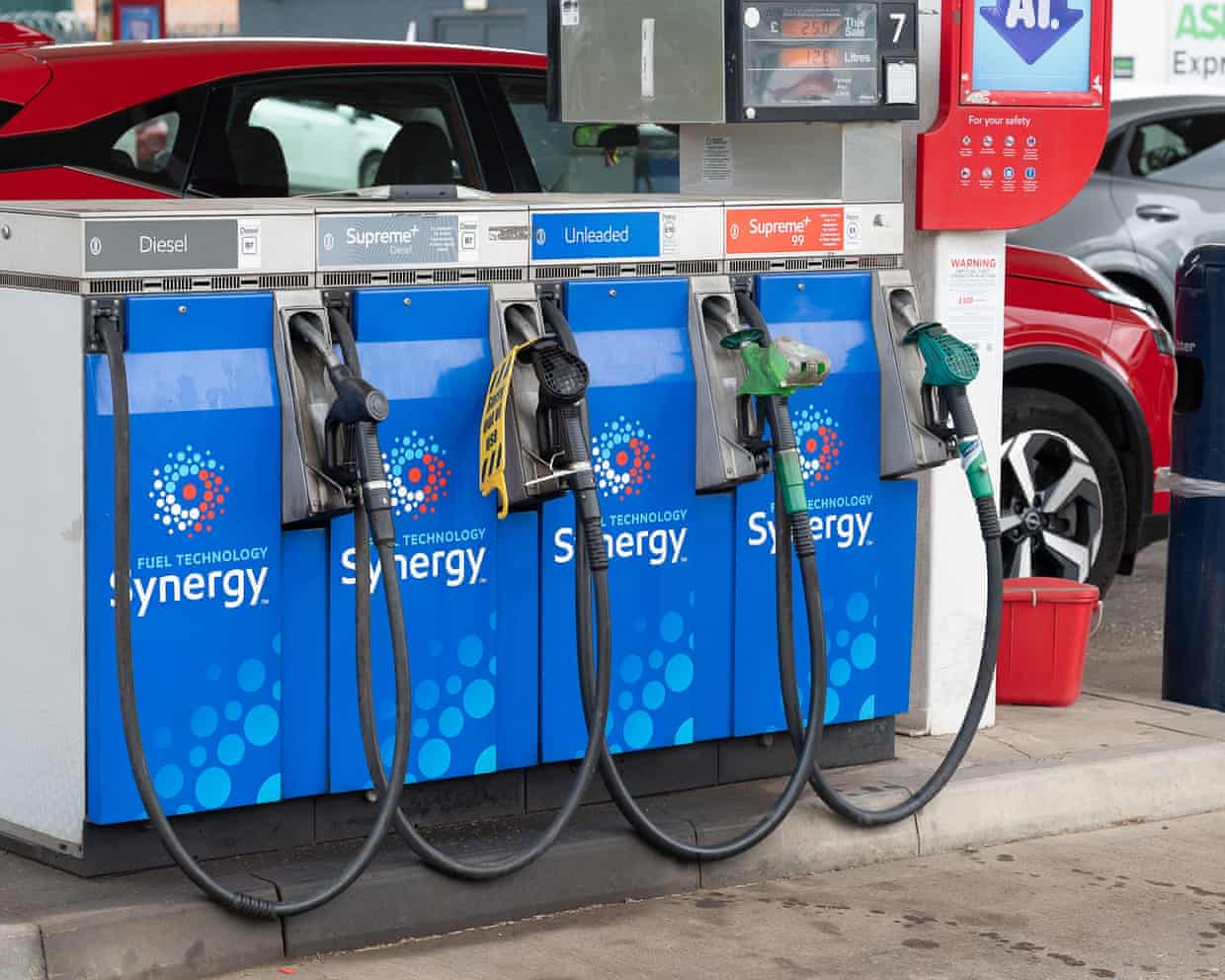
UK households bracing for new cost of living crisis, report finds
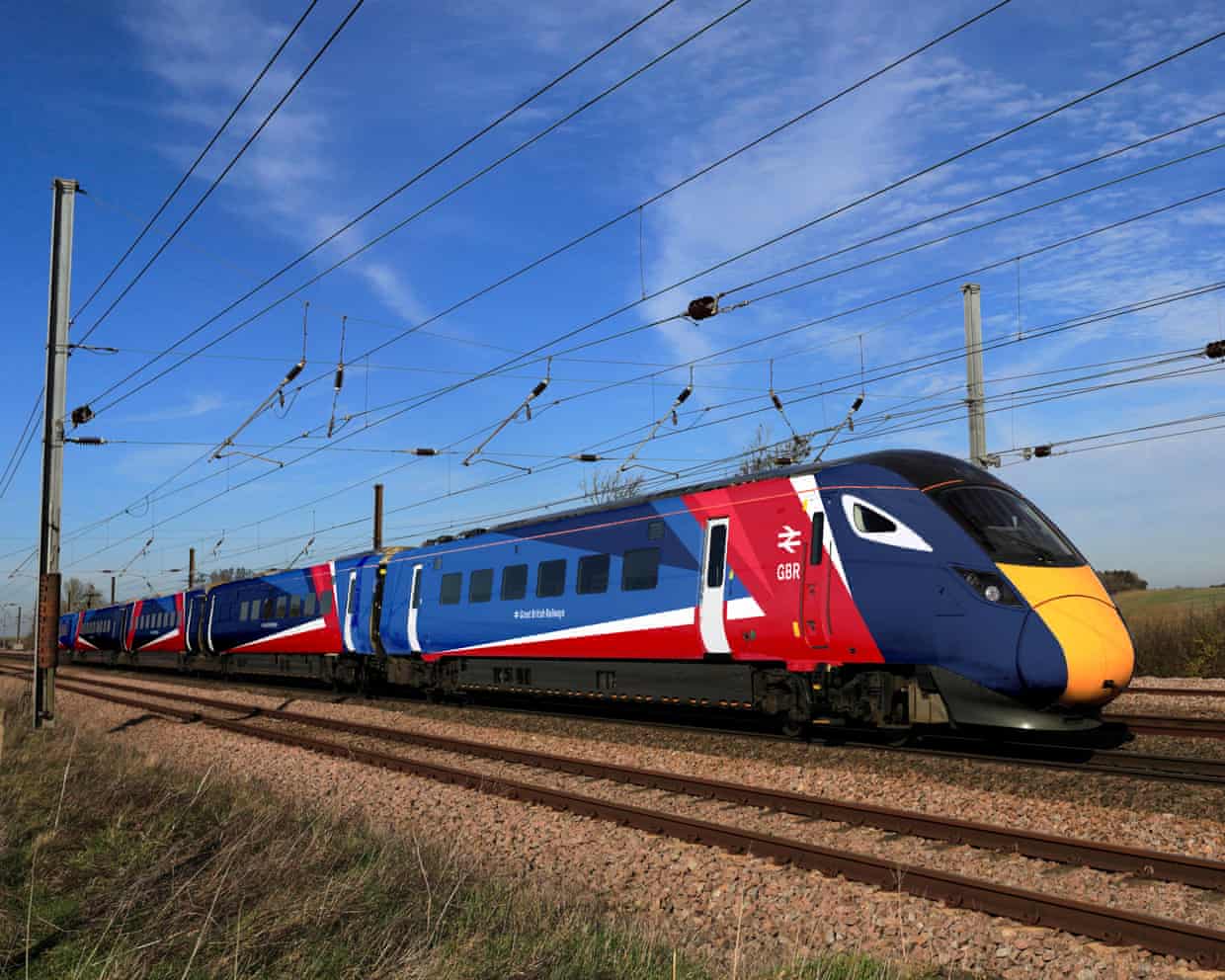
Delayed Great British Railways’ first station to open at Cambridge South in June
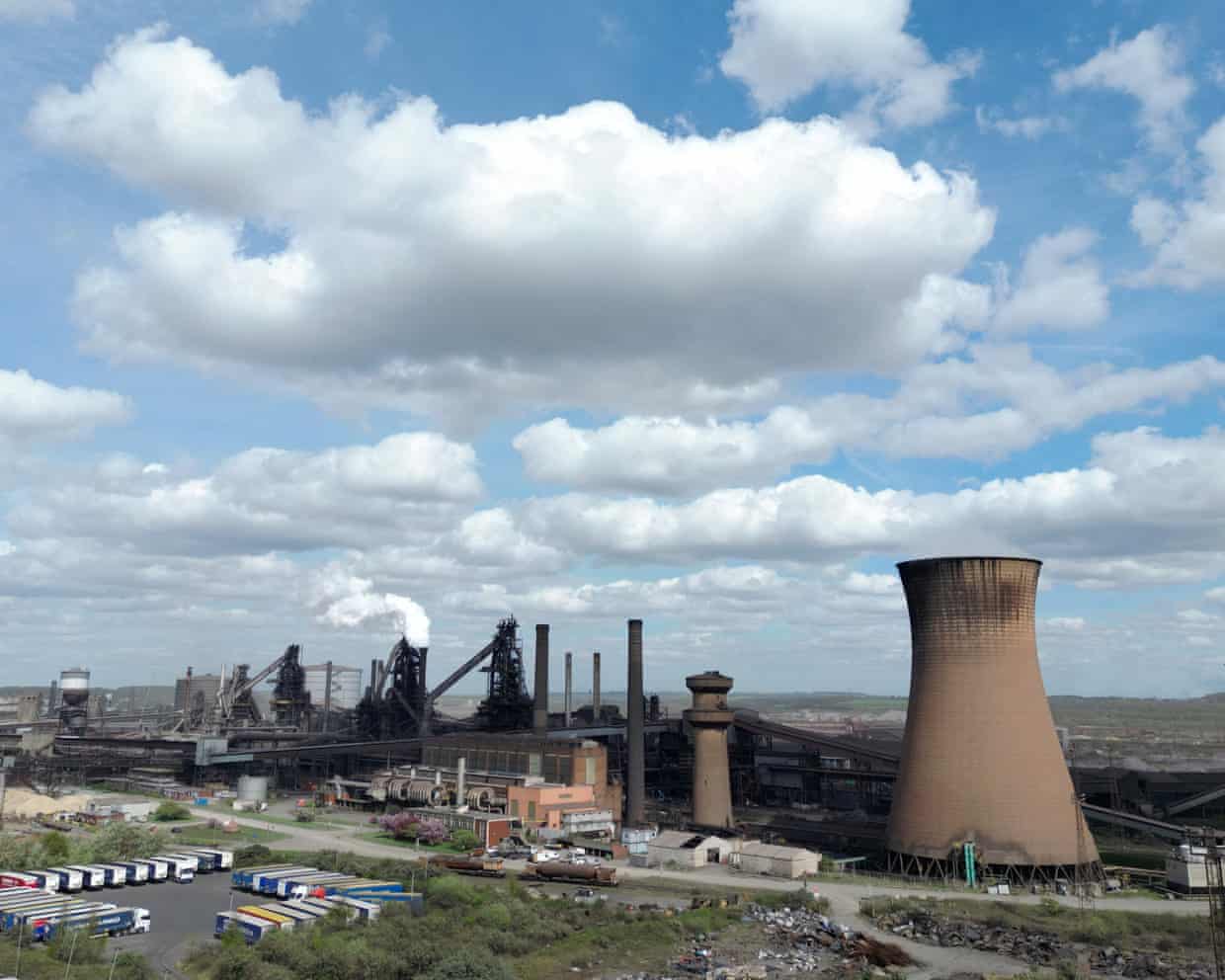
Full nationalisation of British Steel expected in king’s speech