‘Anyone but Labour’ or ‘anyone but Reform’? Clash of animosities likely to define May local elections
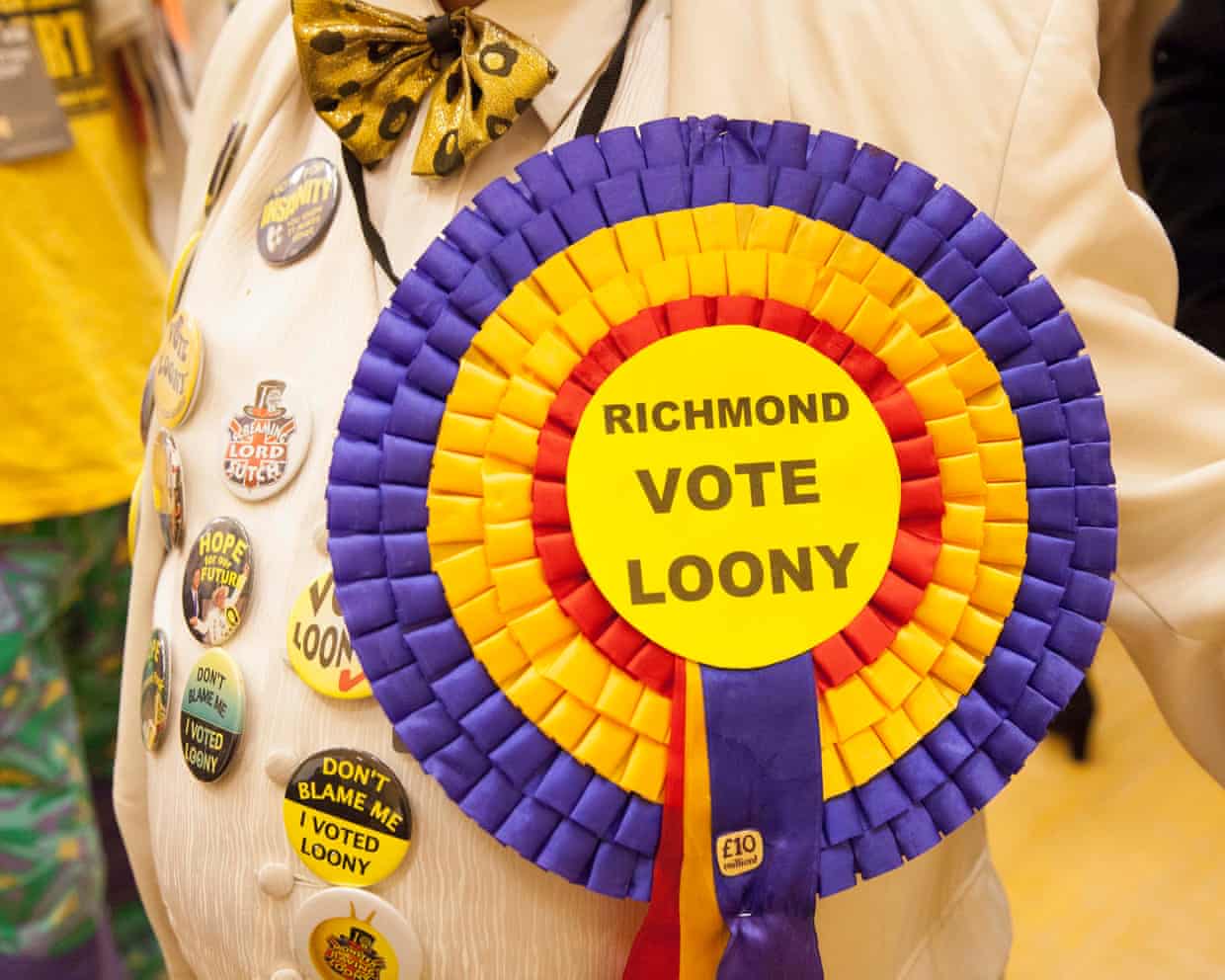
Local elections are often regarded as a referendum on the sitting government, with many previous administrations taking a bloody nose from the electorate but successfully fighting back by the next general election.Senior Labour figures have taken to reeling off a list of midterm results – 1999, 2003, 2012 – to prove that point.“As we get closer to the general election, it will be less about people’s view of the parties generally and more about the actual choice in front of them,” one said.But even against that backdrop, this May’s local and devolved elections look to be a uniquely negative series of contests, in part because Nigel Farage now generates as much ill feeling across the country as Keir Starmer.Some voters are urgently hoping to teach the government a lesson, but others want just as strongly to keep Reform UK out of power.
Rather fewer appear likely to cast their ballots with a positive view of who they support.Whether that sentiment translates into an “anyone but Labour” choice or an “anyone but Reform” one, the pattern looks clear: This will be an “anyone but” set of elections.“It’s rare to hear so much discussion about tactical voting among the public.But across the country more and more people are describing their vote in terms of who they want to stop rather than who they want to win,” said Luke Tryl, director of More in Common.“At the Gorton [and Denton] byelection we heard repeatedly from progressive voters that they just wanted to know who was the best ‘stop Reform’ choice, and that is something we now hear from progressives right across the UK.
“At the same time in many English councils that will be voting in local elections, we are repeatedly hearing from voters who just want to back the ‘punish Labour’ option, be that Greens and Gaza independents on their left or Reform on their right.“In counties like Essex, voters on the right still want to punish the Conservatives, in what used to be a traditional stronghold, for the legacy of the last government and failures to control migration, and so are backing Reform.”As Reform has plateaued in the polls, the number of people saying they would vote against Farage’s party has grown.Overall, 38% of Britons would do so, up nine points since November last year.It is the first time More in Common’s polling has had Reform, rather than Labour, as the most unpopular party.
Labour was on 34%, down four points, and the Conservatives and Greens were on 7% each, down one and up four points respectively,The Lib Dems stuck at 3%,Reform acknowledges that many centrist and left-leaning voters may vote tactically against it, but suggests that shows the “mainstream” parties are all the same and only it offers a true alternative,Prof Tony Travers, a local government expert at the London School of Economics, suggested the “anyone but” sentiment would not apply towards Reform universally, because the appetite for tactical voting appeared to be uneven across the political spectrum,In the inner cities, for example, Labour would be more vulnerable to parties such as the Greens or the Workers Party of Britain, he said.
But that meant there was an opportunity for Farage to win big where Reform’s support was already concentrated.The two main parties have held a firm grip on the electoral system for decades, picking up the majority of the vote between them.But in the 2024 general election Labour and the Tories only accounted for 57% of votes between them, the lowest on record, as the system fragmented.Rob Ford, professor of political science at the University of Manchester, believes voters are sending a message to what he describes as the legacy parties.“They sent it in last year’s local elections.
They sent it in Gorton and Denton.And they’re going to be sending it in the devolved elections coming up as well.‘We really don’t like you.We’re not going to vote for you.’”He told the Guardian’s Politics Weekly podcast: “The question that we’ve got to hash out is: where is this all leading when we come to a general election? And the honest answer is, we don’t know.
”Given the public mood towards the “pro-system” parties, the election of more than 5,000 councillors and six mayors in England, as well as the Scottish and Welsh elections, on 7 May brings a moment of deep uncertainty,Labour is braced for heavy losses to Reform and the Greens across England, including in the party’s former heartlands in the north-east, West Yorkshire and Greater Manchester,In London, where the party holds 21 of the 32 councils, party insiders fear a bloodbath,In Wales, where Labour has dominated for more than a century, it looks to be squeezed from left and right, with Reform challenging in traditional working-class communities while Plaid Cymru takes the progressive vote,It will be in the interests of both insurgent parties in Wales to portray the election as a battle between the two of them.
That could win over voters to Plaid, in particular, who might not usually back the party, and set it on course to be the biggest in the Senedd.The “anyone but” sentiment will apply in Scotland too, where Labour wants to fight as insurgents, focusing on the SNP’s record during almost two decades in power, including on the NHS and education, while the nationalists would rather campaign on the UK picture.“Scotland has become defined by which government people like least, Westminster or Holyrood,” said Tryl.The SNP is leading the polls, well ahead of Scottish Labour whose previously buoyant support collapsed in the face of repeated Westminster missteps.But some in Labour believe the party has an edge with its ground operation and charismatic leader, Anas Sarwar.
“The focus elsewhere in the UK is on Reform and whether they’ll win, but Scotland’s had multiparty politics for a long time and it’s a different story here,” one senior figure said,One undernoted aspect of the May elections is that if nationalist parties win in Scotland and Wales, three of the four UK nations could be committed to independence, heralding a potential constitutional crisis for Westminster,At last Tuesday’s political cabinet, the secretary of state for Scotland, Douglas Alexander, and Torsten Bell, a Treasury minister with a Welsh seat, presented to colleagues on their prospects,One attender said: “Things are not as bad as you might think,”Other ministers present were more despondent.
“We’re going to get a trouncing.Whatever spin we put on it, May is going to be a nightmare for us.Not just in Scotland and Wales, but across England too,” one said.Whatever the scale of Labour’s losses, party officials are hoping for enough bright spots that they can argue they are just a classic symptom of voters’ midterm frustration.“It’s an expectations game for the Labour leadership,” said Travers.
“It’s like one of those Private Eye front pages comparing the incumbent party to the Titanic,Labour will try to spin it as being a disappointing night for the iceberg,”Starmer’s unpopularity means some voters will be motivated by the chance to destabilise him at the polls to the point of departure,Anxious Labour MPs are watching and waiting,If they feel there is little chance of him turning around the “anyone but” mood before the next general election, May might not only be catastrophic for the Labour party, but also for his leadership.

Starmer says ‘every lever’ will be explored to ease rising costs of living from Iran conflict
Keir Starmer has promised to look at using “every lever that’s available to the government” to help people cope with the impact on the cost of living of the US-Israel war against Iran, as he prepares for an emergency meeting with senior ministers.The prime minister will chair a meeting of the Cobra committee to discuss possible contingency measures on Monday afternoon, joining Andrew Bailey, the governor of the Bank of England, Rachel Reeves, the chancellor, Ed Miliband, the energy secretary, and Yvette Cooper, the foreign secretary.Speaking to reporters during a visit to a school in London, Starmer said he wanted to reassure Britons that everything was being done to mitigate the economic effects of the conflict, which has resulted in energy prices soaring and the cost of government borrowing also rising.“Cobra is the opportunity at the highest level to bring people together on matters of real, significant national importance,” Starmer said.“Obviously, Cobras are usually used for military considerations, consular considerations, but I think with the Iran war, most people are very concerned now, not only what they’re seeing on their screens in relation to the conflict itself, but also that question of ‘How is it going to affect me and my family?’“And so today we’re looking at the economic impact, and I am asking for every lever that’s available to the government to deal with the cost of living to be discussed at Cobra
Idris Elba-backed firm Huel bought by Danone in €1bn deal
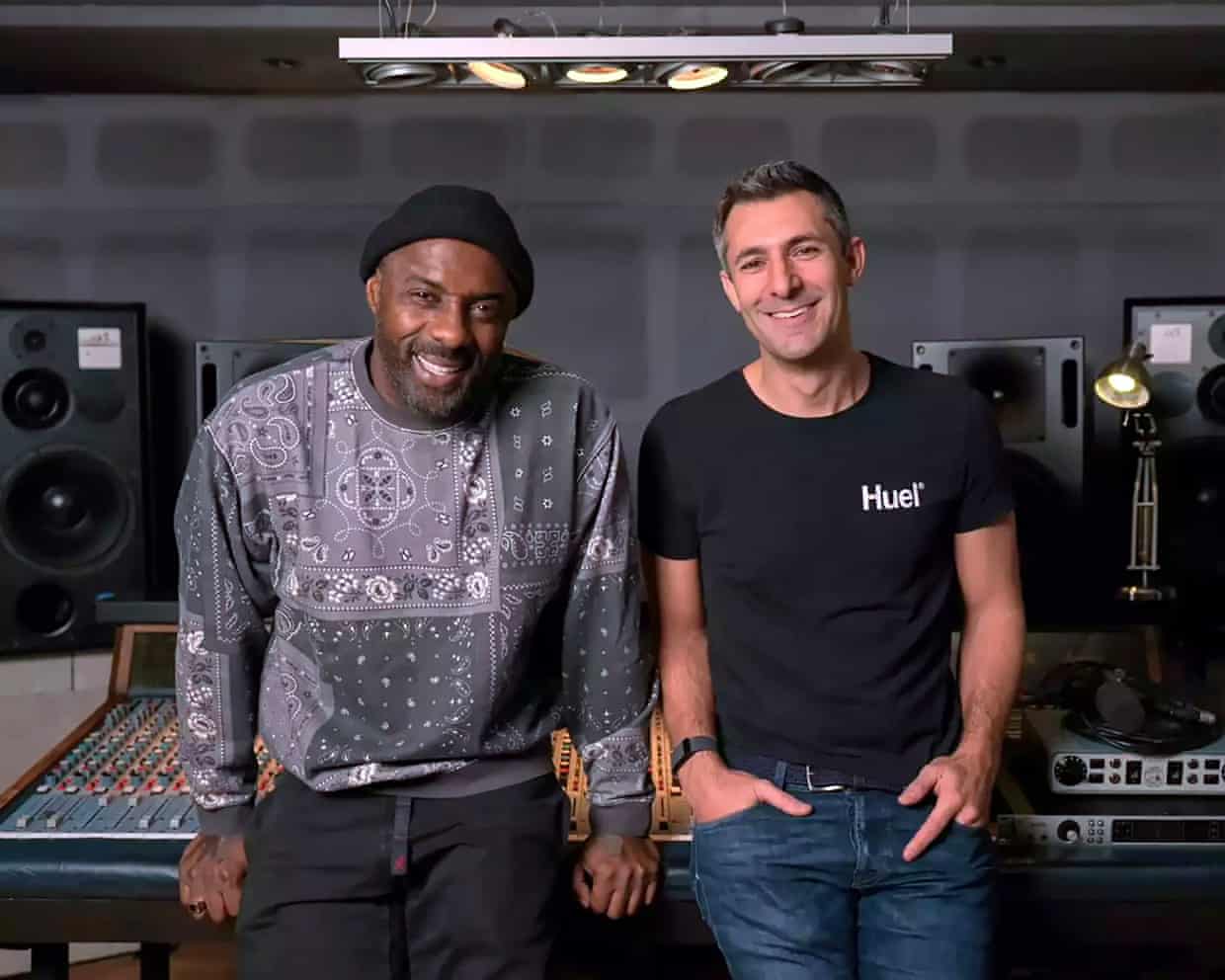
Huel, the protein shake maker which counts the actor Idris Elba among its investors, has agreed to be acquired by the French consumer goods group Danone in a deal worth about €1bn (£870m).The British company, which makes food powders, snack bars and meals from a blend of plant-based ingredients and fortified with vitamins, started out selling its powders online. It is now available in more than 25,000 stores around the world.The Huel co-founder Julian Hearn will make about £400m from the deal, according to filings at Companies House.He started the business in 2015 with the nutrition specialist James Collier, and remains one of the biggest shareholders in the business
Australia’s generation Alpha faces $185k bill over lifetime without urgent action on climate crisis, report finds
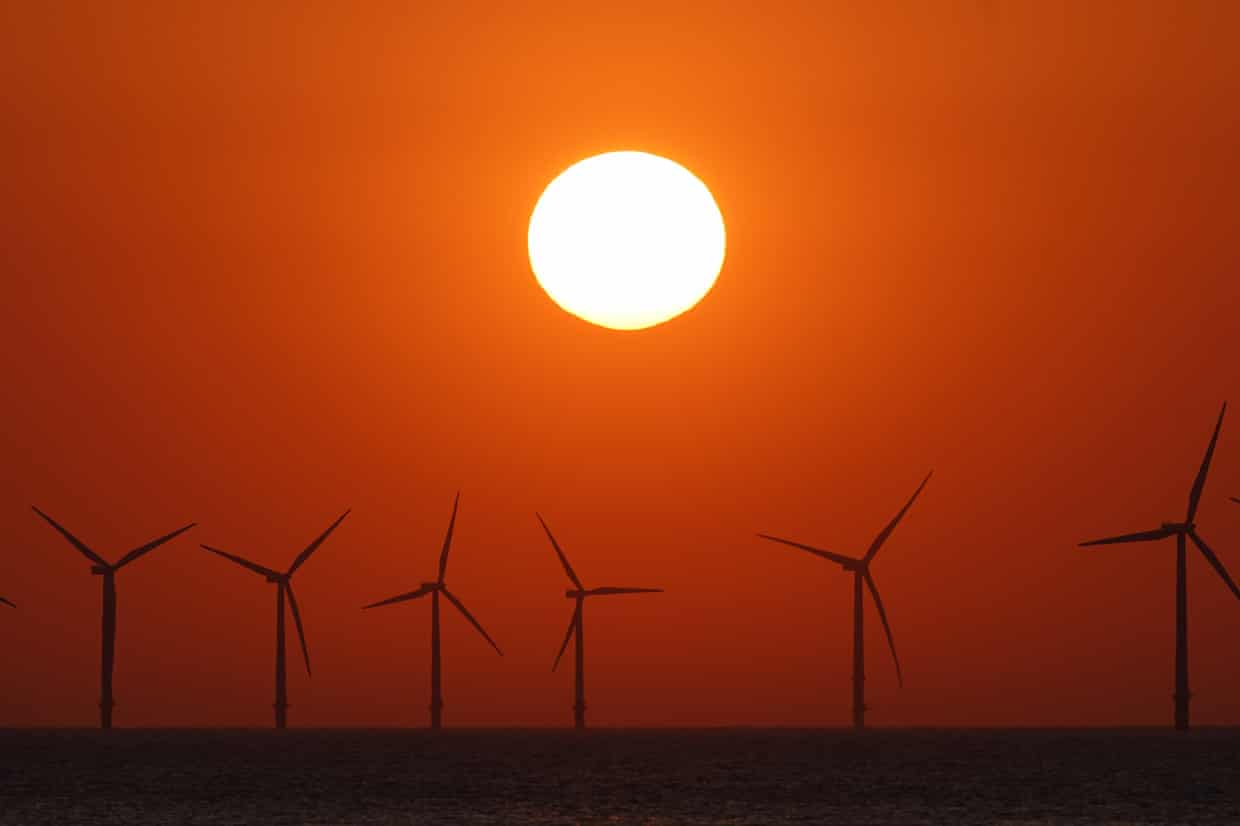
The next generation of Australian workers will cop a $185,000 bill over their lifetimes if the country does not act more urgently to address the climate crisis, according to new modelling by a team of young economists at Deloitte.The new report finds that global heating consistent with the current projections would cost the average millennial about $130,000 over the rest of their lives, increasing to $165,000 for gen Z.A gen Z Australian’s lifetime income could be $165,000 lower by 2070 without further global action.For generation Alpha, the eldest of whom turn 16 this year, the bill stretches to $185,000 a person by 2070.The report estimates the damage to worker productivity, infrastructure and property, as well as increased health risks and healthcare costs

UK mortgage interest rates expected to rise despite Trump’s Iran pause
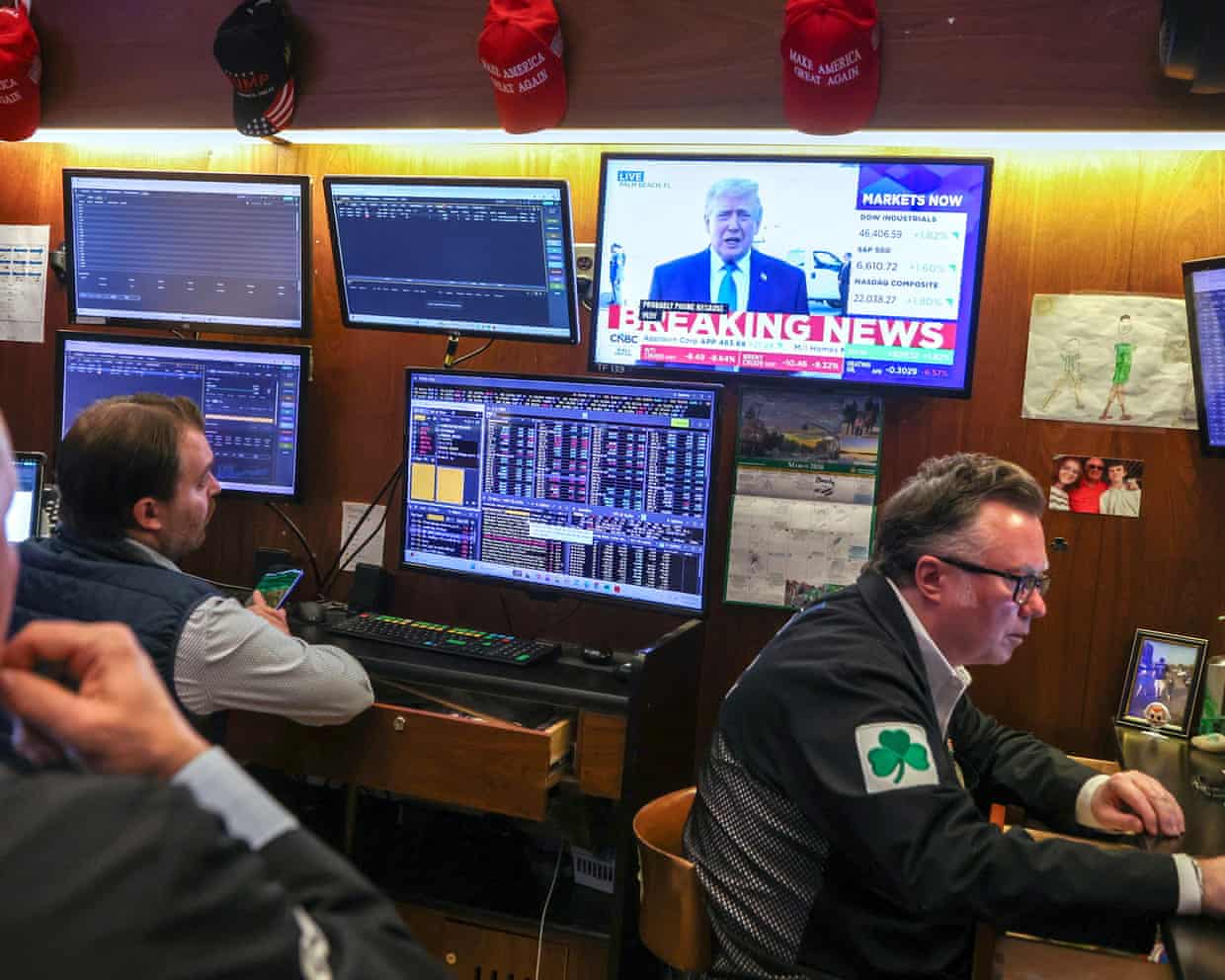
Homeowners’ choice of mortgage deals has shrunk and interest rates on home loans are expected to rise this week despite financial markets reacting positively to Donald Trump’s pause on his threat to attack Iranian power plants.Early on Monday, as the end of a two-day deadline set by Trump for a deal with Iran grew closer, financial market data implied that investors believed the Bank of England would attempt to tackle rising prices with four quarter-point increases in rates before the end of December.After Trump instructed US defence officials to postpone airstrikes against Iranian energy infrastructure for five days, investors reduced the number of rate rises they expect to two quarter-point increases, from 3.75% to 4.25% this year

Workers who fall for ‘corporate bullshit’ may be worse at their jobs, study finds
Ever sat in a meeting where someone declares that your company is “growth-hacking” and “working at the intersection of cross-collateralization and blue-sky thinking” and called bullshit? Turns out you were right.A new study out of Cornell University published in the journal Personality and Individual Differences found workers most excited and impressed by corporate speak may be the least equipped to make effective, practical business decisions, and it can leave companies with dysfunctional leaders.Academically, “bullshit” is broadly defined as “a type of semantically, logically or epistemically dubious information that is misleadingly impressive, important, informative or otherwise engaging”, according to the study.“Corporate bullshit” is a specific type of bullshit that uses puzzling corporate buzzwords and jargon and is ultimately “semantically empty and often confusing”, according to the research. It is often used by management to persuade and impress, sometimes to inflate perceptions of the company to workers and investors

World’s broadcasters urge EU to tighten rules for big tech in smart TV battle
The world’s largest broadcasters have pushed for the EU to enforce its toughest regulations against virtual TVs and smart assistants built by Google, Amazon, Apple and Samsung.The call came in a letter from the Association of Commercial Television and Video on Demand Services in Europe (ACT), whose members include Canal+, RTL, Mediaset, ITV, Paramount+, NBCUniversal, Walt Disney, Warner Bros Discovery, Sky and TF1 Groupe.The letter argues that big tech companies have growing control over the operating systems of smart TVs and voice assistants, allowing them to act as “gatekeepers” funnelling users towards some content and away from others.Services such as Amazon’s Fire TV and Google TV have recommendation systems, as well as search functions, that may prioritise some content over others. These systems, built into many smart TVs, stand to shape how millions of users consume television
Dow Jones Industrial Average posts best day since early February as hopes of Middle East de-escalation lift markets – as it happened
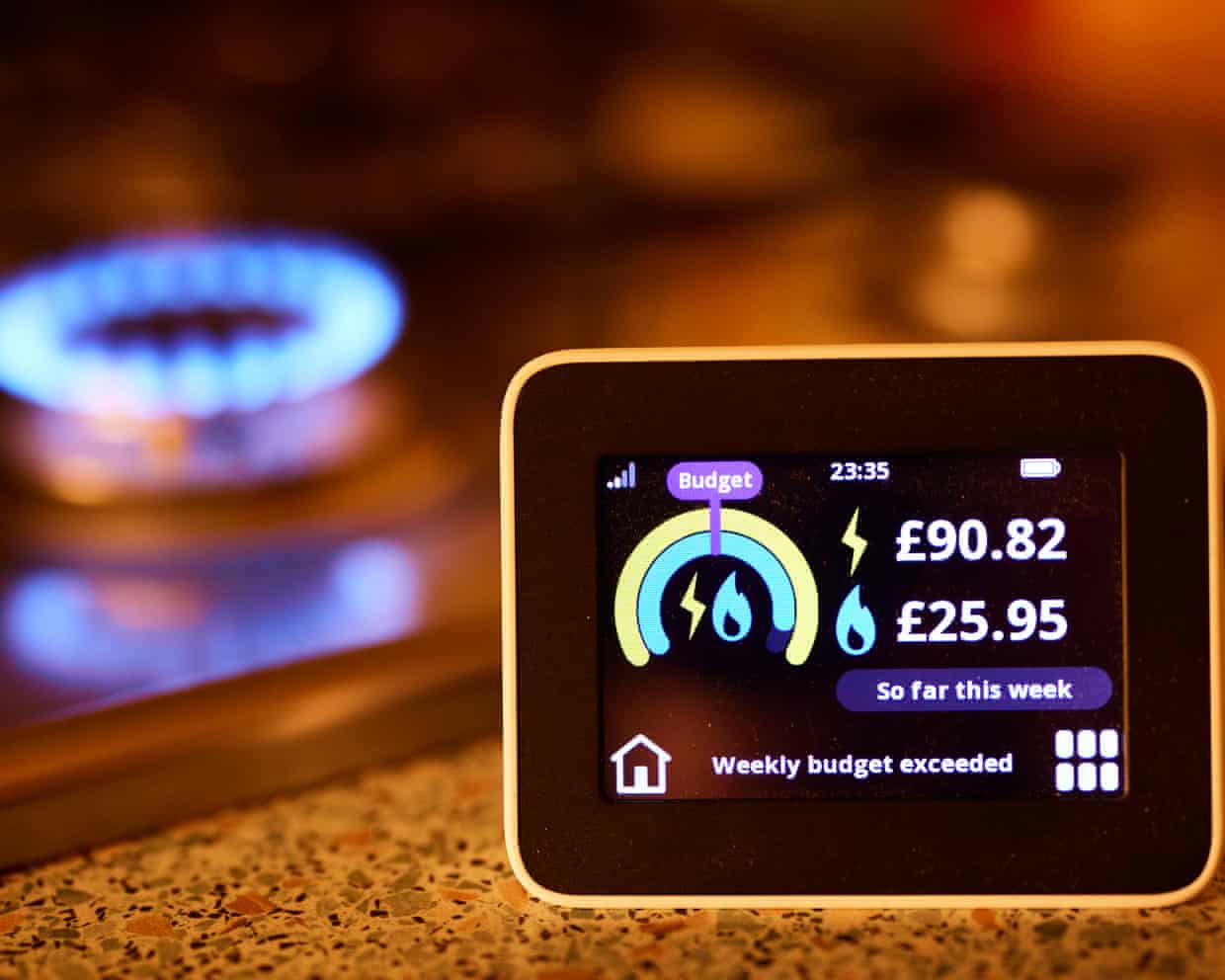
The UK sleepwalked into this energy price shock | Nils Pratley
MPs urge UK government to halt contract giving Palantir FCA data access

AI boom risks widening wealth divide, says BlackRock’s Larry Fink

Victoria Mboko and Mirra Andreeva lead new generation of friendly rivals
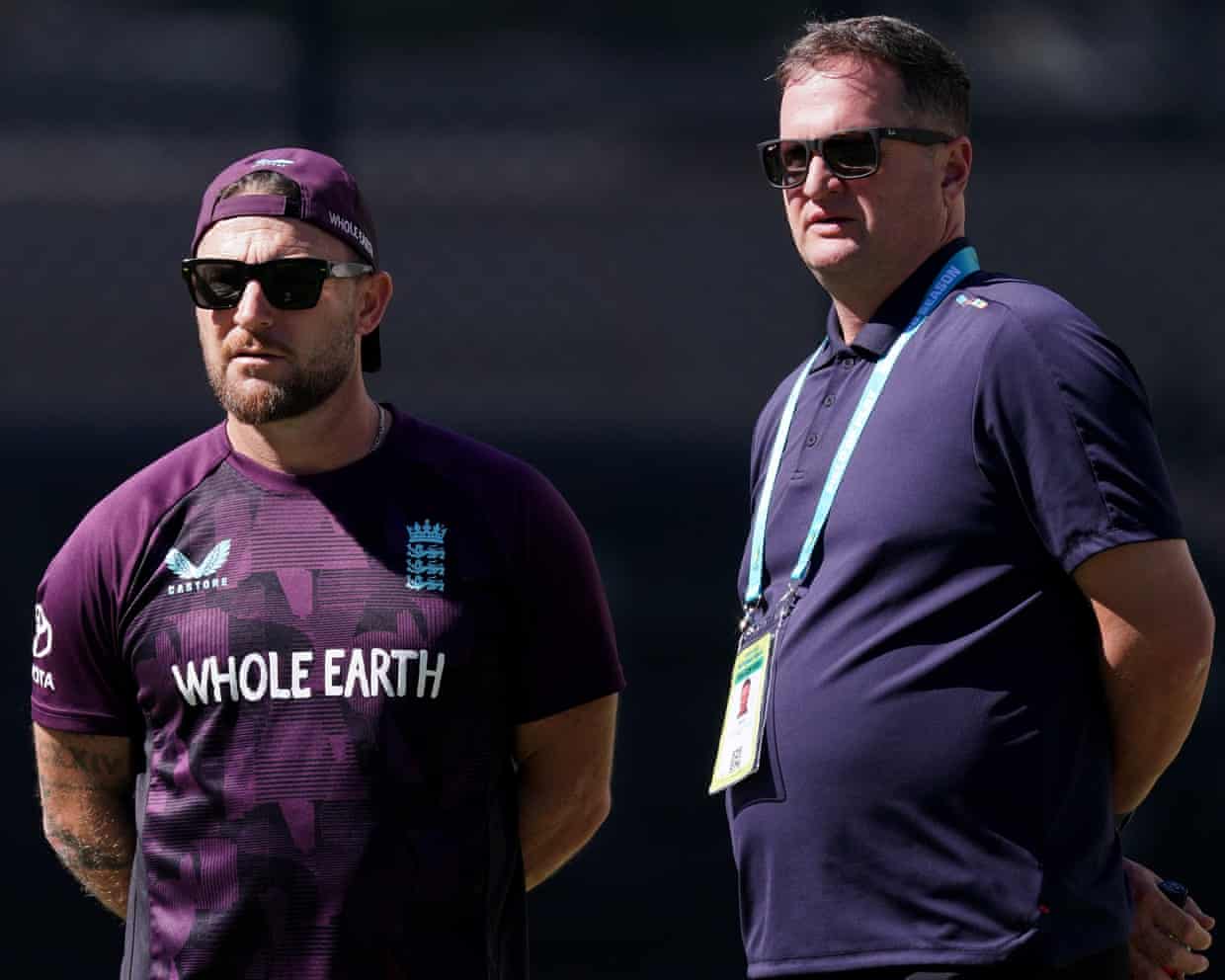
ECB has taken a risk keeping McCullum and Key – who must now placate the public | Ali Martin