The UK sleepwalked into this energy price shock | Nils Pratley
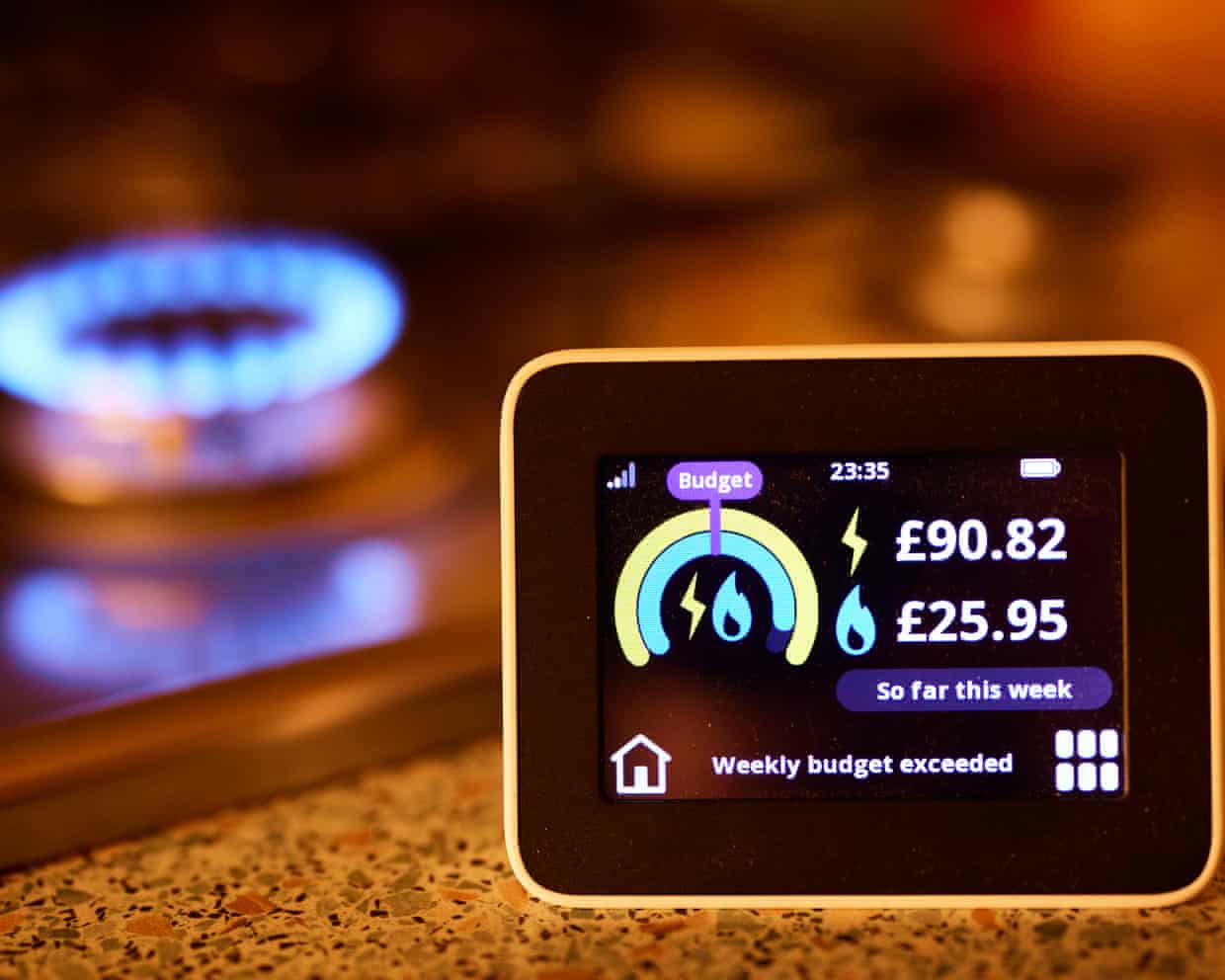
“Because of the choices we made before the conflict in the Middle East began, we are better prepared for a more volatile world”, the chief secretary to the Treasury, James Murray, claimed last week.That statement – surprise, surprise – failed to calm the bond vigilantes who had pushed the yield on 10-year government debt to a punishing 5% before Monday’s modest retreat.Murray seemed to be referring to tax increases and the chancellor’s decision to shift £150 of green levies from energy bills into general taxation.Count those if you wish but, come on, they are minor entries.The UK’s vulnerability to energy price shocks flows from bigger forces, such as our large and growing dependency on imports.
The UK is not alone in that position but two statistics in the Dukes report – the Digest of UK Energy Statistics, published annually by the energy department – should be required information for government ministers,In 2024, says the latest Dukes, the UK got 75,2% of its primary energy needs from fossil fuels, mainly meaning oil and gas (think transport and heating primarily),The proportion, says the report, was a “record low”, but the point is that it wasn’t a low by much,The previous year was 76.
6%.In 2020, it was 76.8%.Energy transition takes time, in other words.The other notable Dukes statistic is that net import dependency in 2024 was 43.
8%, 3,4 percentage points higher than in 2023,It has been hovering around the 40% mark since 2010,Again, the lesson is that while “homegrown” energy in the form of renewables, nuclear and batteries may be the eventual desirable destination, salvation is not arriving tomorrow,So it is fair to ask what preparations the government – and, indeed, the previous Tory government – made to make the UK more resilient to shocks.
There is not much to point to.First, on support for consumers, it is clear that a 2022-style universal package, which ended up costing £44bn, is unaffordable, just as the public accounts committee advised a year ago when examining the events of 2022.The first line of its report now reads as prescient: “The department has been slow to learn lessons about how to respond in the event of a future spike in energy prices.”Talk to retail energy suppliers – the people who would probably administer any scheme – and they say that if the government has found a new data-driven model to identify those most in need, it has yet to share it.At this stage, they say, the only reliable tool for “targeted” support would be the established but imperfect one of the warm homes discount.
Second, as everybody knows by now, nothing has been done to break the link between gas and electricity prices in the wholesale market.A three-year review, started under the last government, rejected zonal pricing in favour of yet-to-be-decided adjustments to the fees paid by generators to access the transmission network.The worry was that the rollout of renewable projects and grid upgrades could be imperilled if developers took fright at the unknown.But the result is that gas still sets wholesale prices 80% of the time (according to the energy minister last week) to the great benefit not only of gas-fired stations but also nuclear plants and the owners of windfarms with pre-2017 subsidies.Third, the government has chosen to ignore calls from many directions – even the head of RenewableUK recently – to drill more in the North Sea.
Greater domestic oil and gas volumes wouldn’t move market prices much, if at all, but there would be benefits for things the UK’s lenders tend to notice – the balance of payments, medium-term tax receipts, jobs, security of supply and so on.That debate will only intensify, especially given the higher carbon emissions associated with imported LNG gas versus domestic supplies.Fourth, nothing was done to improve the UK’s meagre levels of gas storage.Centrica’s Rough facility off the coast of Yorkshire was partly reopened in 2022 with limited capacity but ministers have so far dodged the question of whether the country needs a strategic reserve of gas, which might be useful now.Come back later this year for a response to the alarming official report that warned of an emerging risk of Britain running out of gas from 2030-31 if decarbonisation efforts slow and if a key piece of kit, such as the critical pipeline that brings gas from Norway, were to be unavailable at a bad moment.
Add it all up and the notion that the UK was better prepared for an energy crisis is fanciful.It has been more a case of sleepwalking and trying to avoid hard trade-offs.To repeat, many of the decisions pre-date this government, but the gilts market’s harsh verdict is explicable.On the big stuff, it can’t see much difference from last time.
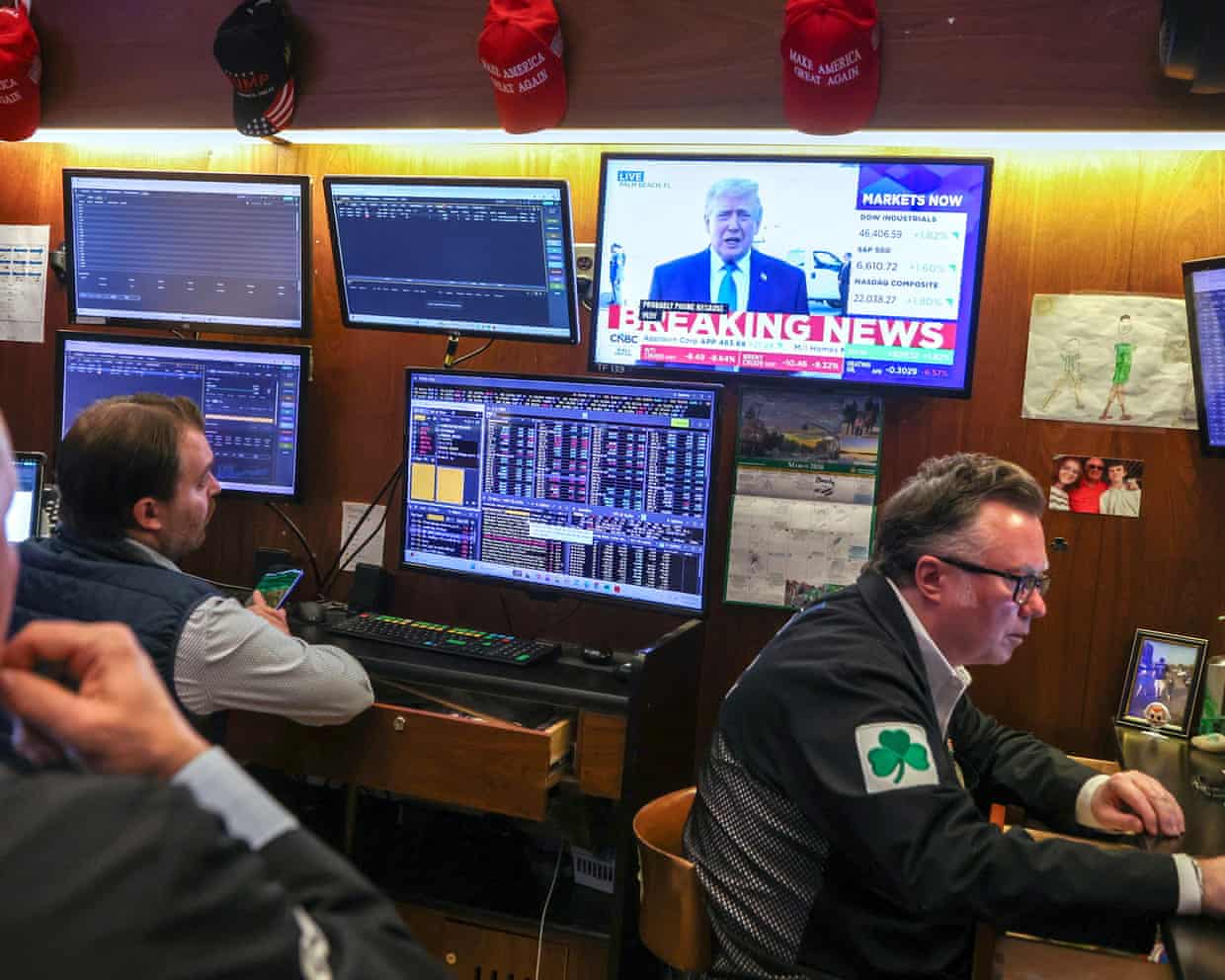
Dow Jones Industrial Average posts best day since early February as hopes of Middle East de-escalation lift markets – as it happened
Wall Street has joined the global relief rally after Donald Trump postponed attacks on Iran’s power plants, sending a surge of optimism though trading floors.In New York, the Dow Jones industrial average has jumped by 2% or 928 points to 46,505 points.Construction equipment firm Caterpillar (+4.4%), manufacturing conglomerate 3M (+3.7%) and DIY chain Home Depot (+3
The UK sleepwalked into this energy price shock | Nils Pratley
“Because of the choices we made before the conflict in the Middle East began, we are better prepared for a more volatile world”, the chief secretary to the Treasury, James Murray, claimed last week. That statement – surprise, surprise – failed to calm the bond vigilantes who had pushed the yield on 10-year government debt to a punishing 5% before Monday’s modest retreat.Murray seemed to be referring to tax increases and the chancellor’s decision to shift £150 of green levies from energy bills into general taxation. Count those if you wish but, come on, they are minor entries. The UK’s vulnerability to energy price shocks flows from bigger forces, such as our large and growing dependency on imports
MPs urge UK government to halt contract giving Palantir FCA data access
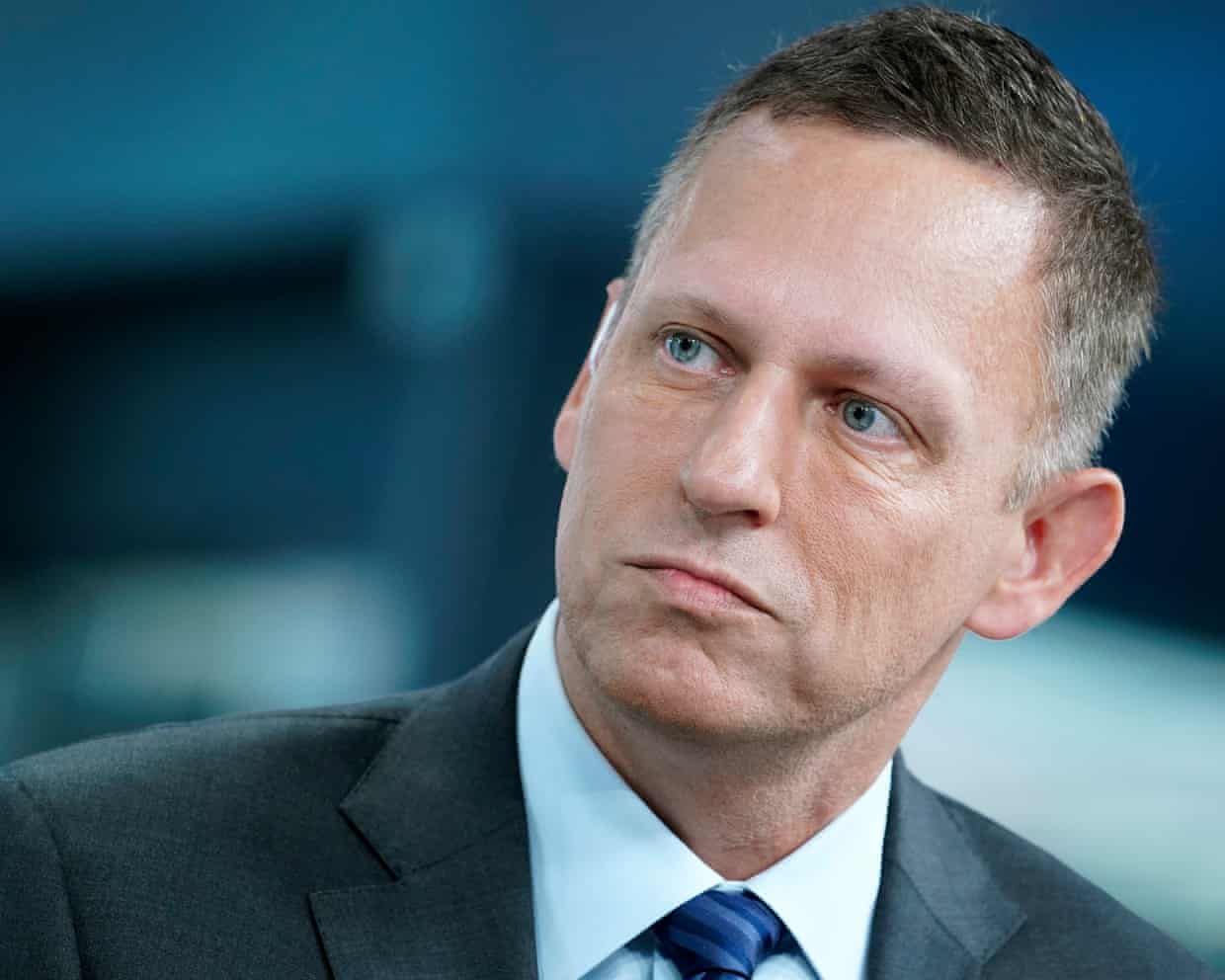
MPs have urged the government to halt its latest contract with Palantir after the Guardian revealed that the US spy-tech company is to gain access to a trove of highly sensitive UK financial regulation data.The Financial Conduct Authority, the watchdog for thousands of financial bodies from banks to hedge funds, has hired Palantir to apply its AI systems to two years’ worth of internal intelligence data to help it tackle financial crime.But the Liberal Democrats on Monday called for a government investigation into the contract, which the party said could be “a huge error of judgment”, while the Green party said it should be blocked over Palantir’s links to Donald Trump.Questioned on whether the UK was becoming “dangerously overreliant” on US tech companies including Palantir, Keir Starmer told parliament he would prefer to have more domestic capability but added: “I don’t think we’re overreliant.”Palantir was founded by the Trump-backing billionaire Peter Thiel and it supports the US and Israeli militaries and the ICE immigration crackdown

AI boom risks widening wealth divide, says BlackRock’s Larry Fink
The boom in artificial intelligence risks widening inequality, with only a handful of companies and investors likely to reap its financial rewards, the BlackRock chief executive, Larry Fink, has said.The boss of the $14tn (£10.4tn) asset manager used his annual letter to investors on Monday to highlight potential hazards around the exponential growth in AI, which has attracted rapid investment and become, he said, “central to strategic competition” between global powers such as the US and China.“The massive wealth created over the past several generations flowed mostly to people who already owned financial assets,” Fink said. “And now AI threatens to repeat that pattern at an even larger scale

Victoria Mboko and Mirra Andreeva lead new generation of friendly rivals
Victoria Mboko and Mirra Andreeva, the two highest-ranked teenagers in the world, prepared for their marquee Miami Open fourth-round match in an unusual manner. Aside from being the two protagonists of the freshest rivalry in women’s tennis, they are also great friends, and so they spent the afternoon before their big match against each other competing on the same side of the net in doubles.This was an opportunity to giggle, relax and enjoy themselves on one of the smaller courts in Miami, but Mboko and Andreeva are ranked No 9 and No 10 in the world for a reason. Two fiercely competitive beings determined to win every time on the court, they fought desperately and emerged with an impressive result. After trailing 0-5 against the eighth seeds, Demi Schuurs and Ellen Perez, in the opening set and facing eight set points scattered across the set, they somehow emerged from the match with a straight-sets win
ECB has taken a risk keeping McCullum and Key – who must now placate the public | Ali Martin
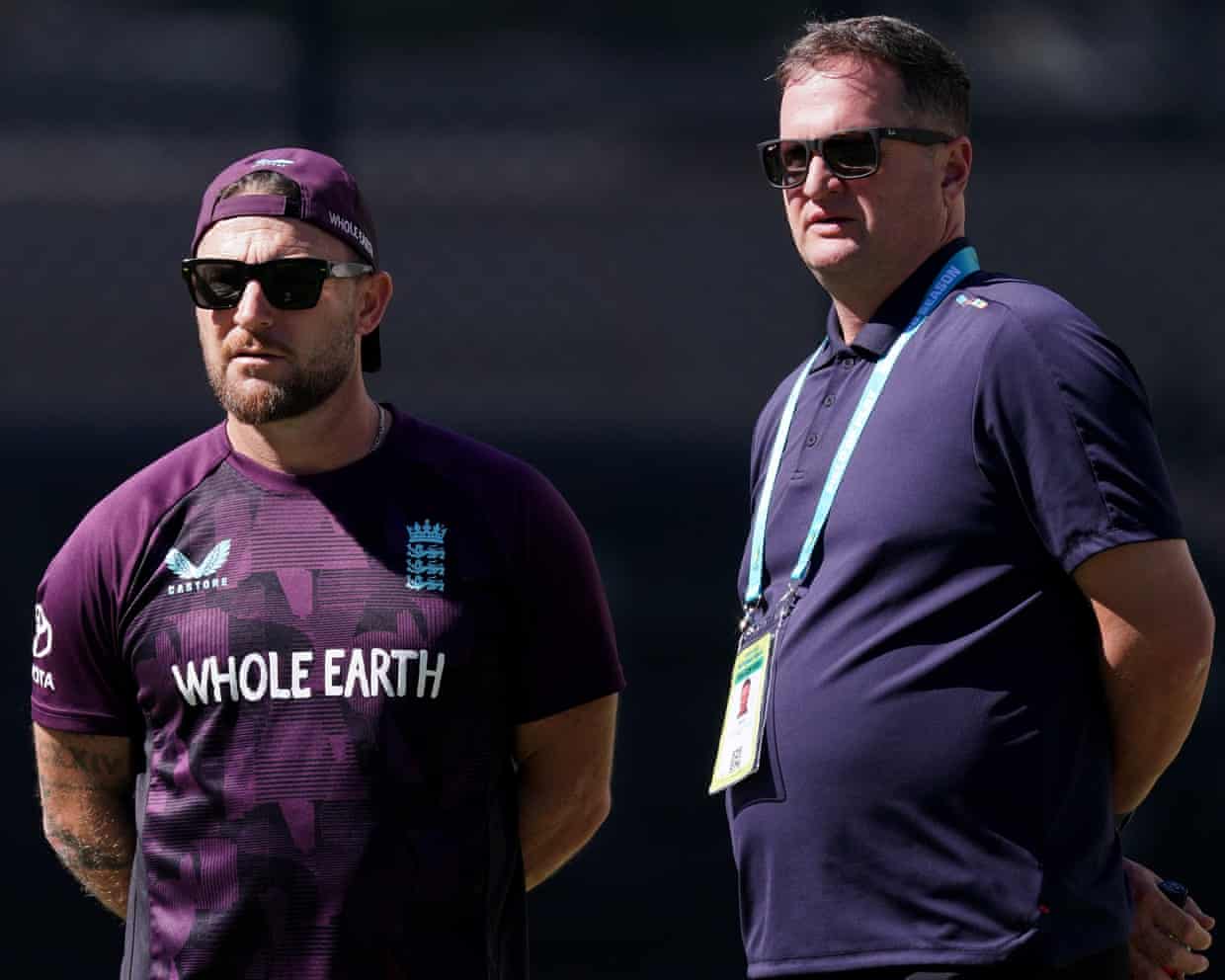
Having endorsed Brendon McCullum’s continuation as men’s head coach after an Ashes defeat riddled with self‑owns and kept Rob Key above him as team director, the England and Wales Cricket Board could in one sense be viewed as having taken the path of least resistance.McCullum’s contract runs to the end of 2027 and it would cost a pretty penny to cut him loose. The players enjoy the pair’s methods and tend to call the shots in the modern era. There may not be an all-format candidate for head coach out there. Besides, look over there: the Hundred returns in July, ready to overload your eyeballs with multicoloured content
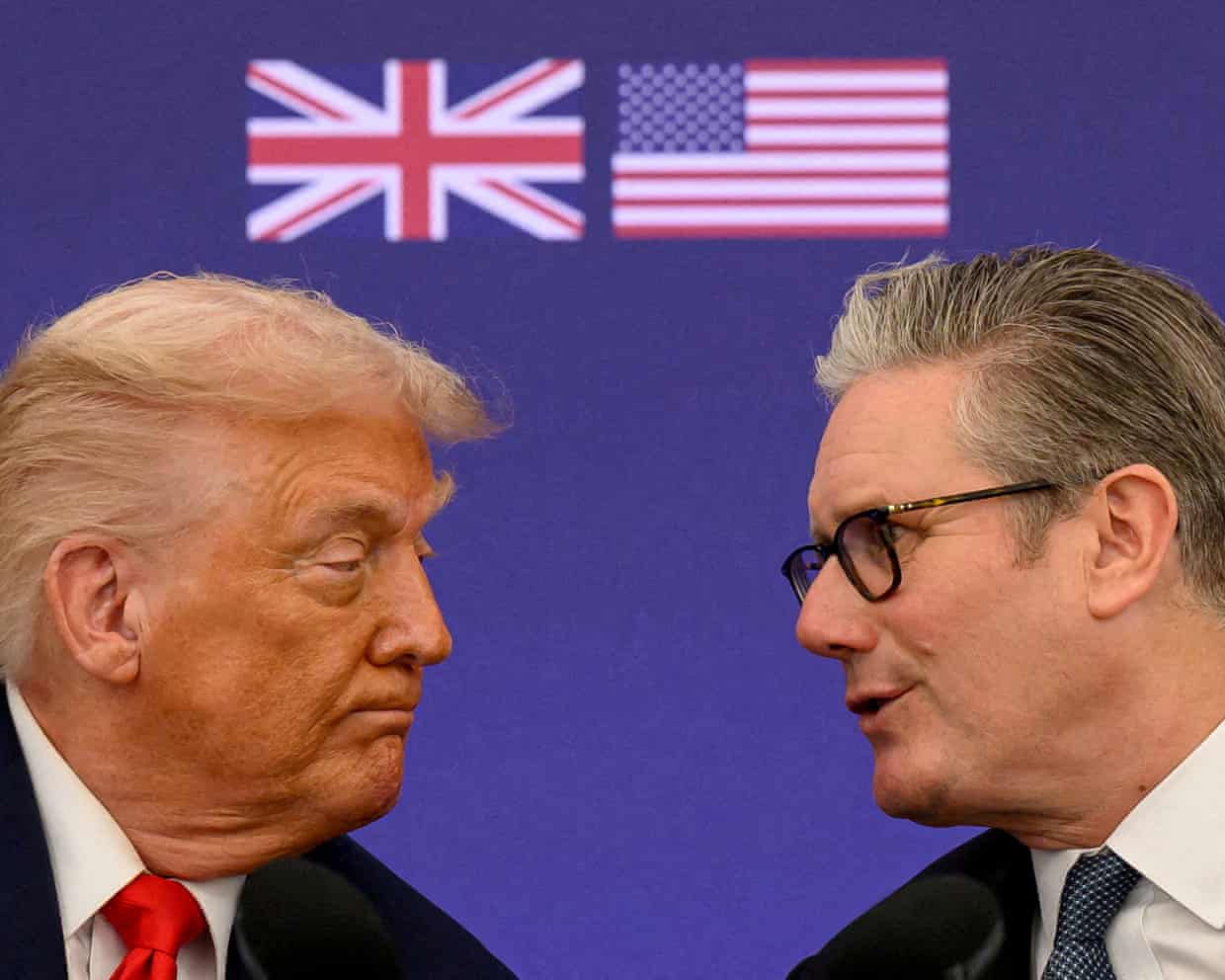
Thank you, Keir, for keeping calm | Brief letters
What’s at stake for UK in May’s elections: six key questions

‘Unprecedented territory’: are UK polls as volatile as they seem? – in charts

‘Anyone but Labour’ or ‘anyone but Reform’? Clash of animosities likely to define May local elections

The trope of ‘choosing pets over people’ is not new | Letter
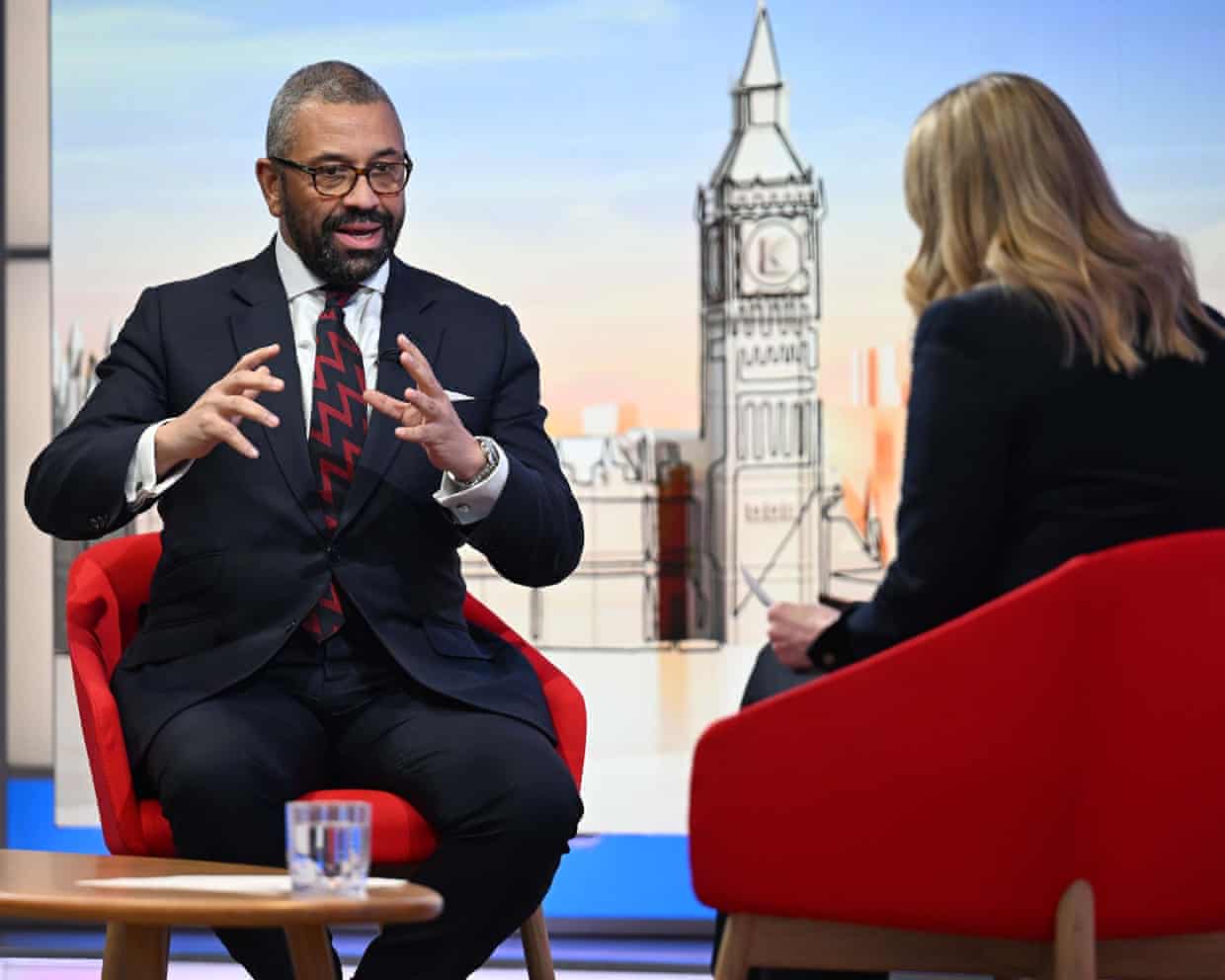
James Cleverly says he disagrees with Nick Timothy about Islamic public prayer