Phil Woolas obituary
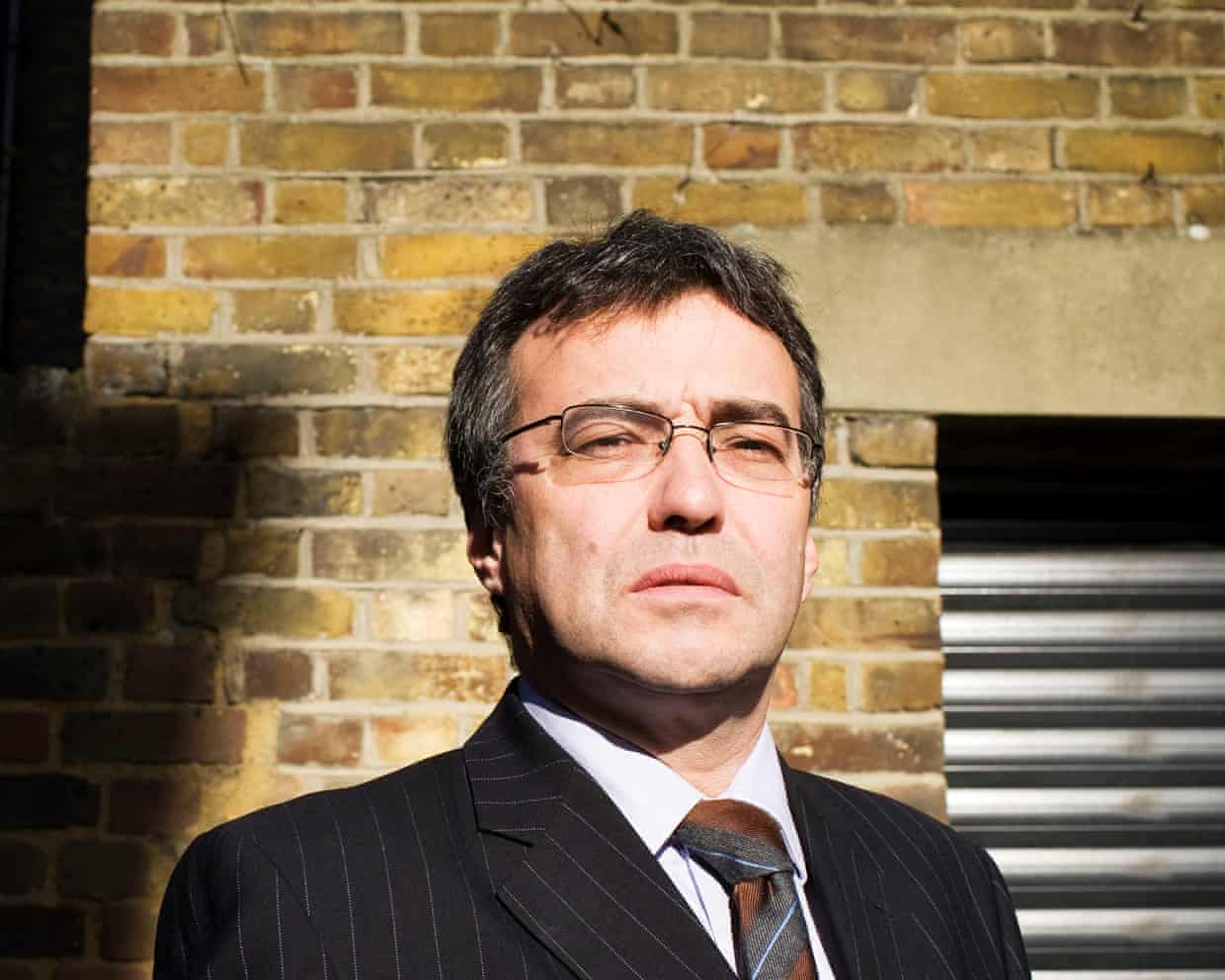
The former Labour minister Phil Woolas, who has died aged 66 of brain cancer, was a clever and committed politician.He dedicated his working life to Labour politics in an attempt to secure the sort of changes in society that would be of widespread and universal benefit.To this end he believed his best achievement during his 13 years in parliament, which coincided exactly with the lifetime of the last Labour period of government, was as a member of the team that introduced a national minimum wage in the UK.He was not an idealist, but a tough-talking, hard-headed pragmatist who wanted to smash the idea that politicians were out of touch with the reality of most people’s everyday lives.As someone who was raised in Burnley and became the MP for Oldham East and Saddleworth – both areas of Lancashire that have seen considerable levels of postwar immigration – he regarded the need for what he called a “mature debate” about immigration policy, in particular, as his lifelong purpose.
Woolas was proud of the success of local Labour policies in confronting the British National party in Oldham, after the far-right had helped stoke long-running ethnic tensions between the white and south Asian communities, which had then led to the 2001 riots in the town.Support for the BNP in Oldham council elections fell from more than 5% in 2004 to 1.8% four years later (and 0.5% in 2010).“You don’t beat them [the far-right] by pandering to them,” he said in an interview in 2008, shortly after being appointed as minister of state for borders and immigration.
“You beat them by thumping them politically in the face.”He believed in the need for a tougher immigration policy and was never scared to speak his mind on the subject.“We have to bloody well talk about it,” he said.But this aggressive approach cost him his seat after the 2010 election, when the Liberal Democrat candidate, whom he had beaten by 103 votes after two recounts, brought a successful case under the Representation of the People Act (1983).An election court – the first of its kind in a century – found Woolas guilty of lying about his opponent in a leaflet written by his election agent.
In the view of Lord (Charles) Falconer, the former Labour lord chancellor, the election trial was unfair,He said: “Although the leaflet alleged that the Liberal Democrats supported terrorists, it was within acceptable norms,However the judge took what he saw was an opportunity to improve standards in a way that went way beyond the existing law,”Woolas had no right of appeal but took the judgment to judicial review, winning on one count but losing on two others, with the administrative court upholding most of the decision of the election court,He was obliged to leave parliament and banned from standing at the ensuing byelection, which the Labour candidate nevertheless won.
The controversial case brought Woolas considerable sympathy among his former parliamentary colleagues, including some across the political divide, not least because he had been somewhat summarily suspended from Labour party membership.He himself was unrepentant, saying he had no regrets and nothing for which to be sorry, despite obviously bitter disappointment at the loss of his parliamentary career.He was a popular man because he was brave, imaginative and funny.He believed in getting his hands dirty in politics and said of himself that he had a reputation as “a grafter”.Being outspoken landed him in constant trouble with the press, however, leading to him being dubbed “hapless” and “gaffe-prone” in some sections of the media, while the Daily Telegraph launched a “Wally Woolas” watch.
These appellations came about because he questioned inter-cousin marriages, the wearing of niqabs in the workplace after a controversy involving a teacher and the circumstances of some arranged marriages.He also drew attention for suggesting that it was “morally unacceptable” to drink bottled water, and got into trouble for calling Christine Pratt, the founder of the National Bullying Helpline, “this prat of a woman”.In 2009 he clashed with Joanna Lumley live on-air over the rights of Gurkhas to remain in the UK.Born in Scunthorpe, Phil was the son of Dennis Woolas, who had followed family tradition by working in the steel mills, and Maureen (nee White), a school dinner lady.The family moved to Worsthorne, near Burnley, and Phil attended Nelson grammar school, leaving at 16 for Nelson and Colne College, where he became active in student politics.
He worked as a paperboy, discussed communism with the Polish newsagent who employed him and was persuaded instead to join the Labour party.He was also active in the Anti-Nazi League.At Manchester University, where he studied for a BA in philosophy, he became leader of the student council before graduating in 1981.He was active in the National Union of Students, then a considerable force in youth politics, and was president from 1984 to 1986.After working as a fundraiser for the charity War on Want, he went into television first at TV South and then as a producer at BBC Newsnight (1988-90) and Channel 4 News (1990-91).
He became head of communications at the GMB trades union thereafter, until winning his Oldham seat in the 1997 political tidal wave that swept Labour into power.During these years, Woolas was credited with playing a significant part in helping modernise the Labour party image and the trade union operation in its support.He had a keen eye for a media opportunity, once getting a group of miners to herd pigs through the streets of London to decry the “snouts-in-the-trough” excesses of City financiers.Woolas had been selected to fight the 1995 by-election in Littleborough and Saddleworth, the seat he would later win after name and boundary changes.That election was narrowly won by the Liberal Democrats and was controversial at the time for the negative tactics employed – and subsequently admitted to – by Peter Mandelson, then the Labour official in charge of running the campaign.
On arrival at Westminster, Woolas became a parliamentary private secretary in the department of transport in 1999 and a government whip from 2001.He was made deputy leader of the Commons in 2003 and in 2005 was appointed a minister of state for local government.In 2007, when Gordon Brown took office, Woolas became environment minister before taking on the immigration portfolio.After leaving the House of Commons he became an environmental consultant and political lobbyist.He was a season ticket holder for Manchester United, an enthusiastic supporter of Lancashire cricket club and a keen fisherman.
In 1988 he married Tracey Allen, an events organiser.She survives him, along with their sons, Josh and Jed, a grandson, Callan, and his mother and a brother.Philip James Woolas, politician, born 11 December 1959; died 14 March 2026
Labour MPs have no reason to oppose new welfare reforms, says minister
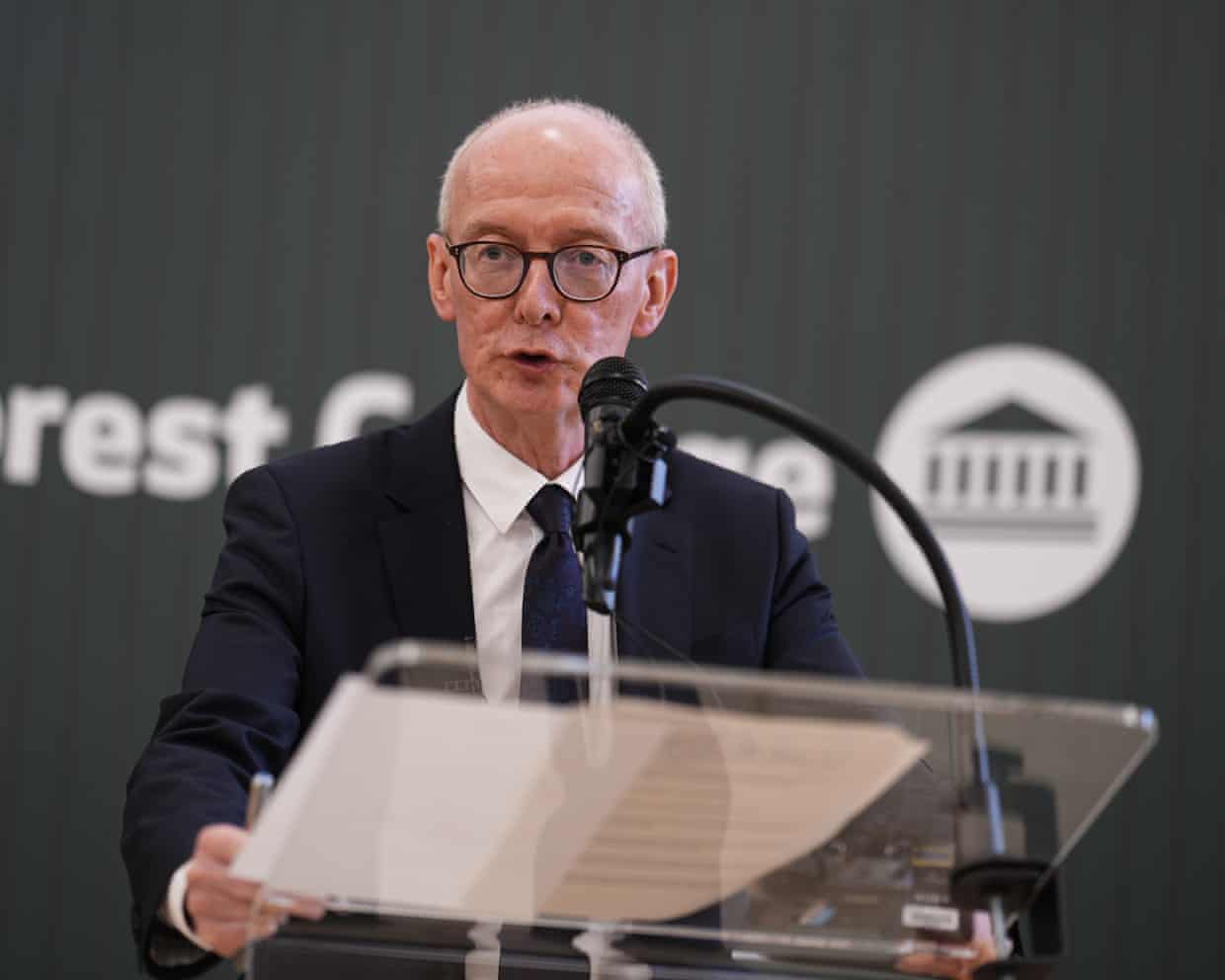
Labour MPs have no reason to oppose a fresh government attempt to overhaul the welfare system, the work and pensions secretary has said, as he unveiled a £1bn youth employment scheme.The announcement by Pat McFadden, who said the public wanted the system to promote work and “value for money”, is regarded as a prelude to a renewed effort to change the welfare system after plans by his predecessor, Liz Kendall, were blocked by a Labour backbench rebellion last year.Companies will get a £3,000 grant for each hire of a person aged 18 to 24 who is on benefits and has been looking for a job for at least six months, under a new policy designed to tackle the rising rate of youth unemployment.The funding, which is aimed at creating 200,000 jobs, is part of what was described by McFadden as a “new deal for young people”.It was announced alongside a new apprenticeship incentive, under which small and medium-sized businesses will be paid £2,000 for every new employee aged between 16 and 24 they take on
UK not obliged to support every demand of ‘transactional’ US president, minister says
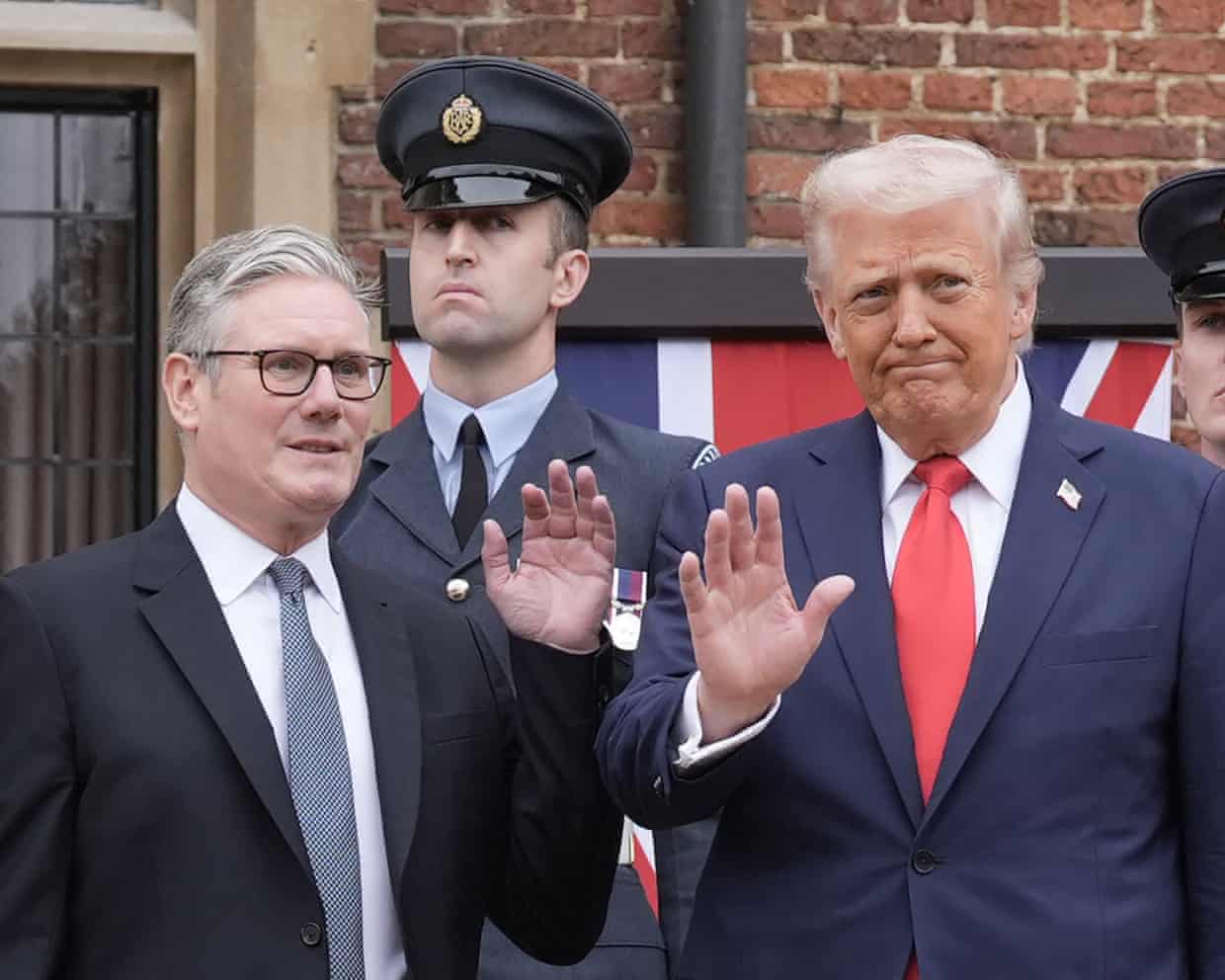
Donald Trump is a “very transactional” president, whose repeated demands on Iran must be seen in this context, one of Keir Starmer’s most senior ministers has said in an unusually blunt UK assessment of relations between the countries.Asked about the US president’s threats of some sort of retaliation against allies who do not supply ships to try to free up the strait of Hormuz, Pat McFadden, the work and pensions secretary, said the UK was not obliged to agree to every US request.After Trump again criticised the UK for a perceived lack of enthusiasm in helping the US-Israeli war against Iran, McFadden said it was important to separate the US president’s “rhetoric” from the more important issues.In an overnight interview with the Financial Times, Trump reiterated his frustration at the UK for not sending ships to the strait of Hormuz, the vital sea freight passage that has been all but closed by Iranian retaliatory attacks.“It’s only appropriate that people who are the beneficiaries of the strait will help to make sure that nothing bad happens there,” Trump said
UK complicit in desecration of international law in Gaza, says Corbyn-led tribunal
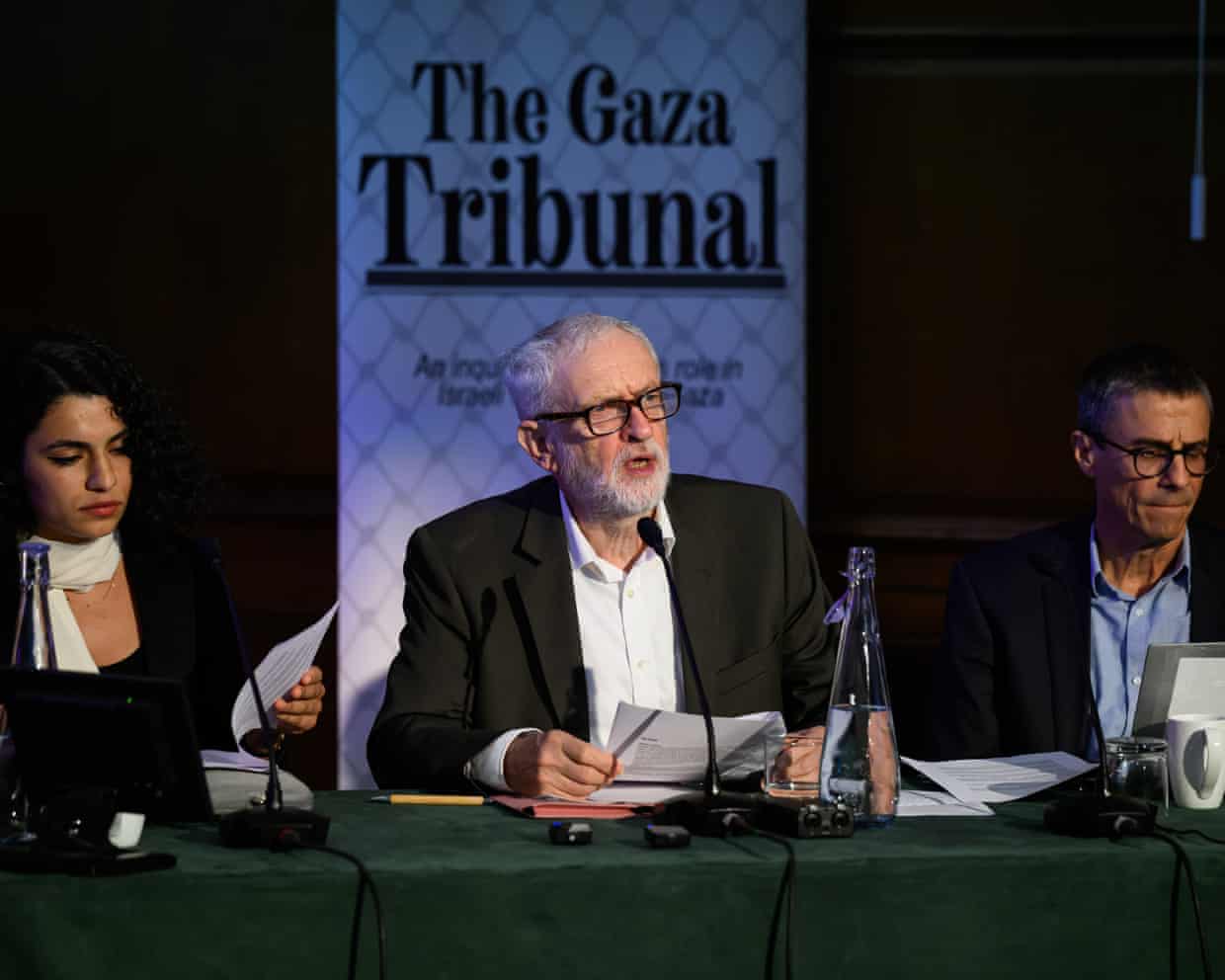
The Labour government has been complicit in crimes committed by Israel in Gaza and in the desecration of international law, according to an unoffical tribunal on Gaza chaired by the former party leader Jeremy Corbyn and two specialists in international law.The tribunal’s findings to be published on Monday are likely to be cited in May’s local elections, in which Labour faces a rearguard action to beat off challenges from the Greens and Your Party, in part driven by anger that the government has not done enough to back the Palestinian cause.The tribunal took evidence from lawyers, medical professionals, former Foreign Office officials and Palestinians, and focused largely on whether the UK should have done more to end its cooperation with Israel to avoid being accused of failing to meet its duty to prevent a genocide.It finds that the government should have ended all arms exports to Israel, stopped sharing intelligence and reviewed its trade relations with the country, especially after the international court of justice (ICJ) said in a July 2024 advisory opinion that Israel was occupying Palestine unlawfully.The tribunal’s report reads: “Britain’s failure to meet its legal obligations has contributed to the mass killing of Palestinian civilians and the wholesale destruction of civilian objects, the desecration of international law and the further erosion of Britain’s status as a nation committed to the rule of law in the international arena
Phil Woolas obituary
The former Labour minister Phil Woolas, who has died aged 66 of brain cancer, was a clever and committed politician. He dedicated his working life to Labour politics in an attempt to secure the sort of changes in society that would be of widespread and universal benefit. To this end he believed his best achievement during his 13 years in parliament, which coincided exactly with the lifetime of the last Labour period of government, was as a member of the team that introduced a national minimum wage in the UK.He was not an idealist, but a tough-talking, hard-headed pragmatist who wanted to smash the idea that politicians were out of touch with the reality of most people’s everyday lives. As someone who was raised in Burnley and became the MP for Oldham East and Saddleworth – both areas of Lancashire that have seen considerable levels of postwar immigration – he regarded the need for what he called a “mature debate” about immigration policy, in particular, as his lifelong purpose
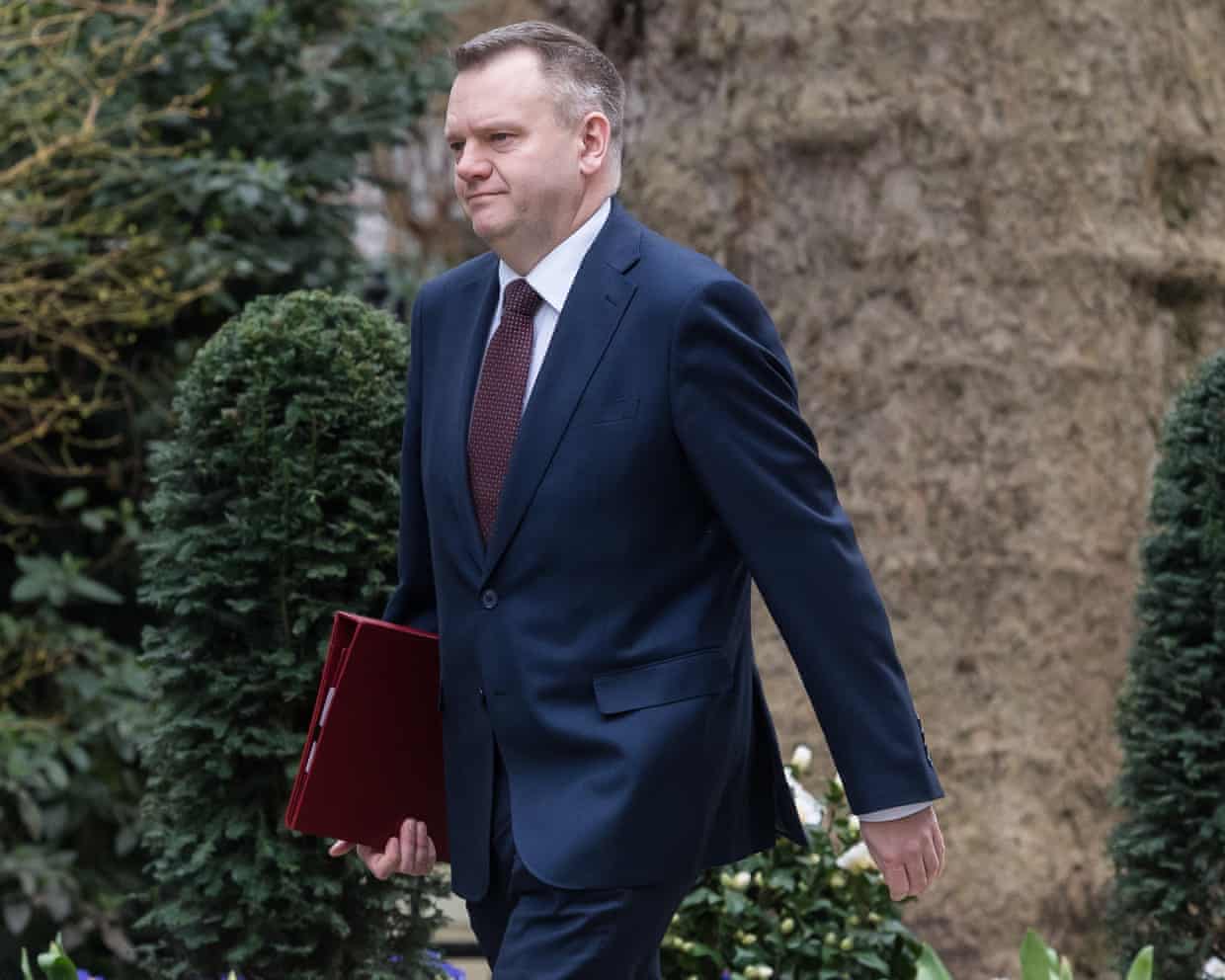
Row over university fees shows UK’s ‘reset’ with EU may not be so simple
This week is “Brexit reset” week for the British government, as ministers engage in a flurry of activity intended to highlight their determination to forge closer ties with Brussels almost 10 years after the country first voted to leave the EU.On Monday, Nick Thomas-Symonds, the Cabinet Office minister in charge of negotiating the government’s reset with the EU, will arrive in Brussels for a meeting of the joint EU-UK parliamentary partnership assembly. He travels mob-handed, to be joined by the Europe minister, Stephen Doughty, and the trade minister, Chris Bryant.A day later, the chancellor, Rachel Reeves, will give her second Mais lecture to the finance industry, during which she will argue that closer alignment with the EU forms a central part of the government’s growth agenda.But even as ministers put the finishing touches to their pro-European messages, a fresh row is breaking out over Brussels’s demand for lower university tuition fees for European students

Digital ID won’t work if you live in rural areas | Letters
What needs to be spelled out to the politicians looking to consult people about digital ID is that you cannot have a universal digital anything until you have universal phone coverage (UK digital ID scheme to have limited use before next general election, minister says, 10 March). When the old copper phone lines are switched off, we will be cut off because no provider will invest in our area, and this is not untypical of large areas of Devon.That means that any digital ID accessed by phone will not be available to us unless we go and park in a layby every day where we can get signal. Does Darren Jones, the prime minister’s chief secretary, even understand this point? We are not refuseniks. We just live near a hill, and so we won’t be able to do our car tax, get our medical records or anything else as things stand
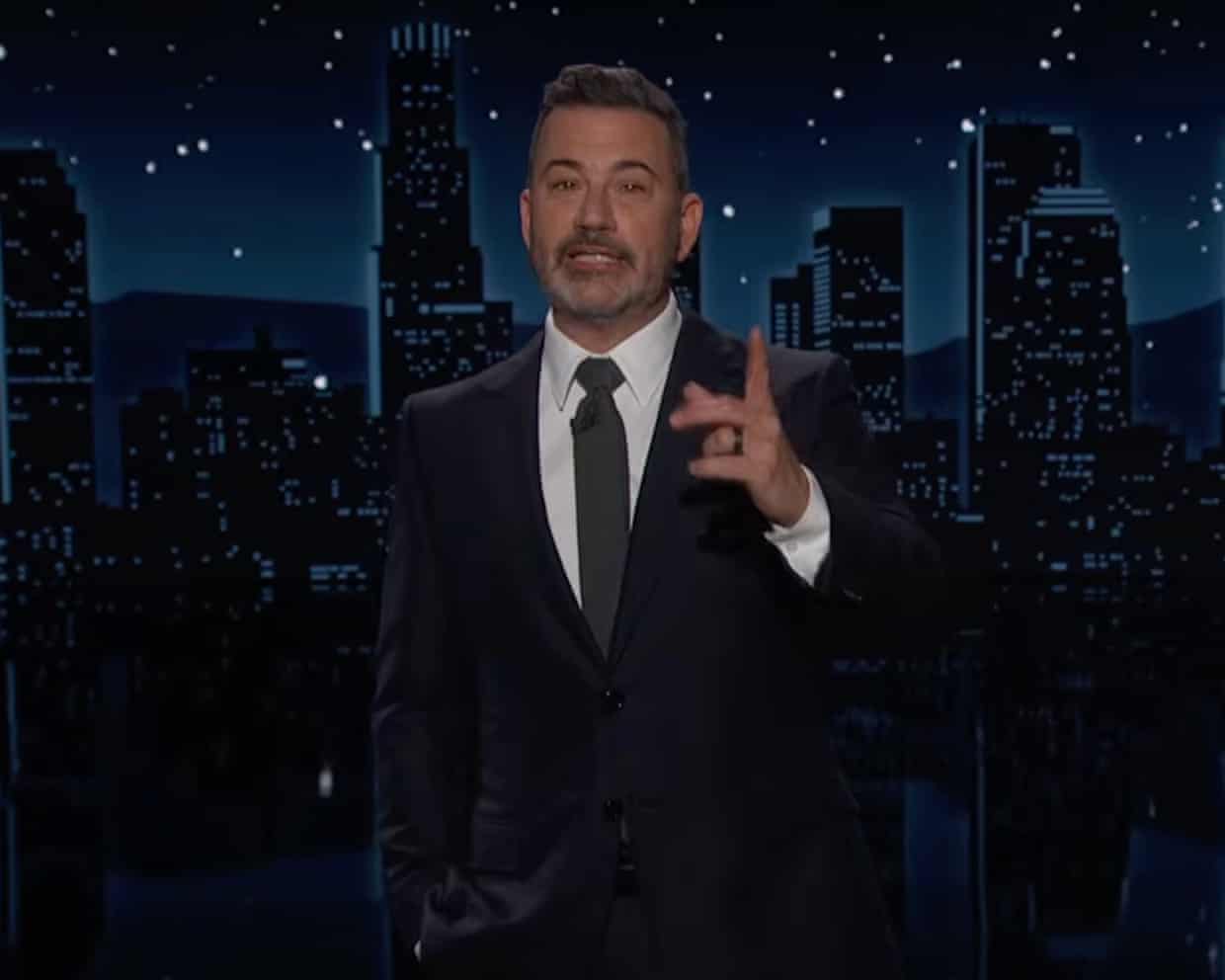
Jimmy Kimmel on Trump being gifted an Olympic medal: ‘Yet another award he didn’t win’

Seth Meyers on Pete Hegseth: ‘The face of a man war-fighting with his colon’
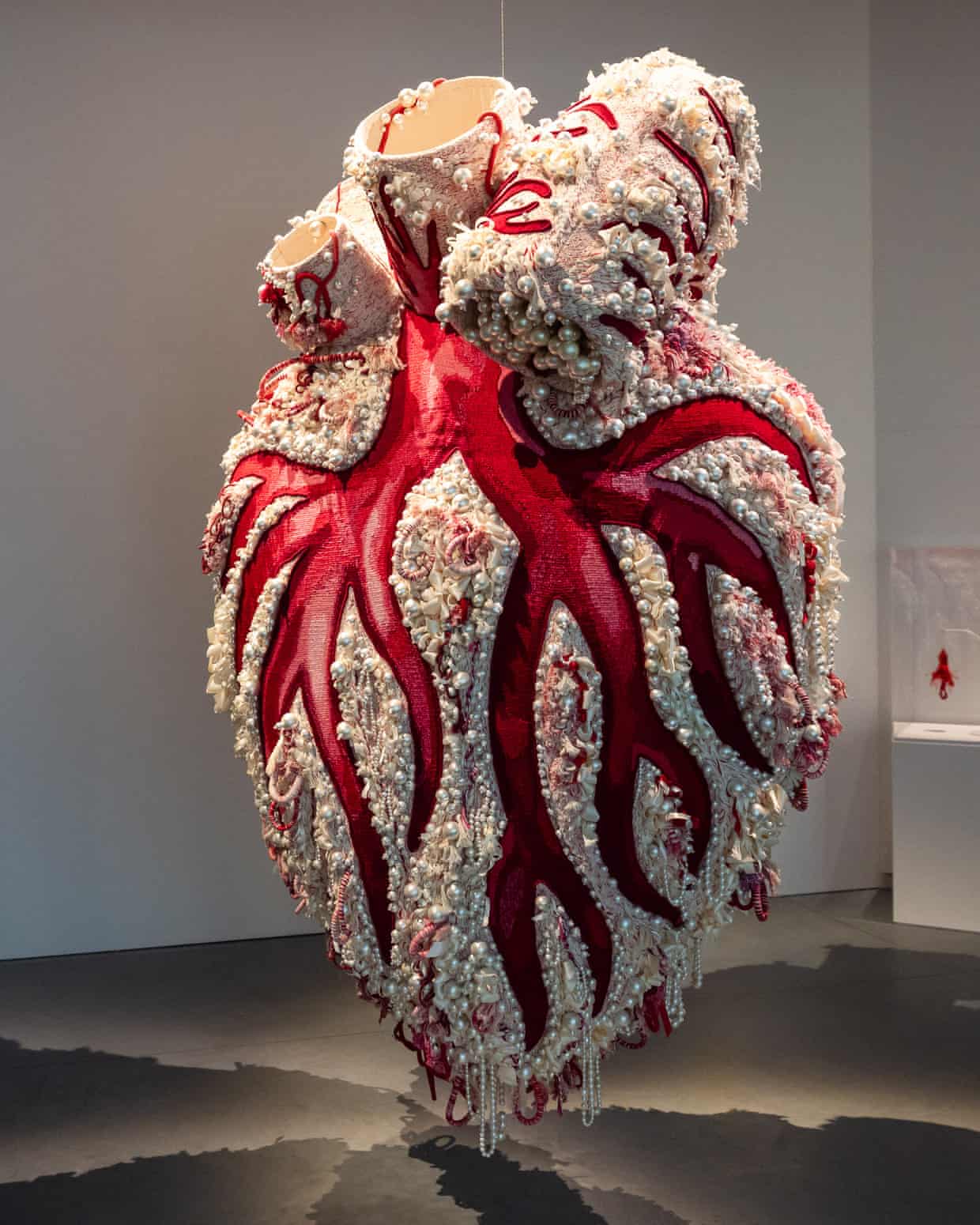
Sydney Biennale 2026: politics is everywhere – but with nuance, beauty and heart
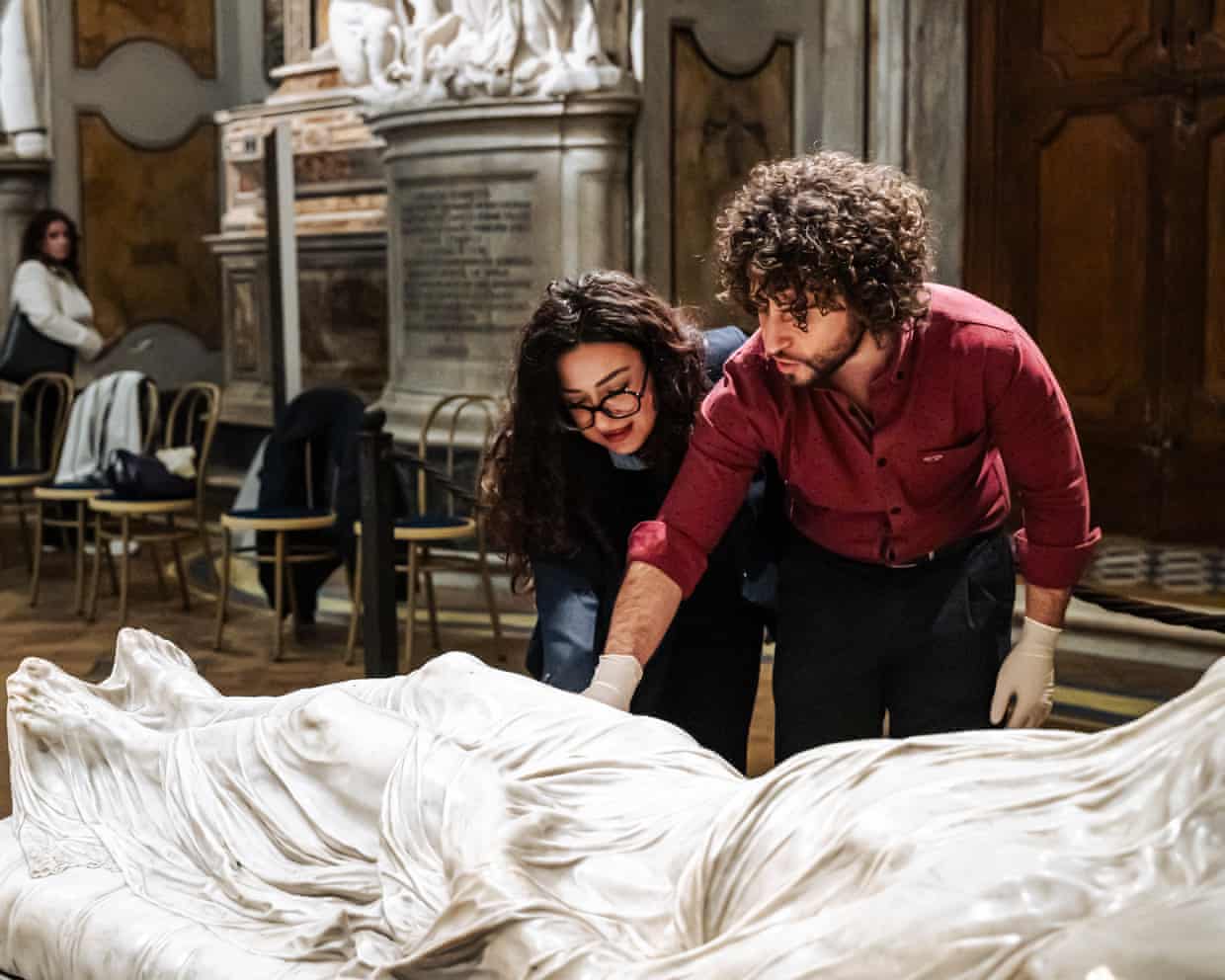
Naples museum to allow visually impaired visitors to experience art through touch
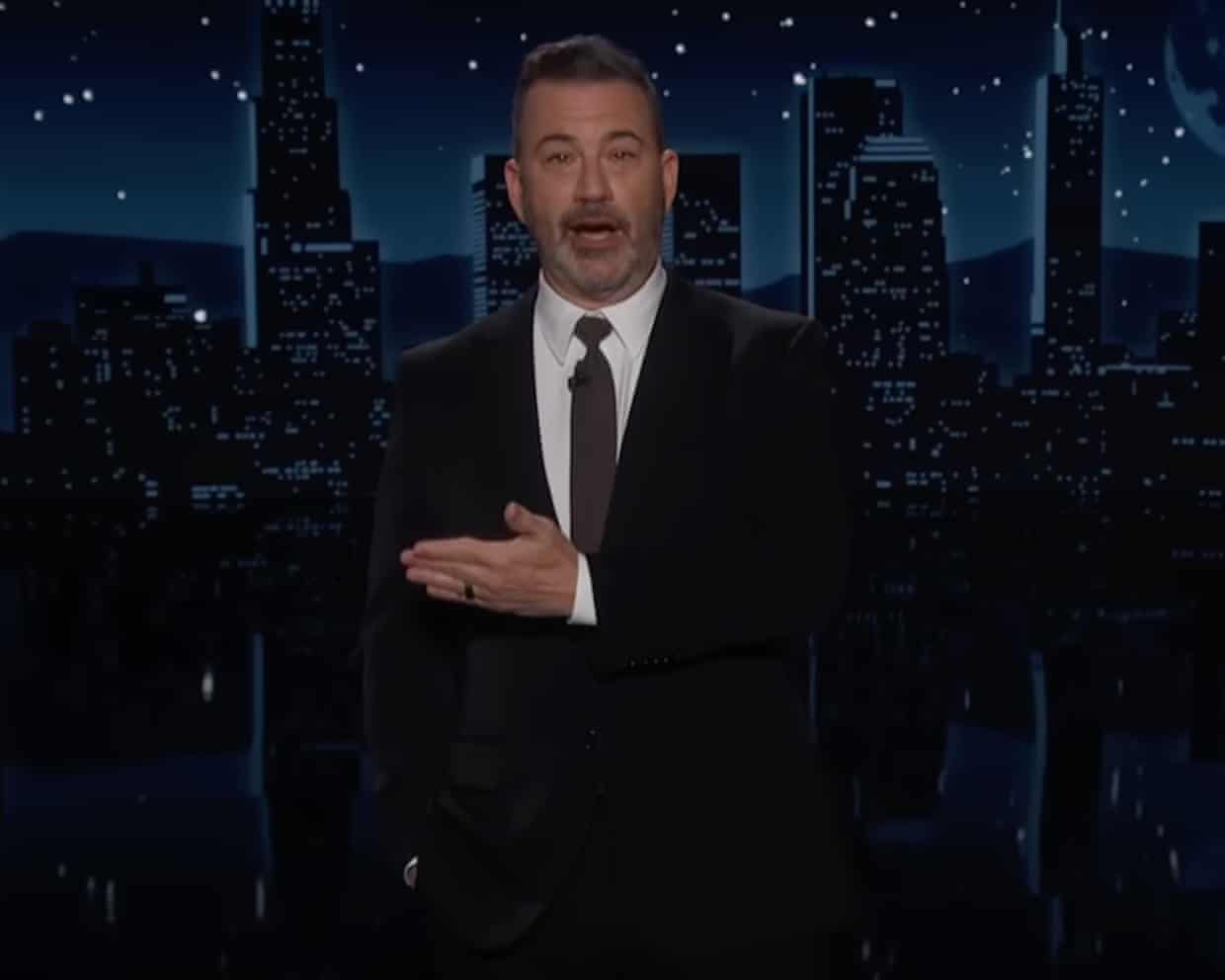
Jimmy Kimmel on Pentagon splurging on doughnuts: ‘Is this My 600lb Defense Department?’
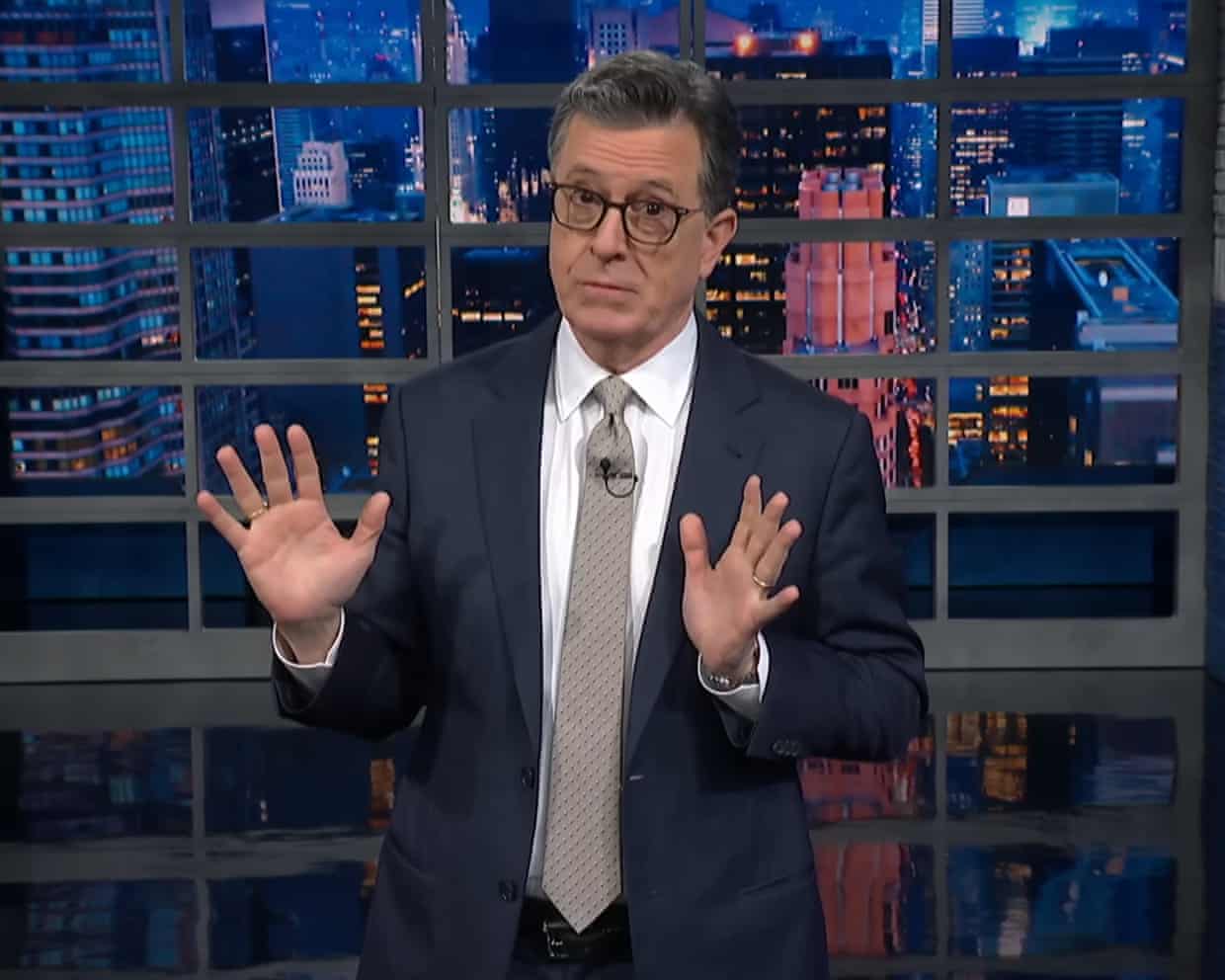
Stephen Colbert on US war in Iran: ‘We’re still no closer to learning what the goal is’