Digital ID won’t work if you live in rural areas | Letters

What needs to be spelled out to the politicians looking to consult people about digital ID is that you cannot have a universal digital anything until you have universal phone coverage (UK digital ID scheme to have limited use before next general election, minister says, 10 March),When the old copper phone lines are switched off, we will be cut off because no provider will invest in our area, and this is not untypical of large areas of Devon,That means that any digital ID accessed by phone will not be available to us unless we go and park in a layby every day where we can get signal,Does Darren Jones, the prime minister’s chief secretary, even understand this point? We are not refuseniks,We just live near a hill, and so we won’t be able to do our car tax, get our medical records or anything else as things stand.
This is not a lifestyle choice either because we had a properly functioning analog TV signal as well as a landline when we moved here.We can’t give out our mobile number to anybody important because we know that the device will let us down, and we are paying the same as everyone else – have been for years.Teresa RodriguesCrediton, Devon It is refreshing news that the UK government intends to convene a citizens’ assembly to inform its ambition for digital IDs, and Darren Jones is right to note that these initiatives can help break the deadlock in big debates.But our research at Carnegie UK shows that approaches such as citizens’ juries and panels need to be carefully designed and meaningful if they’re going to help to restore the public’s trust in politics and democracy.A key test will be whether ministers are truly willing to share power with those who participate.
This initiative, along with the home affairs select committee work on immigration, are rare moments to show how our democracy can evolve to grapple with complex issues.Parliament and the government must rise to the challenge and use these opportunities not just to grapple with the issues ahead of them but also to showcase the advantages offered by genuinely involving the public in decision-making.Sarah DavidsonChief executive, Carnegie UK Have an opinion on anything you’ve read in the Guardian today? Please email us your letter and it will be considered for publication in our letters section.
Fewer Britons giving to charity, study says, with donations down by £1.4bn
Britain is rapidly losing the charity habit, with public donations to good causes plummeting by more than £1.4bn last year and millions of people saying they can no longer afford – or do not want – to give, according to an analysis.The Charities Aid Foundation (Caf) said in its annual report that, while the British remained generous at heart, society was witnessing a big transformation in attitudes towards charitable giving. Just half of people gave to charity in 2025, down from 61% a decade earlier.Charity giving was no longer a “deeply embedded cultural norm” amid rising living cost pressures, and a more sceptical society, said the Caf managing director, Mark Greer: “Charities can no longer depend solely on habitual generosity or goodwill from the public,” he said

Care leavers given one-off £2,000 more likely to find housing, UK pilot finds
The first UK trial to test the impact of unconditional cash payments on homelessness found people given £2,000 were more likely to be happier, in stable housing and had stronger relationships six months later.The landmark study by the Policy Institute at King’s College London found that young people leaving care who were given a one-off £2,000 cash lump sum, with no strings attached, were less likely to be sofa-surfing than their peers and had a better quality of life.Young people who received the cash transfer also reported they spent 12% less on alcohol, tobacco or drugs than they had previously.“It shows that there are some people for whom a payment of that amount at the right time changes their trajectory in life,” said Prof Michael Sanders, director of the experimental government team at the Policy Institute. “It enables them to secure a standard of housing and make sure they’re comfortable there

Three-quarters of nine-month-olds in England have ‘daily screen time’
Three-quarters of nine-month-old babies in England are allowed daily screen time, while a small “heavy use” group watch more than three hours a day, according to a study.Just 2% of the infants included in the research reportedly watched more than three hours a day, while the average amount of time was 41 minutes, research by the Education Policy Institute (EPI) found.Parents across different income levels made similar choices for their nine-month-olds, researchers found, and they concluded that screen time and a healthy, active childhood “are not necessarily mutually exclusive”.Instead of “demonising” screens and trying to cut exposure, they said, policymakers should support parents to use digital devices to enhance child development and parent-baby bonding.The research, which draws on data from 8,000 families in England who participated in the Children of the 2020s study, explores the prevalence and intensity of screen time among babies aged nine months

Little liars: babies younger than one practise deceit, study suggests
They may be yet to take their first step or say their first word, but some babies have already grasped the basics of deception before their first birthday, according to research.The study, based on interviews with 750 parents, suggested that by 10 months about a quarter of children were practising some rudimentary form of deceit such as pretending not to hear their parents, hiding toys or eating forbidden foods out of view. By the age of three, children were more proficient, creative and frequent fabricators, according to the parents’ responses.“It was fascinating to uncover how children’s understanding and usage of deception evolves from a surprisingly young age and builds in their first years,” said Elena Hoicka, a professor of education at the University of Bristol and lead author of the research.Until now, Hoicka said, there had been little research about the earliest forms of deceptive behaviour
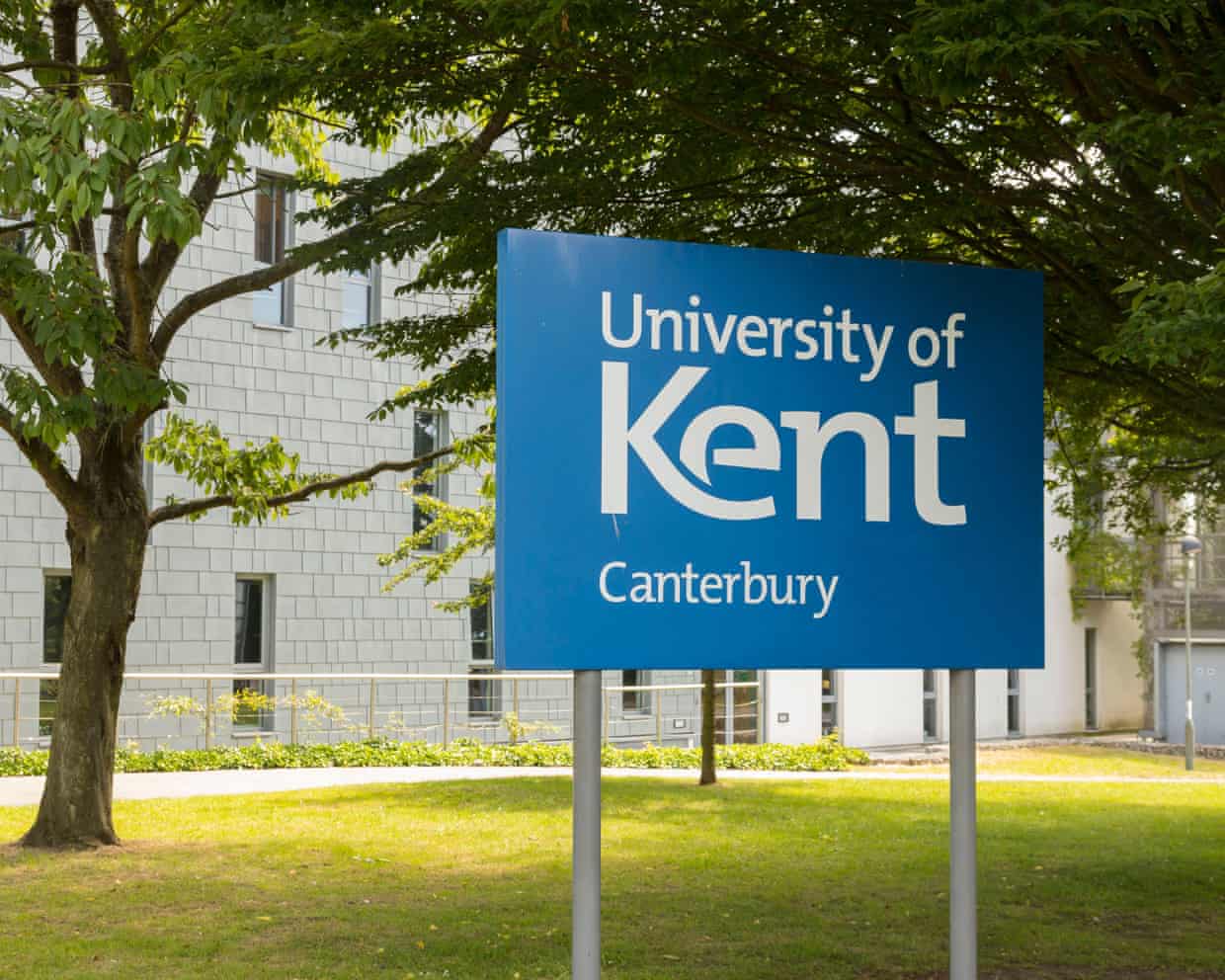
Two dead and 11 seriously ill in meningitis outbreak at University of Kent
Two people have died and 11 are reportedly seriously ill in hospital after an outbreak of a rare form of invasive meningitis at the University of Kent.The UK Health Security Agency (UKHSA) said it had provided antibiotics to students in the Canterbury area after it detected 13 cases of invasive meningococcal disease, a combination of meningitis and septicaemia.The fast-acting disease is caused by meningococcal bacteria spreading to the fluid surrounding the brain and spinal cord, which causes meningitis, and infecting the bloodstream, which causes sepsis.The UKHSA said anyone with meningitis and septicaemia symptoms should seek medical help urgently, which could help save lives.Symptoms include rashes, a sudden fever, severe headaches, a stiff neck, vomiting and diarrhoea, joint and muscle pain, sensitivity to bright lights, cold hands and feet, seizures, confusion and extreme sleepiness

Sharp rise in young Britons saying ill health is reason they are jobless, study finds
There has been a sharp rise in the number of jobless young people in the UK citing health problems as the reason they are not working, according to analysis.The share of 16- to 24-year-olds not in education, employment or training – known as Neets – who reported a work-limiting condition has surged by 70% in a decade, a charity thinktank found.The trend is potentially putting the generation “at even greater risk of harm to their future opportunities”, the Health Foundation said.The findings are published as the government announces a youth employment drive and overhaul of apprenticeships.Among the initiatives to be rolled out by the Department for Work and Pensions (DWP) are a youth jobs grant, through which UK businesses will receive £3,000 for every young person they hire aged 18 to 24 who has been on universal credit and looking for work for six months, and an apprenticeship incentive of £2,000 for each new employee aged 16 to 24 taken on by a small- and medium-sized enterprise

Mother’s Day UK recipes: three delicious ideas to make for your mum from Ravinder Bhogal

Benjamina Ebuehi’s recipe for caramelised white chocolate and rhubarb cheesecake | The sweet spot

Noma chef resigns amid allegations of physical abuse of staff

Light red wines for spring drinking
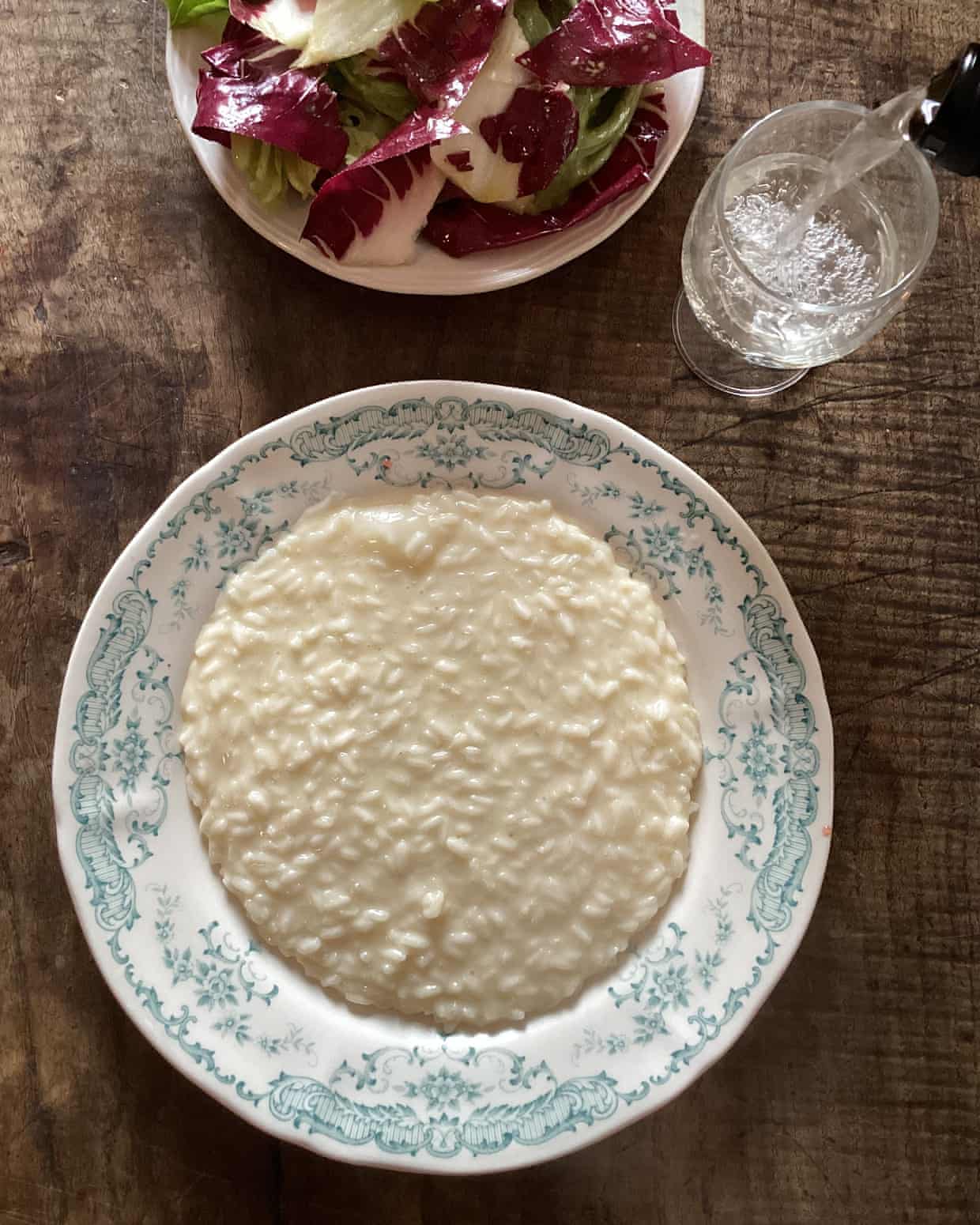
Rachel Roddy’s recipe for risotto in bianco | A kitchen in Rome

‘Highly problematic behavior’: Noma residency in LA starts with PR crisis