Andrew Gwynne resigns, opening possible route to Commons for Andy Burnham

Andrew Gwynne has said he will resign as an MP over his ill health, paving the way for Andy Burnham to potentially return to parliament – unless the Greater Manchester mayor is blocked by Keir Starmer,On Thursday, Gwynne reached a settlement with the Commons that would allow him to retire, which would trigger a byelection,Burnham is said to be seeking a return to parliament to stand for the Labour leadership if there is a challenge to Starmer, but was thought to have limited options for a byelection in the north-west,Gwynne, the MP for Gorton and Denton in Greater Manchester, had previously denied planning early retirement,But in a statement he said that his health had deteriorated to such an extent that he was forced to retire on medical grounds.
He said that, while he was proud of his achievements in parliament, he had “suffered significant ill-health over most of the 21 years I’ve served as an MP”.He called representing his home community the “honour of my life”, adding that he had “suffered significant ill health”.Quoting from his doctor’s note, he said he was “extremely vulnerable and further stress will cause rapid deterioration”.“I wish the Labour government every success in meeting our country’s challenges head-on and providing the real change the people of Britain voted for in 2024,” Gwynne added.The MP, who is suspended from the Labour party, had been offered a deal on his MP’s pension that would allow him to retire on medical grounds.
Friends of the MP told the Guardian that would mean he would receive a yearly payout until he reached retirement age, when he would be entitled to the full pension.Gwynne is still under parliamentary standards investigation, which was initiated last year after he was found to have been in a WhatsApp group – called Trigger Me Timbers – that shared vulgar and inflammatory comments about voters and other MPs.He was suspended from the party after the messages came to light.When asked about Burnham’s potential return, Starmer said it was “early stages”, adding: “Andy Burnham is doing an excellent job as mayor of Manchester.We work very closely together.
“Last year, we were responding together to the terrible attack on a synagogue in Manchester, more recently, we were working together on Northern Powerhouse Rail.I think Andy would acknowledge that working with this government has been much better than the experience he had of working with previous governments.”The Manchester backbencher was said by some MPs to have reached an agreement with Burnham to allow the Greater Manchester mayor to stand in his seat after his early retirement, but both men denied that there had been any pact.Several allies of Gwynne said relations were not good since the height of the speculation about Burnham’s future.Burnham has made no secret of his ambitions.
He prompted outrage within No 10 and among cabinet ministers after he said before the Labour conference last year that many MPs had urged him to run for Labour leader,But allies have cautioned not to overstate the extent of planning that might be under way, suggesting that he was passionate about his current job and would only ever make a decision to return to Westminster if a seat became available,“People want to paint him as scheming and plotting but that’s absolutely not where he is,It would only ever be an option if felt he had something to offer,” one said,Burnham would have no guarantee of the nomination should he decide to try to return to Westminster in a byelection, with the candidate selected by a panel of members from the party’s ruling national executive committee (NEC).
Five members of the NEC told the Guardian they believed it would be impossible for Burnham to make it through selection given the number of Starmer allies on the body and how they could be handpicked to sit on the selection panel.They said this was not just down to personal animosity to Burnham, but the great cost and uncertainty of a mayoral byelection.It could mean that about £500,000 of party funding was diverted from other races across Britain.“What if Reform won the Greater Manchester mayoralty? It would be totemic for them: their biggest win yet.We would be mad to let that happen,” one said.
Another added: “It is deeply selfish of Andy to want to run for this – costing us tens of thousands we don’t have and diverting activist resources when we are fighting other crucial elections.It is absurd beyond description and cannot be allowed.”However, other senior party figures suggested that even though the body was dominated by Starmer loyalists there would be significant disquiet among MPs, the unions and party members should it try to block Burnham.“I don’t think anybody wants a big fight within the NEC,” one said.“That’s not where anybody wants to end up.
”The unions are also a significant force on the party’s ruling body, holding 14 out of the 25 seats.The Fire Brigades Union general secretary, Steve Wright, said: “It would be a democratic outrage if Andy Burnham was blocked from seeking selection as Labour’s byelection candidate in this seat.”There are historic examples of the full NEC rejecting shortlists drawn up by the selection panel because they did not initially include certain candidates, such as Jonathan Reynolds in Stalybridge and Tristram Hunt in Stoke-on-Trent Central.It is also possible the body could impose an all-female shortlist in order to stop his nomination.Labour figures in Greater Manchester suggested that Bev Craig, the leader of Manchester city council, could be asked to run in the byelection as No 10’s preferred candidate.
She is well liked inside Downing Street and Starmer himself called her last year to tell her she was being awarded an OBE.A party insider suggested that Downing Street had been closely observing the bounce in support that Kemi Badenoch received for acting decisively by sacking Robert Jenrick last week.Another warned that MPs and members were already concerned about the risk of destabilising the party with leadership speculation before the local and devolved elections in May.“I don’t think anybody would thank Andy for triggering more of that,” one said.Gwynne has a 13,400 majority in the seat, which lies to the south-east of Manchester.
Reform UK is likely to mount a significant challenge in any byelection, capitalising on support in the Tameside part of the constituency.Labour believes it is on firmer ground in the larger, Greater Manchester part of the seat, although could face some pressure from pro-Gaza independents.Should Burnham return to parliament, he would have to secure the backing of 80 Labour MPs to challenge Starmer.

‘Manosphere’ influencers pushing testosterone tests are convincing healthy young men there is something wrong with them, study finds
“If you’re not waking up in the morning with a boner, there’s a large possibility that you have low testosterone levels,” an influencer on TikTok with more than 100,000 followers warns his viewers.Despite screening for low testosterone being medically unwarranted in most young men, this group is being aggressively targeted online by influencers and wellness companies promoting hormone tests and treatments as essential to being a “real man”, a study published in the journal Social Science and Medicine has found.Researchers analysed 46 high-impact posts about low testosterone and testing made by TikTok and Instagram accounts with a combined following of more than 6.8 million, to examine how masculinity and men’s health are being depicted and monetised online.The lead author of the study, Emma Grundtvig Gram, a public health researcher at the University of Copenhagen, said influencers promoting routine testosterone screening often framed normal variations in energy, mood, libido or ageing “as signs of pathology”
John Knight obituary
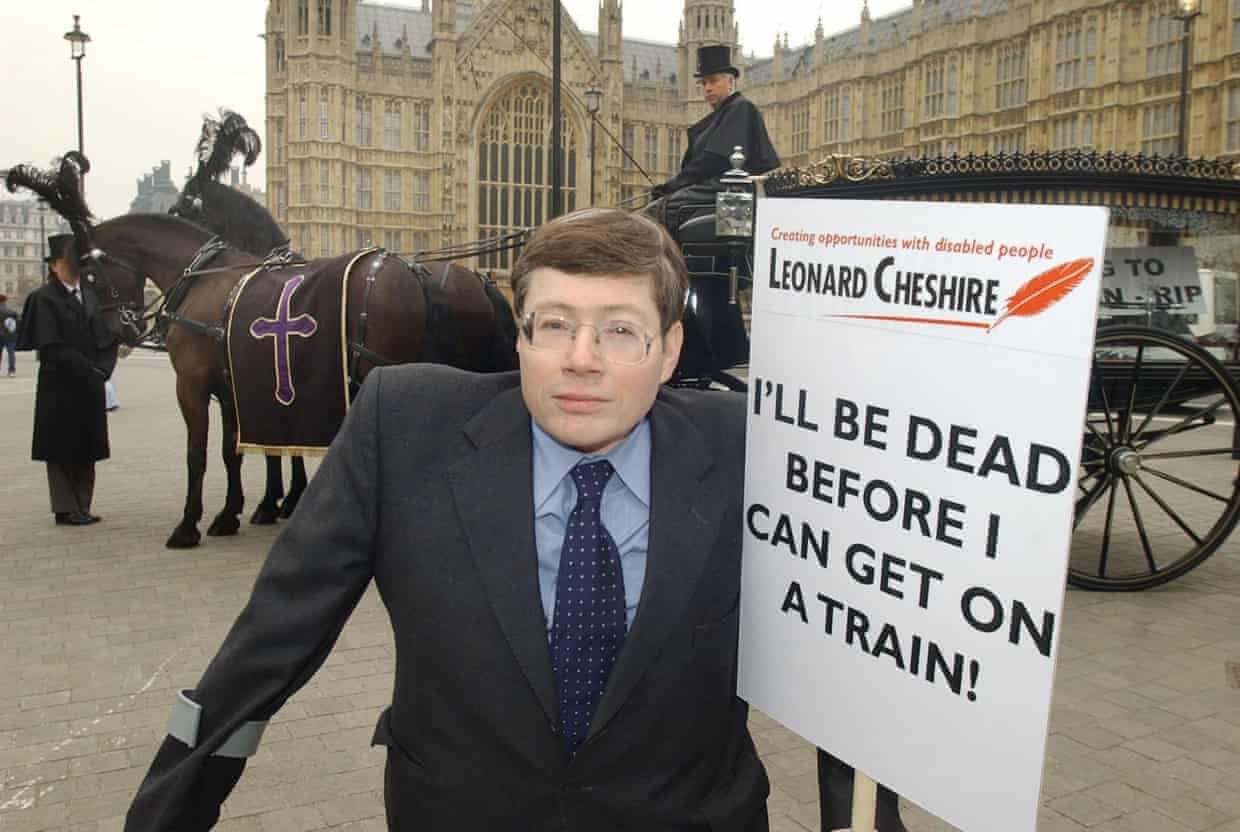
Disabled people might still be waiting for all UK trains to be accessible were it not for the success of a high-profile campaign led by John Knight, who has died of sepsis aged 67, after himself overcoming profound disabilities from birth and becoming a leading figure in the charity and public sectors.Knight was responsible for policy and campaigns at the disability charity Leonard Cheshire during passage of the Disability Discrimination Act 2005, which was to set a deadline for railway carriages to be accessible. Train companies were pressing for a date of 2035, to maximise the life of inaccessible rolling stock, but the campaign persuaded the House of Lords to back an amendment to the legislation with a time limit of 2020. The change was then accepted by the Labour government.At the climax of the All Aboard campaign, Knight arranged for a horse-drawn hearse to deliver to MPs and peers thousands of postcards on which disabled people had written what age they would need to live to in order to benefit from a 2035 deadline
Assisted dying bill backers say it is ‘near impossible’ it will pass House of Lords
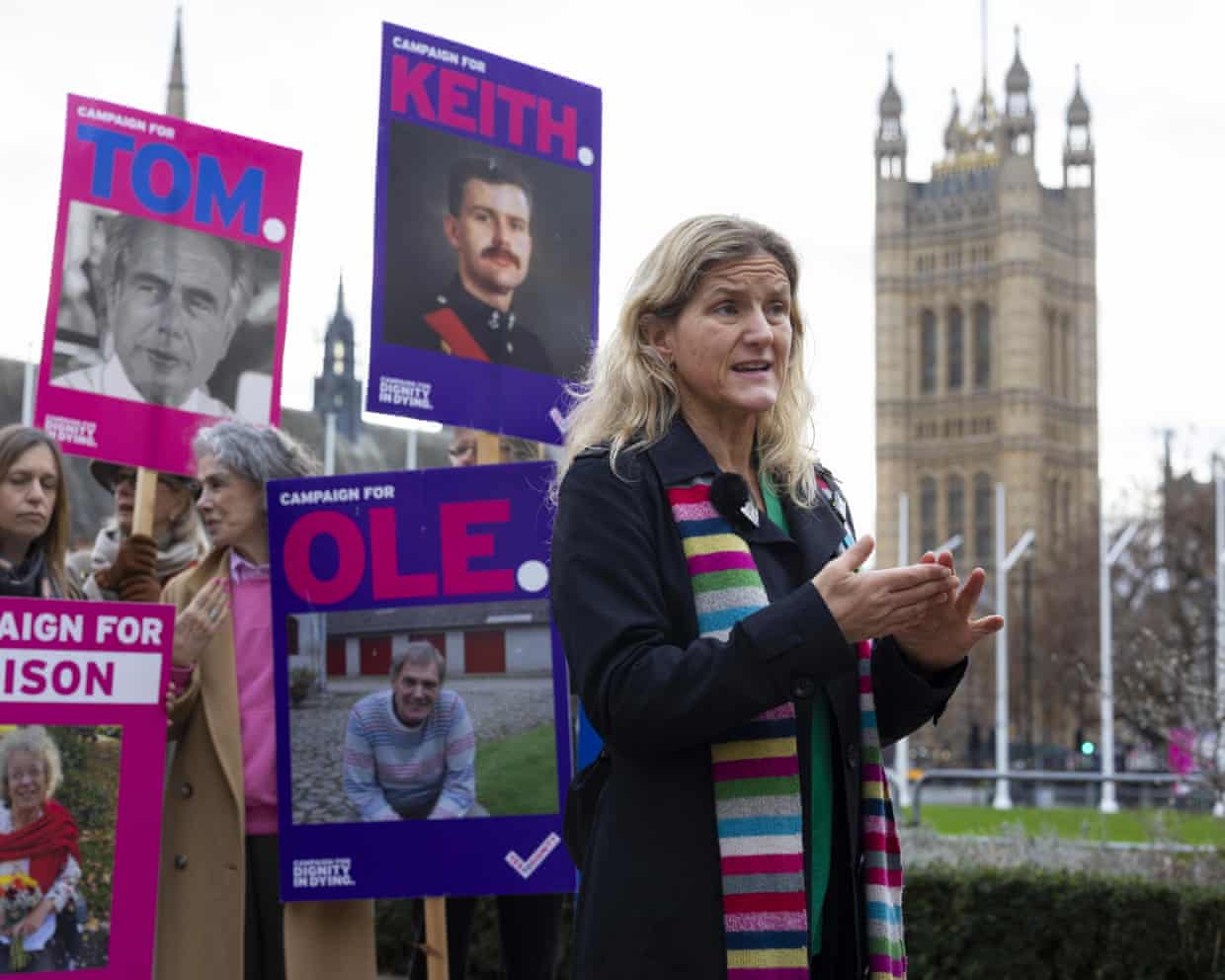
MPs and peers who backed the assisted dying bill now believe it is “near impossible” for it to pass the House of Lords in time because of procedural obstacles used by opponents.Supporters of the bill, including its sponsor, Kim Leadbeater, have been in intense discussions with the government to find ways to move it to a vote in the Lords. With progress so slow, experts and MPs believe it is unlikely the legislation will even be put to a vote before the end of the session in May, after which it will automatically fall.MPs told the Guardian they were in “blind fury” about the apparent inevitability of the billing falling in the Lords despite passing the Commons. “It is our system at its absolute most dysfunctional,” one MP said
Residents in legal fight to halt demolition of Clockwork Orange estate
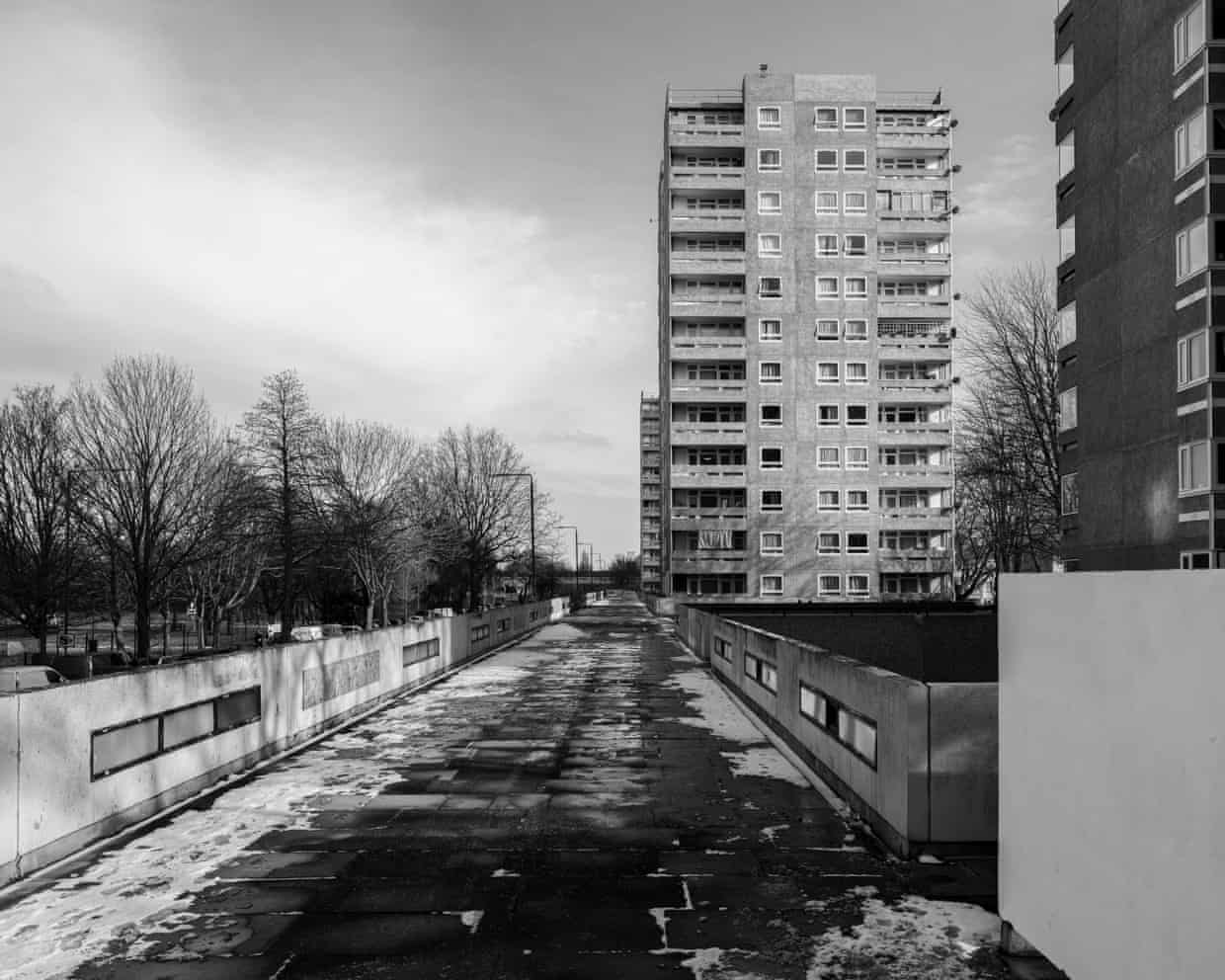
A legal challenge has been launched in an effort to halt the demolition of a 1960s Brutalist estate in south-east London that featured in Stanley Kubrick’s dystopian film A Clockwork Orange.The challenge against Bexley council and Peabody housing association, which will be carrying out the redevelopment, has been launched by the Lesnes estate resident Adam Turk.He and others living there believe the estate could be refurbished rather than demolished and rebuilt under plans for the construction of up to 1,950 homes, which the council approved on 23 December.Residents fear the redevelopment would cause environmental damage and undermine the UK’s legal obligation to reach net zero by 2050.The dispute highlights a wider tension between environmental protection and initiatives to demolish and rebuild estates

How screen time affects toddlers: ‘We’re losing a big part of being human’
In the UK, 98% of two-year-olds watch screens on a typical day, on average for more than two hours – and almost 40% of three- to five-year-olds use social media. Could this lead to alarming outcomes?At Stoke primary school in Coventry, there are many four-year-olds among those starting in reception class who can’t sit still, hold a pencil or speak more than a four-word sentence. Lucy Fox, the assistant headteacher and head of foundations, is in no doubt what is causing this: their early exposure to screens, and a lot of it. When the children experiment with materials and creativity, and make things in the classroom, she says, “We notice a lot of children will cut pieces of cardboard out and make a mobile phone or tablet, or an Xbox controller. That’s what they know
Four in five blind people struggle with gap at UK train stations, survey finds
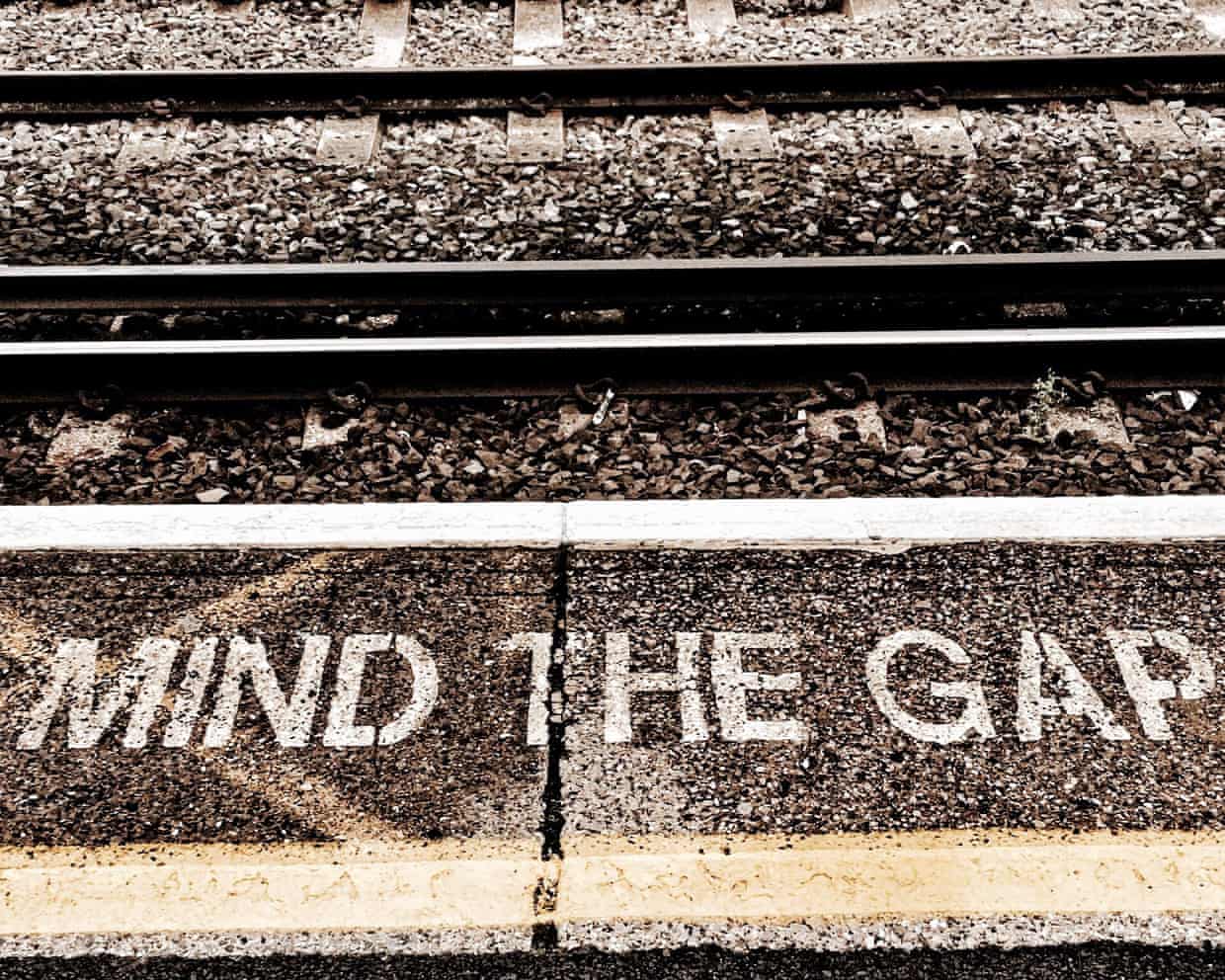
Four in five blind and partially sighted people in the UK have struggled to cross the gap between trains and station platforms, according to a survey, with some falling and injuring themselves.Many blind and partially sighted people avoid taking train journeys owing to anxieties around whether they will be properly supported after having had inconsistent experiences, according to research from the Royal National Institute of Blind People (RNIB).It found that more than one-third (37%) of blind and partially sighted people felt unable to take all the train journeys they wanted and needed. The gap between the platform and trains was a “significant source of fear”, with some people being struck by a train or coming into contact with an electric rail, or trapped in train doors and dragged as the train departed, the RNIB found.This is partly because tactile wayfinding, which uses raised bumps and colours to help blind and visually impaired people navigate, is less common in British train stations than in many comparable countries such as European nations and Japan, with just one-fifth of blind and visually impaired people surveyed by the RNIB saying they had encountered it at a station
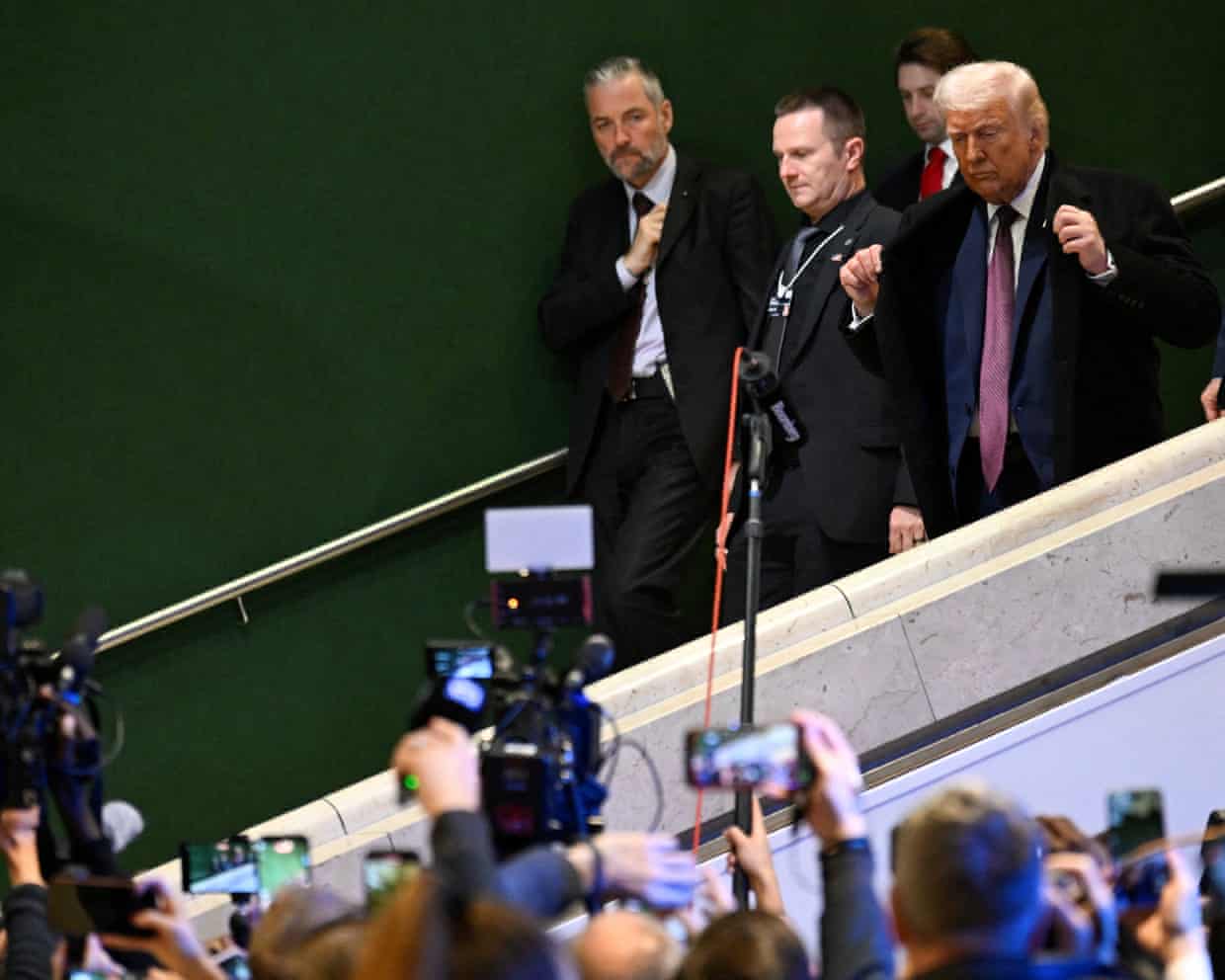
‘At the table or on the menu’: a turbulent Davos week with Trump’s circus in town
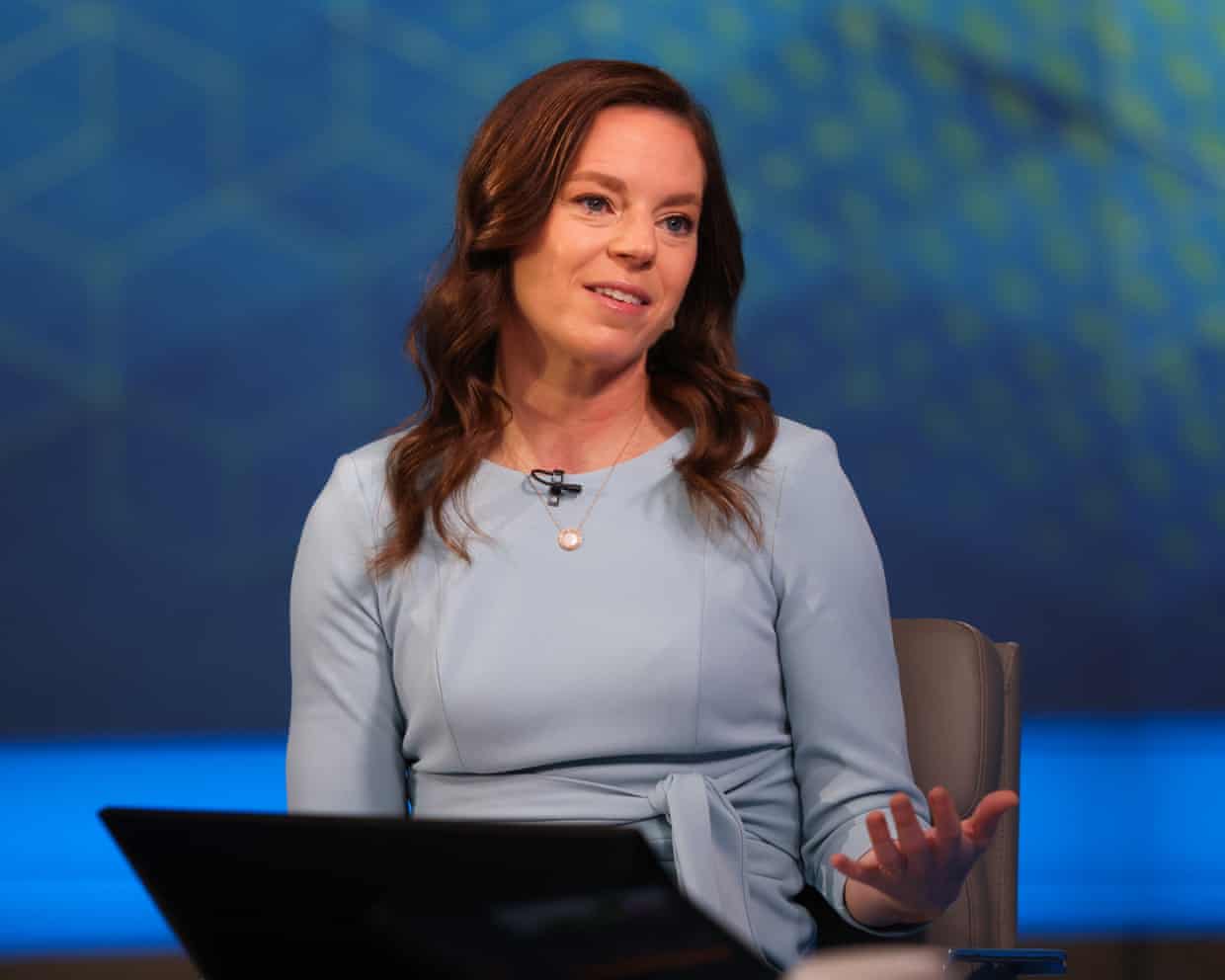
Strong UK pay growth could limit interest rate cuts, Bank policymaker warns

Young will suffer most when AI ‘tsunami’ hits jobs, says head of IMF

TikTok announces it has finalized deal to establish US entity, sidestepping ban

Australian Open 2026: Sinner levels with Spizzirri, Keys and Pegula ease through – live

Australian Open faces disruption as players brace for extreme heat in Melbourne