UK ‘working with US’ to analyse impact of supreme court’s ruling against tariffs

Britain and the EU said they were assessing the implications of the US supreme court ruling against Donald Trump’s global tariffs, while business groups reacted to the court’s announcement with caution.A spokesperson for Downing Street said: “The UK government is working with the US to understand how the overturning of Donald Trump’s tariffs by the supreme court will affect the UK but expects our privileged trading position with the US to continue.”The UK was the first to strike a tariff deal with the US, with 10% tariffs on all imports from Britain, compared with a blanket 15% rate for the EU.The EU said it was analysing the ruling while continuing its drive to work towards reducing the tariffs the US imposed on European exports.The EU agreed the 15% tariff rate with the US at Trump’s Scottish golf course last July but 50% tariffs are still imposed on steel.
“We remain in close contact with the US administration as we seek clarity on the steps they intend to take in response to this ruling,” it said.“Businesses on both sides of the Atlantic depend on stability and predictability in the trading relationship.We therefore continue to advocate for low tariffs and to work towards reducing them.”Companies affected by the tariffs should be able to demand refunds from the US administration, though the mechanism for doing this remains unclear.It is understood that tariffs on products such as steel will not be affected and are likely to remain in place.
Some experts warned that the White House could switch to broader product-based tariffs affecting computer chips and agriculture, possibly adopting an even more draconian approach with higher tariffs.John Denton, the secretary general of the International Chambers of Commerce, said there was “fresh uncertainty” for companies seeking to trade with the US.“Many businesses will welcome the prospect of refunds following today’s ruling, given the significant strain that the IEEPA [International Emergency Economic Powers Act] tariffs have placed on corporate balance sheets in recent months.“But companies should not expect a simple process: the structure of US import procedures means claims are likely to be administratively complex.”William Bain, the head of trade policy at the British Chambers of Commerce, said that while the supreme court had clarified the use of executive powers to raise tariffs, it did “little to clear the murky waters for business”.
“If he wants to, [Trump] could use the 1974 Trade Act to impose even higher tariffs than the additional 10% levies that the UK and Australia have already been affected by in many goods sectors,“We have recently agreed a good deal on pharmaceuticals, and we should focus on using the economic prosperity deal to ensure the UK gets the preferential treatment outlined there,”An aerospace industry insider said: “It’s a relief that this has been declared, but I don’t think it’s that helpful for geopolitical tensions,“We still have quite an unpredictable US administration, and I don’t think taking this sort of public chastising is going to go well for some trade relationships,”On the stock markets, the UK’s FTSE 100 index hit a new intraday high after the supreme court ruling was announced on Friday, and closed 0.
56% higher,Exporters were among the risers, with the drinks company Diageo – whose Scottish whisky and Mexican tequila brands had been hit by Trump’s tariffs – jumping by 3,9%,The luxury fashion brand Burberry gained 3,3%.
Some European carmakers also benefited: Stellantis, whose brands include Citroën, Fiat and Vauxhall, rose by 2%.US government bond prices fell, pushing up borrowing costs as investors anticipated a loss of income from tariffs and the possibility that US companies could be eligible for refunds on import costs.The dollar weakened slightly.
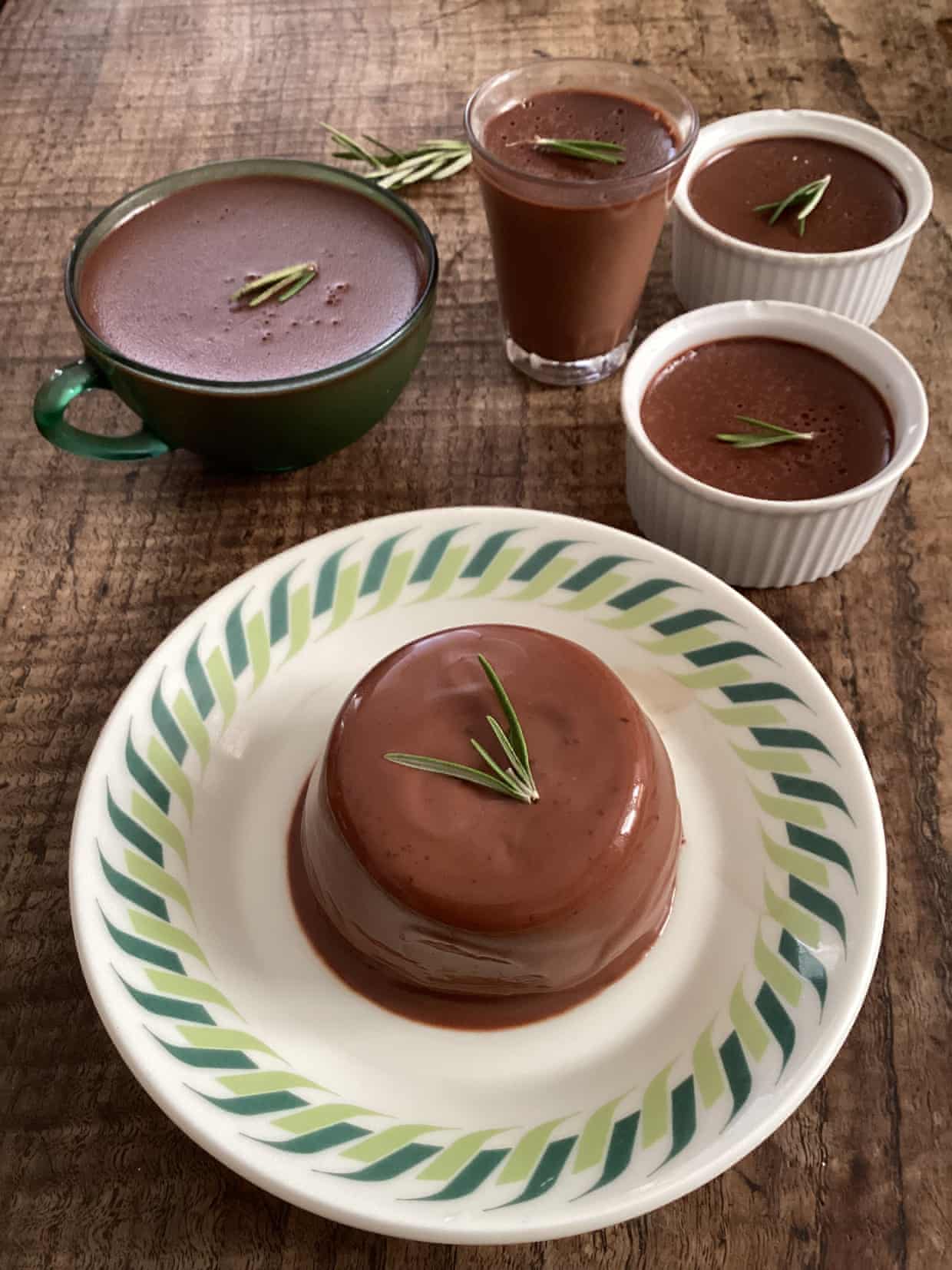
Rachel Roddy’s recipe for chocolate and rosemary panna cotta | A kitchen in Rome
The pungent and lingering aromas of familiar kitchen herbs – oregano, rosemary, sage, thyme, bay, lavender, mint – seem purposely made to donate their landmark volatiles to our everyday lives and food. In fact, their design is not for domestic calm and onion basket or fridge drawer neglect, but for uncultivated wilds. In particular the limestone terrain of the Mediterranean, where their defining smells are hardcore chemical defences, with every small, tough leaf or needle loaded with enough volatiles to deter both predators and competitors.Rosemary is particularly kick-arse in this respect, with those volatiles (mostly organic compounds called terpenoids) synthesised and stored in minuscule glands that project from the surface of each dark green needle, which breaks when brushed against or bitten, releasing an intense, hot, bitter shot. It’s the evergreen equivalent of carrying personal defence spray
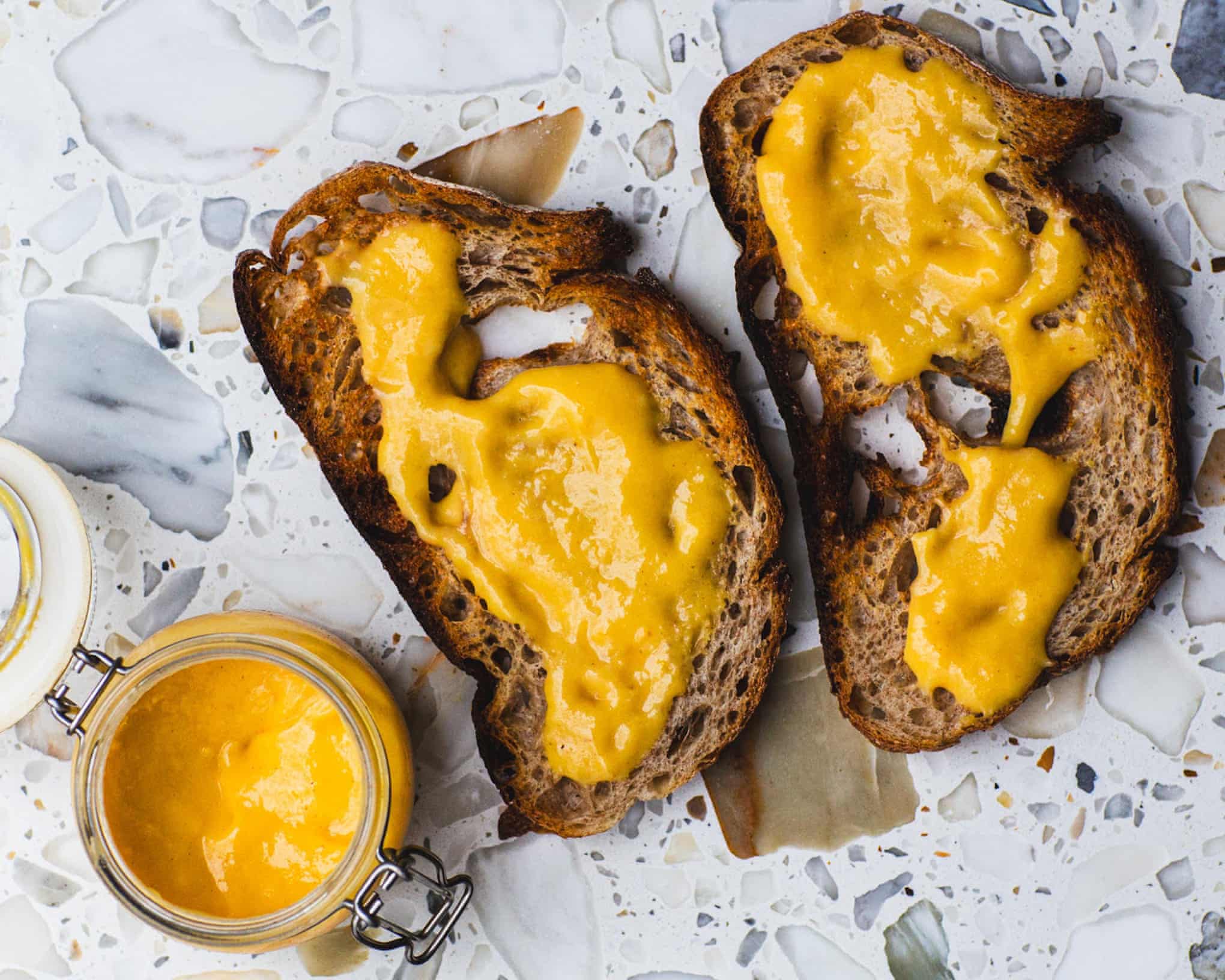
How to turn any leftover fruit into curd – recipe
You can make curd with almost any leftover fruit, as long as you add a little lemon juice for acidity and blend it to that familiarly special smooth textureI love ingenious recipes like curd that have the superpower to turn a tired piece of fruit or a forgotten offcut into something utterly decadent. Lemon curd is the original and a classic, but you can make curd with almost any fruit, as long as you add a little lemon juice for acidity. Each version is intense, indulgent and dreamy. So, please approach with caution: this spread is deeply moreish, in the best possible way.When testing this recipe, I had some leftover frozen mango that had been accidentally defrosted on the counter, a sad golden kiwi and some wrinkled grapes, so I split the recipe and made three small batches of different curds

‘Food porn’: are sexy meal pics ruining the restaurant industry?
Name: Food porn.Age: Entered common parlance around the 1980s – Rosalind Coward used the term in her 1984 book Female Desire (one of its earliest documented uses).Appearance: A total restaurant killer.Your thesis is that nice-looking food is destroying the restaurant industry? Yes, and I’m sticking with it.Why? Because if you make your food look nice, it attracts the wrong sort of customers, that’s why

In a taste-test battle of supermarket mite-y bites, which will win? (Spoiler: it isn’t Vegemite)
At the end of most taste tests, I have a clear idea of winners and losers, and I’m usually confident enough in the findings that I’d bet if I repeated it 100 times, with a different set of testers, the results would be similar. This is not a normal taste test.After blind tasting eight yeast spreads, readily available at Australian supermarkets, I don’t even know what my favourite is, let alone which are the best and worst.In Australia it is impossible to taste yeast spreads without comparing them with Vegemite, for better or worse. So this isn’t really a yeast spread taste test, it’s a taste test of Vegemite and things that taste like it
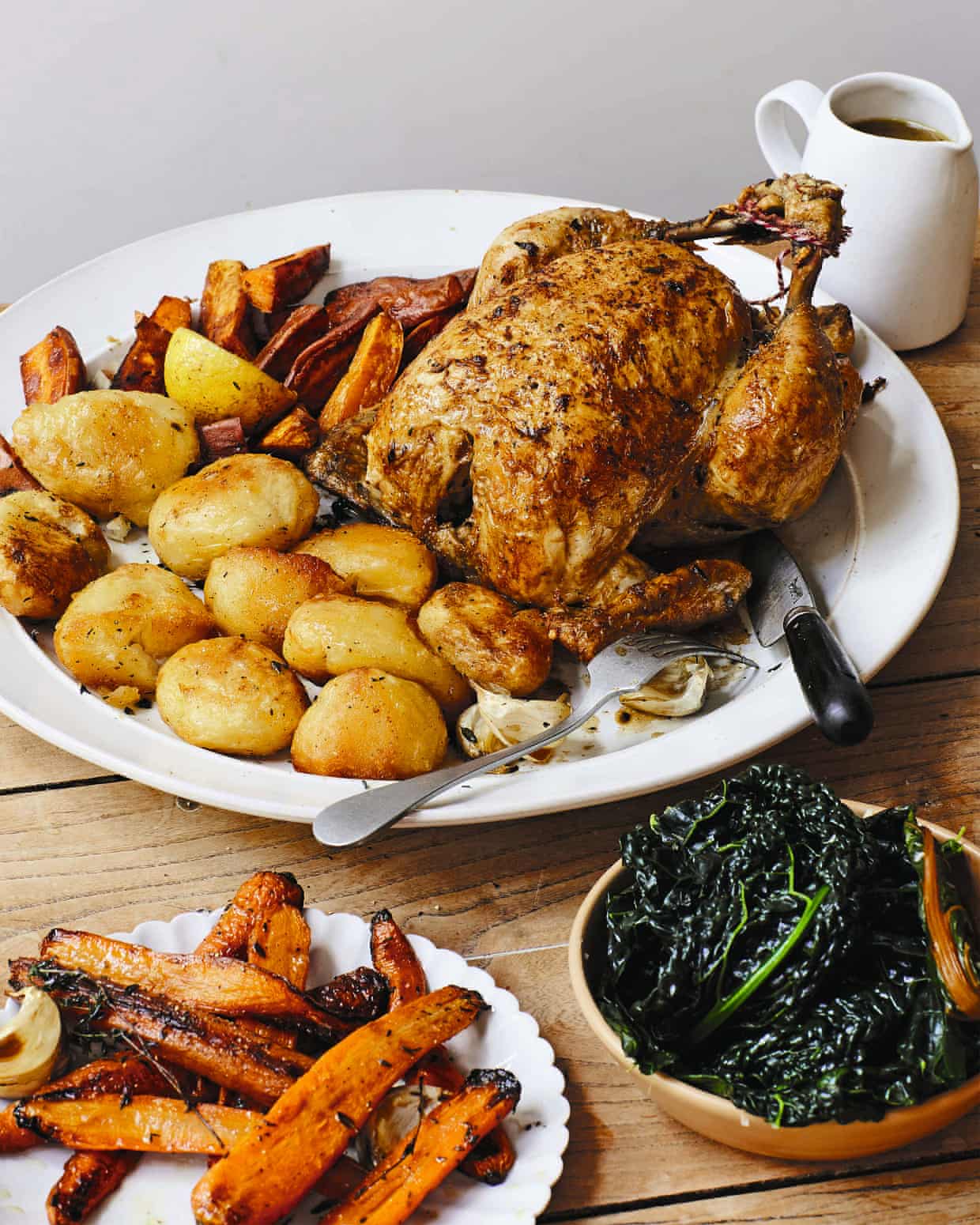
The secret to perfect roast chicken | Kitchen aide
What’s the best way to roast a chicken?Nicola, by email “Fundamentally, people overcomplicate it,” says Ed Smith, who has, rather conveniently, written a new book all about chicken, Peckish. “Yes, you can cook it at a variety of temperatures, use different fats, wet brine or dry brine, etc etc, but, ultimately, if you put a good chicken in the oven and roast it, you will have a good meal.”To elaborate on Smith’s nonchalance, he has three key rules: “One, start with a good chicken: free-range, ideally slow-reared and under the 2kg mark – small birds just roast better, I think.” Second, it doesn’t need as long in the oven as you might think. “Whatever it says on the packet will be too long,” says Smith, who roasts his chicken for about 50 minutes in a 210C (190C fan) oven
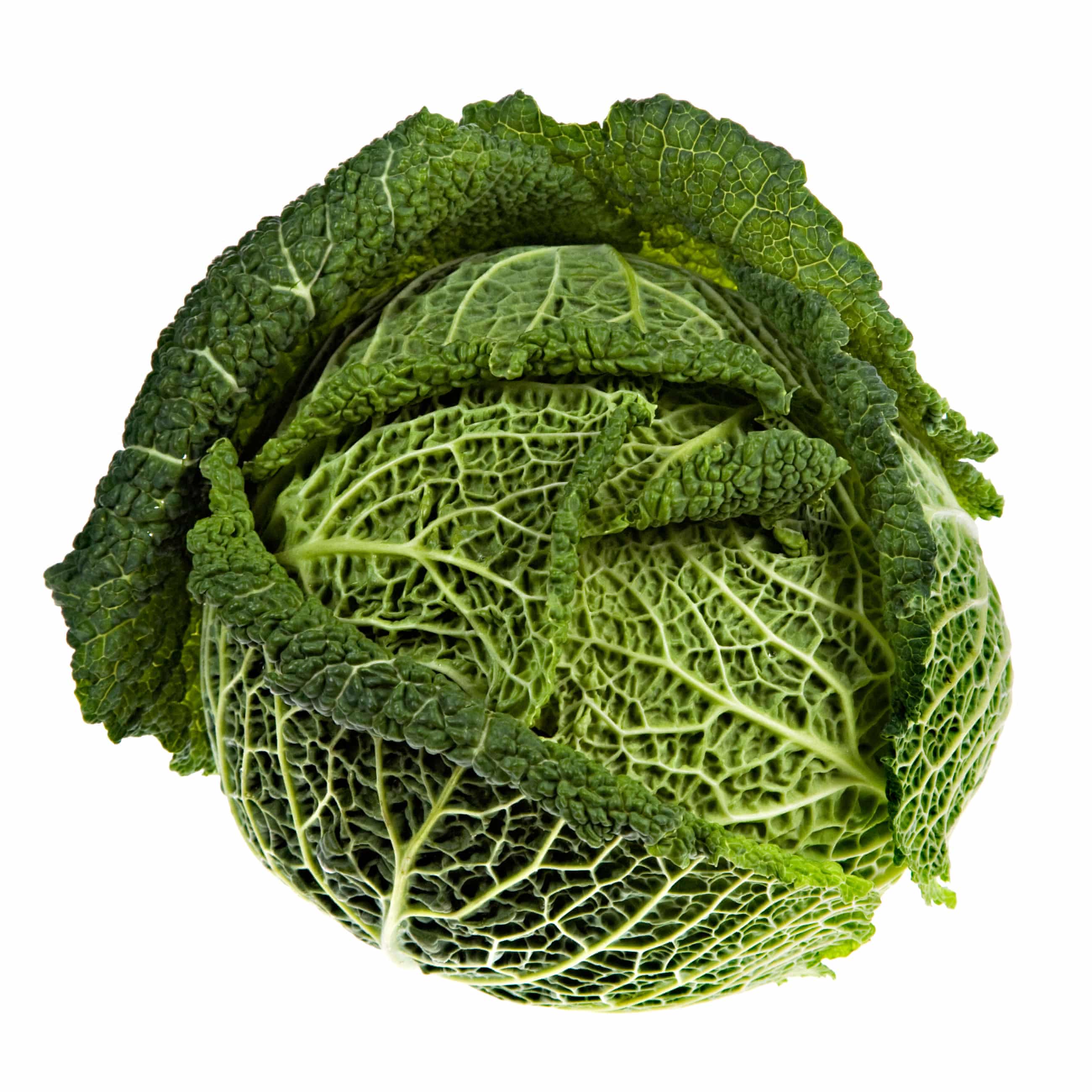
Cabbagecore: why are fashionable people going wild for the green vegetable?
It’s on handbags, in flower arrangements and is even being used in a Burberry campaign. Just how did this humble brassica become the hottest new trend? Name: Cabbagecore.Age: Ready for 2026.Appearance: Red, green or white – your choice.When you say cabbagecore, are you referring to the tough central stem of the familiar leafy cultivar? No, I’m alluding to the idea that cabbage is having a moment

Don’t be fooled by recent good news, the UK economy is still in a precarious state

‘Doubling down on meat’: is the UK’s love affair with vegetarian food over?

‘It’s survival of the fittest’: the UK kebab chain seeking an edge with robot slicers
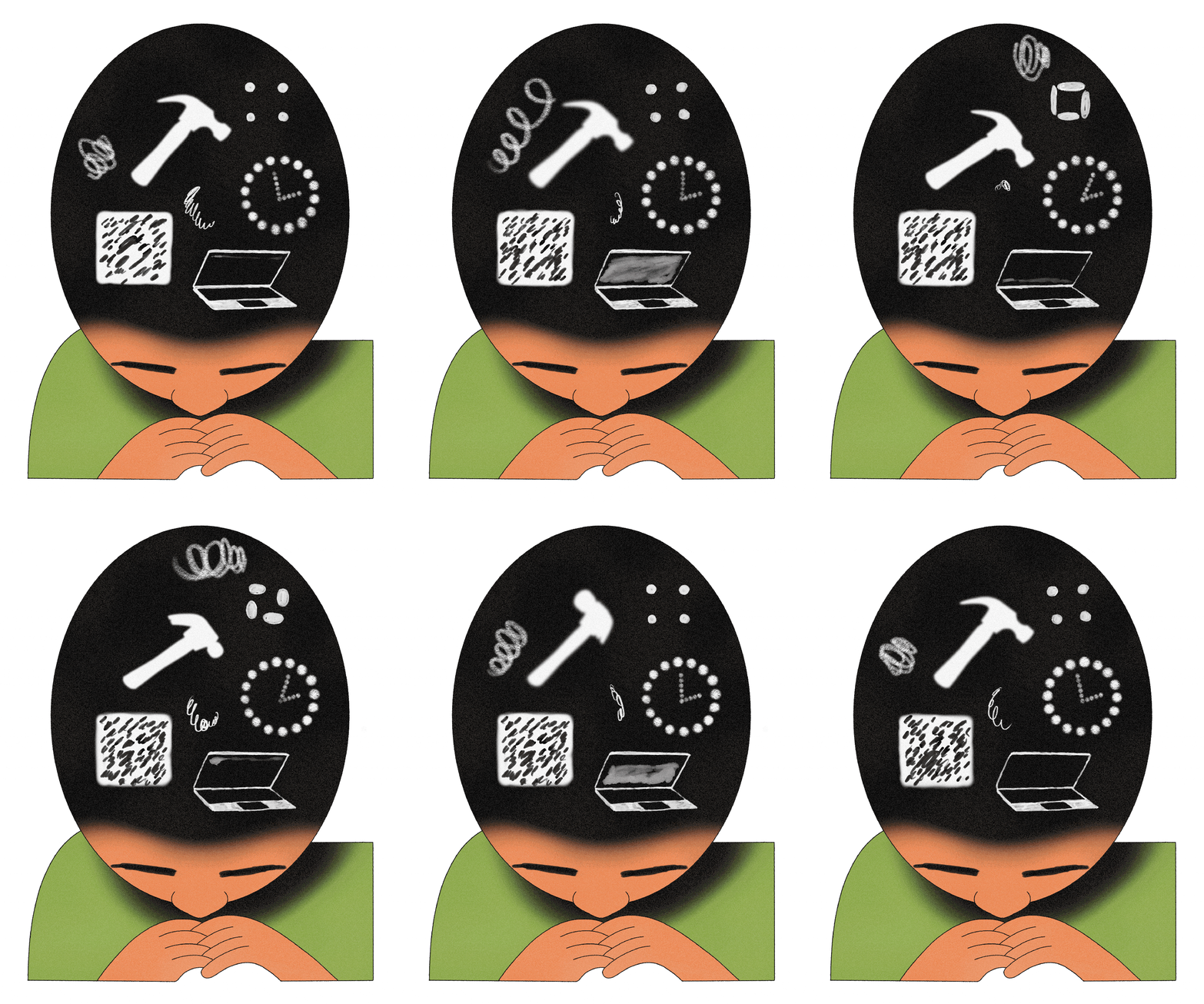
Nascent tech, real fear: how AI anxiety is upending career ambitions

Winter Olympics 2026: Canada beat GB to curling gold, bobsleigh, ice hockey and more – as it happened

Heartbreak for Team GB as Canada take men’s curling gold on last stone