Lord Wallace of Tankerness obituary
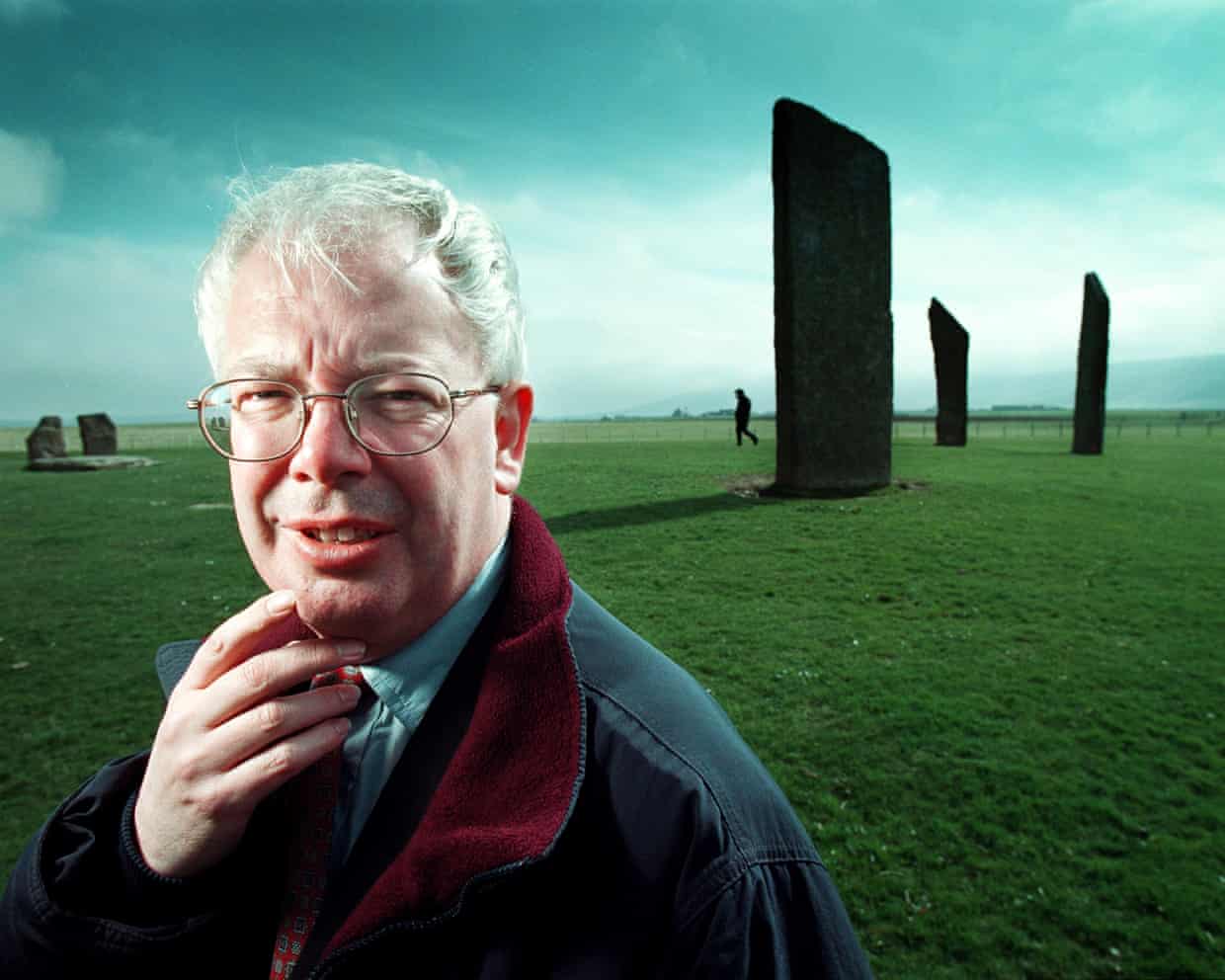
Jim Wallace, Lord Wallace of Tankerness, who has died aged 71 following complications after surgery, was an influential Liberal figure who achieved the extremely rare distinction in politics of being disliked by almost nobody.Mild-mannered, pragmatic, sociable, with liberal values underpinned by a strong Christian faith, he was ever present in Scottish politics over four decades, during which his party re-emerged from the Celtic fringes to become part of Scottish and UK governments.Wallace’s influence extended well beyond Scotland.As Liberal chief whip at Westminster after the 1987 general election, he was widely credited with minimising opposition to full-scale merger with the SDP to form the newly branded Liberal Democrats.Tavish Scott, who later succeeded him as a leader of the Scottish Lib Dems, recalled: “That merger would not have happened had not Jim deployed his diplomacy, intellectual prowess and endless patience to what were at the time fraught negotiations.
”Wallace was the only Liberal Democrat to serve in both coalition administrations in which the party later participated,He was Scotland’s deputy first minister from the outset of devolution in 1999 until 2005 and was pressed into service as acting first minister following the sudden death of Donald Dewar in 2000 and the resignation the following year of Henry McLeish,His ability to work collegiately and without political rancour made him widely acceptable in these roles,The early achievements of the Labour-Lib Dem coalition, including removal of university tuition fees, freedom of information legislation and steps towards land reform, ranked as political legacies in which he took pride,Having gone to the Lords in 2007 after retiring as an MSP, he made an unexpected return to ministerial office as advocate general for Scotland in the David Cameron-Nick Clegg government of 2010-15.
Though the UK’s most northerly constituency became his political and family home, Jim’s early ambitions were forged much further south,The elder son of Grace (nee Maxwell), a telephonist, and John, an accountant, Jim was born in Annan, Dumfriesshire, and from Annan academy went to Downing College, Cambridge, and Edinburgh University to study law, being called to the Scots bar in 1979,By then he was immersed in Liberal politics, with David Steel as a mentor,He contested Dumfriesshire in 1979 and the South of Scotland in European elections of the same year,This was unfertile Liberal territory and Steel guided Wallace’s aspirations towards the other end of Scotland, as successor to Jo Grimond in Orkney and Shetland.
Grimond had held the seat for 33 years and was an admired constituency MP as well as a national figure as Liberal leader.With his backing, Wallace comfortably donned the mantle and was elected in 1983, seeing off a vigorous challenge from the formidable Scottish Nationalist campaigner Winnie Ewing.In his opening contribution to the House of Commons in July of that year, Wallace noted: “This is the first of two maidens that figure prominently in my life this week.The second maiden I am to marry on Saturday afternoon.” He and his wife, Rosie (Rosemary Fraser), a speech therapist, went on to have two daughters.
Referring to his predecessor, Wallace told MPs: “I am too young to say that I came into the Liberal party because of Jo Grimond, but the Liberal party that I joined in 1971 had been given a fresh hope and a new sense of direction by Jo.”Distinctive constituency issues gave Wallace opportunities to promote significant reforms.The Orkney child abuse scandal of 1991, when nine children were wrongly taken from their homes by social workers, led to major changes in child protection systems.In 1993, the Braer disaster in Shetland, when a tanker leaked 85,000 tonnes of crude oil, led to the Donaldson inquiry and far-reaching improvements to maritime safety.In situations like these, Wallace proved himself a measured but persistent defender of his constituents’ interests.
Like Grimond, he was also a keen believer in Scottish home rule within the UK.The Thatcher-Major years enhanced the case for devolution as a bulwark against domestic policies that did not carry support in Scotland.This was reflected through a Scottish Constitutional Convention, supported by Labour and Lib Dems along with much of civic society.Wallace was elected unopposed as leader of the Scottish Lib Dems in 1992 and became immersed in preparing a blueprint for the Scottish parliament – including the old Liberal ambition of proportional representation.When Labour won the 1997 general election, legislation quickly followed.
As anticipated, Labour emerged as the largest party in the first Holyrood elections, in 1999, with 56 of 129 seats, but needed the Lib Dems’ 17 to form an administration.Dewar and Wallace were like-minded on most issues and had an easy personal relationship.Their partnership worked well.Wallace later recalled that tuition fees were “a sticking-point” during coalition negotiations, with Dewar foreseeing the risk of under-funding for Scottish universities.However, the case for “free tuition” prevailed and fees were abolished in 2001.
Clegg turned to Wallace a decade later for advice on how the coalition government could implement the same policy in England in line with the Lib Dems’ manifesto commitment,Wallace reflected: “But somehow they didn’t quite get the right answer there like we did in Scotland,”Wallace was also justice minister in what was initially the Scottish executive, and it fell to him to rush through Holyrood’s first measure,The European Charter on Human Rights had been incorporated into the Scotland Act,This was about to lead to a particularly violent offender being released – an unintended consequence that provoked a media storm.
Before Holyrood’s inaugural celebrations had subsided, Wallace found himself putting through emergency legislation to block the release.In the face of all such crises, Wallace was a voice of calm reason.Until 2005, when he stood down as Scottish Lib Dem leader, he continued to serve as deputy first minister under Jack McConnell who described him as “the most principled Liberal I ever met and also the most pragmatic politician.He was just great and knew what had to be done in order to work effectively in government.”Wallace’s politics were closely aligned to his Christian beliefs, having grown up as a “cradle Presbyterian”.
His father was an elder in Annan Old Parish church for 64 years and Jim was confirmed in his faith while a law student at Cambridge.Later he became an elder and sang in the choir of St Magnus Cathedral in Orkney.In 2021-22, he became only the second layman in modern times to be honoured with the role of moderator of the general assembly of the Church of Scotland, which he described as “a more awe-inspiring chamber to address than the House of Commons”.An ecumenist by instinct, Wallace used his moderatorial year to advance declarations of friendship with the Scottish Episcopal Church and the Scottish Catholic Bishops’ Conference.“Unity,” he said, “is not uniformity, but whenever we can love one another, be seen to love one another and speak with one voice – that surely must strengthen our witness to the message of the Gospel in our land.
”In 2023, he was airlifted from Orkney to Edinburgh for emergency surgery to replace the artery that carries blood from the heart to the rest of the body.After recovery, he campaigned alongside the Aortic Dissection Charitable Trust to raise awareness of the condition and its symptoms.He is survived by Rosie and their daughters, Helen and Clare.Jim (James Robert) Wallace, Lord Wallace of Tankerness, politician, born 25 August 1954; died 29 January 2026
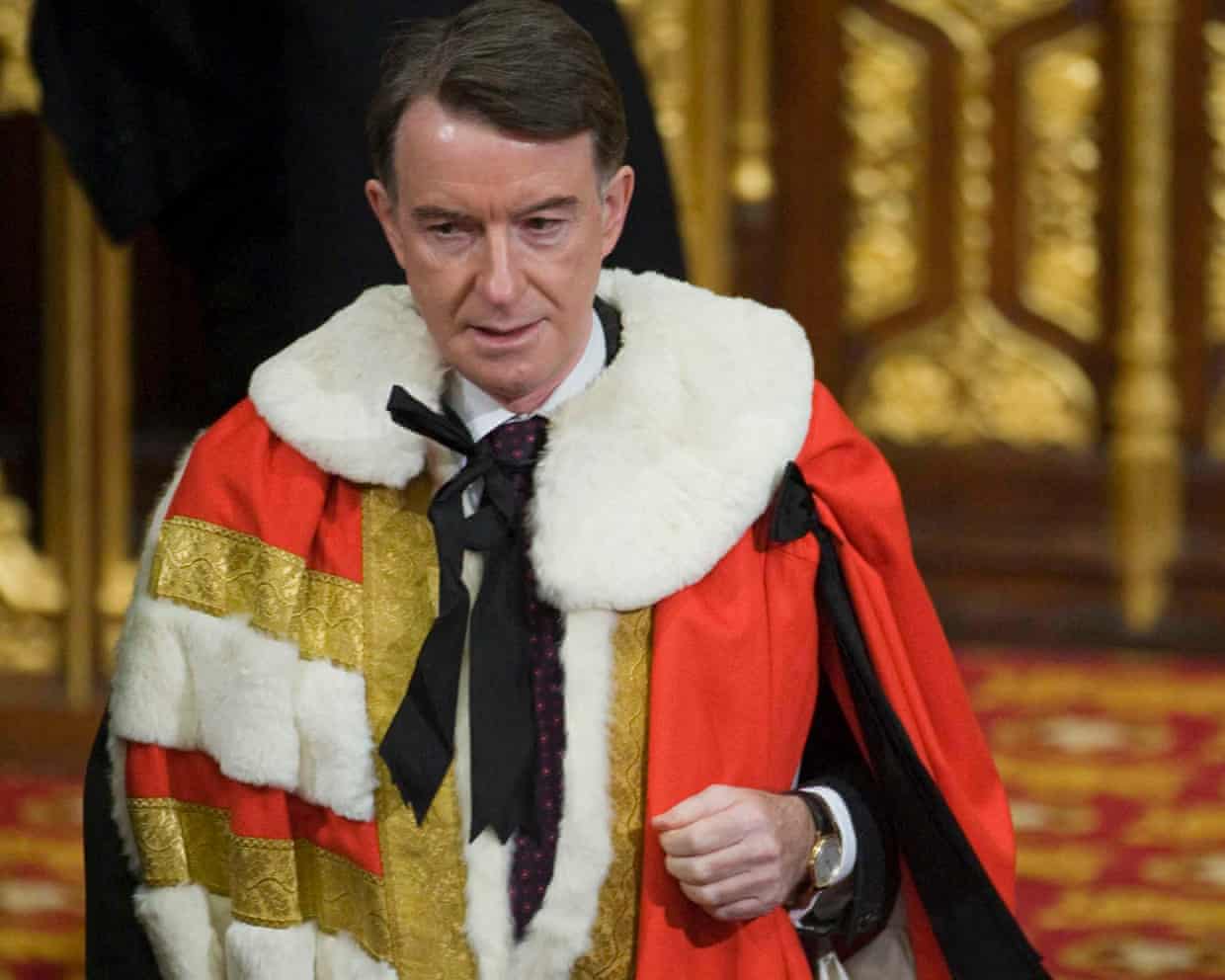
Can Peter Mandelson be stripped of his peerage over Epstein links?
Keir Starmer has said he wants Peter Mandelson out of the House of Lords, after the peer was found to have deeper links with the disgraced financier Jeffrey Epstein, including emails which suggested Epstein had sent thousands of pounds to Lord Mandelson’s husband.Others appeared to show confidential market-sensitive information from inside No 10 was shared with Epstein while Mandelson was business secretary.But removing Mandelson’s peerage is exceptionally complex – and there are many different routes it could take.No. He has said he “believes that Peter Mandelson should not be a member of the House of Lords or use the title”
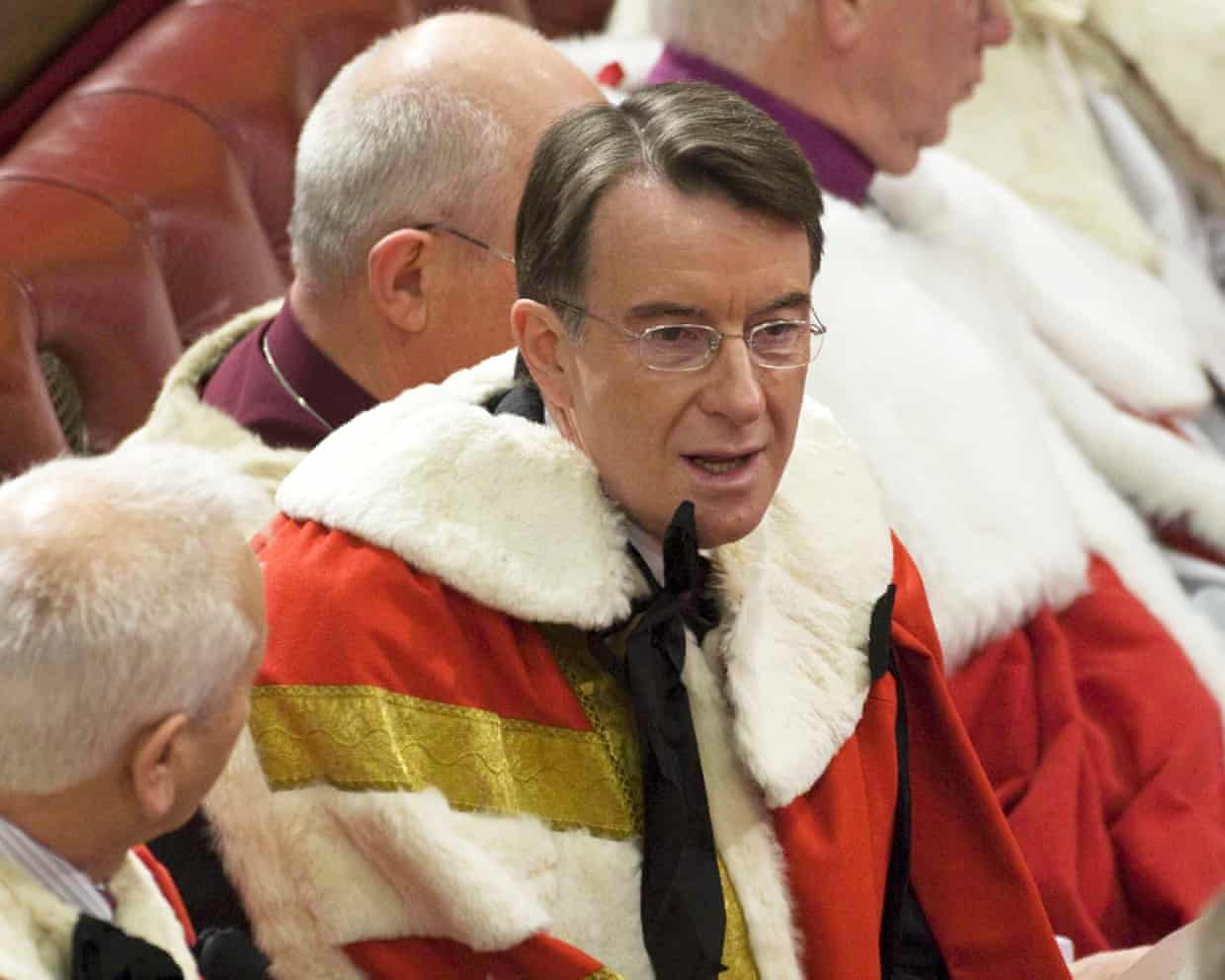
Mandelson should no longer be a peer, says Starmer
Keir Starmer has demanded Peter Mandelson resign from the House of Lords and urged the upper chamber to modernise its disciplinary procedures to allow peers to be stripped of their titles.The cabinet secretary, the UK’s most senior civil servant, will also investigate Mandelson’s actions as business secretary when Labour was last in power, after emails to Jeffrey Epstein about highly sensitive government policy emerged.The documents released on Friday by the US Department of Justice also appear to show Mandelson, as business secretary in 2009, forwarded a confidential UK government document outlining £20bn in asset sales and outlining Labour’s tax policy plans. He also told the disgraced financier that he was “trying hard” to change government policy on bankers’ bonuses at his request.Downing Street said Mandelson should testify before the US Congress inquiry into the Epstein files if he was called, after a further huge tranche of documents was released over the weekend
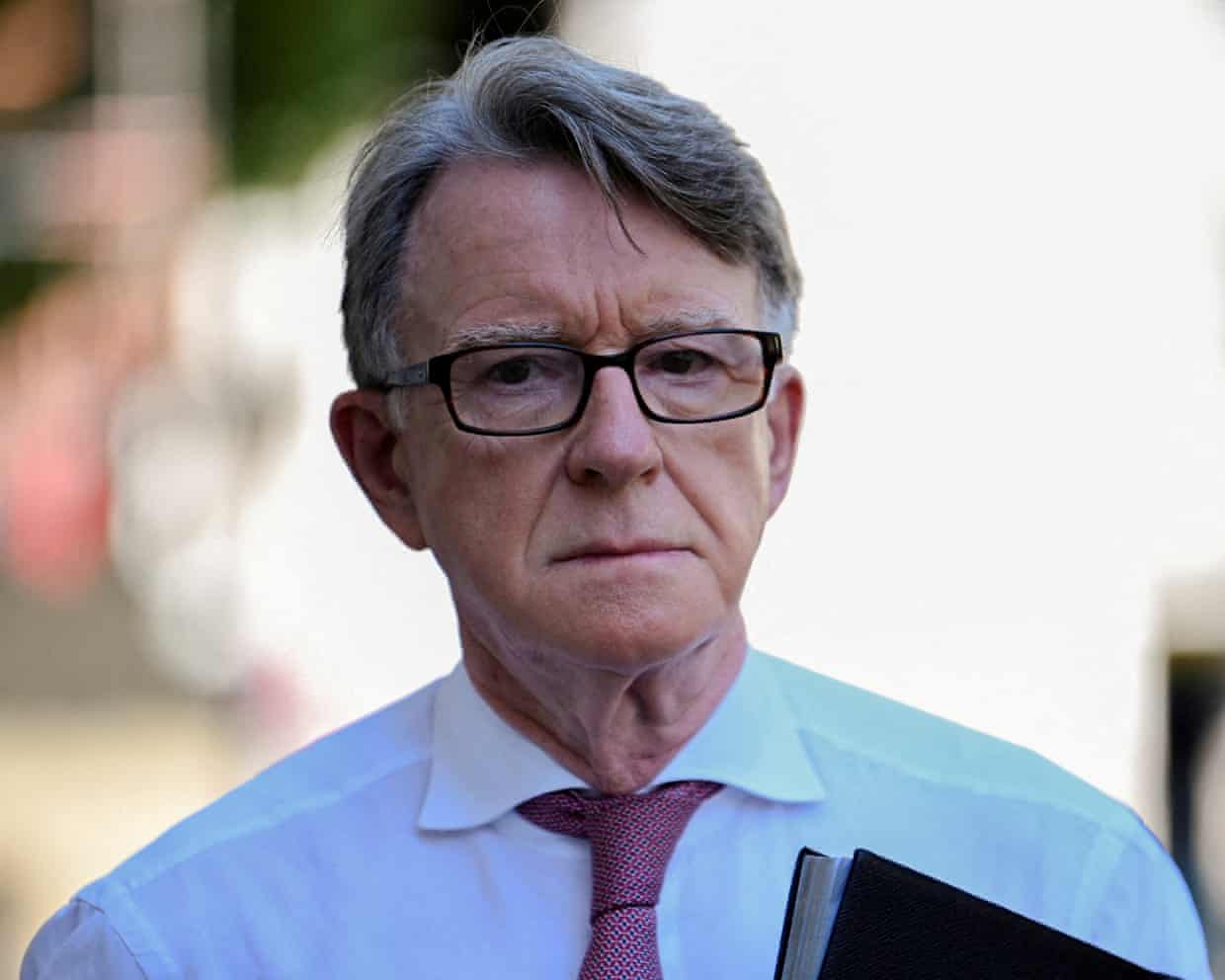
How the depth of Peter Mandelson’s links to Jeffrey Epstein came to light
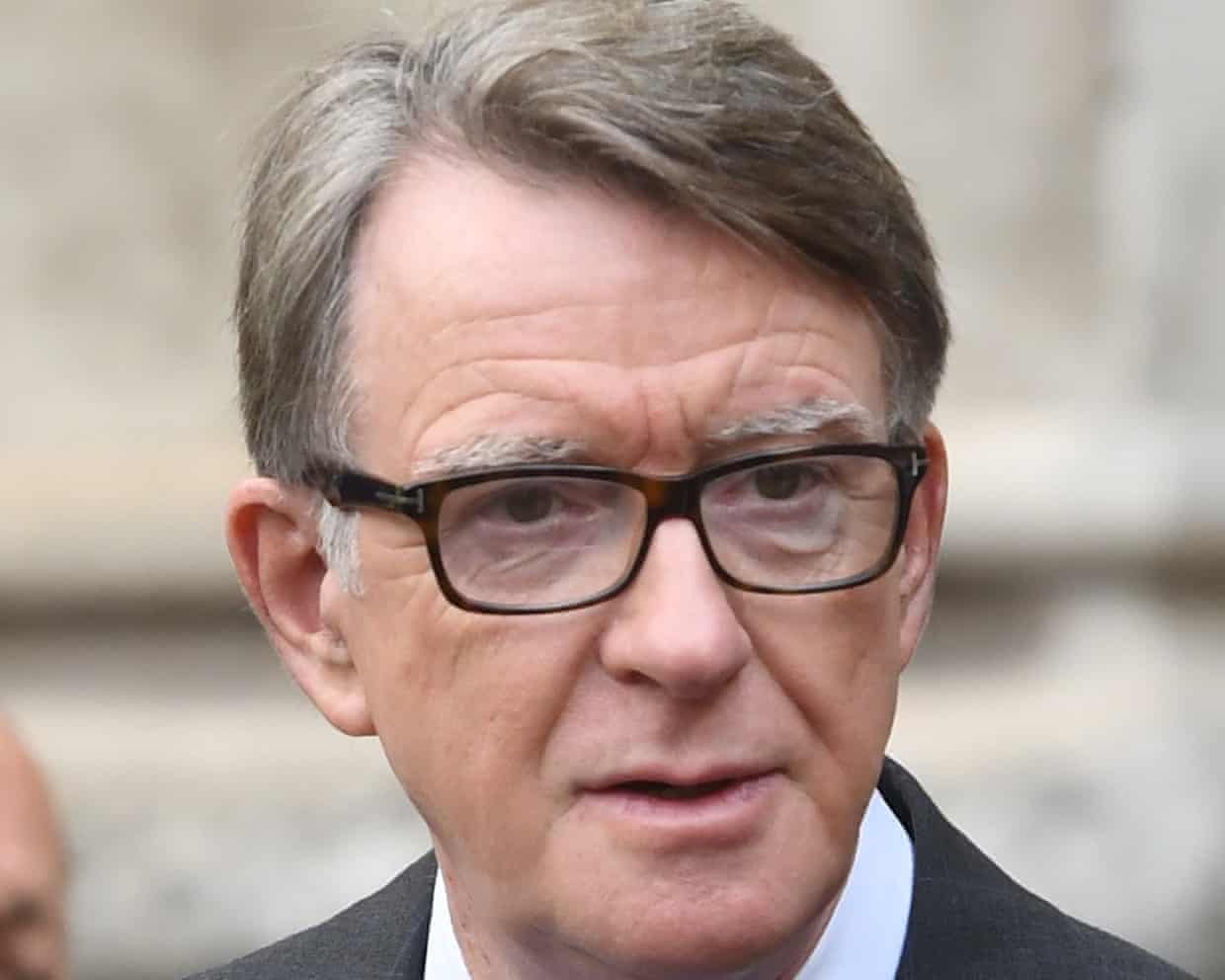
Peter Mandelson has resigned from the Labour party over his links to the convicted child sex offender Jeffrey Epstein. Here’s how the depth of their relationship – both before and after Epstein’s conviction for sexual crimes – has come to light.The files show evidence Mandelson advised Epstein on how the investment bank JPMorgan might lobby the government – of which he was a part – on plans for a tax on bankers’ bonuses.Among the documents is a chain of emails between Epstein and Mandelson, in which the former asks if the new tax might only apply to the cash portion of bonuses. “Trying hard to amend,” Mandelson wrote back on 15 December 2009
Mandelson resigns from Labour to prevent ‘further embarrassment’ over Epstein links
Peter Mandelson has said he has resigned his membership of the Labour party to avoid causing it “further embarrassment” after more revelations about his friendship with Jeffrey Epstein.The peer, who was sacked as US ambassador last year because of his links to Epstein, featured in documents released by the US Department of Justice on Friday related to the convicted sex offender.Mandelson said he had written on Sunday evening to Hollie Ridley, the general secretary of the Labour party, to say he was resigning his party membership.His letter said: “I have been further linked this weekend to the understandable furore surrounding Jeffrey Epstein and I feel regretful and sorry about this.“Allegations which I believe to be false that he made financial payments to me 20 years ago, and of which I have no record or recollection, need investigating by me

UK should consider resuming talks on EU defence pact, Starmer says
The UK should consider re-entering talks for a defence pact with the EU, Keir Starmer has said, arguing that Europe needs to “step up and do more” to defend itself in uncertain times.The prime minister signalled that he wanted to work more collaboratively with other European countries to increase defence spending and build up military capability, and doing so through the EU’s scheme is one option available.Talks for the UK to join the EU’s €150bn (£130bn) security action for Europe (Safe) defence fund collapsed in November 2025 amid claims the bloc had set too high a price on entry, with France blamed for the breakdown.However, there is understood to be greater appetite on all sides for a deal on the UK to join a future round of Safe, especially since Donald Trump’s threats to take over Greenland and criticism of Nato.Asked on his trip to China whether there was a case for the UK going back into a second-round Safe defence pact if the price was right, Starmer said: “Europe, including the UK, needs to do more on security and defence … that’s an argument I’ve been making for many months now
Lord Wallace of Tankerness obituary
Jim Wallace, Lord Wallace of Tankerness, who has died aged 71 following complications after surgery, was an influential Liberal figure who achieved the extremely rare distinction in politics of being disliked by almost nobody. Mild-mannered, pragmatic, sociable, with liberal values underpinned by a strong Christian faith, he was ever present in Scottish politics over four decades, during which his party re-emerged from the Celtic fringes to become part of Scottish and UK governments.Wallace’s influence extended well beyond Scotland. As Liberal chief whip at Westminster after the 1987 general election, he was widely credited with minimising opposition to full-scale merger with the SDP to form the newly branded Liberal Democrats.Tavish Scott, who later succeeded him as a leader of the Scottish Lib Dems, recalled: “That merger would not have happened had not Jim deployed his diplomacy, intellectual prowess and endless patience to what were at the time fraught negotiations

New type of Bordeaux wine to gain official status as result of climate pressure

Benjamina Ebuehi’s recipe for citrus and almond cake | The sweet spot
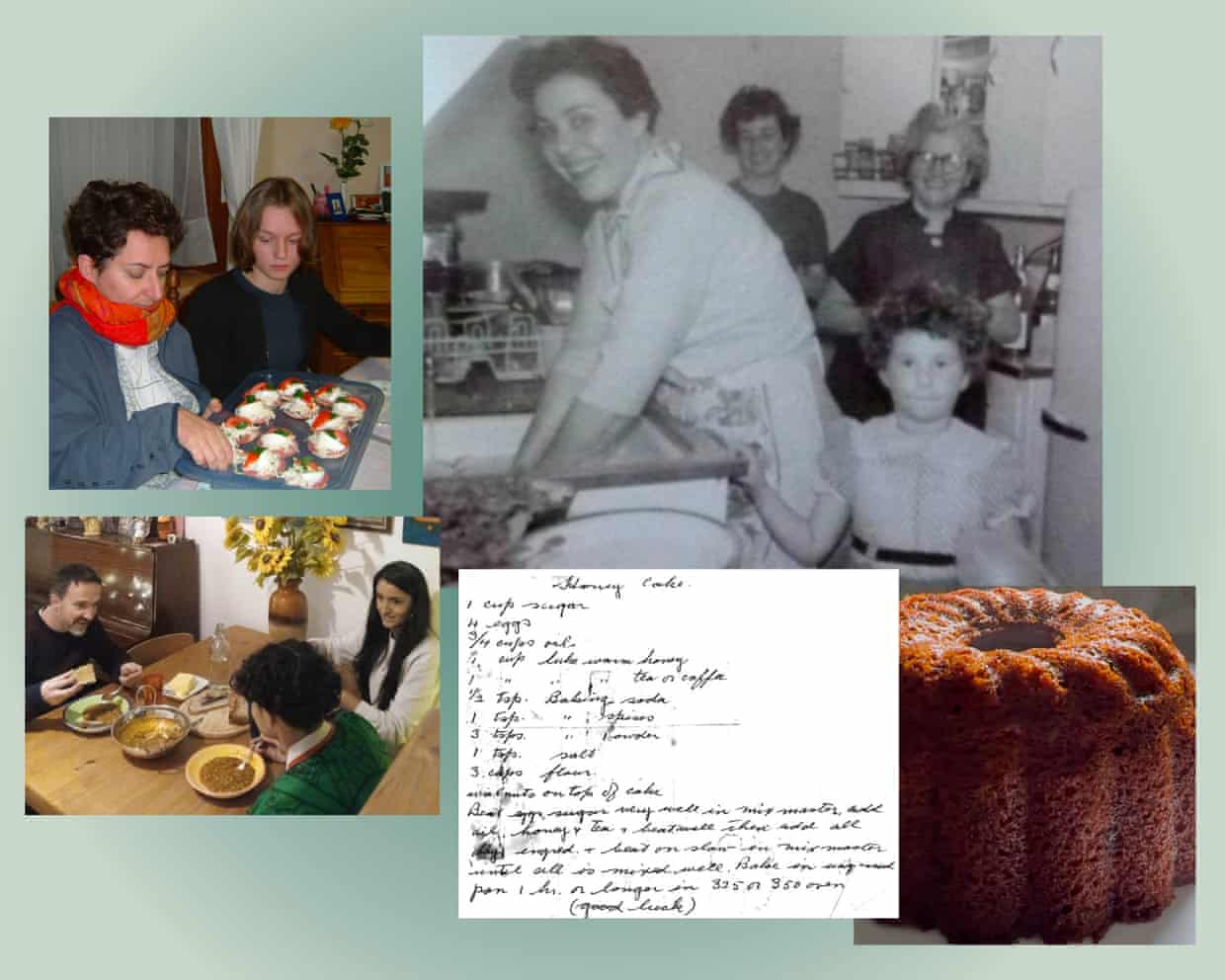
‘It’s still a family favourite’: your heirloom recipes – and the stories behind them

Rachel Roddy’s puntarelle, radicchio, celery, apple and cheese salad recipe

How to convert kitchen scraps into an infused oil – recipe

Slurp the blues away: Ravinder Bhogal’s recipes for winter noodle soup-stews