UK should consider resuming talks on EU defence pact, Starmer says

The UK should consider re-entering talks for a defence pact with the EU, Keir Starmer has said, arguing that Europe needs to “step up and do more” to defend itself in uncertain times.The prime minister signalled that he wanted to work more collaboratively with other European countries to increase defence spending and build up military capability, and doing so through the EU’s scheme is one option available.Talks for the UK to join the EU’s €150bn (£130bn) security action for Europe (Safe) defence fund collapsed in November 2025 amid claims the bloc had set too high a price on entry, with France blamed for the breakdown.However, there is understood to be greater appetite on all sides for a deal on the UK to join a future round of Safe, especially since Donald Trump’s threats to take over Greenland and criticism of Nato.Asked on his trip to China whether there was a case for the UK going back into a second-round Safe defence pact if the price was right, Starmer said: “Europe, including the UK, needs to do more on security and defence … that’s an argument I’ve been making for many months now.
“We’ve got to step up and do more.It’s not only President Trump who thinks Europe needs to do more but other presidents as well.I think the same.That’s why we’ve made commitments to greater spending.I think we need to go beyond that.
”The Guardian revealed on Friday that the UK and EU were exploring the prospect of new talks on closer defence cooperation.Maroš Šefčovič, the EU’s trade commissioner, is due in London for talks on Monday, when trade, energy and fisheries will be on the agenda.While defence is not currently on the agenda for that meeting, there may be further opportunities for the EU and UK to discuss defence at a political summit convened by Marco Rubio, the US secretary of state, to discuss critical minerals in Washington on Wednesday, with the Foreign Office sending a minister.Starmer wants to build on defence deals struck with European allies in recent months, and more bilateral deals is another option on the table.Norway has agreed a £10bn deal for anti-submarine warships that will be built in the UK, while Britain has agreed to sell 20 Typhoon fighter jets to Turkey for £8bn.
“I do think on spend, capability and cooperation we need to do more together.I’ve made the argument and that should require us to look at schemes like Safe and others to see whether there is a way in which we can work more closely together,” Starmer told reporters.“Whether it’s Safe or other initiatives, it makes good sense for Europe in the widest sense of the word – which is the EU plus other European countries – to work more closely together.That’s what I’ve been advocating and I hope to make some progress on that.”The Safe fund is made up of money the European Commission raises on credit markets, which is then lent to member states over 45 years.
They can buy everything from ammunition to drones and missiles.The aim of the fund is to enable the EU to build up a defence capability quickly, something given an extra urgency by the lack of support from Trump and his regular threats over Nato.The UK is not eligible to apply for a Safe loan, but if it joined the programme under third-country rules then UK companies could tender for more procurement contracts to provide arms to the EU, boosting the British defence industry.It is understood that the EU had demanded that the UK contribute about €2bn to the fund and that the British felt a contribution in the hundreds of millions was more appropriate.Starmer is facing pressure from within his own party for closer ties with the EU.
He has rejected the idea of rejoining the customs union, as the UK would have to rip up trade deals with other countries, but the prime minister is known to be keen on further alignment with the single market.EU relations are increasingly becoming a dividing line between Labour and Nigel Farage’s Reform UK, though the government has ruled out the UK going back into the single market or customs union or bringing back free movement.In China, Starmer criticised the Reform leader’s promises on Brexit.“I wouldn’t listen too much to what Nigel Farage has to say about this.It is absolutely clear the botched deal we got from the last government has damaged our economy,” he said.
“Which is why we have to reset that relationship and do want to get closer on defence and security, on energy, on emissions and trade … when we get to the summit this year we will not only follow up on the 10 strands that we set out at last year’s summit, we’ll also want to get closer with an iterative process,”
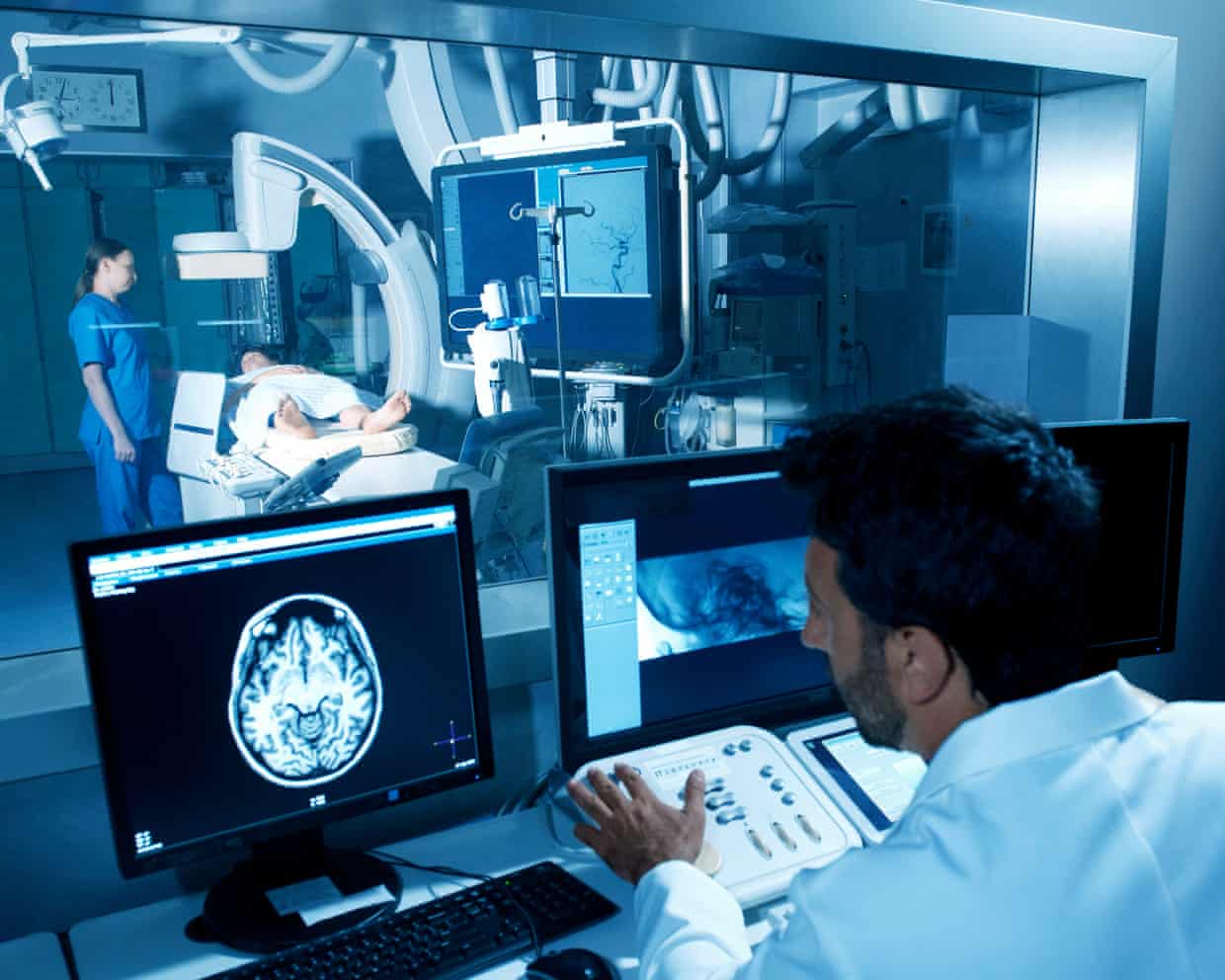
‘Deadly postcode lottery’ restricting new cancer treatments in England, doctors say
Cancer patients are being denied access to cutting-edge treatments on the NHS because of a “deadly postcode lottery” in access, doctors have warned.Patients in England are missing out on two innovative forms of radiotherapy that are known to be effective against several forms of the disease and are widely available in other countries, due to “red tape” and lack of funding.The Royal College of Radiologists (RCR) and Radiotherapy UK want Wes Streeting to use the government’s new cancer plan, being published this week, to make them widely available.They are urging the health secretary to end what they say are “bureaucratic hurdles” that NHS England imposes, through its complex funding and commissioning policies, on hospitals that want to provide stereotactic ablative body radiotherapy (SABR) and molecular radiotherapy (MRT).Unlocking the potential of the novel treatments would help improve cancer survival, which is poor in Britain by international standards, both organisations said
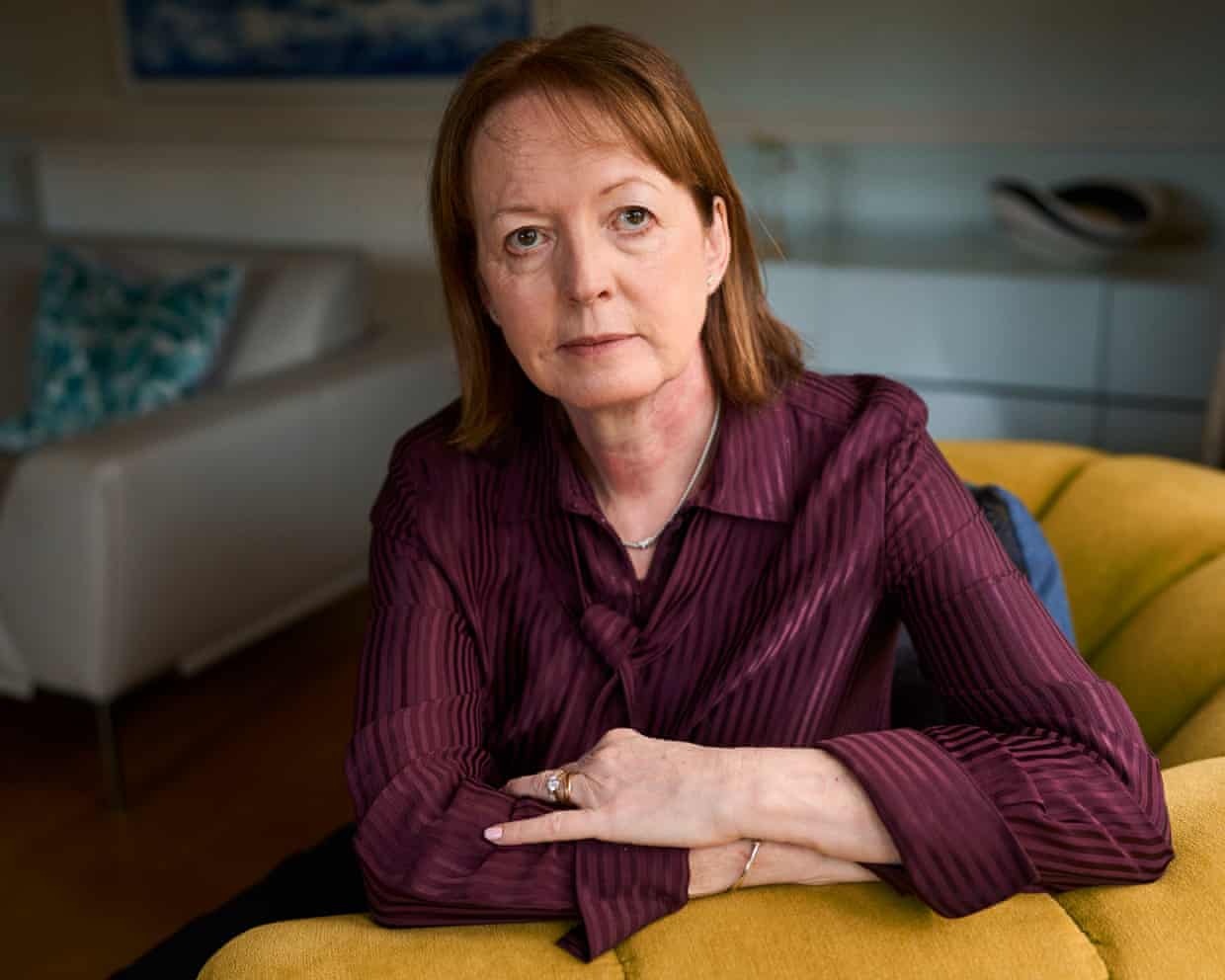
NHS patients put at risk by ‘sham investigations’, says ex-CEO of hospital
Patients are being put at risk by NHS bosses launching “sham investigations” into whistleblowers to shut down concerns, a former hospital chief executive who won a £1.4m bullying claim has said.Dr Susan Gilby took over as chief executive at the Countess of Chester hospital in 2018 after it was rocked by the Lucy Letby case. She was awarded the payout – one of the biggest in NHS history – last month after a tribunal ruled she had been unfairly dismissed after raising concerns about alleged bullying and harassment by the chair of the hospital board.An employment judge found that board members of the hospital conspired to unfairly exclude her and deleted documents when she launched legal action
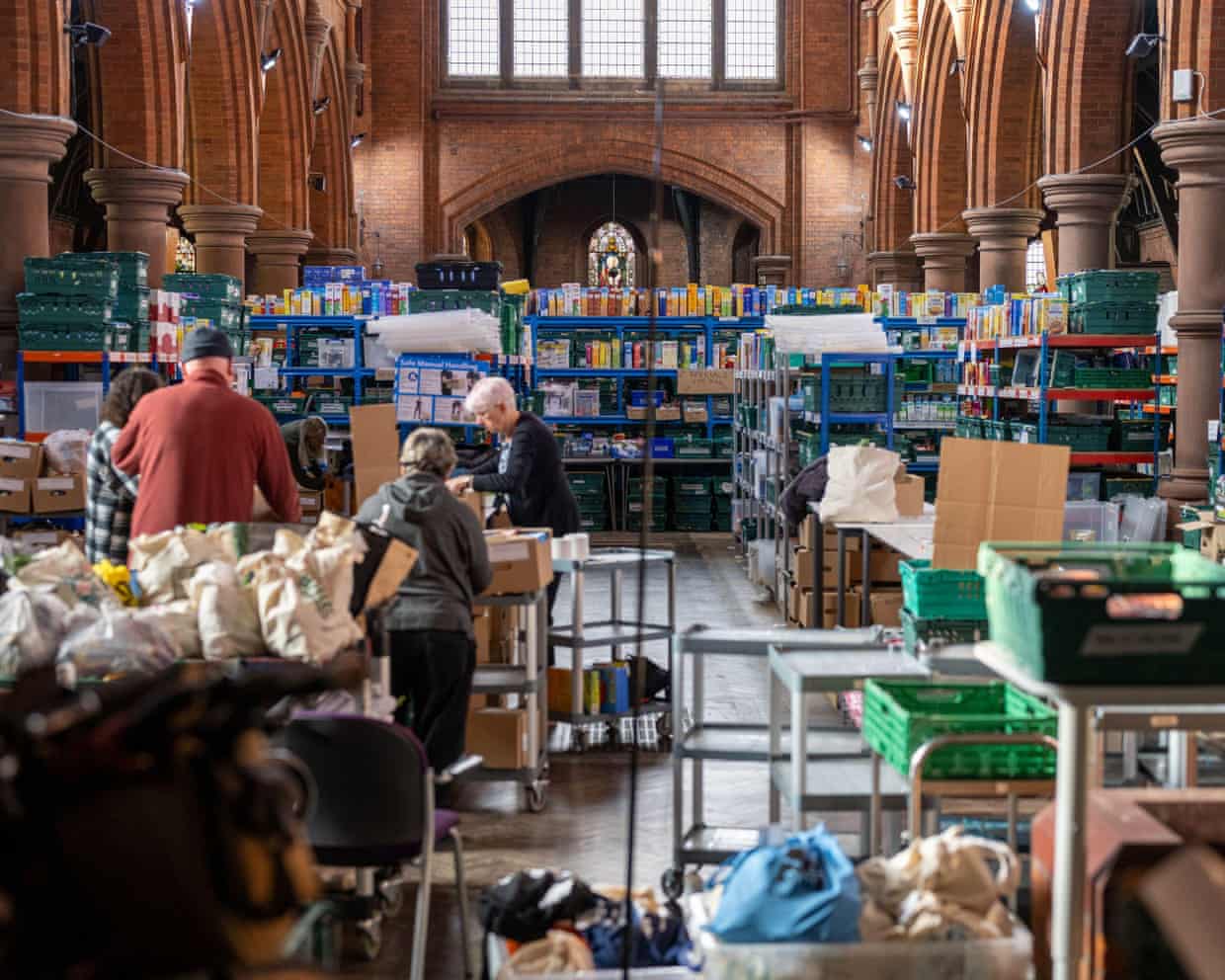
We have allowed poverty to become normalised in our country | Letters
Your editorial on deepening poverty in the UK (27 January) rightly condemns the decade and a half (and counting) of austerity. Millions of people’s lives have been knowingly worsened by the state. To compound this, countless shared neighbourhood spaces have been closed or sold off, meaning there is less opportunity for community togetherness just when it is most needed.The UK has the political and financial resources to create a society full of opportunity and security. Instead, successive governments have allowed poverty to continue and ultra-individualism to become normalised

‘Coffee is just the excuse’: the deaf-run cafe where hearing people sign to order
Wesley Hartwell raised his fists to the barista and shook them next to his ears. He then lowered his fists, extended his thumbs and little fingers, and moved them up and down by his chest, as though milking a cow. Finally, he laid the fingers of one hand flat on his chin and flexed his wrist forward.Hartwell, who has no hearing problems, had just used BSL, British Sign Language, to order his morning latte with normal milk at the deaf-run Dialogue Cafe, based at the University of East London, and thanked Victor Olaniyan, the deaf barista.“I have to be honest: when this cafe first opened near my office, I avoided it because the whole idea made me anxious,” said Hartwell, a lecturer at the university
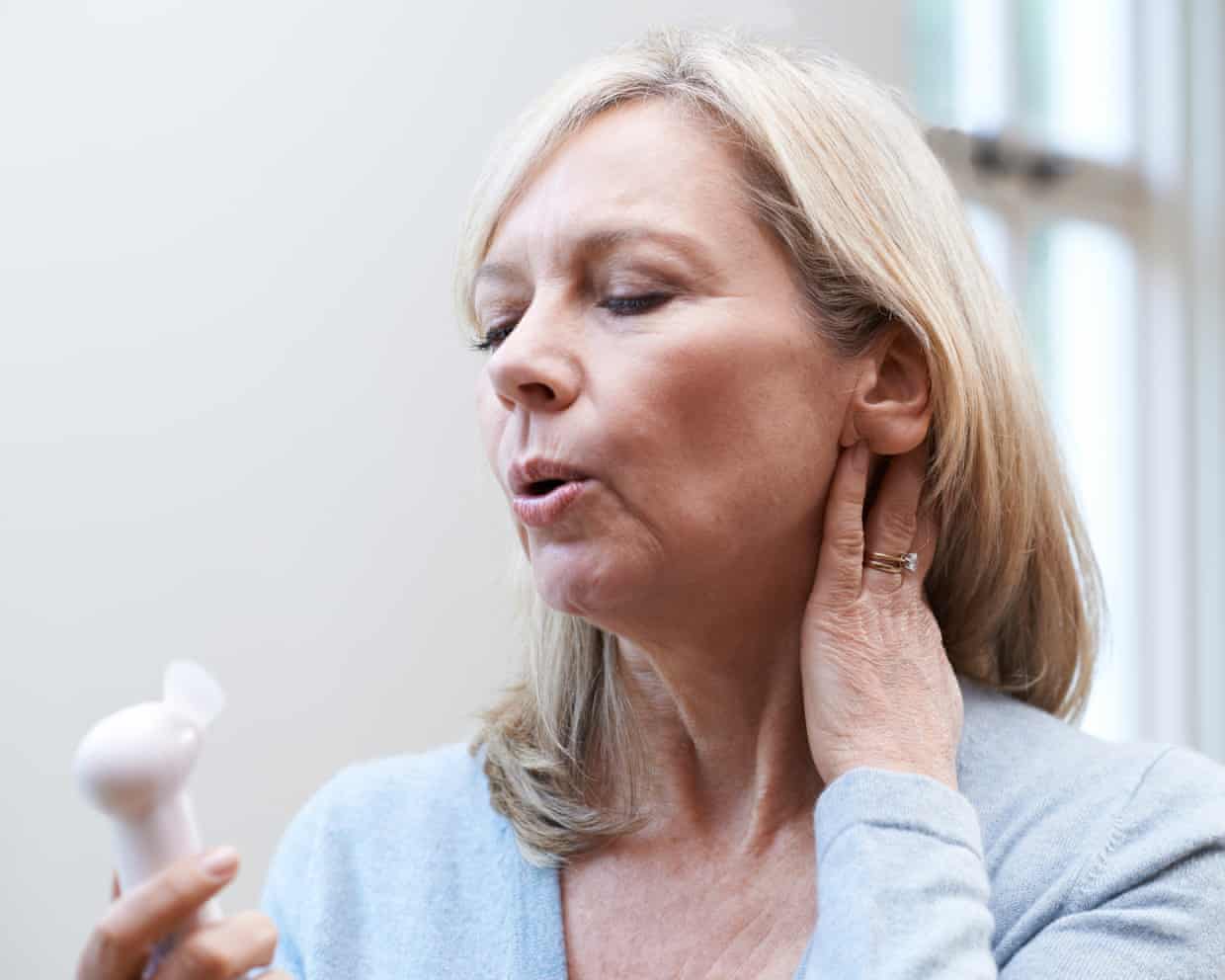
‘Menopause gold rush’? Boom in hi-tech products as stigma starts to recede
For any bodily function you want to measure these days there is a gadget – a wristband for step-counting, a watch to track your heart rate or a ring for measuring sleep.Now the march of wearable tech is coming to the aid of what some say is a long underserved market: menopausal women.One startup has recently launched a high-end cooling bracelet that kicks into action during a menopausal hot flush. The device is one of a growing number of lifestyle products being launched in this area, which some experts say is growing as stigma around menopause recedes. Companies are developing everything from apps offering dietary advice to devices that track symptoms, hormones and body temperature
Paying kidney donors won’t solve the problem | Letters
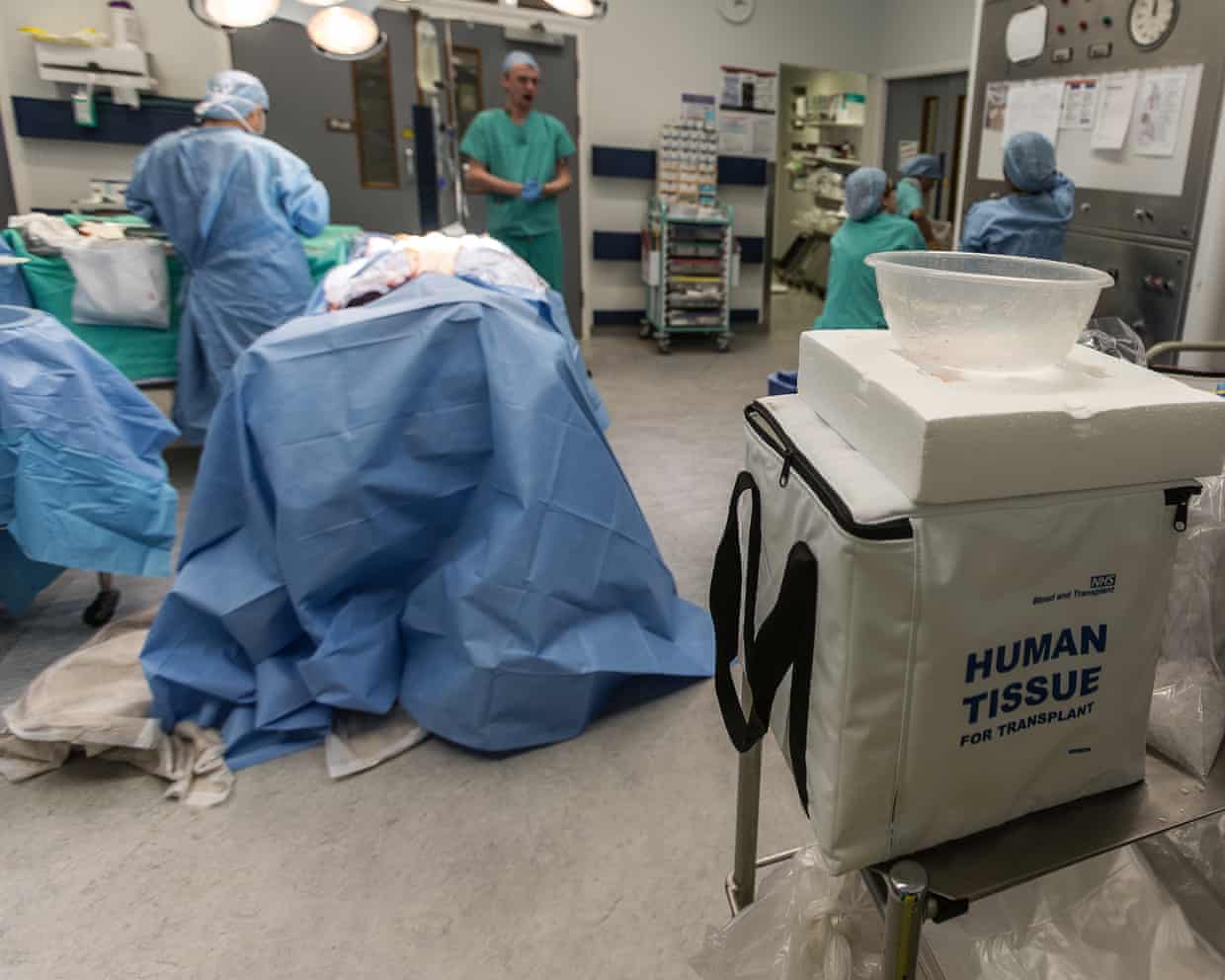
It is hard not to feel a certain sadness reading arguments for legalising the sale of kidneys that rely more on provocation than on engagement with how healthcare systems actually work in the UK (The big idea: Should we sell our kidneys?, 25 January).Kidney failure is devastating, and the shortage of donor organs costs lives. About 7,000 people in the UK are currently waiting for a kidney transplant, and six people die every week while waiting. It is therefore concerning to read an argument that implicitly accepts continued late diagnosis of kidney disease and progression to kidney failure as an inevitability, rather than recognising the urgent need to raise awareness of kidney disease and prioritise its prevention before lives reach crisis point.Furthermore, the notion that altruism in the UK has reached its limits, justifying a legal market for human organs, is not supported by public attitudes, social evidence or ethics

FTSE 100 ends day at closing high after gold and silver fell in ‘metals meltdown’ – as it happened
UK manufacturing growth accelerates as export orders rise
Viral AI personal assistant seen as step change – but experts warn of risks

What is Moltbook? The strange new social media site for AI bots

Pakistan boycott shows growing divide between cricket’s commercial needs and political reality | Taha Hashim

Steve Borthwick asks for England fans’ roar in support of grieving Maro Itoje