Five things we learned from Cat Little’s evidence to MPs about the Mandelson saga
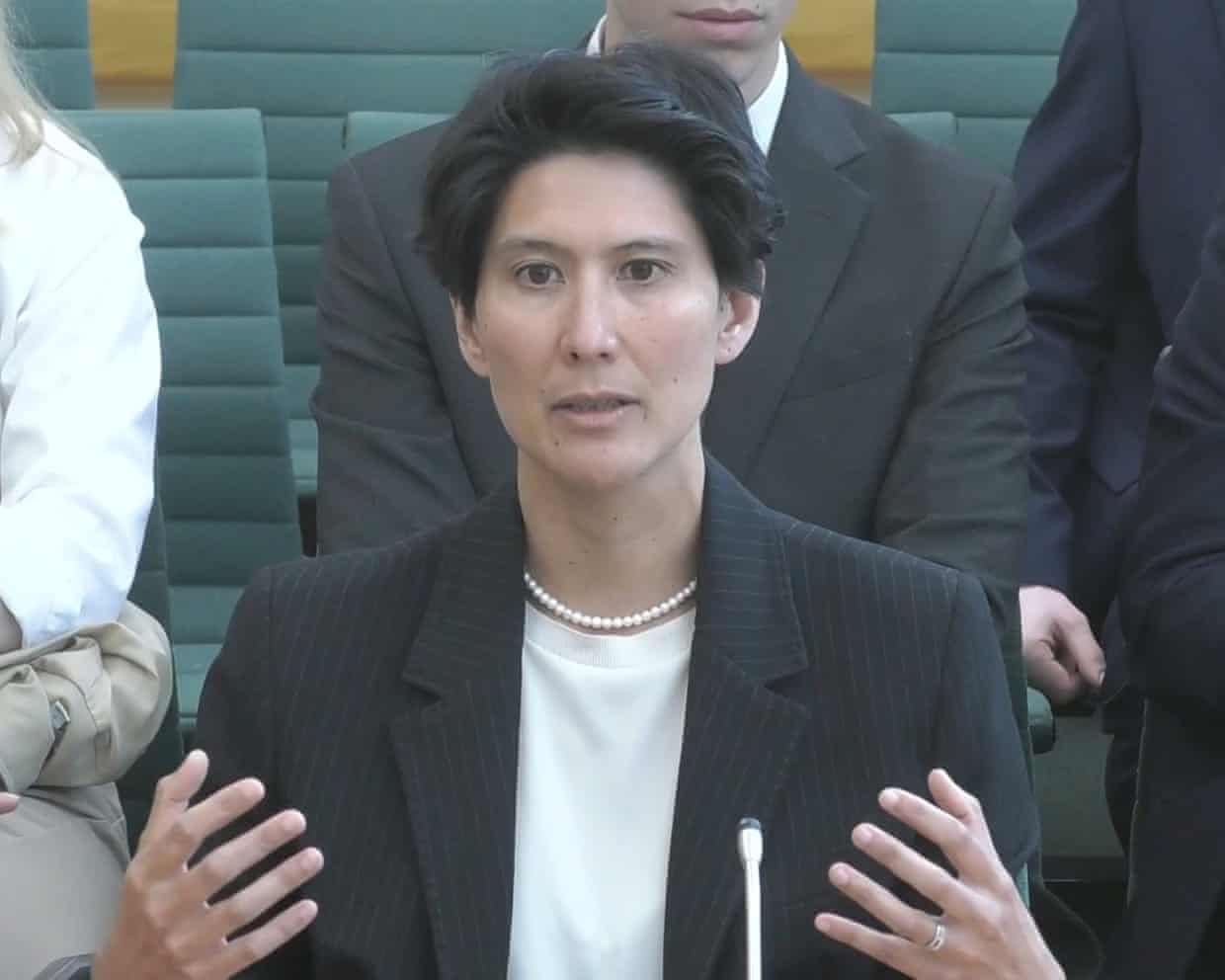
In more than 90 minutes of evidence to the foreign affairs select committee about the Peter Mandelson scandal, Cat Little, the head civil servant in the Cabinet Office, was low key and often cautious.But she did reveal several pieces of new information – or at times information different from that given to the same committee by Olly Robbins, the former permanent undersecretary at the Foreign Office.Little said her then Foreign Office counterpart had resisted sending her a summary of why Mandelson was initially refused vetting clearance, which she sought as part of her efforts to gather all relevant documents in line with a Commons “humble address” motion.“At the time, it was made clear to me that that information would not be forthcoming,” Little said.She thus “took the very unusual judgment” to ask UK Security Vetting (UKSV), which sits within the Cabinet Office, to provide it directly.
While portraying this as “a very reasonable policy conversation” rather than any kind of disagreement, Little went further than Robbins in setting out what he had called a “debate” about whether Mandelson had to be vetted.A series of emails, Little said, set out that it was a Foreign Office team who contacted UKSV and the Cabinet Office to ask whether, as a member of the House of Lords, Mandelson needed full vetting.The advice was that while it was ultimately up to the Foreign Office, vetting was needed, she added.When the first tranche of Mandelson documents released under the humble address came out last month, it was notable that boxes on a form where Starmer was supposed to put any comments about the appointment were blank.On Thursday, Little went further, saying there did not seem to be any official record of the PM approving the job.
It was, she told the Conservative MP John Whittingdale, “normal to keep a record of those sorts of decisions”,Asked if there was not one in this case, Little added: “I have shared with you the information that we have,”Saying she had “undertaken follow-up inquiries” to see if there was such a document, Little was asked by Whittingdale if she would expect to see some sort of record of the decision,Little replied: “I would,”Starmer sacked Mandelson on 11 September last year.
Four days later, Little said, the Foreign Office’s security team requested “access to a number of documents relating to the vetting file”, which were sent the same day by UKSV,Little did not reveal why the request was made, but you can perhaps imagine a sense of panic in the Foreign Office after new details emerged about Mandelson’s links to the late sex offender Jeffrey Epstein,We had previously been told about the summary of the vetting, which found its way to Little’s department as part of the humble address terms, as a document that contained the key point that Mandelson had initially been turned down, but few details,Asked about the document, Little said it was “about 10 pages” in length, space enough for considerable detail,

UK undershoots annual borrowing target by £700m
The UK government budget came in below its annual borrowing target by £700m, official figures show – but the Iran war is likely to blow a hole in Rachel Reeves’s carefully calculated fiscal “headroom” over the coming months.The government borrowed a net total of £132bn for the financial year ending in March, the Office for National Statistics (ONS) said. This slightly undershot the £132.7bn that the Office for Budget Responsibility (OBR) had forecast just last month.The total was £19

Sainsbury’s boss urges government to help ease rising energy costs for food producers
The boss of Sainsbury’s has called on the government to help ease the rising cost of energy for farmers, food producers and retailers caused by the conflict in the Middle East to prevent further price rises.Simon Roberts, the chief executive of the UK’s second largest grocer, said: “The single biggest thing the government could do to keep prices down is to make sure energy prices for the industry are not rising faster.”Referring to the expansion of support on bills for energy-intensive UK businesses announced by the chancellor last week, Roberts said: “Some sectors have seen those reliefs and it is now time to look at what’s possible in food [growing], manufacturing and retailing.”He said Sainsbury’s had not yet had problems with the availability of food, and that was being helped by the UK entering the season in which more food is home-grown. The growing season is in full swing in the UK but that takes a lot of energy to produce,” he said, highlighting the cost of heating polytunnels to produce fruit and salad vegetables, higher fuel costs to transport food from farms to shops, and the cost of running refrigerators
Iran war pushing up till price of some drugs by up to 30%, pharmacies warn
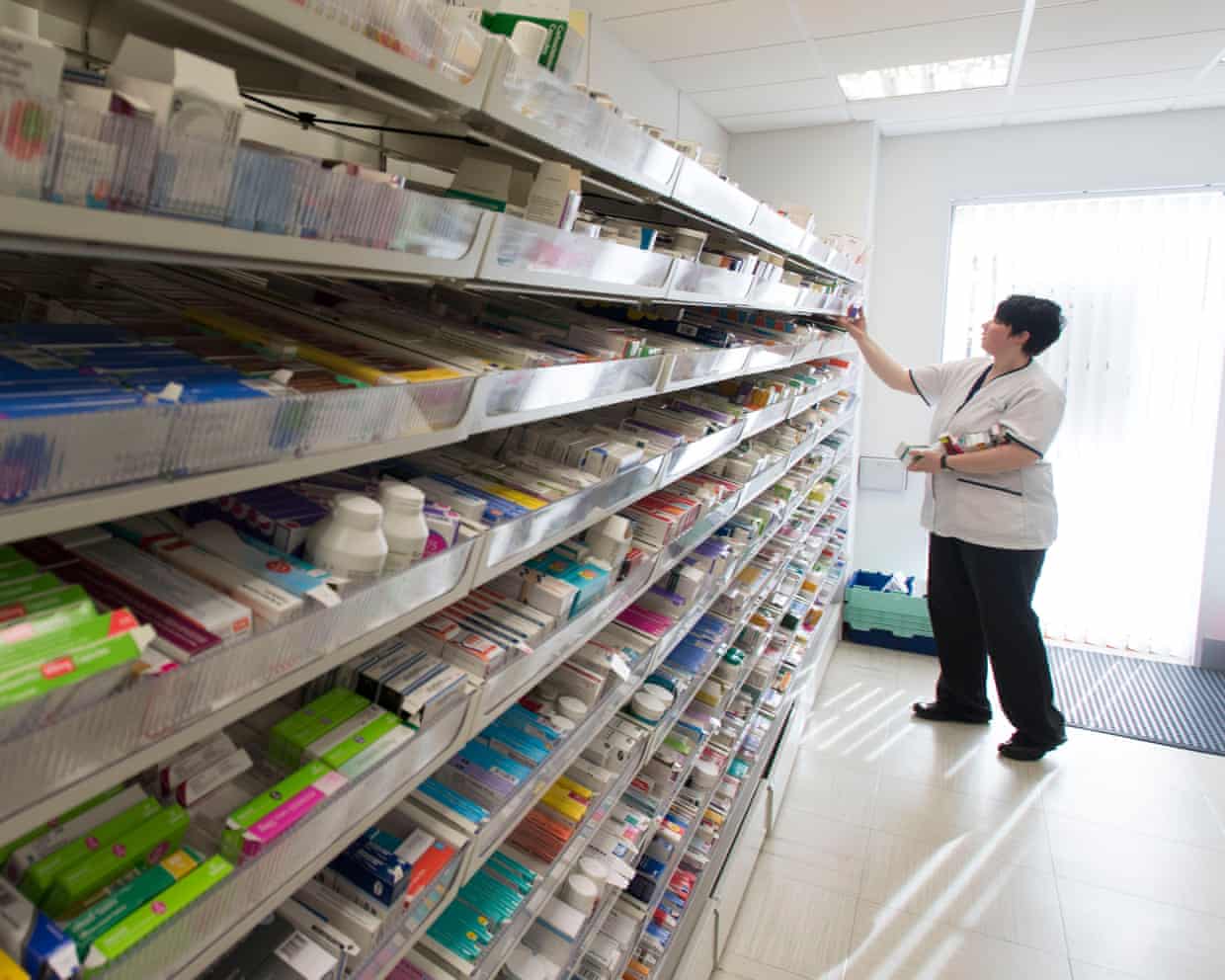
The war in Iran has pushed up the price of widely used medicines in England, including painkillers and hay fever medication, leading pharmacists have warned.Community chemists are charging customers 20-30% more for paracetamol than they did in February, according to the National Pharmacy Association (NPA), and many have run out of certain strengths of aspirin and co-codamol.Over-the-counter prices for cetirizine tablets, a common hay fever medication, are also estimated to have risen 20-30% in the same period.The jump in petrol and diesel prices since the war began nearly eight weeks ago has increased manufacturing and transport costs for medicine suppliers. These have fed through to pharmacies, which are paying 40-50% more to order in stock
Yes, retail investment needs a boost – but the squirrel looks too tame | Nils Pratley
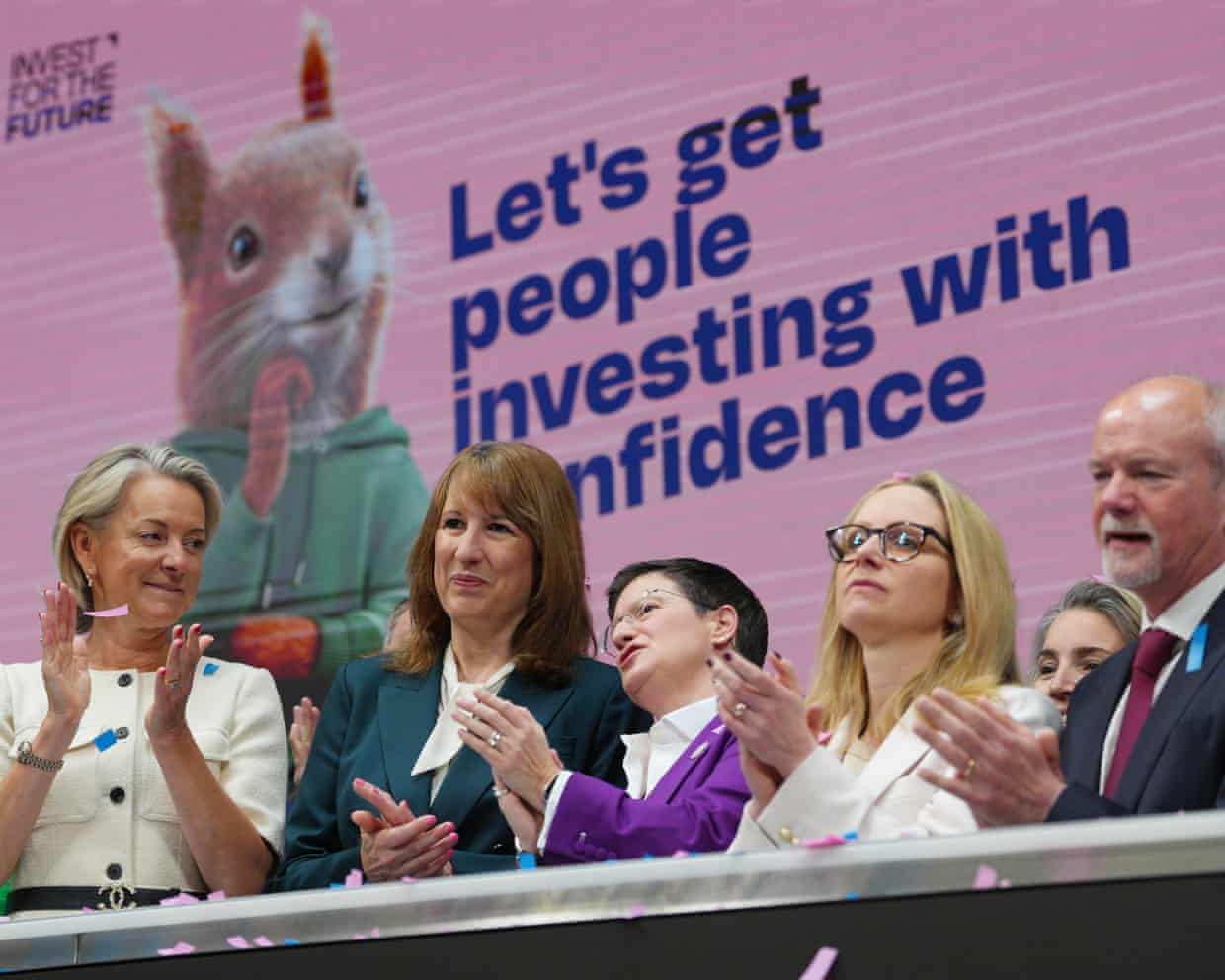
Red squirrel characters have a history in the public information game. Older UK readers may recall Tufty, who taught children about road safety in the 1970s. His chum, Willy Weasel, regularly got knocked down by passing cars but clever Tufty always remembered to look both ways.Now comes Savvy Squirrel, who, with backing from the chancellor and a multi-year lump of advertising spend from the financial services industry, will try “to drive a step-change in how investing is understood, discussed and adopted”, as the blurb puts it. In translation: don’t squirrel everything away in a boring cash Isa but try taking an investment risk or two if you value your long-term financial health

Capital gains tax changes are on the table, and yet Armageddon has not arrived. Has the tide on housing turned at last? | Greg Jericho
A funny thing happened on the way to the budget: changes to capital gains tax and negative gearing, which had for years been a no-go zone, are now looking likely.One of the first times I wrote about negative gearing was in 2015 when I covered the then treasurer Joe Hockey appearing on Q+A. He said negative gearing was needed because when the Hawke government scrapped it in the 1980s rental prices rose.He was wrong (and to be honest, this was not unusual – a lot of my columns back then involved arguing Joe Hockey was wrong). While rental price growth went up in Sydney and Perth, it didn’t in Melbourne, Brisbane or Adelaide
Middle East war ‘could wipe out 75% of chancellor’s budget headroom’; UK inflation climbs to 3.3% – as it happened
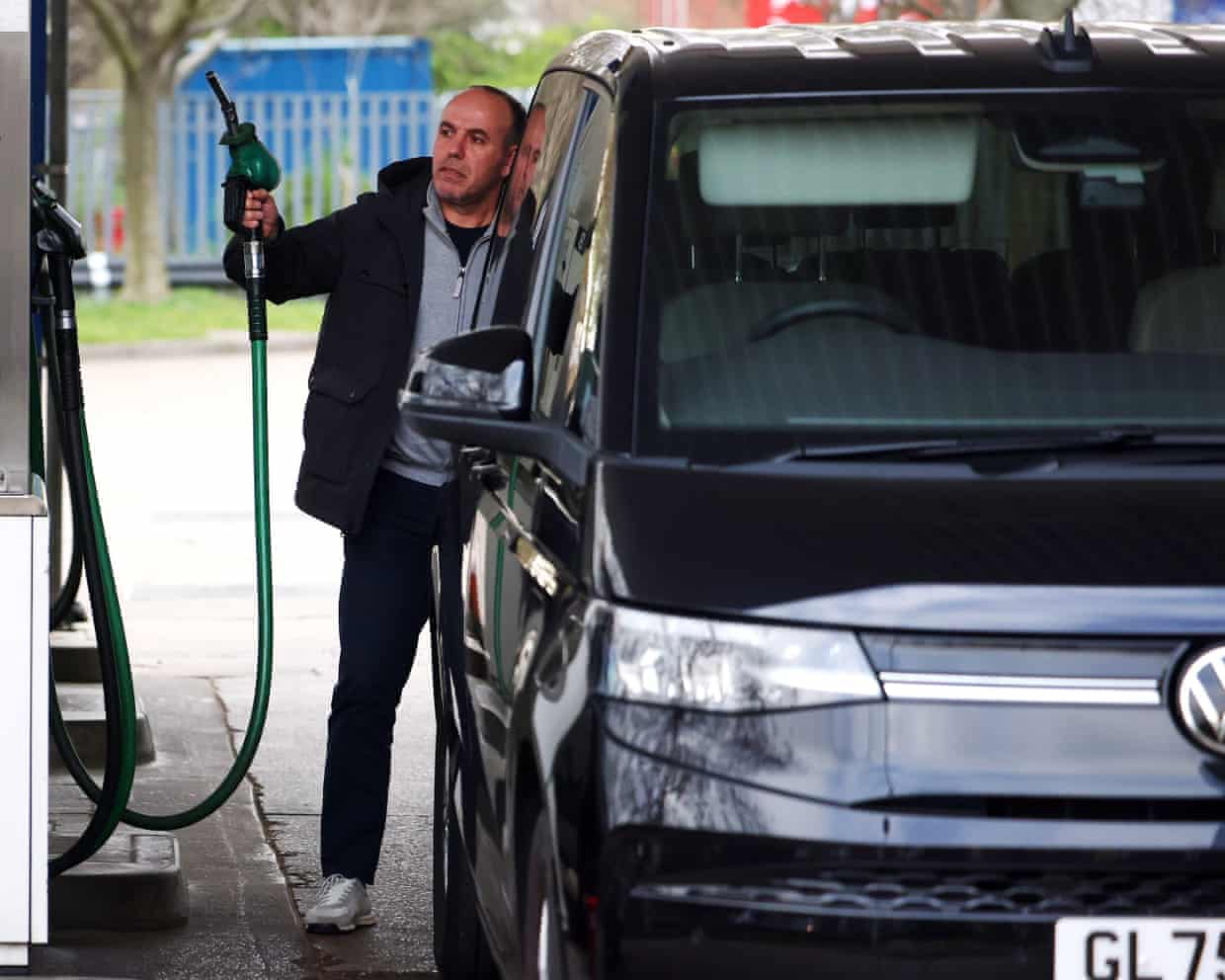
Oil prices have gone back above $100 a barrel again.Reversing earlier declines, Brent crude is now 2.1% ahead at $100.57 a barrel, after Iran seized two ships in the strait of Hormuz, tightening its grip on the strategic waterway. Overnight, Donald Trump extended the two-week ceasefire between the US and Iran, until Tehran comes up with a peace proposal

Save blue cheese rind for this unbeatable dressing – recipe | Waste not

Head’s up: 12 main-course cauliflower recipes from easy to ambitious

How do I get texture and that umami hit without meat? | Kitchen aide

Georgina Hayden’s quick and easy recipe for smoky prawn, new potato and spinach stew | Quick and easy

How to make creme caramel – recipe | Felicity Cloake's Masterclass
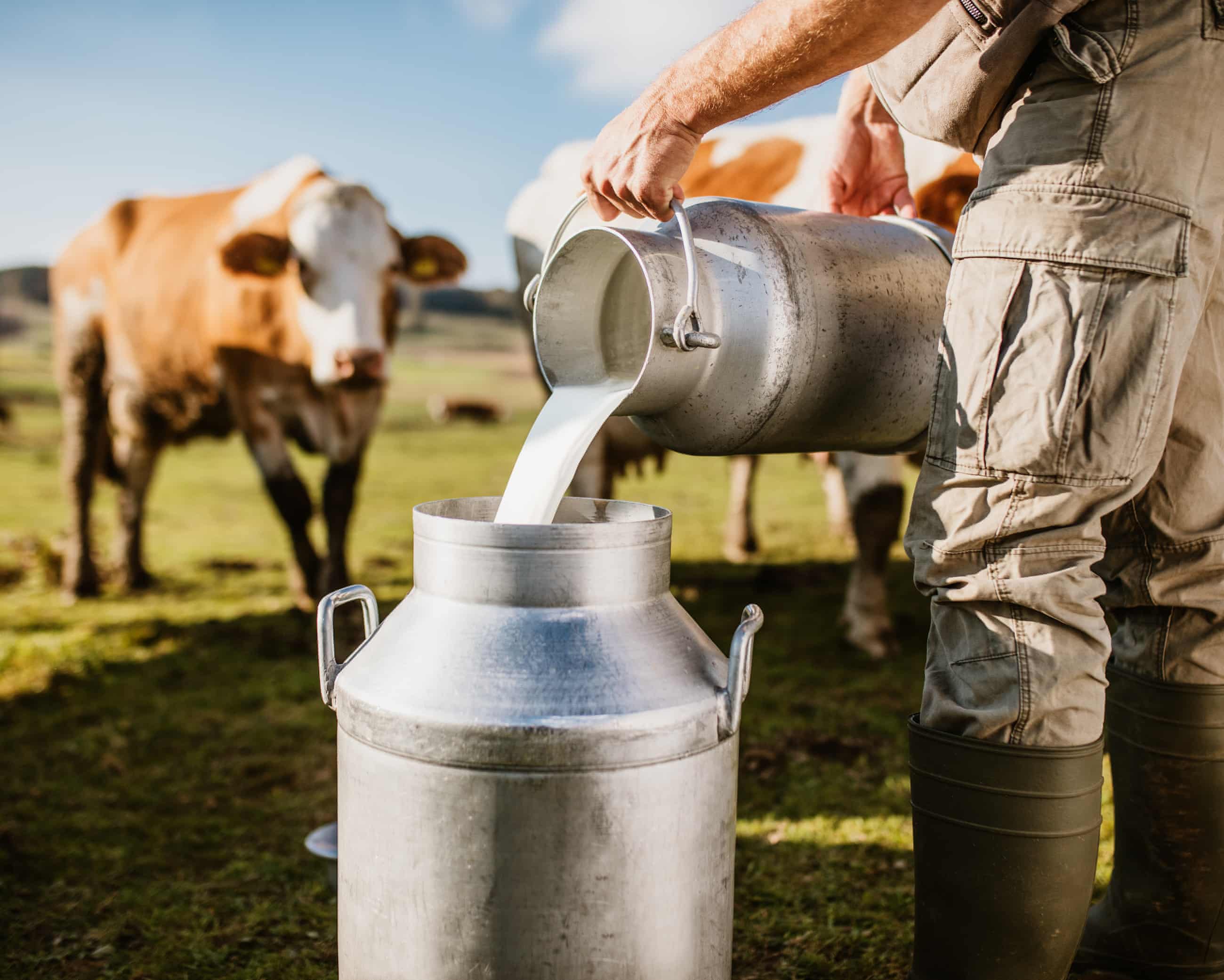
Making a splash: demand for raw and ‘brewed’ milk growing in UK