Sainsbury’s boss urges government to help ease rising energy costs for food producers
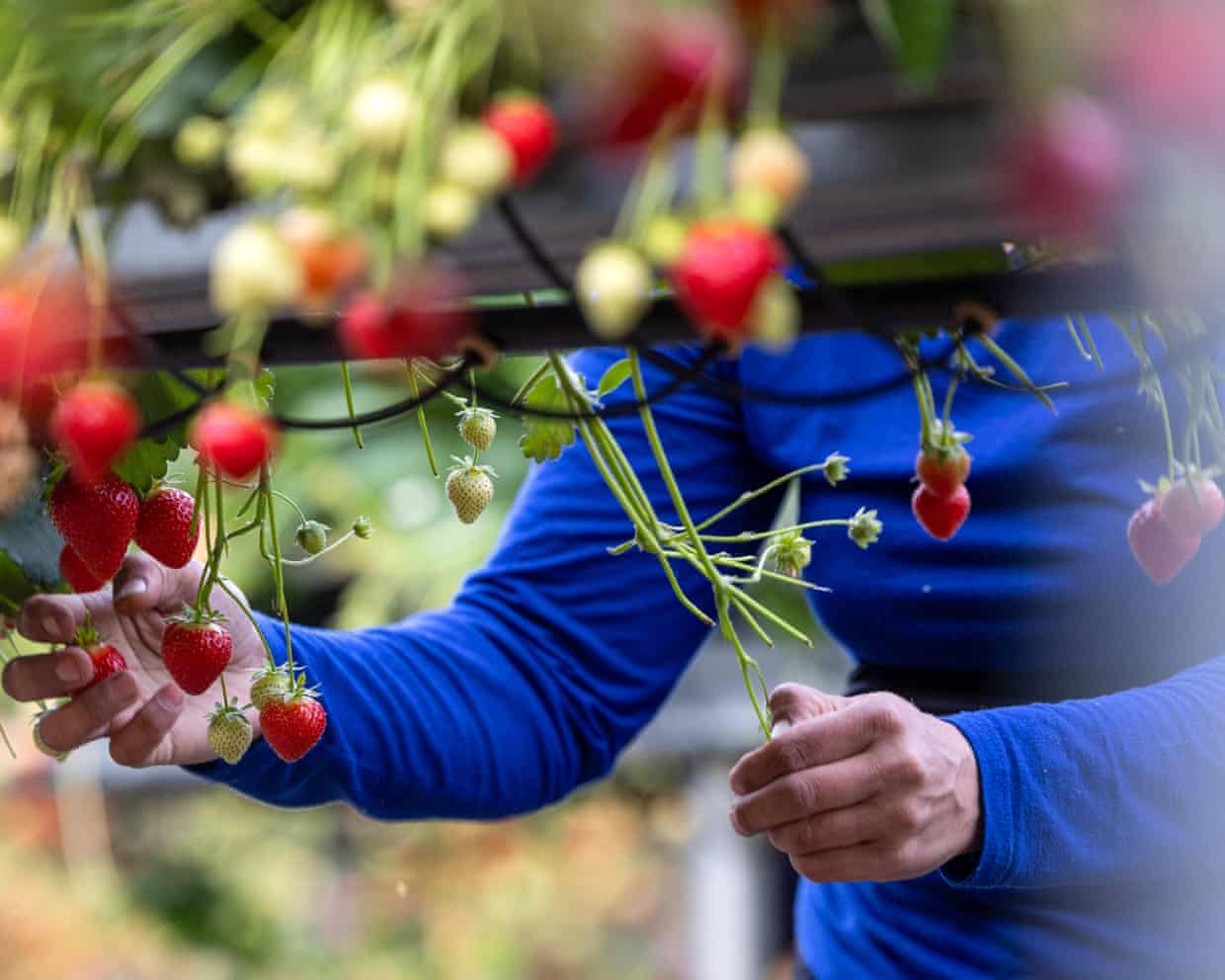
The boss of Sainsbury’s has called on the government to help ease the rising cost of energy for farmers, food producers and retailers caused by the conflict in the Middle East to prevent further price rises.Simon Roberts, the chief executive of the UK’s second largest grocer, said: “The single biggest thing the government could do to keep prices down is to make sure energy prices for the industry are not rising faster.”Referring to the expansion of support on bills for energy-intensive UK businesses announced by the chancellor last week, Roberts said: “Some sectors have seen those reliefs and it is now time to look at what’s possible in food [growing], manufacturing and retailing.”He said Sainsbury’s had not yet had problems with the availability of food, and that was being helped by the UK entering the season in which more food is home-grown.The growing season is in full swing in the UK but that takes a lot of energy to produce,” he said, highlighting the cost of heating polytunnels to produce fruit and salad vegetables, higher fuel costs to transport food from farms to shops, and the cost of running refrigerators.
“There is no doubt pressure on inflation and pressure on food prices given that energy is the single key component on food we eat every day,” he said.Shares in Sainsbury’s slid almost 5% on Thursday as the company warned that profits could fall this year as the conflict in the Middle East squeezes customers’ budgets and pushes up business costs.The supermarket group said the conflict “will impact both our customers and our business” and it was unclear how large the effect would be.The company reported a 1.1% increase in annual underlying profits for the year to 28 February – just as the US-Israeli attacks on Iran began – at £1.
03bn, helped by ending losses from its financial services arm.Sainsbury’s said uncertainty over the war meant it was unclear whether profits would be marginally higher or lower than its last financial year.It predicted it would make an underlying profit of £975m to £1.08bn.“The duration and extent of these impacts is very uncertain and this is reflected in our profit guidance,” it said.
Roberts said: “The conflict in the Middle East means customers are even more focused on the cost of living, and we are absolutely committed to making sure everyone gets the best possible value when they shop with us,”The impact of the Iran war on retailers was also evident at WH Smith,On Thursday the company – which has stores in airports and railway stations – cut its profit forecast for the year ahead by about £10m to £90m-£105m “in light of the uncertainty arising from the conflict in the Middle East” and “reflecting the impact on passenger numbers and weaker consumer confidence”,Sainsbury’s, which also owns Argos and Habitat, increased annual sales by 4,3% to almost £30bn.
Sales at Argos rose only 0,7% as the group said it faced “a highly competitive and subdued general merchandise market; volume growth was largely offset by pricing pressure and higher participation of lower-ticket items”,The supermarket group said it had gained the highest market share in a decade as it had invested in keeping prices down despite cost inflation,Roberts said: “Rather than pass through the full extent of cost inflation, we invested to sustain the strength of our competitive position while also refreshing stores, improving digital experiences and increasing colleague pay by 5%,”The group is using more robots and automation in warehouses for Sainsbury’s and Argos and has launched an “AI centre of excellence” to promote adoption of the technology across the business, including in customer service and the supply chain.
Sainsbury’s said it expected to open 10 new supermarkets this year and 20 new convenience stores.It opened 10 supermarkets and 33 convenience stores last year.
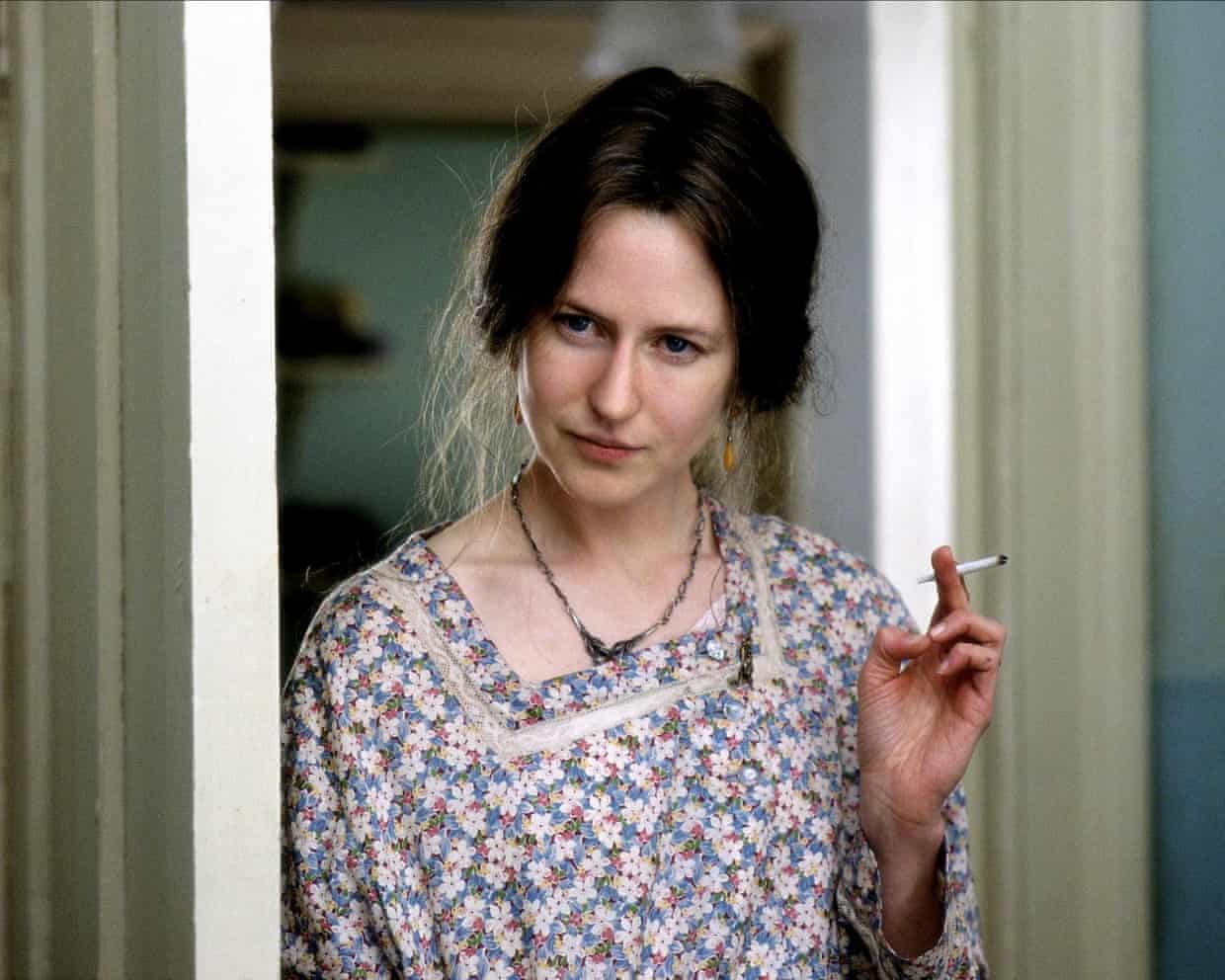
The Hours won awards for Nicole Kidman’s fake nose – and hearts as a queer classic
Michael Cunningham’s Pulitzer prize-winning book The Hours – inspired by Virginia Woolf’s seminal 1925 novel, Mrs Dalloway – imagines one day in the lives of three women separated across time periods. The triptych follows Woolf in the throes of writing Mrs Dalloway; Laura Brown, a depressed housewife who is reading Woolf’s novel in postwar America; and Clarissa Vaughan, a New Yorker who acts as a contemporary embodiment of Woolf’s titular character.Cunningham’s 1998 text, though widely acclaimed, was initially deemed unadaptable due to its nonlinear structure and stream-of-consciousness approach that paid homage to Woolf’s pioneering style. However, since its publication, The Hours (which takes its name from Mrs Dalloway’s working title), has been reinterpreted as an opera and, most notably, a 2002 film directed by Stephen Daldry.As the title suggests, the film explores the ways in which the routine of a single day can be at once beautiful in its ordinariness or seismic in its oppressive mundanity
Vanessa’s a pillar of the hiking community | Brief letters
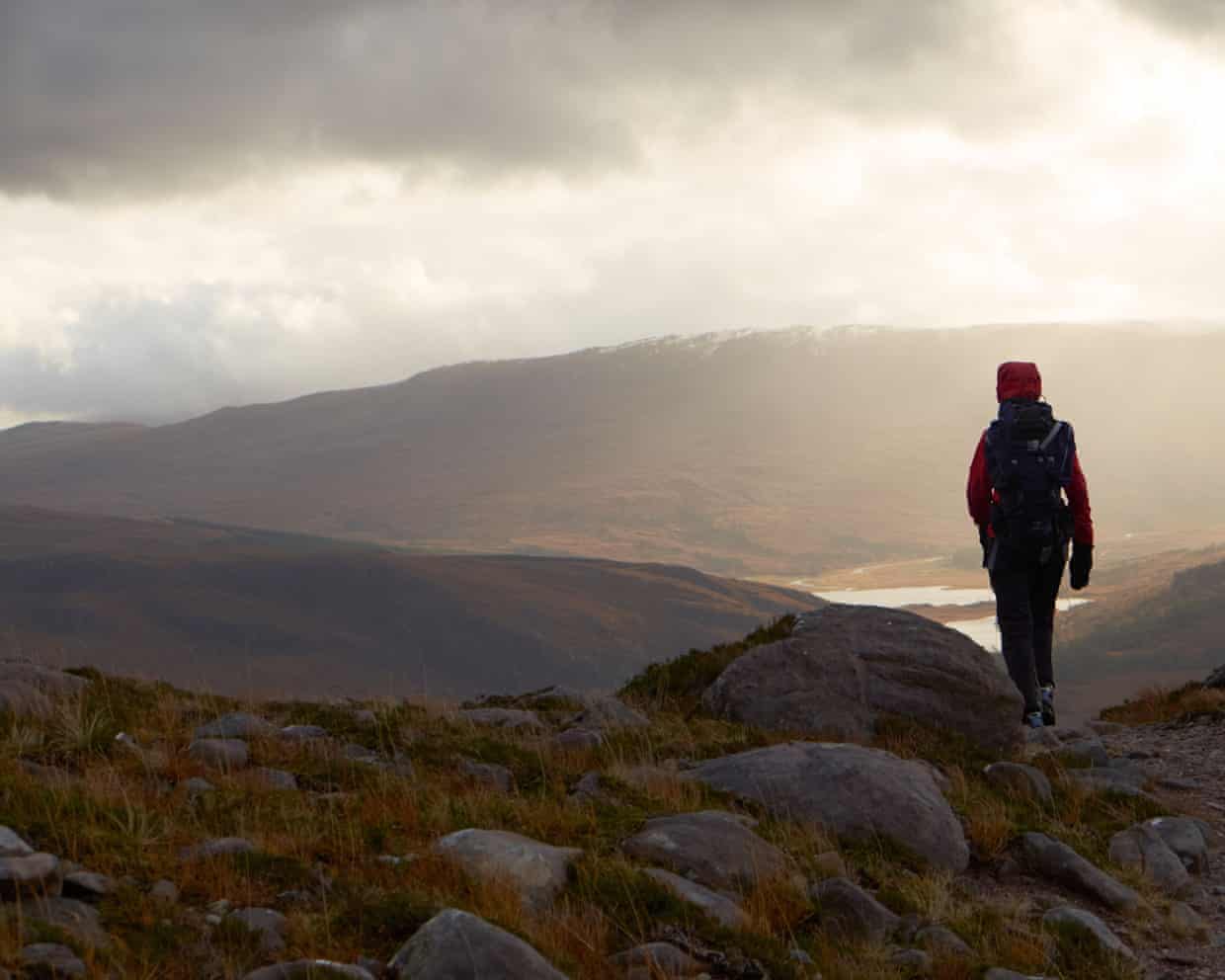
Your report (Campaigners seek listed status for historic trig points that mapped Britain, 16 April) didn’t mention the Vanessa trig point – Vanessa being a corruption of the Venesta company, which made cardboard tubes into which the concrete for the pillars was poured. These were designed for less accessible places, mostly in the Scottish Highlands and Islands. I was never less than half exhausted when I met one.Margaret SquiresSt Andrews, FifeThe Guardian’s journalism is independent. We will earn a commission if you buy something through an affiliate link
Zoologist, author and presenter Desmond Morris dies aged 98
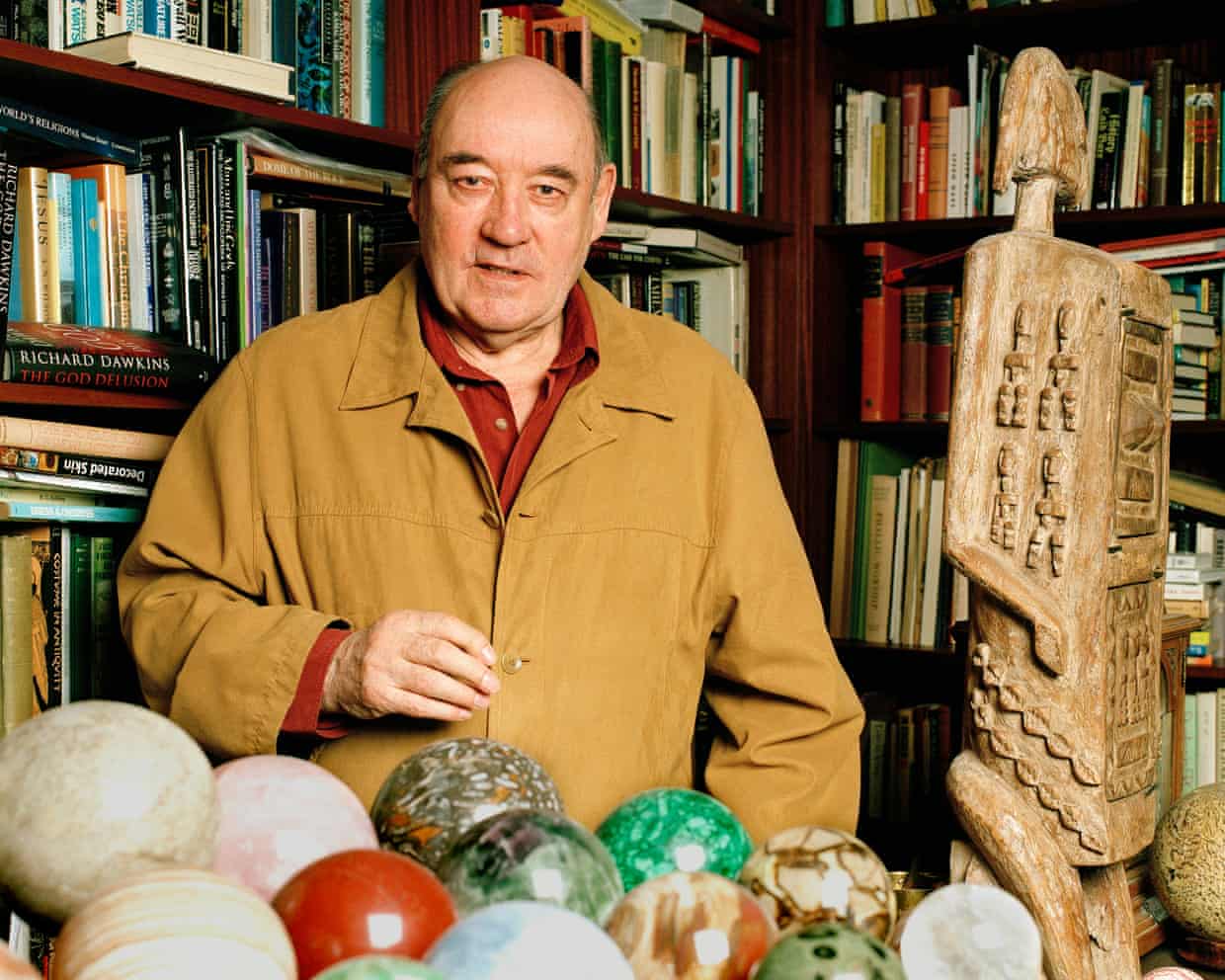
The zoologist Desmond Morris, perhaps best known for his book The Naked Ape and his work on the ITV programme Zoo Time, has died aged 98.Morris’s son Jason paid tribute to him after his death on Sunday, praising his many professional achievements as well as his role as a father and grandfather.“His was a lifetime of exploration, curiosity and creativity,” Jason said. “A zoologist, manwatcher, author and artist, he was still writing and painting right up until his death. He was a great man and an even better father and grandfather
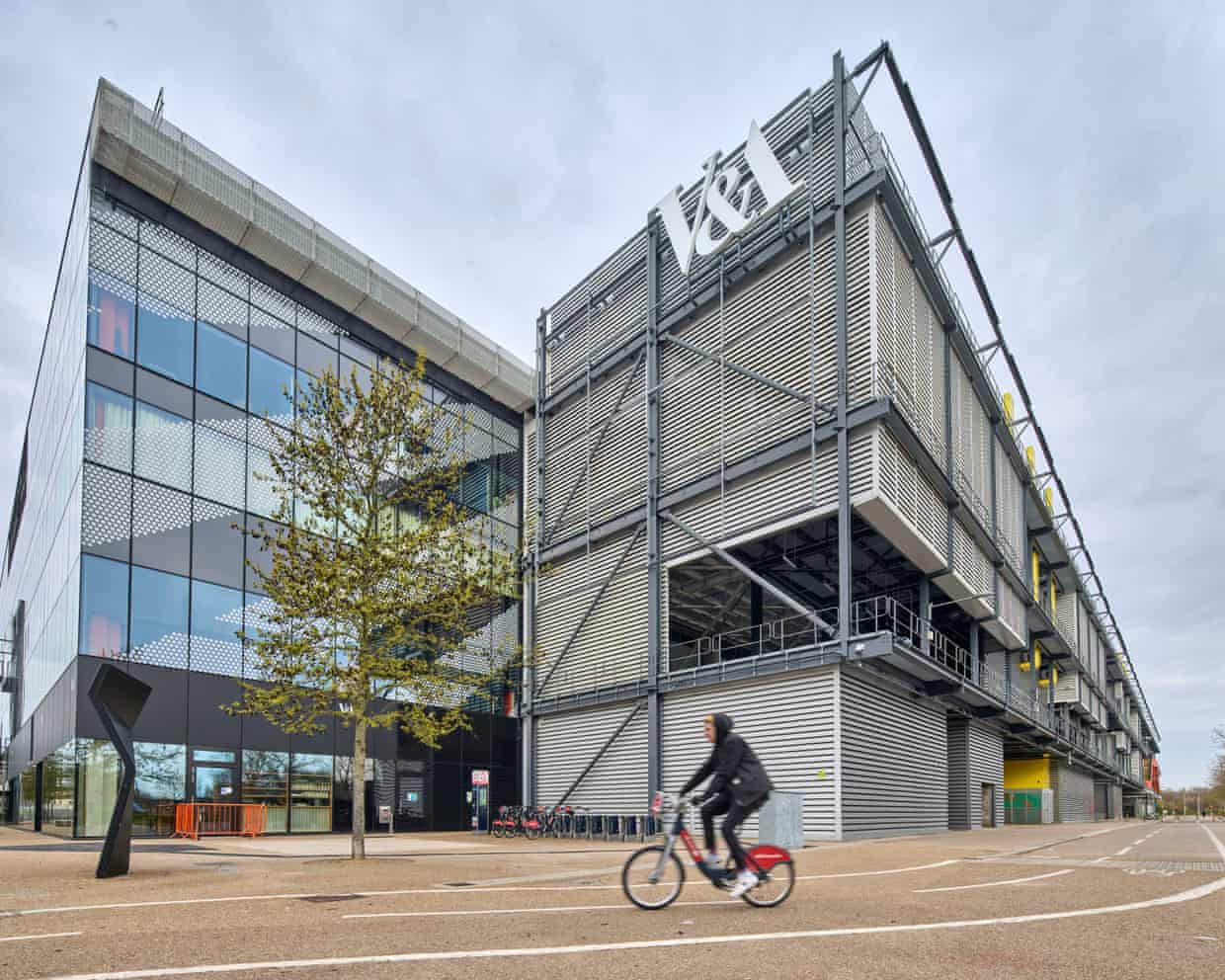
V&A East Storehouse and Norwich Castle among finalists for museum of the year
The V&A East Storehouse, the National Gallery and an accessible castle in Norwich are among the contenders for this year’s Art Fund museum of the year award, the most prestigious UK prize in the sector.The annual prize offers the winner £120,000, with £20,000 going to each of the other finalists, who the Art Fund’s director, Jenny Waldman, said had all “innovated in different ways”.This year’s list is dominated by some of the biggest names in the cultural sector that have undergone big refurbishments or invested in significant new outposts, such as the V&A’s East Storehouse, which will be seen by many as a frontrunner.Based in the Olympic Park in Stratford, east London, the space aims to reimagine what a storeroom can be, with partitions removed so visitors can see “and breathe the same air” as the objects. Waldman said the V&A Storehouse, which opened in spring 2025 at a cost of £65m, had broken the boundaries of what a store could be
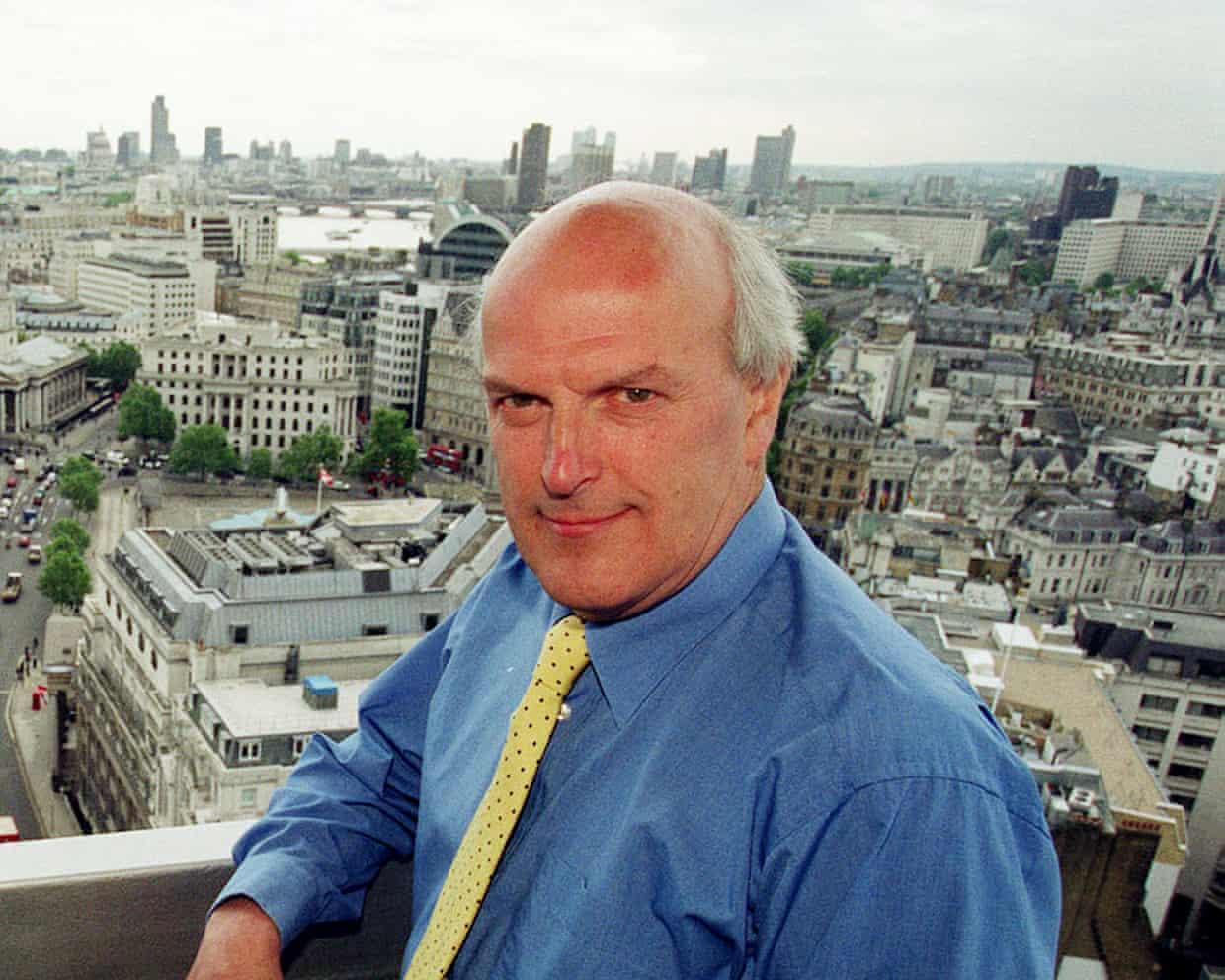
Letter: Sir Neil Cossons obituary
In 1971, Neil Cossons and I were on the staff of Liverpool Museum, and he invited me to accompany him on a visit to Ironbridge Gorge in Shropshire. We admired Blists Hill furnace, the bridge, the surrounding buildings and their setting, and shortly afterwards he became its director.The appeal it had as a monument to the industrial revolution lay in it being a complete entity. Many other site-based museums rely on translocating buildings, often into a replicated local landscape. History occurs in places, and Neil knew that raising one’s gaze from the built artefacts to the landscape enables understanding: preserving the place was crucial
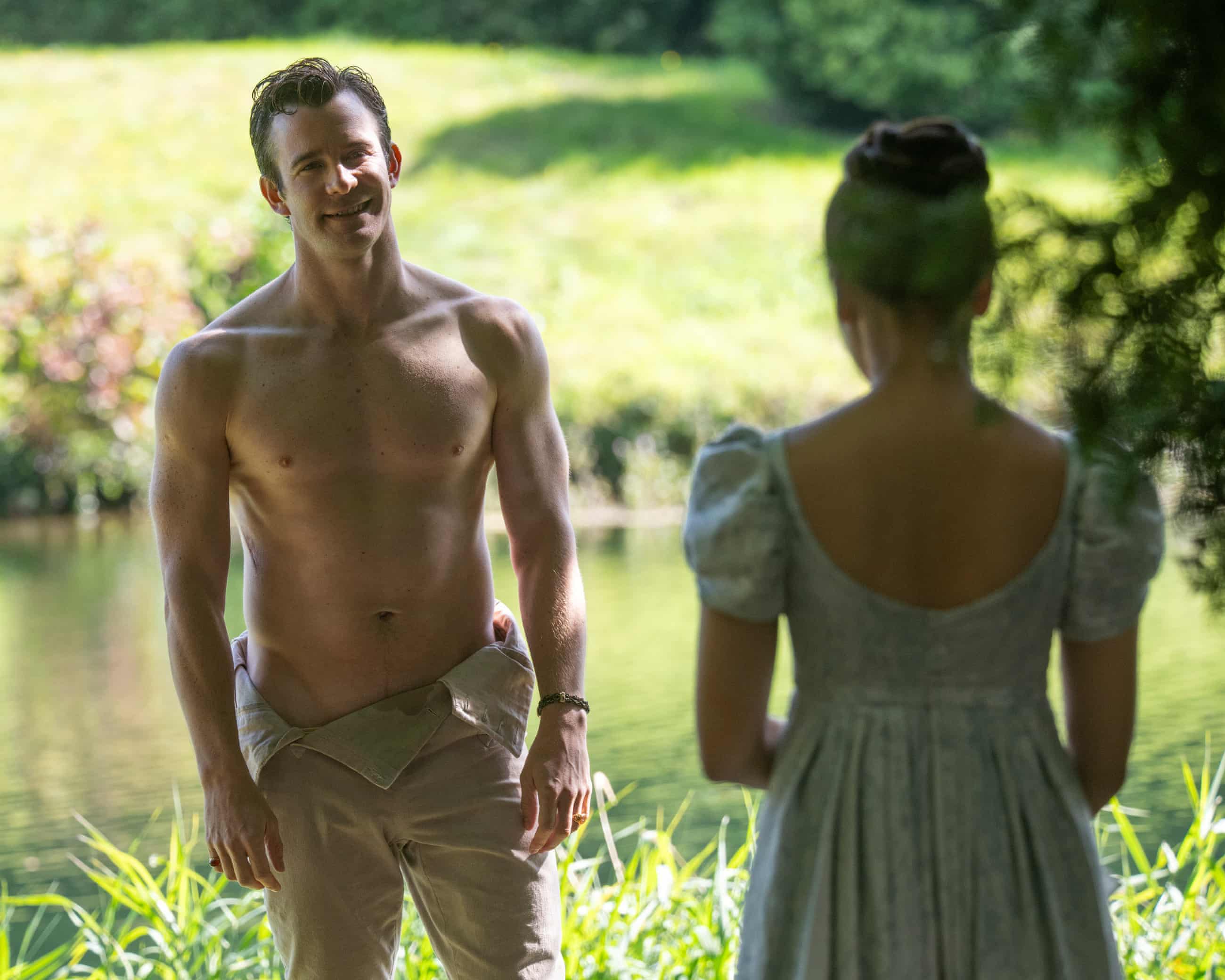
‘Women want to experience pleasure’: how the female gaze caught the attention of film, TV and fiction
From passionate romantasy novels to premium television dramas, culture is bringing the agency, desires and interior lives of women to the fore. It’s proving good for business, but is this a permanent revolution?Do you voraciously read the pages of steamy romantasy bestsellers by Sarah J Maas or Rebecca Yarros? Or flood your group chat with breathless recaps of the latest goings-on in TV series such as Heated Rivalry or Bridgerton? Or even immerse yourself in the divisive and challenging cinematic worlds of Emerald Fennell? If so, you surely can’t have failed to notice that in pop culture, the female gaze – storytelling that highlights the meandering, textured, sublimely messy inner worlds and wants of women – is enjoying an explosion.On TV, you can see it everywhere, in the interior lives and desires taken up by Big Little Lies, Sirens or Reese Witherspoon and Kerry Washington’s Little Fires Everywhere. Romantasy harbours it in the shape of powerful maidens and sex in fae (fairy) realms, while Fennell’s Wuthering Heights and Promising Young Woman are marketed with the promise of converting women’s experiences into dark beauty on the big screen.A shift, a moment or a commercial juggernaut? That depends how deeply you look
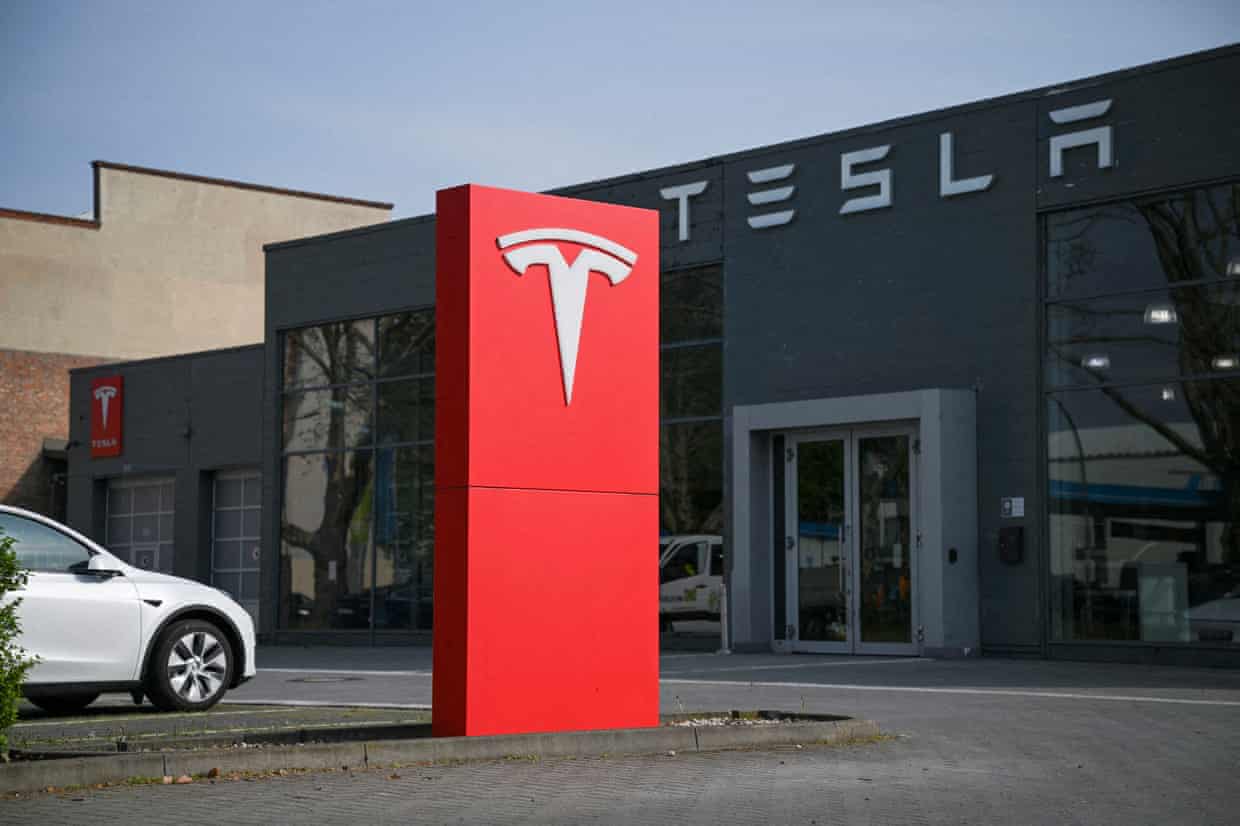
Tesla reports mixed financial results as Musk pivots automaker to AI and robots
What is Mythos AI and why could it be a threat to global cybersecurity?
‘Get back to work’: Amazon faces fresh scrutiny over workplace safety record
Anthropic investigates report of rogue access to hack-enabling Mythos AI
AI hallucinations found in high-profile Wall Street law firm filing

‘An element of exploitation’: the world of TikTok child skincare influencers