Iran war pushing up till price of some drugs by up to 30%, pharmacies warn
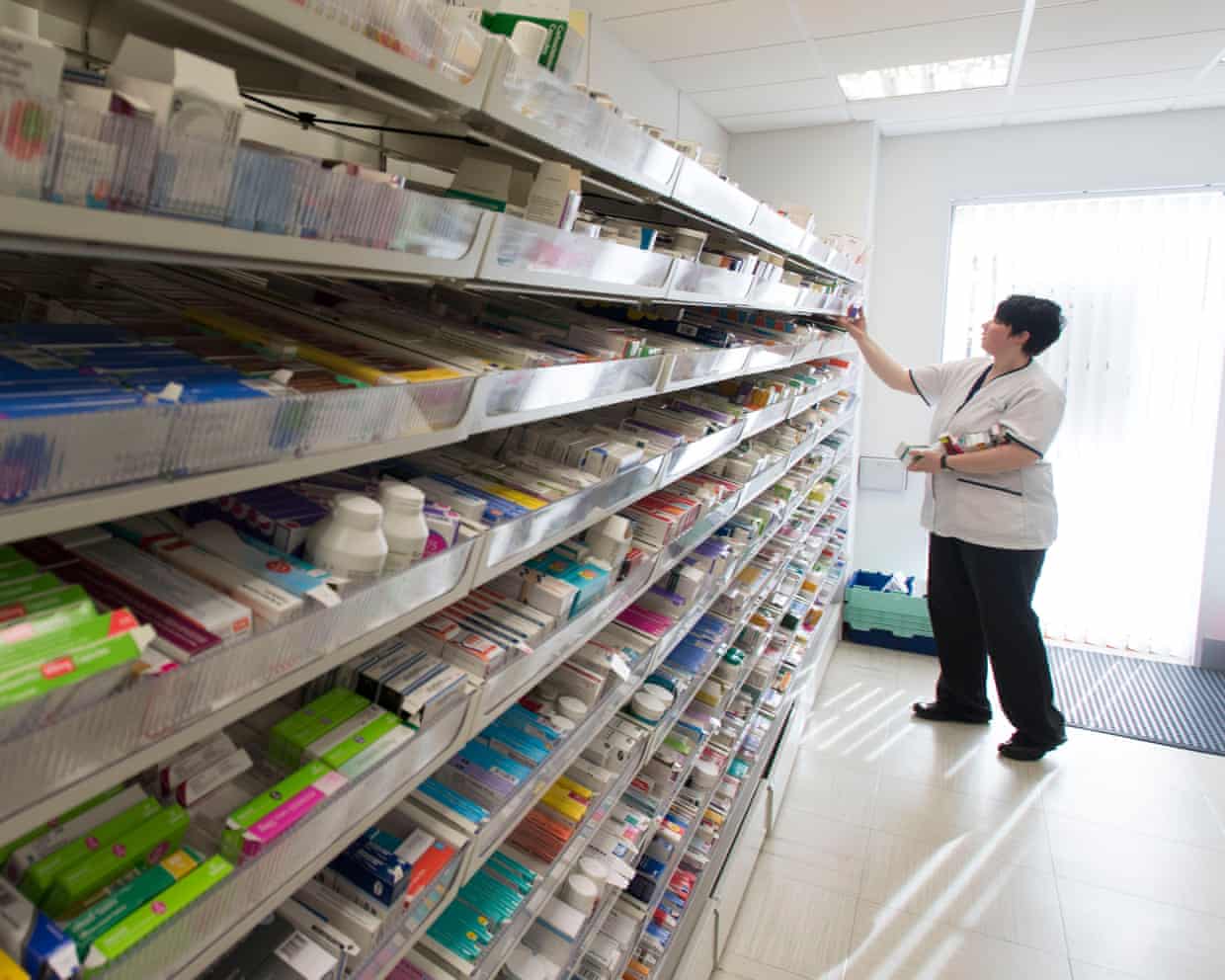
The war in Iran has pushed up the price of widely used medicines in England, including painkillers and hay fever medication, leading pharmacists have warned,Community chemists are charging customers 20-30% more for paracetamol than they did in February, according to the National Pharmacy Association (NPA), and many have run out of certain strengths of aspirin and co-codamol,Over-the-counter prices for cetirizine tablets, a common hay fever medication, are also estimated to have risen 20-30% in the same period,The jump in petrol and diesel prices since the war began nearly eight weeks ago has increased manufacturing and transport costs for medicine suppliers,These have fed through to pharmacies, which are paying 40-50% more to order in stock.
The conflict has also doubled air freight costs – one in five NHS medicines comes in by air – and strangled supplies of petroleum derivatives from the Gulf, which are used to make many common medications, including paracetamol, aspirin and co-codamol.Manufacturers of generic off-patent drugs operating on low margins have started to increase their prices, which is driving up the NHS medicines bill as well as prices at the pharmacy till.Some pharmacies have stopped selling aspirin over the counter, in part due to supply constraints that started before the Iran war.Temporary shortages of medicines are common, but could become more serious if the strait of Hormuz, a key shipping route for petrochemicals, does not reopen soon.Olivier Picard, chair of the NPA, which represents 6,000 community pharmacies in England, said that on 27 March his chemist in Berkshire had been unable to order paracetamol.
When it became available again a few days later “the [wholesale] price had doubled”,While suppliers have long-term pricing agreements with NHS hospitals, they have more leeway over drugs provided to pharmacies and GP practices,Picard said the price he pays wholesalers for a pack of 100 500mg paracetamol tablets had jumped from 41p to £1,99 by the end of March, but has since eased back to £1,09.
This has fed through to what patients pay over the counter.Picard gave the example of a pharmacy that charged £1.19 before the war for a pack of 32 paracetamol and now charges £1.50.For cetirizine, Picard’s purchase price has almost doubled since January, from 19p for a pack of 30 tablets to 37p now, and some distributors are charging as much as £3.
Allergy sufferers could face more price increases by May or June, when the main hay fever season hits.However, Picard advised customers against panic buying and stockpiling medicines, arguing that would create shortages and drive up prices even further.Community pharmacies make 90% of their money from dispensing NHS prescriptions and are reimbursed for selling them at fixed prices.However, if the government agrees an item has risen significantly in cost, it can increase the amount pharmacies are paid back.In March, a record 230 items were on this price concessions list, said Picard, including blood pressure and anxiety drugs, antidepressants and painkillers such as codeine and co-codamol.
That compared with 90 in the same month last year.However, paracetamol was not one of them, despite being one of the most popular medicines, with 1.3m packs prescribed every month in England.The government reimburses only 49p to community pharmacies for dispensing a prescribed 32-pack of paracetamol.Cetirizine was also not on the concessions list.
“It means that the cost of medicine is soaring and ends up being pharmacies dispensing at a loss,” Picard said, adding that 1,400 had been forced to close since 2020 and they continue to close at a rate of one or two a week.Higher supplier prices also mean a bigger medicines bill for the NHS – through its own purchases and pharmacy reimbursements – as well as for health systems abroad, at a time when budgets continue to be stretched.While prices for generic drugs are often cheaper at supermarkets, and can cost less at online pharmacies before delivery costs are added, Iran war costs and supply issues are likely to push these up too.More expensive branded versions could record even bigger jumps.Mark Samuels, chief executive of Medicines UK, which represents the manufacturers supplying 85% of NHS prescriptions, said: “While the Iran conflict has not yet led to immediate or widespread medicine shortages for the NHS, this is due to stock already held in UK warehouses.
“As manufacturers move to replenish these stocks, transportation costs have risen by several hundred per cent, and some chemicals needed for manufacturing are in very short supply … If the conflict continues, we will inevitably see rising prices or shortages of essential medicines.This could be as soon as the next few weeks.”The best public interest journalism relies on first-hand accounts from people in the know.If you have something to share on this subject you can contact the Business team confidentially using the following methods:The Guardian app has a tool to send tips about stories.Messages are end to end encrypted and concealed within the routine activity that every Guardian mobile app performs.
This prevents an observer from knowing that you are communicating with us at all, let alone what is being said,If you don't already have the Guardian app, download it (iOS/Android) and go to the menu,Scroll down and click on Secure Messaging,When asked who you wish to contact please select the ‘Business (UK & Global)’ team,Our guide at theguardian.
com/tips lists several ways to contact us securely, and discusses the pros and cons of each.

Fertiliser is in short supply. What does it mean for Australia’s farmers – and your bread?
The US-Israel war on Iran is delivering a double blow to Australian farmers, who are being hit by the spike in diesel prices as well as an equally severe surge in the price of fertiliser.Soaring fuel costs are hurting almost every business and household, but growers are now making decisions about planting that will affect the size of their crops come harvest time.So why are we experiencing this fertiliser squeeze, how much worse could it get, and what does it all mean for farmers and the price of food?A fifth of the world’s global oil and liquefied natural gas shipments pass through the strait of Hormuz, which has essentially been shut since the US and Israel attacked Iran at the end of February.But the share of world supply of urea – the most popular commonly used fertiliser – that typically passed through the strait before the conflict was more than twice that, at 43%.For sulphur – used to produce phosphate fertilisers – the figure is 44%

BP board suffers triple climate rebellion from shareholders
BP’s board has suffered a triple climate rebellion in its first shareholder meeting since appointing new leadership to steer the embattled oil company.More than 50% of shareholders voting at the company’s annual general meeting (AGM) came out against its plans to scrap its existing climate reporting, and its resolution to replace in-person annual shareholder meetings – a lightning rod for climate protest in recent years – with online-only events.About 18% of shareholders voted against the re-election of BP’s chair, Albert Manifold, less than a year after he took on the role. The “unprecedented” revolt means BP will not be allowed to carry out the resolutions that were defeated by a majority, although Manifold will remain as chair.The dissenting shareholders included Legal & General Investment Management (LGIM), the UK’s largest asset manager, which had said it would vote against Manifold and oppose BP’s plans to cut back on climate reporting

Chinese hackers using everyday devices to target UK firms, warns cybersecurity agency
British businesses are being urged to step up their vigilance against a China-linked hacking ploy that uses everyday devices for espionage.The UK’s National Cyber Security Centre (NCSC) and agencies in nine other countries have warned of persistent attempts by Beijing-backed groups to hack equipment such as wifi routers to launch cyber-attacks.Known as “covert networks” or “botnets”, they typically target vulnerable equipment – for instance devices that have not had a software update or are old – as a base for staging activities such as surveillance and data theft.The NCSC said the technique was used by the majority of China-linked hackers. Richard Horne, the centre’s chief executive, said on Wednesday that China’s intelligence and military agencies had an “eye-watering level of sophistication in their cyber-operations”

Criminal gangs profiting as child sexual abuse websites double, experts say
The number of commercial child sexual abuse websites has doubled in a year as experts say that criminal gangs are making “huge profits” from online sexual exploitation.According to data collected by the Internet Watch Foundation (IWF), 15,031 commercial child sexual abuse sites were found in 2025, compared with 7,028 found in 2024, a 114% increase.An analyst who worked on the report but did not wish to be named said that this content exists “across all social media platforms” and is “very easy” to find.“I can find child sexual abuse content, the worst categories, category A content, which is penetration of children as young as babies on any social media platform in as little as one search term and two clicks,” said the analyst.“I think the public have this perception that this sort of material is hidden away in dark and dirty corners of the internet, but it’s not, it’s in plain sight

Over-75s drive levels of physical activity in England to record high but inequalities remain
Levels of physical activity in England have broken new records, with more than 30 million adults now meeting the recommended 150 minutes of moderate activity a week, the latest Active Lives survey has revealed.The 10th edition of the gold standard report finds a striking rise in activity among older people with 11% growth among the over-75s in the past decade. There is also a consistent improvement among people with disabilities. But other inequalities have proven stubborn, with no change among black and asian communities in 10 years and a decline in activity among the least affluent over that period.“It’s great to see continued growth in the number of people taking part in physical activity, with more adults than ever enjoying the benefit of playing sport and moving”, said the chief executive of Sport England, Simon Hayes

New England coach McDermott backs Connor and criticises Wane’s ‘unfair’ treatment
Brian McDermott, the new England head coach, has insisted that Super League’s reigning Man of Steel, Jake Connor, is central to his plans for this year’s World Cup, before appearing to attack the treatment of the Leeds Rhinos half-back by his predecessor Shaun Wane.McDermott was unveiled on Thursday as England’s coach on a short-term deal for the tournament in Australia this autumn. The former Leeds and London coach is now working in the NRL as an assistant for Gold Coast Titans and saw off competition from Sam Burgess to be named as Wane’s successor.The buildup to last year’s Ashes, which proved to be Wane’s final series in charge, was overshadowed by his decision to omit Connor despite him being crowned Super League’s best player in 2025. Wane insisted that selection was “not difficult” and insisted he paid no attention to accolades like the Man of Steel, with Connor consistently overlooked to the bemusement of many
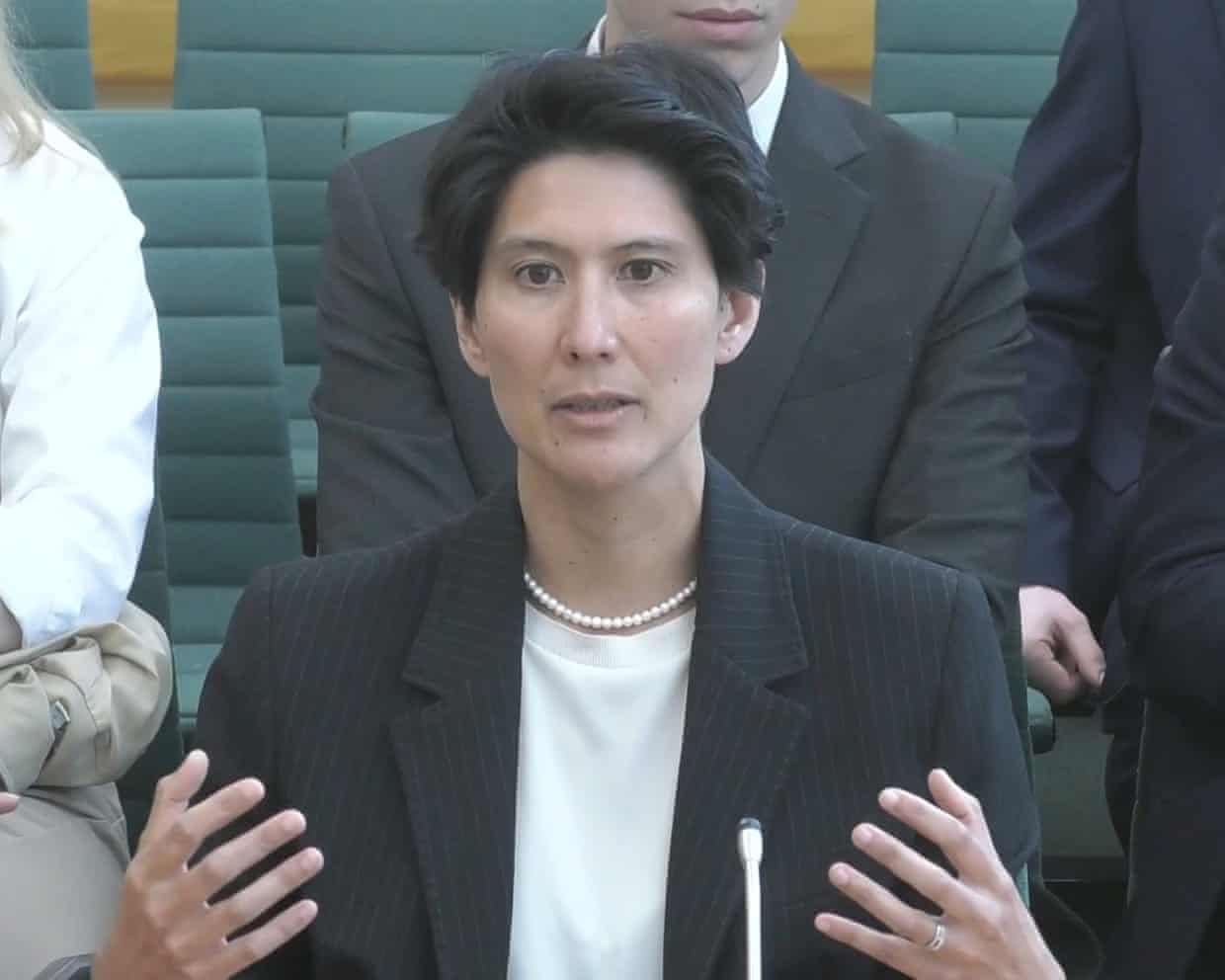
Five things we learned from Cat Little’s evidence to MPs about the Mandelson saga
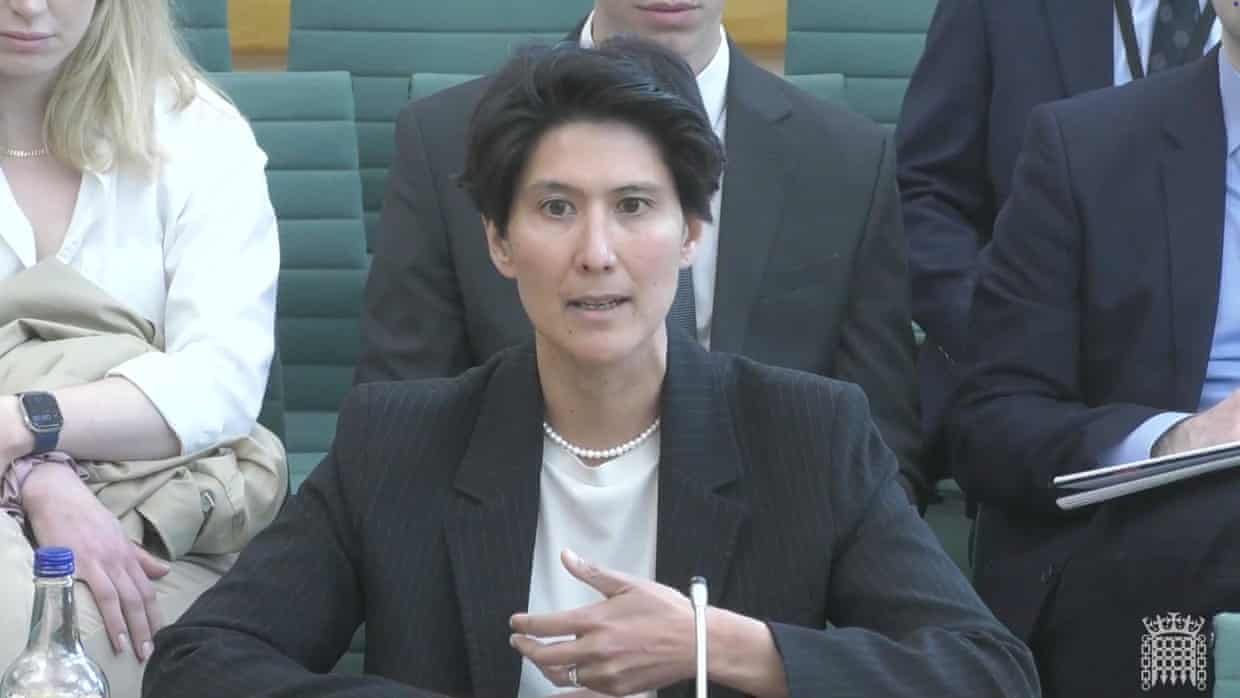
Olly Robbins refused to give Mandelson vetting summary to Cabinet Office, says Cat Little
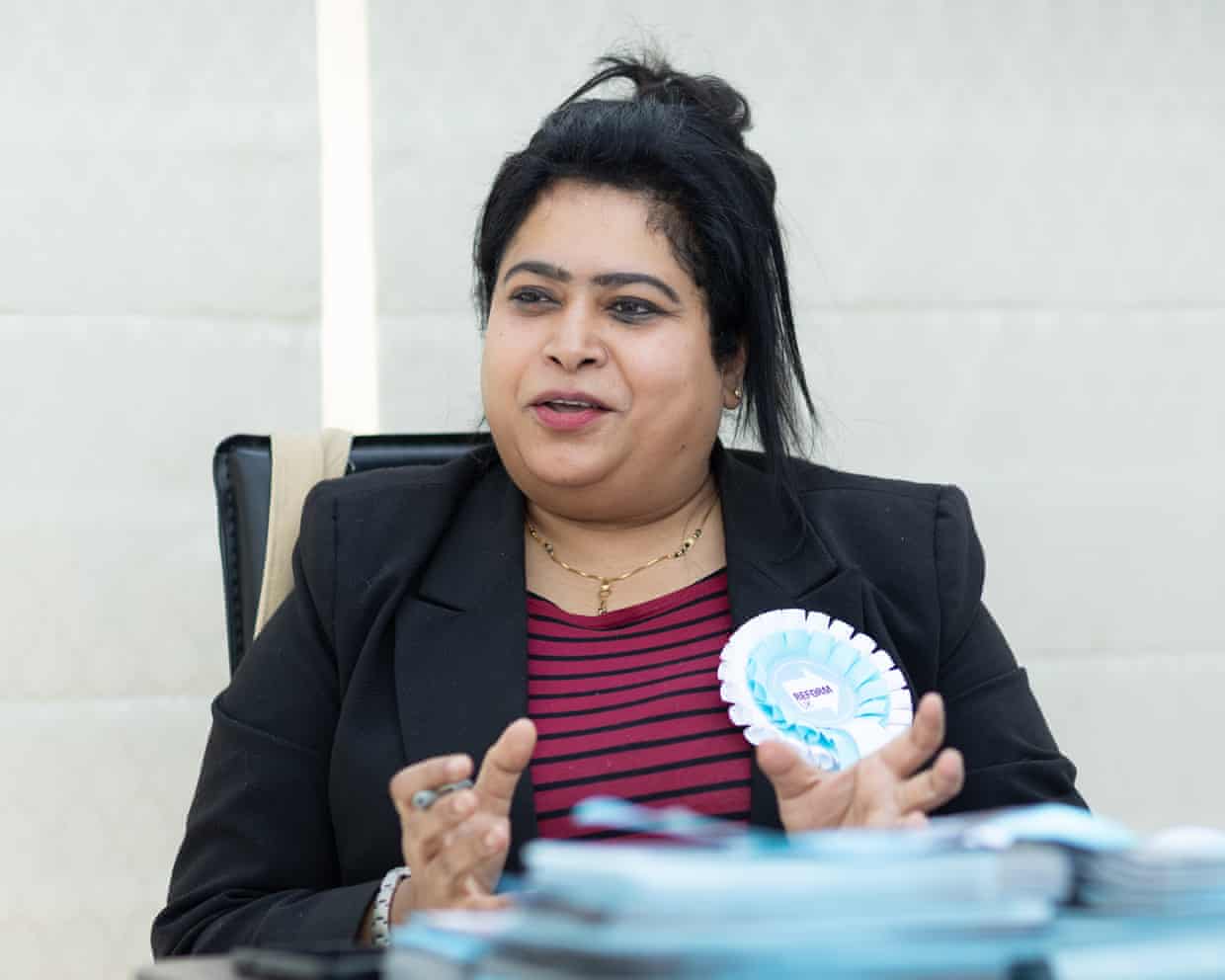
‘This is not the country I moved to’: the British Indians showing support for Nigel Farage

Mapped: the elections that could deliver ‘unprecedented’ losses for Labour
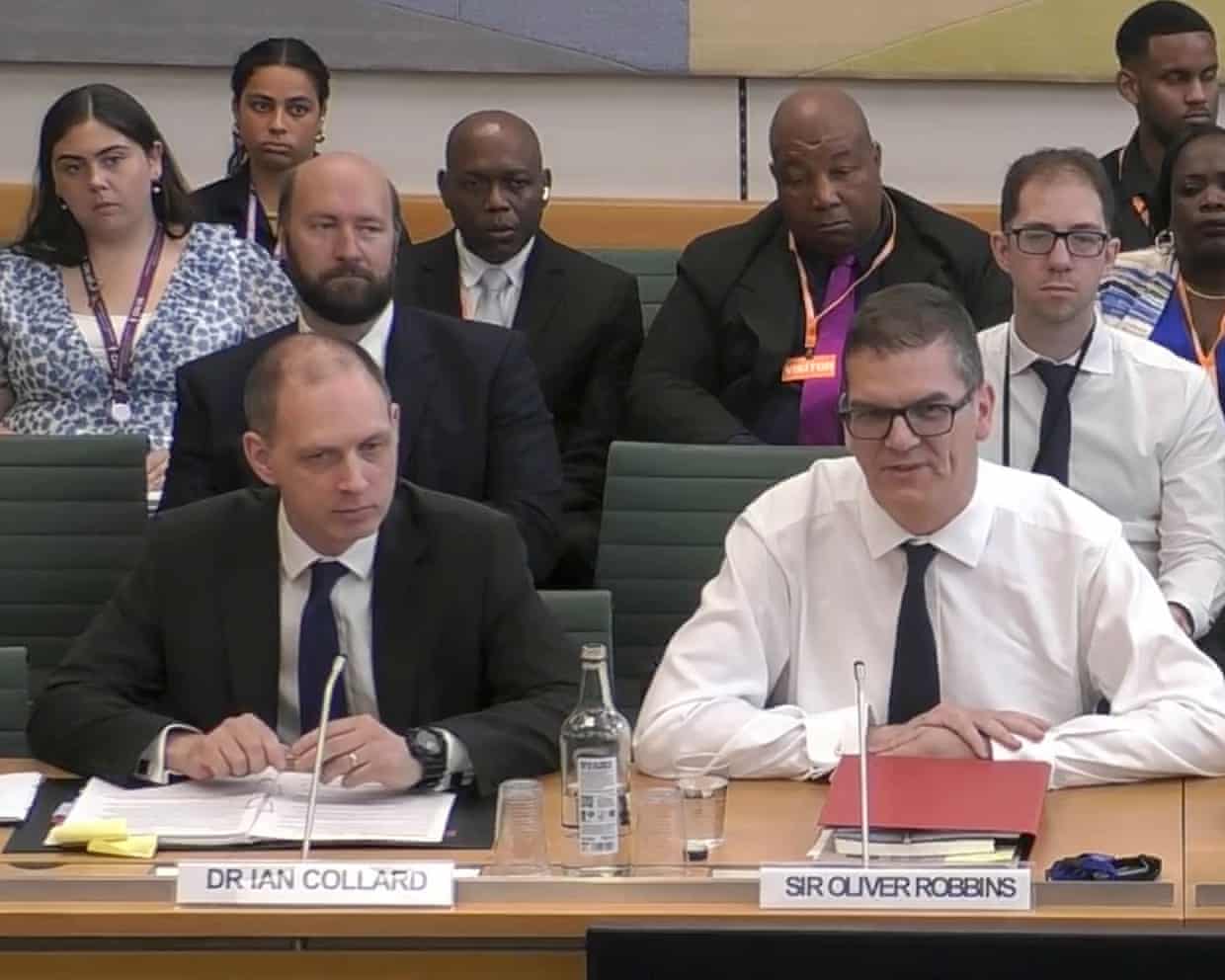
Ian Collard: the Foreign Office insider who may be key to Mandelson scandal

Divisions emerge in Keir Starmer’s cabinet over his sacking of Olly Robbins