Taxes on UK workers have risen at fastest rate in rich world, says OECD
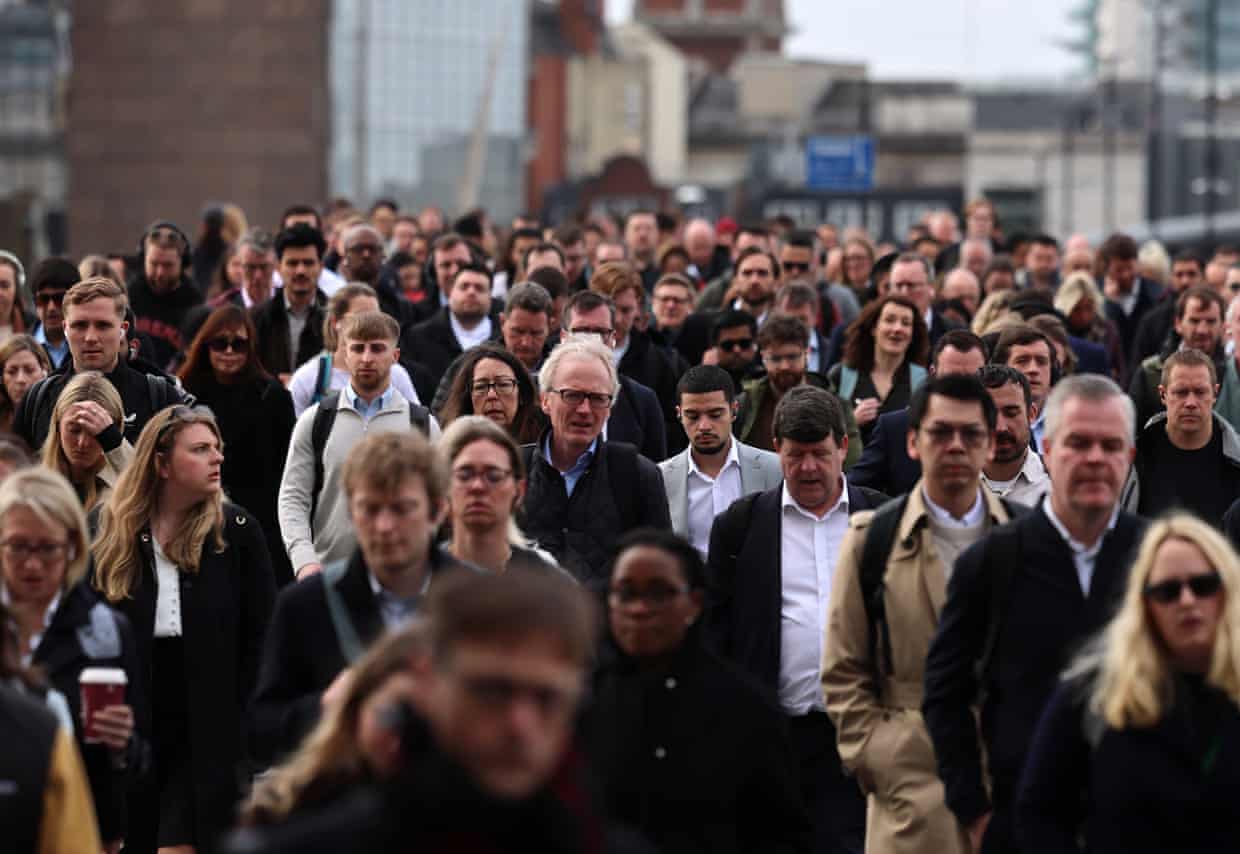
Taxes on workers in Britain rose at the fastest rate among the world’s richest economies last year, according to the Organisation for Economic Cooperation and Development,With Labour under pressure on the economy amid the Iran war, the OECD said a key measure of the total tax paid by workers and their employers rose by the most in the 38-member club of rich nations in 2025,In its annual study of taxes on work across the developed world, the Paris-based organisation said Britain’s “tax wedge” increased by 2,45 percentage points last year,The tax wedge estimates total taxes on labour paid by employees and employers, minus cash benefits received by working households – in effect the gap between what an employer pays to hire a worker and what that person takes home in net pay.
Based on the tax rates for a single worker earning the average wage, the OECD said 24 countries recorded an annual rise in the tax wedge last year, while the rate fell in 11 and stayed the same in three,It said the rise in the UK was linked to Rachel Reeves’s 2024 autumn budget increasing the rate of national insurance contributions (NICs) paid by employers,It also blamed “fiscal drag” – the phenomenon where the tax take rises when payment thresholds are not increased each year in line with inflation,The next biggest increase was in Estonia, where the tax wedge rose by 1,95 percentage points.
The only other countries to record increases greater than 1 percentage point were Germany (1.34 percentage points) and Israel (1.09 percentage points).Despite the rapid increase, the measure of tax on work in Britain, at 32.4%, remained below the OECD average of 35.
1%,It ranged from 0% in Colombia to 52,5% in Belgium,In the run-up to Keir Starmer’s general election landslide in 2024, Labour had promised not to raise taxes on working people,However, the OECD analysis includes taxes on labour paid by employers, as well as employees.
The chancellor has argued her tax measures were necessary to repair Britain’s battered public finances and to fund services run down over 14 years of Conservative-led government.However, Labour has faced stiff criticism for its tax and spending decisions since coming to power and overall taxes as a share of the economy are at their highest level since the second world war.Last week, the International Monetary Fund forecast taxes as a share of the economy in the UK were likely to climb at the fastest rate in the G7 between 2024 and 2031 – a feature expected to be highlighted in the fund’s consultation on Britain’s economy, scheduled for next month.Business leaders have repeatedly criticised the chancellor for her decision to increase the rate of employer NICs from last April, as well as for the government’s increase in the minimum wage and plans to strengthen employment rights.Unemployment has risen sharply since Labour came to power almost two years ago.
Although official figures this week showed the headline rate unexpectedly fell from 5.2% in the three months to January to 4.9% in the three months to February, it remained above the 4.2% level that existed before the 2024 election.Some of the biggest declines in employment have been in lower-paying sectors, which are among the most exposed to the tax rises, including hospitality, leisure and retail.
However, Labour’s allies argue changes were necessary after years of sluggish pay growth and job insecurity for millions of workers.Experts have predicted the economic damage from the Iran war could force up unemployment, as the price shocks caused by the conflict hit the already strained finances of households and businesses.The IMF, in its half-yearly world economic outlook report last week, said a further escalation in the Middle East conflict could result in a global recession that would affect the UK more than any other G7 country.A Treasury spokesperson said: “The decisions we made at the budget mean we can stabilise the economy and deliver support for families and businesses, including cutting the cost of living.“Increasing the national minimum wage boosts pay for over 200,000 young workers, and employer national insurance contributions are lower when hiring under‑21s.
”
UK politics: Labour MP calls for Starmer’s resignation to end ‘psychodrama’ – as it happened
The Labour MP Jonathan Brash, who was elected in 2024 for Hartlepool (Peter Mandelson’s old seat), has told GB News that he thinks Keir Starmer should resign.He claimed that Starmer’s resignation was now inevitable, and that the distraction provided by the Mandelson scandal was making it hard for the government to do its job.He said:double quotation markI’ve got to be clear, I am completely fed up to the back teeth of this psychodrama in Westminster, the own goals that are coming from the heart of this government.Meanwhile, we’ve got fantastic Labour councillors, canvassers, activists up and down the country, working hard and delivering for their constituencies, like mine in Hartlepool, facing local elections in the shadow of this absolute mess. They just need to get a grip
No one can look Starmer in the eye … and the Mandy saga is not going away | John Crace
This is the end, beautiful friend. It is the tragedy of almost all prime ministers that they are the last person to realise the game is up. Their race is run. The backbenchers are the first to know. They spend time in their constituencies
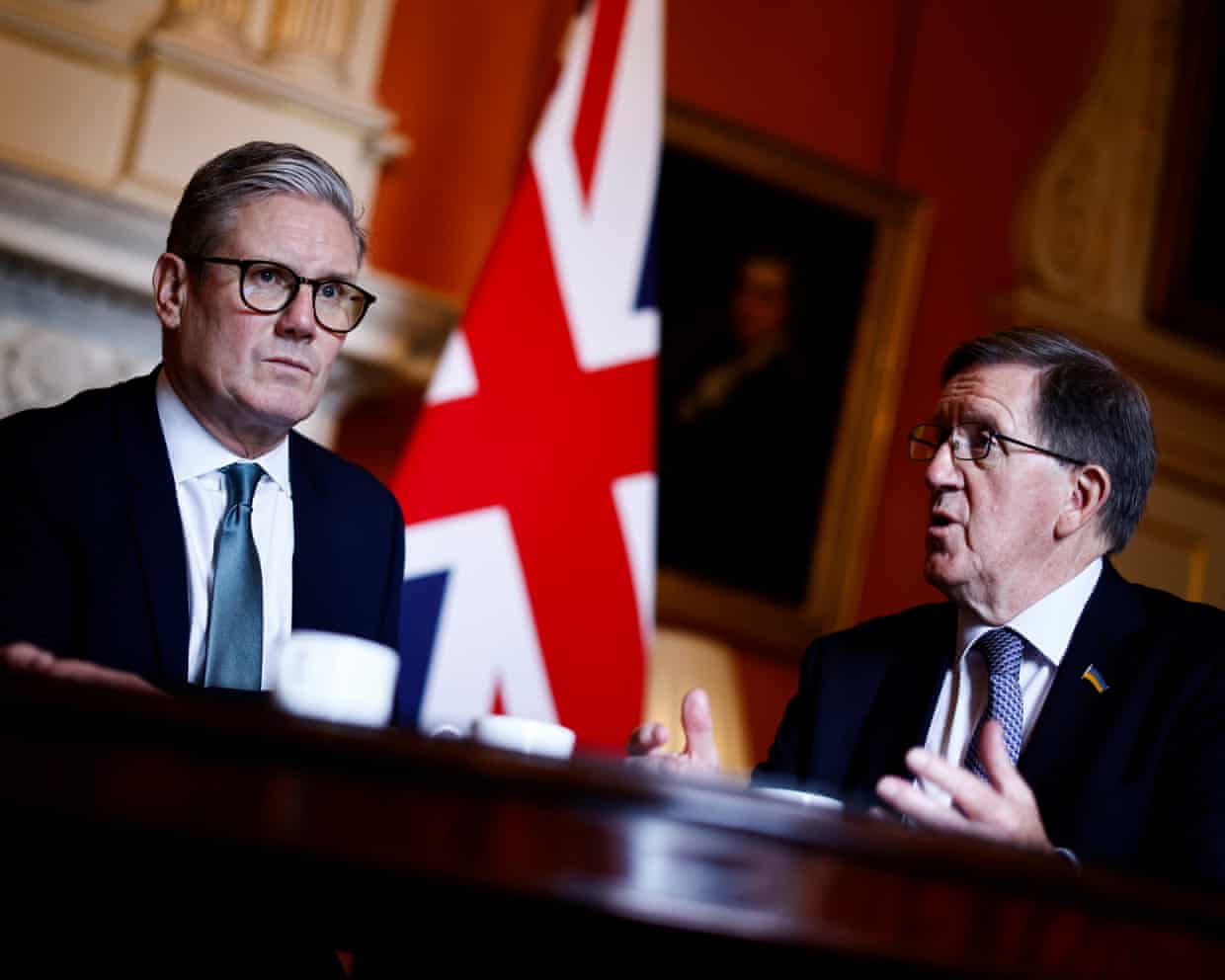
Britain’s military dependence on US ‘no longer tenable’, says former Nato chief
Britain’s high military dependence on the US is “no longer tenable” and the UK has to become increasingly independent of the special relationship with Washington, a former Nato chief has said.George Robertson, who last week accused British leaders of a “corrosive complacency” towards defence, said on Wednesday that the traditional allies were diverging over values – and that even after Donald Trump leaves the White House, the separation was likely to continue.Lord Robertson, a former Labour defence minister and Nato secretary general, highlighted Trump’s unprovoked attack on Iran, his decision to levy tariffs on traditional allies and, “most jarringly”, he said, the threat to wrest Greenland from Denmark.“All of these illustrate a growing divergence between Westminster and Washington,” Robertson said at a seminar at the Chatham House thinktank.He said the diplomatic tone from the White House had “reached a historic low point” with Trump’s repeated public criticisms of the UK
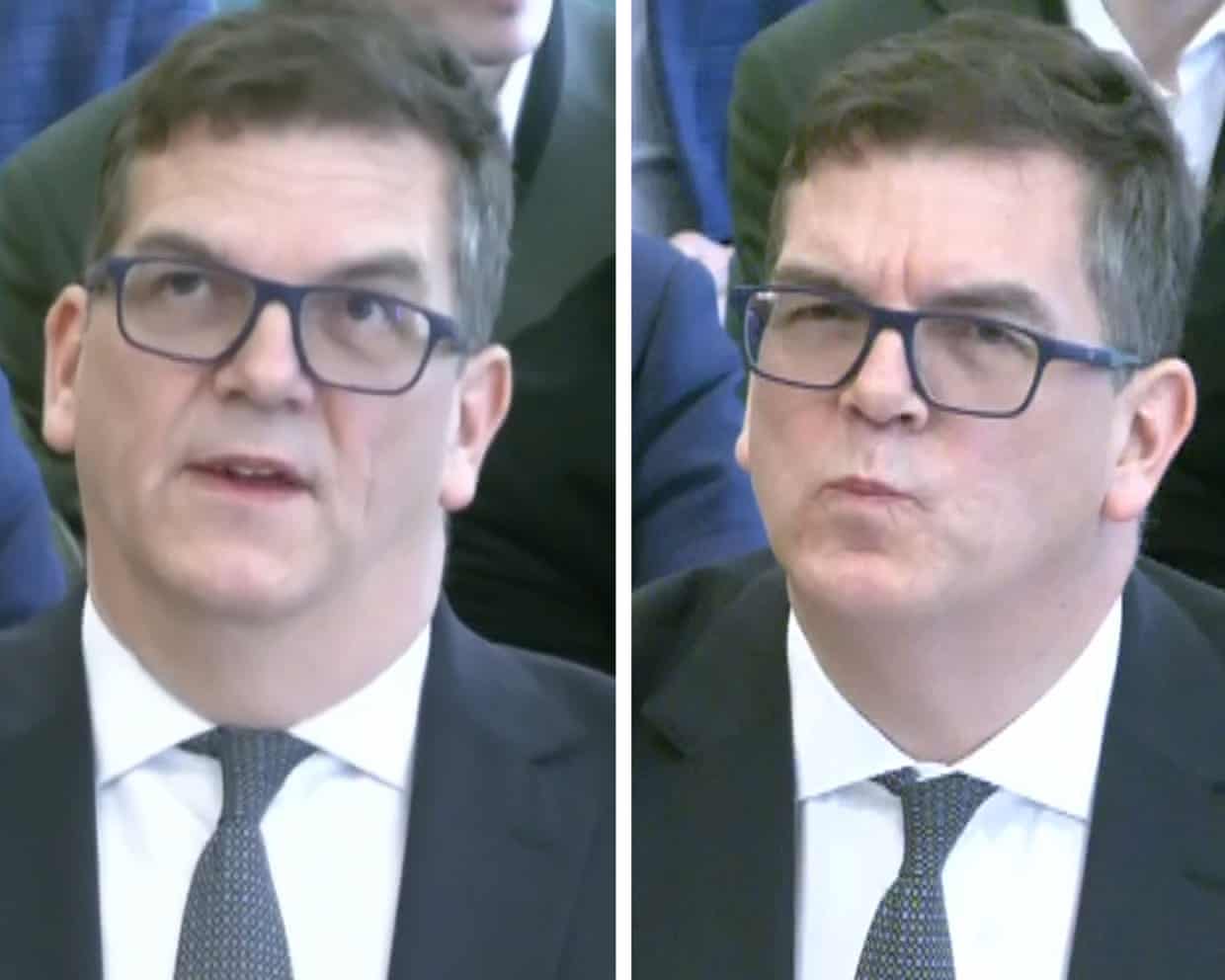
How Olly Robbins’ knightly charm glossed over burning questions on Mandelson vetting
The verdict on Sir Olly Robbins’ parliamentary testimony, among fellow knights of the civil service realm at least, was unanimous. Mark Sedwill, a former cabinet secretary, called on the prime minister to “retract his accusations against Olly Robbins and reinstate him”.Sir Simon McDonald, who once held Robbins’ job as top civil servant in the Foreign Office, said if Keir Starmer had only waited to hear his evidence to the foreign affairs select committee he would never have sacked him.Even heavyweights in the media class seemed satisfied with Robbins’ decision to grant Peter Mandelson developed vetting clearance, and not tell Starmer he had done so against the advice of the official vetting agency. The former BBC journalist Jon Sopel declared while watching the evidence: “I am seeing the very best of the civil service
Taxes on UK workers have risen at fastest rate in rich world, says OECD
Taxes on workers in Britain rose at the fastest rate among the world’s richest economies last year, according to the Organisation for Economic Cooperation and Development.With Labour under pressure on the economy amid the Iran war, the OECD said a key measure of the total tax paid by workers and their employers rose by the most in the 38-member club of rich nations in 2025.In its annual study of taxes on work across the developed world, the Paris-based organisation said Britain’s “tax wedge” increased by 2.45 percentage points last year.The tax wedge estimates total taxes on labour paid by employees and employers, minus cash benefits received by working households – in effect the gap between what an employer pays to hire a worker and what that person takes home in net pay
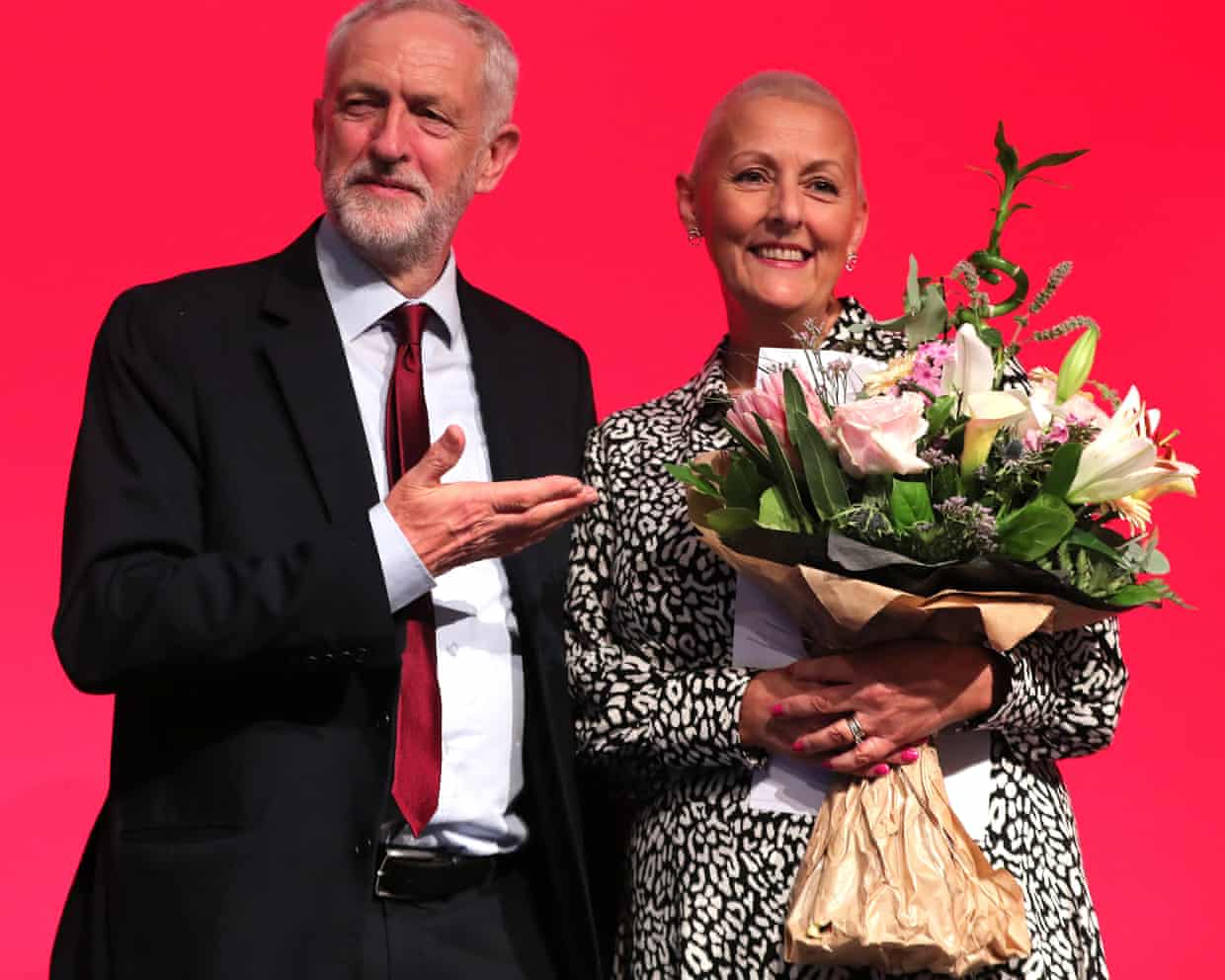
Jennie Formby, Labour’s former general secretary, says she has joined Greens
A former Labour general secretary has defected to the Green party, in the latest sign that allies of Jeremy Corbyn are moving in large numbers to Zack Polanski’s party.Jennie Formby, who managed the Labour party from 2018 to 2020, told the Guardian she had signed up as a Green party member and intended to campaign for it before May’s local elections.Formby is the latest senior ally of Corbyn to defect to the Greens, even as the former Labour leader tries to establish Your Party, his own leftwing alternative to Labour.The defection of figures such as Formby, the former Labour adviser James Meadway and the former North of Tyne mayor Jamie Driscoll offers the Greens a policy and organisational heft they previously lacked, but also threatens to distance the party from its environmental roots.Formby said: “Zack and the Greens are not scared to talk about economic justice and tax increases

Man admits rape and religiously aggravated assault after court confrontation

Gut microbiome can reveal risk of Parkinson’s, scientists say
Nearly fivefold increase in children in unregulated social care settings in England
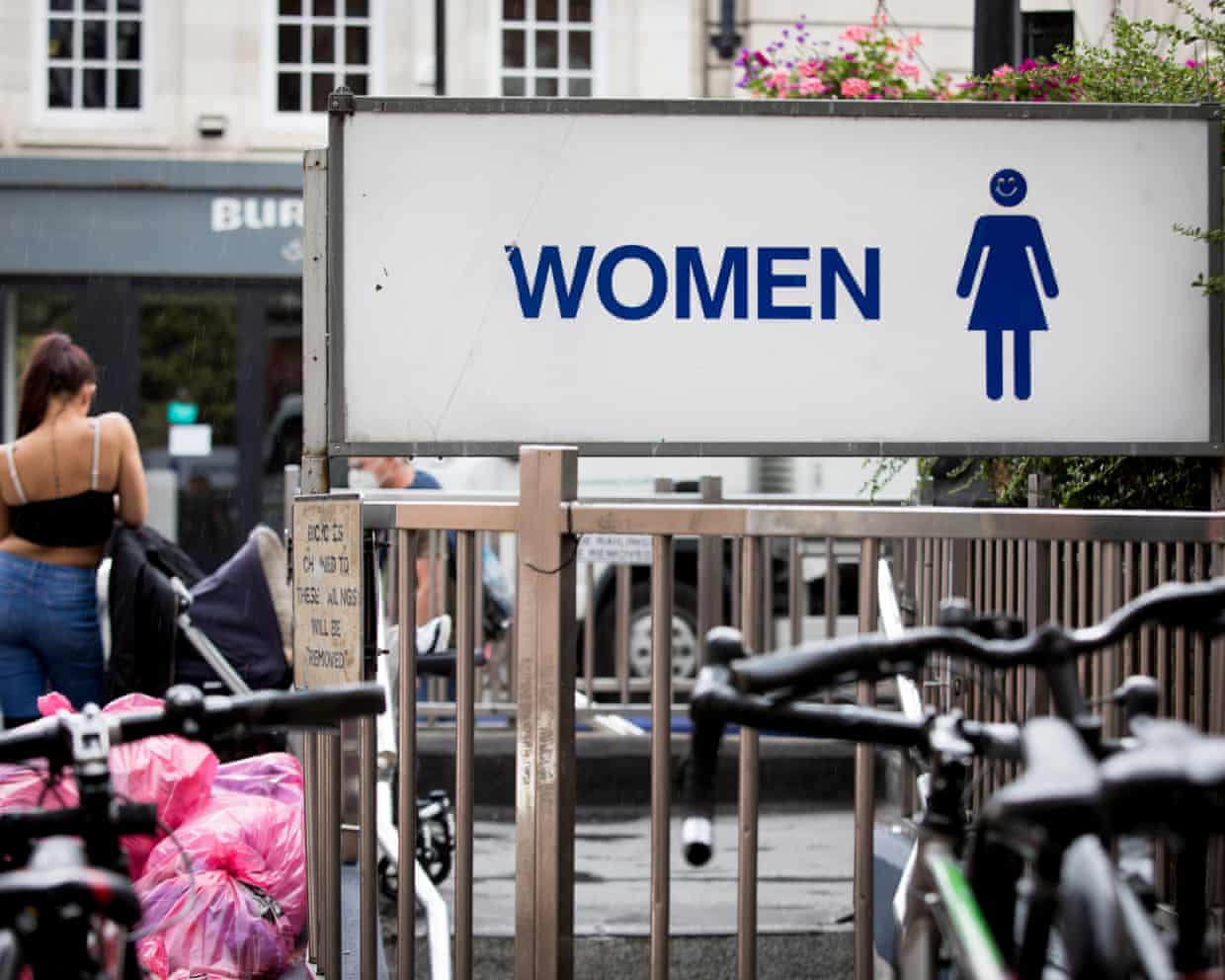
England left with ‘toilet deserts’ as public facilities decline by 14% in a decade
The fight against medical misogyny has a long way to go | Letters

‘Labels protect us’: Olivia Nervo wants reproductive coercion to be a standalone offence – she is not alone