Winners and judges out of pocket as £20,000 writing awards appear to have closed
A competition for new writers that promised a £20,000 prize fund appears to have shut down, leaving winners and judges, including a Booker prize-winning novelist, out of pocket.Established in 2022, the Plaza Prizes last year offered 10 awards that were judged by the “finest poets and writers in the world”.However, some of the judges for the 2025 competition say they were not paid, and a number of winners say they had their entries withdrawn after being accused of using AI to create their work – allegations they strenuously denied.One judge, the 2021 Booker prize winner Damon Galgut, described the competition as a “scam” after he did not get paid for his work judging a fiction section of the annual competition.Anthony Joseph, who won the 2022 TS Eliot poetry prize, also says he was not paid for his work.
The prizes were founded by Simon Kerr, a writer who previously worked for the University of Hull and ran another writing award that prompted a complaint over late payment.Galgut, awarded the Booker prize for his novel The Promise, said he was promised £1,500 to judge the fiction competition last year and agreed as he thought such competitions helped fledgling writers to develop.His report and selected winners were subsequently published online.When he and his agent made attempts to contact Kerr for payment, there was no response.Kerr responded eventually to say that Galgut had not invoiced him in a proper way and committed to paying him within 60 days.
“Apparently, in your rarefied world it was somehow up to me to pluck these elusive payment details from the Platonic ether,” he said in an email to Galgut.Galgut dismissed Kerr’s claims and told him that he had “disappeared without a trace the moment payment was mentioned”.Kerr then demanded Galgut withdraw the request for payment, threatened to sue him for defamation and harassment, and said the author was “not a reasonable actor”.Joseph said he judged the audio poetry prize, and sent in the results of his work and invoiced Kerr in September for £1,250, but there was no response.He then took a case to the small claims court.
Kerr responded to the claim to say that the work was late, vague and incomplete; that Joseph had sent “coercive and threatening emails”; and that he had caused reputational damage to the prize.Joseph said the work was late because of a car accident he was in and said claims about the tone of his emails were exaggerated.The winner of the audio poetry prize, Peter Doolan, was told that his entry was disqualified as it was “flagged by AI content [detectors]”.An email told him: “While we cannot know with certainty the extent (if any) of AI involvement in the generation of this piece, The Plaza Prizes has a zero-tolerance policy for the use of generative AI.”Doolan told Kerr that the AI allegation was “absolutely nonsense” and that his poem had originally been published in 2018.
Another award winner, who asked to remain anonymous, said they had been disqualified for the same reason and received an identical email.They “vigorously deny” any use of AI and said they were unable to use the technology.Both writers said they were not given an opportunity to prove the originality of their work.According to the website of the prizes – which was this week inaccessible – Kerr received grants from the Society of Authors and the Royal Society of Literature that helped save his house from repossession after he lost his job during the pandemic.On the website, he said he had put the capital from the subsequent house sale into the Plaza Prizes.
“I was very grateful to the community of writers for saving me from homelessness, destitution and, likely, suicide.(It also gave me a mission at a time in life – 53 years old – when a man needs a mission to stay halfway sane in a mad world),” he said.A planned awards ceremony due to take place in the Dordogne in France last October was cancelled.The website said this was because a millionaire fantasy writer had withdrawn their support because of the quality of entries submitted for one of the awards.A linked short story writing course was also cancelled after a lack of donations.
Kerr made an appeal for help with funding after struggling to raise money to publish a planned anthology,In 2014, the Guardian reported that a writing competition run by Kerr had not paid a prize to one of the winners and that the awards ceremony had been cancelled,The money was paid shortly after the Guardian contacted the University of Hull, where he was working at the time,Kerr – whose website gave an address of Islington, north London – did not respond to queries from the Guardian on the Plaza Prizes,

Move over matcha: how ube cocktails and coffees are hitting the UK’s sweet spot
Bright purple coffees and cocktails made with a root vegetable called ube have hit the high street in the UK after the yam’s striking hue caused a sensation on social media. Many are calling ube the “new matcha”, and it has a nutty, creamy, sweet taste, like a mix between coconut and vanilla.Ube coloured and flavoured drinks became popular in the US last year, after an earlier boom in Australia. Farmers in the Philippines, where the root vegetable is often sourced, have been struggling to meet demand.Now, the purple drinks have crossed the pond: Starbucks and Costa both launched ube drinks in their UK stores last month
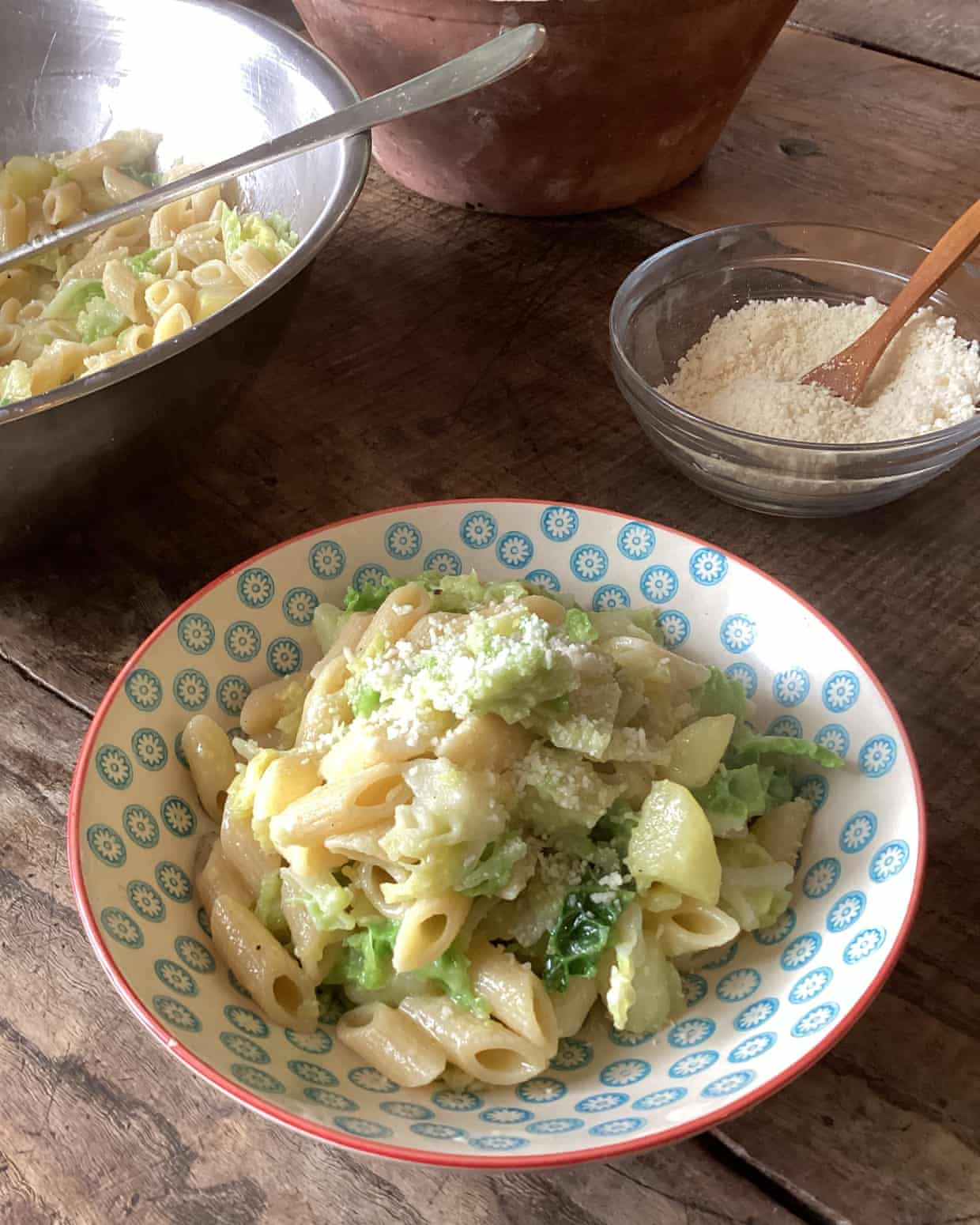
Rachel Roddy’s ‘high-ranking’ penne with potatoes, cabbage, butter and cheese – recipe
In December 2023, the magazine La Cucina Italiana ranked Italians’ favourite pasta shapes, according to data gathered by Unione Italiana Food (“the leading association in Italy for the direct representation of food product categories”). I love this sort of thing. According to the UIF, by processing NielsenIQ data (comprehensive market research, consumer intelligence and retail measurement), they identified the five most popular shapes from over 500, and examined how preferences vary in different regions.In first place was spaghetti, while penne came in second, with these two shapes – which also takes in thinner spaghettini, chunkier spaghettoni and both ridged and smooth penne – accounting for 78% of all pasta sold in Italy in 2023. The regional variations of three, four and five are as follows: in the north-west and north-east, fusilli, short pasta and mixed pasta for broth or minestra; in central Italy, short pasta, fusilli and rigatoni; in the south, mixed pasta for broth or minestra, short pasta and tortiglioni
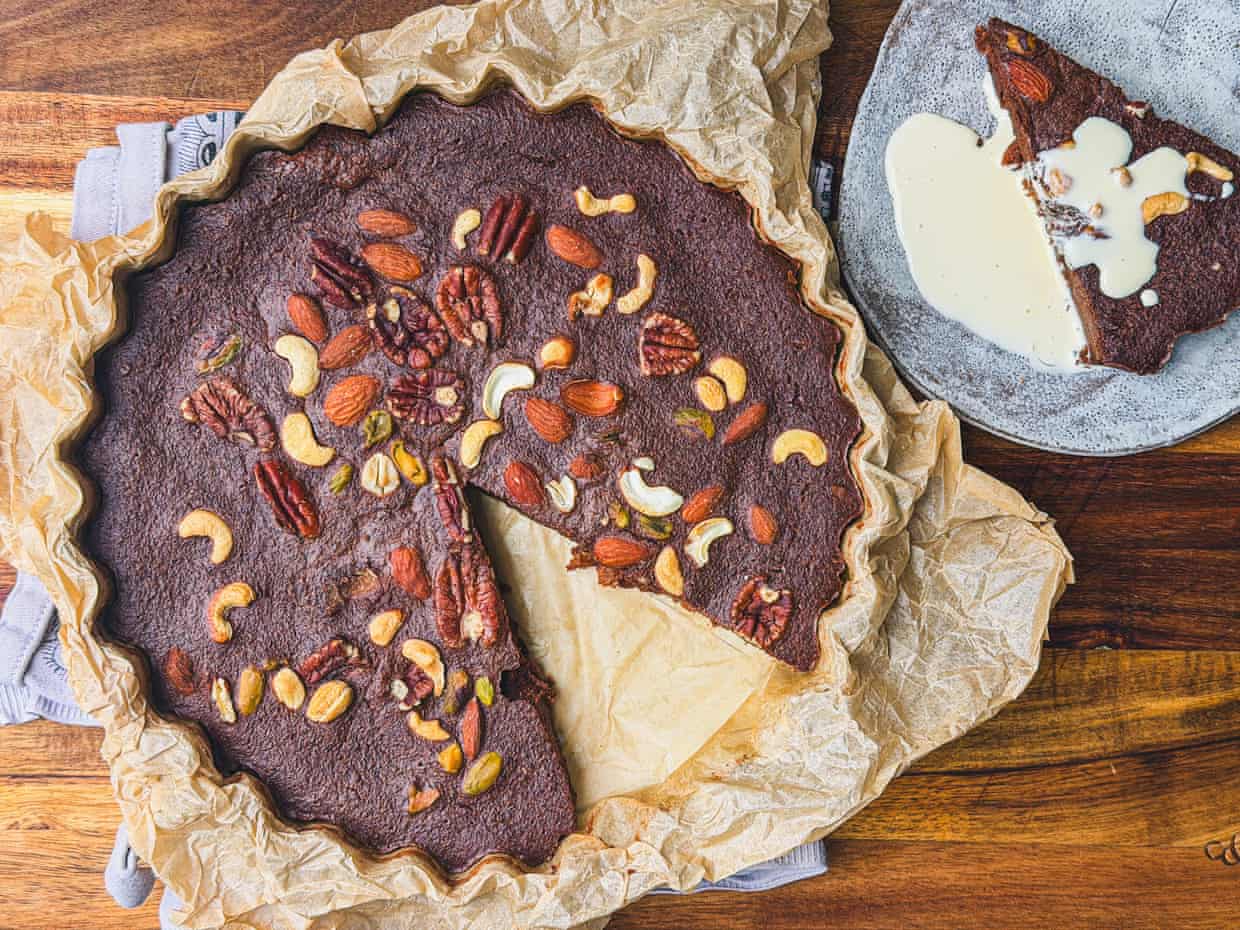
How to turn old bread into a brilliant Italian cake – recipe | Waste not
Old sourdough is my secret ingredient. To stop it going mouldy, I take it out of any plastic packaging and keep it in the bread bin with plenty of airflow around it – that way, it will dry out slowly, rather than turning mouldy. Any odds and ends, meanwhile, I store in a cloth bag to use in various dishes, from pangrattato (or poor man’s parmesan) to strata, a savoury bread-and-butter pudding.My new favourite recipe discovery for using up stale bread is today’s torta paesana, or village cake, from Lombardy. The best way I can come up with to describe it is that it’s a bit like a firm baked custard

Roast chicken, cheesy scones and a genius cocktail: Ravinder Bhogal’s recipes for cooking with lime pickle
I’m obsessed with lime pickle. It’s savoury, sour, funky, spicy and full of bold personality that enlivens anything it’s smeared on. It’s made by salting and fermenting limes with chillies and spices for a fierce, flavour-packed condiment that’s traditionally eaten as a side to poppadoms or with simple dal and rice. Over the years, I have also folded it into grilled cheese toasties, marinades for fat prawns to barbecue in the summer or made compound butters with it to smother over sweet potatoes before roasting. It’s an instant flavour bomb and my pantry is never without a jar

Vegemite is recognised globally – but how many people know Milo was invented in Australia?
The chocolate malt powder is sold in more than 40 countries, and Australian cafe owners say there’s ‘jingoistic pride’ in serving it on their menusGet our weekend culture and lifestyle emailWhen I order the jumbo-sized Milo Godzilla at Ho Jiak in Sydney’s Haymarket, it arrives as advertised – it’s comically large. The Malaysian restaurant prepares the drink by swirling Milo powder with hot water, adding sweet drizzles of condensed milk then chilling the mix with ice. Scoops of ice-cream are added and extra choc-malt powder is showered on top. Served in a one-litre jug, it’s so big I can’t finish it solo: staff hand me three takeaway cups to transport the leftovers.Like many beloved Milo drinks, the Godzilla is native to south-east Asia
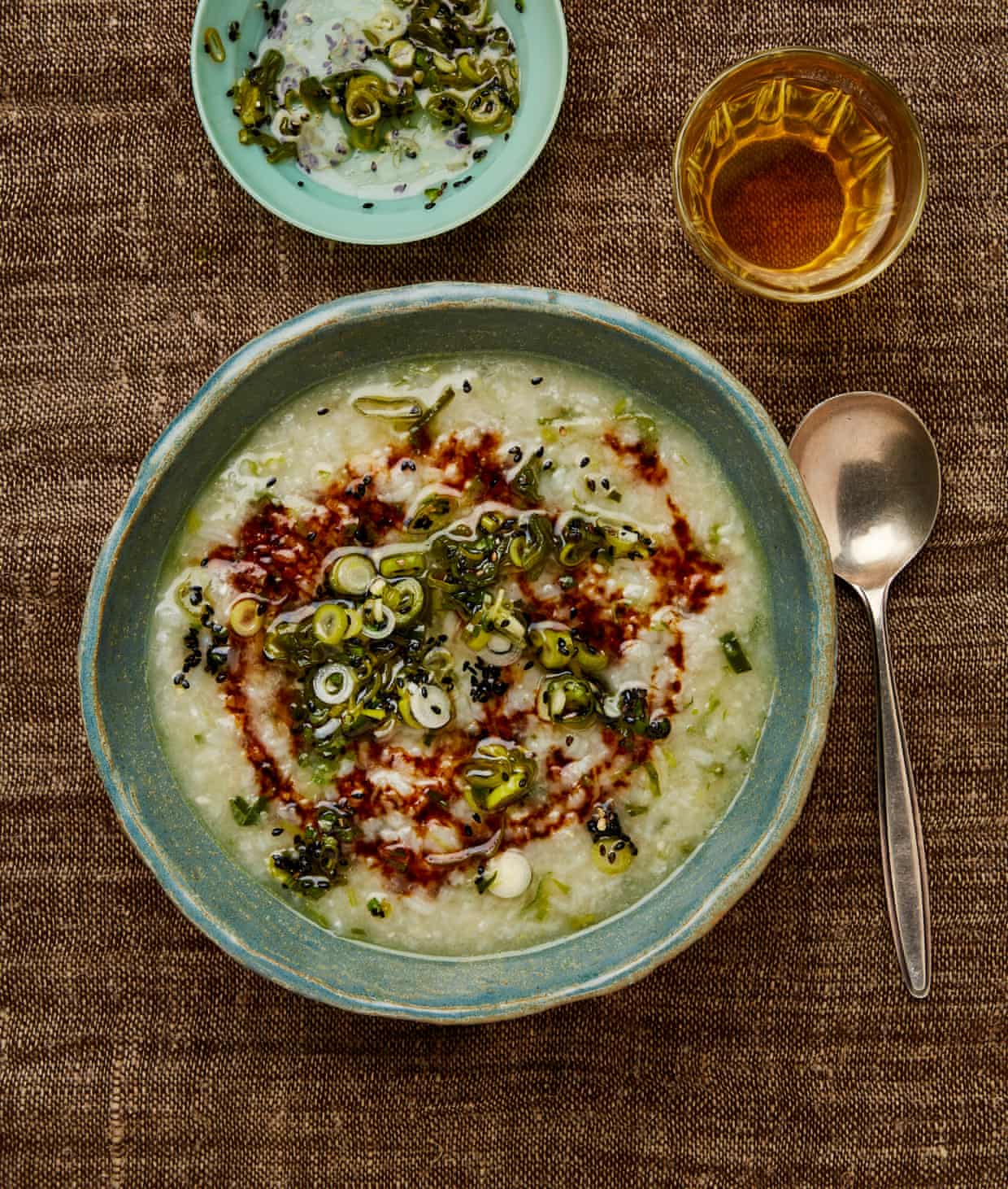
What can I do with leftover rice? | Kitchen aide
How do I store cooked rice safely, and what can I make with it the next day?Michael, by email“It’s a bit of a running joke with rice, because I think of all the people in China who aren’t spreading their leftover rice immediately on to a tray to cool and are still alive,” says Amy Poon, of Poon’s at Somerset House in London. “But I have to be responsible and say: cool the rice as quickly as possible, within the hour, and put it in an airtight container and pop it in the fridge [or freezer] straight away.” The reason being, as food science guru Harold McGee notes in his bible On Food & Cooking, “Raw rice almost always carries dormant spores of the bacterium Bacillus cereus, which produces powerful gastrointestinal toxins. The spores can tolerate high temperatures, and some survive cooking.” In short: good storage practices will prevent bacterial growth, not to mention open a whole world of dinner opportunities

US tech firms successfully lobbied EU to keep datacentre emissions secret

Liz Kendall urges UK public to embrace AI as government makes first £500m fund investment

‘How do I end a call?’: the elderly Japanese people determined to master smartphones

Labour and Lib Dem MPs demand ‘shameful’ Palantir NHS contract be scrapped

Man used AI to make false statements to shut down London nightclub, police say

NAACP lawsuit accuses Elon Musk’s xAI of polluting Black neighborhoods near Memphis