‘Things could go backwards’: Kezia Dugdale on safety, LGBTQ+ rights and the future of Stonewall
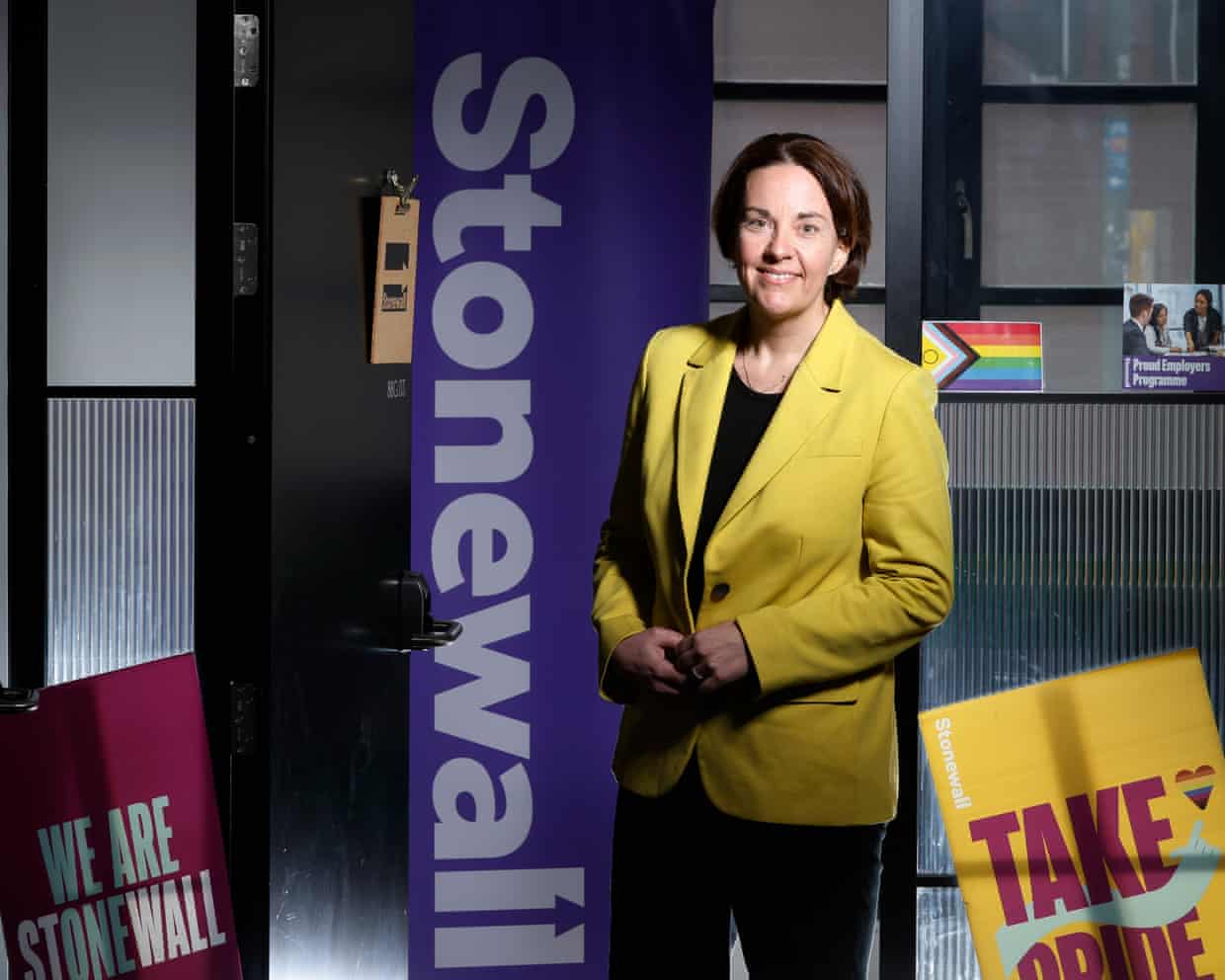
Kezia Dugdale, the former leader of Scottish Labour, says she is now “quite scared” as a lesbian in Britain and has started to feel nervous holding her wife’s hand in public.Speaking to the Guardian in Edinburgh on the announcement of her appointment as the chair of Stonewall, the LGBTQ+ charity, she said it was “completely possible” gay rights in the UK could be eroded with the rise of rightwing populism.Equal marriage could not be taken for granted, she cautioned.“I don’t think it is an implausible argument now in the way that it maybe was five years ago.My rationale for that is: look at Italy, for example, where you see a rollback of rights for LGBT people.
It’s happened pretty quickly, it’s centred around concepts of family life and the country is going backwards.It’s not beyond the realm that that could happen here.”Dugdale, who led Scottish Labour from 2015-17, will take up the unpaid position in six months.She takes charge after a turbulent period in which Stonewall lost more than half of its income and had to make dozens of staff redundant, in large part because of its uncompromising position on transgender rights.Critics accused it of pursuing a “militant trans agenda” and a “no debate” approach to trans women.
They charged Stonewall with pursuing an absolutist position on trans inclusion, in which trans women should be allowed into all single-sex spaces – from prisons to hospital wards, professional sport and women’s refuges – regardless of concerns about safety and fairness.Dugdale’s appointment would appear to mark a pivot for the organisation.As well as acknowledging the charity’s missteps, she also had warm words for JK Rowling, the author who has become a lightning rod for the ire of the trans community.Asked if she understood why many trans people felt Rowling’s approach had become cruel and dehumanising, and contributed to them feeling unwelcome and unaccepted, Dugdale said: “I understand that and I’ve also heard JK Rowling and other people who hold a different position on these issues to me describe with a similar rawness how they’ve experienced being opposed for their views.And I just think, the days of these culture wars, about sitting in polar extremes from each other, should be behind us now.
”She added: “When you look at our renewed strategy, it is about navigating this turbulence; it’s about listening, it is about engaging,“It’s about recognising now that there’s the best part of 2,000 LGBT organisations across the country, all with different priorities and strands of work, and Stonewall now needs to find its place in that network of organisations,And we’re really clear about what that place is, which is to be influencing policy and change in rooms with power and creating more inclusive communities,“I think anyone that’s ever been associated with any organisation will put their hands up and say: we’ve made mistakes at certain times; given the chance to do things again we might have done things differently,But I also think it’s right to say: if we’re going to have difficult conversations about difficult issues where a lot of people are feeling their way through messy issues, people need to feel safe,” she said.
“We want to be in the position of persuading people.We’re not dogmatic and sitting in silos.We want to be in the messy, grey bit … because that’s where progress and consensus is found.”Dugdale said she had lost friends because of her support for trans rights.“I think the whole country’s spent an awful lot of time on these issues in quite a divisive and damaging way.
I’m personally very sorry that a lot of the women that I’ve campaigned alongside for decades in the Labour movement sit on a different side of the conversation about gender – that’s hard.And some of the fractures in those relationships I’ve contributed to with the language that I might have used in the past.”Asked about JK Rowling’s opposition to trans rights, Dugdale said: “I have a huge respect for JK Rowling.I’ve had the pleasure of meeting her before and I think her story and how she came to be this prolific, incredible children’s writer in this city as a single mum writing in a cafe is phenomenal and an inspiration to so many women across the world.“I think she’s been a really powerful political advocate [for] improving the lot of single mums, making a case for tackling poverty and inequality in all its forms, and there is absolutely a place for her in public life to share her experiences and tell her story and make a difference.
”She called for “a bit of kindness, a bit of generosity of spirit, a willingness to get into the grey area to talk about these things calmly,To try and find common ground is the only path through this and it’s one that I’m committed to,”Dugdale supported the Scottish government’s gender recognition reform bill, which aimed to make it simpler and quicker for people to change their legal gender, including 16- and 17-year-olds,This was a move towards “self-ID”, removing the requirement for a medical diagnosis of gender dysphoria,The law passed in Scotland in 2022 but was blocked by the UK’s Conservative-led government the following year.
“I believed in it; I still do,” she said, but added that pushing for self-ID was “not top of the list” of Stonewall’s priorities.“We are an LGBT organisation, of course we’re going to be there for trans people, so that’s integral to who we are and what we do.But our priorities now are very much focused on things like securing justice for military veterans and compensation for what they’ve endured.We’re currently working very hard to ensure that there’s a ban on conversion therapy in this country, which is incredibly important.”Dugdale left frontline politics in 2019 after falling out with Jeremy Corbyn over his lukewarm opposition to Brexit.
She went on to work in academia and thinktanks and in 2022 married Jenny Gilruth, a Scottish National party MSP who is the Scottish education secretary.Dugdale is no longer a member of any political party, but said she had voted SNP: “You try not voting for your wife!”It has often been reported that Dugdale was “outed” by the Fabian Review magazine in 2016, but she says now: “It’s always written up as being outed.That’s maybe an extreme one-word summation of what happened.It kind of stumbled out in an interview that I did with the Fabians.And it was a funny time in my life because I was living with a female partner.
“Everybody that I knew and worked with knew that I was gay, but I wasn’t like openly gay.And this was the moment – this was a big dramatic moment – and it was done in the heat and the spotlight of an election campaign and I didn’t feel in control of it.”She said she was not ashamed of being gay but did not want to be defined by it: “Ruth Davidson was the openly gay leader of the Scottish Conservatives at the time and it used to frustrate me that pretty much every sentence in the media there would start with ‘lesbian kickboxer Ruth Davidson’.And I just thought it was really unfair that she was being constantly defined by her sexuality and I wanted to live in a world where that didn’t matter.”Asked why she had taken on the Stonewall role, she said: “I thought about it long and hard, as you would expect me to do.
The first thing to say is I’m quite scared just now as an openly gay person in this country looking at what’s happening elsewhere in the world, in other countries.I feel myself just getting slightly more nervous about holding my wife’s hand or being affectionate in public or wondering what other people’s reaction to us is going to be, and I don’t like that feeling.”She added: “I think we have to be really careful not to think that all progress that we’ve made in recent times is cemented and absolute and that all we’ll ever get is progress.“It’s completely possible in this country that things could go backwards and there are now a lot of political actors that want to take us backwards.So a bit of my motivation comes from a place of fear and a bit comes from the place of hope, knowing that these battles can be won.
“And when you look at organisations that have won those battles and made the case, and been in those positions of power and influence, Stonewall’s right at the front of that.”
Just the tonic: why it’s more than a mixer
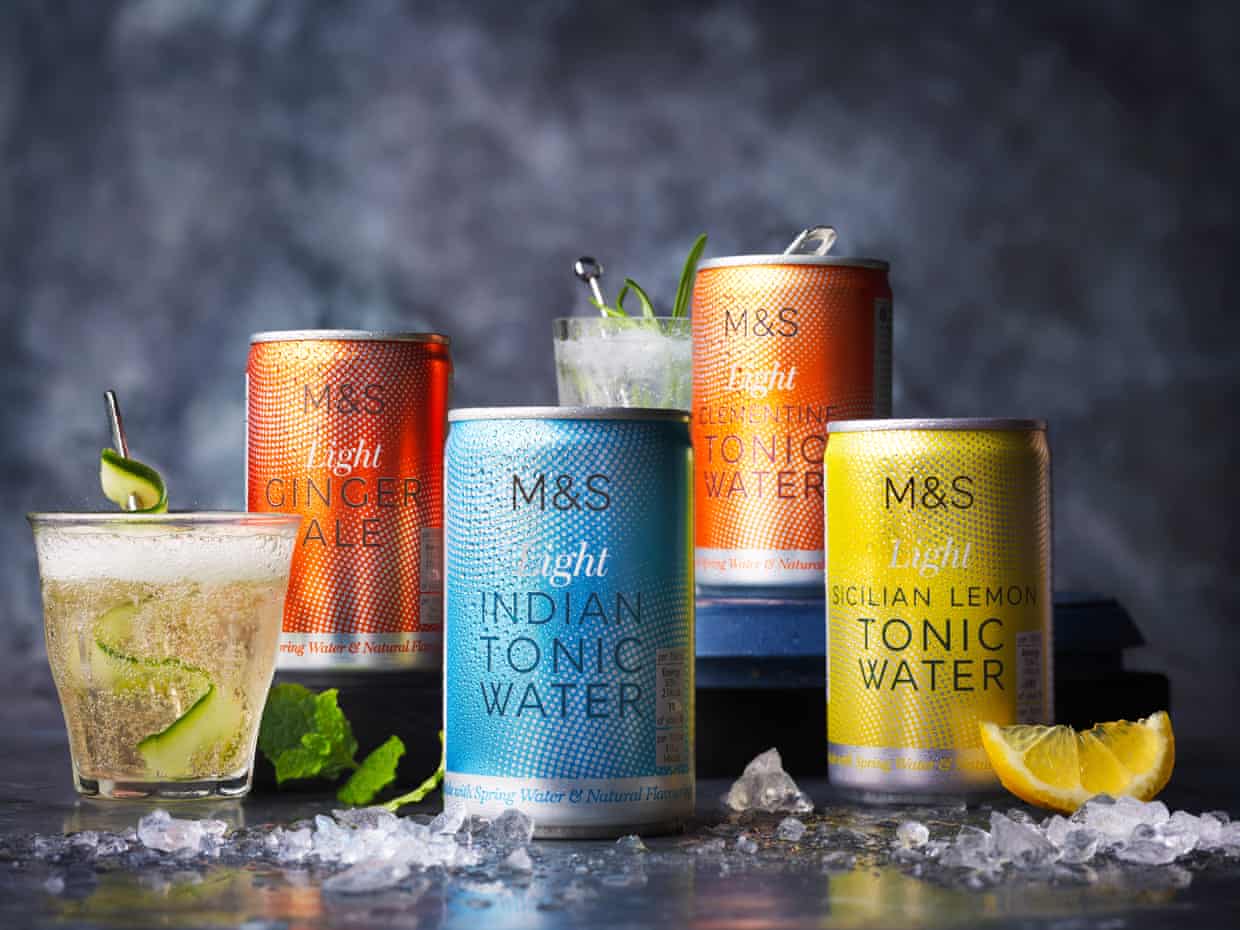
If a tonic is something that “makes you feel stronger and happier”, my tonics come in the form of good wine, bad chocolate and an ageing whippet called Ernie. Recently, though, I’ve found myself craving the OG tonic – tonic water – which started life as a malaria treatment in the age of the British empire.The Guardian’s journalism is independent. We will earn a commission if you buy something through an affiliate link. Learn more
Move over matcha: how ube cocktails and coffees are hitting the UK’s sweet spot
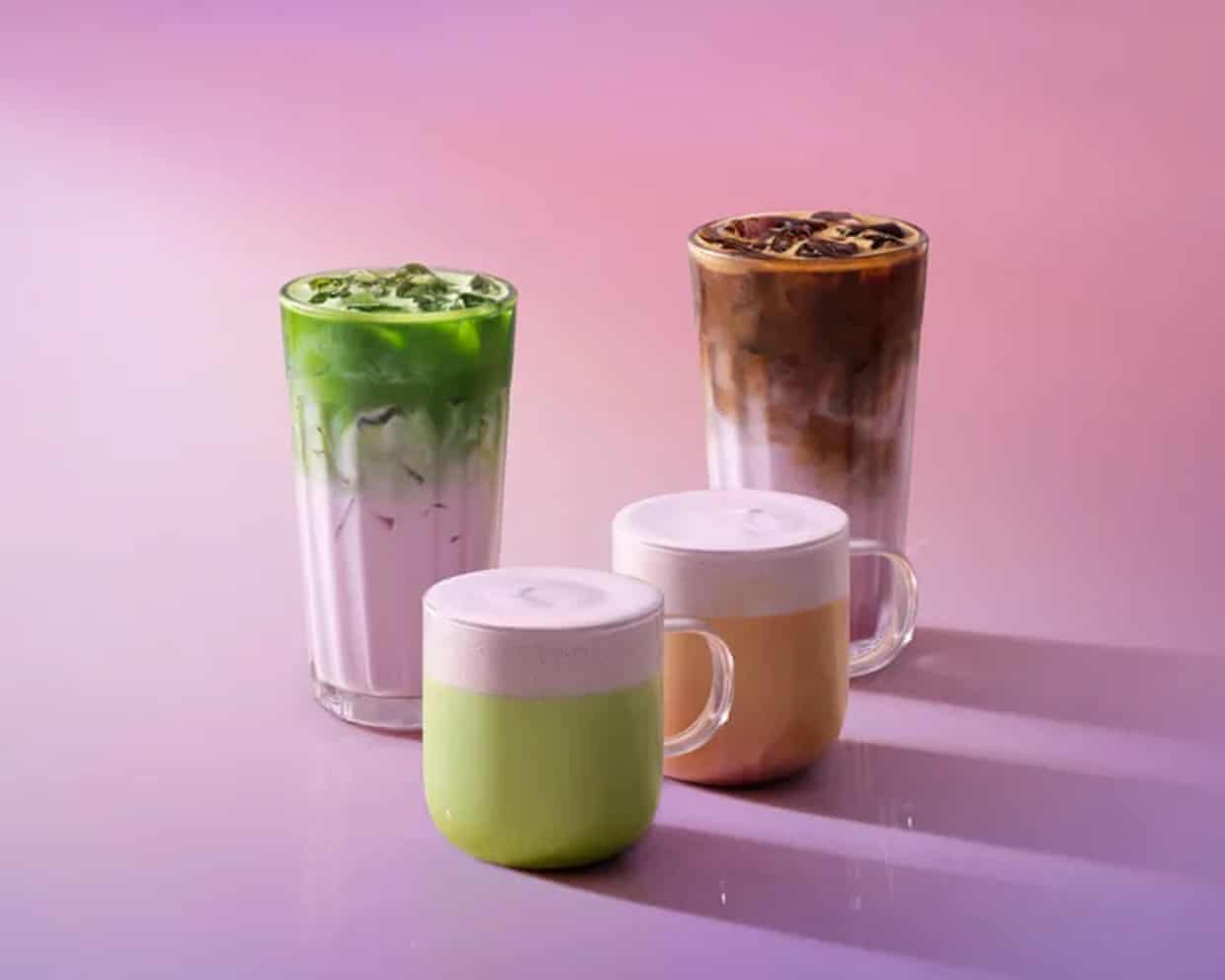
Bright purple coffees and cocktails made with a root vegetable called ube have hit the high street in the UK after the yam’s striking hue caused a sensation on social media. Many are calling ube the “new matcha”, and it has a nutty, creamy, sweet taste, like a mix between coconut and vanilla.Ube coloured and flavoured drinks became popular in the US last year, after an earlier boom in Australia. Farmers in the Philippines, where the root vegetable is often sourced, have been struggling to meet demand.Now, the purple drinks have crossed the pond: Starbucks and Costa both launched ube drinks in their UK stores last month
Rachel Roddy’s ‘high-ranking’ penne with potatoes, cabbage, butter and cheese – recipe
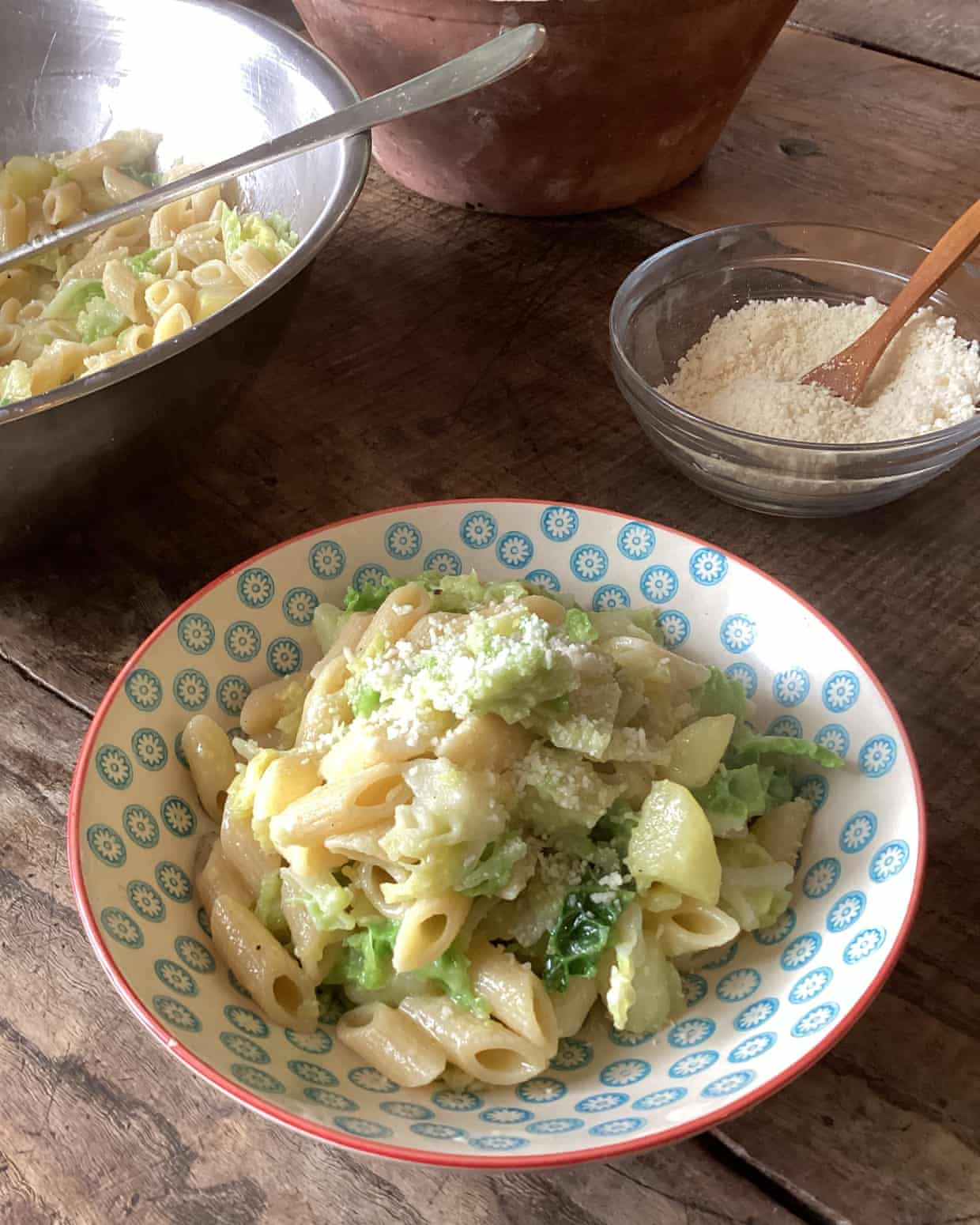
In December 2023, the magazine La Cucina Italiana ranked Italians’ favourite pasta shapes, according to data gathered by Unione Italiana Food (“the leading association in Italy for the direct representation of food product categories”). I love this sort of thing. According to the UIF, by processing NielsenIQ data (comprehensive market research, consumer intelligence and retail measurement), they identified the five most popular shapes from over 500, and examined how preferences vary in different regions.In first place was spaghetti, while penne came in second, with these two shapes – which also takes in thinner spaghettini, chunkier spaghettoni and both ridged and smooth penne – accounting for 78% of all pasta sold in Italy in 2023. The regional variations of three, four and five are as follows: in the north-west and north-east, fusilli, short pasta and mixed pasta for broth or minestra; in central Italy, short pasta, fusilli and rigatoni; in the south, mixed pasta for broth or minestra, short pasta and tortiglioni
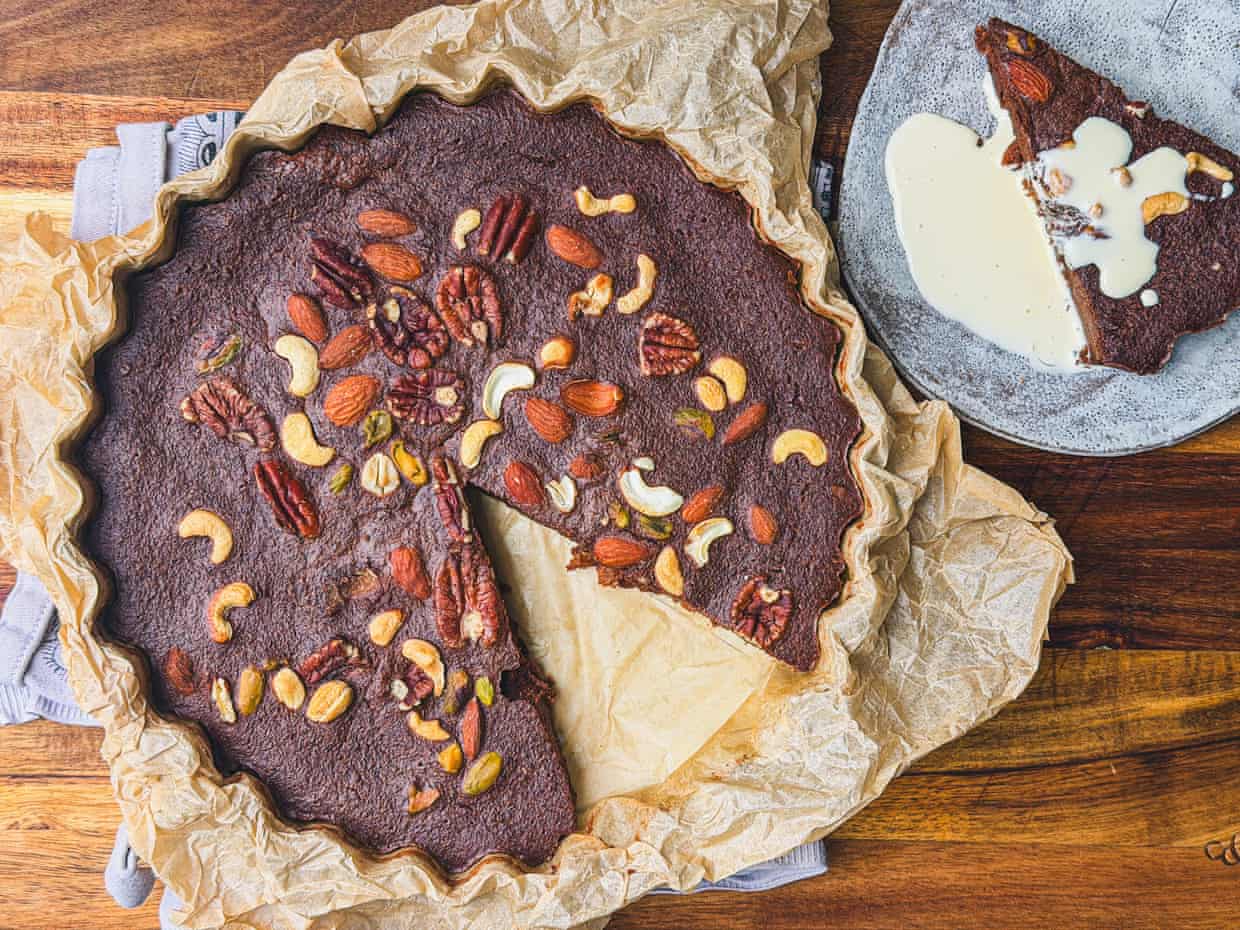
How to turn old bread into a brilliant Italian cake – recipe | Waste not
Old sourdough is my secret ingredient. To stop it going mouldy, I take it out of any plastic packaging and keep it in the bread bin with plenty of airflow around it – that way, it will dry out slowly, rather than turning mouldy. Any odds and ends, meanwhile, I store in a cloth bag to use in various dishes, from pangrattato (or poor man’s parmesan) to strata, a savoury bread-and-butter pudding.My new favourite recipe discovery for using up stale bread is today’s torta paesana, or village cake, from Lombardy. The best way I can come up with to describe it is that it’s a bit like a firm baked custard
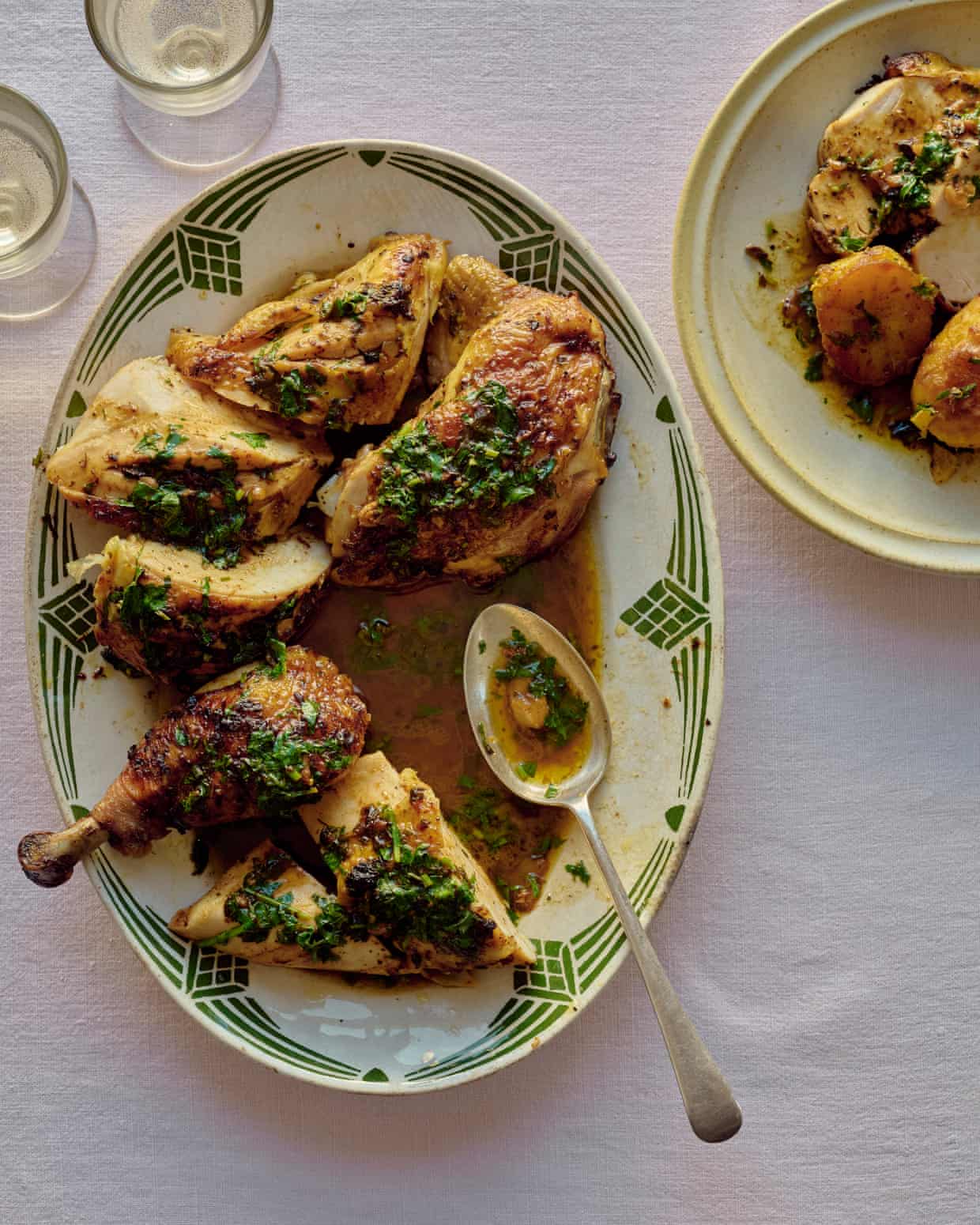
Roast chicken, cheesy scones and a genius cocktail: Ravinder Bhogal’s recipes for cooking with lime pickle
I’m obsessed with lime pickle. It’s savoury, sour, funky, spicy and full of bold personality that enlivens anything it’s smeared on. It’s made by salting and fermenting limes with chillies and spices for a fierce, flavour-packed condiment that’s traditionally eaten as a side to poppadoms or with simple dal and rice. Over the years, I have also folded it into grilled cheese toasties, marinades for fat prawns to barbecue in the summer or made compound butters with it to smother over sweet potatoes before roasting. It’s an instant flavour bomb and my pantry is never without a jar
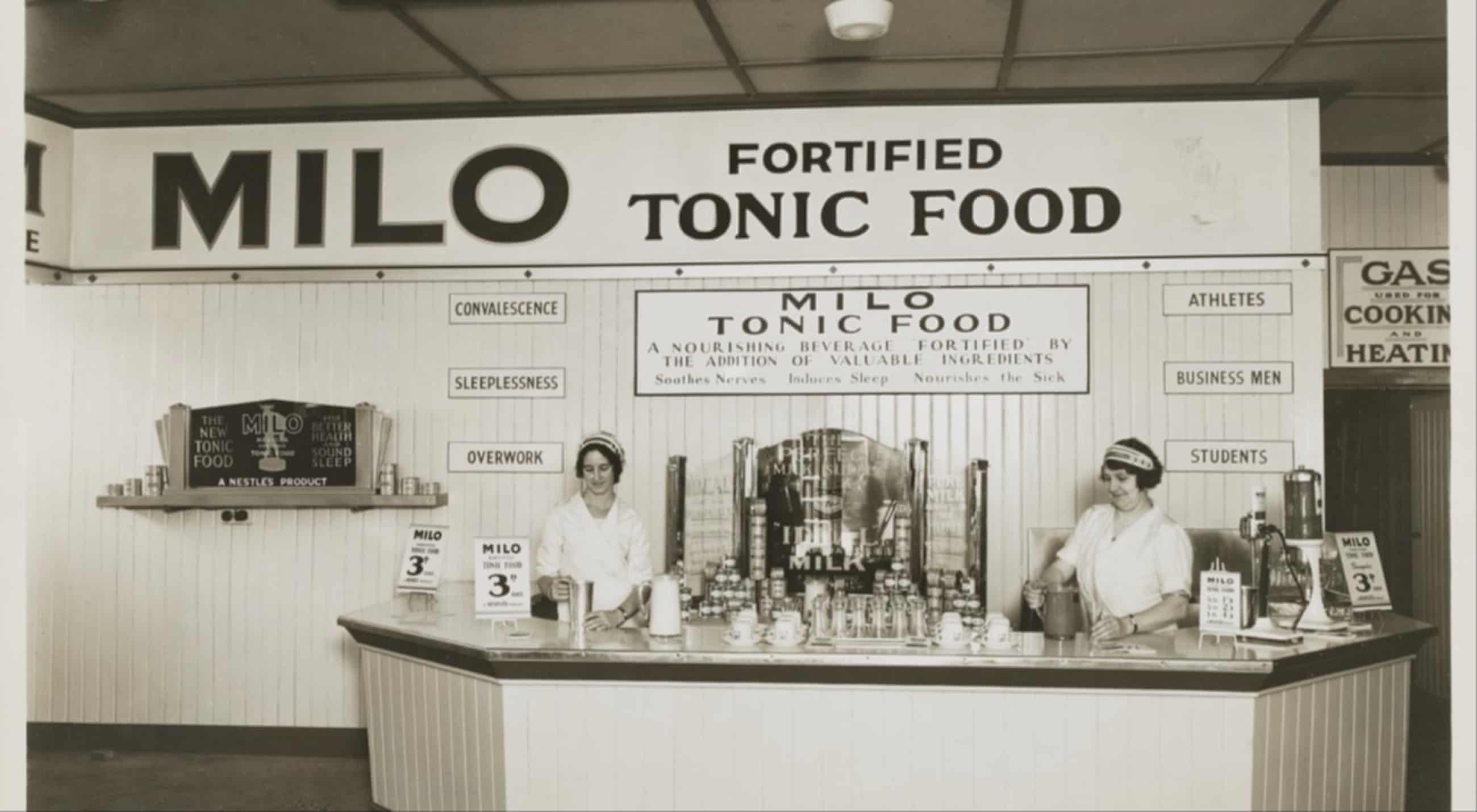
Vegemite is recognised globally – but how many people know Milo was invented in Australia?
The chocolate malt powder is sold in more than 40 countries, and Australian cafe owners say there’s ‘jingoistic pride’ in serving it on their menusGet our weekend culture and lifestyle emailWhen I order the jumbo-sized Milo Godzilla at Ho Jiak in Sydney’s Haymarket, it arrives as advertised – it’s comically large. The Malaysian restaurant prepares the drink by swirling Milo powder with hot water, adding sweet drizzles of condensed milk then chilling the mix with ice. Scoops of ice-cream are added and extra choc-malt powder is showered on top. Served in a one-litre jug, it’s so big I can’t finish it solo: staff hand me three takeaway cups to transport the leftovers.Like many beloved Milo drinks, the Godzilla is native to south-east Asia

The Guide #239: Two successful seasons in, The Pitt has resuscitated the medical drama
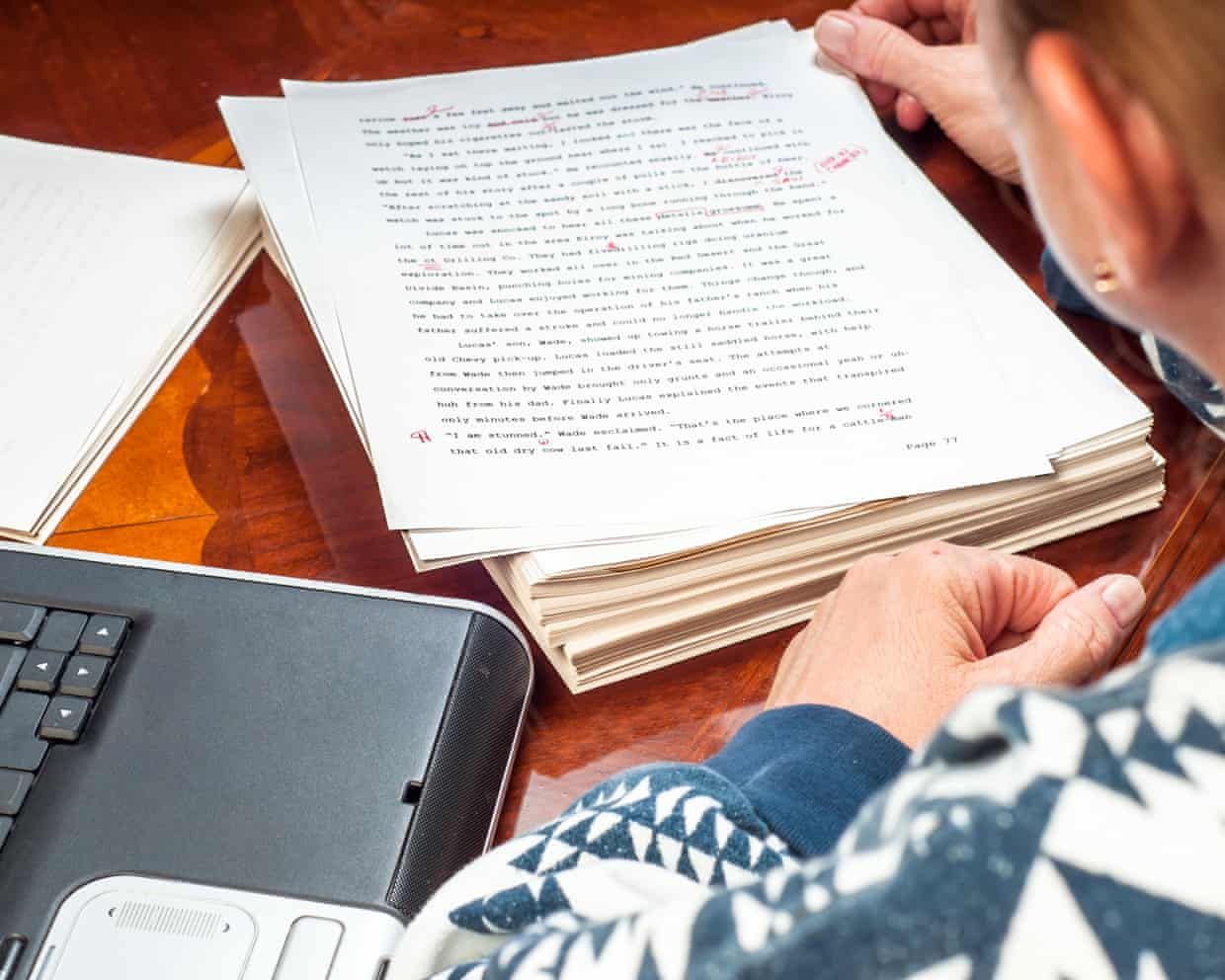
Winners and judges out of pocket as £20,000 writing awards appear to have closed

Zelda taught me the importance of play – and has helped me deal with work, parenting and grief
From Lee Cronin’s The Mummy to Zayn: your complete entertainment guide to the week ahead
Lost Federico García Lorca verse discovered 93 years after it was written

Stephen Colbert on Trump’s Vatican feud: ‘Damn, the pope just read you for filth’