Anas Sarwar asks voters in Scotland to give Labour five years to ‘fix SNP’s mess’
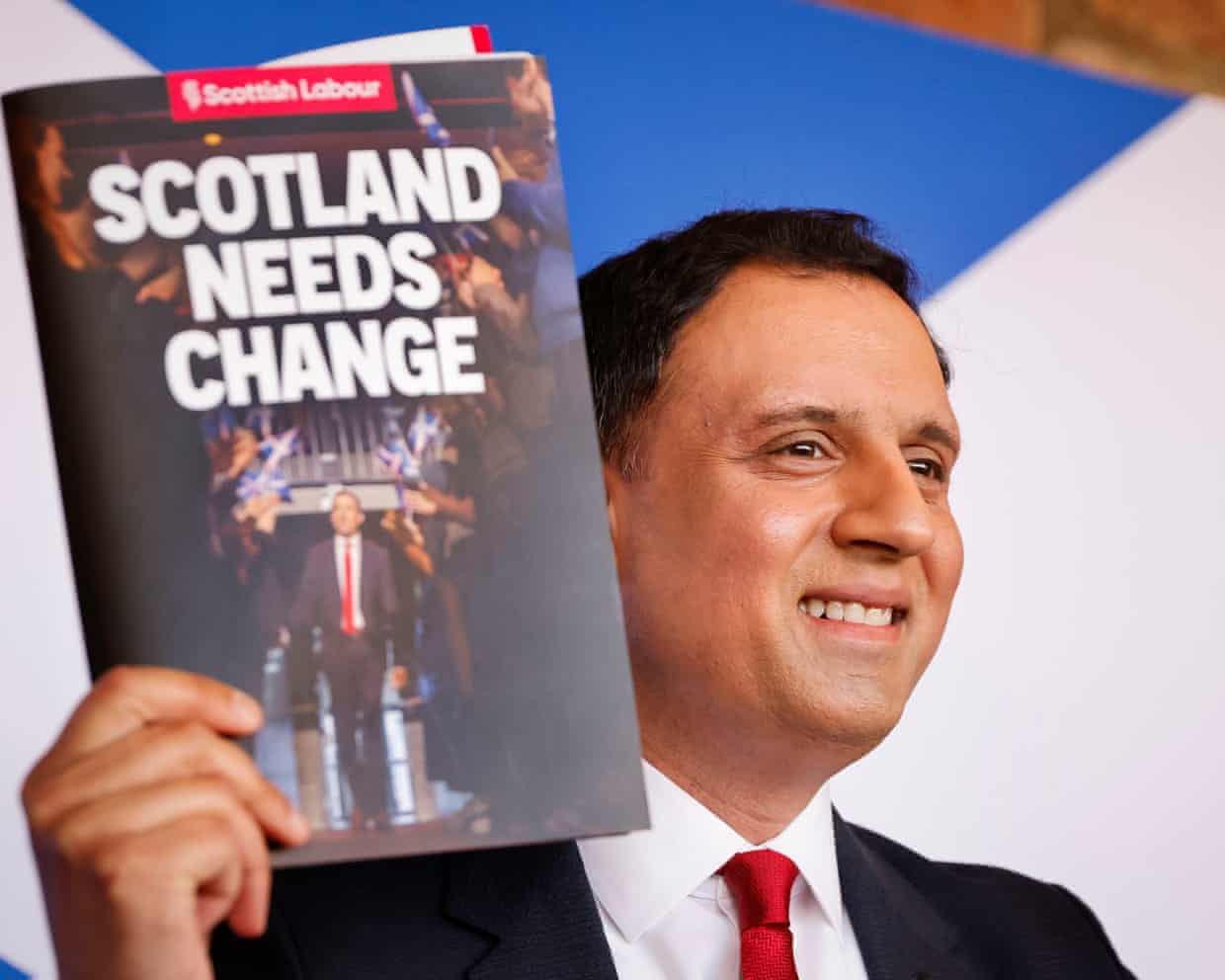
Anas Sarwar has appealed to voters to give Labour five years “to fix the Scottish National party’s mess” as he pledged more homes, tax cuts and a smaller public sector.The Scottish Labour leader is fighting a last-ditch attempt to reverse a steep slump in support.Recent polls put Sarwar’s party third or even fourth behind the SNP, Reform and the Scottish Greens, dragged down by the UK government’s unpopularity.He said Labour still had time to claw its way back into contention before the 7 May Holyrood election, claiming voters would see the SNP government of John Swinney as “tired, full of excuses and out of ideas”.Sarwar said people “could see that quite clearly” during the first televised leaders’ debate on Sunday, as he unveiled Labour’s manifesto in Edinburgh.
“I am confident that the more people see the choice at this election, and the more they come alive to this election campaign, they will choose change on 7 May,” he said.Sarwar made no reference to Keir Starmer, or UK policies, as he laid out a series of election pledges to provide families with a £3,000 childcare tax break, lift property taxes for first-time buyers and build 52,300 affordable homes, while hiring 2,000 extra teachers to increase literacy and numeracy.With less than 25 days until the election, the party still hopes to capitalise on polls that also show a large majority of Scottish voters are critical of public services under the SNP, by making Labour the vehicle for that discontent.“After 20 years of the SNP they have lost their way,” Sarwar told the rally on Monday.“They have been given 20 years.
I am asking you to give me five; five years to fix the SNP’s mess.The people who created the mess cannot be the ones to fix it.”Facing heavy competition for votes on the centre left in Scotland, and seeing the Conservatives tacking to the right as they struggle to compete with Reform UK, Scottish Labour has shifted its economic policies firmly into the centre.Scottish Labour had previously pressed for a more progressive income tax regime in Scotland, using the country’s devolved tax system.Sarwar said the party now aspired to reduce tax rates, and particularly target middle earners paying significantly higher marginal rates, when Scotland’s finances allowed, as well as cutting business rates.
Labour would cut the country’s quangos by a third, heavily streamline NHS bureaucracy, host a unit in a new Scottish Treasury to cut public sector waste and introduce a board of trade to prioritise private investment, he said.The party would also build new nuclear power stations, scrapping the SNP’s longstanding ban on the technology, and greatly streamline the planning system to speed up developments, Sarwar added, winning plaudits on Monday from the business lobby group CBI Scotland.Labour claims its public sector cuts, strengthened investment agencies and greater investment in new technologies, including Scotland’s first NHS appointments app and AI-driven diagnostics in the NHS, will free up hundreds of millions to invest in better schools, hospitals and local services.The manifesto was given cautious approval by the Institute for Fiscal Studies, which said its “relatively restrained” proposals and lack of expensive, uncosted promises were sensible and less risky than those of Labour’s rivals.David Phillips, the head of devolved and local government finances at the thinktank, said: “Particularly given the fiscal situation, the lack of big unfunded new commitments is welcome.
”Even so, Labour would need to cut some services because spending increases on core areas were unavoidable.Despite Sarwar’s confidence, the anti-independence campaign group Scotland in Union published a tactical voting guide that urged Labour, Tory and Liberal Democrat voters to back whichever party stood the best chance of blocking an SNP candidate from winning a local constituency.Angus Robertson, the SNP’s campaign director, said: “We’ve heard it all before from Labour – but we know exactly what we get with them.Broken promise after broken promise – energy bills up, Grangemouth closed and the winter fuel payment debacle.We already have one disastrous Labour government and we don’t need another one.
”
‘It feels as if I’ve made a new best friend’: my experiment with AI journalling
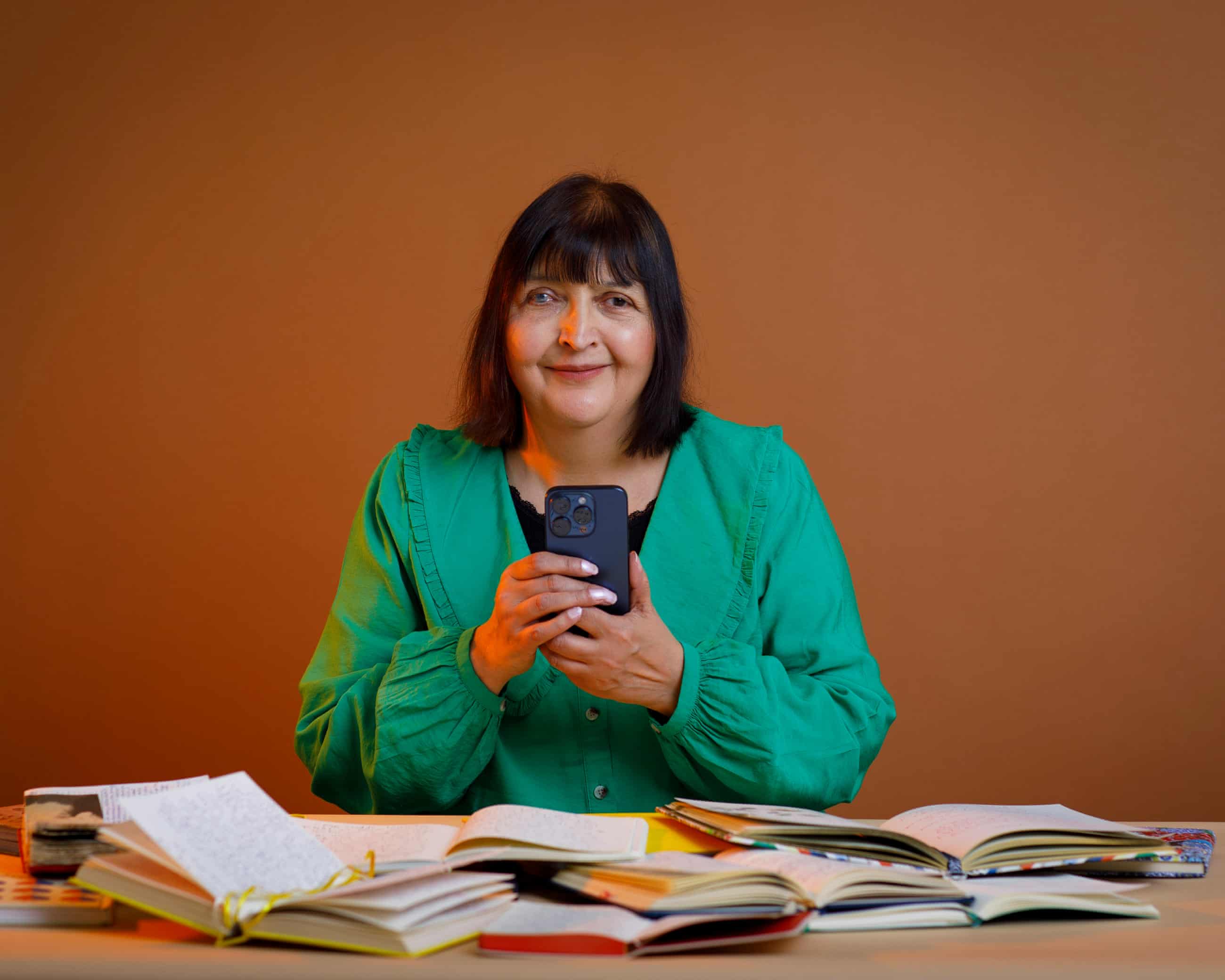
What’s it like to have a diary that talks back to you, offering comments and advice on your hopes, fears and lunch plans? I spent two months finding outEver since I was a teenager, I have kept some form of diary. These days I favour a paper one for creative brainstorming, and the Journal app on my iPad where I do a speedily typed brain dump every morning. I have always found it a great way to impose some sort of order on my random thoughts, a form of meditation.But I had never even heard of AI journalling until a Google search led me down a rabbit hole where I encountered people enthusing about two apps, Rosebud and Mindsera. It sounded as if Mindsera’s minimalist design was the best for writers
Dr TikTok: patients diagnose chronic illnesses with anonymous commenters’ help
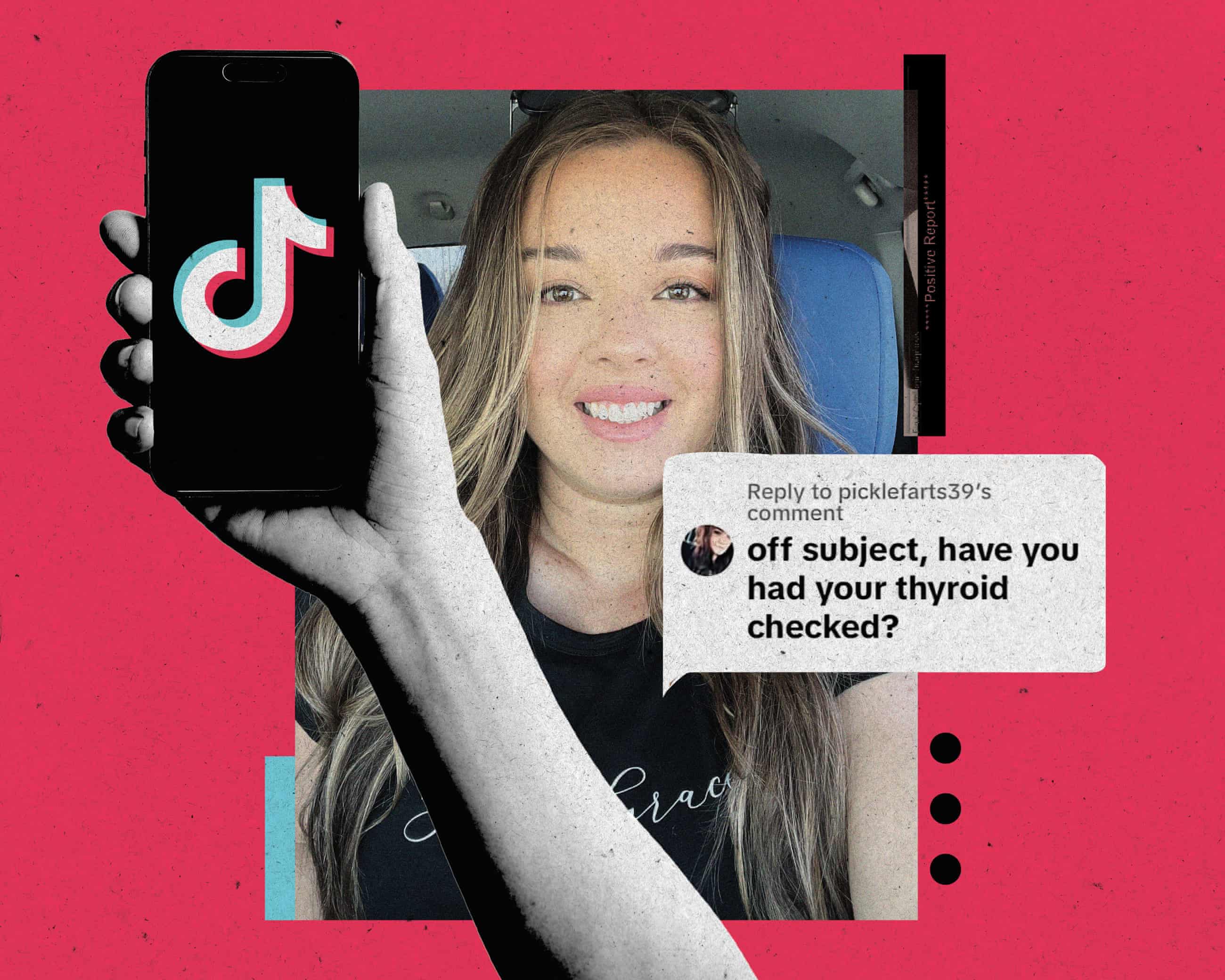
TikTok users increasingly say the app has steered them toward diagnosing medical problems not yet identifiedMalina Lee, a 31-year-old wedding baker based in San Antonio, Texas, joined TikTok during the Covid pandemic lockdowns in 2020. Like many people at the time, she was bored and began using the platform to pass the time and advertise her business. She didn’t expect a cancer diagnosis.Four years after Lee joined the app, a commenter with the username “PickleFart” told her that her neck looked asymmetrical in a way that could suggest she had a goiter – an enlarged thyroid gland – and that she should get it checked out. The anonymous amateur clinician turned out to be right – Lee had thyroid cancer, received treatment quickly, and, less than a year later, was cancer free
AI companies know they have an image problem. Will funding policy papers and thinktanks dig them out?
OpenAI made a surprise announcement this week – not an update to ChatGPT or another multibillion-dollar datacenter – but a policy paper that called for a reimagining of the social contract based around “a slate of people-first ideas”. It’s the latest move in an aggressive effort by the major AI players to reshape the narrative around their industry, as polls show public disapproval of AI increasing.OpenAI’s 13-page paper, titled Industrial Policy for the Intelligence Age, follows its surprise acquisition of tech-friendly podcast TBPN and its announcement of plans to open a Washington DC office that will feature a dedicated space called the OpenAI workshop for non-profits and policymakers to learn about and discuss the company’s technology.OpenAI’s rival Anthropic has meanwhile announced its own thinktank, the Anthropic Institute, which similarly proclaimed an intention to explore how the growth of AI would disrupt society.As disruptions from AI become more tangible and calls for greater scrutiny of big tech companies grows louder, the industry appears to be both recognizing the widespread discontent and looking for ways to reframe the debate

‘Too powerful for the public’: Inside Anthropic’s bid to win the AI publicity war
This week, the AI company Anthropic said it had created an AI model so powerful that, out of a sense of overwhelming responsibility, it was not going to release it to the public.The US treasury secretary, Scott Bessent, summoned the heads of major banks for a chat about the model, Mythos. The Reform UK MP Danny Kruger wrote a letter to the government urging it to “engage with AI firm Anthropic whose new frontier model Claude Mythos could present catastrophic cybersecurity risks to the UK”. X went wild.Others were more sceptical, including the noted AI critic Gary Marcus, who said: “Dario [Amodei] has far more technical chops than Sam [Altman], but seems to have graduated from the same school of hype and exaggeration,” referring to the CEOs of Anthropic and its rival, OpenAI

‘It has your name on it, but I don’t think it’s you’: how AI is impersonating musicians on Spotify
Jason Moran, a renowned jazz composer and pianist, got a strange call from a friend last month. The friend, bassist Burniss Earl Travis, was curious about Moran’s new record that he saw on the music streaming service Spotify.“It has your name on it,” Travis told him. “But I don’t think it’s you.”Moran said he doesn’t use Spotify or put his music on the platform, preferring only to use the site Bandcamp, so this didn’t track
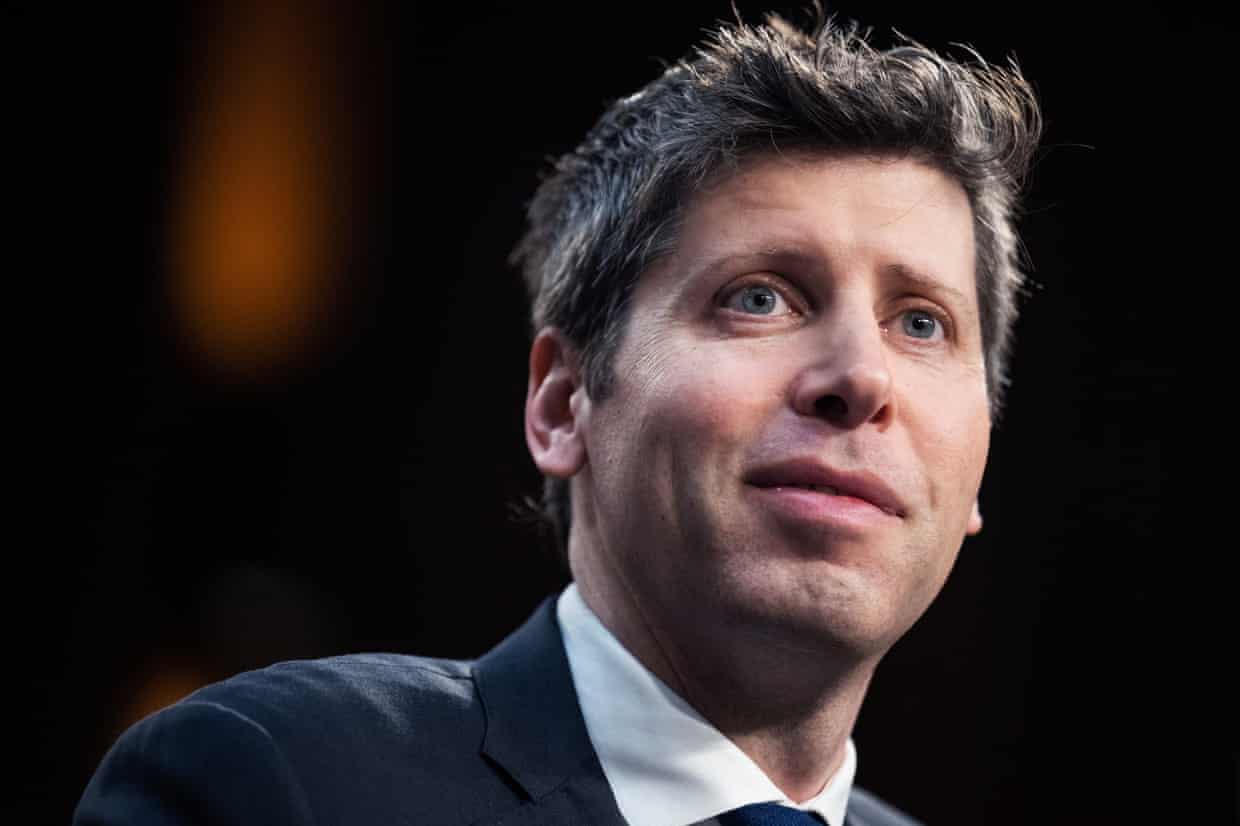
OpenAI CEO Sam Altman’s home targeted with molotov cocktail
A 20-year-old man allegedly tossed a molotov cocktail at the home of Sam Altman, OpenAI’s CEO, before the sun rose on Friday, according to statements from San Francisco police.The suspect, who allegedly threw the fire bomb at the $27m Russian Hill residence around 4.12am, has been arrested but not identified. The same person allegedly threatened to torch OpenAI’s headquarters in the city. No injuries were reported

AI to predict how bowel cancer patients will respond to new NHS drug
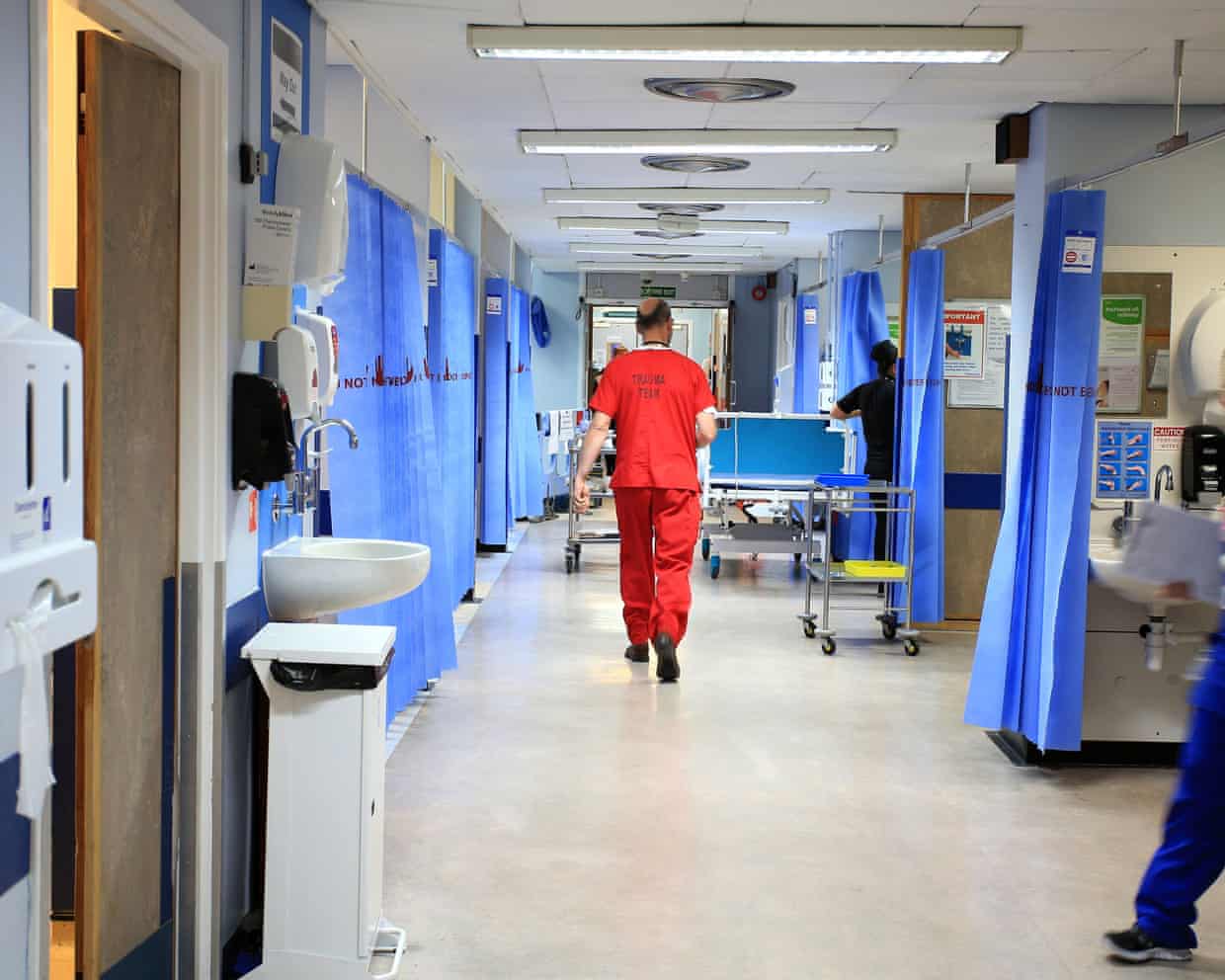
Private firms providing services to NHS made £1.6bn profit in two years, research finds
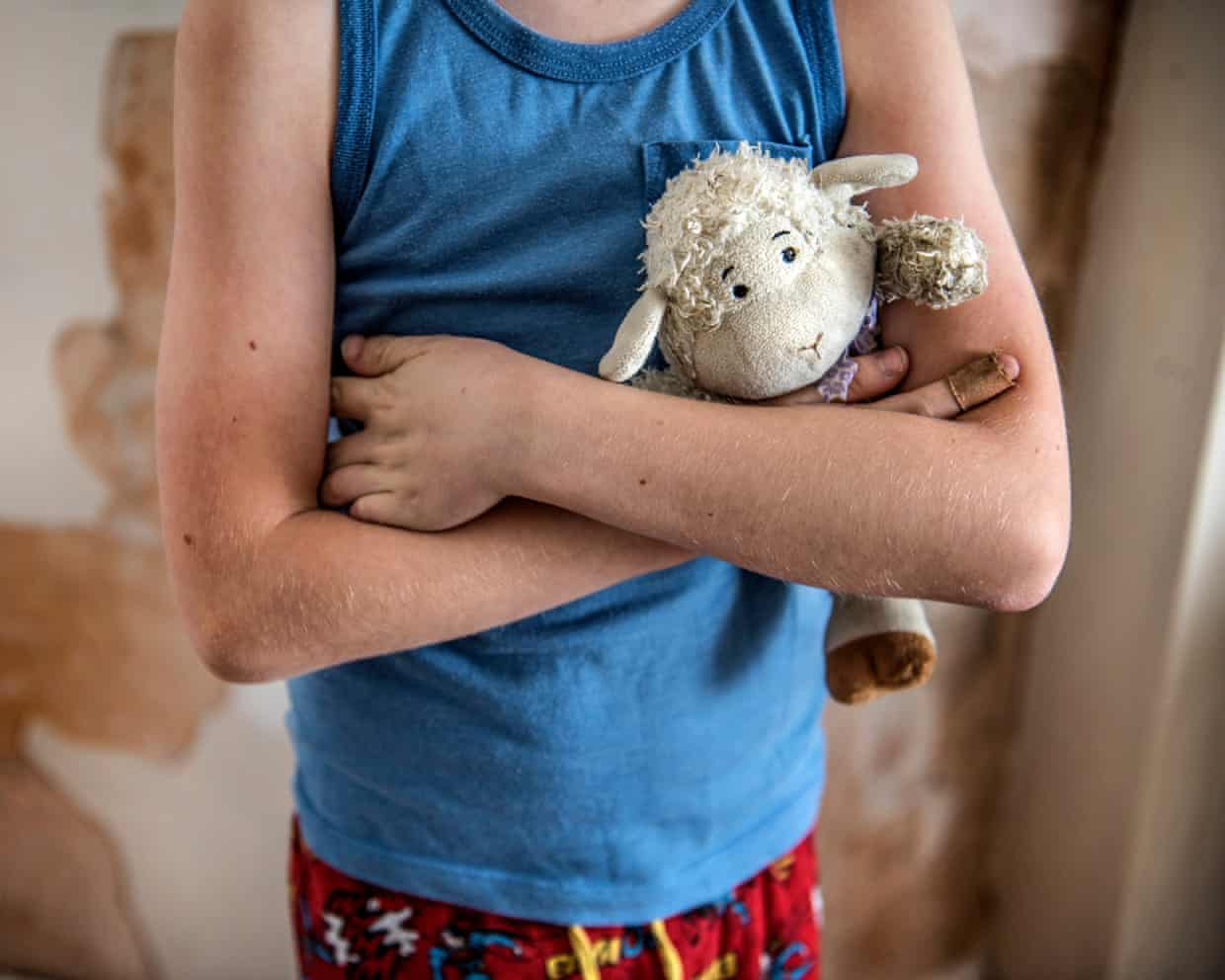
More than a fifth of UK’s ‘austerity children’ scarred by poverty, study says
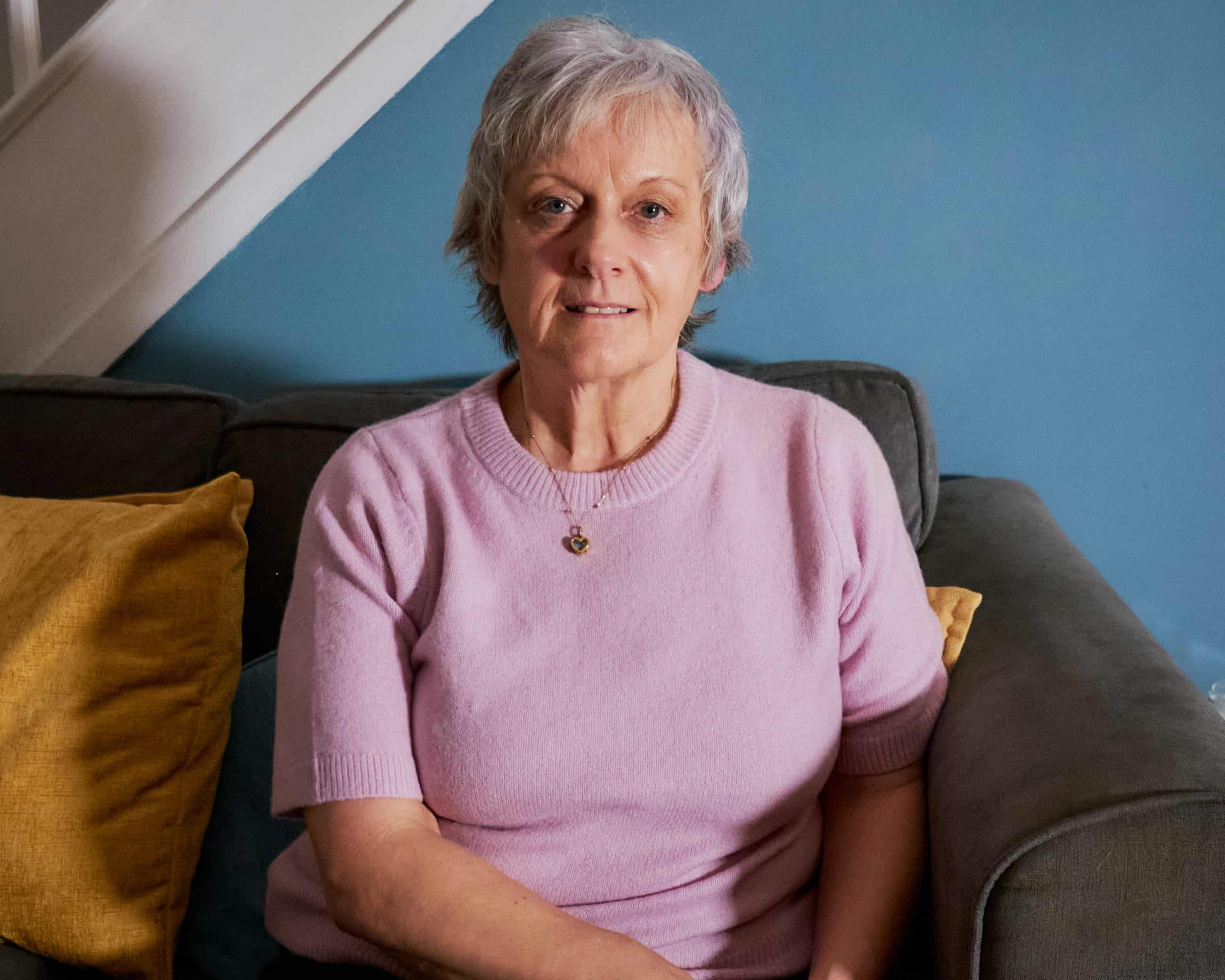
‘I just want to feel like me again’: the women still waiting for breast reconstruction years after lockdown

Iran war could plunge 32 million into poverty, says United Nations

Thousands of unpaid carers to face DWP repayment demands during overhaul