Streeting urges closer trading ties with Europe to grow UK economy
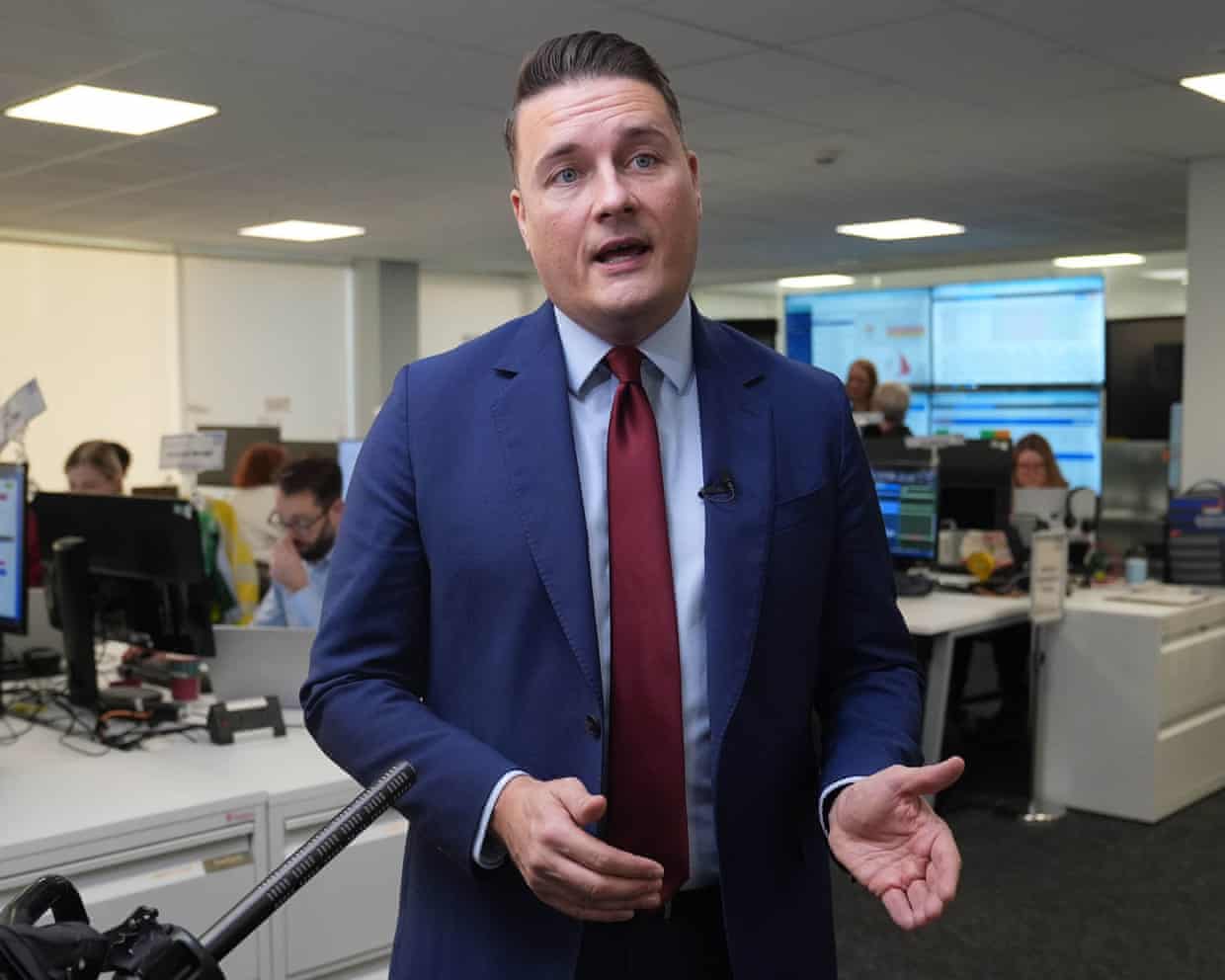
A deeper trading relationship with the EU would be the best way of growing Britain’s economy, which has an “uncomfortable” level of tax, Wes Streeting has said.The health secretary said it would not be possible for any partnership with the EU to “return to freedom of movement”, but his comments appeared to leave the door open to the idea of a customs union.His remarks on the EU appear to go further than the government’s position, which has ruled out a customs union as it seeks deeper trading relations with Brussels.Some in the cabinet would like No 10 to go further in its ambitions in order to improve the UK economy.Streeting spoke out about the EU, the economy and his own ambitions in a wide-ranging interview with the Observer, while stressing that he was not after Keir Starmer’s job.
He said a deeper economic partnership with Europe would be the best way of increasing growth, and suggested he would like to go further than the current reset with the EU, which he described as a “good start”.“We’ve taken a massive economic hit leaving the European Union.I’m really uncomfortable with the level of taxation in this country.We’re asking a lot of individual taxpayers, we’re asking a lot of businesses.We’ve got a level of indebtedness that we need to take very seriously,” he said.
“The best way for us to get more growth into our economy is a deeper trading relationship with the EU.“The reason why leaving the EU hit us so hard as a country is because of the enormous economic benefits that came with being in the single market and the customs union.This is a country and a government that wants a closer trading relationship with Europe.“The challenge is any economic partnership we have can’t lead to a return to freedom of movement.”On his own brief, Streeting said the NHS was “coping” with resident doctors’ strikes, but he was worried about its recovery as the industrial action enters its final day.
The health secretary told the Observer that the NHS was managing to get through the five-day action by the British Medical Association doctors in England, but he was concerned about the period afterwards as the health service struggles with flu cases,Streeting has taken a tough stance on strikes,He offered resident doctors a deal that involved more training places but no extra money, which was refused,His position has been criticised by Andrea Egan, the incoming general secretary of Unison, as an “unacceptable” approach to striking workers,Streeting said: “I think the NHS is coping.
The period that worries me more is the post-strike period when we have to try and recover the service,That now falls at a time of year which is the NHS’s busiest,“I don’t think that doctors are selfish and don’t care about nurses and other healthcare professionals, but the BMA’s position can be quite hardline and uncompromising,”Streeting, who is considered a top contender to be the next Labour leader, described recent media briefings by allies of Starmer several weeks ago – amid speculation he was preparing to replace the prime minister – as a “bizarre drive-by” and questioned why anyone would want the top job,However, he appeared careful not to rule himself out, saying: “I’m diplomatically ducking the question to avoid any more of the silly soap opera we’ve had in the last few months.
” Pressed on whether he thought Britain would be prepared to vote for a gay prime minister, he said: “Yes, but I want to make it explicitly clear that this is not a pitch or a job application.The prime minister’s got my absolute support.”Anna Turley, the chair of the Labour party, was pressed on Sky News’s Sunday Morning with Trevor Phillips about Starmer’s low approval ratings and she insisted he would still be prime minister next Christmas.She said it was “nonsense” that he may have to resign if local election results are bad for Labour in May and said the whole team was “united behind him”.Streeting said he and the former deputy prime minister Angela Rayner had joked about rumours that they had struck a deal to make a joint bid if there were to be a vacancy, and insisted it bore no resemblance to reality.
“The last time I had a conversation with Angela was when I went up to her in the voting lobby and said, ‘I hear you’re putting together a new cabinet, I’ve always liked the idea of the Foreign Office so count me in’ and she turned around and snapped back as quick as a flash ‘oh no you’re behind the times haven’t you heard I’m going on I’m a Celebrity?’,” he says.“We had a good laugh about it because there’s so much idle gossip and tittle-tattle.”He also hinted that he held a different position on banning social media for under 16s than some others in the cabinet, including the prime minister.“We need to think much more radically about how we support young people to navigate this new online world,” he said.“[It] has been a place of bullying, intimidation, sometimes misogyny, even radicalisation.
The challenge of social media is that it’s increasingly antisocial media,That’s why I think what Australia’s doing is interesting and we should follow the results closely and see if that’s something we should consider doing here,”

Christmas burnout: why stressed parents find it ‘harder to be emotionally honest with children’
Advent calendars, check. Tree and decorations, check. Teachers’ presents, nativity costumes and a whole new ticketing system for the PTA’s Santa’s grotto, check. But the Christmas cards remain unwritten, the to-do list keeps growing, and that Labubu doll your child desperately wants appears to have vanished from the face of the earth.If you’re feeling frayed in the final days before Christmas, you’re not alone

‘We’ve got more in common than what divides us’: a Muslim-Jewish kitchen in Nottingham counters hate and hunger
As antisemitism and Islamophobia rise, a community centre brings people together over shared meals, offering an antidote to food poverty, social isolation and divisionDonate to the Guardian Charity Appeal 2025 hereCommunities are our defence against hatred. Now, more than ever, we must invest in hopeIt’s 2.30pm on a Wednesday afternoon and the Himmah Hub, a community centre in Nottingham, is abuzz with activity. Crates of leftover supermarket food are being carried inside, trestle tables assembled, and volunteers are arriving to prepare meals that will be served in a few hours’ time to anyone who needs one – a queue has already begun to form outside.This is the Salaam Shalom kitchen, known as SaSh, a joint Muslim-Jewish project set up in 2015, and based on one of the core tenets of both faith groups: bringing people together through food
NHS to trial potentially life-saving treatment for deadly liver disease
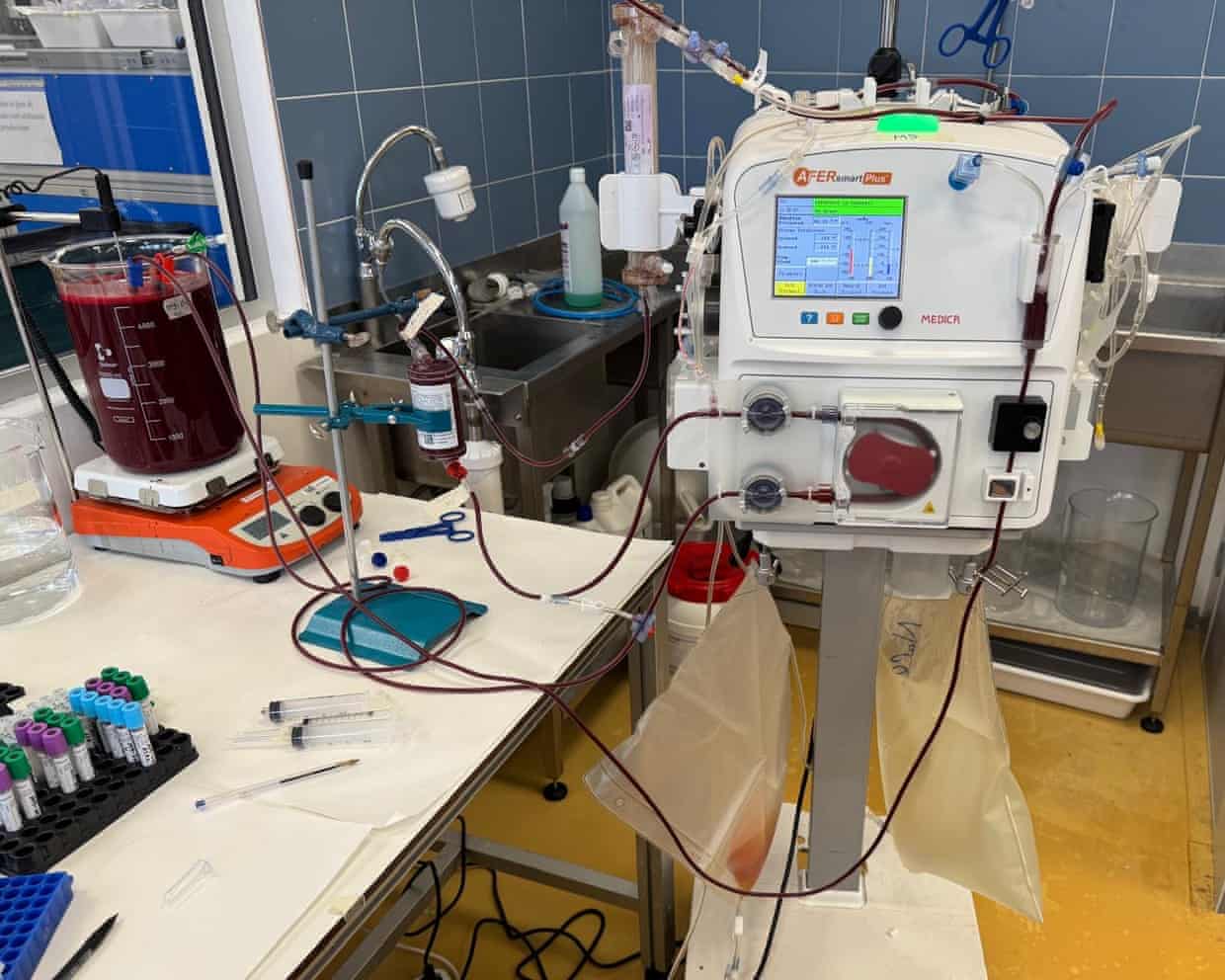
The NHS is to trial a potentially life-saving new treatment for a deadly liver disease that causes the body’s vital organs to fail.Thirteen major hospitals will use a device that cleans patients’ blood that has become corrupted by toxins as a result of them developing acute-on-chronic liver failure (ACLF).ACLF is a severe and hard-to-treat form of liver disease linked to obesity, alcohol and hepatitis, in which patients suddenly deteriorate and have to be admitted to intensive care. Three out of four people affected are only diagnosed when it has already become life-threatening.Seven out of 10 people with the disease die within 28 days and only a handful of those affected are eligible for a liver transplant, which is the only existing way to reverse ACLF

Pressure grows on DWP over ‘misleading’ response to carer’s allowance scandal
Senior officials who oversaw a flawed benefits system that plunged hundreds of thousands of carers into debt are under mounting pressure over their “misleading” response to the scandal.Prof Liz Sayce, the chair of a scathing review into the government’s treatment of unpaid carers, last week called for an overhaul of management and culture at the Department for Work and Pensions (DWP).Days after the publication of the review, the DWP’s top civil servant in charge of carers’ allowance, Neil Couling, said carers themselves were at fault for the decade-long failures.His comments, revealed by the Guardian, have prompted a key adviser to the Sayce review and a leading carer’s charity to declare a lack of confidence in the department’s pledge to fix the issues.Prof Sue Yeandle, the UK’s leading expert on unpaid carers, said ministers and senior officials had issued “really misleading” claims that the failures affected only a small number of people
‘Better out than in’: why a South Yorkshire charity wants people to speak their mind
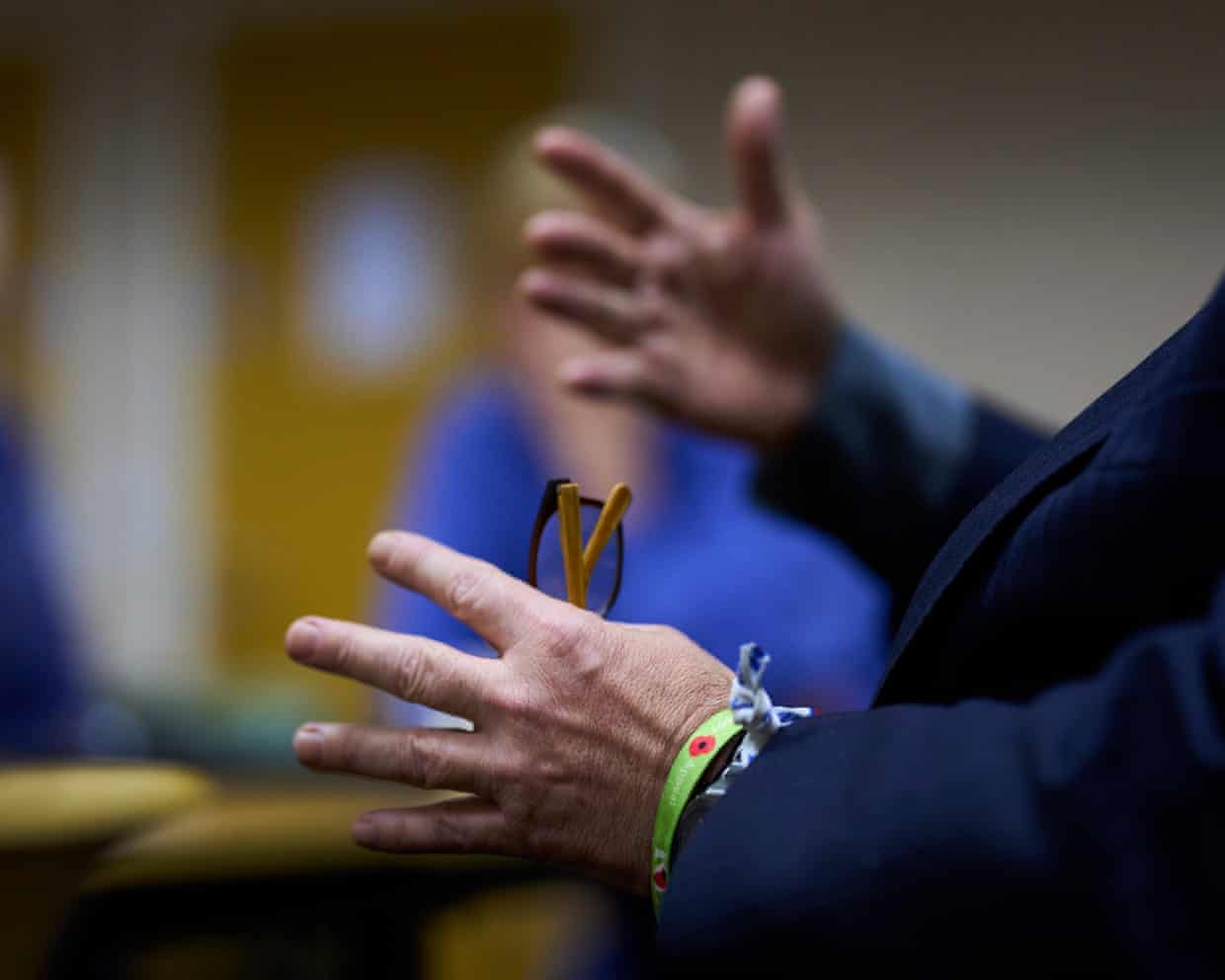
It was a filthy day in Rotherham as Storm Bram swept through the town earlier this month. Roads had turned into rivers and sodden St George’s flags flapped from lamp-posts at half mast.Inside the community centre, the heating was turned up, the bacon butties were on order and the tea was brewing. It was time for some Difficult Conversations. Some of them, it turned out, about those soggy flags
Young people will suffer most from UK’s ageing population, Lords say
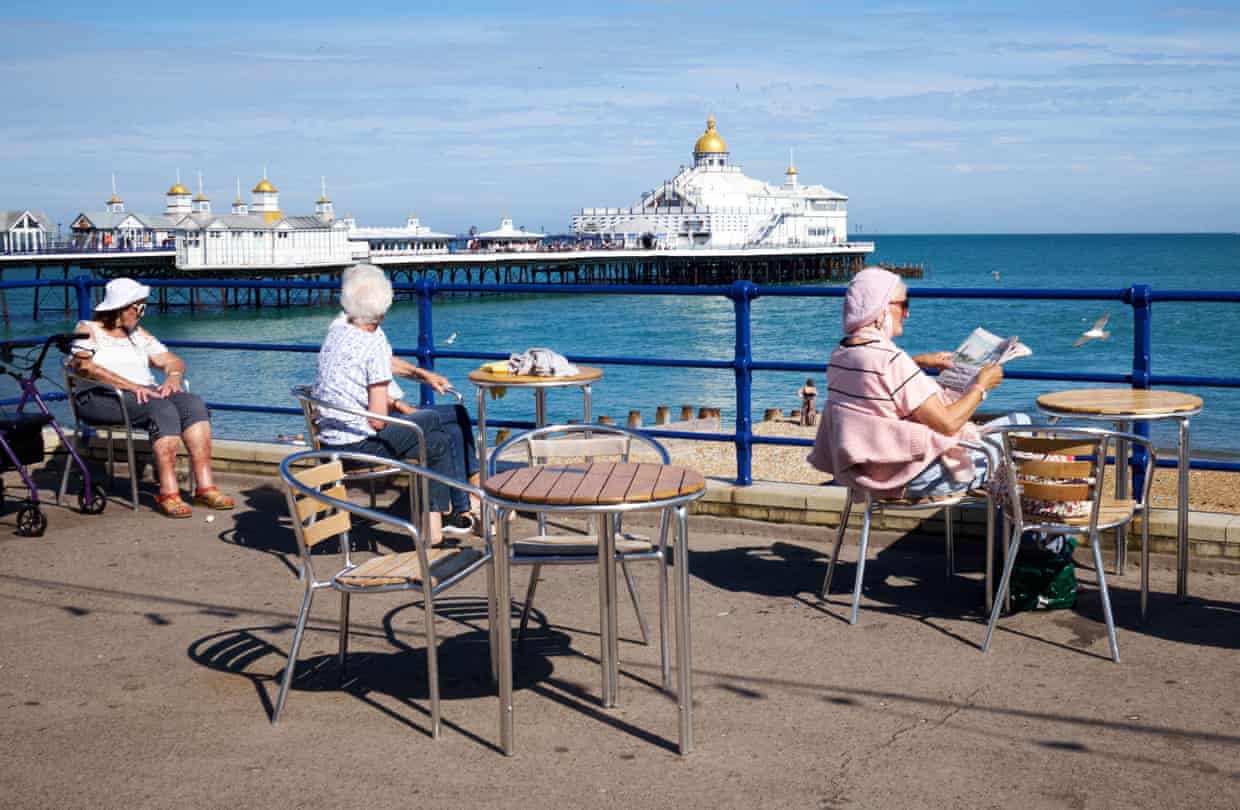
Young people will suffer most from the government’s failure to take seriously the unsustainable pressure on public finances and living standards created by the UK’s ageing population, according to the findings of a House of Lords inquiry.The report, Preparing for an Ageing Society, by the economic affairs committee, also found successive governments’ inaction on adult social care “remains a scandal”.But it also argued against the impact of age discrimination in the workplace. “The most damaging form of age discrimination [could be] self-directed, with older workers operating under a mistaken impression of its extent and therefore limiting their own choices,” it found.Lord Wood of Anfield, the committee’s chair, said, unlike the unpredictable challenges of climate change, defence and AI, ageing was a knowable, long-term challenge – and one that will touch every area of society and the economy

Britain’s economy has been damaged by Brexit. But what should ministers do about it?
Streeting urges closer trading ties with Europe to grow UK economy
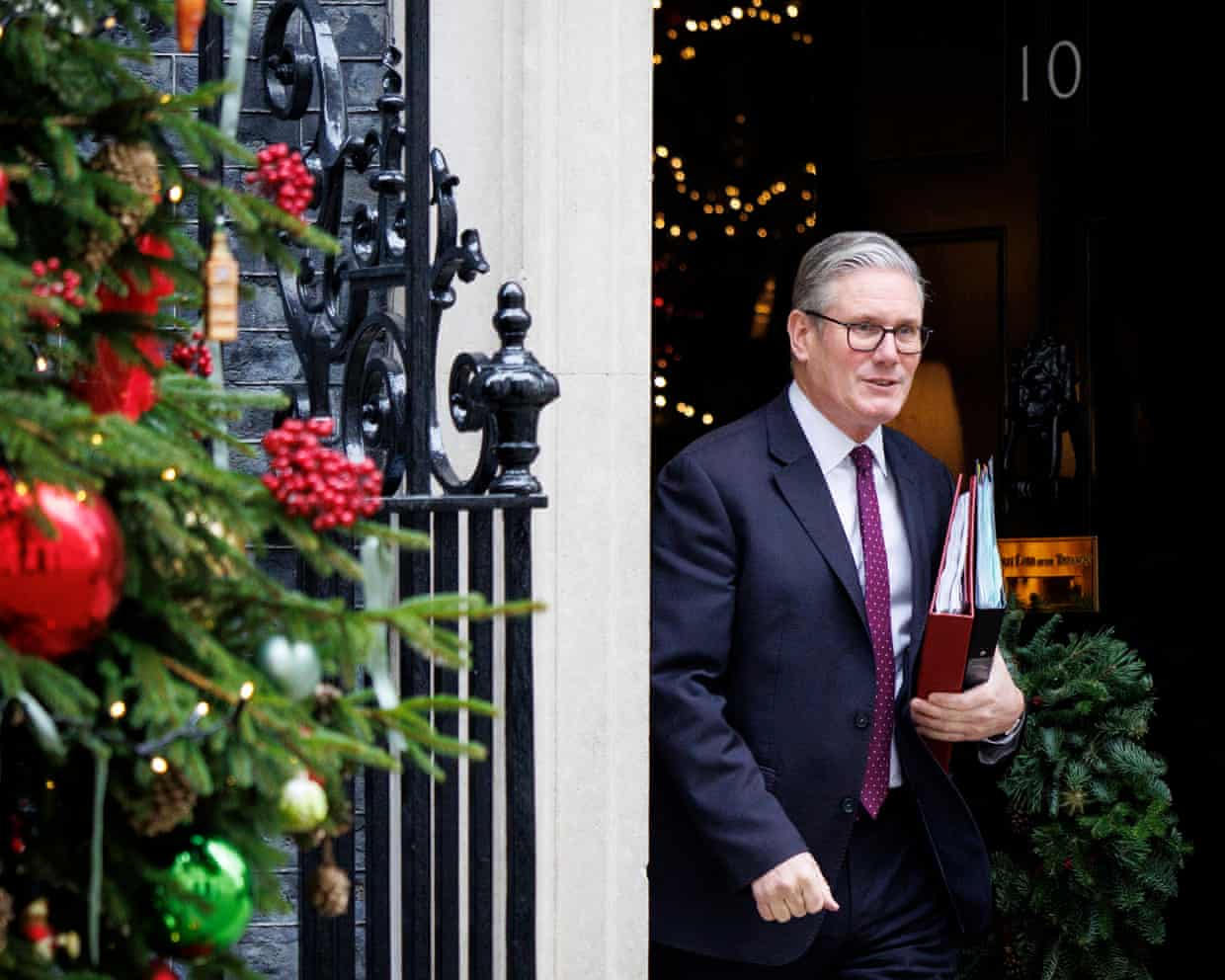
Starmer will ‘absolutely’ still be prime minister by next Christmas, says Labour chair – as it happened
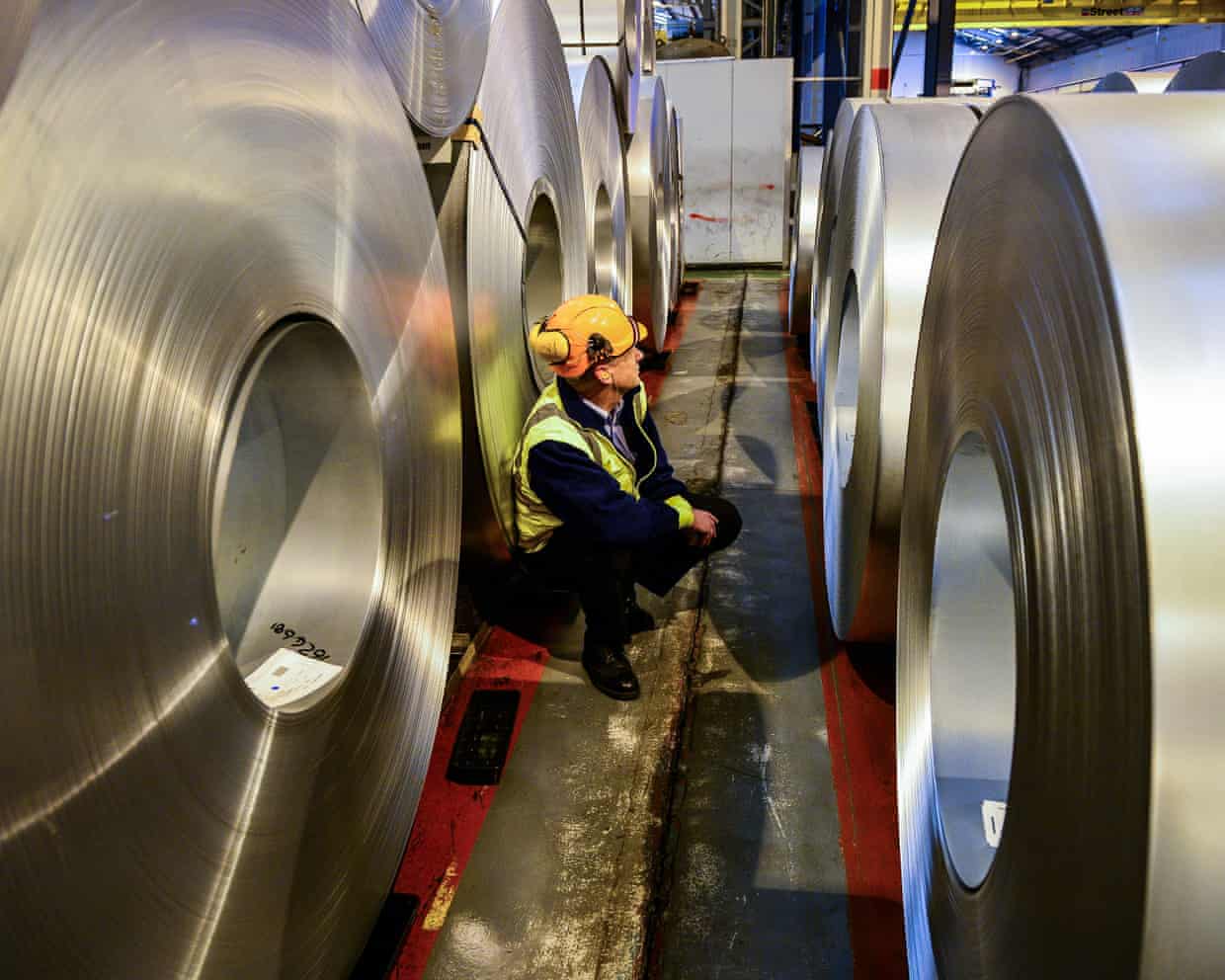
UK failure to seal EU tax exemption hands industry mountain of paperwork
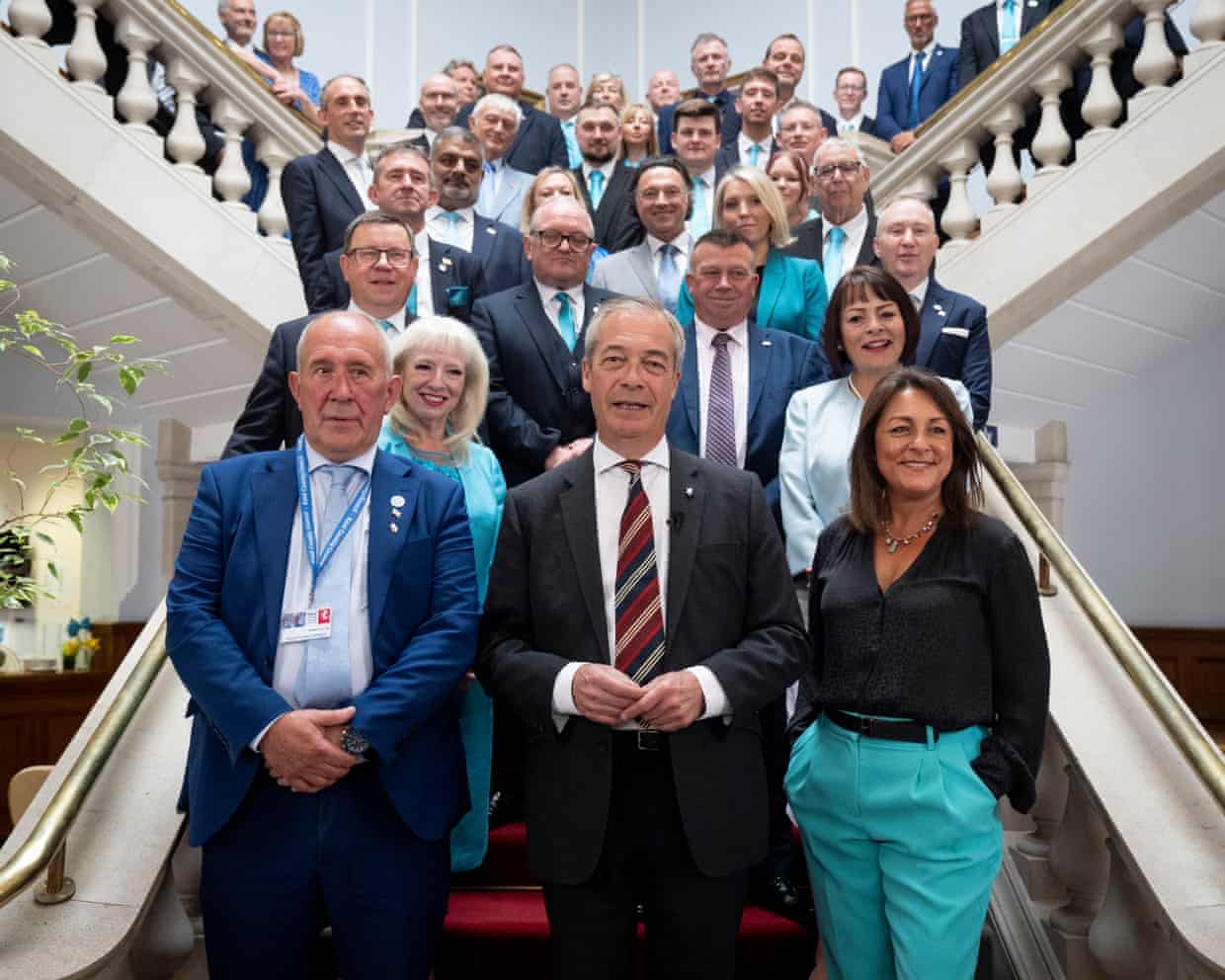
Reform councillors in Kent condemned for spending thousands on political assistants

UK aid cuts take 40% from funds to counter Russian threat in western Balkans