Britain’s economy has been damaged by Brexit. But what should ministers do about it?
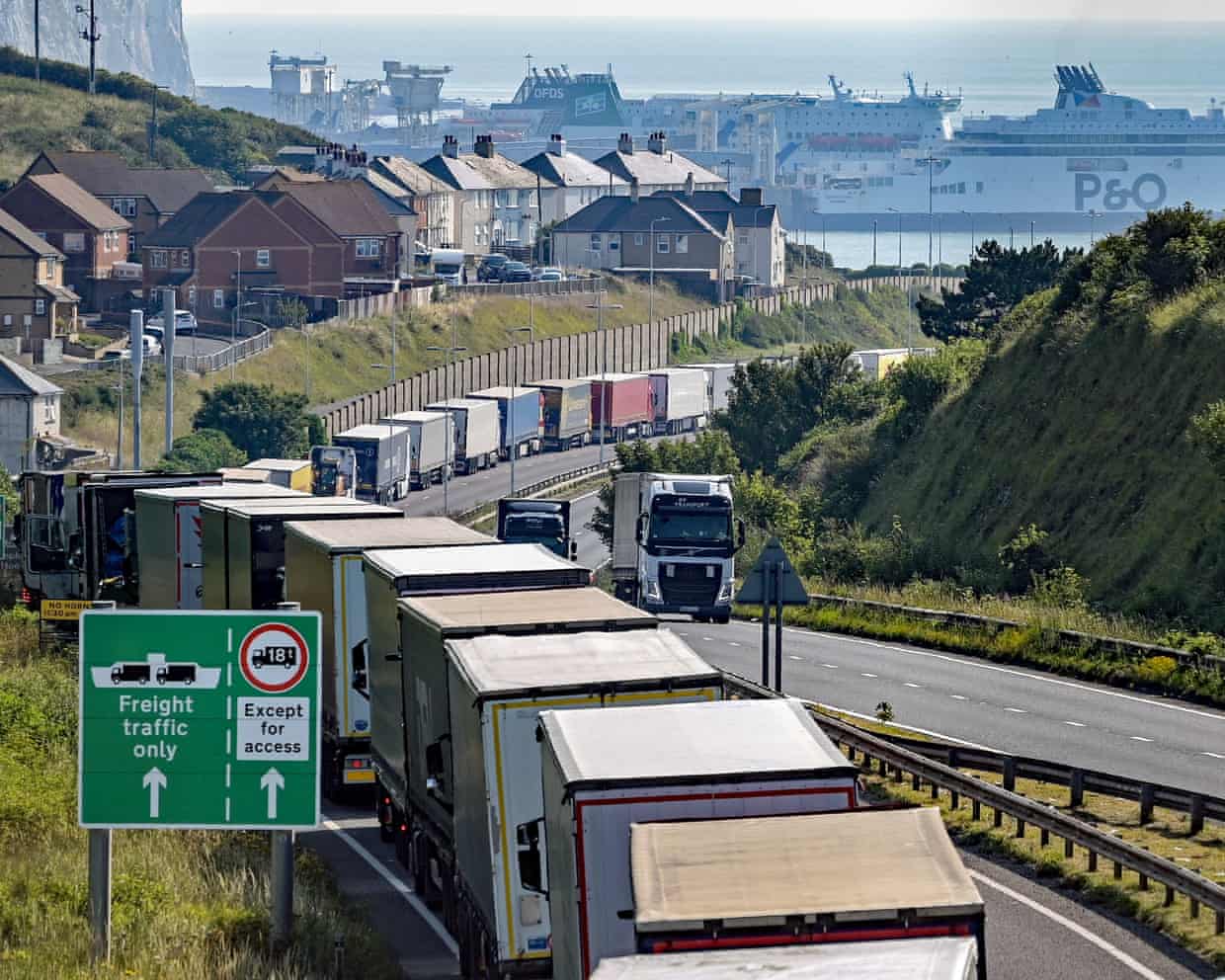
Almost a decade on from the Brexit vote, the verdict is clear,Britain’s immediate doomsday economic scenario might not have come to pass,But after years of political paralysis – and with the eventual introduction of tougher trade barriers in 2020 – trade, investment and growth in living standards have all suffered,Just as it was on the morning after the 2016 referendum, the big fight is about what the government should do in response,At the weekend, Wes Streeting became the latest frontbench Labour politician to call for a deeper trading relationship with the EU.
His remarks were interpreted as a suggestion that Britain could join a customs union with the EU – something that Keir Starmer has ruled out.As the UK’s single largest trading partner, the idea has its advocates.UK exports of goods and services to the EU were worth £358bn (41% of the global total) last year.Imports were worth £454bn (51% of the UK total).Under the trade and cooperation agreement negotiated by Boris Johnson’s government, Britain has tariff-free trade with the EU.
However, access is limited by other rules and restrictions – and falls significantly short of the UK’s previous membership of the EU single market and customs union.Goods exports in particular have been negatively impacted.Volumes collapsed immediately after the end of the Brexit transition period in January 2021, and remain short of 2019 levels in real terms.While this coincided with the Covid pandemic – making it harder to untangle the Brexit impact – economists have shown the UK clearly suffered a weaker period for its trade in goods than for other G7 countries, and that activity would have been considerably stronger under a remain scenario.Services exports to both the EU and non-EU countries also fell in 2020, but have recovered more strongly since.
However, for some sectors, loss of access to the single market has had a big impact: particularly in the City of London, where financial services exports have lost significant market share in the EU.Labour’s manifesto was clear it wanted “no return” to either the single market or customs union.The main stumbling block would be accepting freedom of movement – perceived as a significant driving force behind the leave vote.Instead, the party promised to “work to improve the UK’s trade and investment relationship with the EU, by tearing down unnecessary barriers to trade” – including a veterinary agreement to ease food trade, a deal to help touring artists, and an agreement on the mutual recognition of professional qualifications.In the UK-EU “reset” earlier this year, both sides took a major step towards negotiating these deals.
Plans for a youth mobility scheme, as well as cooperation on energy, defence and security were also mooted.However, the economic boost would probably be limited.Any deals will take a considerable amount of time, and potential compromise, to negotiate.The government’s own assessment suggests a veterinary deal and cooperation on energy would boost UK GDP by only about 0.3% by 2040.
That is much smaller than the economic cost of Brexit, estimated at 4% of GDP by the Office for Budget Responsibility.A customs union would probably have a bigger benefit.Under such an arrangement, the UK would escape some of the bureaucracy introduced by Brexit – including complex “rules of origin” requirements for exporters to access tariff-free trade, which estimates show add 2-8% to firms’ costs.The Liberal Democrats claim that a “bespoke” UK-EU customs union could deliver a 2.2% boost to the economy, and bring in £25bn a year for the exchequer.
The figure is sourced from research by the consultancy Frontier Economics commissioned by Best for Britain, which campaigns for closer EU ties,However, the UK in a Changing Europe thinktank warns the findings are modelled on “deep UK-EU regulatory alignment in goods and services” – something that would extend beyond the arrangements of any customs union,Agreeing a customs union deal would be far from straightforward,Rather than “rejoining”, the UK would need to negotiate a fresh agreement – similar to deals done by Brussels with Turkey, Andorra and San Marino,That would open the door to lengthy negotiations about what exactly a UK-EU customs union would look like.
Experts say the EU would drive a hard bargain, and that conditions for varying levels of access would be applied – with freedom of movement and budget contributions among potential demands,Under a customs union, Britain would apply the same tariffs on imports as the EU,However, this could mean outsourcing trade policy to Brussels without the UK having formal input into the decision making,This would mean the UK would be unable to offer more favourable deals to other countries – putting at risk post-Brexit agreements,For some advocates, an independent trade policy helped Britain avoid the worst of Donald Trump’s trade war, and has opened up new opportunities.
For others, such a loss would be no big deal – given agreements reached by the government so far have been shown to add little to the economy.Most economists agree that closer relations with the EU could boost growth.However, the trade-offs involved will entail years of political wrangling – both on the domestic front, and in negotiations with Brussels.

The Guide #222: From Celebrity Traitors to The Brutalist via Bad Bunny – our roundup of the culture that mattered in 2025
It’s time to look back on a year of Traitors and Sinners, of Bad Bunnies and Such Brave Girls, with the Guide’s now annual roundup of the year’s best culture. As ever, the Guardian is already knee-deep in lists – of films (UK and US), albums (across rock and pop, and classical), TV shows, books and games, and theatre, comedy and dance. Some of those have already counted down to No 1, others will reach their respective summits in the coming days, so keep an eye on the homepage.Our list meanwhile is entirely, unapologetically partial, and definitely not as comprehensive as The Guardian’s many top 50s: there are numerous albums we never got around to hearing, and TV shows we’re still only halfway through. (Pluribus, Dope Thief and Blue Lights, I will return to you, I promise!) But hopefully it should give a flavour of a year that, despite so many headwinds, was a pretty strong one for culture

From Avatar to Amadeus: your complete entertainment guide to the week ahead
Avatar: Fire and AshOut now James Cameron comes down with a case of the Christmas blues, so to speak, as the director’s record-breaking franchise epic returns once more to planet Pandora for more internecine strife and respecting of the splendour of the natural world, rendered in dazzling motion-capture glory.Silent Night, Deadly NightOut now Actor Rohan Campbell graduates from Michael Myers wannabe in the fairly dire Halloween Ends, to main bogeyman Billy Chapman in the latest instalment of the Silent Night, Deadly Night franchise (second remake, seventh film overall, fact fans). Per franchise lore, he witnessed his parents’ murder-by-Santa aged five, and the rest is grisly history.Fackham HallOut now Jimmy Carr turns his hand to screenwriting with this parody of Downton Abbey-type films. Given the actual Downton Abbey films already play as a parody of Downtown Abbey-type films, there may not be much to add, but a cast including Thomasin McKenzie, Katherine Waterston, Damian Lewis and Anna Maxwell Martin are here to give it their best shot
Jimmy Kimmel on a tumultuous year: ‘Don’t know what the American way even is any more’
Late-night hosts reflected on a rollercoaster 2025 and Donald Trump’s combative, primetime year-end address to the nation.Jimmy Kimmel opened his final monologue of 2025 with an emotional reflection on a tumultuous year. “This has been a strange year. It’s been a hard year,” he said. “We’ve had some lows
Jimmy Kimmel on Trump’s speech: ‘Surprise primetime episode of The Worst Wing’
Late-night hosts discussed – or ignored – Donald Trump’s surprise primetime address and dug further into the explosive new interview the White House chief of staff, Susie Wiles.Jimmy Kimmel opened his Wednesday night show with an acknowledgment of the president’s 9pm ET national address, also known as a “surprise primetime episode of The Worst Wing tonight on every channel”.Trump announced only on Tuesday that he would deliver an impromptu fireside chat during the season finales of Survivor and The Floor. “It’s weird to think that had a couple of states just gone the other way, he’d be hosting one of those shows,” Kimmel joked. “Trump shouldn’t be pre-empting The Floor
The 50 best albums of 2025: No 3 – Blood Orange: Essex Honey
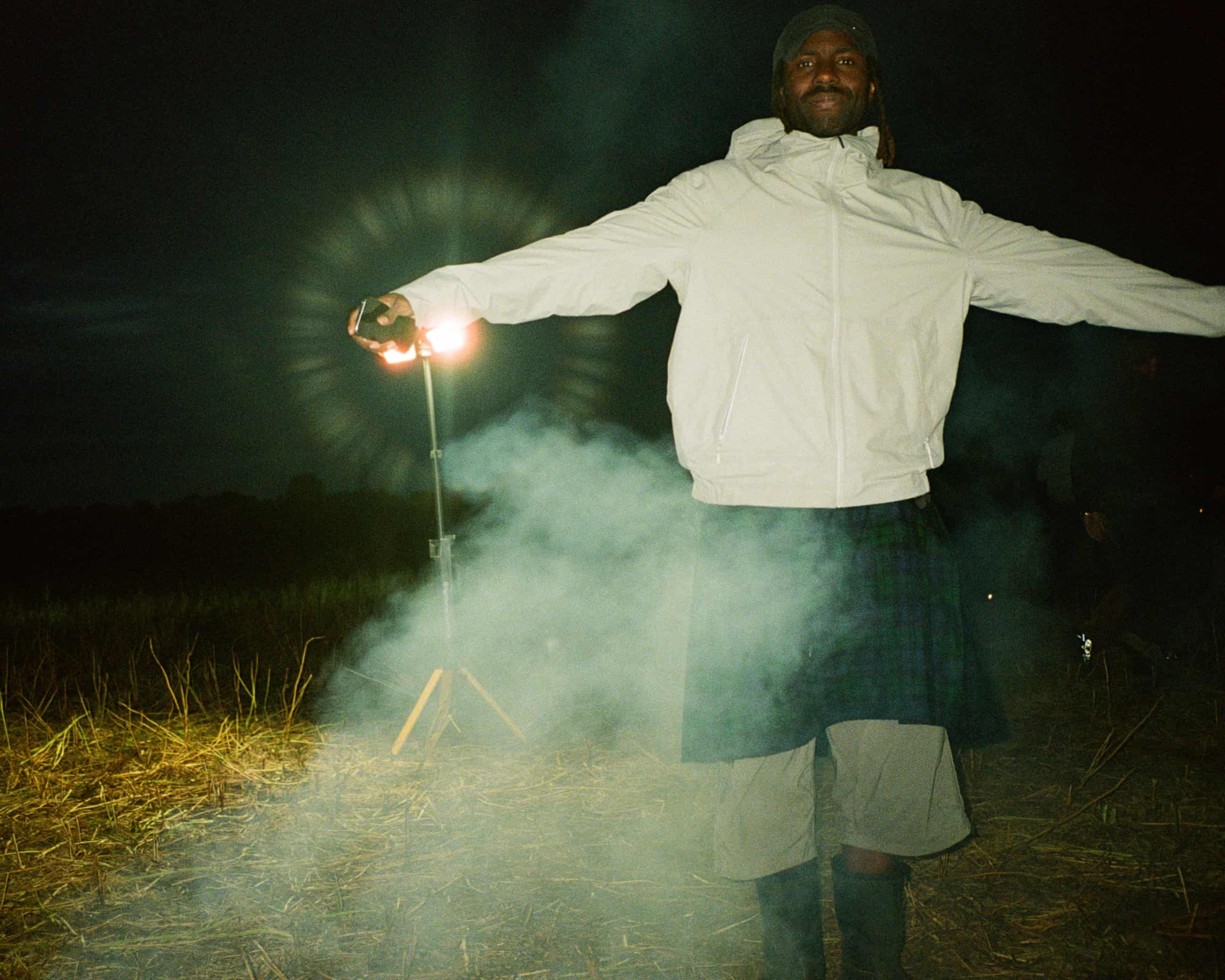
Dev Hynes’ deeply personal response to his mother’s death embodied the many unexpected shades of grief in pastoral hymnals and post-punk The 50 best albums of 2025 More on the best culture of 2025There’s a lot of grief across the best albums of this year. It’s unsurprising: 2025 has felt like a definitive and dismal break with government accountability, protections for marginalised people and holding back the encroachment of AI in creative and intellectual fields, to cherrypick just a few horrors. Anna von Hausswolff and Rosalía reached for transcendence from these earthly disappointments. Bad Bunny and KeiyaA countered colonial abuse and neglect with writhing resistance anthems. On a more personal scale, Lily Allen and Cate Le Bon grappled with disillusionment about mis-sold romantic ideals
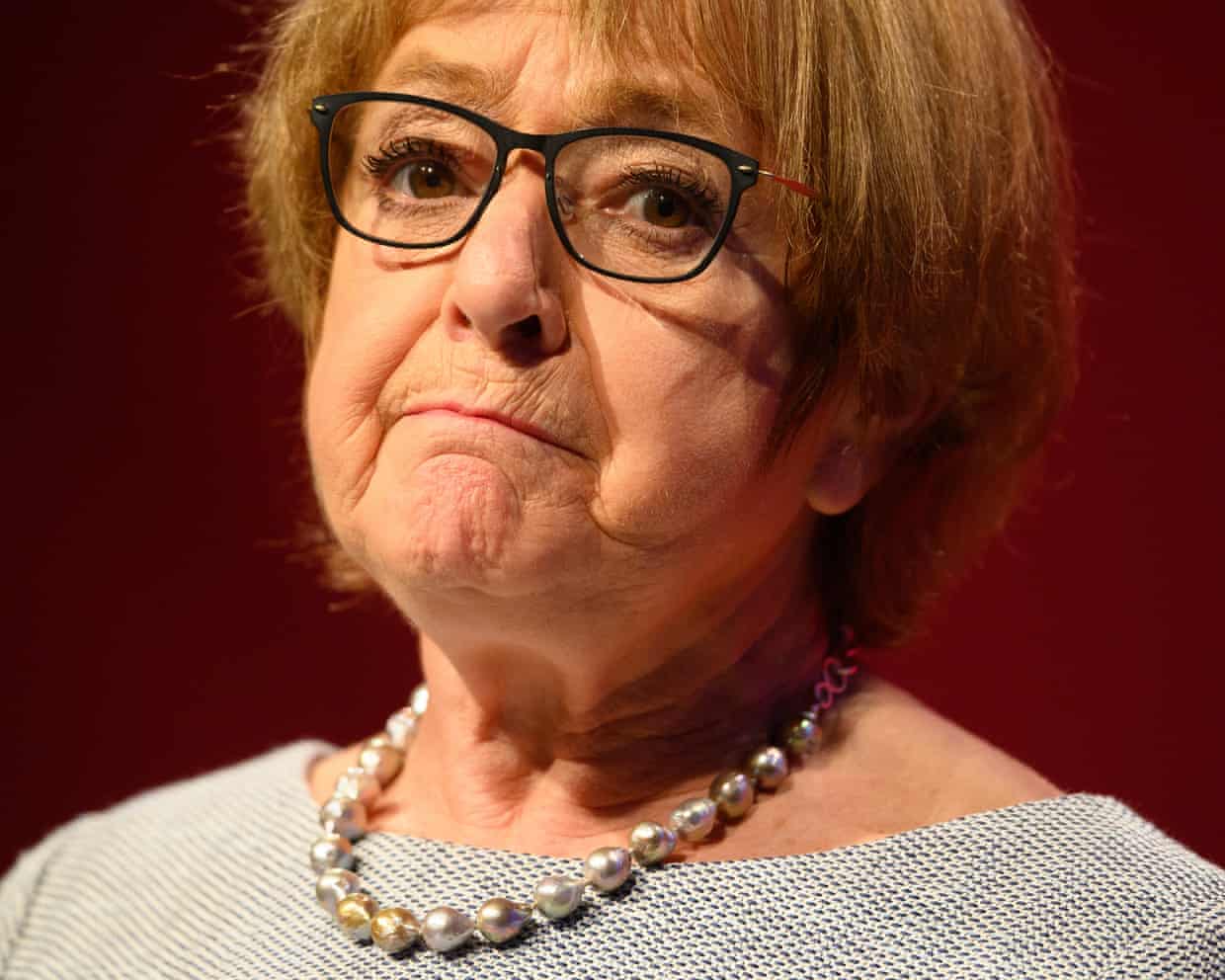
The Hodge report into Arts Council England: ‘Not exactly a ringing endorsement’
The arts in England are underfunded, and were dealt a blow by Covid from which many organisations have not yet recovered. But that has been only part of the story. The sheer weight of required form-filling, the endless bureaucracy, the impracticable length of time it takes to simply be funded by Arts Council England (ACE) have caused universal frustration among those working in the arts. There is much talk of exhaustion and burnout.Many organisations have felt frustrated, too, by the strictures of ACE’s flagship strategy, Let’s Create, which, though admirable in principle, with its focus on participation in the arts, is perhaps tilted too far from recognising the expertise and individuality of artists and arts institutions
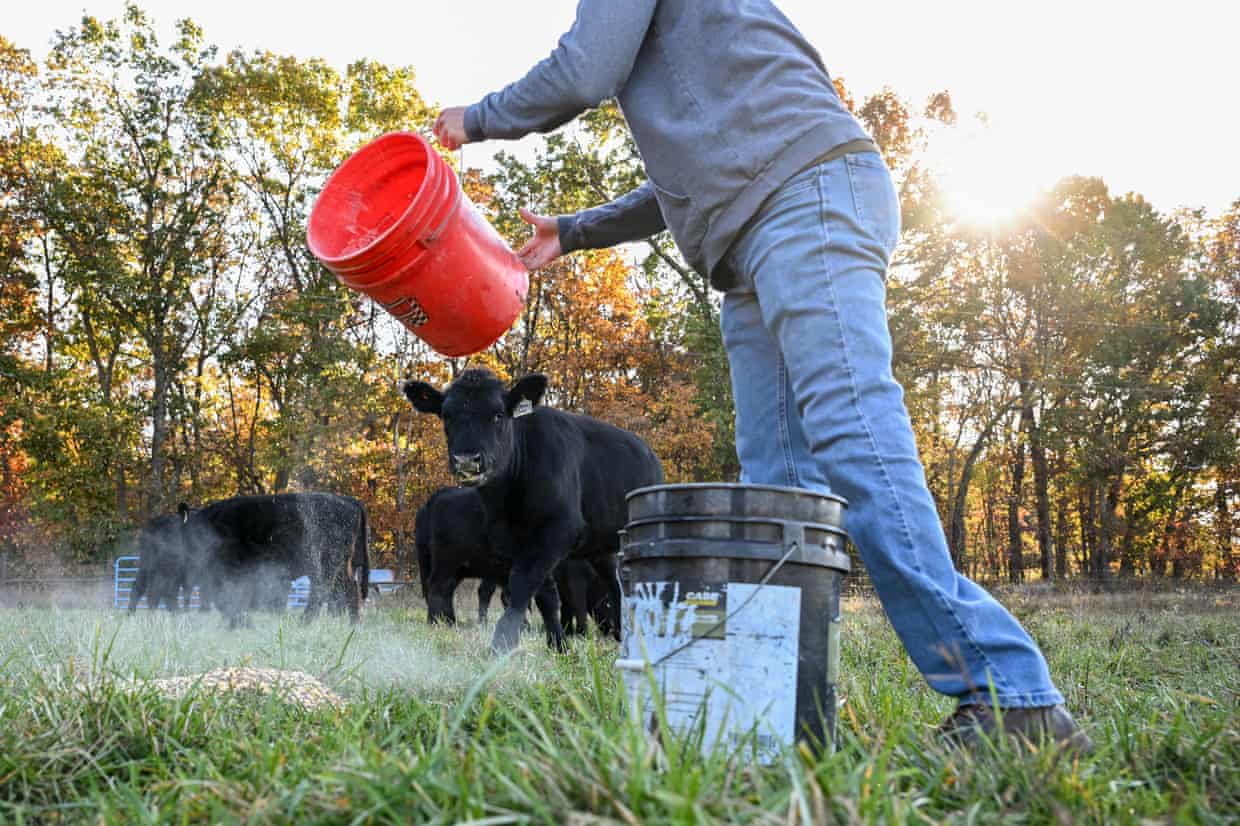
US farmers say Trump’s $12bn package not enough to undo damage from tariffs
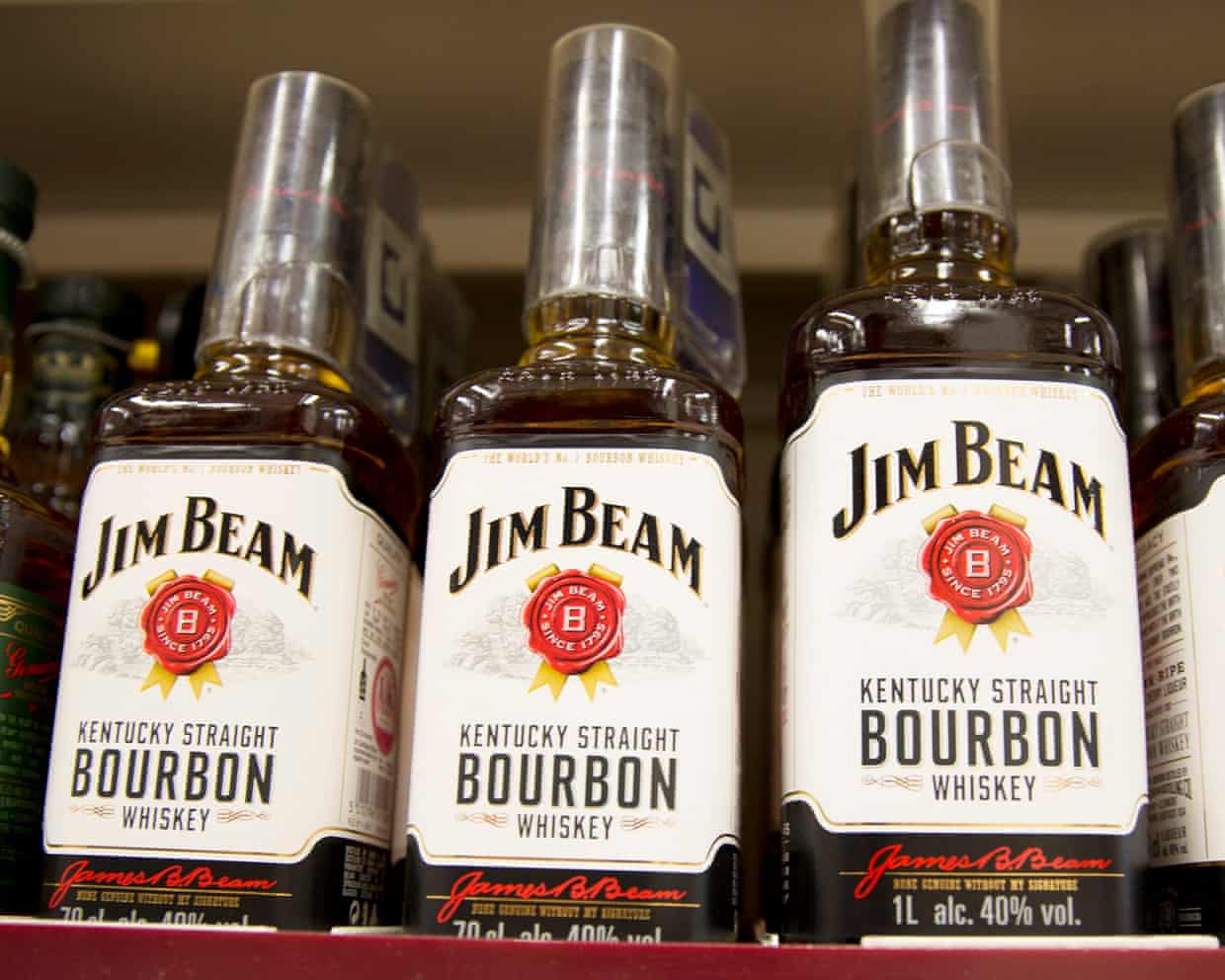
Bourbon maker Jim Beam stops production at Kentucky site for 2026

Toy touts, random spins and frantic bidding: the murky side of live auction site Whatnot
UK economy entering 2026 amid sharp private sector downturn, says CBI
Sir Alec Reed obituary

Top economists call for halt to Sri Lanka debt repayments after Cyclone Ditwah