UK aid cuts take 40% from funds to counter Russian threat in western Balkans

Keir Starmer’s raid on overseas aid has led to a 40% cut in funds for countering Russian aggression and misinformation in a region of Europe described by the prime minister as vital to the UK’s national security.British funding committed to bolstering the western Balkans, where Russia has been accused of sowing division and creating destabilisation, has been cut from £40m last year to £24m for 2025-26.The Integrated Security Fund (ISF) is designed to tackle the highest priority threats to the UK’s national security at home and overseas.Starmer recently described the western Balkans region, encompassing Albania, Bosnia and Herzegovina, Kosovo, Montenegro, North Macedonia and Serbia, as “Europe’s crucible – the place where the security of our continent is put to the test”.Last year’s ISF funds were used in part to counter and respond to malicious cyber-attacks in the region and to bolster democratic institutions and independent media.
The cut in UK government funding appears to be a consequence of Starmer’s policy to reduce Official Development Assistance (ODA) for low- and middle-income countries.The amount of ODA committed to the western Balkans under the ISF has been cut from £31.91m in 2024-25 to £17m for 2025-26.The figures from the Cabinet Office also show a cut of £1.15m in “non-ODA” funding for the region.
The financial year of 2025-26 is the first in a gradual transition announced by the government towards reducing ODA from 0.5% to 0.3% of gross national income by 2027.Emily Thornberry, the chair of the foreign affairs select committee and a former shadow foreign secretary in Starmer’s team before the general election, said: “I visited the western Balkans earlier this month.It is quite clear they are on the frontline of the fight against Russian disinformation and interference, and I am very proud of the work the UK is doing to support them in that fight - for their security and all of Europe’s.
More work is needed to support independent media, not less.People are hungry to learn the truth and it’s very difficult to find it.”Dr Kate Ferguson, the co-executive director and head of policy and research at Protection Approaches, an NGO that works in the western Balkans on preventing identity-based violence, said the UK had a good record in the region and it should not be undermined now.“The national security strategy rightly recognises that we are in a period of intensifying strategic competition for the rules and governance of our world; in Europe we see this as Russia diversifies its efforts to undermine our democratic consensus,” she said.“It is essential then that our Foreign Office is properly and appropriately resourced to meet these growing threats to democracy and our collective safety.
“In recent years, the UK has distinguished itself in the western Balkans as a trusted and principled leader when others have sometimes faltered.Now, as new forms of Russian aggression and malign influence deepen in the region, this leadership must be bolstered – and not watered down.’This week, the new head of MI6, Blaise Metreweli, said Britain was caught in “a space between peace and war” and described Russia as “aggressive, expansionist and revisionist, seeking to subjugate Ukraine and harass Nato”.Shelagh Daley, the policy team lead at Saferworld, an NGO that runs programmes in the western Balkans, said the cuts appeared to be part of a move by the UK government to deprioritise conflict prevention.“This reflects what we are seeing as a wider trend in ISF and other UK foreign aid spending amid the cuts.
It appears to be a deprioritisation of work on conflict prevention and peacebuilding, even as conflict has increased globally, societies have become more divided, and basic freedoms are being curtailed,“It doesn’t seem coherent or strategic to be pulling away from programming that aims to address the causes of conflict and fragility at a time when the risks to global security are so high,”A government spokesperson said: “The figures in the report represent only one part of the UK’s total investment in the western Balkans on issues such as organised crime and hostile state activity,”“The ISF is designed to adapt to the very latest national security priorities and often funds short-term projects, meaning it is natural for spending decisions to evolve over time,”
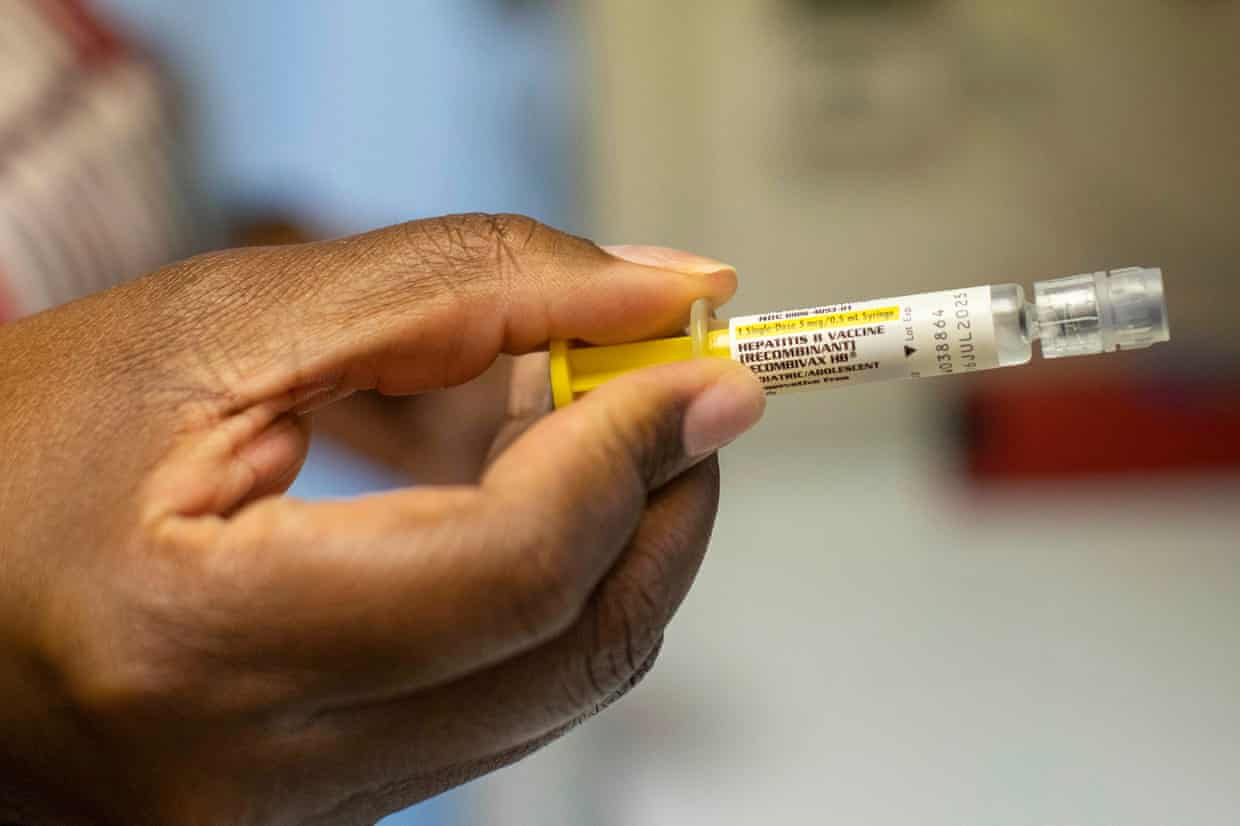
US plan for $1.6m hepatitis B vaccine study in Africa called ‘highly unethical’
The Trump administration has indicated that it will fund a $1.6m study on hepatitis B vaccination of newborns in the west African country of Guinea-Bissau, where nearly one in five adults live with the virus – a move that researchers call “highly unethical” and “extremely risky”.The news follows an official change in recommendations on hepatitis B vaccines at birth from the US Centers for Disease Control and Prevention (CDC), which called the shots an “individual” decision, despite decades of safe and effective vaccination and no evidence of harm. It is part of sweeping changes to childhood immunizations by the US health secretary, Robert F Kennedy Jr, which have global repercussions – including cutting funding for programs that bring vaccines to countries around the world.“He has a fixed, immutable belief that vaccines cause harm,” said Paul Offit, director of the Vaccine Education Center and an attending physician at Children’s Hospital of Philadelphia
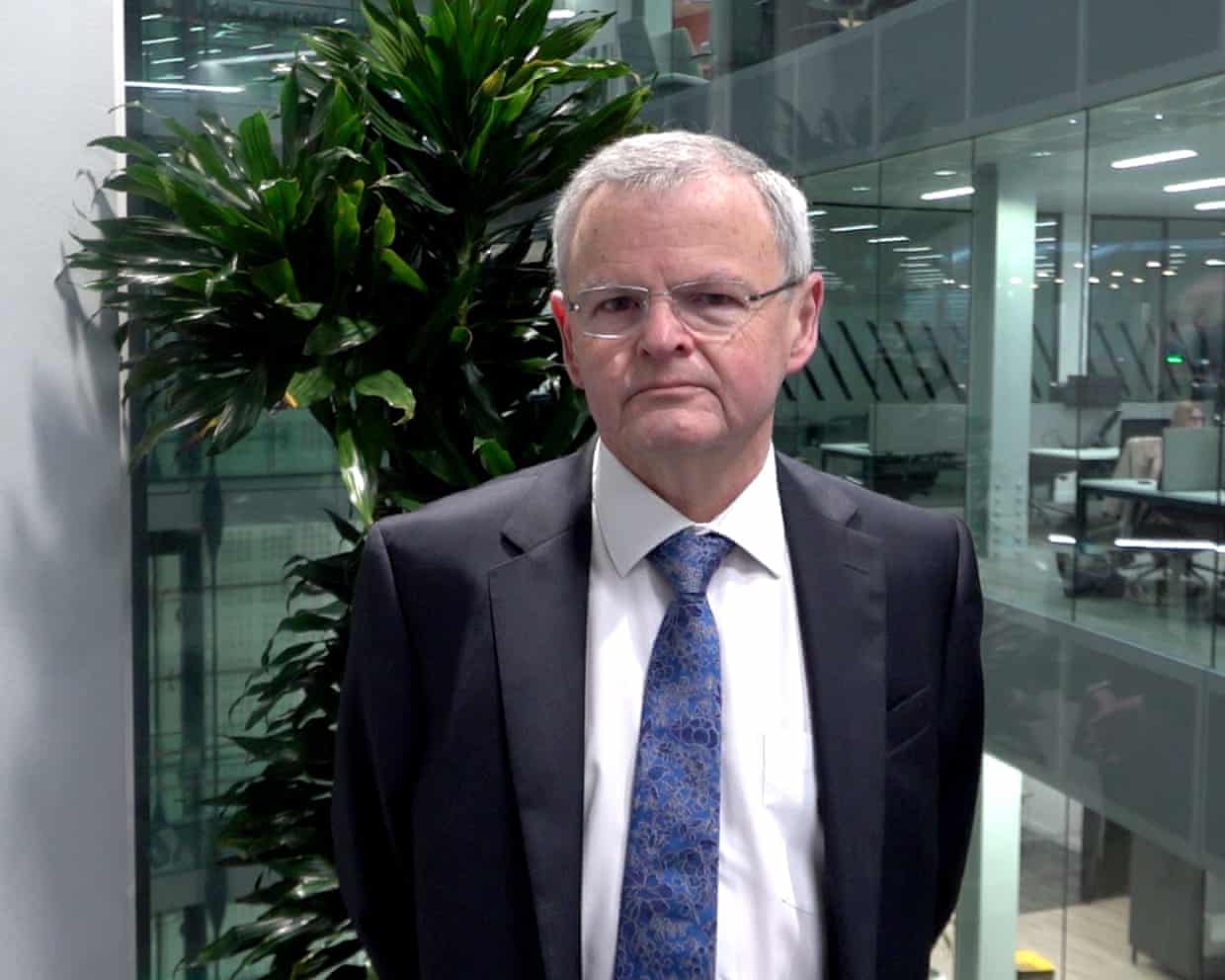
Long waits and ‘unacceptable’ lack of data at NHS gender clinics in England, review finds
Doctors treating vulnerable patients with gender dysphoria have no way of assessing whether the NHS treatment provided has worked because outcomes are not systematically recorded, a damning official inquiry into the clinics has found.Waiting times for a first appointment at NHS adult gender dysphoria clinics (GDCs) in England are projected to reach 15 years unless there are improvements, the review found. The number of people seeking treatment is rising significantly and on average patients are already waiting five years and seven months for a first assessment.The review conducted by Dr David Levy, an NHS medical director and cancer specialist, was commissioned after last year’s Cass report on gender care for children and young people.Levy, an NHS medical director and cancer specialist, took a team to nine NHS England clinics to assess the effectiveness and safety of each service, interviewing staff and patients
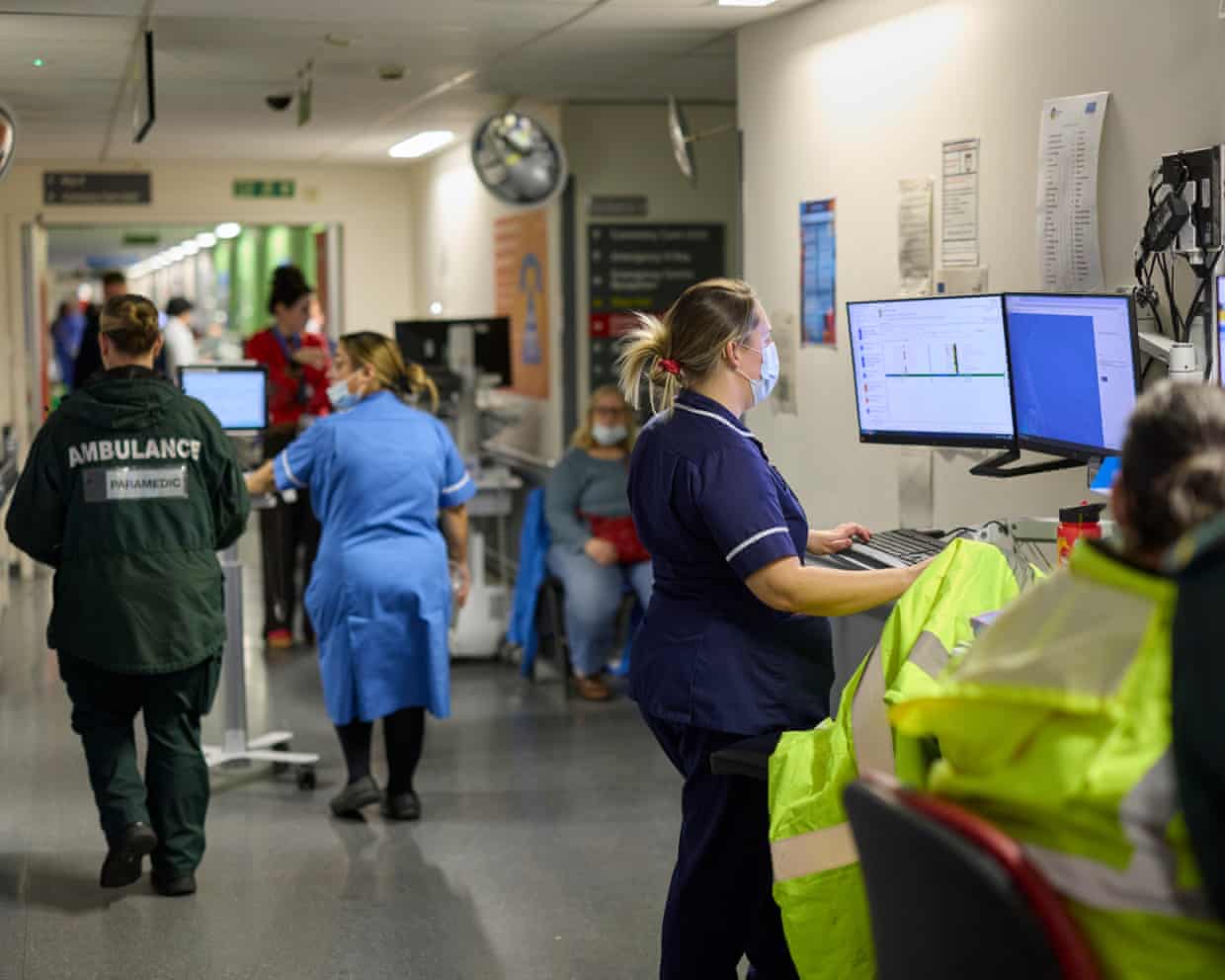
Stay at home if you have flu symptoms, experts urge amid fears of second surge
People should stay home over the Christmas period if they have symptoms of flu or Covid, experts have warned amid fears flu cases could see a second surge in the New Year.Flu levels appear to be plateauing, but it is too soon to say whether they have peaked, according to the UK Health Security Agency (UKHSA). As a result, experts are urging people to wash their hands regularly, make sure indoor spaces are well ventilated, get a free vaccination if eligible, and stay home where possible if symptoms develop.An average of 3,140 people were in hospital with flu each day by the end of last week, an increase of 18% compared with the previous week. At the same time last year, an average of 2,629 patients were in hospital, while in 2023 the number was 648

Better to be online than on hold for a GP | Brief letters
As the sole parent of two disabled children who have lots of medical needs, I have found the new GP online booking system an immense improvement (Letters, 12 December). It is efficient and far less stressful for me. My inner‑city practice responds quickly. It is streets ahead of the old system where I was caller No 26 at 9am.Anne McLaughlinManchester Politicians of all stripes have condemned the resident doctors for striking for meaningful progress in getting their pay back to real-terms parity with that prior to the 2008 crash (Officials fear NHS will be hit hard after resident doctors reject latest offer, 15 December)
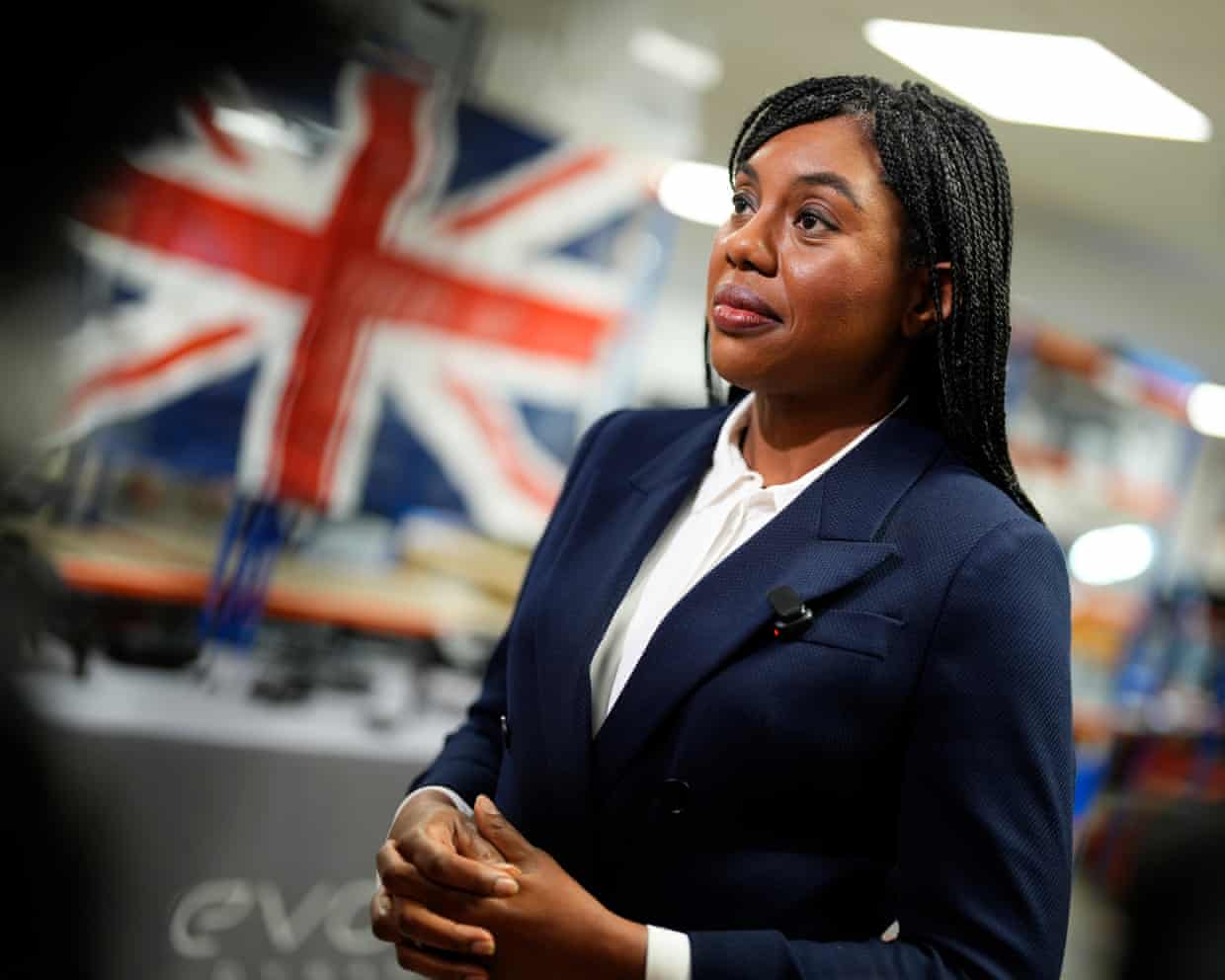
Badenoch accused of making ‘deeply inaccurate’ claims about violence against women
Kemi Badenoch has been accused of weaponising violence against women and girls and using “dangerous” and “deeply inaccurate” claims in her response to the government’s plan to tackle the issue.In the House of Commons on Thursday, the safeguarding minister, Jess Phillips, introduced the government’s long-awaited strategy to tackle “the national emergency” of violence against women and girls, saying it did something “that none before it ever has” by making tackling it a priority across local and national government, the criminal justice system and the voluntary sector.Phillips told the Commons: “We are calling violence against women and girls the national emergency that it is. We are committing to halve these horrific crimes within a decade, and today we publish the strategy that sets us on that journey.”After the announcement of the strategy – which will focus on preventing radicalisation of young men, stopping abusers and supporting victims – the Conservative leader said plans to tackle misogyny in schools were being introduced only because “some people in Labour” watched the Netflix drama Adolescence, adding that the focus should be on “people, who come from cultures that don’t respect women, coming into our country”
Study finds 10% of over-70s in UK could have Alzheimer’s-like changes in brain
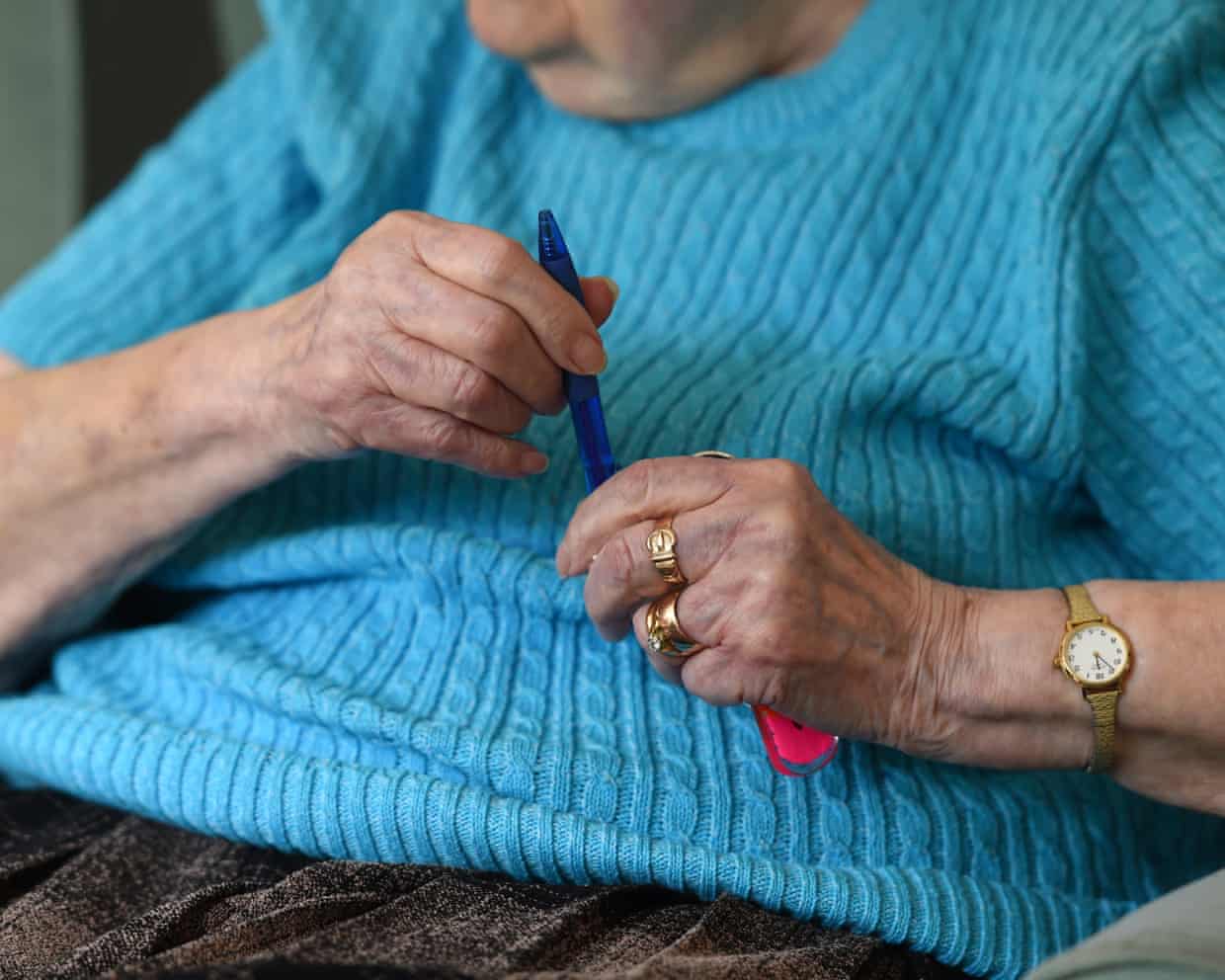
One in 10 people in the UK aged 70 and older could have Alzheimer’s-like changes in their brain, according to the clearest, real-world picture of how common the disease’s brain changes are in ordinary, older people.The detection of the proteins linked with the disease is not a diagnosis. But the findings indicate that more than 1 million over-70s would meet Nice’s clinical criteria for anti-amyloid therapy – a stark contrast to the 70,000 people the NHS has estimated could be eligible if funding were available.Experts, including those from Alzheimer’s Research UK, have said the findings from the first-ever population-based research into the disease have huge potential for early and accurate diagnosis.“High-quality studies like this are crucial to enhancing our understanding of how blood tests for Alzheimer’s could be used in clinical practice,” said David Thomas, the head of policy and public affairs at Alzheimer’s Research UK
UK supermarkets turn to European turkeys as avian flu hits supply
‘Bills keep going higher’: community ‘warm spaces’ on the rise in the UK
‘It can be quite a thankless job’: why driving examiners are quitting

Tinsel and Home Alone back in style as TikTok seeks comfort in #90sChristmas

Stokes vows to remain England captain as McCullum admits regret over Ashes preparations

Dominant Australia defeat England in third Test to retain Ashes – as it happened