Navel gazing: oranges, mandarins and persimmons top Australia’s best-value fruit and veg for May
“Sweet, low seed and great for snacking” imperial mandarins have just started their season, says Josh Flamminio, owner and buyer at Sydney’s Galluzzo Fruiterers.The tangy-sweet citrus is selling for between $2.99 and $3.99 a kilo in major supermarkets.At Galluzzo, Queensland-grown imperial mandarins are $3.
99 to $5.99 a kilo, “depending on quality”.Larger varieties, such as afourer and daisy, are more expensive but offer slightly different flavour.“Daisies are really fleshy and even tastier than imperials, in my opinion,” Flamminio says.Along with mandarins, Australian navel oranges are also back on shelves.
“It’s a sea of orange in store,” says Graham Gee, senior buyer at the Happy Apple in Melbourne.Both grocers are selling them for less than $5 a kilo, depending on size.In supermarkets, navel oranges are between $3.30 and $5.50 per kilo, or roughly $1.
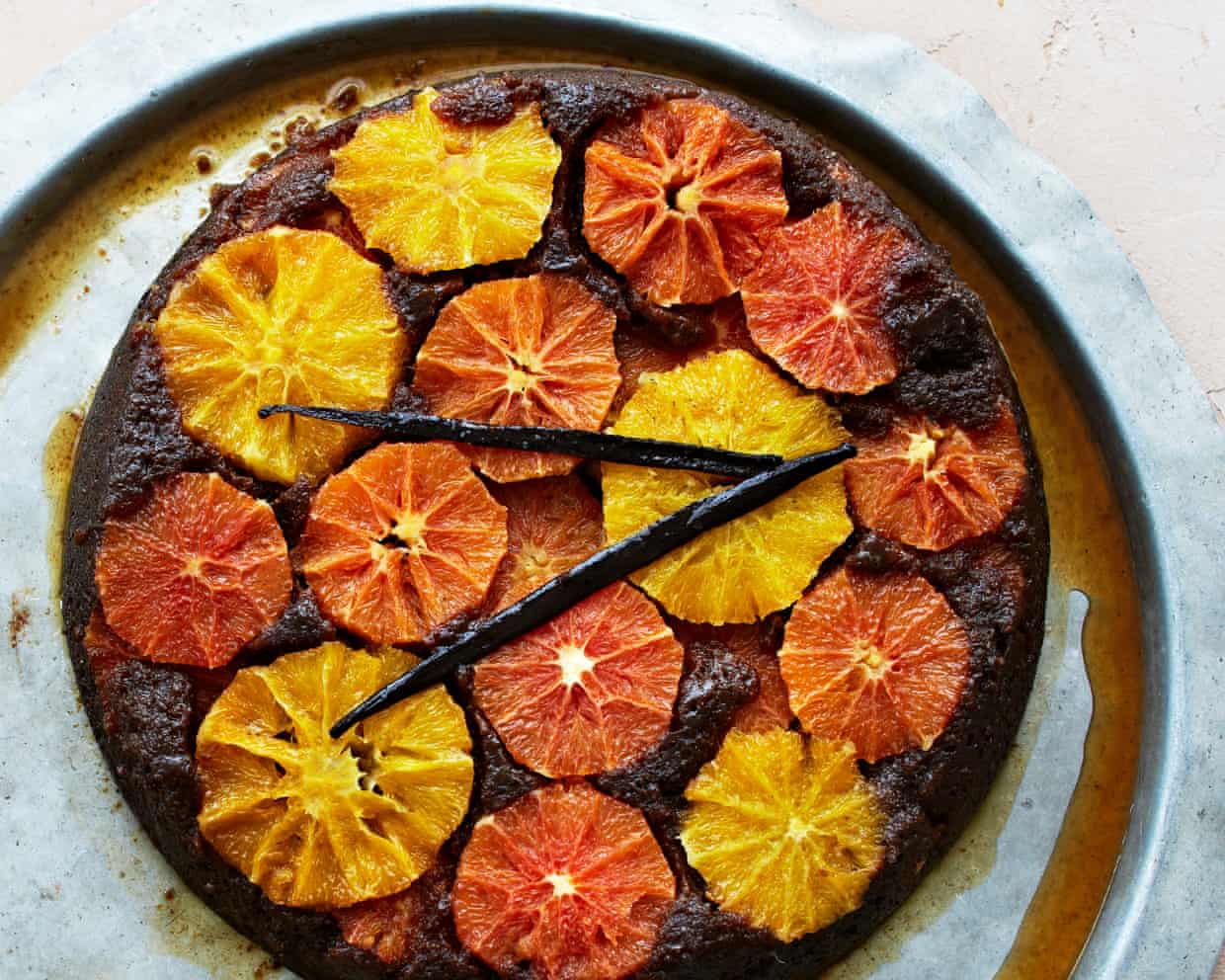
50 a piece.Make use of the citrus bounty with Benjamina Ebuehi’s recipe for orange, grapefruit and bay jelly, or Ravneet Gill’s portokalopita (Greek orange cake), or Claire Ptak’s orange upside-down cake.Persimmons are another highlight.Fuyu, mostly grown in Queensland and New South Wales, is the firmer variety, Flamminio explains.“The other is soft, more custardy.
” He’s selling three persimmons (of either variety) for $10.They’re about $2 each at Coles and Woolworths.Try the firmer fruit in Alanna Sapwell’s persimmon tarte tatin.It’s prime time for apples, Flamminio says.“Pink ladies, granny smith, kanzis, jazz – all brand-new season, straight off the trees,” he says.
“Super sweet and crunchy” missile apples are his pick, which are more expensive at $10.99 per kilo, and up to $15 a kilo at the Happy Apple.But as they’re smaller, “the cost per piece isn’t so high”, Gee says.Spudshed in Western Australia has all varieties of apple for $4.99 a kilo.
In general, gala and granny smith are the cheapest apples, Gee says, going for between $4.90 and $7.90 a kilo at the supermarkets.But you can’t go wrong.“All apples are good at the moment,” he says.
Green and gold kiwifruit is now in season but still expensive, the grocers say.You’ll find green kiwifruit for $1 a piece, and gold for between $1.50 and $1.80 a piece at major supermarkets.They’re about $15 a kilo at smaller grocers.
But prices of kiwis, blood oranges, pink navel oranges and red-fleshed cara cara oranges will all come down in the coming weeks, Gee says.“Brussels sprouts are beautiful and you don’t need to cook the hell out of them,” Gee says.Though prices were high at the start of the season, they’re now selling for $5 to $7 a kilo at the Happy Apple.Galluzzo has them for $9 a kilo and they’re $12.90 per kilo at the supermarkets.
Alice Zaslavsky uses green and purple sprouts in her recipe for brussels with apple and smoked pork belly, Georgina Hayden pairs them with anchovies and parmesan in her roast sprout salad, and Thomasina Miers double-cooks the sprouts with soy and miso before adding them to silken tofu and soba,“New season hass avocados have just started,You’re looking at $3 for a large one or $2 for a smaller grade,” Flamminio says,Pricing is steady, Gee says, as the north Queensland supply has just come to market,Shepards are still good value too, at $1.
30 to $1.50 each in supermarkets.Silverbeet is “gorgeous at the moment” and “good value for money”, Flamminio says.He’s selling bunches for $3, which are “humongous”.Green beans and snow peas are also in good supply.
“Machine-picked beans are $3.99 per kilo and hand-picked beans are about $13.99.That’s the best of the best,” he says.Pumpkin is also plentiful, whether it’s butternut, kent or the Queensland blue variety.
“Expect to pay less than $3 a pumpkin now or very soon,” Gee says.Try José Pizarro’s recipe for pumpkin pisto, a squash-y spin on the Spanish vegetable stew, or Alice Zaslavsky’s winter comfort dish, pumpkin, sweet potato and coconut dal.“It’s hard to crystal ball where everything’s going, but there’s a good supply of most key lines,” Gee says.That includes broccoli ($3 a kilo), kale ($3 a bunch), cauliflower ($5 a head) and cabbage ($5 a head).At Spudshed in Western Australia, cabbage is even cheaper – $2.
99 per head.Cabbage is super versatile.Try it in Thomasina Miers’ recipe for cabbage, artichokes and chestnuts, Alex Elliott-Howery’s quick pickled cabbage, or Meera Sodha’s white cabbage, peanut butter and gochujang noodles.Chestnuts are a real focal point for the next three months, Flamminio says.“I cooked them the other night, they’re gorgeous.
” They’re between $5 and $8 per kilo, or up to $12.99 a kilo for jumbo size.“I like to spend extra on the bigger ones, as you get more of that nutty flesh in them,” Flamminio says.Hill Street Grocer in Tasmania has a step-by-step guide for roasting chestnuts.Make sure you score a cross in the shells so steam can escape and minimise the chance of exploding chestnuts.
Yotam Ottolenghi uses cooked chestnuts as stuffing for roast poussins with pancetta and pear, and you can also use them in risotto, hummus, soup and carbonara.Coles and Woolworths are selling large chestnuts for between $11.90 and $12.90 per kilo.Gee’s top tip: “Store them in a paper bag in the refrigerator.
Don’t keep them in the pantry as they’ll lose their moisture and won’t be as pleasant to eat.”Blueberries are expensive and not the best quality, Gee says.They’re between $8 and $10 for a 125g punnet at supermarkets and grocers, “which is a lot”.It’s best to buy frozen or hold out until supply picks up, he says, but the Coffs Harbour region season will see supply pick up soon.Asparagus is best avoided, Flamminio says, as most is imported at this time of year.
“Get snow peas or sugar snaps instead,” he says, as they’re more reasonably priced.Red capsicum prices are fluctuating.“It can be a rude shock if you pick up a capsicum and it’s $5 or $6 dollars a piece,” Gee says.But with the Queensland season coming, “we should see some relief soon”.Buy:Apples Avocado Broccoli Brussels sprouts Cabbage Cauliflower Carrots Cavolo nero Celery Chestnuts Fennel Grapes Green beans Kale Lemons Mandarins Oranges Persimmons Pumpkin Silverbeet Snow peasWatch:Kiwis – prices high Red capsicums – low supplyAvoid:Asparagus – imported Blueberries – expensive Zucchinis – end of season
Court rules Coles misled shoppers with its ‘Down Down’ discount campaign
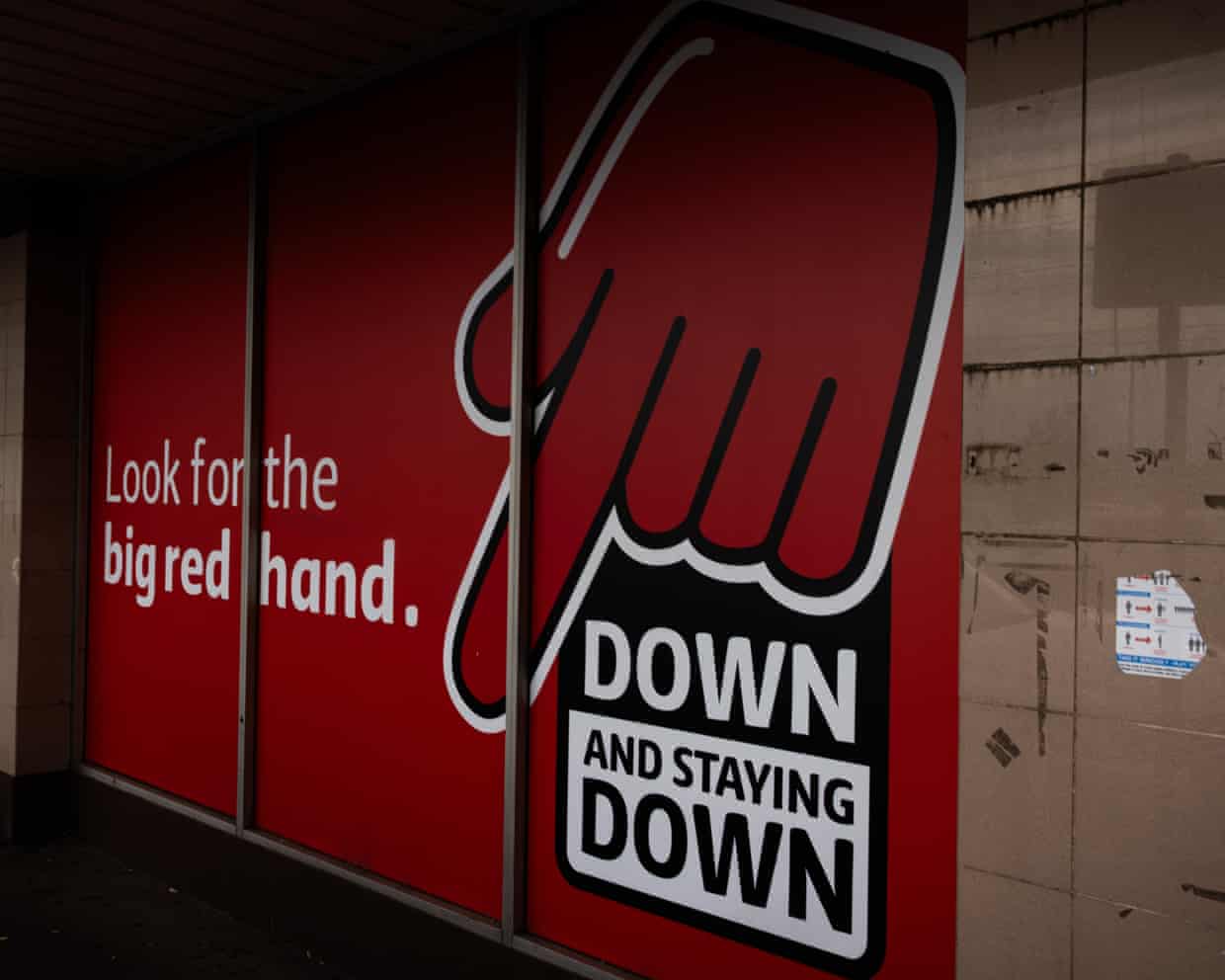
Coles misled Australian shoppers by promoting fake “Down Down” discounts on everyday grocery products, the federal court has ruled in a landmark decision for the supermarket industry.Justice Michael O’Bryan handed down his judgment on Thursday, delivering a significant blow to Australia’s second-largest supermarket chain, which had argued that the discounts represented genuine savings during a period of high inflation.He found the supermarket giant had engaged in misleading conduct, in contravention of the Australian consumer law.The Australian Competition and Consumer Commission sued Coles and its rival Woolworths, accusing the supermarket giants of duping shoppers between 2021 and 2023 by using promotional programs to disguise price increases on hundreds of products.O’Bryan’s verdict in the Coles case – which was heard in February – comes before his decision in a similar trial against Woolworths, which was heard in Sydney in late April and early May and which the judge will rule on later this year

Housing market in England and Wales weakening due to Iran war, say estate agents
Fears of higher mortgage rates and rising inflation as a result of the Middle East conflict are leading to a subdued and downbeat housing market, according to estate agents.Demand from potential homebuyers across England and Wales has shown a “noticeable softening” recently, according to a monthly survey of estate agents by the Royal Institution of Chartered Surveyors (RICS).Members have told the professional body that buyers and sellers are becoming more cautious, and many agents have cited clients who are worried about whether inflation and interest rates will rise in the coming months, leading to slower sales, fewer homes on the market, and more price-sensitive buyers.The Bank of England warned last month that interest rates may have to increase in the coming months as “higher inflation is unavoidable” because of the war in the Middle East and resulting jump in oil and gas prices.At the same time, mortgage rates are likely to be affected by the current sharp rise in government borrowing costs, as swap rates – which lenders use to price their fixed-rate mortgages – tend to move in tandem with government bond yields
Datacentres using 6% of electricity supply in UK and US, research says
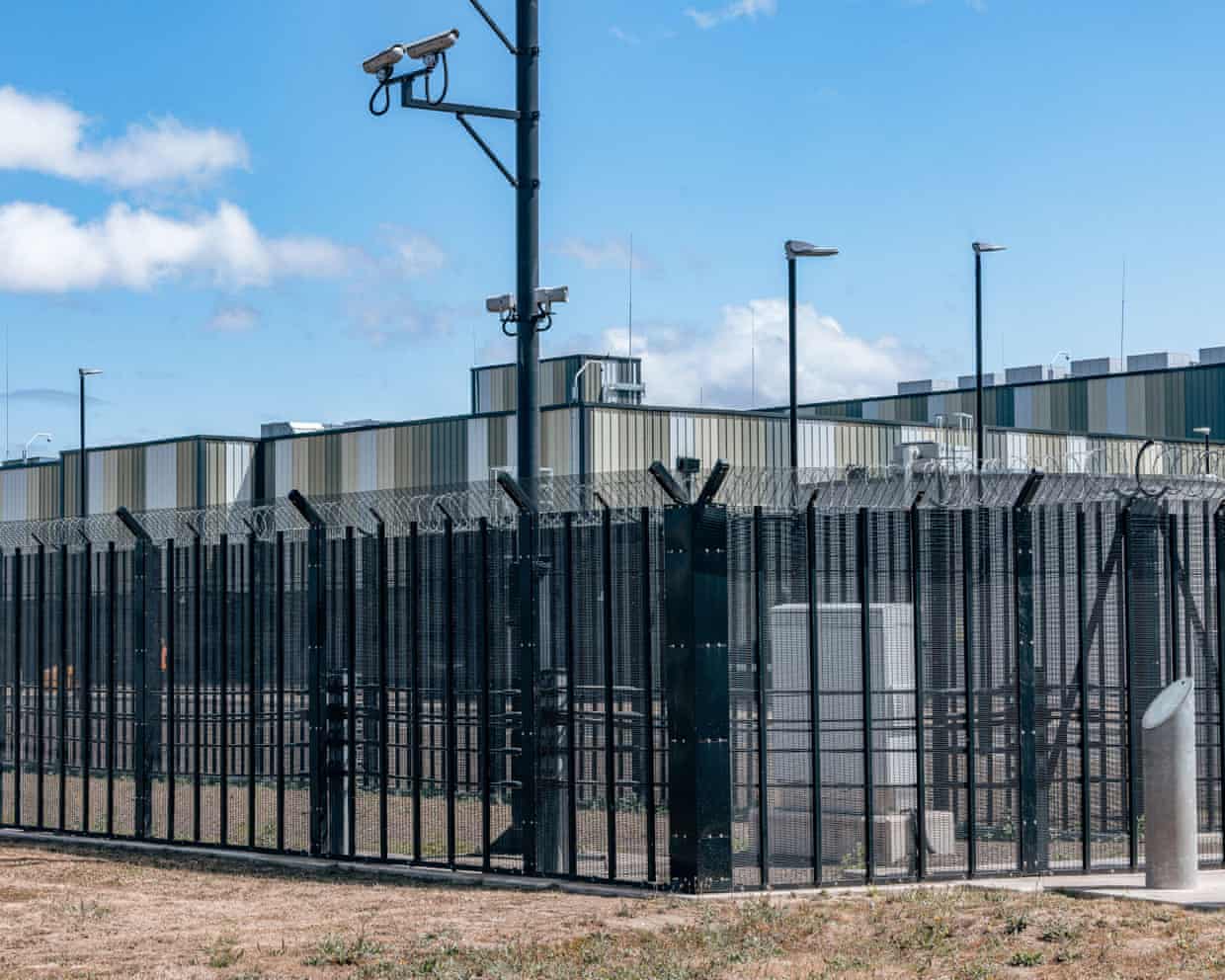
Datacentres are consuming 6% of electricity in the UK and US, with the growing strain of AI on energy supplies prompting community resistance, according to research.The proportion of electricity used by vast warehouses stacked with microchips to power AI and the internet has risen 15% worldwide in the past two years as annual global investment in datacentres approaches $1tn (£740bn) – nearly 1% of the global economy, according to the International Data Center Authority (IDCA).The figures come amid energy shortages in the UK and datacentre developers reporting waits of several years for national grid connections. The IDCA said rising power usage globally was “sparking societal and political concerns” and called on tech companies to become more transparent about their plans for new datacentres to tackle “community frustration”.The Guardian this week reported that developers working for Google significantly misstated how much carbon two proposed AI datacentres would contribute to the UK’s total emissions

Nvidia’s Jensen Huang joins other US bosses on Trump trip to China
The billionaire chief executive of the chipmaker Nvidia, Jensen Huang, has joined Donald Trump’s China delegation after a reported last-minute invitation, highlighting the US’s AI and tech ambitions.Huang will join a roster of US bosses including the Tesla chief executive and X owner, Elon Musk, the Apple chief executive, Tim Cook, and Goldman Sachs’s David Solomon at Trump’s 36-hour meeting with the Chinese president, Xi Jinping.The high-stakes summit is the first overseas trip for Trump since the US and Israel launched attacks on Iran in late February. The summit is expected to cover topics including that conflict, tariffs and China’s relationship with Taiwan.Huang was not on the initial list of business delegates, according to reports
Ivan Cleary begins long goodbye with a legacy built to last long after he leaves Panthers | Nick Tedeschi
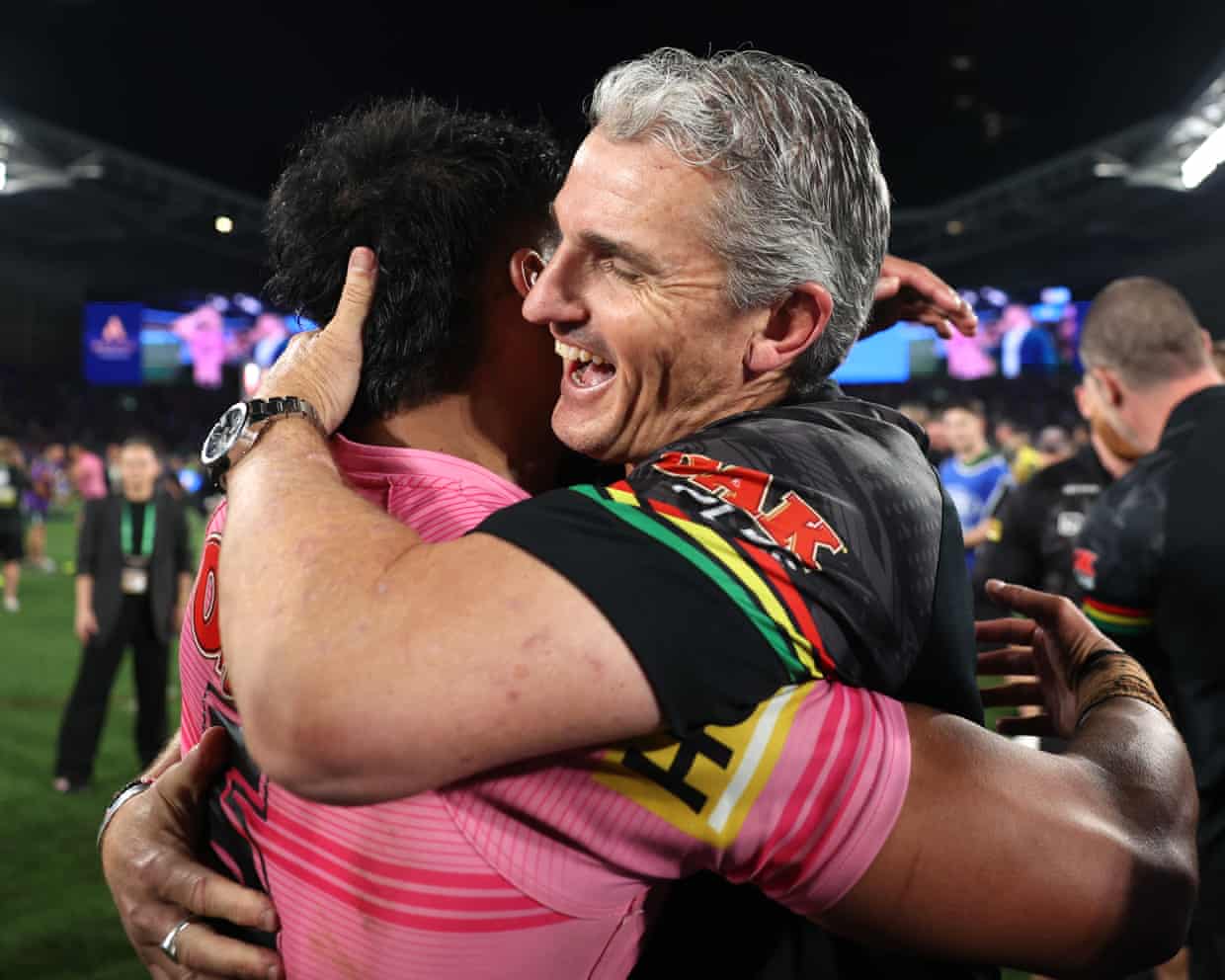
The great coaches all have something special that elevates them above others. Wayne Bennett built his success on connection and an ability to authentically forge relationships with generation after generation of players. Craig Bellamy has a foundation of deifying work ethic and simple communication. Trent Robinson, intellect and loyalty.Ivan Cleary is an engineer, the ultimate believer in process, a coach at once ruthless and relatable who dreamt of building a bigger and more complex machine that could sustain itself beyond the people it was initially built around
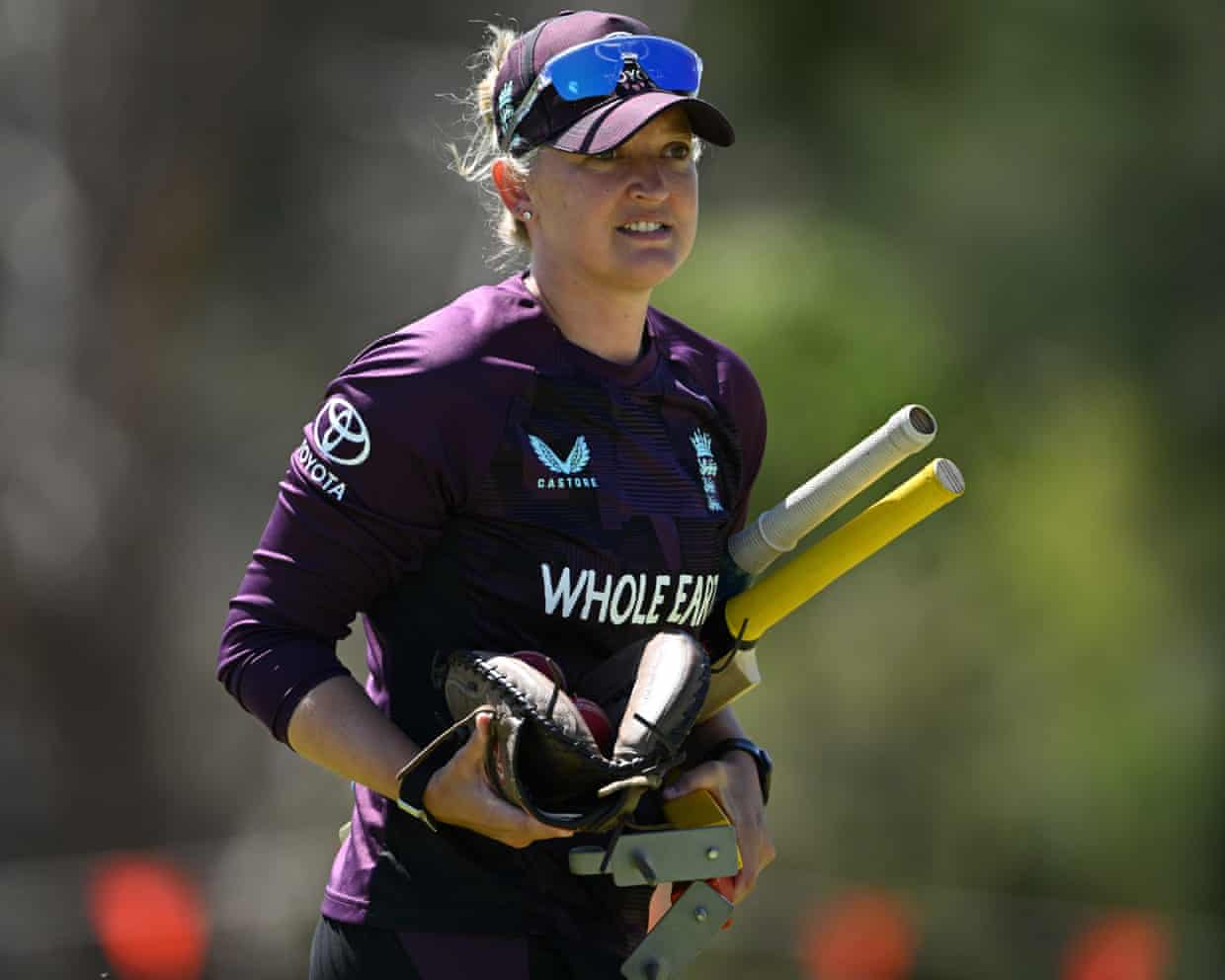
Sarah Taylor named England men’s fielding coach while Gay, Rew and Baker are called up
On a day when England named three uncapped players in their Test squad, brought Ollie Robinson out of cold storage and officially confirmed a new selector had joined the set-up, perhaps the most significant news was the identity of their fielding coach.Sarah Taylor, the former England wicketkeeper, will be in charge of the fielding drills during the three-Test series against New Zealand that begins at Lord’s on 4 June – the first female coach to work in the men’s senior setup.The fact that Rob Key, the England men’s team director, almost mentioned it in passing was fitting for a coach who has quietly risen through the ranks. Taylor, 36, has held a number of roles in the men’s game since hanging up her gloves five years ago, including spells with Sussex men and Manchester Originals in the Hundred.This latest post is just for the New Zealand series initially but may continue through the summer
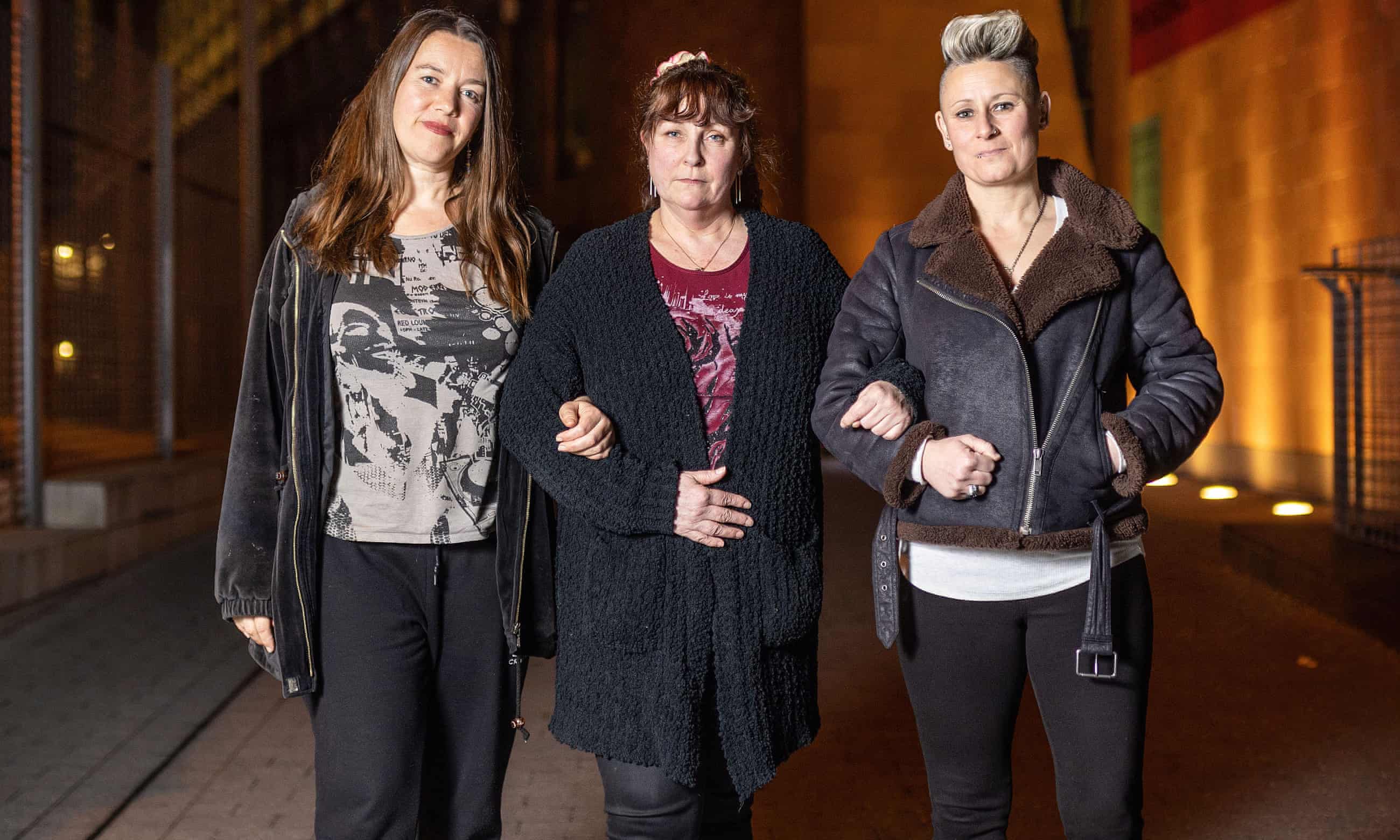
‘We have the same monster’: three women brought down their rapist – this is what happened next
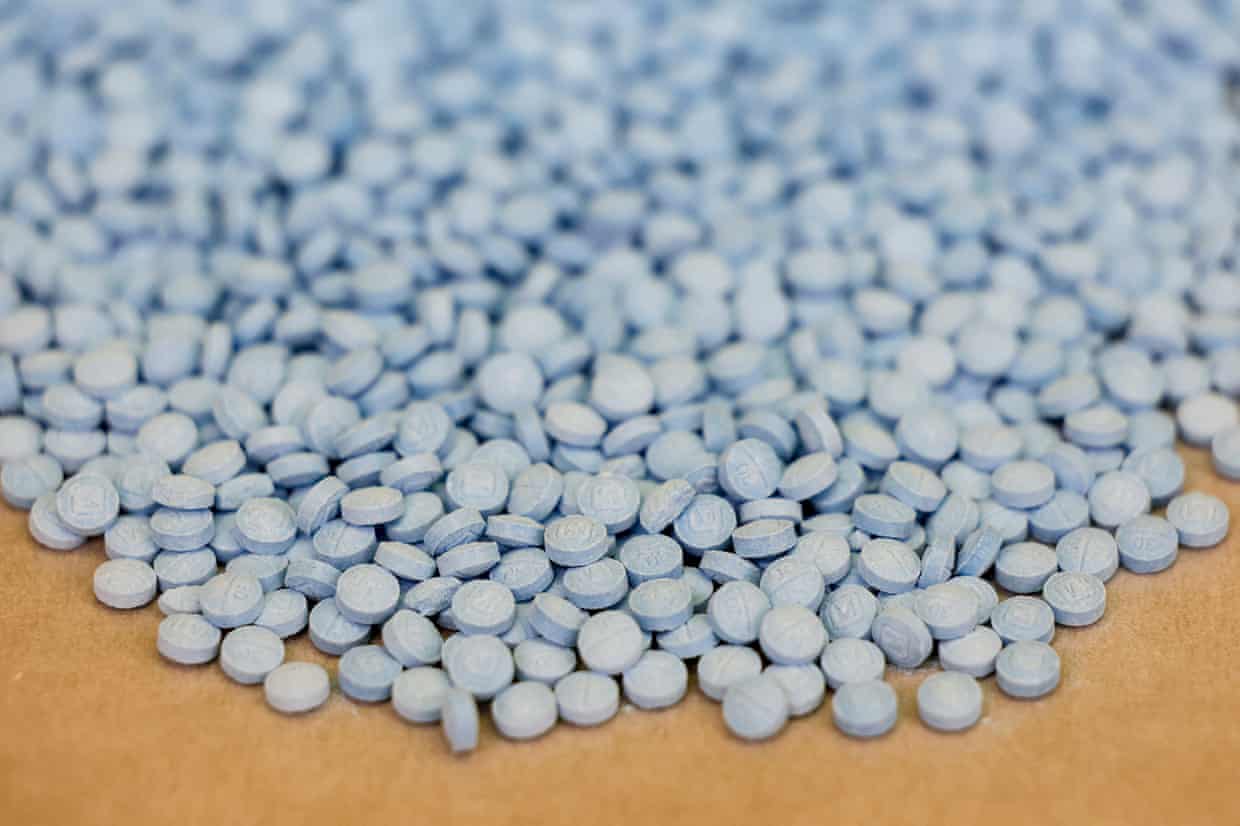
Did breakthrough in US fentanyl crisis start in China?

Getting children to eat their vegetables starts in the womb, researchers suggest

Older people risk mental decline if they do long hours of caring, UK study shows

Capacity of lifts not kept up with UK obesity levels, study shows
More than 6,000 children treated at obesity clinics in England, figures show