How to make mapo tofu – recipe | Felicity Cloake's Masterclass
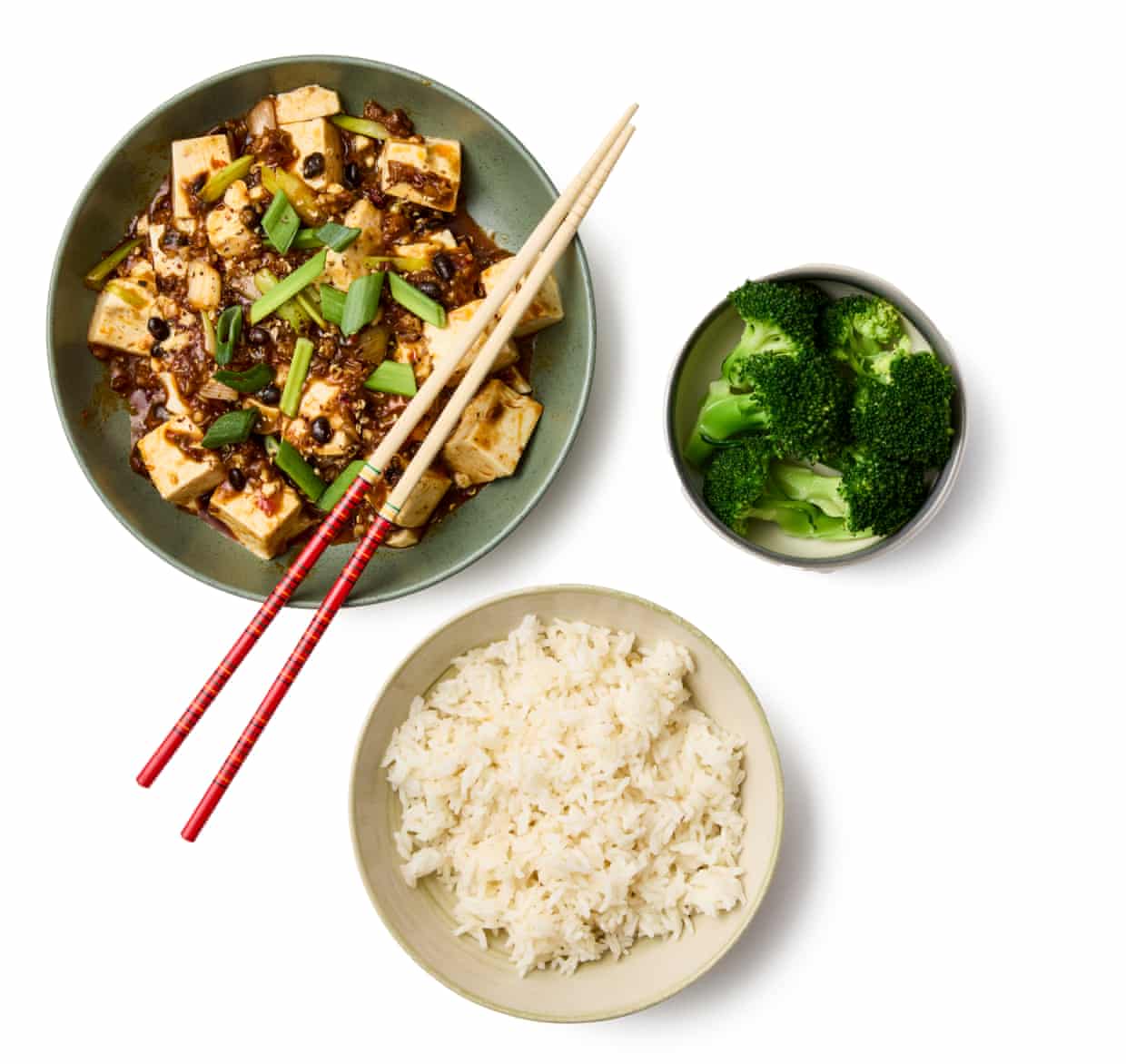
Mapo tofu is a Chengdu favourite typical of the “spicy generosity” of Sichuan food, Fuchsia Dunlop explains, though it’s perhaps better not translated as “pock-marked old woman’s tofu”.It may even convert you to the joys of tofu itself, should you still be on the fence about the stuff, because its creamy softness is the perfect foil for the intensely savoury, tingly seasoning involved here.It’s also ready in mere minutes.Prep 10 min Cook 7 min Serves 22 garlic cloves 1 small knob fresh root ginger 4 spring onions Salt 250g plain tofu (I like a soft one, but see step 3)2 tsp cornflour, or potato or tapioca starch 1 tbsp Sichuan peppercorns 2 tbsp neutral oil 40g pork mince, or beef mince, or a plant-based alternative1 heaped tbsp Sichuan chilli bean paste (also called spicy doubanjiang or toban djan, see step 8)½ tbsp fermented black beans, drained1 tsp chilli flakes, drained if in oil (drizzle this on top, if you prefer)85ml waterIf serving this with rice, which is how it’s generally eaten (though you could have it with noodles instead), put that on to cook.It’s also nice with some steamed green vegetables or a cucumber salad on the side.
Prepare any accompaniments, and all the ingredients before you begin, because this is a dish that comes together quickly.Peel and finely chop the garlic, and peel and finely grate the ginger – you’ll need roughly a tablespoon’s worth.Trim off and discard the whiskery ends from the spring onions, and any very dry bits off the tops, then divide them into white and green parts, slice both on the diagonal into roughly 2cm lengths and keep them separate.Bring a large pan of salted water to a boil.Cut the tofu into roughly 2½cm chunks – I like the creamy richness of soft or even silken tofu, while others prefer the slight chew of firmer varieties, but any kind should work here, as long as it’s unflavoured.
Mix the cornflour (or potato/tapioca starch) and a tablespoon of cold water to make a paste.Turn down the heat under the boiling water, then gently slip in the tofu, keeping the pieces as intact as possible.Simmer gently for a minute, then turn off the heat.Meanwhile, toast half the peppercorns in a dry pan until aromatic, then grind to a powder and set aside.Put a wok or a medium frying pan on a medium-high heat, then add the oil.
Once it starts to smoke, add the remaining whole peppercorns and fry, stirring, until aromatic; take care not to let them burn.Scoop out and discard the peppercorns, leaving the infused oil in the pan.(You can flavour the oil in advance, if need be.)Add the meat and fry until brown and crisp – it’s used in such small amounts here that you’re unlikely to miss it if you choose to leave it out.Alternatively, soya mince, rehydrated if required, or other plant-based alternatives, or even finely chopped, sauteed mushrooms or aubergines will work well, too.
Scoop the mince out of the pan with a slotted spoon, leaving as much oil behind as possible, and transfer to a plate lined with kitchen paper to drain.Turn down the heat slightly, then fry the garlic, ginger and spring onion whites for a minute or so, stirring constantly and taking care that they don’t catch and burn.Stir in the bean paste (this is easily found in Chinese supermarkets or online; miso paste, preferably red, makes a decent if not perfect substitute, though if you use that, you’ll need to add a little more chilli), fermented black beans and chilli, fry for 20 seconds, then pour in 85ml cold water and bring to a simmer.Stir in the cornflour paste until well combined.Carefully drain the blanched tofu so it doesn’t break up, then tip it into the wok along with the fried mince.
Spoon the sauce over the tofu and meat, disturbing the tofu as little as possible so as to keep it intact, and cook until the sauce thickens.Gently decant into a serving bowl, sprinkle with the reserved ground pepper and spring onion greens, and serve with plain rice.
UK should consider expelling US forces from British bases, says Zack Polanski
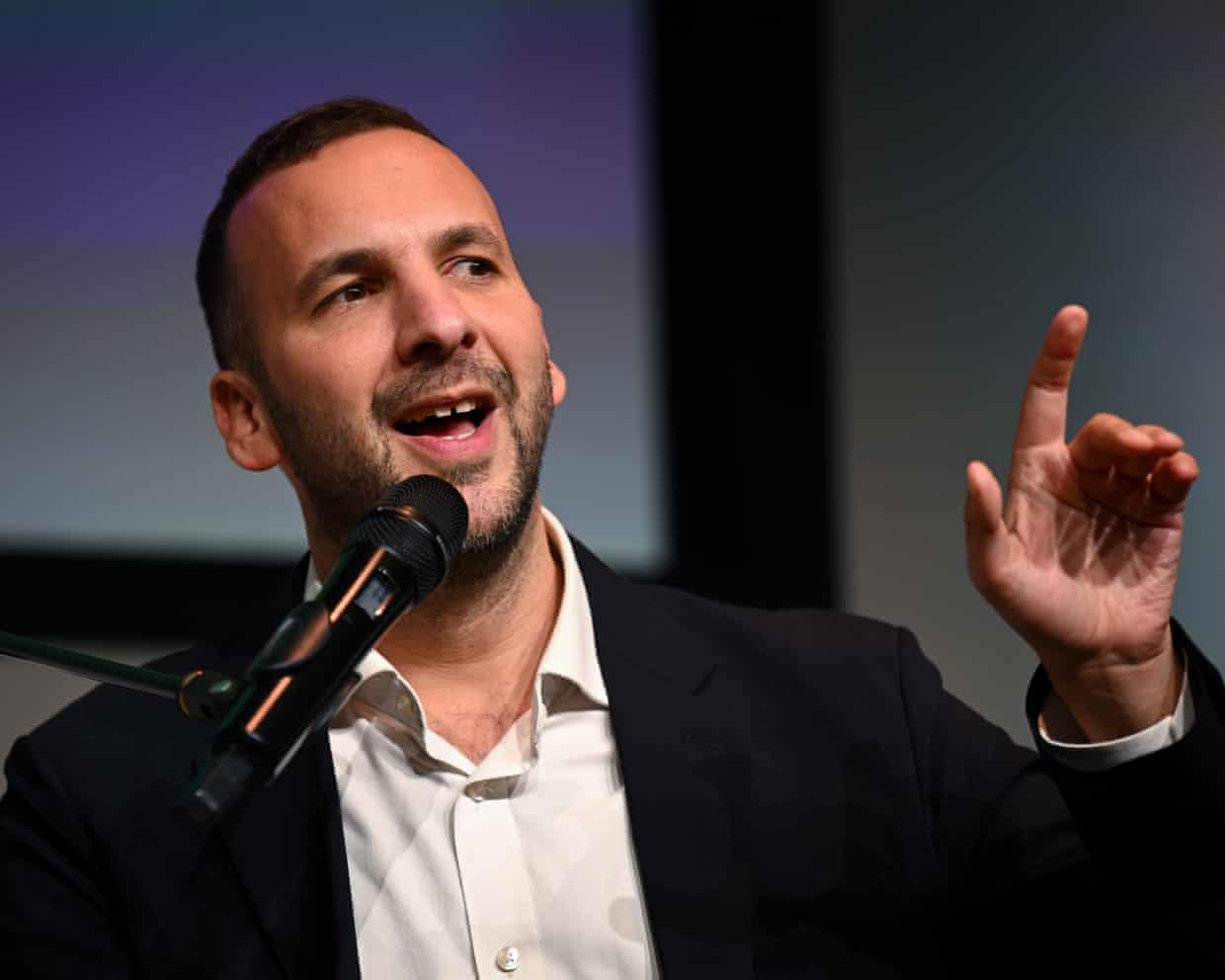
The UK should consider expelling the US from British military bases, the leader of the Green party has said, as he advocated leaving Nato and spending less on American weapons as part of a wider dismantling of the two countries’ defence alliance.Zack Polanski told the Guardian he believed Britain should wean itself off its reliance on American military cooperation, though would not say whether he supported spending more money to replace that capability.His comments come as the prime minister, Keir Starmer, attempts to placate the US president and dissuade him from his threats to invade Greenland and to impose tariffs on European countries who oppose him.Polanski told the Guardian’s Politics Weekly podcast: “I think it’s pretty worrying that we’ve allowed ourselves to become so reliant on American interests, and that a lot of this depends on if Donald Trump is in a good mood or not.”He added: “We should be reviewing US bases on UK soil, and actually looking at a genuine strategic defence review

Reeves plans to refund some visa fees in effort to attract ‘trailblazer’ investment to UK
Rachel Reeves will pledge to refund visa fees for some global businesses on Tuesday, as she flies to the World Economic Forum in Davos aiming to showcase the UK as a haven of stability, despite Donald Trump’s latest tariff threats.The chancellor, who will be accompanied by the business secretary, Peter Kyle, will hold a series of meetings with business leaders at the annual gathering of the global elite in the Swiss mountain resort.She will announce tweaks to the visa regime aimed at encouraging “trailblazer” businesses to bring highly skilled staff to the UK – including refunding fees – and speeding up the time it takes to qualify as a sponsor of migrant workers.“Some countries give you a platform, but Britain gives you momentum. My message at Davos this week is clear: choose Britain – it’s the best place in the world to invest,” the chancellor said in pre-released remarks

UK ministers scrap foreign students target in shift to overseas hubs strategy
Ministers are scrapping target numbers for international students in the UK and will instead focus on encouraging universities to open hubs abroad, as part of a plan to bring British education to people “on their own doorsteps”.The government’s new international education strategy will set a target of increasing global “education exports” to £40bn a year by 2030, replacing the previous target – set in 2019 – of recruiting 600,000 international students a year to study in the UK.The Department for Education said it would also bring in “toughened compliance standards” to ensure people coming to the UK to study were genuine students, and that universities would face recruitment caps and licence revocations if they failed to meet those standards.“This approach removes targets on international student numbers in the UK and shifts the focus towards growing education exports overseas by backing UK providers to expand internationally, build partnerships abroad and deliver UK education in new markets,” the DfE said.The education secretary, Bridget Phillipson, said: “By expanding overseas, our universities, colleges and education providers can diversify income, strengthen global partnerships and give millions more access to a world-class UK education on their doorstep, all whilst boosting growth at home

Starmer plays down prospect of retaliatory tariffs against US over Greenland
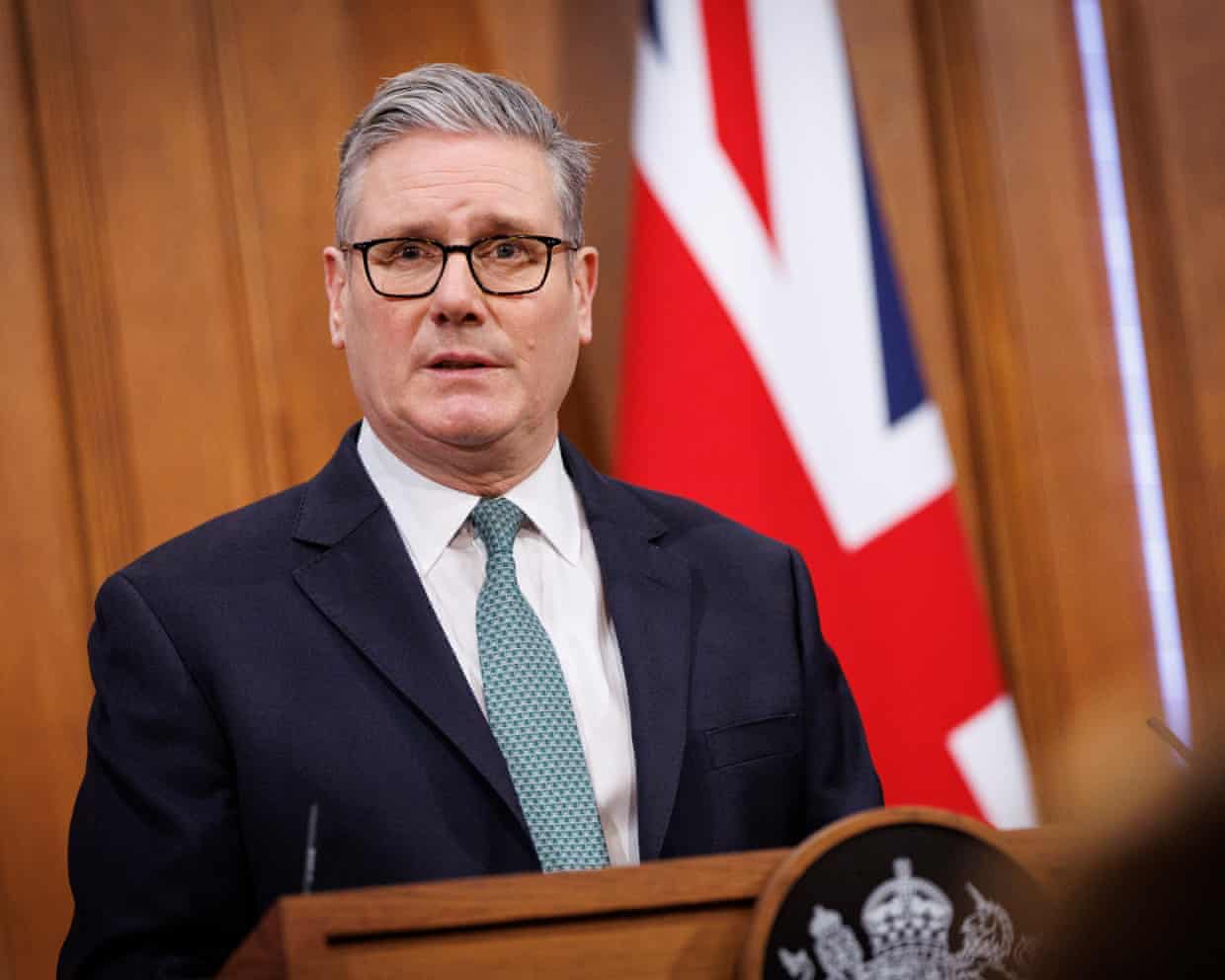
Keir Starmer has played down the prospect of retaliatory tariffs on the US, after Donald Trump threatened to impose fresh levies against Nato allies if a deal over Greenland is not reached.The prime minister said US tariffs would damage the British economy and were “in no one’s interests”, despite growing pressure domestically to take a more forceful response. The UK would prefer a “calm discussion” with allies, he added.However, Downing Street sources suggested Starmer was not yet at the stage of ruling out tariffs completely, and would assess the situation as it developed.The UK government is preparing for the possibility of a taxpayer-funded support package to try to shield British businesses in the event that the US pushes ahead with its threats next month
Minister defends UK’s decision not to hit back at Trump tariffs threat, saying ‘aim is to de-escalate’ – as it happened
Nigel Farage, the Reform UK leader, is normally proud of his friendship with Donald Trump, and he rarely criticises him in public. But on Saturday, after Trump announced tariffs on eight Nato countries not supporting his proposed purchase of Greenland, Farage said he did not support the move, which he said would “hurt” the UK.Today, speaking to journalists as he unveiled his latest defector (see 12.56pm), Farage said that Trump’s proposal was “wrong” and that he would be said he would be “having some words with the American administration” about it in Davos.Keir Starmer has played down the prospect of retaliatory tariffs on the US, saying they would be the “wrong thing to do”, after Donald Trump threatened them against Nato allies to try to secure Greenland

Badenoch warns Tory MPs about people trying to ‘undermine party from within’
Robert Jenrick’s defection does not mean the Conservatives are moving towards the centre ground, Kemi Badenoch has told her MPs in a letter that warned about people seeking to “undermine the party from within”.In a lengthy message to the MPs, seen by the Guardian, Badenoch said the party must avoid “psychodrama”, “intrigue” and damaging splits, saying a small number of Tory staffers were briefing against the party while claiming to be Conservative sources.“I ask everyone to satisfy themselves that their staff are acting in line with our strategy and values,” she wrote. “Undermining the party from within, whether by MPs or by staff, is unacceptable.”Badenoch was due to meet groups of MPs on Monday and speak to the entire parliamentary party on Wednesday, in the wake of three defections in a week, two involving sitting MPs

Nervous rex: the Davos elite brace for Trump and his dinosaur diplomacy
US and European markets fall as Trump steps up Greenland rhetoric

Big tech continues to bend the knee to Trump a year after his inauguration

Elon Musk floats idea of buying Ryanair after calling CEO ‘an idiot’
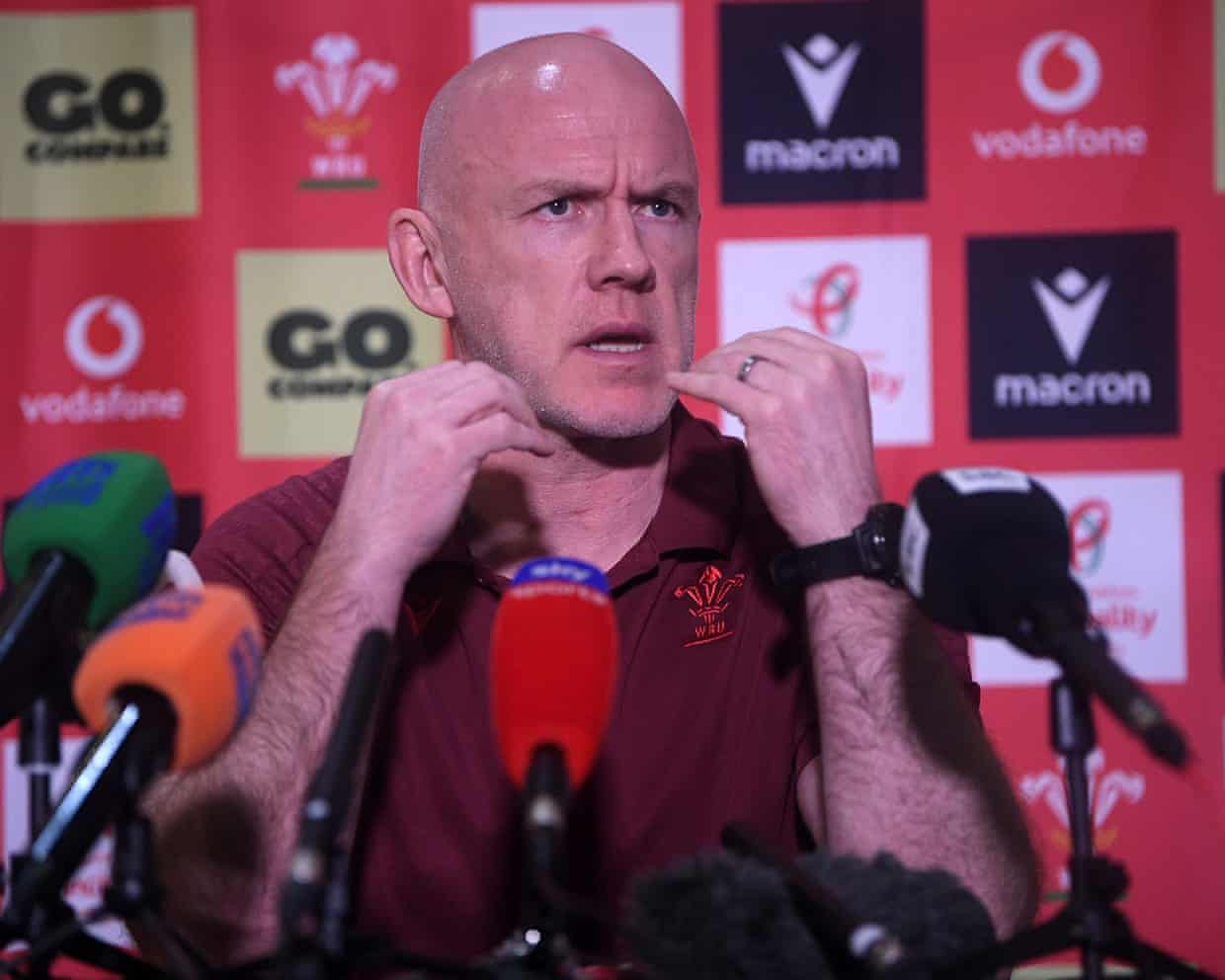
Wales coach Steve Tandy left trapped in middle of toxic Ospreys and Cardiff saga

Naomi Osaka’s jellyfish-inspired outfit steals the show at Australian Open