Starmer plays down prospect of retaliatory tariffs against US over Greenland

Keir Starmer has played down the prospect of retaliatory tariffs on the US, after Donald Trump threatened to impose fresh levies against Nato allies if a deal over Greenland is not reached,The prime minister said US tariffs would damage the British economy and were “in no one’s interests”, despite growing pressure domestically to take a more forceful response,The UK would prefer a “calm discussion” with allies, he added,However, Downing Street sources suggested Starmer was not yet at the stage of ruling out tariffs completely, and would assess the situation as it developed,The UK government is preparing for the possibility of a taxpayer-funded support package to try to shield British businesses in the event that the US pushes ahead with its threats next month.
At an emergency press conference on Monday morning, Starmer told reporters: “Threatening tariffs on allies is the wrong thing to do, completely wrong … A tariff war isn’t in anybody’s interests.“Therefore what I want to do is to avoid a tariff war, because it will be businesses, workers and families across the country that will be hit by a trade war.”Asked directly whether he would impose tariffs in return, he added: “We have not got to that stage, and my focus therefore is making sure we don’t get to that stage.”Starmer said he was determined to find a “pragmatic, sensible and sustained” route through the row, adding: “I don’t want to lose sight of the central goal here, which is to avoid the seriousness that a trade war would bring.”The business secretary, Peter Kyle, told Channel 4 News he had already spoken to Jaguar Land Rover about the tariff threats.
“I am always open to conversation about how we can support them – support them in their hour of need, support them when they have opportunities,” he said.Trump has shown no sign of backing down from his bombshell threats at the weekend to hit the UK and seven other European countries with a 10% levy on goods exports from 1 February, rising to 25% by June.In a telephone interview with NBC on Monday, the US president declined to comment on whether he would rule out seizing Greenland by force, insisting he would “100%” push ahead with his tariff plans.In an extraordinary text message sent on Sunday to the Norwegian prime minister, Jonas Gahr Støre, he suggested his threat was partly down to being snubbed for the Nobel peace prize.Despite Trump’s belligerent rhetoric, Starmer said he did not think the US president was genuinely considering taking military action in Greenland.
“I think that this can be resolved, and should be resolved, through calm discussion,” he added.Answering questions after his brief speech, the prime minister repeatedly stressed what he said was the vital importance of US cooperation in areas such as intelligence and the nuclear deterrent, as well as on Ukraine.“The last thing that we should do is to simply throw all that away and pretend that it doesn’t matter any more.It does matter, but we don’t do that by pretending we haven’t got differences,” he said.No 10 is keeping a close eye on public opinion, recognising that many people would prefer the prime minister to move on from his serious, pragmatic approach towards Trump’s increasingly erratic outbursts.
The Liberal Democrat leader, Ed Davey, urged the government to change course as Trump was acting like an “international gangster” over Greenland.Senior Conservative MP Simon Hoare said it was time for the government to “fight fire with fire”.A YouGov poll on Monday found that two-thirds of Britons would support placing tariffs on American goods imported to the UK if Trump delivers on his threat.Starmer defended his diplomatic approach to Trump, but suggested he did understand why Britons might see attempts to cooperate with Trump as pointless.“Alliances endure because they’re built on respect and partnership, not pressure,” he said.
“Strong, respectful alliances require the maturity to say where we disagree, and on this we disagree, and I’ve been clear about that.“I completely understand why what President Trump said about tariffs over the weekend has been so badly received in this country.”Yvette Cooper, the foreign secretary, told MPs later the threat of tariffs against allies in this way was completely wrong.“It is unwarranted and it is counter-productive,” she added.“Instead of divisions that only aid our adversaries, we now need a serious and constructive dialogue about our Arctic security,” she said.
“Both sides of the Atlantic should be working together on Arctic security, not moving apart.”
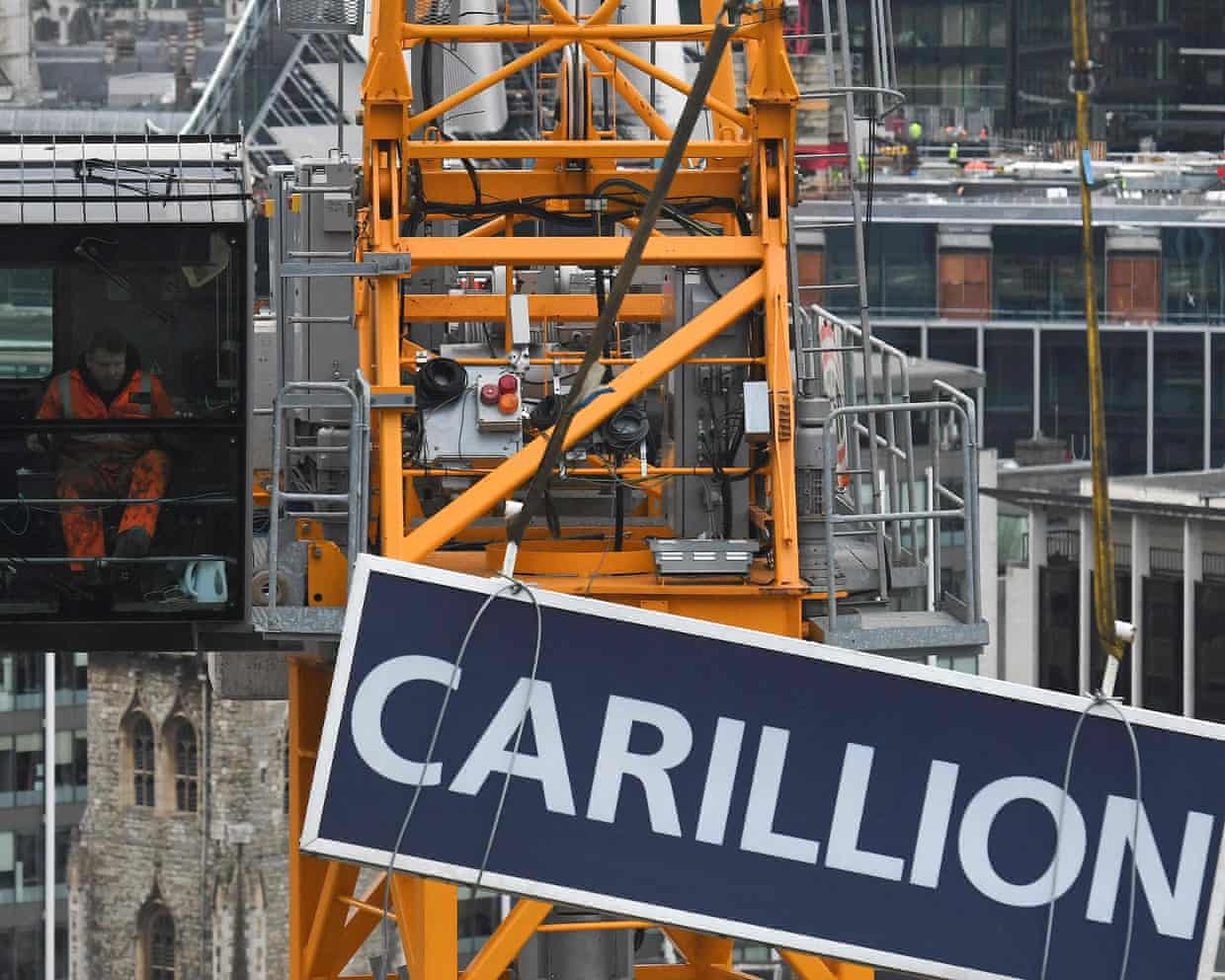
The government’s retreat from Carillion audit reforms is feeble | Nils Pratley
The wait for the “long-awaited” government bill to reform the audit market is over. It is not because ministers have decided it’s embarrassing that eight years have passed since the collapse of Carillion, the massive corporate failure that reminded everybody that auditing is boring until it matters greatly that outsiders can trust the published numbers. Rather, it is because the government has given up on a reform bill. It would rather give another airing of its “pro-growth” refrain.“While the planned reforms would be beneficial, some would increase costs on business, and it would not be right to prioritise these over more deregulatory measures,” the minister for small business, Blair McDougall, formally told the business select committee
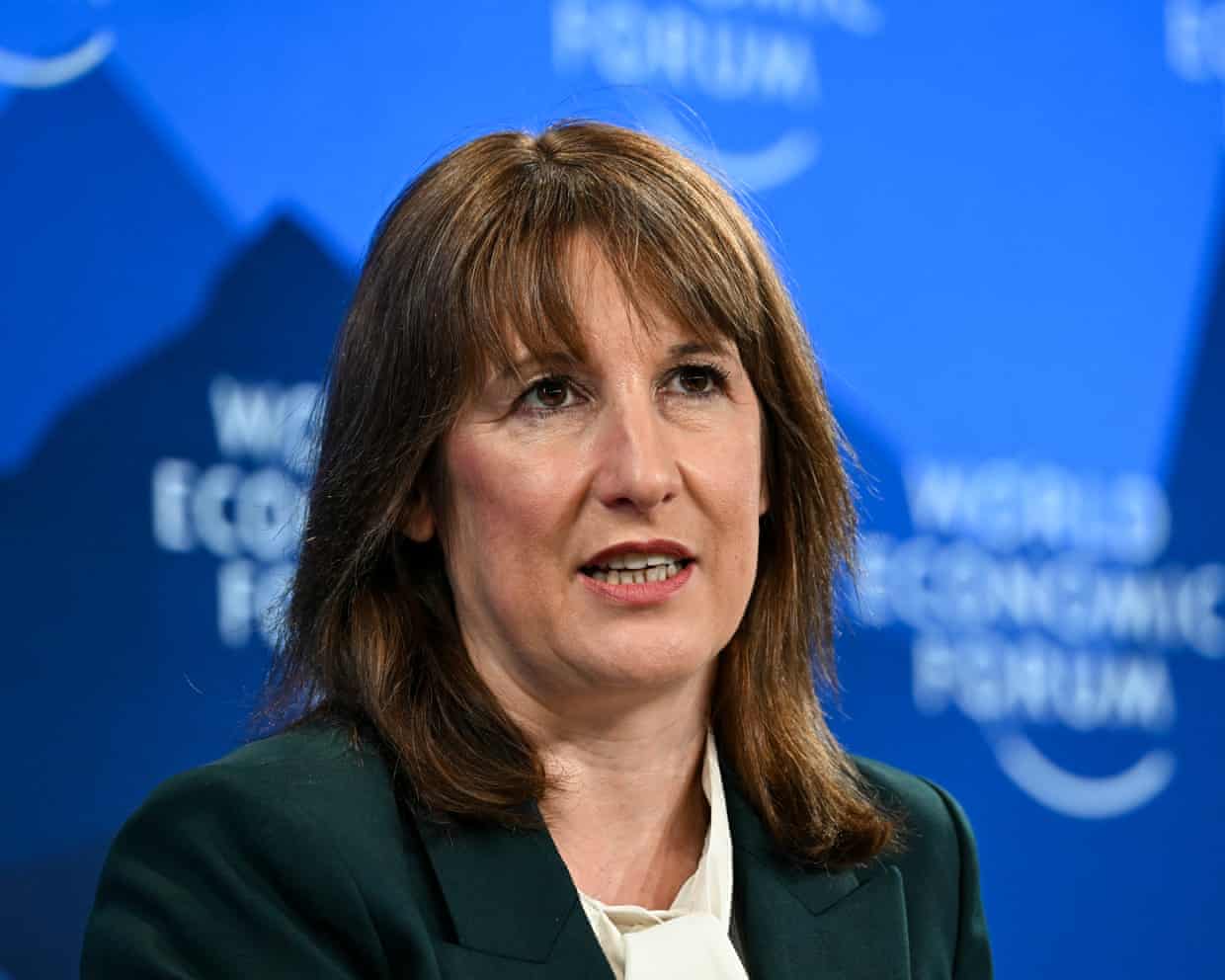
Davos: Reeves urges leaders to keep cool heads over tariff threat in free trade call – business live
Rachel Reeves, the UK chancellor of the exchequer, is now speaking at a Bloomberg session just outside the WEF congress centre.Asked about the tariff threats from the US, Reeves says that she would urge everyone to keep cool heads.The chancellor cites the trade deal between the US and UK which has brought down tariffs (although Trump is threatening to put them up again, and that deal was actually frozen in December).She also points to other trade deals either signed off or under negotiation, such as with India and South Korea.Reeves tells her audience:I believe in free and fair trade

Tell us: has a chatbot helped you out of a difficult time in your life?
AI Chatbots are now a part of everyday life. ChatGPT surpassed 800 million weekly active users in late 2025. Some people are forming relationships with these chatbots, using them for companionship, mental health support, and even as therapists. Has a chatbot helped you get through a difficult period in life? If so, we’d like to hear about it.You can tell us how an AI chatbot has helped you get through a difficult period in life using this form
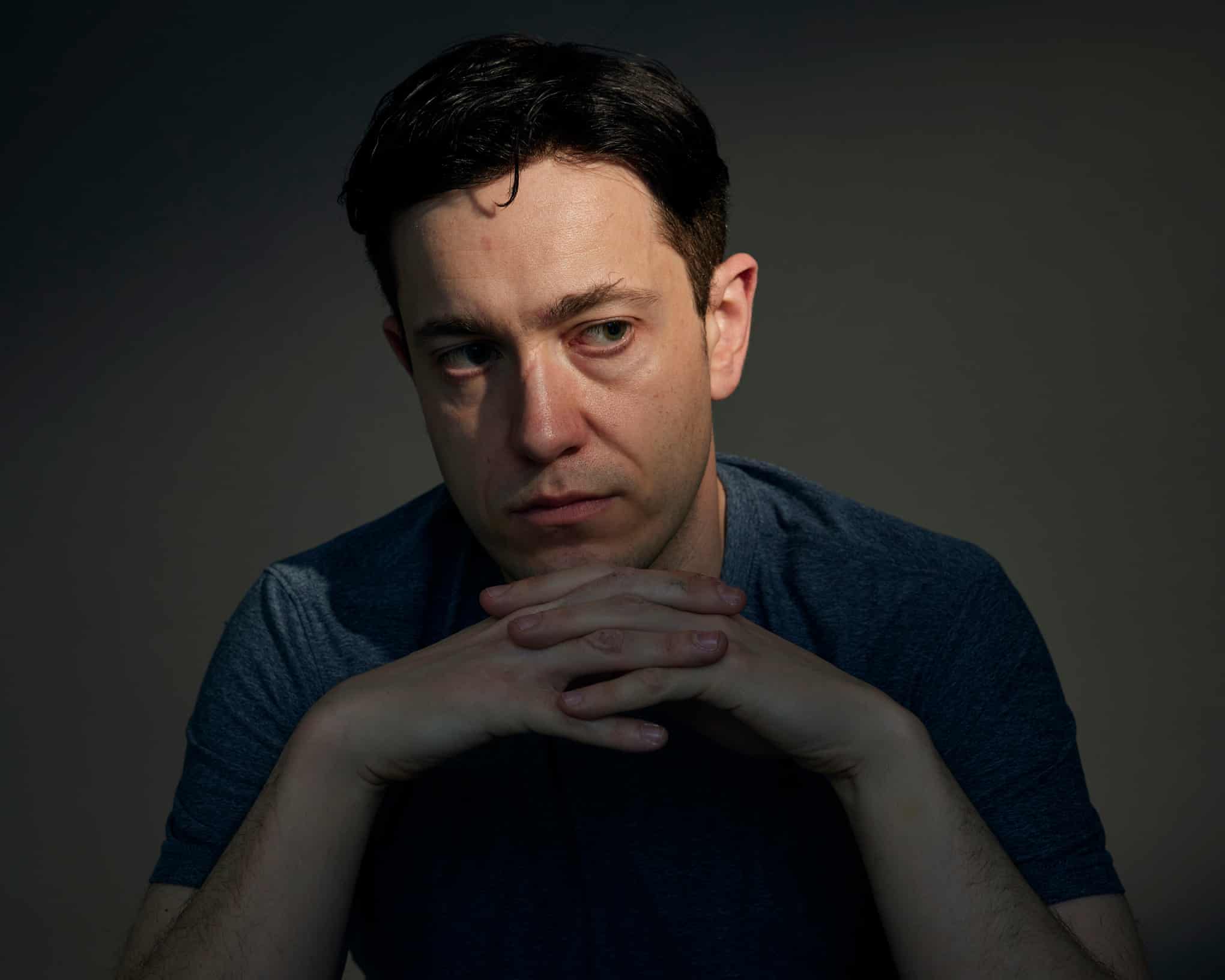
Ed Zitron on big tech, backlash, boom and bust: ‘AI has taught us that people are excited to replace human beings’
His blunt, brash scepticism has made the podcaster and writer something of a cult figure. But as concern over large language models builds, he’s no longer the outsider he once wasIf some time in an entirely possible future they come to make a movie about “how the AI bubble burst”, Ed Zitron will doubtless be a main character. He’s the perfect outsider figure: the eccentric loner who saw all this coming and screamed from the sidelines that the sky was falling, but nobody would listen. Just as Christian Bale portrayed Michael Burry, the investor who predicted the 2008 financial crash, in The Big Short, you can well imagine Robert Pattinson fighting Paul Mescal, say, to portray Zitron, the animated, colourfully obnoxious but doggedly detail-oriented Brit, who’s become one of big tech’s noisiest critics.This is not to say the AI bubble will burst, necessarily, but against a tidal wave of AI boosterism, Zitron’s blunt, brash scepticism has made him something of a cult figure

Kasatkina frustrated after defeat on day of mixed fortunes for Australian players
Melbourne is known for its unpredictable wind and it blew both ways for Australian tennis fans on Tuesday. Torturous, late-night losses suffered by Daria Kasatkina and Kimberly Birrell came about 12 hours after Maya Joint’s straight-sets defeat, ending the Australian Open ambitions of the three highest ranked local female players.As the sun comes up on Wednesday morning, however, the country will have six women in the second round, the most at a grand slam since eight progressed at Melbourne Park in 1992. The last to secure their berth was qualifier Maddison Inglis, who defeated compatriot Birrell 7-6 (6), 6-7 (9), 6-4 in an all-Australian clash that lasted three hours and finished after midnight.Inglis broke down at the match’s conclusion, overcome with emotion after beating her close friend

Rob Key likely to survive but T20 World Cup crucial to Brendon McCullum’s fate
Rob Key’s position as England’s managing director of men’s cricket is looking increasingly secure after the initial stages of the England and Wales Cricket Board’s review of the Ashes defeat, but the future of Brendon McCullum as coach remains uncertain and will be heavily influenced by his side’s performances at next month’s T20 World Cup.Key is understood to have spoken to the ECB chief executive, Richard Gould, and chair, Richard Thompson, and taken responsibility for England’s poor preparation for the Ashes and some bungled selections while on tour. He is believed to have indicated a willingness to do things differently if allowed to stay on, a crucial concession that could end up saving him.It was reported after England’s defeat in the third Test in Adelaide last month, which gave Australia a 3-0 lead and retention of the urn after just 11 days of cricket, that the ECB wanted to avoid a mass cull. That remains the case despite the tourists slumping to a 4-1 defeat, with their only victory coming in the freakish two-day fourth Test in Melbourne on a sporting pitch
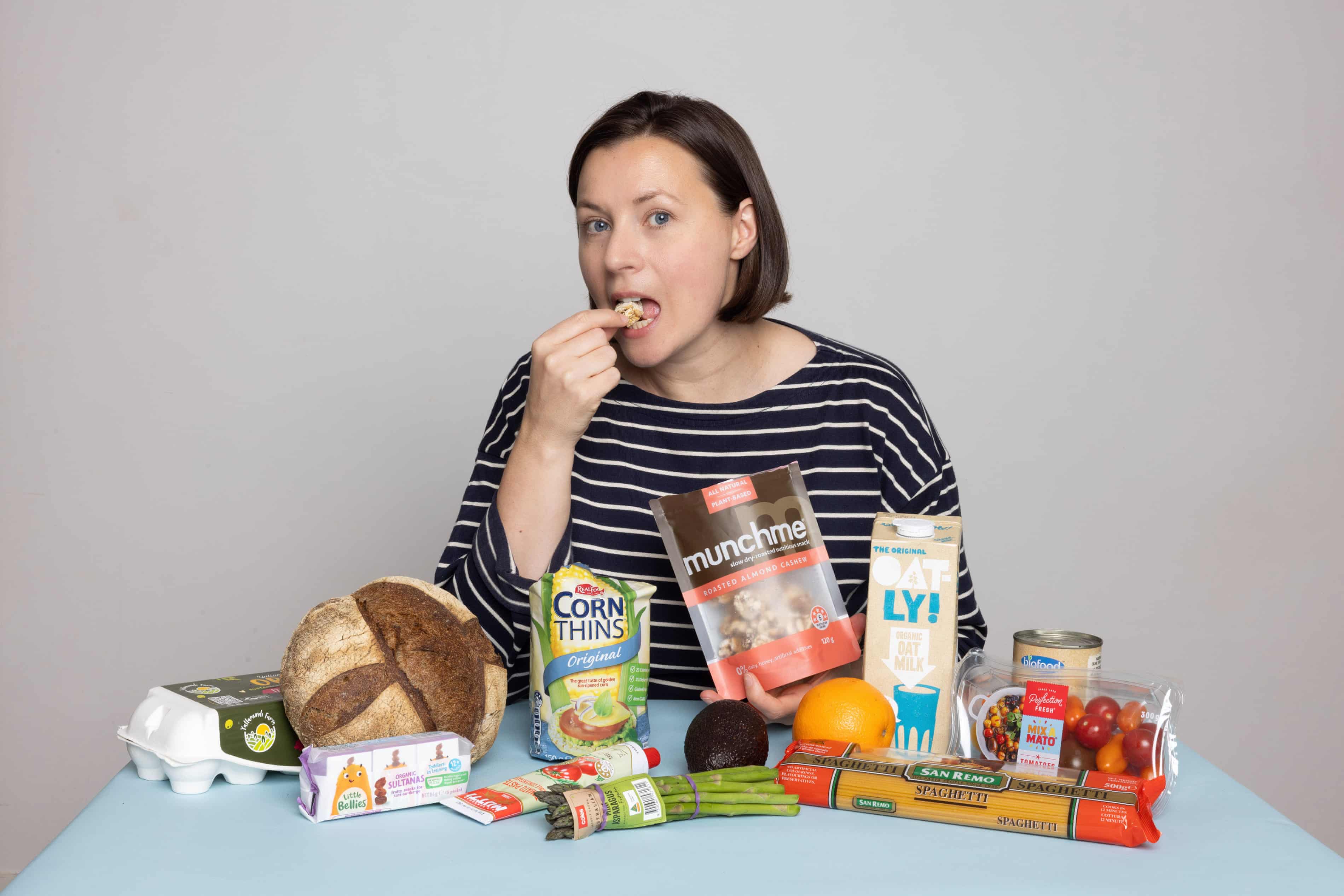
My week avoiding ultra-processed foods: ‘Why is it this hard?’

How to make mapo tofu – recipe | Felicity Cloake's Masterclass
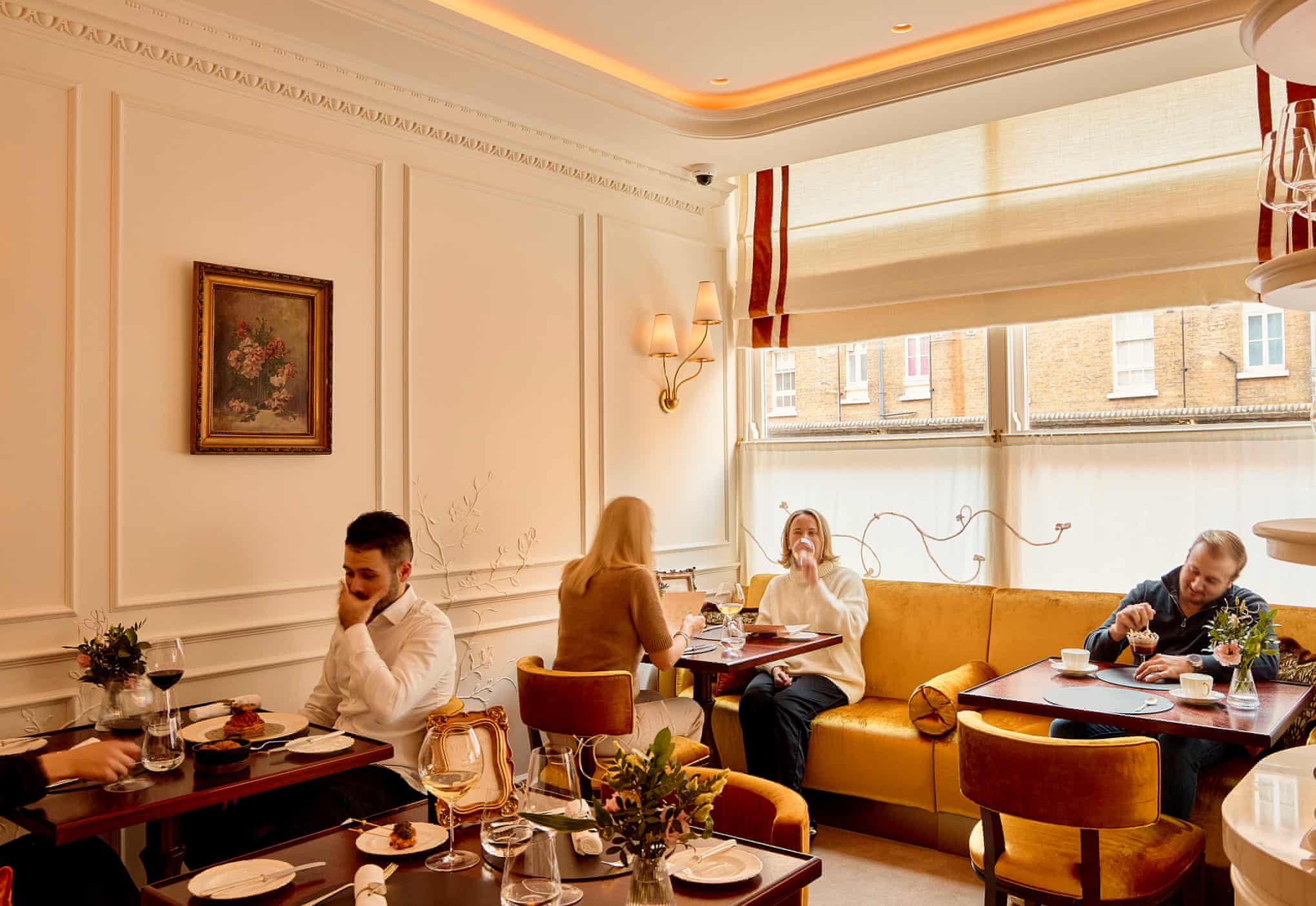
Corenucopia by Clare Smyth, London SW1: ‘Posh, calories-be-damned cooking and a dad rock soundtrack’ – restaurant review
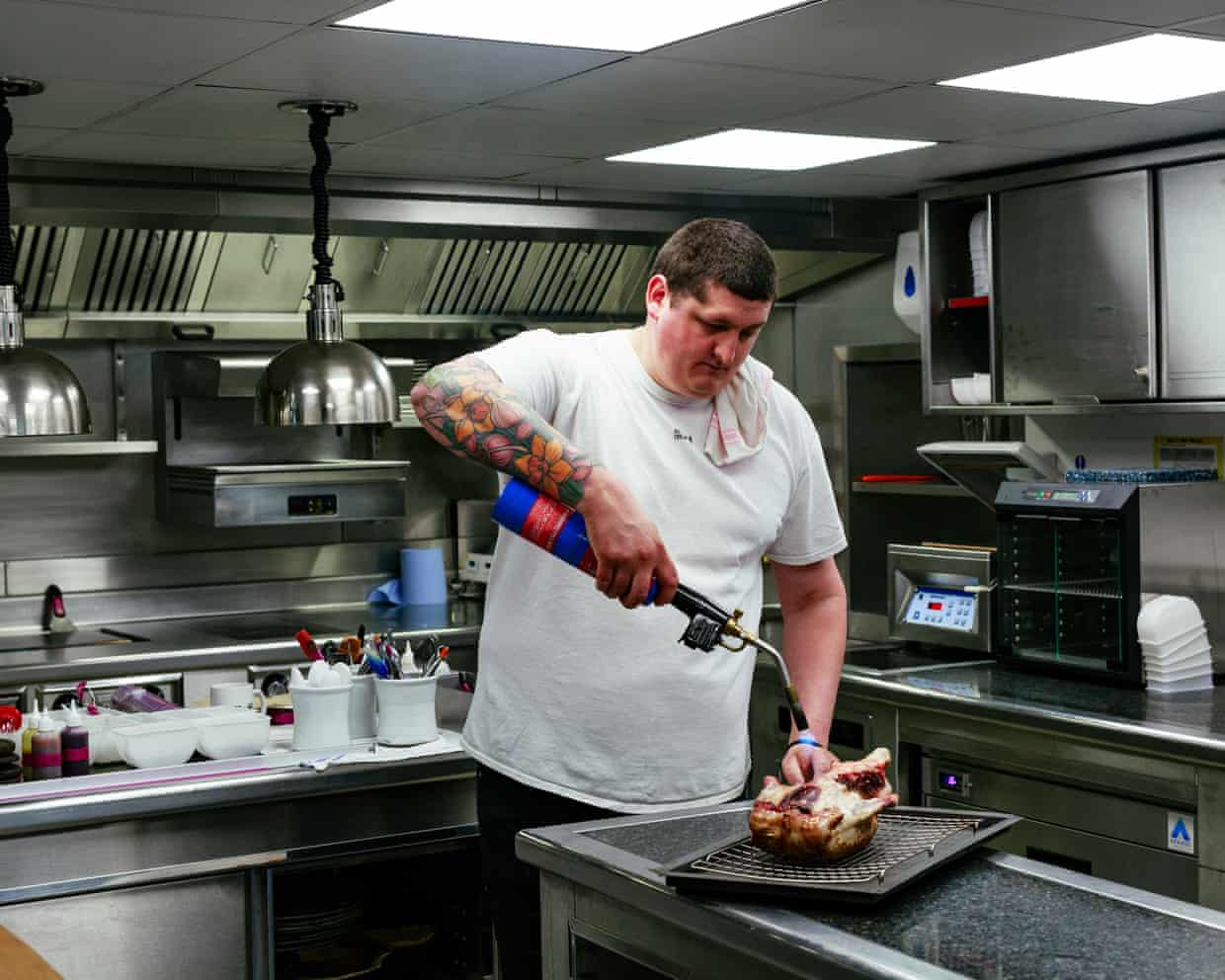
Two stars from Michelin, one for hygiene: star chef’s poor score ignites UK dining debate

The rule of thumb when using a mandolin in the kitchen | Letters

Still confused about swedes and turnips | Brief letters