US and European markets fall as Trump steps up Greenland rhetoric
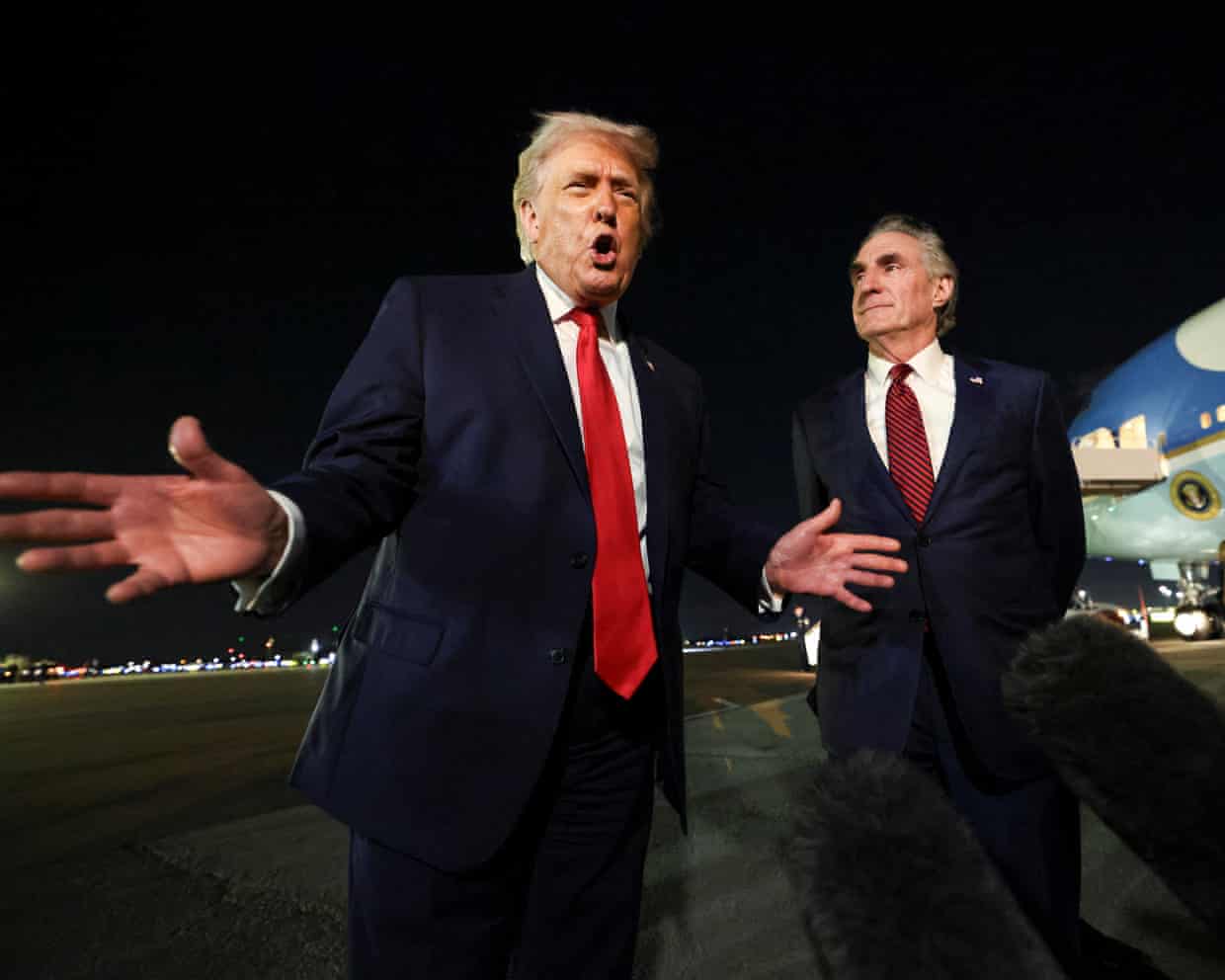
Stock markets fell on both sides of the Atlantic on Tuesday as investor concerns persisted over the fallout from Donald Trump’s push for US control of Greenland.The sell-off hit US stocks on Tuesday, the first day of trading on Wall Street since Trump threatened new tariffs on eight European countries, after the market was closed for a public holiday on Monday.The S&P 500 was down 1.5% while the Dow Jones was down 1.3%.
The tech-heavy Nasdaq index fell 1.8%, with Amazon down 2.9% and Tesla and Nvidia both off more than 3%, wiping billions of dollars off their market values.The UK’s FTSE 100 index dropped 0.7% on Tuesday, after a smaller fall on Monday.
In Europe, France’s CAC was down 0.6%, Germany’s DAX fell 1% and Italy’s FTSE MIB was off 1.1%.The dollar was down 0.9% against a basket of currencies.
Trump’s threat to increase tariffs on US imports of goods from Germany, France, Denmark, the UK, Sweden, the Netherlands, Norway and Finland have renewed economic uncertainty,However, Trump’s commerce secretary, Howard Lutnick, played down the likelihood of a fresh trade war,Speaking on a panel at the World Economic Forum in Davos, he gave a bullish defence of US tariff policies but suggested the outcome of what he called the “kerfuffle” over Greenland was be likely to be diplomacy,“We are here to make a very clear point: globalisation has failed the west and the United States of America,It’s a failed policy.
It is what the west has stood for, which is export, offshore, find the cheapest labour in the world, and the world is a better place for it.The fact is, it has left America behind.It has left American workers behind,” he said.Lutnick argued that Trump uses tariffs as “a way for him to say: ‘Hey, you know, you need to talk to us.’ Do I think the trade deals that we’ve set with Europe, with the UK, are they durable? I absolutely do … What I see happening is diplomacy and talking and at the table, rather than action, which is something I think the president cares about.
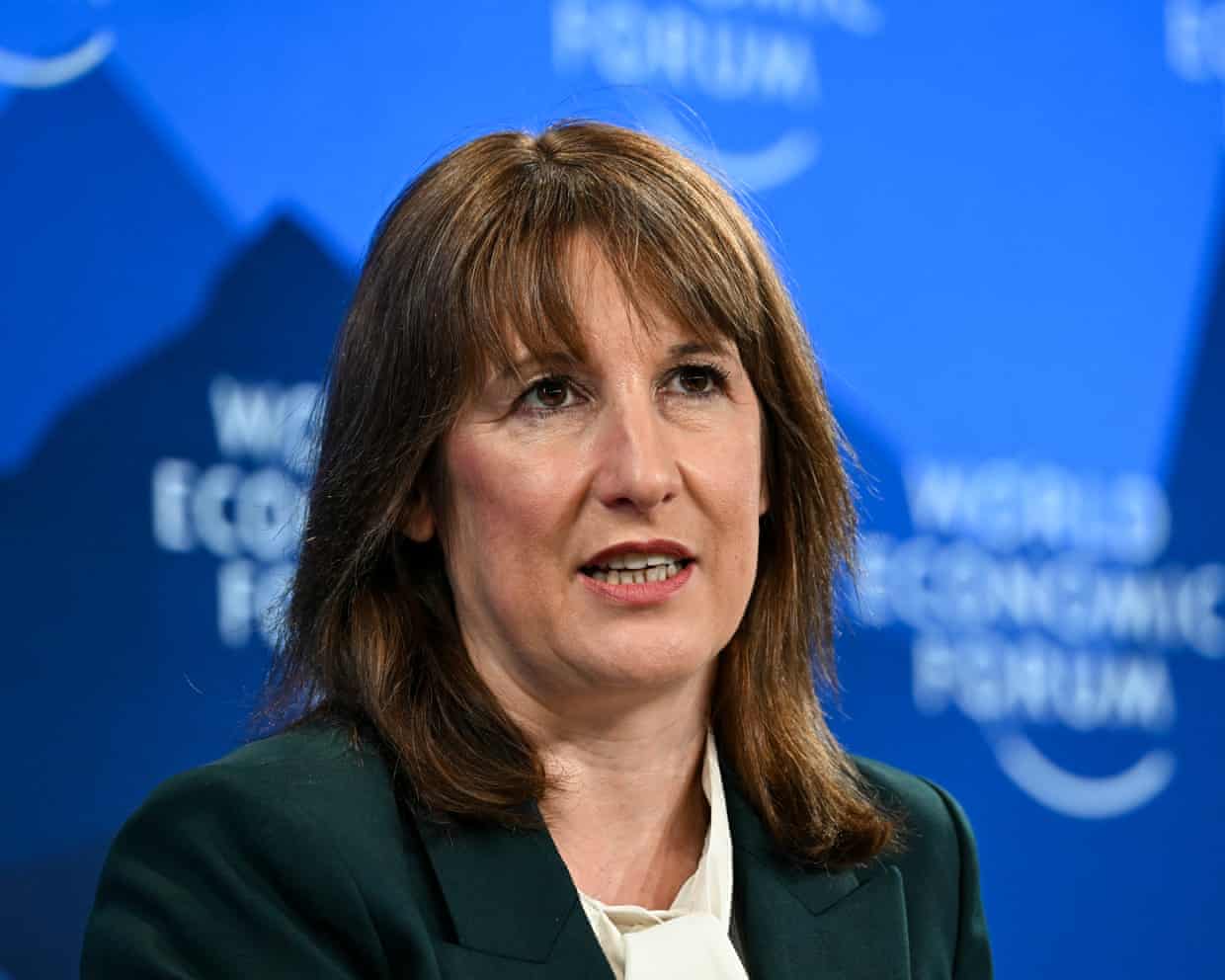
”Sitting alongside Lutnick, the UK chancellor, Rachel Reeves, said the UK was also interested in its economic security – but said the US should remember who its allies are.“For all of your strengths, we do also need to preserve some of the things that the US has benefited from, in the Nato alliance, and the western alliance, not because it is the benevolent, because I believe it is in your country’s national interest.”Reeves also urged people to keep cool heads as fears mount over Trump’s push for Greenland.“We absolutely want to de-escalate,” she told Bloomberg.“The future of Greenland is for the people of Greenland.
”Trump is scheduled to give a speech at Davos on Wednesday.Earlier on Tuesday, the US treasury secretary, Scott Bessent, also speaking at Davos, urged European countries not to retaliate against the US’s trade tariffs announced over the Greenland crisis.Referring to Trump’s “liberation day” tariffs, announced in April, Bessent said: “I would say this is the same kind of hysteria that we heard on 2 April.There was a panic.“What I am urging everyone here to do is sit back, take a deep breath, and let things play out.
The worst thing countries can do is escalate against the United States,”But Kathleen Brooks, a research director at the broker XTB, said Bessent had failed to calm investor nerves,“Overall, this is a man-made crisis, and the continued sell-off on Tuesday suggests that US threats to Greenland and their effects on financial markets could have further to go if the situation does not de-escalate soon,” she said,Gold and silver hit record highs as investors sought shelter from the market falls,Gold rose past $4,700 (£3,500) an ounce for the first time on Tuesday, and silver hit a fresh high of $95.
52 an ounce.Trump wrote in a social media post on Saturday that eight European countries including the UK, France and Germany, will face tariffs “until such time as a Deal is reached for the Complete and Total purchase of Greenland”.The tariffs are due to start at 10% on 1 February, rising to 25% on 1 June.Trump also added further uncertainty to global trade overnight by threatening to impose 200% tariffs on French wines and champagne after France’s Emmanuel Macron was reported to be unwilling to join his Gaza “board of peace”.
Nandy intends to refer Daily Mail’s Telegraph takeover to regulators
The culture secretary, Lisa Nandy, intends to ask the UK’s media and competition watchdogs to examine the proposed £500m takeover of the Telegraph titles by the owner of the Daily Mail.Daily Mail & General Trust (DMGT) agreed a deal in November to buy the titles, in a move that will create a right-leaning publishing powerhouse.Nandy said on Tuesday she was “minded to” task Ofcom with looking at the impact on media plurality of bringing the Daily and Sunday Telegraph titles together with the Daily Mail and Mail on Sunday.The Competition and Markets Authority will look at whether the proposed deal creates competition issues.Nandy is expected shortly to issue a public interest intervention notice (PIIN), which starts an investigation process of up to 40 working days
Water winners: who will gain from the industry’s spending spree in England and Wales?
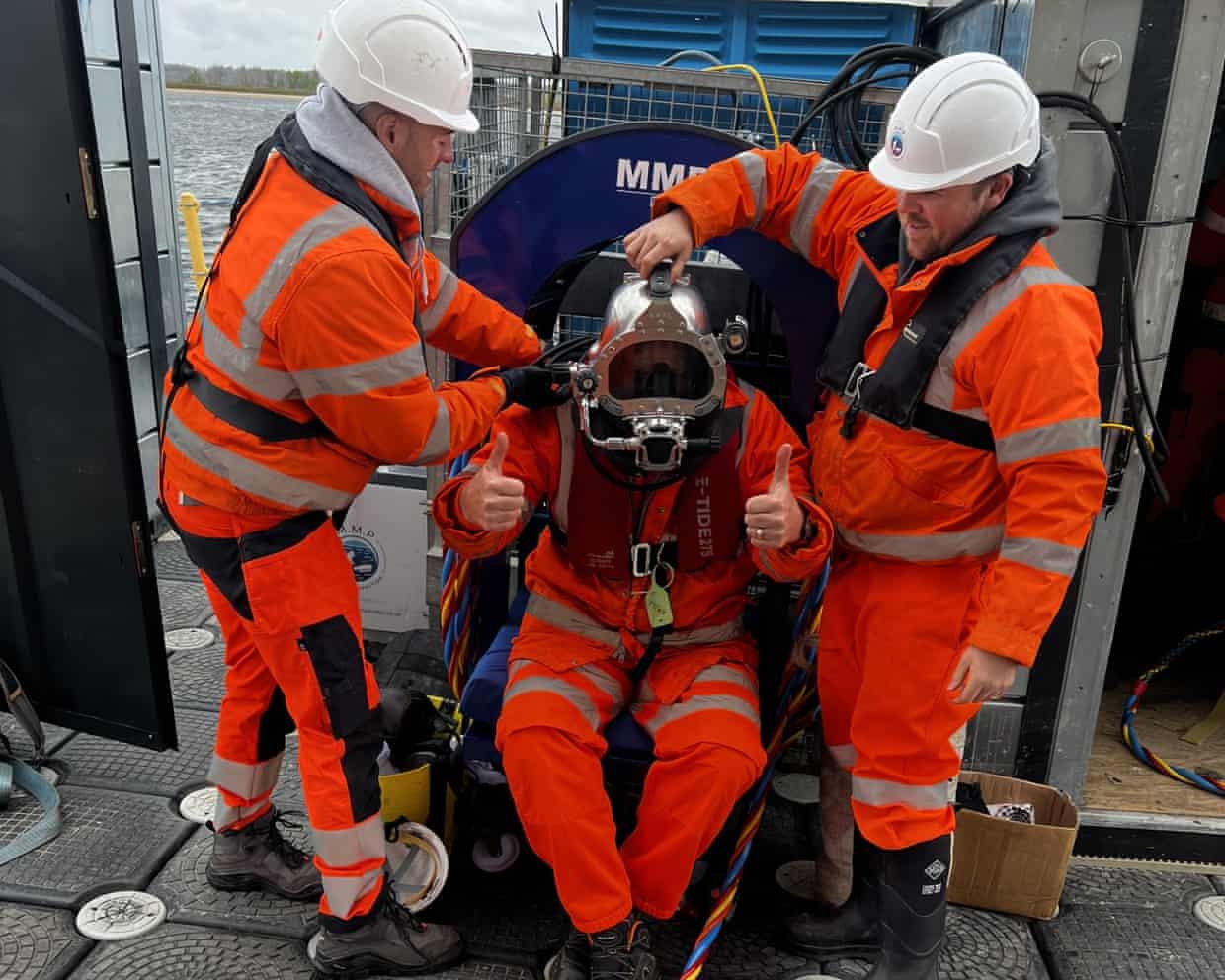
When a sluice gate failed 24 metres below the water’s surface at Thames Water’s Queen Mother reservoir near London’s Heathrow airport, there were no easy fixes available. Emptying 37m cubic metres (1,307m cu ft) of water was not an option, meaning that helmeted divers were limited to 98-minute stints in the high-pressure environment.The risky project required a team on a floating platform with a crane to cut out the broken equipment with thermal lances, bolt a plate on to the reservoir wall, and install the new equipment. It took more than a year until last October to complete, according to Glenfield Invicta, the contractor that carried out the work for Thames Water.Water companies across Britain are gearing up for more of these repairs and upgrades than ever this year, as the industry undertakes the biggest spending spree in its history until 2030
Donald Trump trashed global economic orthodoxy. A year on, did he leave Australia a winner or loser?
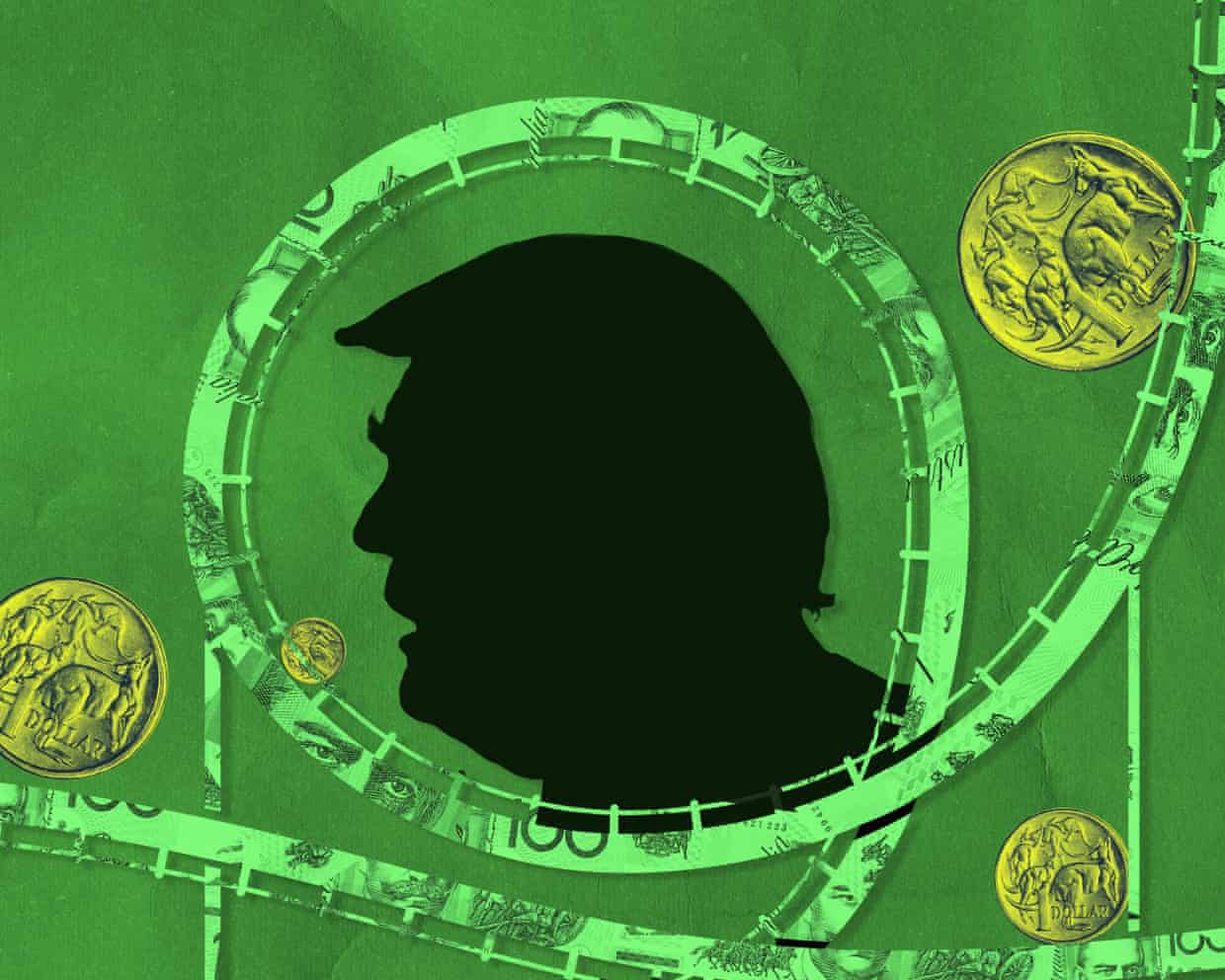
One year into Donald Trump’s presidency and experts in Australia and around the world can hear the grinding of history’s gears.“We have entered a new economic era; one with rules that are very different to the past,” the Commonwealth Bank’s chief economist, Luke Yeaman, wrote in October.We exit the heyday of globalisation and its relentless, single-minded pursuit of efficiency, to … what?At this point it looks like a world of rising trade protectionism, populism, self-sufficiency, suspicion, conflict and crackdowns on the movement of people and capital.Sign up: AU Breaking News emailTrump has exploded so many established norms that his return to the White House seems to have ruled a line between what was before, and what is now and will be.The “liberation day” tariffs in April last year triggered fears of a global trade war that would smash the world economy

GSK to buy food allergy drug maker RAPT in $2.2bn deal
GSK, the UK’s second-biggest drugmaker, has unveiled a $2.2bn (£1.6bn) deal to acquire a Californian biotech company which is developing a drug to protect against severe food allergies, including allergies to nuts, milk and eggs.It is the first large deal announced by GSK’s new chief executive, Luke Miels, who joined the London-based company in 2017 as chief commercial officer and took the reins from Emma Walmsley at the start of the year.RAPT Therapeutics is developing therapies for people with inflammatory and immunologic diseases
Bessent urges Europe not to retaliate against Trump’s Greenland tariffs
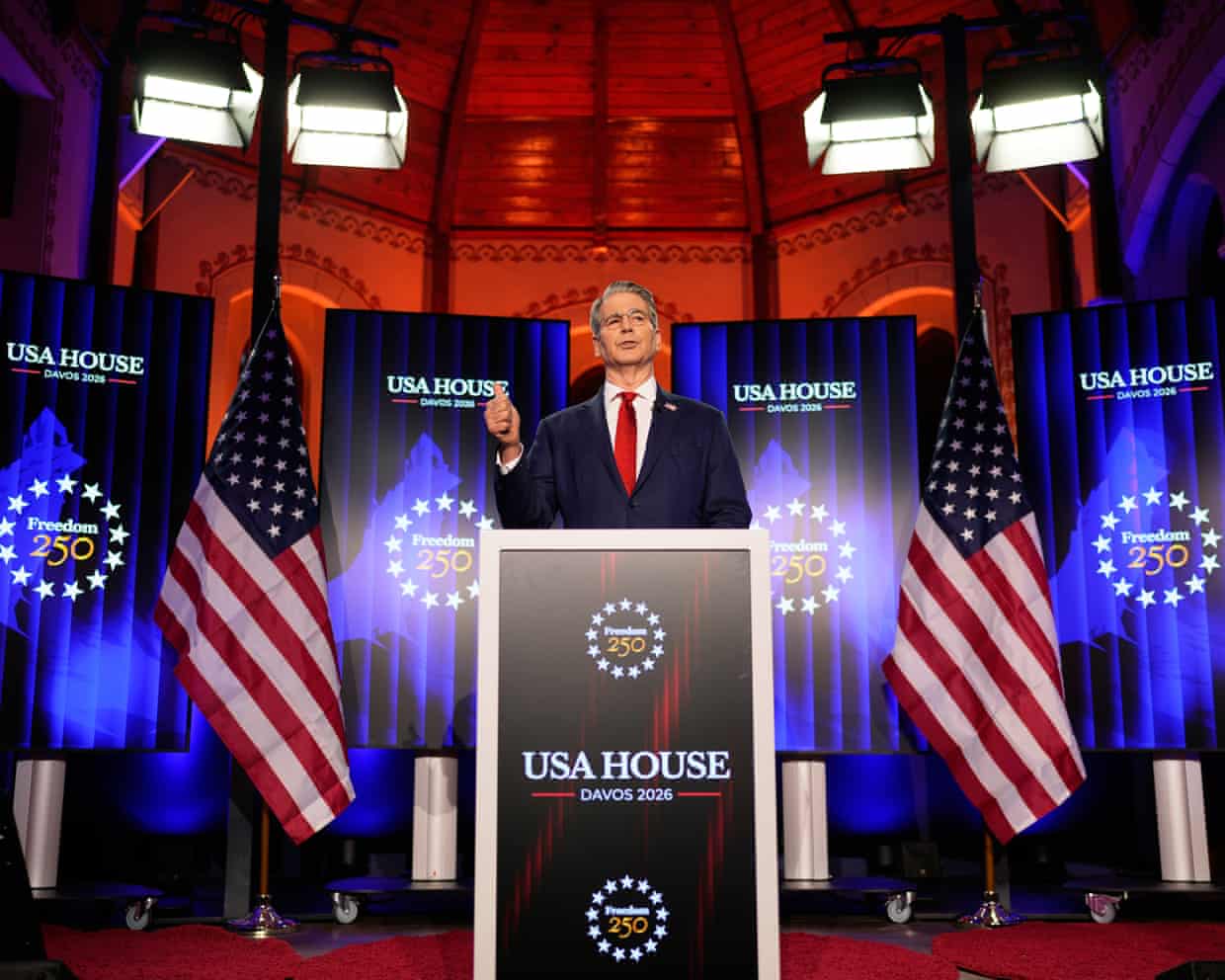
The US treasury secretary, Scott Bessent, has urged European countries not to retaliate against the US’s trade tariffs announced over the Greenland crisis.Speaking in Davos during the World Economic Forum, Bessent said countries and companies should pause and “let things play out” after Donald Trump threatened a 25% tariff on a slew of European countries in his pursuit of the autonomous Danish territory.As global stock markets fell amid political uncertainty, Bessent indicated that retaliatory tariffs would be unwise, citing last year’s tit-for-tat tariff war that broke out between the US and China.Last April, Trump’s “liberation day” tariff announcement caused turmoil in global stock markets before some countries agreed trade deals and markets recovered to reach record highs later in the year, fuelled in part by the AI boom.Bessent told a press conference at the annual meeting of global leaders: “I would say this is the same kind of hysteria that we heard on 2 April
Number of employed people in UK falls again as wage growth slows
The number of employed people in the UK has fallen, particularly in shops, restaurants, bars and hotels, reflecting weak hiring, while private sector wages grew at the slowest rate in five years, official figures show.Figures from the Office for National Statistics (ONS) showed the number of employees on payrolls fell by 43,000 in December from the previous month, to 30.2 million – the biggest monthly drop since November 2020.The rate of unemployment remained at a four-year high of 5.1% in the three months to the end of November, but this was up from 4
The government’s retreat from Carillion audit reforms is feeble | Nils Pratley
Davos: Reeves urges leaders to keep cool heads over tariff threat in free trade call – business live

Tell us: has a chatbot helped you out of a difficult time in your life?
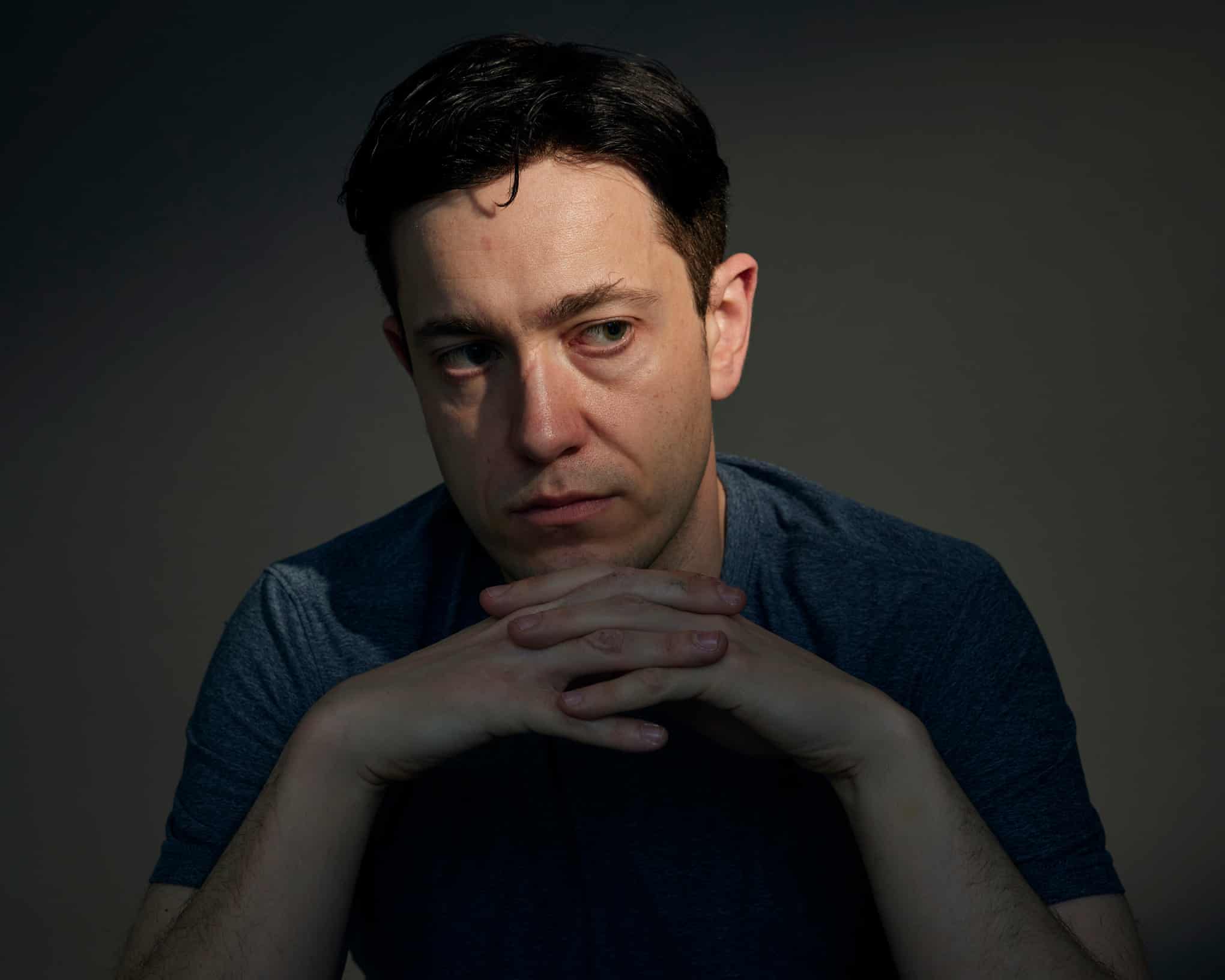
Ed Zitron on big tech, backlash, boom and bust: ‘AI has taught us that people are excited to replace human beings’

Kasatkina frustrated after defeat on day of mixed fortunes for Australian players
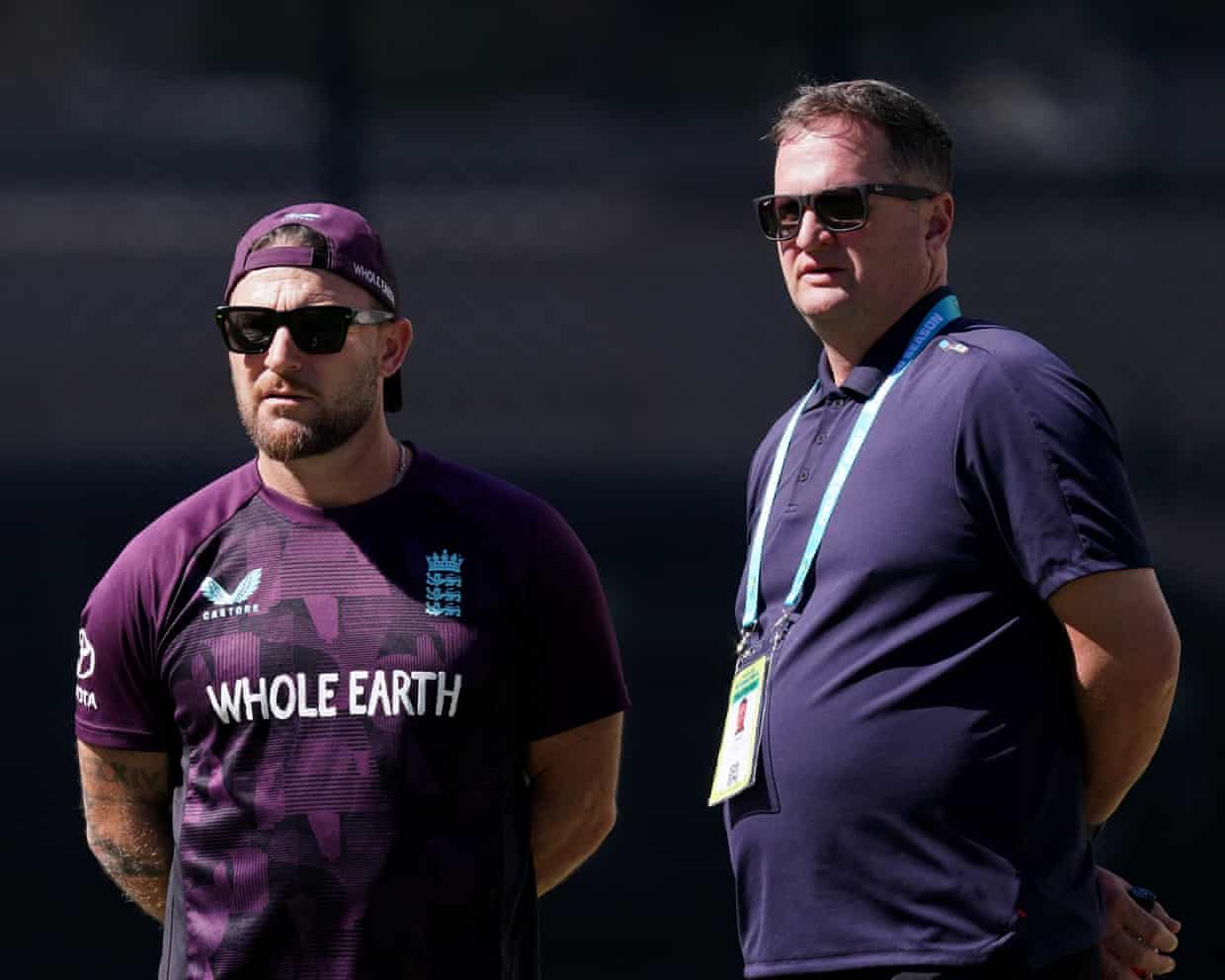
Rob Key likely to survive but T20 World Cup crucial to Brendon McCullum’s fate