It will take more than £600m a year to boost UK industrial competitiveness | Nils Pratley
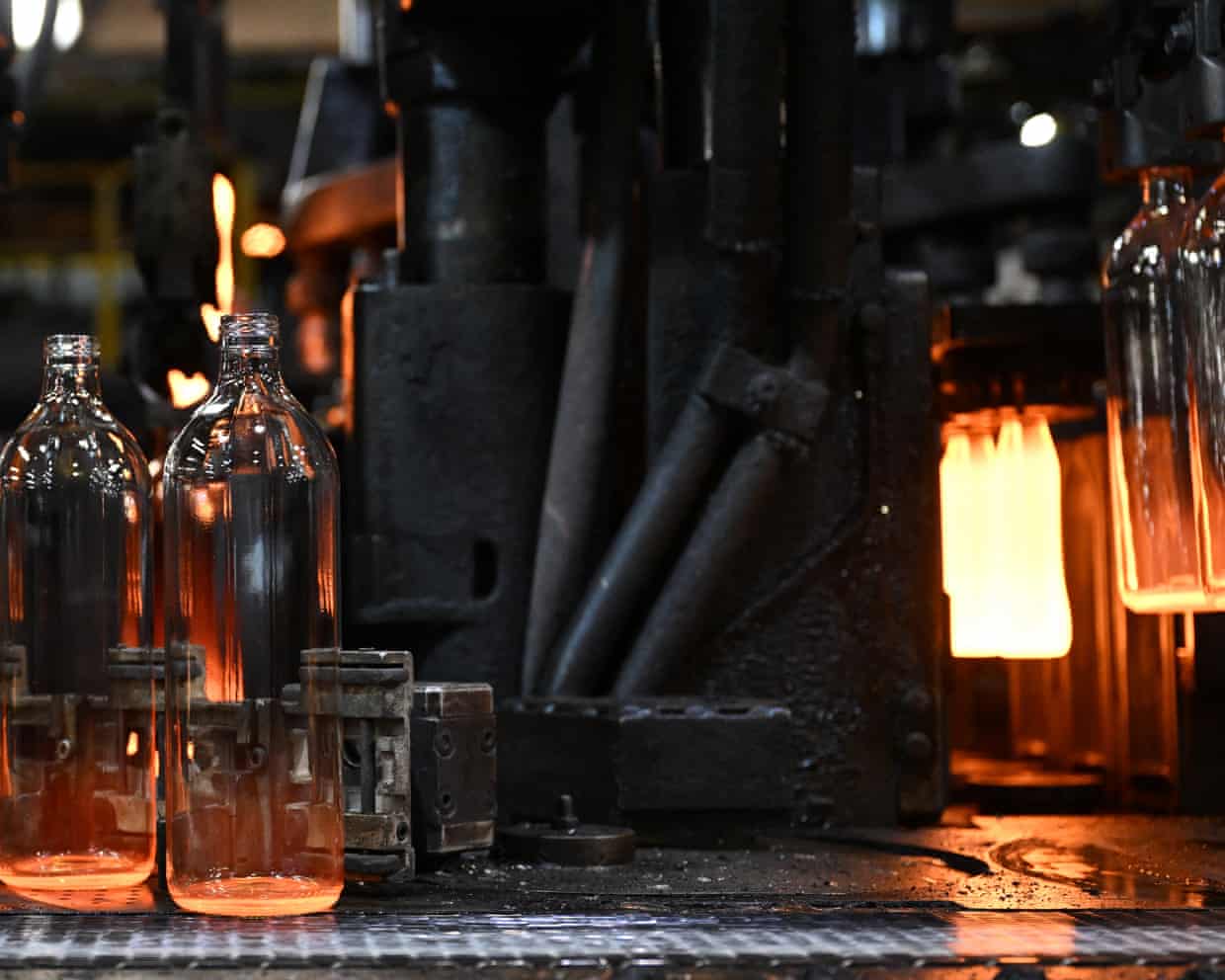
It is “bold action” to boost UK competitiveness, claimed the government. Not everybody shared that assessment of the British industrial competitiveness scheme (Bics), the long-awaited plan to cut electricity bills for UK manufacturers by up to 25% – or, at least, to cut them for a subset of firms that are aligned with the eight chosen sectors of the “modern” industrial strategy.“Gas intensive industries in the UK have been shamefully ignored by the government in this announcement – it’s a total disgrace,” said Gary Smith, the general secretary of the GMB union, banging the drum for the likes of ceramics-makers and brickmakers that aren’t deemed modern enough for support. Employer bodies mostly did the polite thing of welcoming government assistance of any form before using phrases such as “drop in the ocean”.And, it’s true, £600m a year across 10,000 companies isn’t much
IMF chief Georgieva warns ‘everyone will feel the impact’ of energy price shock, as UK growth beats forecasts – as it happened
Over in Washington DC, the International Monetary Fund is holding a debate on the global economy.IMF chief Kristalina Georgieva says the world economy is facing another, large, shock:double quotation markThe world economy has been, very resilient over the last few years, facing shock after the shock. And this resilience is tested yet again, this time by a shock that is large.Twenty percent of oil and gas is stuck in the Strait of Hormuz, depriving primarily Asia, but also Europe, and other parts of the world of a vital resource. It is global
Europe has only six weeks’ supply of jet fuel left owing to Iran war, says energy chief
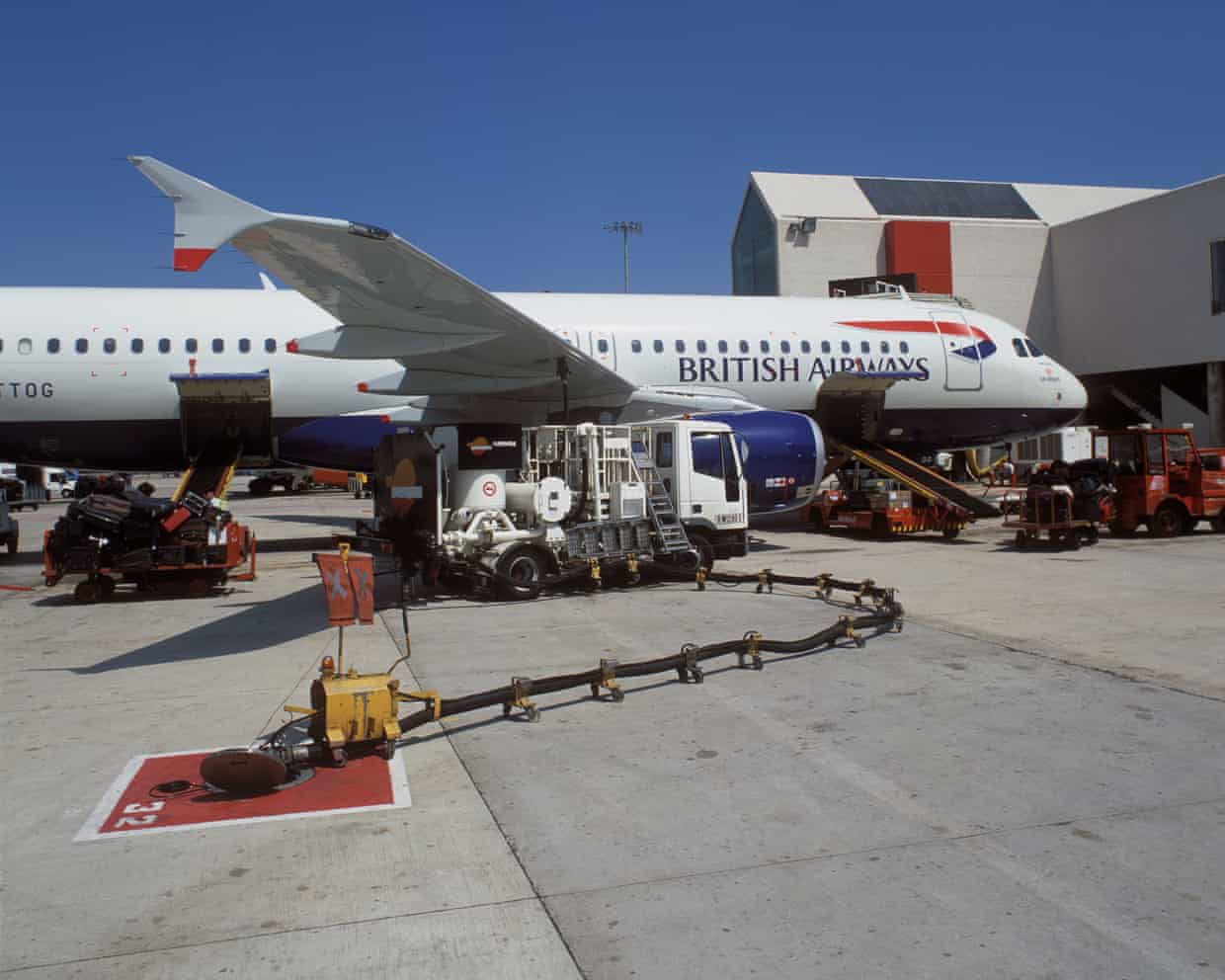
Europe has only six weeks of jet fuel left before shortages will hit because of the Iran war, according to the head of a global energy watchdog.Fatih Birol, the executive director of the International Energy Agency, said there would be flight cancellations “soon” if oil supplies from the Middle East were not restored within the coming weeks.“I can tell you soon we will hear the news that some of the flights from city A to city B might be cancelled as a result of lack of jet fuel,” he told the Associated Press.KLM, part of the Air France-KLM group, said on Thursday it would cut 160 flights in the coming month because of high kerosene jet fuel prices. Although less than 1% of its schedule, the cancellations underline the financial pressures on the airline industry
Metro Bank boss handed record £2.6m a year after slashing 1,000 jobs
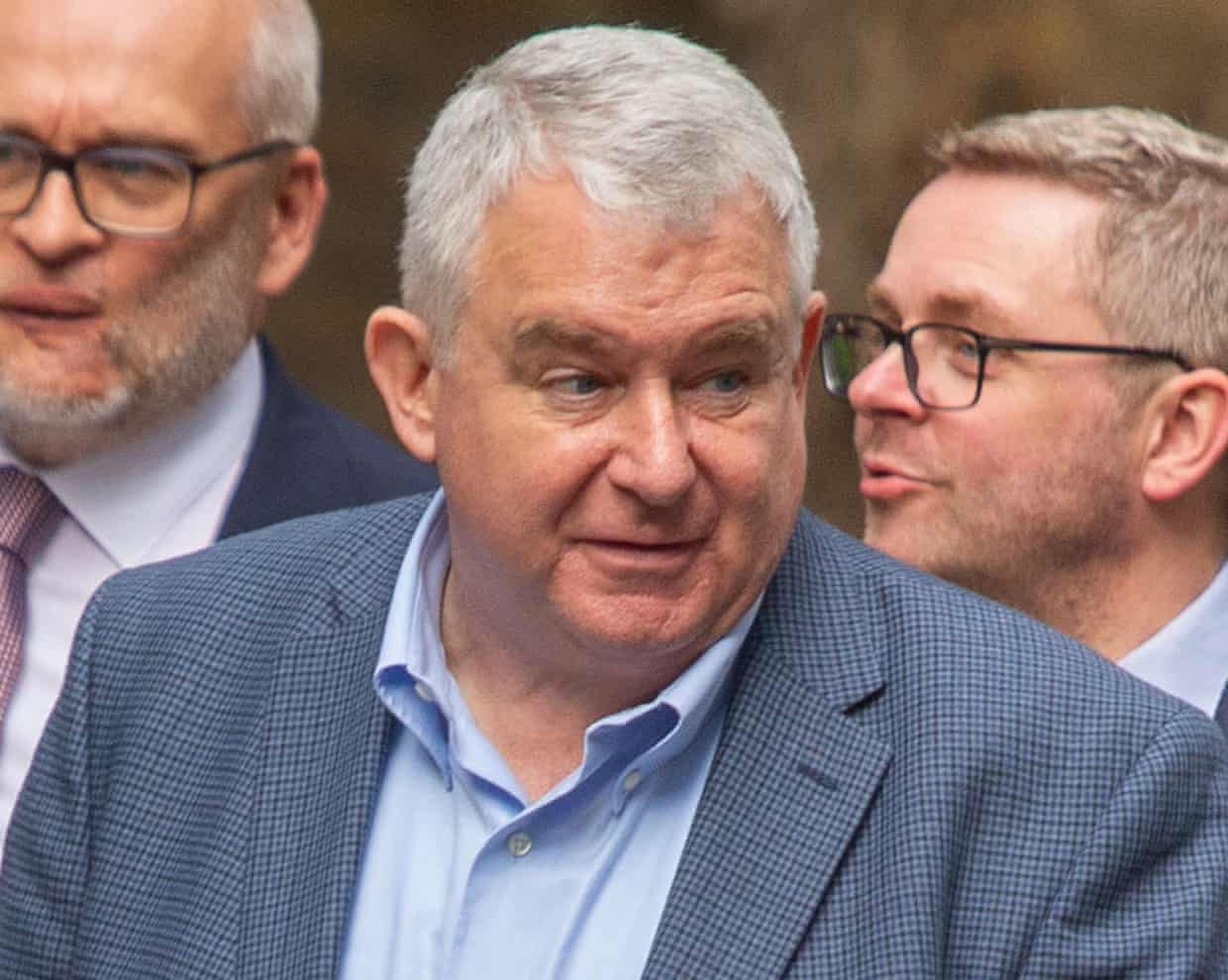
Metro Bank’s chief executive has been handed a £2.6m pay packet – the largest in its history – a year after slashing 1,000 jobs in response to the lender’s near collapse.The figure is more than double the £1.2m Dan Frumkin was paid in 2024. Metro pushed through the pay bump and complex bonus scheme for the former RBS and Northern Rock banker at a shareholder meeting last year
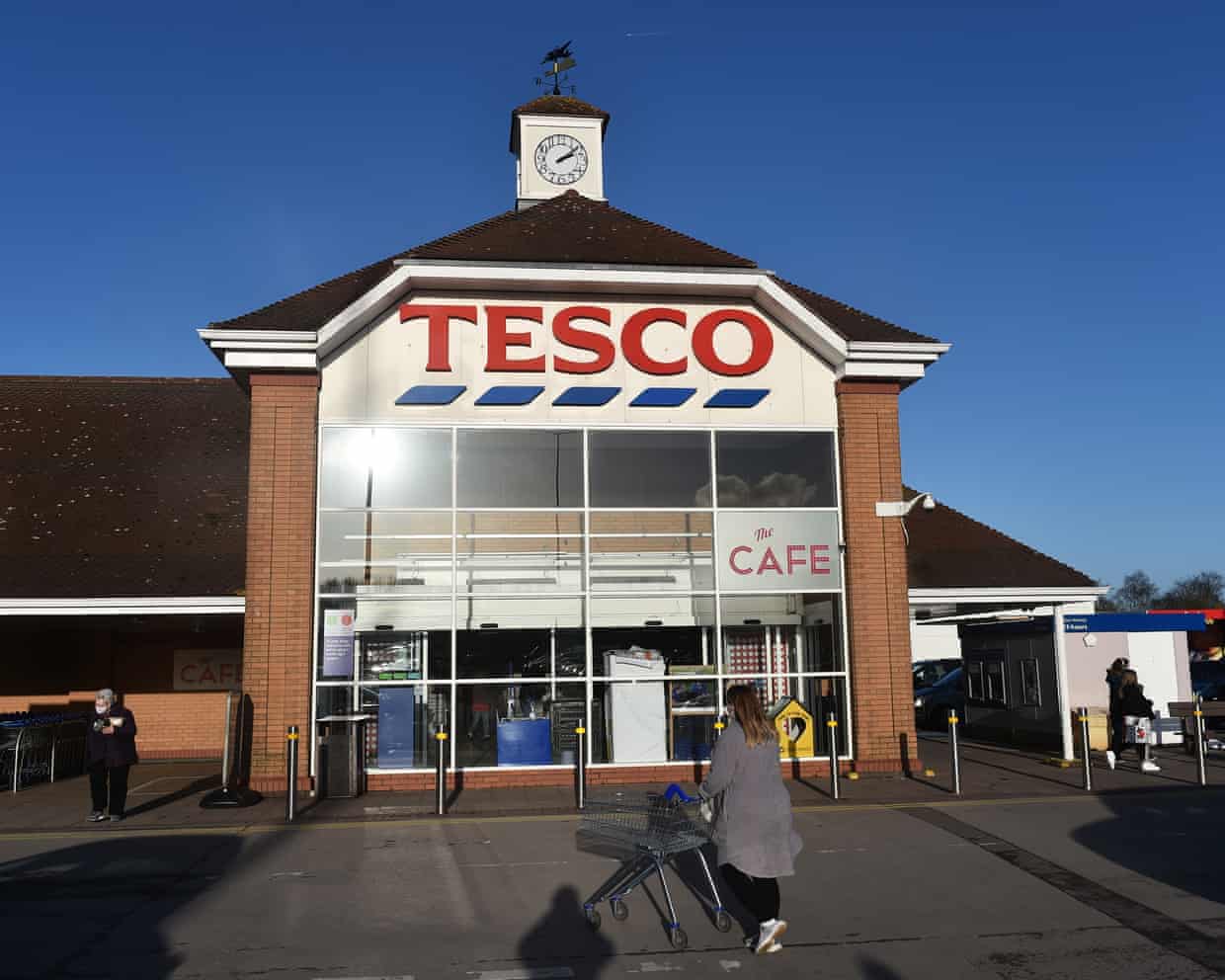
Tesco warns profits could fall amid Iran war uncertainty
Tesco has warned that profits could fall back in the year ahead, citing increased uncertainty caused by the conflict in the Middle East.Ken Murphy, its chief executive, said that despite concerns about the impact of the closure of the strait of Hormuz on oil, gas and linked chemicals, the UK’s largest supermarket chain was “in good shape” on stocks of fuel for its petrol stations and distribution network.He said Tesco was not currently seeing problems with the supply of food or groceries, or “meaningful” inflation except at the pump on its forecourts.Murphy said he did not recognise predictions from the UK’s Food and Drink Federation that food inflation could hit 9% amid fears of shortages. “None of our growers, suppliers or manufacturers have flagged any supply issues,” he said
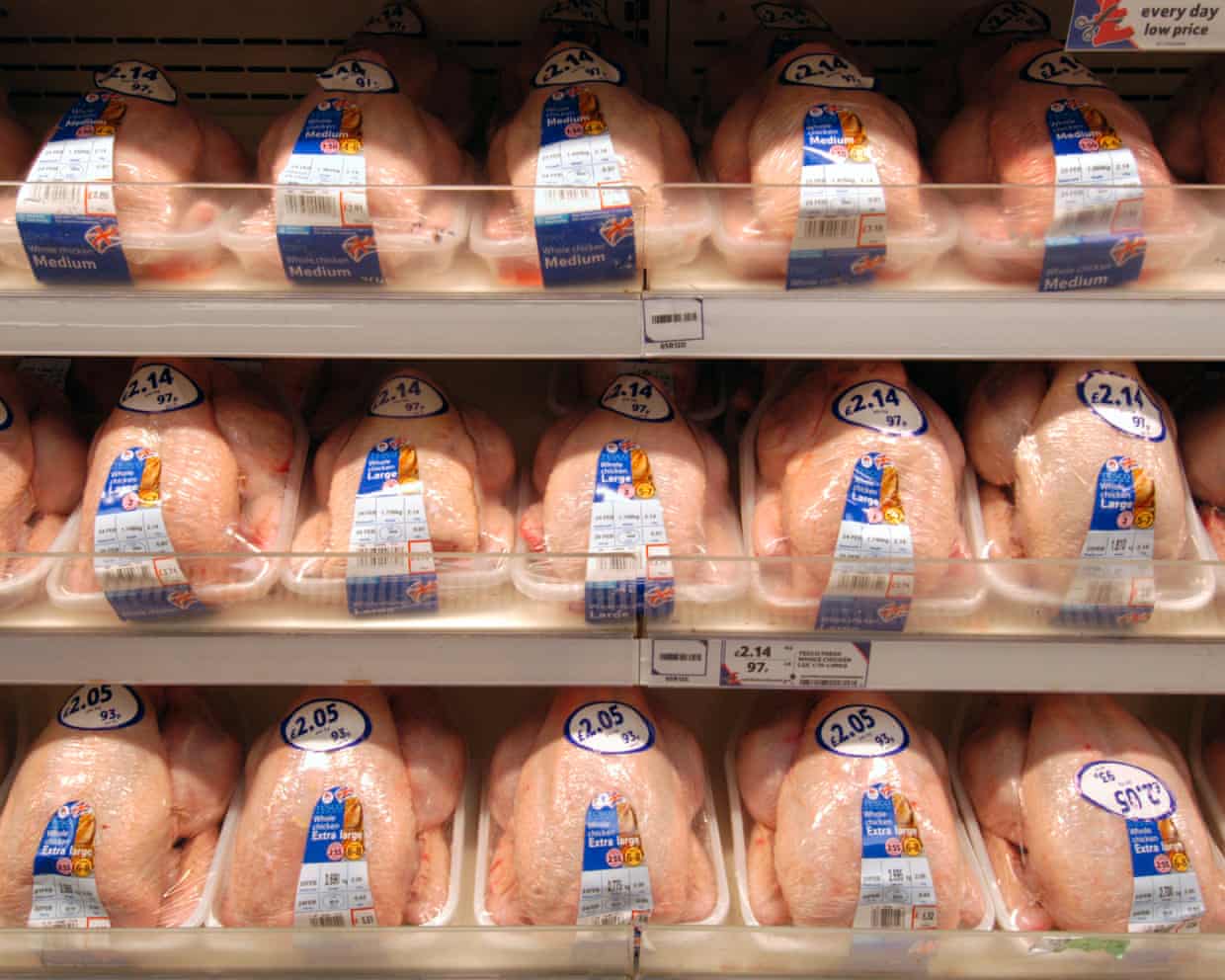
UK could face gaps on supermarket shelves by summer if Iran war continues
The UK could face some gaps on supermarket shelves this summer if disruption caused by the Iran war continues, with shortages of carbon dioxide potentially hitting supplies of chicken, pork and fizzy drinks.Government ministers are drawing up contingency plans for a “reasonable worst-case scenario” if the key shipping lane of the strait of Hormuz does not reopen, disrupting supplies of the CO2 required by the food industry.Officials from departments including No 10, the Treasury and the Ministry of Defence have run a planning operation named Exercise Turnstone to rehearse various scenarios of how British industry could be affected by a long closure of the strait.The planning exercise run by the government’s Cobra emergency committee, details of which were first reported by the Times, was based on multiple disruptive events happening at once, including the strait still being closed in June, a lack of a permanent peace deal between the US and Iran, and a mechanical failure at one of the UK’s key CO2 plants.The business secretary said on Thursday that the public should be “reassured” by the fact ministers were making contingency plans for possible repercussions from the war, adding that supplies of CO2 were “not a concern” for the UK economy

Effect of ‘gamechanger’ Alzheimer’s drugs ‘trivial’, review concludes

People in north of England twice as likely to be killed in accidents as Londoners, report finds

Sexual harassment is rife on comedy circuit and women lack protections, MPs told
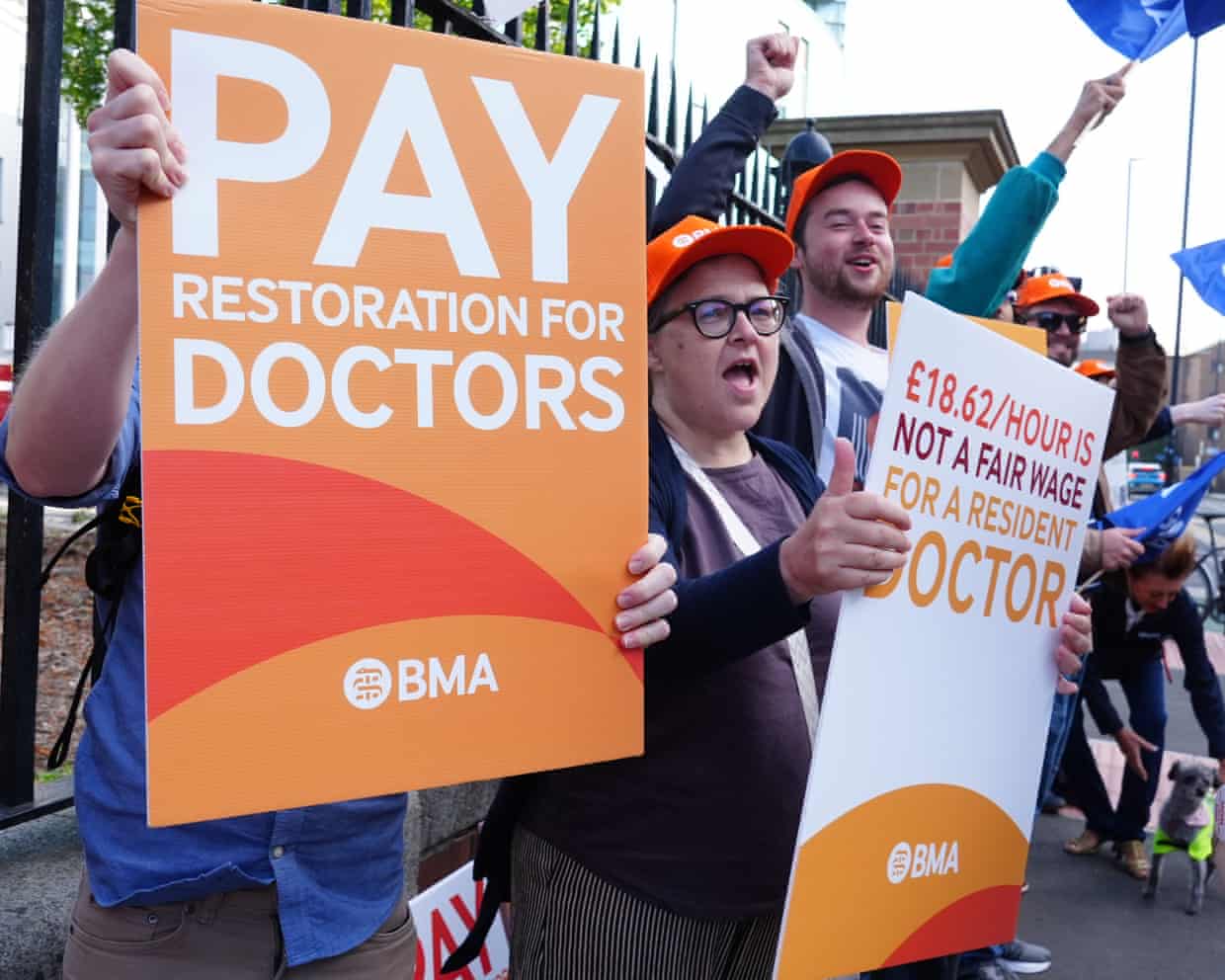
Strike is harming the NHS and dividing doctors | Letters

Why we washed our hands of Izal | Brief letters

Government’s 1.5m housebuilding target in England is suffering from subsidence | Nils Pratley